
A Comparative Analysis: Indus Valley Architecture vs. Mesopotamia

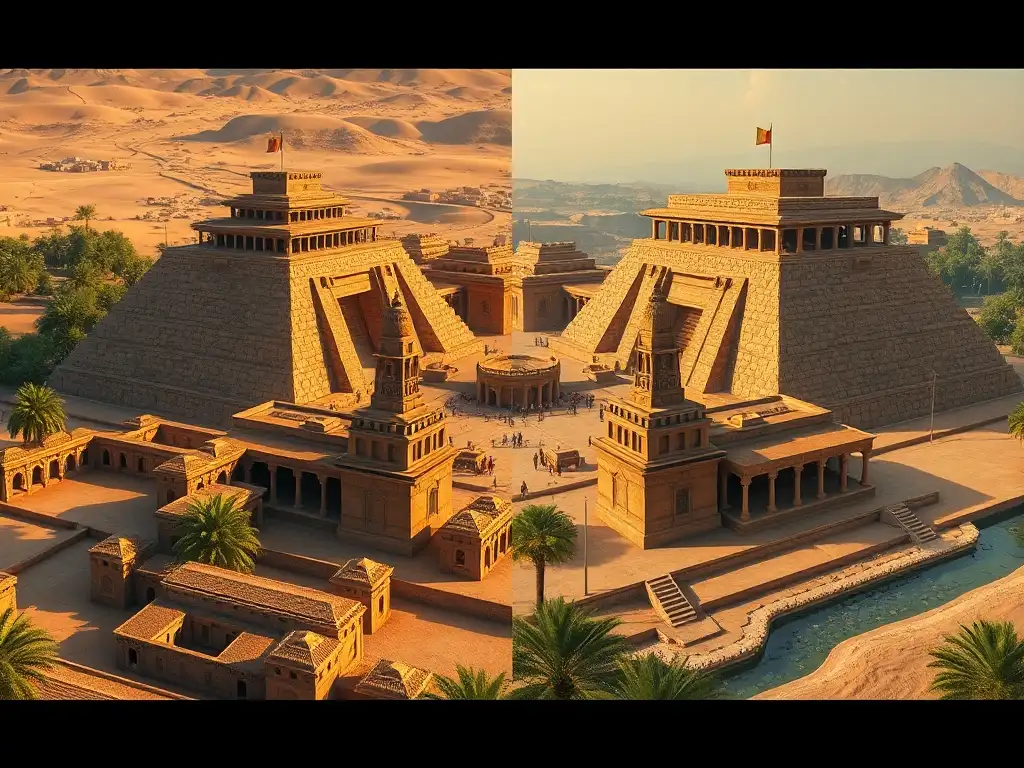
Welcome to Ancient India History, where we embark on a fascinating journey through the rich tapestry of ancient Indian civilizations. In our featured article, "A Comparative Analysis: Indus Valley Architecture vs. Mesopotamia," we delve into the intriguing nuances and architectural marvels that define the Indus Valley. How does this ancient society’s ingenuity measure up against its Mesopotamian counterpart? Join us as we uncover the secrets of historical design, cultural significance, and the lasting impact of these remarkable civilizations. Prepare to be captivated by the stories of innovation and artistry that shaped our world!
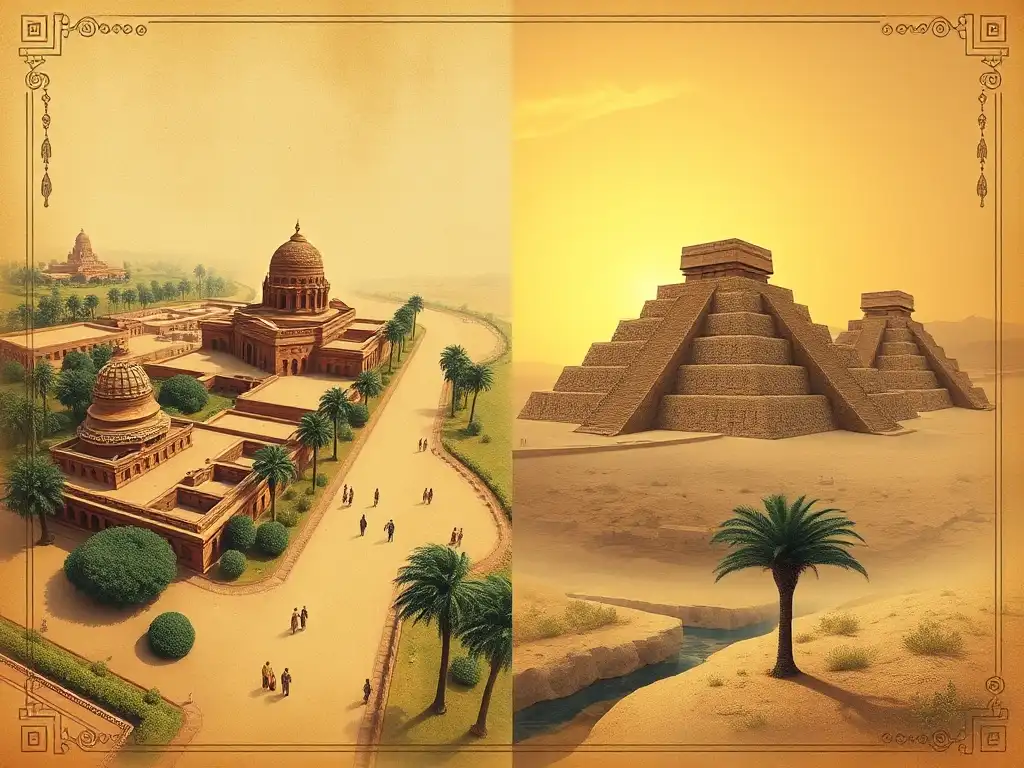
Introduction to Indus Valley Architecture and Mesopotamian Architecture
The architectural achievements of ancient civilizations offer profound insights into their cultural, social, and technological advancements. Among these, the Indus Valley Civilization and Mesopotamia stand out for their unique contributions to architecture and urban planning. This article aims to conduct a comparative analysis of Indus Valley architecture and Mesopotamian architecture, focusing on their distinct features, methodologies, and the context in which they developed.
By examining these two influential civilizations, we can gain a deeper understanding of their architectural significance and the legacy they left behind. This exploration will not only highlight the innovation and creativity of ancient builders but also emphasize the importance of architectural comparison in understanding the broader narrative of human history.
Overview of Indus Valley Civilization Architecture
The Indus Valley Civilization, flourishing around 2500 BCE in what is now Pakistan and northwest India, is renowned for its sophisticated urban planning and architectural excellence. Cities like Harappa and Mohenjo-Daro exemplified advanced engineering techniques and a high degree of social organization. The architecture of this civilization is characterized by:
- Grid-like city layouts: Streets were meticulously planned, intersecting at right angles, indicating a sophisticated approach to urban design.
- Advanced drainage systems: The existence of covered drains and toilets in homes showcases their understanding of sanitation and public health.
- Use of standardized fired bricks: This provided uniformity and durability, setting a precedent for construction practices in the region.
These features reflect the civilization's emphasis on functionality and urban aesthetics, indicating a well-planned society with a strong architectural vision.
Overview of Mesopotamian Architecture
In contrast, Mesopotamia, often referred to as the "Cradle of Civilization," encompasses the regions between the Tigris and Euphrates rivers, where various cultures, including the Sumerians, Akkadians, Babylonians, and Assyrians, thrived from approximately 3500 BCE. Mesopotamian architecture is known for:
- Ziggurats: These massive step pyramids served religious purposes and were central to the urban landscape, symbolizing the connection between the heavens and the earth.
- Mud-brick construction: The use of locally available materials allowed for the creation of monumental structures, though they were less durable than fired brick.
- Intricate decorative elements: Bas-reliefs and glazed bricks adorned many buildings, showcasing artistic expression alongside architectural functionality.
The architectural style in Mesopotamia reflects a blend of religious significance and practical needs, highlighting the cultural priorities of its societies.
Importance of Architectural Comparison in Ancient Civilizations
Comparing the architecture of the Indus Valley and Mesopotamia is crucial for understanding the diversity and complexity of ancient civilizations. Architectural practices not only reveal technological advancements but also provide insights into social hierarchies, religious beliefs, and economic structures. Through this comparative lens, we can appreciate how different environmental factors and cultural influences shaped the architectural trajectories of these two remarkable civilizations. This analysis will also shed light on the interactions and exchanges that may have occurred between the regions, enriching our understanding of ancient history as a whole.
Key Features of Indus Valley Architecture
Urban Planning and Layout of Indus Valley Cities
The urban planning of Indus Valley cities is often seen as a hallmark of their architectural ingenuity. Each city was meticulously designed, exhibiting a highly organized layout that included:
- Grid Patterns: Streets were laid out in a grid pattern, which facilitated movement and accessibility.
- Public and private spaces: Distinct areas for residential, commercial, and public use were clearly demarcated, reflecting a sophisticated urban organization.
- Fortifications: Many cities featured walls and citadels for protection, emphasizing the importance of security in urban planning.
This level of planning indicates a well-thought-out approach to city life, promoting efficiency and community interaction.
Building Materials and Construction Techniques
The Indus Valley Civilization utilized a variety of materials and techniques that contributed to their architectural resilience:
- Fired bricks: Standardized sizes of bricks were used widely, providing strength and durability to structures.
- Mortise and tenon joints: This technique allowed for stable connections between building materials, enhancing structural integrity.
- Water-resistant structures: Construction methods included waterproofing techniques that were essential for managing water in urban environments.
These innovations not only reflect technological advancement but also demonstrate an understanding of the local environment.
Notable Structures: The Great Bath and Citadel
Among the notable structures of the Indus Valley Civilization, two stand out for their architectural significance:
- The Great Bath: Located in Mohenjo-Daro, this large public bathing area is believed to have had religious or ritualistic importance, showcasing advanced water management techniques.
- The Citadel: A raised area that housed important administrative and religious buildings, indicating the centralized governance and social hierarchy within the civilization.
These structures exemplify the architectural sophistication of the Indus Valley, highlighting their cultural values and technological prowess.
Key Features of Mesopotamian Architecture
Mesopotamian architecture, developed in the region between the Tigris and Euphrates rivers, showcases a blend of functionality and artistry that reflects the civilization's cultural values and environmental conditions. One of the hallmark features is the extensive use of mudbrick, a material derived from the abundant clay found in the region. This choice allowed for the construction of durable structures capable of withstanding the varying weather patterns of the area.
Other significant aspects include the development of monumental architecture, such as temples and palaces, which served both religious and administrative purposes. These structures often featured intricate carvings and reliefs that depicted deities, mythological scenes, and the daily life of the people, emphasizing the importance of both spirituality and governance in Mesopotamian society.
Urban Layout and City Planning in Mesopotamia
The city planning of Mesopotamian cities was characterized by a distinctive layout, often built around a central ziggurat or temple complex. This pyramid-like structure served as both a religious hub and a focal point for the city, symbolizing the connection between the heavens and the earth. The cities, such as Ur and Babylon, were also designed with a complex network of streets that often followed a grid pattern, facilitating trade and movement within the urban space.
Furthermore, Mesopotamian cities featured defensive walls constructed from mudbrick, providing protection against invasions. The organization of residential areas, public spaces, and administrative buildings reflects an advanced understanding of urban planning that catered to the needs of their inhabitants, promoting both social interaction and security.
Use of Materials: Mudbrick and Stone
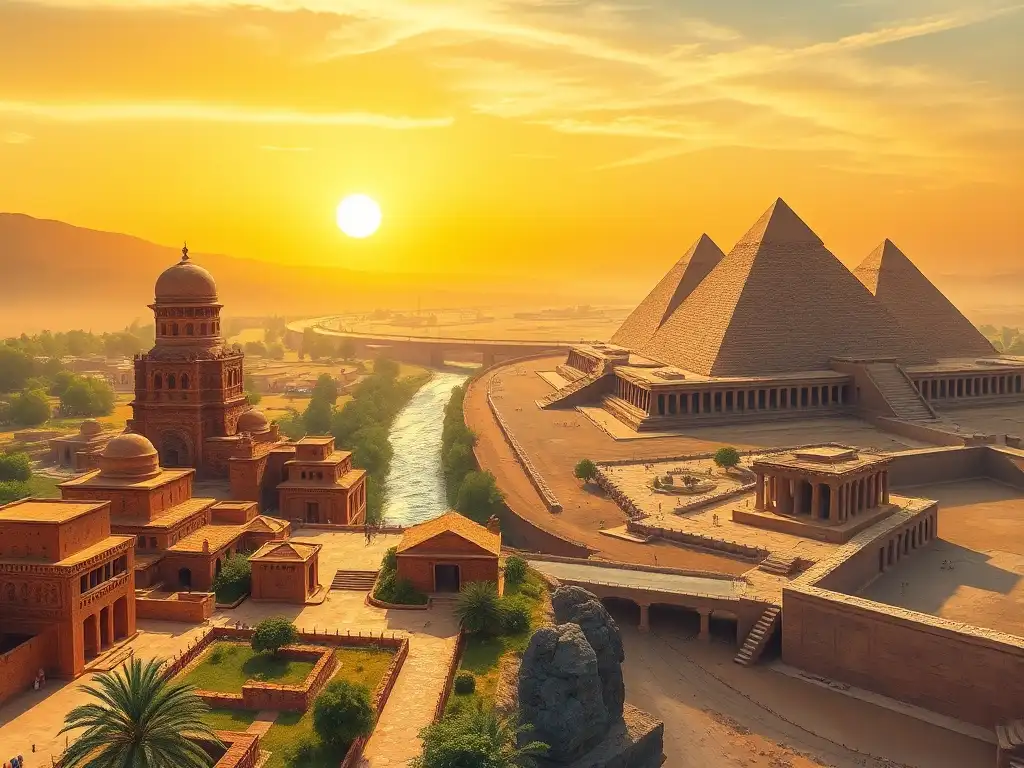
The predominant building material in Mesopotamian architecture was mudbrick, which was readily available and easy to work with. Mudbricks were made from a mixture of clay, water, and straw, which were then dried in the sun to create solid blocks for construction. This material was advantageous in the hot, arid climate, providing excellent thermal insulation.
In contrast, while Mesopotamia used mudbrick extensively, they also incorporated stone for specific monumental structures and decorative elements. For instance, limestone and basalt were often used for ziggurats and palaces, creating a visual contrast with the surrounding mudbrick buildings. The use of diverse materials not only enhanced structural integrity but also reflected the wealth and status of the ruling elite.
Iconic Structures: Ziggurats and Palaces
Ziggurats are among the most iconic structures of Mesopotamian architecture, characterized by their step-like design, rising in tiers towards the heavens. These massive structures served as temples for worship and were often dedicated to the patron gods of the city. The most famous ziggurat, the Ziggurat of Ur, stands as a testament to the engineering prowess and religious fervor of the civilization.
In addition to ziggurats, palaces played a crucial role in Mesopotamian architecture, serving as administrative centers and residences for kings and nobles. The palaces were often elaborate, featuring courtyards, gardens, and intricate reliefs that depicted the grandeur of the ruling class. Their design emphasized not only functionality but also the power dynamics within the society, making them central to the cultural identity of Mesopotamia.
Comparative Analysis of Architectural Styles
When comparing Indus Valley architecture with that of Mesopotamia, distinct differences and similarities emerge. Both civilizations exhibited advanced urban planning and architectural techniques, yet their approaches were shaped by unique cultural, environmental, and technological factors.
The urban layout of the Indus Valley cities, characterized by a grid pattern, contrasted with the more organic growth seen in Mesopotamian cities. While both civilizations utilized local materials abundantly, the Indus Valley is noted for its use of fired brick in addition to mudbrick, reflecting a different technological advancement.
Differences in Urban Planning: Indus Valley vs. Mesopotamia
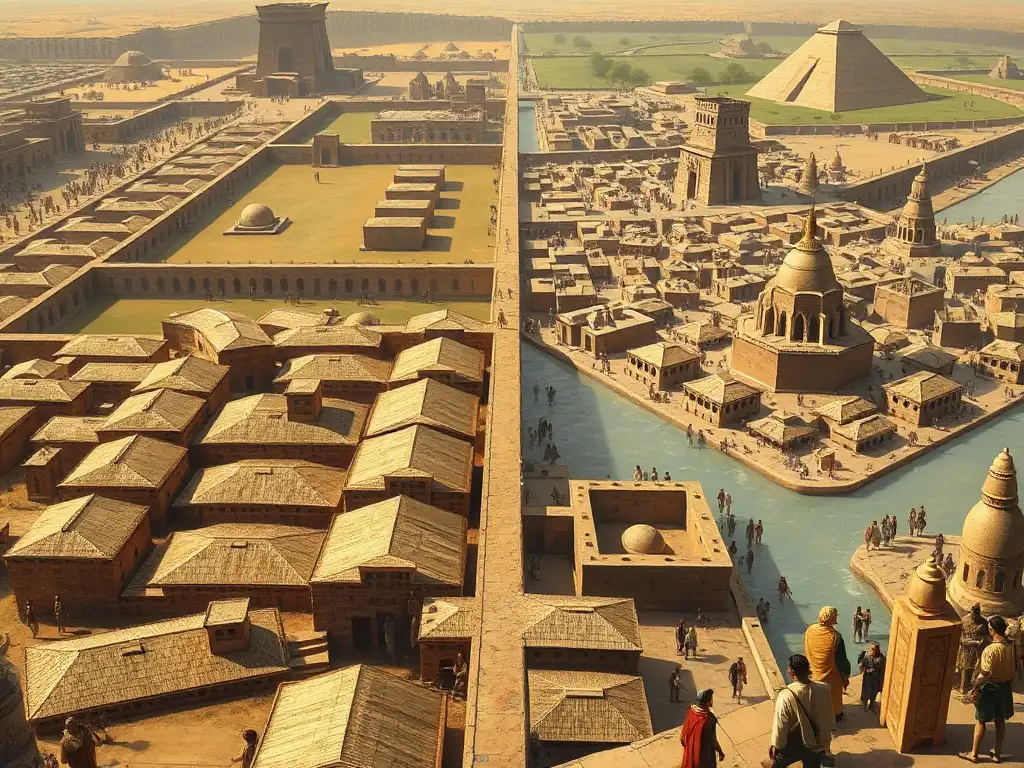
Urban planning in the Indus Valley Civilization was marked by an emphasis on sanitation and drainage systems, which were more sophisticated than those found in contemporary Mesopotamian cities. Streets were often lined with houses that had private bathrooms and toilets, showing a commitment to public health and urban hygiene that was unparalleled at the time.
In contrast, Mesopotamian cities displayed a more hierarchical layout, with the ziggurat at the center, symbolizing the religious and political authority. The planning reflected a top-down approach where the needs of the ruling class were prioritized over those of the general populace. This difference highlights the varying societal values and governance structures that influenced urban design in each civilization.
Construction Methods: Innovations in Both Civilizations
Both the Indus Valley and Mesopotamian civilizations were pioneers in their respective construction methods. The Indus Valley is known for its innovative use of fired bricks, which provided greater durability and strength compared to sun-dried mudbricks. Their advanced water management systems, including wells and drainage technologies, demonstrate a sophisticated understanding of civil engineering.
Conversely, Mesopotamia excelled in the use of arch and vault techniques in their monumental buildings, which allowed for larger and more stable structures. The use of mudbrick and stone together showcased their adaptability and resourcefulness, allowing them to create awe-inspiring temples and palaces that have stood the test of time.
Aesthetic Elements: Decoration and Symbolism in Architecture
Aesthetic elements in both civilizations reflect their cultural values and beliefs. In Mesopotamia, buildings were often adorned with intricate carvings, pottery, and glazed bricks featuring mythological and religious themes, emphasizing the connection between the divine and earthly realms. The use of color and texture in their architecture conveyed messages of power, piety, and prosperity.
In contrast, Indus Valley architecture displayed a more understated aesthetic, with an emphasis on symmetry and functionality. While less ornate, their structures often included decorative motifs, such as seals and pottery, that reflected daily life and spiritual beliefs. This approach to aesthetics highlights the different priorities of each civilization, with Mesopotamia showcasing grandeur and the Indus Valley emphasizing harmony and practicality.
Functional Aspects of Architecture in Both Civilizations
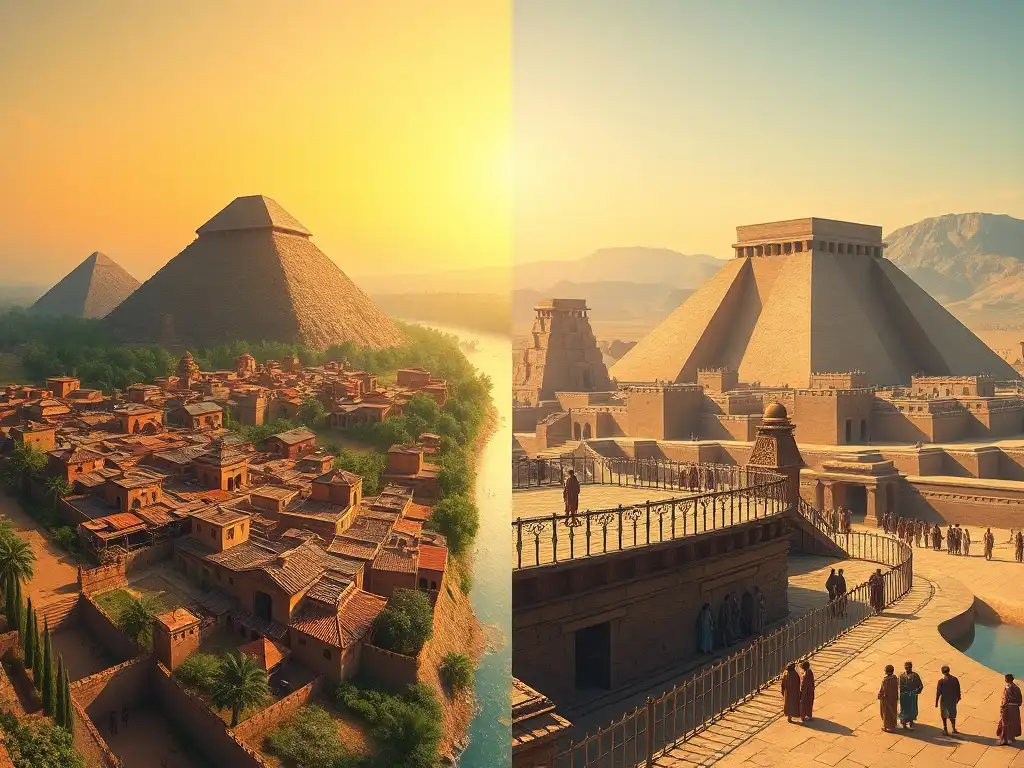
The architecture of the Indus Valley Civilization and Mesopotamia serves as a testament to the functional priorities of each society. In the Indus Valley, urban planning was characterized by a grid layout, where streets were laid out in a precise manner. This was not only aesthetically pleasing but also practical for trade and movement. Buildings were constructed using standardized fired bricks, showcasing a uniformity that is indicative of advanced engineering techniques. The presence of public baths, such as the Great Bath of Mohenjo-Daro, highlights the emphasis on hygiene and communal spaces within these urban centers.
In contrast, Mesopotamian architecture prioritized monumental structures, such as ziggurats, which served both religious and administrative purposes. These stepped temples were built to reach the heavens, reflecting the civilization's religious beliefs and the importance of the priesthood. The use of mud bricks in Mesopotamia allowed for the construction of grand edifices, despite the region's lack of stone resources. Both civilizations employed their architectural styles to address functional needs, yet the approaches differed significantly based on societal values and environmental factors.
Public vs. Private Spaces: A Comparative Perspective
In the Indus Valley Civilization, the distinction between public and private spaces was marked by a clear architectural separation. Public areas, such as markets and baths, were accessible to all and were strategically located to facilitate trade and social interaction. The layout of these cities, with wide streets and organized blocks, facilitated efficient movement and encouraged community engagement.
Conversely, Mesopotamian cities often featured a more hierarchical approach to space allocation. The ziggurats and palaces were prominent in the urban landscape, emphasizing the power of the rulers and priests. Private residences, often smaller and less elaborate, were typically located away from these grand structures, indicating a societal structure that prioritized authority and religious significance. This architectural differentiation reflects the underlying social hierarchies and cultural values inherent in each civilization.
Role of Religion in Architectural Design
Religion played a pivotal role in shaping the architectural landscapes of both the Indus Valley and Mesopotamia. In the Indus Valley, while specific religious structures are less understood due to the lack of written records, the presence of ritual baths and figurines suggests a culture that held religious practices in high regard. The alignment of certain buildings with celestial events indicates an awareness of cosmology and spirituality that influenced their architectural choices.
On the other hand, Mesopotamian architecture was heavily dominated by religious beliefs, with ziggurats serving as the focal points of cities. These structures were not merely temples but also represented the connection between the divine and the earthly realm. The grandeur of these edifices reflected the civilization's devotion and the central role of deities in daily life. Thus, while both cultures integrated religious elements into their architecture, the manifestations and significance varied substantially.
Cultural Significance of Architecture
The cultural significance of architecture in the Indus Valley and Mesopotamia extends beyond mere functionality; it serves as a reflection of each civilization's identity and values. In the Indus Valley, the uniformity of urban design and the emphasis on sanitation reflect a society that valued community health and organization. The careful planning of cities like Harappa and Mohenjo-Daro showcases the advanced understanding of urbanism that characterized this civilization.
In Mesopotamia, architecture was a canvas for expressing power and religious devotion. The towering ziggurats and grand palaces not only served practical purposes but also symbolized the might of the rulers and the divine right attributed to them. This architectural grandeur was instrumental in reinforcing social stratification and cultural pride, showcasing the civilization's achievements and aspirations.
Reflection of Society in Indus Valley Architecture
Indus Valley architecture is a direct reflection of the society's values and daily life. The meticulous urban planning, which included features like drainage systems and public baths, indicates a high level of civic consciousness and concern for hygiene. The uniformity in housing suggests a degree of equality among the populace, potentially reflecting a less stratified social structure compared to contemporaneous cultures.
Moreover, the presence of various artifacts, such as seals and pottery, found in residential areas highlights the importance of trade and craftsmanship in Indus society. These elements suggest that architecture was not only about shelter but also a medium through which socio-economic interactions took place, thereby enriching the cultural narrative of the civilization.
Cultural Expressions in Mesopotamian Architecture
Mesopotamian architecture serves as a rich tapestry of cultural expression, reflecting the complexities of its society. The construction of ziggurats and palatial complexes demonstrates a strong connection between architecture and power. These monumental structures were often adorned with intricate reliefs and carvings that depicted mythological narratives and historical events, emphasizing the civilization's storytelling tradition.
Additionally, the use of decorative motifs in temples and public buildings illustrates the Mesopotamians' reverence for their deities and the natural world. By embedding cultural symbolism into their architectural designs, the Mesopotamians communicated their beliefs and values, making architecture a vital aspect of their cultural identity.
The Influence of Architecture on Daily Life
Architecture in both the Indus Valley and Mesopotamia significantly influenced daily life, shaping how communities interacted and lived. In the Indus Valley, the design of cities facilitated trade and social gatherings, with marketplaces and communal baths serving as hubs of activity. This architectural arrangement promoted a sense of community and collective identity among the inhabitants.
In Mesopotamia, the prominence of temples and administrative buildings dictated the rhythm of daily life. The ziggurats served not only as religious centers but also as places for governance and community gatherings, intertwining spiritual and civic life. The architectural landscape thus played a crucial role in delineating social activities and reinforcing the societal structure, highlighting the profound impact of architecture on the lives of individuals in both civilizations.
Conclusion: The Legacy of Indus Valley and Mesopotamian Architecture
The architectural legacies of the Indus Valley Civilization and Mesopotamia provide profound insights into the ingenuity and adaptability of ancient cultures. Both civilizations showcased a remarkable understanding of urban planning, materials, and construction techniques that served their communities effectively. While they arose in different geographical and cultural contexts, the influences of their architectural practices resonate through the ages, forming a valuable foundation for future societies.
Summary of Key Comparative Insights
In comparing Indus Valley architecture with that of Mesopotamia, several key insights emerge:
- Urban Planning: The Indus Valley showcased advanced city layouts with grid patterns, sophisticated drainage systems, and standardized brick sizes, indicating a high level of civic planning. Conversely, Mesopotamian cities often developed organically, resulting in irregular layouts and a focus on monumental structures like ziggurats.
- Materials and Techniques: Indus Valley builders primarily utilized baked bricks, which were more durable and consistent in size, while Mesopotamians employed mud bricks, which were less durable but readily available. Additionally, the use of arches and vaults in Mesopotamia is notable, whereas the Indus Valley architecture demonstrated a preference for straight walls and flat roofs.
- Cultural Significance: The architecture in both civilizations reflected their societal structures and religious beliefs. In Mesopotamia, monumental architecture such as ziggurats served religious purposes and displayed the power of the ruling class. In contrast, Indus Valley architecture, with its focus on residential and public buildings, suggests a more egalitarian society with less emphasis on monumental religious structures.
Lasting Impact on Future Civilizations
The architectural innovations of the Indus Valley and Mesopotamia have profoundly influenced subsequent civilizations. The urban planning principles of the Indus Valley, particularly the emphasis on sanitation and organized layouts, can be seen in later city designs across the Indian subcontinent and beyond. On the other hand, the monumental architecture of Mesopotamia has inspired various architectural styles in the Mediterranean and the Near East, particularly during the rise of ancient Greek and Roman architecture.
Moreover, the use of materials and construction methods developed by these civilizations paved the way for advancements in engineering and architecture in later periods. The concept of urban infrastructure, seen in the drainage systems of the Indus Valley, has continued to evolve, influencing modern urban planning principles.
Final Thoughts on Indus Valley Architecture Comparison
The comparison between Indus Valley architecture and that of Mesopotamia reveals not only the unique characteristics of each civilization but also shared human endeavors to create functional, aesthetic, and symbolic structures. Understanding these architectural traditions enhances our appreciation of the complexities of ancient societies and their ability to adapt to their environments.
As we reflect on the legacies of these two great civilizations, it becomes evident that their architectural achievements were not merely products of their time but have enduring relevance that continues to inspire architects, urban planners, and historians today. The Indus Valley architecture comparison ultimately underscores the rich tapestry of human history, where innovation and creativity shaped the built environment across cultures and eras.
- Introduction to Indus Valley Architecture and Mesopotamian Architecture
- Key Features of Indus Valley Architecture
- Key Features of Mesopotamian Architecture
- Urban Layout and City Planning in Mesopotamia
- Use of Materials: Mudbrick and Stone
- Iconic Structures: Ziggurats and Palaces
- Comparative Analysis of Architectural Styles
- Differences in Urban Planning: Indus Valley vs. Mesopotamia
- Construction Methods: Innovations in Both Civilizations
- Aesthetic Elements: Decoration and Symbolism in Architecture
- Functional Aspects of Architecture in Both Civilizations
- Cultural Significance of Architecture
- Conclusion: The Legacy of Indus Valley and Mesopotamian Architecture
- What is Indus Valley architecture known for?
- How does Indus Valley architecture compare to Mesopotamian architecture?
- What materials were primarily used in Indus Valley architecture?
- Were there any notable structures in the Indus Valley?
- What influences did Indus Valley architecture have on later civilizations?
Frequently Asked Questions
What is Indus Valley architecture known for?
Indus Valley architecture is characterized by its advanced urban planning, including grid layouts, sophisticated drainage systems, and the use of baked bricks.
How does Indus Valley architecture compare to Mesopotamian architecture?
While Indus Valley architecture emphasizes urban planning and sanitation, Mesopotamian architecture focuses more on monumental structures like ziggurats, showcasing different cultural priorities.
What materials were primarily used in Indus Valley architecture?
The primary materials used in Indus Valley architecture were baked bricks and mud, reflecting both the resources available and the architectural techniques of the time.
Were there any notable structures in the Indus Valley?
Yes, notable structures include the Great Bath of Mohenjo-Daro and fortified citadels, which demonstrate the engineering skills and social organization of the civilization.
What influences did Indus Valley architecture have on later civilizations?
Indus Valley architecture influenced later Indian architectural styles through its emphasis on urban planning and sanitation, setting a precedent for future city designs in the region.
Final Reflection: The Enduring Legacy of Ancient Civilizations
The architectural marvels of the Indus Valley and Mesopotamia reveal not just the ingenuity of their creators, but also their profound relevance in today's world. As we navigate the complexities of modern urbanization and environmental challenges, understanding these ancient societies offers invaluable lessons on sustainability, community planning, and cultural expression. The architectural choices made by these civilizations were not merely functional; they were deeply intertwined with their social structures and environmental contexts, reminding us that architecture is a reflection of human values and aspirations.
The comparison of Indus Valley architecture and Mesopotamian structures highlights the diverse approaches to urban living and environmental adaptation. These ancient cities were designed with an understanding of their surroundings that resonates even today. As we face rapid urban growth and climate change, we can draw inspiration from their innovative designs and communal spaces. Architecture is the thoughtful making of space,
said Louis Kahn, and this sentiment echoes through the ages as we reflect on how these early civilizations shaped their environments to foster community and resilience.
As we conclude this exploration of ancient architectural practices, I invite you to reflect on how these lessons can be applied in your own life and community. Consider the spaces you inhabit and how they influence your daily experiences. Whether you are an architect, a city planner, or simply a conscious citizen, think about how you can contribute to creating environments that honor both history and the future. Let the legacies of the Indus Valley and Mesopotamia inspire you to build not just structures, but vibrant, sustainable communities that stand the test of time.
Unveil the Secrets of Ancient Civilizations!
Thank you for diving into our comparative analysis of Indus Valley architecture and Mesopotamian structures! We hope you gained valuable insights into the ingenuity and artistry of these remarkable civilizations. Now, let’s take the next steps to expand your knowledge and connect further with this fascinating history.
Here are some actions you can take right now:
- Explore deeper: Investigate how the geographical locations influenced the architectural styles of both civilizations. Discover resources on ancient geography and urban planning!
- Share your insight: Discuss what intrigued you the most about these architectural marvels with friends or on social media. Use the hashtag #UnlockAncientArchitecture to join the conversation!
- Engage with the experts: Consider joining online forums or local history groups where you can learn more and share your thoughts about ancient structures and their impact on modern architecture.
Which architectural features from these ancient civilizations do you find most impressive, and how do you believe they have influenced contemporary design?