
How the Gupta Empire Shaped the Future of Indian Literature

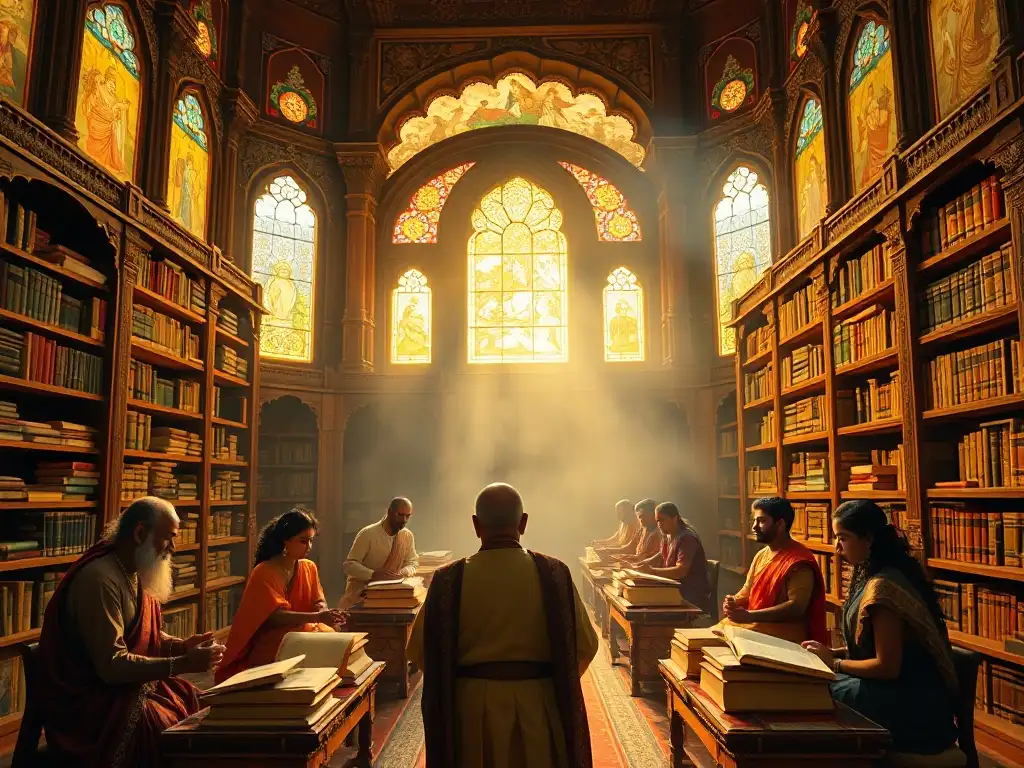
Welcome to Ancient India History, where we embark on a fascinating journey through the rich tapestry of ancient Indian civilizations. Here, we delve into the profound impact of the Gupta Empire—a golden era that not only flourished in art and science but also left an indelible mark on literature. Are you curious about how this remarkable dynasty shaped the literary landscape of India?
Join us as we explore the intricate connections between the Gupta Empire and its enduring influence on literature, revealing insights that will enrich your understanding of this vibrant cultural heritage. Prepare to uncover the stories that have stood the test of time!
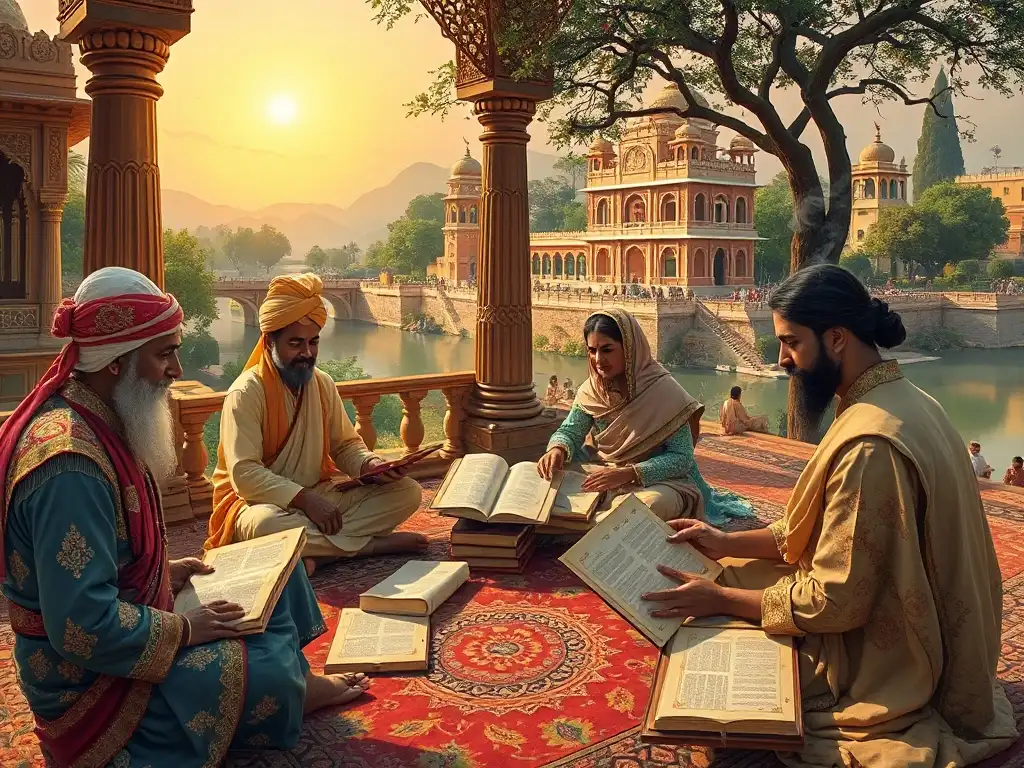
Introduction to the Gupta Empire and Its Literary Significance
The Gupta Empire, often referred to as the "Golden Age" of India, flourished between approximately 320 to 550 CE and is renowned for its remarkable contributions to various fields, particularly in literature. This period marked a significant transformation in the cultural and intellectual landscape of ancient India, leading to the emergence of a rich literary tradition that would influence generations to come.
The Gupta Empire not only witnessed the creation of seminal texts that are still revered today, but it also fostered an environment that encouraged creativity, philosophical discourse, and artistic expression. This article delves into the profound Gupta Empire influence on literature, exploring how its achievements laid the groundwork for future literary endeavors in India.
Overview of the Gupta Empire
The Gupta Empire was established by Maharaja Sri Gupta and expanded under subsequent rulers such as Chandragupta I, Samudragupta, and Chandragupta II. This dynasty is celebrated for its political stability, economic prosperity, and advancements in science, mathematics, and the arts. The empire's capital, Pataliputra, became a vibrant center of culture and learning, attracting scholars, poets, and intellectuals from across the region. The Gupta rulers were known for their patronage of the arts and literature, creating an environment where writers could thrive.
- Key Characteristics of the Gupta Empire:
- Political Unity: The empire unified a large portion of Northern India.
- Cultural Flourishing: It encouraged the coexistence of various traditions, including Hinduism and Buddhism.
- Patronage of Arts: Emperors sponsored literary works, music, and visual arts.
Importance of Literature in Gupta Society
Literature during the Gupta Empire was not merely an art form; it was a vital element of society that reflected the values, philosophies, and experiences of its people. The Gupta rulers understood the power of literature as a tool for governance and social cohesion. It played a crucial role in:
- Cultural Identity: Literature helped in the preservation and promotion of cultural heritage.
- Moral and Ethical Instruction: Many texts contained ethical teachings, promoting dharma (righteousness).
- Philosophical Discourse: It provided a platform for intellectual discussions on life, spirituality, and ethics.
The Golden Age of Literature in the Gupta Empire
The Gupta period is often referred to as the "Golden Age" of Indian literature due to its remarkable achievements and innovations in various literary forms, including poetry, drama, and prose. This era produced some of the most celebrated works and authors in Indian history, setting a high standard for literary excellence.
Defining the Golden Age of Indian Literature
The term "Golden Age" signifies a peak in literary production and creativity, characterized by the emergence of notable figures such as Kalidasa, who is often regarded as the greatest poet and dramatist of the time. The works produced during this period were marked by their depth, sophistication, and emotional complexity. They often explored themes of love, nature, and human experience, resonating with audiences across time.
- Prominent Works:
- Shakuntala by Kalidasa
- Meghaduta by Kalidasa
- Panchatantra - a collection of fables
Key Features of Gupta Literature
Gupta literature is distinguished by several key features that reflect the era's cultural richness and intellectual vibrancy. Notable characteristics include:
- Sanskrit Flourishing: Sanskrit became the dominant literary language, facilitating the creation of a vast body of work.
- Dramatic Expressions: The introduction of sophisticated theatrical forms, emphasizing both dialogue and performance.
- Narrative Innovation: The use of allegory and symbolism, particularly evident in fables and moral tales.
The Gupta Empire's influence on literature was profound and far-reaching, establishing a legacy that would shape the future of Indian literary traditions. As we explore the subsequent sections of this article, we will delve deeper into specific literary contributions, the cultural context that enabled such achievements, and the enduring impact of Gupta literature on later generations.
Major Literary Contributions during the Gupta Empire
The Gupta Empire, often referred to as the Golden Age of India, was marked by remarkable advancements in various fields, especially literature. This period, spanning from the 4th to the 6th centuries CE, witnessed the flourishing of both prose and poetry, which left an indelible mark on the literary landscape of India. Major literary contributions during this time included an array of texts encompassing religious, philosophical, and secular themes.
One of the most significant contributions was the epic poetry that celebrated heroism, divine interventions, and moral dilemmas. The Mahabharata and Ramayana, although composed earlier, were extensively commented upon and revised during the Gupta period, enhancing their cultural significance. Additionally, the emergence of classical Sanskrit literature gave rise to new genres, including drama and lyric poetry, which were characterized by their intricate plots and emotional depth.
The period also saw the compilation of significant texts such as the Panchatantra, a collection of fables that conveyed moral lessons through animal characters. This work influenced not only Indian literature but also had a profound impact on global storytelling traditions. The Kamasutra, attributed to Vātsyāyana, also emerged during this time, providing insights into human behavior, love, and social customs.
Prominent Literary Figures and Their Works
Several prominent literary figures emerged during the Gupta Empire, whose works significantly influenced Indian literature and beyond. One of the most notable was Kalidasa, often considered the greatest poet and playwright in Sanskrit literature. His masterpieces, including the play Shakuntala and the epic poem Meghaduta, are celebrated for their lyrical beauty and profound emotional resonance.
Another key figure was Bhasa, known for his dramatic works that showcased intricate character development and themes of love and valor. His plays, such as Svapnavasavadatta, became foundational texts for the development of Indian drama.
Additionally, Aryabhata, while primarily recognized for his contributions to mathematics and astronomy, also authored significant literary works that combined scientific inquiry with poetic expression. His writings exemplified the intellectual spirit of the Gupta era, merging literature with scholarly pursuits.
The Role of Sanskrit as a Literary Language
Sanskrit played a pivotal role during the Gupta Empire, serving as the primary language of literature, philosophy, and religious texts. This period marked the standardization and flourishing of Sanskrit, enabling it to become the medium of expression for a diverse range of literary forms, from drama to poetry and philosophical treatises.
The use of Sanskrit facilitated the unification of cultural practices across the vast territories of the Gupta Empire. It allowed for the dissemination of ideas and stories, making literature accessible to scholars and the educated elite. This linguistic dominance not only enriched the literary tradition but also fostered a sense of identity among the people of the empire.
Moreover, the Gupta rulers actively promoted Sanskrit literature, establishing libraries and educational institutions that encouraged the study and composition of literary works. This patronage led to a remarkable surge in creativity and intellectual discourse, laying the groundwork for future literary developments in India.
Themes and Styles in Gupta Literature
The literature of the Gupta Empire reflects the complex interplay of various themes and styles that characterized this vibrant period. One of the most prominent aspects of Gupta literature was its exploration of human emotions, relationships, and moral dilemmas, often set against a backdrop of mythological and historical narratives.
Common Themes Explored in Gupta Literature
Common themes in Gupta literature included love, valor, devotion, and the philosophical quest for truth. Many literary works delved into the nuances of romantic relationships, often portraying the trials and tribulations of love. The interplay between duty and desire was another recurrent theme, particularly in Kalidasa's works, where characters grappled with their responsibilities while pursuing personal happiness.
Religious and spiritual themes also held significant importance, with many texts reflecting the influence of Hinduism and Buddhism. The moral lessons conveyed through fables like those in the Panchatantra emphasized virtues such as wisdom, justice, and compassion, thereby reinforcing societal values.
Additionally, the Gupta literature often mirrored the socio-political landscape of the time, reflecting the ideals of governance, ethics, and the role of the individual within society. This approach not only entertained but also educated readers, instilling a sense of responsibility and moral duty.
Literary Styles that Emerged during the Gupta Era
The Gupta era witnessed the emergence of distinctive literary styles that enriched the Indian literary canon. One prominent style was the use of ornate language and vivid imagery, particularly in poetry. Poets like Kalidasa crafted verses that evoked sensory experiences, drawing readers into the emotional and aesthetic world of their characters.
Dramatic literature also flourished, characterized by the use of intricate plots, elaborate dialogues, and a focus on character development. The incorporation of elements such as music, dance, and visual spectacle in plays created a multi-dimensional experience that captivated audiences.
Moreover, the introduction of various poetic forms allowed for greater experimentation with rhythm and meter. The Shloka, a type of verse with a specific metrical structure, became popular during this time, showcasing the technical prowess of poets and enhancing the musicality of the language.
The Gupta Empire's influence on literature remains profound, shaping not only the literary traditions of India but also impacting global literary heritage. The themes, styles, and contributions from this era continue to resonate, reflecting the richness of Indian culture and its enduring legacy.
The Influence of Gupta Empire Literature on Future Generations
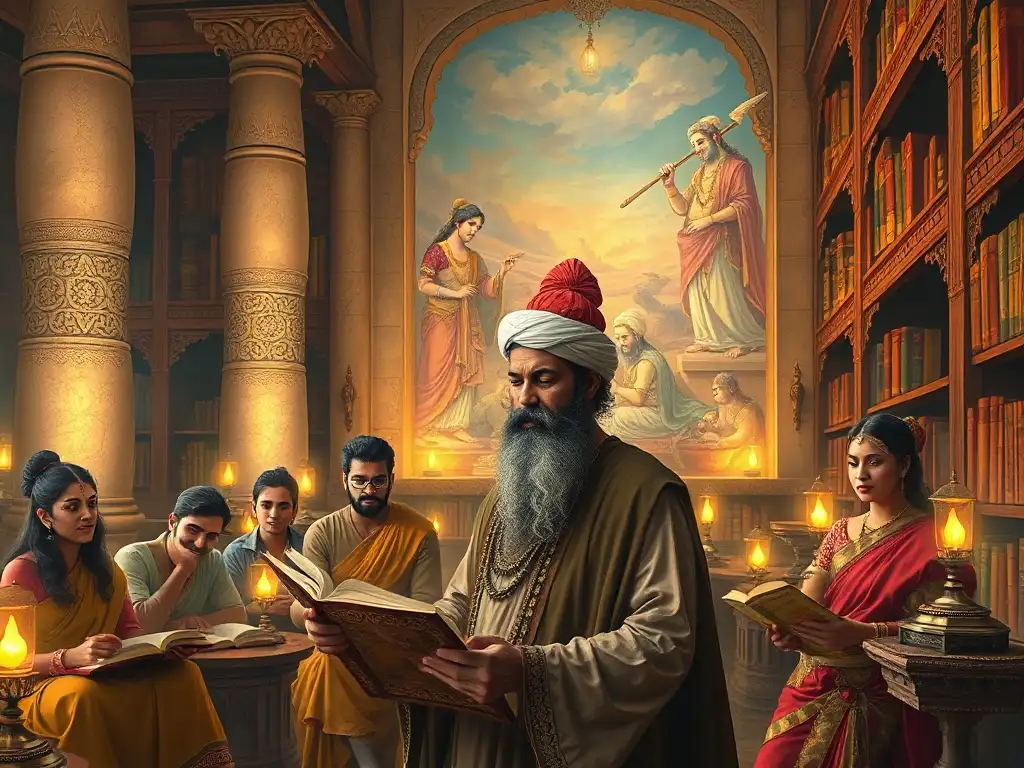
The Gupta Empire, often referred to as the Golden Age of India, significantly influenced the landscape of Indian literature. The flourishing of arts and letters during this period laid the groundwork for future generations, shaping not only Indian literary traditions but also contributing to a broader cultural heritage. The prolific output of writers, poets, and playwrights during the Gupta era established a rich literary canon that would inspire and influence generations of authors, thinkers, and artists across India and beyond.
The era's notable literary figures, such as Kalidasa, whose works like "Shakuntala" and "Meghaduta" exemplified poetic excellence, set high standards for narrative and poetic forms. Their themes, characterized by the integration of nature, love, and morality, resonated through time, influencing both classical and modern Indian literature. Furthermore, the stylistic innovations in poetry and drama during the Gupta period encouraged the exploration of complex emotions and philosophical ideas, paving the way for diverse literary expressions in subsequent centuries.
Impact on Later Indian Literature
The impact of Gupta literature on later Indian literature is profound and multifaceted. The themes and styles established during this period can be seen in the works of later poets and playwrights, who often drew inspiration from the Gupta masters. For instance, the Sanskrit drama that flourished post-Gupta retained many elements introduced by playwrights like Bhasa and Kalidasa, leading to a rich tradition that would dominate Indian literary culture for centuries.
Moreover, the Gupta period's emphasis on narrative techniques, character development, and the use of allegory influenced the epic narratives and regional literature that followed. Notable examples include the adaptations of the Mahabharata and Ramayana, where the influence of Gupta literary aesthetics is evident in the intricate storytelling and character portrayals. This intertextuality highlights how Gupta literature became a foundational pillar for later literary works, illustrating the continuity and evolution of Indian storytelling traditions.
Influence on Regional Literatures in India
The Gupta Empire's literary contributions extended beyond the confines of Sanskrit literature, influencing regional languages and literatures across India. As the Gupta Empire expanded its territory, it facilitated the exchange of ideas and cultural practices, leading to a cross-pollination of literary forms among various linguistic communities.
For instance, the themes and motifs prevalent in Gupta literature can be traced in the medieval Tamil and Kannada literatures. The emergence of regional poetic forms, such as the Bhakti movement's devotional poetry, often echoed the stylistic and thematic innovations of Gupta-era literature. This regional adaptation not only preserved the essence of Gupta literary contributions but also allowed for the development of distinct literary traditions that enriched the Indian literary landscape, making it more diverse and vibrant.
Preservation and Transmission of Gupta Literature
The preservation and transmission of Gupta literature were crucial in ensuring its survival and influence throughout the ages. Various factors contributed to the safeguarding of literary works from this era, including the emergence of a manuscript culture and the role of institutions dedicated to learning and scholarship.
Manuscript Culture and Its Importance
During the Gupta Empire, the manuscript culture played a vital role in the preservation of literary works. Texts were meticulously copied by scribes, ensuring that the literary output of the period was not lost to time. The use of palm leaves and birch bark as writing materials allowed for the creation of durable manuscripts, which were often beautifully illustrated and bound, making them valuable artifacts of cultural heritage.
This manuscript culture facilitated the transmission of knowledge across generations and geographies. Scholars and students traveled to centers of learning, such as Nalanda and Takshashila, where they studied these texts, further ensuring their survival. The meticulous copying and study of these manuscripts fostered an environment of intellectual inquiry, allowing Gupta literature to be appreciated and scrutinized by future scholars.
Role of Temples and Scholars in Preserving Literature
Temples played a significant role in the preservation and promotion of Gupta literature. Many temples functioned as centers of learning, housing libraries that contained valuable texts. Priests and scholars engaged in the study and teaching of classical literature, ensuring that the works of Gupta authors were revered and disseminated.
Additionally, the patronage of literature by royal courts and wealthy individuals contributed to its preservation. Rulers often commissioned scholars to write and compile works, further embedding Gupta literature into the fabric of Indian culture. This symbiotic relationship between religion, scholarship, and literature enabled the Gupta Empire's literary heritage to endure, influencing not only subsequent generations but also shaping the cultural and intellectual ethos of India for centuries to come.
Conclusion: The Lasting Legacy of Gupta Empire Influence on Literature
The Gupta Empire, often hailed as the Golden Age of India, left an indelible mark on the development of literature that resonates through the ages. This period, spanning approximately from the 4th to the 6th century CE, was characterized by remarkable achievements in various fields, with literature being one of the most significant. The contributions of the Gupta Empire not only enriched the literary landscape of ancient India but also laid a strong foundation for future generations of writers and thinkers.
Summary of Key Contributions
The Gupta Empire's influence on literature can be summarized through several key contributions:
- Sanskrit Revival: The Gupta rulers played a pivotal role in the revival and promotion of Sanskrit as a literary language, leading to its flourishing during this era. This revitalization resulted in an extensive body of literature, including poetry, drama, and philosophical texts.
- Great Literary Figures: Notable literary figures emerged during the Gupta period, such as Kalidasa, who is often regarded as one of the greatest poets and playwrights in Sanskrit literature. His works, including "Shakuntala" and "Meghaduta," showcased the richness of human emotion and the beauty of nature, influencing countless writers thereafter.
- Dramatic Arts: The emergence of Sanskrit drama was another significant aspect of Gupta literature. The introduction of structured plays that explored complex themes of morality, love, and social issues contributed to the evolution of theatrical arts in India.
- Philosophical Texts: The Gupta Empire was also a time of profound philosophical thought, with scholars like Aryabhata and Varahamihira contributing to scientific and astronomical literature. Their works reflect a deep engagement with the cosmos and human existence, influencing future philosophical discourse.
The Enduring Impact on Indian Literary Heritage
The literary advancements during the Gupta Empire have had a lasting impact on Indian literary heritage. The revival of Sanskrit and the emergence of classical literature set the stage for a rich tapestry of storytelling that would continue to evolve over the centuries. The themes and styles developed during this period influenced not only subsequent Sanskrit literature but also regional languages and dialects in India.
- Cultural Integration: The Gupta period facilitated the integration of various cultural influences, leading to a diverse literary tradition. This blending of styles and ideas contributed to the richness of Indian literature, as seen in the works of later poets and playwrights who drew inspiration from Gupta-era themes.
- Legacy of Storytelling: The narrative techniques and character development pioneered by Gupta writers established a framework for storytelling that resonates in modern Indian literature. The emphasis on human emotions, moral dilemmas, and the celebration of nature continues to inspire contemporary authors.
- Global Influence: The literary heritage of the Gupta Empire has transcended geographical boundaries, influencing writers and thinkers worldwide. The epic tales, philosophical discourses, and poetic expressions have enriched global literature, showcasing the universal themes of humanity that originated during this golden age.
The Gupta Empire's influence on literature is profound and multifaceted, shaping not only the literary landscape of ancient India but also leaving a lasting legacy that continues to thrive in modern literary expression. The rich contributions from this period are a testament to the enduring power of words and storytelling, echoing through time and culture.
- Introduction to the Gupta Empire and Its Literary Significance
- The Golden Age of Literature in the Gupta Empire
- Major Literary Contributions during the Gupta Empire
- Themes and Styles in Gupta Literature
- The Influence of Gupta Empire Literature on Future Generations
- Preservation and Transmission of Gupta Literature
- Conclusion: The Lasting Legacy of Gupta Empire Influence on Literature
- What was the Gupta Empire known for in terms of literature?
- How did the Gupta Empire influence the development of drama and poetry?
- What role did patronage play in the literary advancements during the Gupta Empire?
- Can you name some significant literary works from the Gupta Empire?
- How did the Gupta Empire's literary contributions affect later generations?
Frequently Asked Questions
What was the Gupta Empire known for in terms of literature?
The Gupta Empire is renowned for its profound influence on literature, particularly through the promotion of Sanskrit literature, which flourished during this period.
How did the Gupta Empire influence the development of drama and poetry?
The Gupta period saw the emergence of notable playwrights like Kalidasa, whose works significantly shaped Indian drama and poetry, establishing themes that resonate even today.
What role did patronage play in the literary advancements during the Gupta Empire?
Royal patronage was crucial during the Gupta Empire, as kings supported scholars and artists, which led to a vibrant literary culture and the creation of many enduring texts.
Can you name some significant literary works from the Gupta Empire?
Notable works from the Gupta Empire include Kalidasa's "Shakuntala" and Bhasa's plays, which are considered masterpieces in Indian literature and continue to be studied widely.
How did the Gupta Empire's literary contributions affect later generations?
The literary advancements during the Gupta Empire laid the groundwork for future Indian literature, influencing countless writers and shaping the cultural narrative of subsequent eras.
Final Reflection: The Enduring Legacy of the Gupta Empire on Literature
The Gupta Empire's influence on literature remains profoundly relevant today, as it laid the foundation for a rich tapestry of storytelling, poetry, and philosophical thought that continues to resonate across cultures. The literary advancements during this golden age not only enriched Indian heritage but also provided a framework that inspired countless generations of writers and thinkers worldwide. The echoes of this era remind us that literature is not merely a reflection of society but a powerful force that shapes our understanding of the human experience.
The impact of the Gupta Empire on literature is a testament to the transformative power of creativity and intellect. From the poetic verses of Kalidasa to the philosophical discourses found in texts like the "Kumarasambhava," the contributions of this era have woven themselves into the very fabric of Indian culture. As we navigate the complexities of modern society, we can draw inspiration from the words of the great poet Rabindranath Tagore, who said, The highest education is that which does not merely give us information but makes our life in harmony with all existence.
This sentiment encapsulates the essence of the Gupta literary legacy, urging us to seek harmony through understanding and expression.
As we reflect on the Gupta Empire's monumental influence on literature, I invite you to consider how you can embrace the lessons of this era in your own life. Engage with literature not just as a passive reader but as an active participant in a dialogue that transcends time. Whether through writing, reading, or sharing stories, let the spirit of creativity and exploration inspire you to contribute to the ongoing narrative of human experience. In doing so, we honor the past while shaping a future that values the profound impact of literature on our lives and society.
Unveil the Legacy of the Gupta Empire!
Thank you for investing your time in exploring how the Gupta Empire has profoundly shaped Indian literature! You’ve gained insights into its rich history and cultural impact. Now, it's time to take your curiosity to the next level and delve deeper into this captivating topic.
Here are some actionable steps to enhance your journey:
- Dive into a classic: **Read a piece of literature from the Gupta period** to experience the artistry firsthand.
- Share your thoughts: **Discuss your newfound knowledge with friends or fellow history enthusiasts**—start a conversation about how past empires influence today’s cultural narratives!
- Explore more: **Visit ancient historical sites** related to the Gupta Empire or participate in local workshops that focus on Indian literary history.
What aspect of the Gupta Empire's influence on literature fascinates you the most, and how do you think it continues to resonate in contemporary works?