
The Maurya Empire's Political Legacy: Lessons for Today's Leaders and Politicians

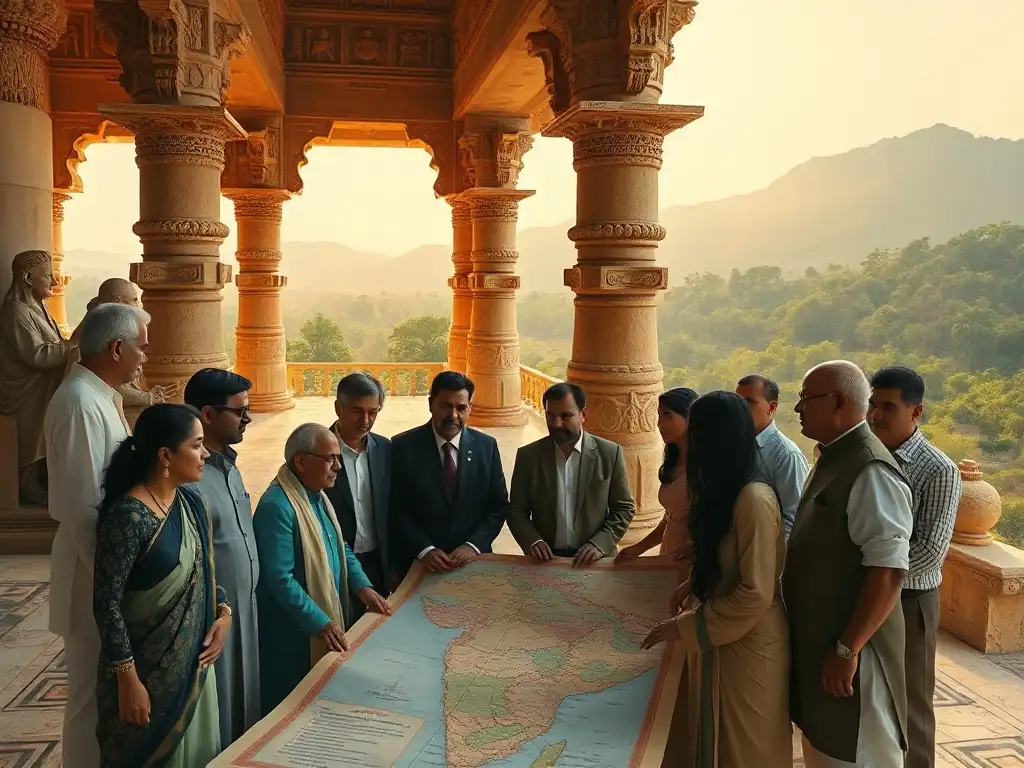
Welcome to Ancient India History, where we embark on a fascinating journey through the rich tapestry of ancient Indian civilizations. From the enigmatic Indus Valley to the illustrious Gupta Empire, we delve into the remarkable cultural and historical contributions that have shaped our world. In our featured article, "The Maurya Empire's Political Legacy: Lessons for Today's Leaders and Politicians," we uncover the profound political lessons that resonate even in contemporary governance.
What can today's leaders learn from the strategies and philosophies of one of history's greatest empires? Join us as we explore these timeless insights that may just hold the key to effective leadership today!
The Maurya Empire, one of the most significant ancient Indian civilizations, laid the groundwork for political governance that resonates even in contemporary times. Spanning from 322 to 185 BCE, this empire was marked by its remarkable administrative structure, innovative governance, and diplomatic strategies that effectively unified a vast and diverse territory. The political lessons derived from the Maurya Empire offer invaluable insights for today's leaders and politicians.
By examining the principles and practices that governed this powerful empire, we can uncover strategies for effective leadership, statecraft, and public administration that remain relevant in our modern political landscape. This article aims to explore the political legacy of the Maurya Empire, distilling key lessons that can guide contemporary governance and political leadership.
The Political Structure of the Maurya Empire
The Maurya Empire was characterized by a highly organized political structure that facilitated centralized control while allowing for regional autonomy. This dual approach enabled the empire to maintain stability and manage a diverse population effectively.
- Centralized Authority: The emperor held supreme power, supported by a council of ministers and advisors. This centralization allowed for swift decision-making and uniformity in law and governance across the empire.
- Regional Administration: The empire was divided into provinces, each governed by a viceroy or governor. This system ensured that local issues were addressed promptly, fostering a sense of inclusion among various regions.
- Bureaucratic Efficiency: The Mauryan administration boasted a well-established bureaucracy that implemented laws and collected taxes efficiently. This system of governance emphasized accountability and transparency, crucial for maintaining public trust.
Diplomacy and Warfare: Lessons from the Maurya Empire
The Maurya Empire’s diplomatic strategies and military prowess played a pivotal role in its expansion and consolidation.
- Strategic Alliances: The use of alliances, both with local rulers and foreign powers, showcased a diplomatic acumen that minimized conflict and maximized territorial gains.
- Warfare as a Last Resort: While the empire was formidable in battle, the Mauryan leaders often sought peaceful resolutions before resorting to warfare. This approach highlights the importance of diplomacy in governance.
Ethical Governance: The Mauryan Approach
The Maurya Empire’s political legacy also offers lessons in ethical governance, with a strong emphasis on moral leadership and social welfare.
- Emphasis on Justice: The legal framework established by the Maurya rulers prioritized justice and fairness, ensuring that all subjects were treated equitably under the law.
- Promotion of Social Welfare: The Mauryan administration invested in public infrastructure, healthcare, and education, reflecting a commitment to the well-being of its citizens. This focus on social welfare is a critical lesson for modern leaders striving to improve quality of life.
Conclusion: Relevance of Maurya Political Lessons Today
As contemporary leaders navigate the complexities of governance in a rapidly changing world, the political lessons from the Maurya Empire remain pertinent. By embracing centralized authority with regional autonomy, prioritizing ethical governance, and fostering diplomatic relations, today’s politicians can draw from the rich legacy of the Maurya Empire to build more effective and resilient political systems.
- The Political Structure of the Maurya Empire
- Diplomacy and Warfare: Lessons from the Maurya Empire
- Ethical Governance: The Mauryan Approach
- Conclusion: Relevance of Maurya Political Lessons Today
- What were the key features of the Maurya Empire's political structure?
- How did the Maurya Empire influence modern political thought?
- What role did Ashoka play in shaping the Maurya Empire's political legacy?
- What are some modern applications of the Maurya Empire's strategies?
- How does the Maurya Empire's legacy compare to contemporary political systems?
Introduction to the Maurya Empire
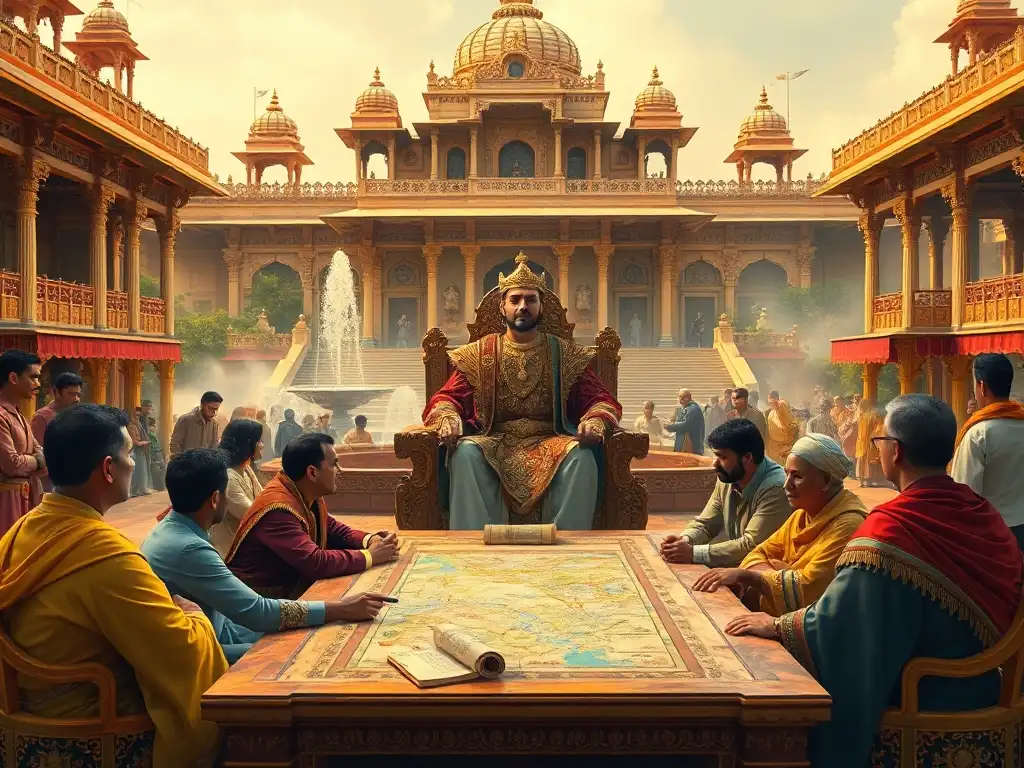
The Maurya Empire, which thrived between 322 BCE and 185 BCE, is renowned for its significant political and administrative advancements. Founded by Chandragupta Maurya, this empire marked a pivotal era in ancient Indian history characterized by unprecedented unification and governance. Stretching across much of the Indian subcontinent, the Maurya Empire laid the foundation for future political structures and systems.
Overview of the Maurya Empire's Political Structure
The political structure of the Maurya Empire was both sophisticated and comprehensive, integrating various elements that contributed to its stability and efficiency. Key features of this structure included:
- Centralized Authority:
- The emperor held supreme power, with the Maurya rulers, especially Ashoka, exemplifying the absolute authority that was essential for governance across vast territories.
- Bureaucratic Organization:
- The empire was divided into provinces (Mahajanapadas), each governed by officials appointed directly by the emperor. This hierarchical structure ensured that local rulers were accountable to the central authority.
- Administrative Divisions:
- The provinces were further divided into districts, which were overseen by a network of officers. This subdivision allowed for effective management and the implementation of policies across different regions.
- Legal Framework:
- A codified system of laws facilitated governance. The Arthashastra, attributed to Kautilya (Chanakya), provided guidelines on administration, economics, and military strategy, showcasing a blend of ethical governance and realpolitik.
- Taxation and Revenue Collection:
- The Maurya Empire implemented a systematic taxation system, which was crucial for maintaining the economic backbone of the state. Revenue collection was efficiently managed, ensuring resources for infrastructure and military expenditures.
The Maurya Empire's political structure serves as a case study for contemporary leaders, highlighting the importance of centralized authority combined with a robust bureaucratic system.
Importance of Political Lessons from Ancient Civilizations
Studying the political lessons from ancient civilizations, particularly the Maurya Empire, offers valuable insights for today's leaders and politicians. Key lessons include:
- Centralized Leadership and Accountability:
- Effective central leadership is vital for maintaining order and implementing policies. Modern leaders can learn from the Maurya's centralized authority model, which ensured accountability through a clear chain of command.
- Structured Governance:
- The bureaucratic setup of the Maurya Empire illustrates the significance of a well-organized administrative framework. This can help current governments streamline operations and improve service delivery.
- Adaptation of Legal Frameworks:
- The codification of laws, as seen in the Arthashastra, emphasizes the need for a balanced legal system that adapts to changing societal needs. Today’s leaders should prioritize creating adaptable legal structures that respond to contemporary issues.
- Strategic Resource Management:
- The Maurya Empire’s taxation and revenue systems underscore the importance of strategic resource management. Modern politicians can draw parallels in budget allocation and economic planning to ensure sustainable growth.
- Cultural Sensitivity and Inclusivity:
- The Maurya rulers, especially Ashoka, promoted policies of non-violence and cultural inclusivity, which resonate with today’s global emphasis on social justice and equity.
The political legacy of the Maurya Empire offers a treasure trove of lessons that remain relevant for modern governance. By analyzing these ancient practices, contemporary leaders can glean insights into effective political strategies and the importance of ethical governance.
Key Political Features of the Maurya Empire
Centralized Governance and Administration
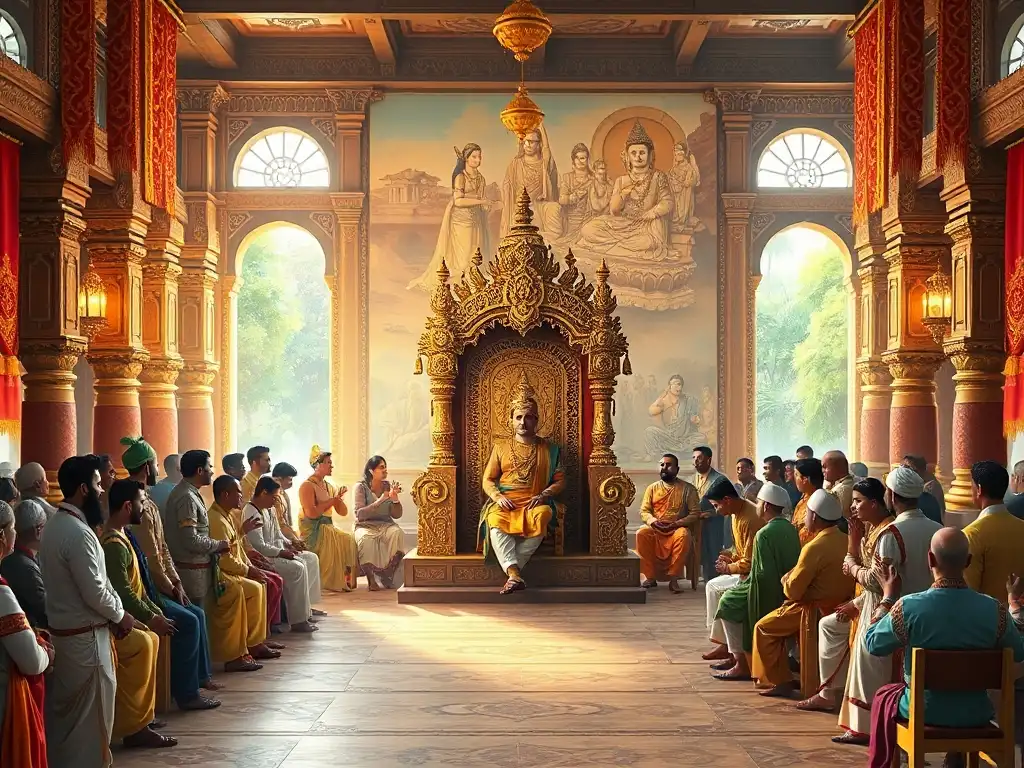
The Maurya Empire, spanning from approximately 322 to 185 BCE, is renowned for its centralized governance system, which laid the groundwork for effective administration across its vast territories. Under the leadership of Chandragupta Maurya and his grandson Ashoka, the empire employed a highly organized structure that facilitated the management of resources, trade, and military operations.
- Administrative Divisions: The empire was divided into several provinces, known as Mahajanapadas, each governed by a royal prince or appointed official. This hierarchical system ensured that local issues were addressed promptly while maintaining allegiance to the central authority.
- Taxation and Revenue: A standardized taxation system was established, which allowed the empire to fund public works and military campaigns. The Arthashastra, attributed to Kautilya (Chanakya), provides insights into taxation policies that balanced revenue generation with the welfare of the subjects.
The centralized governance model of the Maurya Empire offers valuable political lessons for contemporary leaders, emphasizing the importance of a well-structured administration that promotes efficiency and accountability.
Role of the Emperor in Political Strategy
The emperor played a pivotal role in the political strategy of the Maurya Empire, acting as both a sovereign ruler and a skilled diplomat. The authority of the emperor was not merely ceremonial; it was rooted in the belief that the ruler was responsible for the moral and material welfare of the state.
- Influence of Ashoka: Ashoka’s reign marked a significant shift in political strategy, as he adopted Buddhism and promoted the principles of Dhamma—a moral code that emphasized non-violence and tolerance. This strategic pivot not only consolidated his power but also fostered a sense of unity and identity among diverse populations within the empire.
- Military Strategy: The emperor's decisions regarding military campaigns were crucial. Ashoka's transformation after the Kalinga War illustrates the importance of strategic choices that prioritize peace over conquest, showcasing a leadership style that values long-term stability over short-term gain.
Modern leaders can draw political lessons from the Maurya Empire's emphasis on the emperor's role in shaping governance through ethical considerations and strategic foresight.
Importance of Bureaucracy in the Maurya Empire
The bureaucratic apparatus of the Maurya Empire was integral to its political stability and governance. The efficient functioning of the empire relied on a well-organized bureaucracy that executed the emperor's policies and maintained order.
- Structured Administration: The empire employed a variety of officials, including ministers, tax collectors, and judges, each with specific duties to ensure the smooth running of the state. This structure allowed for specialization in governance, leading to enhanced efficiency.
- Legal Framework: The establishment of a codified legal system helped standardize laws across the empire, which was essential in managing a diverse population. The Arthashastra reflects the Mauryan commitment to creating a legal framework that balanced state power with citizen rights.
The Maurya Empire's bureaucratic model offers political lessons for contemporary governance, emphasizing the necessity of a competent and responsive bureaucracy in upholding the rule of law and serving the needs of the populace.
By studying these key political features, modern leaders can glean insights into effective governance that prioritizes structure, ethical leadership, and the importance of a responsive administrative framework.
Political Strategies and Lessons from the Maurya Empire
Diplomacy and Alliances: Building Political Relationships
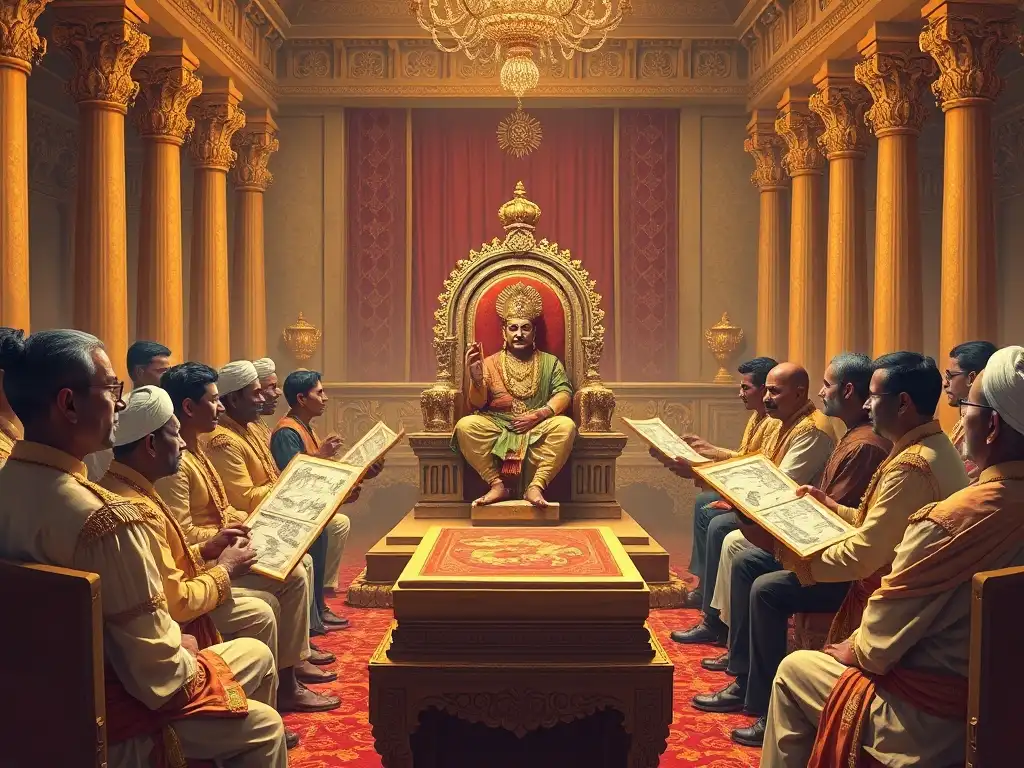
The Maurya Empire, which flourished from 322 to 185 BCE, is renowned for its sophisticated political strategies, especially in the realm of diplomacy. Under the leadership of Chandragupta Maurya and his grandson Ashoka, the empire expanded its influence not only through military conquests but also through strategic alliances and diplomatic relationships.
- Forging Alliances: The Mauryan rulers understood the importance of alliances with neighboring kingdoms. For instance, Chandragupta secured alliances with local chieftains and regional powers to strengthen his position against larger adversaries. This approach allowed for a more stable governance model, as allied states were less likely to challenge the empire militarily.
- Utilizing Marriage as a Political Tool: Marriages were often utilized to seal alliances between different royal families. Ashoka, for example, married into various prominent families, which helped to establish peace and cooperation across diverse regions. This tactic not only solidified political ties but also fostered cultural exchange.
- Diplomatic Missions: The Maurya Empire frequently employed envoys to communicate with other states. These diplomats were trained to handle negotiations and foster goodwill, ensuring that relationships remained amicable. The use of skilled negotiators is a lesson that modern leaders can adopt to navigate complex international relations effectively.
Law and Order: Maintaining Stability through Governance
The Maurya Empire's approach to law and order was pivotal in maintaining stability and ensuring the longevity of the state. A well-structured legal system and effective governance practices were central to their political success.
- Codification of Laws: The Mauryan administration, particularly under Ashoka, emphasized the codification of laws. The Edicts of Ashoka, inscribed on pillars throughout the empire, served as a moral and legal guide for citizens. This transparency in governance helped to instill a sense of justice and accountability.
- Decentralized Administration: The empire was divided into provinces, each governed by officials who reported back to the central authority. This decentralized approach allowed for localized governance while maintaining overall control. Modern political leaders can learn from this structure, as it balances local autonomy with centralized oversight, promoting efficiency and responsiveness.
- Public Welfare Initiatives: Ashoka's commitment to dharma led to the implementation of various welfare programs aimed at improving the lives of citizens. By prioritizing public welfare, the Mauryan rulers cultivated loyalty among their subjects, demonstrating that benevolent governance can enhance political stability.
Economic Policies: The Foundation of Political Power
The economic strategies employed by the Maurya Empire were foundational to its political power and stability. Understanding these policies provides valuable insights into the relationship between economic strength and political authority.
- Taxation and Revenue Generation: The Mauryan state implemented a structured taxation system that ensured a steady flow of revenue. Taxes were levied on agriculture, trade, and crafts, which not only supported the empire's military and administrative expenses but also facilitated infrastructure development. Modern leaders can glean from this the importance of a fair and efficient taxation system that can sustain governance.
- Trade and Commerce: The Maurya Empire thrived on trade, both domestically and with international partners. They established trade routes that connected various regions, enhancing economic prosperity. The promotion of trade can be a significant political tool, as it fosters economic interdependence and stability.
- State Control of Resources: The state took an active role in the management of key resources, such as mining and agriculture. This control allowed the Maurya Empire to regulate supply and demand, ensuring economic stability. Today’s policymakers can learn the importance of resource management in sustaining economic growth and political stability.
The political lessons derived from the Maurya Empire highlight the significance of diplomacy, governance, and economic strategies. These elements combined to create a robust political structure that can still offer valuable insights for contemporary leaders and politicians navigating today's complex political landscape.
Case Studies of Mauryan Leaders
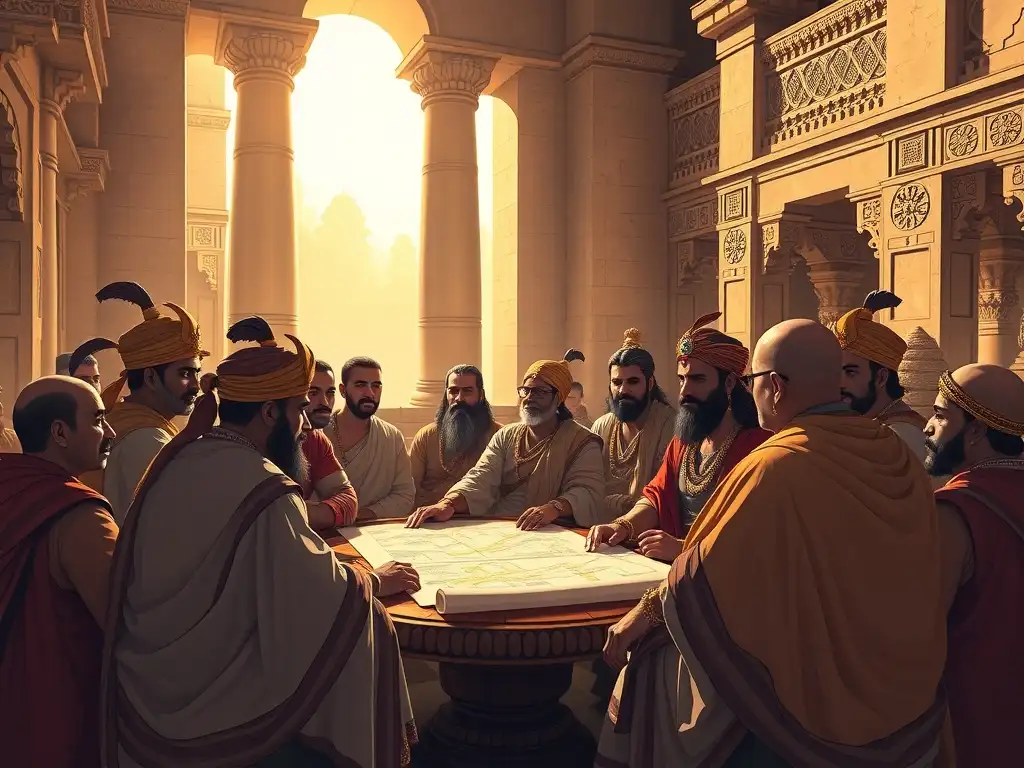
Chandragupta Maurya: The Visionary Leader
Chandragupta Maurya, the founder of the Maurya Empire, is often celebrated for his exceptional leadership skills and visionary approach to governance. Rising from humble beginnings, he established a vast empire that laid the foundation for one of the most significant political entities in ancient India. His strategies and policies offer valuable insights into effective leadership.
Key Aspects of Chandragupta's Leadership
- Strategic Alliances:
- Chandragupta understood the importance of alliances. He forged strategic relationships with influential figures, including Chanakya, his mentor and chief advisor, who played a crucial role in his rise to power.
- He effectively utilized diplomacy to neutralize potential threats, which allowed him to consolidate power in a fragmented political landscape.
- Military Innovation:
- His military prowess was evident in his campaigns against the Nanda Dynasty and later against the Greek invaders, including Alexander the Great's successors.
- Chandragupta's use of war elephants and cavalry formations were revolutionary, showcasing his ability to adapt and innovate in military tactics.
- Administrative Reforms:
- Recognizing the need for a robust administrative framework, Chandragupta established a centralized bureaucracy that allowed for efficient governance across diverse regions.
- He divided the empire into provinces, each governed by appointed officials, ensuring local needs were addressed while maintaining loyalty to the central authority.
Ashoka the Great: Transformative Leadership and Policies
Ashoka, the grandson of Chandragupta, ascended to the throne during a period of significant territorial expansion. However, his reign is most noted for its transformative shift towards non-violence and moral governance following the Kalinga War.
Key Features of Ashoka's Leadership
- Emphasis on Dharma:
- Ashoka's commitment to Dharma (moral law) became the cornerstone of his administration. He implemented policies aimed at promoting ethical behavior and social welfare.
- His famous Edicts of Ashoka, inscribed on pillars and rocks, communicated his principles of compassion, non-violence, and respect for all life.
- Public Welfare Initiatives:
- Ashoka established hospitals, rest houses, and wells, reflecting his deep concern for the welfare of his subjects. His focus on public health and infrastructure was unprecedented.
- He promoted the spread of Buddhism, not only as a religion but as a guiding philosophy for governance and personal conduct.
- International Diplomacy:
- Ashoka extended his influence beyond India through diplomatic missions, including sending emissaries to regions such as Sri Lanka and Southeast Asia.
- His promotion of Buddhism facilitated cultural exchanges and established India as a center of spiritual and philosophical thought.
Comparison of Leadership Styles in the Maurya Empire
The leadership styles of Chandragupta and Ashoka highlight contrasting approaches within the same empire, each reflecting the unique challenges and philosophies of their times.
| Aspect | Chandragupta Maurya | Ashoka the Great |
|---|---|---|
| Leadership Style | Pragmatic and militaristic | Ideological and humanitarian |
| Key Strategies | Alliances, military conquest | Diplomacy, moral governance |
| Focus Areas | Centralized administration, expansion | Public welfare, ethical governance |
| Legacy | Established the empire's foundation | Promoted peace and Buddhism, influencing future generations |
Conclusion
The Maurya Empire's political lessons, drawn from the leadership styles of Chandragupta and Ashoka, provide contemporary leaders with valuable insights. From strategic alliances and military innovation to ethical governance and public welfare, these ancient practices can inform modern political strategies and approaches to leadership. By studying these historical examples, today’s leaders can cultivate a more effective and compassionate political landscape.
The Maurya Empire's Influence on Modern Political Thought
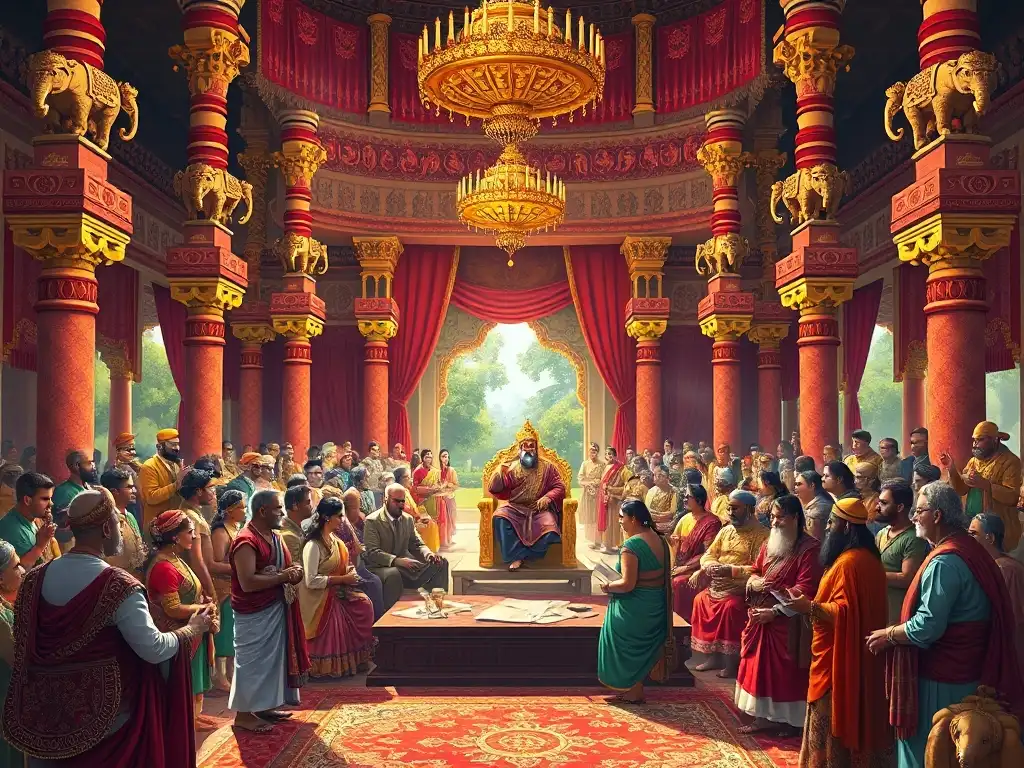
The Maurya Empire, which flourished from 322 to 185 BCE, is often regarded as one of the most significant and advanced political entities in ancient India. Its political structure and policies have left an indelible mark on modern political thought, providing essential lessons for contemporary leaders and politicians. The empire's emphasis on a centralized authority, effective governance, and diplomatic engagement serves as a rich source of inspiration for today's political landscape.
Relevance of Maurya Empire Political Lessons for Today's Leaders
The political lessons derived from the Maurya Empire are not merely historical insights; they remain relevant and applicable to contemporary governance. Here are some core principles that modern leaders can learn from this ancient civilization:
- Centralized Governance: The Mauryan rulers, especially Chandragupta Maurya and his grandson Ashoka, established a strong central authority to maintain order and stability. This model highlights the importance of a unified leadership structure to ensure coherent policy implementation. In today's fragmented political environments, a centralized approach can help streamline decision-making and foster efficiency.
- Merit-based Administration: The Maurya Empire is known for its emphasis on appointing officials based on merit rather than lineage or wealth. This practice can inspire modern leaders to prioritize competence over political connections, thus enhancing the effectiveness of governance.
- Public Welfare and Social Justice: Ashoka's reign is characterized by a profound commitment to social welfare, promoting policies that benefited the underprivileged and emphasized ethical governance. This focus on public welfare encourages contemporary politicians to adopt policies that prioritize the common good and address social inequalities.
- Diplomacy and International Relations: The Maurya Empire adeptly balanced military strength with diplomatic engagement. This dual approach is essential for today's leaders, who must navigate complex global issues and foster international cooperation while safeguarding national interests.
These lessons underscore the enduring relevance of the Maurya Empire's political philosophies, offering a framework for effective leadership in today's dynamic political environment.
Adapting Ancient Strategies to Contemporary Challenges
While the Maurya Empire operated in a vastly different context, many of its strategies can be adapted to meet contemporary challenges. Here are several approaches that modern leaders can consider:
- Strategic Alliances: Just as the Mauryan rulers formed alliances for mutual benefit, today's leaders can foster partnerships across political, economic, and cultural domains to tackle global challenges such as climate change, pandemics, and economic inequality.
- Inclusive Governance: The Maurya Empire's policies aimed to incorporate diverse communities, promoting a sense of belonging and unity. Modern leaders should champion inclusivity, ensuring that all voices are heard and represented in decision-making processes.
- Crisis Management: The Mauryas faced numerous challenges, including invasions and internal dissent. Their effective crisis management strategies, which combined military preparedness with diplomatic negotiations, provide a blueprint for contemporary leaders facing crises such as terrorism, economic downturns, or public health emergencies.
- Ethical Leadership: Ashoka's transformation from a conqueror to a proponent of non-violence and ethical governance is a powerful reminder of the capacity for leaders to evolve. Today's leaders must prioritize ethical considerations in their policies, fostering trust and integrity in governance.
- Cultural Diplomacy: The Maurya Empire was known for its promotion of art, culture, and religion as tools of statecraft. Modern leaders can leverage cultural diplomacy to build bridges between communities, enhancing mutual understanding and cooperation.
By studying and adapting the political lessons of the Maurya Empire, contemporary leaders can navigate the complexities of modern governance while striving for a more just and equitable society. The legacy of the Maurya Empire serves as a testament to the power of thoughtful leadership in shaping the course of history.
Conclusion: Embracing the Maurya Empire's Political Legacy
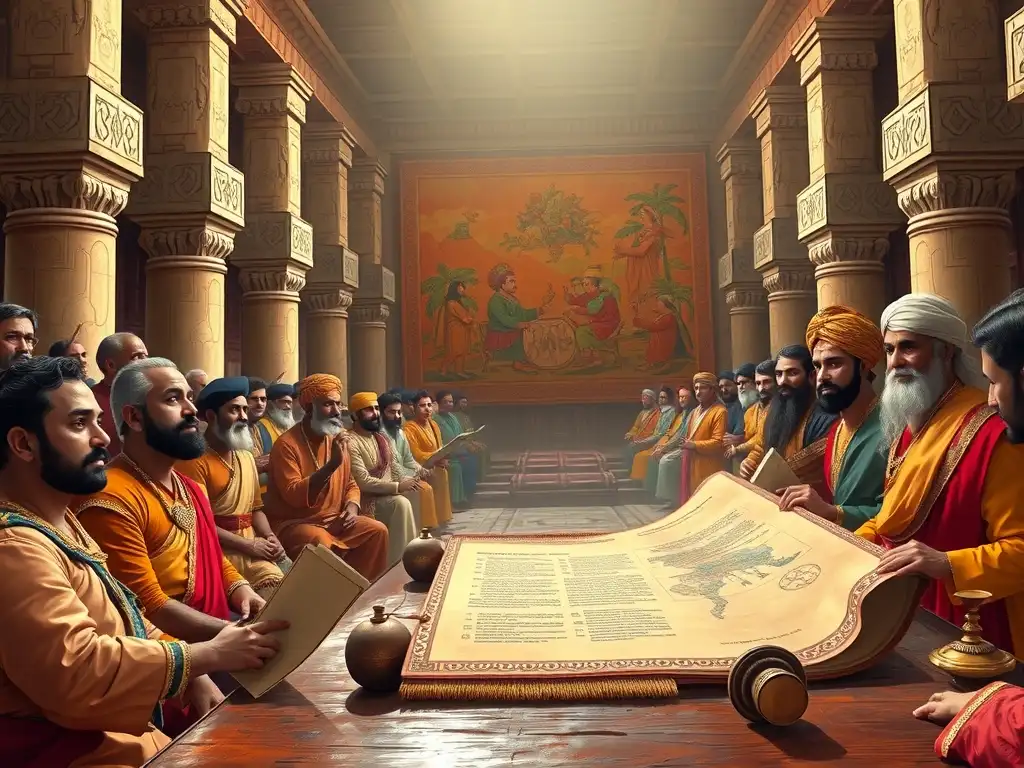
Final Thoughts on Political Lessons from the Maurya Empire
The Maurya Empire, flourishing from 322 to 185 BCE, stands as a towering example of political sophistication and governance. The empire's political structure, characterized by a centralized authority, an efficient administrative system, and a focus on welfare, offers invaluable lessons for contemporary leaders.
- Centralization and Governance: The Mauryan system under Chandragupta Maurya and his grandson Ashoka showcased how effective centralization can enhance governance. By consolidating power, they could implement policies that benefited vast populations. Modern leaders should consider the balance between central authority and local governance to ensure cohesive policy implementation.
- Administrative Efficiency: The Mauryan administration was marked by a well-organized bureaucracy that effectively managed resources and maintained law and order. This structure allowed for quick decision-making and implementation. Today's politicians can learn from this model by investing in capable civil services and ensuring that bureaucracies function without unnecessary delays.
- Public Welfare: Ashoka's emphasis on Dhamma (moral law) and public welfare initiatives, such as hospitals and schools, illustrates the importance of prioritizing the well-being of citizens. Politicians today should integrate a similar ethos into their policies, focusing on social justice and public service rather than merely political gain.
- Diplomacy and Alliances: The Maurya Empire was adept at forming alliances and utilizing diplomacy to expand and maintain its influence. Modern leaders can draw from this approach by fostering international partnerships that promote peace and cooperation rather than conflict.
- Handling Dissent: The Mauryan approach to dissent, particularly under Ashoka, which included tolerance and dialogue, reflects a progressive stance that can guide contemporary leaders in managing opposition. Encouraging healthy debate rather than suppressing dissent can lead to more robust governance.
Call to Action for Modern Politicians and Leaders
In an era marked by political polarization and challenges to governance, it is imperative for today's leaders to draw inspiration from the Maurya Empire's political lessons. Here are a few actionable steps for modern politicians:
- Embrace Centralized Systems: Create frameworks that allow for centralized decision-making while ensuring local needs and voices are heard.
- Invest in Bureaucracy: Strengthen administrative systems by investing in training and resources for civil servants to enhance efficiency and responsiveness.
- Focus on Welfare Programs: Develop policies that prioritize the social welfare of citizens, ensuring equitable access to resources and opportunities.
- Cultivate Diplomacy: Engage in diplomatic efforts that emphasize collaboration and mutual benefit over confrontation, fostering a peaceful international environment.
- Encourage Open Dialogue: Promote transparency and open dialogue within the political process, inviting diverse opinions and fostering a culture of respect and understanding.
By embracing the political legacy of the Maurya Empire, current leaders can navigate the complexities of governance with wisdom and foresight. The lessons derived from this ancient civilization can guide them in creating a more just, equitable, and prosperous society for future generations.
Frequently Asked Questions
What were the key features of the Maurya Empire's political structure?
The Maurya Empire had a centralized government with a strong bureaucracy, which allowed for efficient administration across a vast territory. This structure facilitated effective governance and justice.
How did the Maurya Empire influence modern political thought?
The political lessons from the Maurya Empire emphasize the importance of ethical leadership and diplomacy. These principles can inform today's leaders in their quest for stability and unity.
What role did Ashoka play in shaping the Maurya Empire's political legacy?
Ashoka the Great is known for promoting non-violence and Buddhism, which greatly influenced his governance. His edicts reflect a commitment to moral administration and social welfare.
What are some modern applications of the Maurya Empire's strategies?
Today's leaders can learn from the Maurya Empire by focusing on inclusive governance, strategic alliances, and the importance of public welfare to maintain societal harmony.
How does the Maurya Empire's legacy compare to contemporary political systems?
The centralized power of the Maurya Empire contrasts with modern democratic systems, yet both highlight the importance of accountability and public service in achieving a thriving society.
Final Reflection: Embracing the Maurya Empire's Political Wisdom for Modern Leadership
The lessons derived from the Maurya Empire's political strategies remain profoundly relevant today, as leaders navigate the complexities of governance in an ever-evolving world. The ability to unify diverse populations, implement effective administrative frameworks, and prioritize the welfare of citizens are timeless principles that can guide contemporary politicians in their quest for effective leadership. As we reflect on the Maurya Empire's legacy, we recognize that the essence of good governance transcends time and culture, offering a blueprint for success in today's political landscape.
The political landscape today is a tapestry woven with the threads of historical influences, and the Maurya Empire stands as a testament to the power of visionary leadership. The principles of diplomacy, strategic alliances, and social welfare that characterized the Maurya Empire continue to resonate in our modern society. As Mahatma Gandhi once said, "> The best way to find yourself is to lose yourself in the service of others." This sentiment echoes the core values of the Maurya rulers, who prioritized the needs of their people, reminding us that effective leadership is rooted in selflessness and service.
As you ponder the insights gleaned from the Maurya Empire's political legacy, I invite you to reflect on your own role within your community and the impact of your actions. Consider how you can embody these lessons in your daily life, whether as a leader, a citizen, or an advocate for change. Embrace the challenge of fostering unity, promoting welfare, and engaging in meaningful dialogue, for it is through these efforts that we can honor the enduring legacy of the Maurya Empire and shape a brighter future for all.
Unveil the Secrets of Strong Leadership Today!
Thank you for diving into the rich political legacy of the Maurya Empire with us! You’ve explored valuable lessons that can empower modern leaders and politicians. Now it's time to take that knowledge and put it into action.
Here are a few clear steps you can take to enhance your leadership journey:
- Reflect on the Mauryan Governance Style: Analyze how you can incorporate principles of strong decision-making and ethical governance into your leadership approach.
- Engage in Community Discussions: Share your insights from this exploration with friends and colleagues—consider starting a book club focused on ancient leadership styles.
- Explore Further: Delve into additional resources or historical texts about the Maurya Empire and other influential leaders for a deeper understanding.
As you consider these actions, ask yourself: How can the lessons from the Maurya Empire inspire your leadership style in today’s world? Engage in the conversation and let us know your thoughts!