
The Maurya Empire's Approach to Diplomacy: Influential Envoys

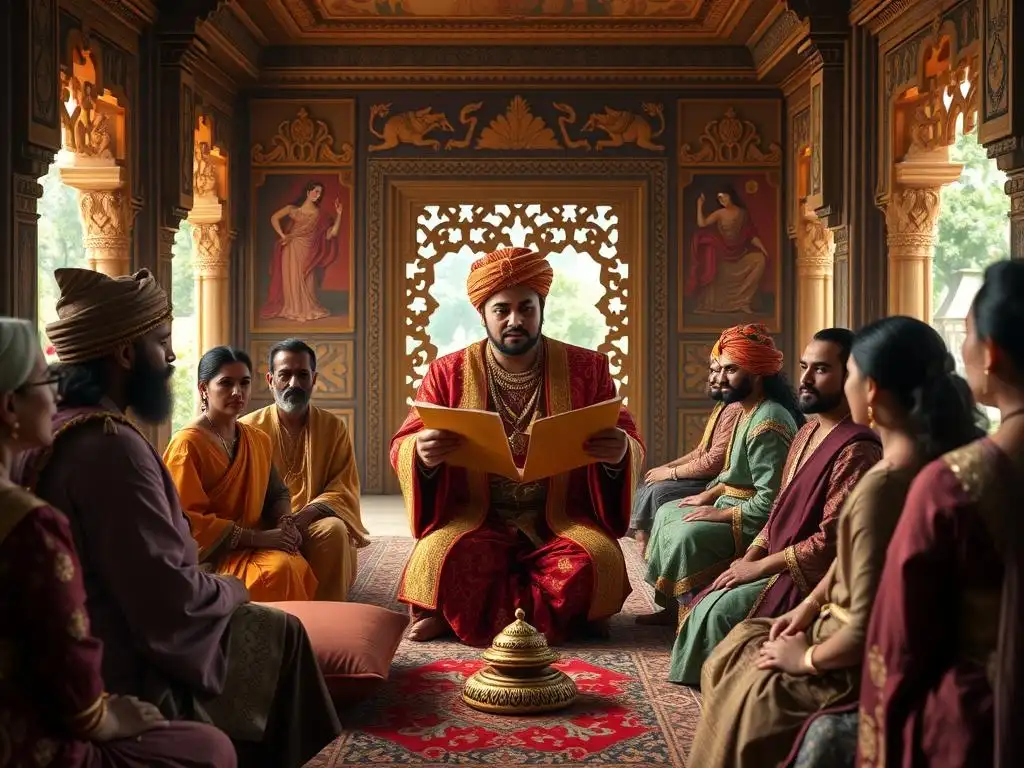
Welcome to Ancient India History—your gateway to the remarkable tapestry of ancient Indian civilizations! Delve into the intricacies of the Maurya Empire's diplomacy strategies, where influential envoys played pivotal roles in shaping political landscapes and fostering alliances. What secrets did these ancient diplomats hold, and how did their strategies influence the course of history? Prepare to embark on a journey that uncovers the fascinating interplay of culture, power, and persuasion in the Maurya Empire. Read on to unlock the mysteries of this extraordinary era!
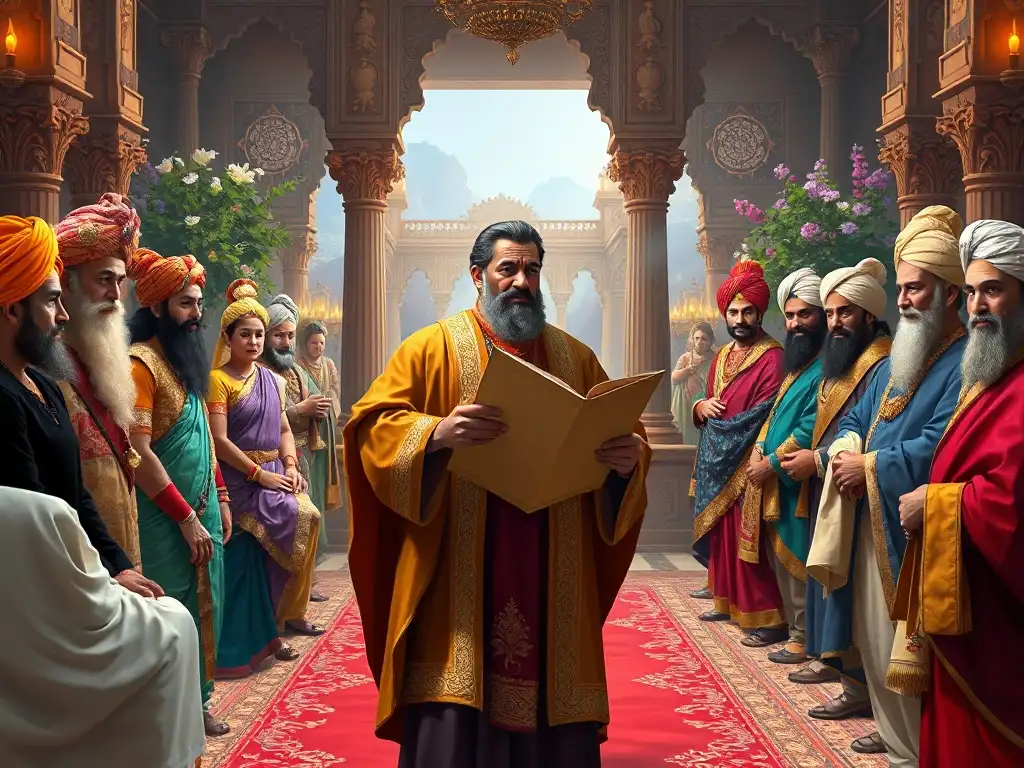
Introduction to Maurya Empire Diplomacy Strategies
The Maurya Empire, a dominant force in ancient Indian history, is renowned not only for its expansive territorial reach and administration but also for its sophisticated approach to diplomacy. Emerging in the 4th century BCE under the leadership of Chandragupta Maurya, the empire flourished through strategic governance and an adept understanding of diplomatic relations.
This article delves into the Maurya Empire's diplomacy strategies, highlighting the influential envoys and their roles in fostering alliances, negotiating peace, and establishing the empire's presence on the global stage. By examining the key features of Mauryan diplomacy, we can appreciate how these practices shaped the political landscape of ancient India and beyond.
Overview of the Maurya Empire's Historical Context
The Maurya Empire spanned a significant period from approximately 322 to 185 BCE and was marked by its remarkable achievements in administration, culture, and military prowess. Under the guidance of notable rulers like Chandragupta Maurya and his grandson Ashoka the Great, the empire unified a large portion of the Indian subcontinent and laid the foundation for subsequent civilizations.
- Key Rulers:
- Chandragupta Maurya: The founder who established the empire and initiated its expansion.
- Ashoka the Great: Known for his promotion of Buddhism and non-violence, Ashoka significantly influenced diplomatic relations.
The empire's geographic expanse and diverse population necessitated a diplomatic approach that was both flexible and innovative, allowing for effective governance and peaceful coexistence among various cultures and kingdoms.
Importance of Diplomacy in Ancient Indian Civilizations
Diplomacy played a crucial role in ancient Indian civilizations, serving as a means to maintain peace, facilitate trade, and establish alliances. In the context of the Maurya Empire, effective diplomacy was essential for managing relationships with neighboring states, especially in a time when military conflicts were frequent.
- Functions of Diplomacy:
- Conflict Resolution: Diplomacy was often employed to prevent wars and resolve disputes amicably.
- Trade Relations: Establishing trade agreements strengthened economic ties and fostered prosperity.
The Maurya Empire's diplomatic methods not only contributed to its stability but also influenced the diplomatic practices of subsequent Indian kingdoms, highlighting the enduring legacy of Mauryan strategies.
Key Features of Maurya Empire Diplomacy
Emphasis on Strategic Alliances
Strategic alliances were a cornerstone of the Maurya Empire's diplomatic strategies. By forming alliances with powerful neighboring states, the empire was able to enhance its security and expand its influence.
- Examples of Alliances:
- Marriage Alliances: The Mauryan rulers often used marriage as a diplomatic tool to create bonds with influential families.
- Military Alliances: Partnerships with local rulers helped in consolidating power and countering common threats.
These strategic alliances allowed the Maurya Empire to navigate the complex political landscape of ancient India effectively.
Use of Envoys in Diplomatic Relations
Envoys were pivotal in the Maurya Empire's diplomatic framework. Skilled diplomats were dispatched to negotiate treaties, conduct discussions, and represent the empire's interests abroad.
- Roles of Envoys:
- Negotiators: They facilitated discussions between conflicting parties to reach peaceful agreements.
- Cultural Ambassadors: Envoys also promoted the Mauryan culture and values, fostering goodwill and mutual respect.
Through the use of envoys, the Maurya Empire demonstrated a sophisticated understanding of diplomacy that went beyond mere military might.
Influence of Ashoka's Edicts on Diplomatic Practices
Ashoka the Great's reign marked a transformative period in the Maurya Empire's diplomatic approach, particularly through his edicts. These inscriptions, scattered across the empire, communicated principles of governance and moral conduct.
- Diplomatic Principles:
- Non-Violence: Ashoka advocated for peaceful coexistence and respect for all living beings, shaping diplomatic relations.
- Support for Buddhism: His promotion of Buddhism as a state religion influenced diplomatic interactions with other nations, especially those aligned with Buddhist ideals.
The edicts of Ashoka not only reinforced the empire's ethical stance but also served as a diplomatic tool, enhancing its reputation and influence across regions.
Influential Envoys of the Maurya Empire
The Maurya Empire, one of the largest and most powerful empires in ancient India, employed a range of influential envoys to facilitate its diplomatic relations. These envoys played a pivotal role in establishing and maintaining alliances, negotiating treaties, and managing conflicts both within and beyond the empire's borders. Key figures such as Kautilya (Chanakya) and emissaries like Megasthenes and diplomatic missions to various kingdoms exemplify the sophisticated diplomatic strategies of the Mauryan state. Their actions were not only instrumental in shaping political landscapes but also in promoting trade and cultural exchanges, which were vital for the empire's prosperity.
Overview of Notable Envoys in Maurya History
Several prominent envoys emerged during the Maurya Empire, each contributing uniquely to its diplomatic efforts.
- Kautilya (Chanakya): Often regarded as the architect of the Maurya Empire, Kautilya's strategic insights into statecraft and diplomacy were foundational. His work, the Arthashastra, outlines principles of diplomacy, including espionage, negotiation, and the use of envoys.
- Megasthenes: Serving as an ambassador to the Maurya court during the reign of Chandragupta Maurya, Megasthenes provided invaluable insights into Mauryan society, governance, and culture through his writings. His accounts helped to bridge the cultural gap between the Indian subcontinent and the Hellenistic world.
- Diplomatic Missions: The Mauryan Empire also dispatched envoys to various kingdoms, such as those in the Persian and Greek territories, to establish trade routes and military alliances. These missions were essential in fostering economic ties and cultural exchanges.
Diplomatic Strategies Employed by the Maurya Empire
The Maurya Empire's diplomatic strategies were multifaceted, reflecting a keen understanding of international relations. The empire's approach was characterized by pragmatism and flexibility, allowing it to adapt to changing circumstances. Key strategies included:
- Engagement with Neighboring States: The Mauryas often engaged in diplomacy with neighboring states through treaties and alliances, which allowed them to expand their influence without resorting to warfare.
- Utilization of Envoys: The empire effectively utilized envoys to convey messages, negotiate terms, and gather intelligence, thereby enhancing their diplomatic reach.
- Cultural Adaptation: The ability to adapt culturally to different regions helped the Maurya Empire in establishing cordial relations with diverse populations.
Negotiation Techniques in Maurya Diplomacy
Negotiation was a vital aspect of the Maurya Empire's diplomatic efforts. The techniques employed included:
- Interest-Based Negotiation: Maurya diplomats often focused on mutual interests, understanding the needs and desires of the other party to create win-win scenarios. This approach fostered trust and long-lasting relationships.
- Strategic Concessions: The use of strategic concessions helped to break deadlocks in negotiations. By offering certain benefits or compromises, envoys could facilitate agreements and ensure favorable outcomes.
- Information Gathering: Gathering intelligence on rival states was crucial. Envoys were trained in espionage techniques, allowing them to understand the political landscape and leverage that information during negotiations.
Cultural Exchanges and Their Role in Diplomacy
Cultural exchanges were a significant aspect of the Mauryan Empire's diplomatic strategies. The following points highlight their importance:
- Promotion of Trade: Envoys often facilitated trade agreements that allowed for the exchange of goods, ideas, and cultural practices. This not only enriched the Mauryan economy but also fostered goodwill among different cultures.
- Cultural Diplomacy: The Mauryas engaged in cultural diplomacy by promoting art, religion, and philosophy, which helped to enhance their image abroad and create a favorable environment for political negotiations.
- Intermarriage and Cultural Integration: Through cultural exchanges, the empire sought to integrate different peoples, thereby strengthening alliances and reducing the likelihood of conflict.
Use of Marriage Alliances in Strengthening Ties
Marriage alliances were a strategic tool for the Maurya Empire in enhancing diplomatic relations. The significance of this strategy included:
- Political Stability: Marriages were often used to secure alliances with powerful families and neighboring kingdoms, ensuring political stability and loyalty.
- Integration of Cultures: These alliances facilitated the blending of cultures, which helped in the peaceful coexistence of diverse groups within the empire.
- Legacy of Diplomacy: The use of marriage as a diplomatic strategy left a lasting legacy, influencing future diplomatic practices in the region and establishing precedents for using familial ties to secure political agreements.
Through these various strategies, the Maurya Empire demonstrated a sophisticated understanding of diplomacy that not only contributed to its power and stability but also left a profound impact on the diplomatic practices of subsequent Indian civilizations.
Case Studies of Successful Maurya Diplomacy
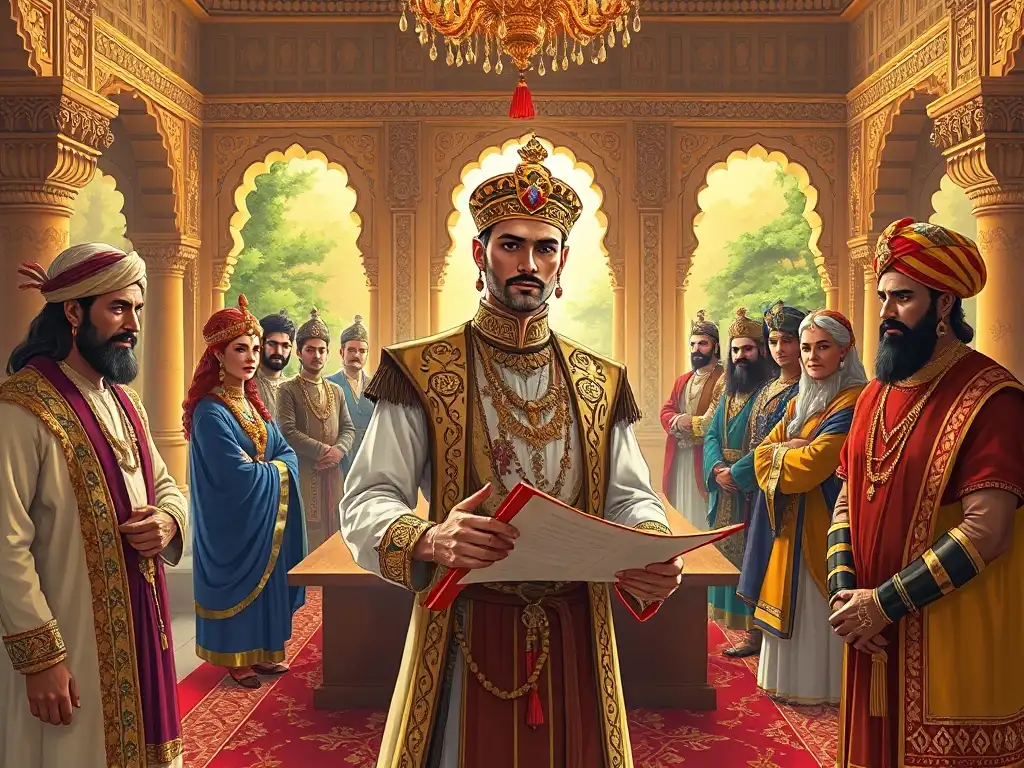
The Maurya Empire, one of the most powerful empires of ancient India, employed a range of diplomatic strategies that not only facilitated trade and cultural exchange but also secured political alliances. Examining successful case studies of Maurya diplomacy reveals how these strategies influenced both regional stability and the empire's expansion.
Case Study 1: Diplomacy with the Seleucid Empire
One of the most significant diplomatic achievements of the Maurya Empire was its relationship with the Seleucid Empire, which emerged after the death of Alexander the Great. After Alexander's invasion of India, his successors sought to establish their influence in the region. Chandragupta Maurya, the founder of the Maurya Empire, recognized the need for diplomatic engagement rather than direct confrontation.
In 305 BCE, Chandragupta negotiated a peace treaty with Seleucus I Nicator, one of Alexander's generals. This treaty involved the exchange of territories and marriages as a means to solidify relations. Chandragupta received the regions of present-day Afghanistan and parts of the northwest, while Seleucus retained control over areas in the west. The alliance was further strengthened by the marriage of Chandragupta's daughter to Seleucus, which exemplified the strategic use of marriage as a diplomatic tool.
This interaction not only showcased the Maurya Empire's ability to engage with powerful neighbors but also laid the groundwork for trade routes that enriched both empires. The diplomatic relations with the Seleucid Empire are a prime example of how the Maurya Empire adeptly navigated the complex political landscape of the time.
Case Study 2: Envoys and Relations with China
The Maurya Empire also made significant advances in establishing relations with neighboring kingdoms, including those in China. During the reign of Ashoka, Chandragupta's grandson, the Maurya Empire extended its diplomatic reach beyond the Indian subcontinent. Ashoka is known for sending envoys to various regions, including Tibet and China, to promote Buddhism and establish peaceful relations.
One notable envoy was the Buddhist monk, Mahadeva, who was dispatched to the courts of various Chinese rulers. Through such envoys, Ashoka aimed to disseminate the principles of Dharma (moral law) and reinforce the Mauryan influence in East Asia. The establishment of these relations facilitated cultural exchanges, with Buddhism spreading into China, eventually leading to significant impacts on Chinese society and philosophy.
This diplomatic outreach exemplified the Maurya Empire's focus on soft power—using cultural and religious influence rather than military force to forge alliances and enhance its standing in the region.
Case Study 3: Influence of Maurya Diplomacy on Future South Asian Kingdoms
The diplomatic strategies employed by the Maurya Empire set a precedent for future South Asian kingdoms. The empire's approach to diplomacy, emphasizing negotiations, strategic marriages, and cultural exchanges, influenced subsequent rulers in the region. For instance, the Gupta Empire, which followed the Maurya, adopted similar diplomatic practices that focused on establishing ties through mutual respect and cultural affinity.
The Maurya Empire's emphasis on ethical diplomacy, as articulated in Ashoka's edicts, encouraged future leaders to prioritize peaceful coexistence. The principles of diplomacy that emerged during the Maurya period were instrumental in shaping the political landscape of South Asia, fostering an environment where cultural interactions flourished and conflicts were managed through dialogue.
Lessons from Maurya Empire Diplomacy Strategies
The diplomatic strategies of the Maurya Empire offer valuable insights into the art of statecraft that remain relevant in contemporary discussions of international relations.
Impact on Contemporary Diplomacy
The Maurya Empire's ability to navigate complex political landscapes and engage in diplomacy underscores the importance of adaptability and strategic thinking in contemporary diplomacy. Modern states can learn from the Mauryan emphasis on dialogue, negotiation, and cultural exchanges as effective tools for conflict resolution. The use of envoys and diplomatic missions as a means to foster relationships and understanding among nations reflects practices that are still crucial in today's geopolitical climate.
Relevance of Ancient Strategies in Modern International Relations
The diplomatic strategies of the Maurya Empire illustrate fundamental principles that are applicable in modern international relations. The focus on mutual respect, the strategic use of alliances, and the promotion of cultural exchanges are strategies that can enhance diplomatic efforts today. As global challenges become increasingly complex, revisiting these ancient practices can provide innovative solutions to contemporary diplomatic dilemmas, reinforcing the idea that history can inform and enrich modern policy-making.
Conclusion: The Legacy of Maurya Empire Diplomacy
The Maurya Empire, renowned for its vast territorial expanse and robust administrative framework, established a legacy of diplomacy that significantly influenced subsequent Indian states and the broader geopolitical landscape of the region. The diplomatic strategies employed by the Mauryan rulers, particularly under the leadership of Chandragupta Maurya and his grandson Ashoka, were characterized by a combination of military might, strategic alliances, and innovative diplomatic practices. These approaches not only facilitated the consolidation of power but also fostered cultural exchange and economic ties across diverse regions.
The use of envoys played a pivotal role in executing the Maurya Empire's diplomatic strategies. Envoys were not merely messengers; they were carefully selected representatives who conveyed the empire's intentions, negotiated treaties, and sometimes even engaged in espionage. Their significance is underscored in Ashoka's edicts, which reflect a commitment to ethical diplomacy, promoting peace, and fostering relationships with neighboring states through non-violence and mutual respect. This approach to diplomacy, which emphasized dialogue over conflict, set a precedent that resonated through later Indian history.
Summary of Key Points on Diplomacy and Influential Envoys
- Diplomatic Strategies: The Maurya Empire utilized a blend of military strength and strategic alliances to secure its borders and expand its influence.
- Role of Envoys: Envoys were crucial in the Mauryan diplomatic framework, serving as negotiators and representatives who facilitated communication and agreements with other kingdoms.
- Cultural Exchange: Diplomatic interactions led to cultural exchanges, enhancing trade and fostering cross-cultural relations that enriched the empire.
- Ashoka's Influence: Under Ashoka, diplomacy took a more ethical turn, with an emphasis on non-violence and peaceful coexistence, as exemplified by his edicts promoting Dhamma.
- Long-lasting Impact: The diplomatic practices of the Maurya Empire laid the groundwork for future Indian states, influencing their approaches to governance and international relations.
Final Thoughts on the Maurya Empire's Contribution to Diplomatic Practices
The Maurya Empire's legacy in diplomacy is a testament to the sophistication and foresight of its rulers. By integrating diplomatic strategies with a focus on ethical governance, the Mauryas not only expanded their empire but also cultivated a sense of unity and cooperation among diverse cultures. Their innovative use of envoys as a diplomatic tool is particularly noteworthy, demonstrating an early understanding of the importance of skilled communication in statecraft.
As modern scholars continue to explore the intricacies of ancient Indian diplomacy, the Maurya Empire stands out as a pioneering force. Its contributions to diplomatic practices not only shaped the course of Indian history but also offer valuable insights into the principles of diplomacy that remain relevant today. The Maurya Empire's blend of pragmatism and principle in its diplomatic endeavors serves as an enduring model for contemporary diplomatic relations.
- Introduction to Maurya Empire Diplomacy Strategies
- Key Features of Maurya Empire Diplomacy
- Influential Envoys of the Maurya Empire
- Diplomatic Strategies Employed by the Maurya Empire
- Case Studies of Successful Maurya Diplomacy
- Lessons from Maurya Empire Diplomacy Strategies
- Conclusion: The Legacy of Maurya Empire Diplomacy
Frequently Asked Questions
What were the key diplomacy strategies of the Maurya Empire?
The Maurya Empire utilized various diplomacy strategies, including alliances, negotiations, and the appointment of skilled envoys to foster relations with neighboring states.
Who were some notable envoys in the Maurya Empire?
Notable envoys included Chanakya, who played a crucial role in establishing the empire, and various diplomats who facilitated peace treaties and trade agreements across the region.
How did the Maurya Empire influence neighboring states through diplomacy?
The diplomatic efforts of the Maurya Empire often led to political stability and economic prosperity, influencing neighboring states to adopt similar governance and trade practices.
What role did Ashoka play in the Maurya Empire's diplomacy?
Ashoka's reign marked a significant shift towards non-violent diplomacy, promoting Buddhist principles and fostering cultural exchanges with other regions, which enhanced the empire's international reputation.
How did Maurya Empire diplomacy impact its legacy?
The diplomacy strategies of the Maurya Empire laid the groundwork for future Indian empires, promoting a culture of political engagement and cultural diplomacy that continued in subsequent civilizations.
Final Reflection: The Enduring Legacy of Maurya Empire Diplomacy
The strategies of diplomacy employed by the Maurya Empire resonate profoundly in today's global landscape, demonstrating that effective communication and negotiation are timeless tools for fostering peace and cooperation. In an era where international relations are often fraught with tension, the Maurya Empire's approach serves as a reminder that diplomacy, when executed with skill and integrity, can yield significant benefits for nations and their people. The lessons learned from their envoys and diplomatic maneuvers are not merely historical footnotes; they are essential frameworks for navigating the complexities of modern diplomacy.
The influence of the Maurya Empire's diplomatic strategies continues to shape our understanding of international relations and cultural exchanges. The emphasis on respectful dialogue and strategic alliances laid the groundwork for future civilizations to build upon. As we reflect on this legacy, we can appreciate how these ancient practices still inform contemporary diplomacy. Diplomacy is the art of letting someone else have your way.
– Daniel Varela. This quote encapsulates the essence of the Maurya Empire's approach, highlighting the importance of subtlety and persuasion in achieving diplomatic goals.
As we look to the future, let us embrace the lessons of the Maurya Empire in our own lives and interactions. Consider how you can apply these principles of diplomacy in your personal and professional relationships. Whether it’s through active listening, fostering mutual respect, or seeking common ground, each of us has the power to influence our surroundings positively.
Take a moment to reflect on your own diplomatic strategies—how can you become a more effective communicator and negotiator in your daily life? The legacy of the Maurya Empire invites us to engage thoughtfully with one another, paving the way for a more harmonious future.
Unveil the Secrets of Ancient Diplomacy!
Thank you for exploring the fascinating world of the Maurya Empire's diplomatic strategies with us! You've tapped into valuable insights about how influential envoys shaped international relations in ancient India. Now, it’s your turn to delve deeper and connect with the legacy of diplomacy in your own journey.
- Start your own study of historical diplomacy: Research a specific envoy from the Maurya Empire and explore how their tactics might inspire today's diplomatic efforts.
- Share your knowledge! Discuss the importance of diplomacy with friends or on social media—consider how ancient strategies can influence modern relations.
- Connect with fellow enthusiasts: Join online forums or local history groups to exchange ideas about the impact of diplomacy in shaping societies.
What unique diplomatic strategy from the Maurya Empire do you believe could be applied in today's world? We invite you to share your thoughts below!