
The Influence of Geography on Daily Activities in the Indus Valley

Welcome to Ancient India History, where we embark on a fascinating journey through time to uncover the rich tapestry of ancient Indian civilizations. In this exploration, we delve into the Indus Valley geography and its profound impact on daily life, revealing how the landscape shaped the routines, culture, and innovations of its people. As you navigate through our articles, prepare to uncover the intricate connections between the environment and the vibrant society that flourished in this remarkable civilization. Join us as we unravel the mysteries of the past and discover the enduring legacies that continue to influence us today!
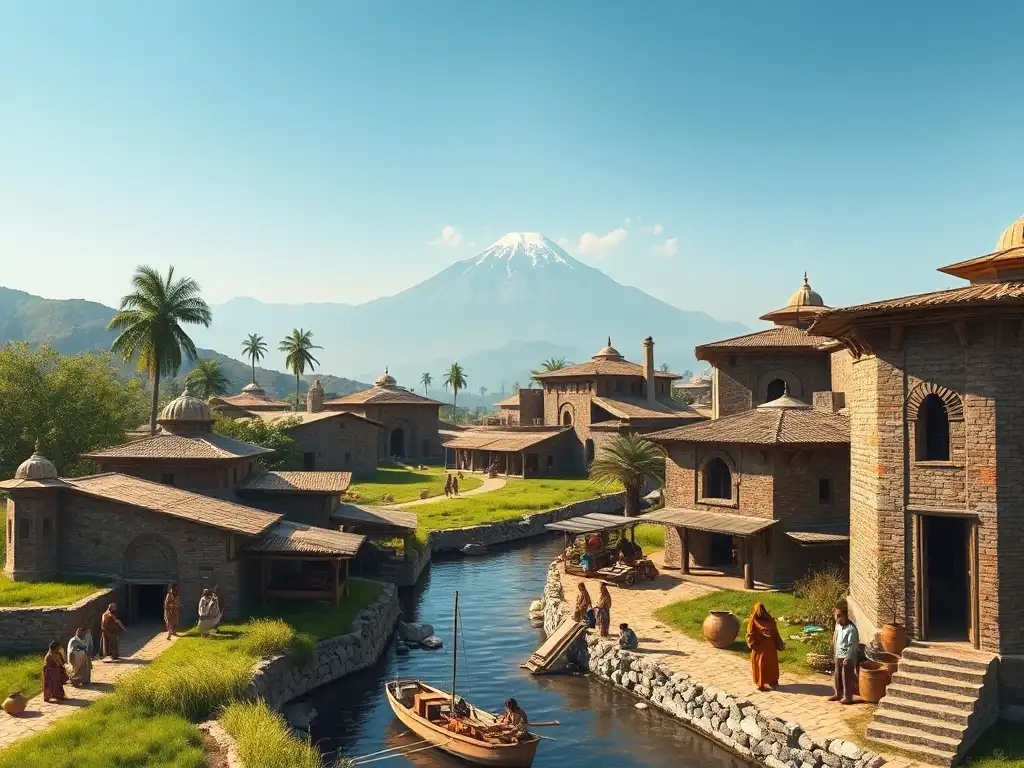
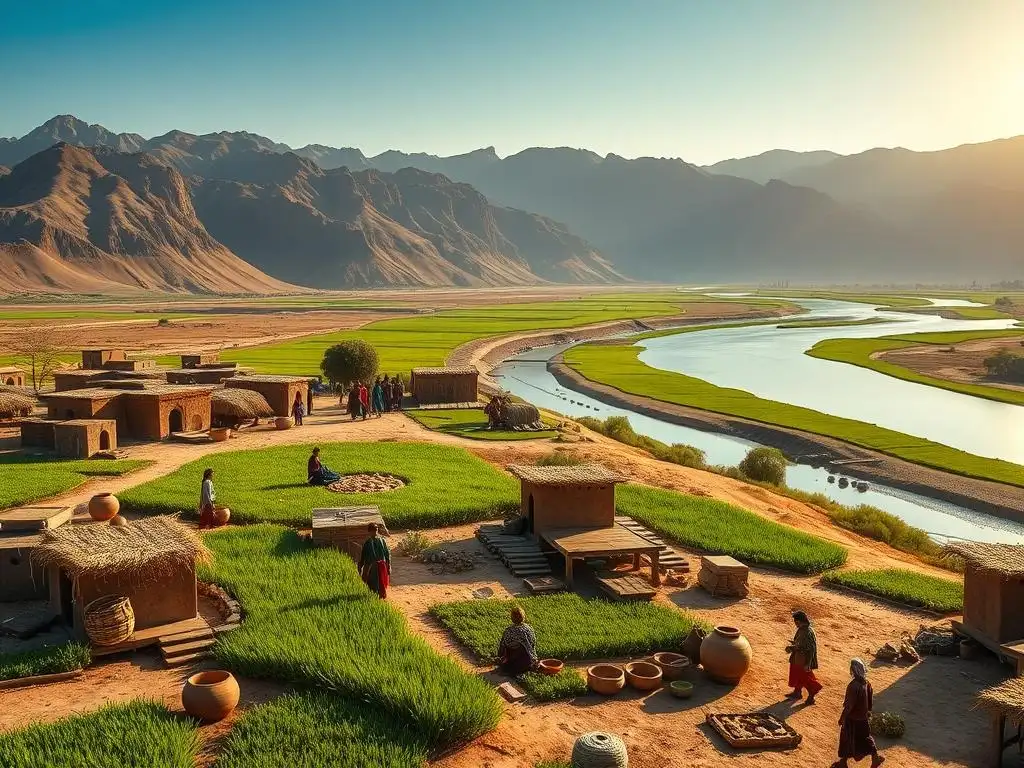
The geography of the Indus Valley Civilization played a pivotal role in shaping the daily lives of its inhabitants. Nestled between the towering Himalayas to the north and the arid deserts to the east and south, this ancient civilization thrived in a diverse landscape characterized by fertile plains, river systems, and strategic trade routes.
Understanding the intricate relationship between geography and daily activities provides valuable insights into the social, economic, and cultural practices of the Indus Valley people. This article delves into the geographic features of the Indus Valley and examines how they influenced agricultural practices, urban planning, and trade, ultimately shaping the essence of life in one of the world's earliest urban civilizations.
Understanding the Indus Valley Geography
Overview of the Geographic Features of the Indus Valley
The Indus Valley, primarily located in present-day Pakistan and northwest India, is marked by a variety of geographic features. The region is defined by:
- Fertile Alluvial Plains: The Indus River and its tributaries created rich alluvial plains, making the area ideal for agriculture.
- Mountainous Terrain: The northern boundaries are flanked by the Himalayas, which provided natural protection and significant climatic influence.
- Deserts: To the southeast lies the Thar Desert, which limited agricultural expansion but also defined trade routes.
This diverse geography contributed to the development of complex societies, leveraging the natural resources available within the region.
Climate and Its Impact on Daily Life in the Indus Valley
The climate of the Indus Valley is characterized by seasonal monsoons, which significantly impacted agricultural cycles and daily life:
- Monsoon Rains: The summer monsoons brought crucial rainfall, essential for crop cultivation. Farmers planned their planting and harvesting around these seasonal changes.
- Temperature Variability: While summers were hot, winters could be quite cool, influencing clothing, shelter, and daily activities.
- Droughts and Floods: The variability of climate could lead to both droughts and floods, necessitating adaptive strategies in agriculture and settlement planning.
These climatic factors necessitated a lifestyle that was closely attuned to the rhythms of nature, shaping not only agricultural practices but also social organization.
Major Rivers and Their Role in Sustaining Civilization
The Indus River and its tributaries were lifelines for the civilization, influencing various aspects of life:
- Water Supply: The rivers provided a reliable source of water for drinking, agriculture, and sanitation.
- Irrigation Systems: Advanced irrigation techniques were developed to harness river water, enabling the cultivation of crops in an otherwise arid region.
- Trade Routes: The rivers served as natural highways for transportation and trade, facilitating commerce both locally and with distant regions.
The strategic importance of these rivers cannot be overstated; they were central to the survival and prosperity of the Indus Valley civilization.
Daily Life in the Indus Valley: A Geographic Perspective
Agricultural Practices Influenced by Geography
Agriculture was the backbone of the Indus Valley economy, deeply influenced by geographic conditions:
- Crop Diversity: The fertile plains allowed for the cultivation of a variety of crops, including wheat, barley, and cotton, which became staples of the diet.
- Seasonal Cycles: Farming practices were aligned with the monsoon seasons, with sowing and harvesting times carefully timed to maximize yield.
- Technological Innovations: The geography spurred innovations in farming tools and methods, including the use of plows and irrigation canals.
These agricultural practices were not just a means of survival; they fostered social structures, trade, and cultural development.
Urban Planning and Geography
The cities of the Indus Valley, such as Harappa and Mohenjo-Daro, were remarkable for their advanced urban planning, influenced by geographic considerations:
- Grid Layout: Streets were laid out in a grid pattern, reflecting an understanding of spatial organization and efficient use of land.
- Drainage Systems: Sophisticated drainage and sanitation systems were developed, indicating an awareness of health and hygiene in relation to the environment.
- Building Materials: The availability of clay and other materials influenced architectural styles and construction methods.
Urban planning in the Indus Valley was a direct response to geographic challenges, showcasing the civilization's ingenuity.
Trade and Geography
Trade networks thrived in the Indus Valley, heavily influenced by geographic features:
- River Transport: The Indus River facilitated trade with neighboring regions, allowing for the exchange of goods such as textiles, metals, and pottery.
- Strategic Locations: The civilization's positioning along trade routes connecting Central Asia, the Arabian Sea, and the Iranian Plateau enhanced its economic prospects.
- Cultural Exchange: Geographic accessibility allowed for cultural interactions with other civilizations, enriching the Indus Valley's own cultural landscape.
Trade not only bolstered the economy but also fostered a rich tapestry of cultural exchange, making the Indus Valley a significant player in ancient history.
The geography of the Indus Valley had a profound influence on the daily life of its inhabitants. From agricultural practices to urban planning and trade, the interplay between the environment and human activity shaped this remarkable civilization in ways that are still being explored today.
The geography of the Indus Valley Civilization played a pivotal role in shaping its social structure and daily activities. The civilization flourished along the banks of the Indus River, which provided fertile land for agriculture and facilitated trade. This geographical advantage led to the emergence of complex social hierarchies, as communities settled into well-planned cities like Harappa and Mohenjo-Daro.
The abundance of resources allowed for a diverse occupational structure, where individuals engaged in farming, trading, craftsmanship, and administration. The rich agricultural landscape supported a surplus of crops, which contributed to population growth and the stratification of society into various classes, including farmers, artisans, merchants, and rulers. Geographic features such as mountains and deserts also played a role in limiting interaction with surrounding regions, which further solidified the distinct social identity of the Indus Valley people.
Settlement Patterns and Their Geographic Implications
The settlement patterns in the Indus Valley were closely linked to geographical features. The civilization is characterized by its urban centers, strategically located near rivers, which provided essential water resources for irrigation and daily living. The cities were designed with advanced planning, featuring grid-like street layouts, drainage systems, and public baths, indicating a high level of sociopolitical organization.
Surrounding areas consisted of rural settlements that supported the urban centers through agriculture. These patterns suggest a division of labor where rural inhabitants focused on farming while urban dwellers engaged in trade and administration. The proximity to the river also facilitated trade routes, connecting the Indus Valley with other regions, which was essential for economic stability and cultural exchange.
Geographic Factors Influencing Social Organization
Several geographic factors influenced the social organization of the Indus Valley Civilization. The fertile plains along the riverbanks allowed for intensive agriculture, which supported larger populations and led to the establishment of complex social structures. The availability of natural resources, including clay for pottery and metals for tools, enabled the development of specialized trades and crafts.
Furthermore, the surrounding mountains and deserts acted as natural barriers, influencing interactions with neighboring civilizations. This relative isolation fostered a unique culture and social order but also limited external influences. The geographic layout contributed to the establishment of centralized authority in urban centers, where political leaders managed resources and trade, reinforcing social stratification.
Conclusion: The Interplay of Geography and Daily Life in the Indus Valley
The geography of the Indus Valley Civilization significantly influenced daily life and societal organization. Natural resources, settlement patterns, and geographic barriers all played crucial roles in shaping the civilization's development. Understanding this interplay allows us to appreciate the complexity of Indus Valley society and its achievements.
Summary of Key Geographic Influences on Daily Activities
Key geographic influences on daily activities in the Indus Valley include:
- Fertile Land: Supported agriculture, leading to food surpluses and population growth.
- River Systems: Facilitated trade and transportation, connecting urban centers with rural areas.
- Natural Resources: Enabled the development of crafts and trade, contributing to economic stability.
- Geographic Barriers: Influenced social organization by limiting external interactions and fostering a unique cultural identity.
The Lasting Legacy of Indus Valley Geography on Modern Society
The geographical features that shaped the Indus Valley Civilization continue to have an impact on modern society. The fertile plains of the Indus River remain vital agricultural areas, sustaining populations and economies. Additionally, the urban planning concepts developed in cities like Harappa and Mohenjo-Daro influence contemporary city design and infrastructure planning. Understanding the relationship between geography and daily life in the Indus Valley provides valuable insights into how ancient societies adapted to their environments, leaving a lasting legacy on modern urban and agricultural practices.
- Understanding the Indus Valley Geography
- Daily Life in the Indus Valley: A Geographic Perspective
- Social Structure and Geography in the Indus Valley
- Conclusion: The Interplay of Geography and Daily Life in the Indus Valley
- What is the significance of Indus Valley geography in daily life?
- How did the Indus Valley people adapt to their environment?
- What were the primary economic activities in the Indus Valley?
- How did climate affect daily life in the Indus Valley?
- What role did urban planning play in the Indus Valley civilization?
Frequently Asked Questions
What is the significance of Indus Valley geography in daily life?
The geography of the Indus Valley played a crucial role in shaping the daily activities of its inhabitants, influencing agriculture, trade, and settlement patterns due to its fertile land and access to water resources.
How did the Indus Valley people adapt to their environment?
The Indus Valley civilization adapted by developing advanced irrigation systems and urban planning, which allowed them to thrive in a diverse landscape that included rivers, plains, and hills.
What were the primary economic activities in the Indus Valley?
The economic activities of the Indus Valley included agriculture, trade, and craftsmanship, with a strong focus on producing goods like textiles and pottery, which were vital for daily life.
How did climate affect daily life in the Indus Valley?
The climate of the Indus Valley, characterized by seasonal monsoons, significantly impacted agricultural practices and food availability, influencing daily routines and community interactions.
What role did urban planning play in the Indus Valley civilization?
Urban planning was essential in the Indus Valley, as cities were meticulously designed with organized streets, drainage systems, and public buildings, enhancing the quality of daily life and community health.
Final Reflection: The Indelible Mark of Geography on Daily Life in the Indus Valley
The intricate relationship between geography and daily life in the Indus Valley remains profoundly relevant today. As we navigate our own environments, we can see how geographical features shape our routines, communities, and cultures. The lessons drawn from the Indus Valley civilization remind us that our surroundings are not merely backdrops; they actively influence our ways of living, working, and interacting. The impact of geography on daily life is a timeless truth that resonates across ages and civilizations.
Culture and society are inextricably linked to the landscapes we inhabit. The Indus Valley's unique geography fostered a thriving civilization, demonstrating how natural resources and environmental conditions can dictate the course of human development. This connection prompts us to reflect on our own lives and the spaces we occupy. As the historian Will Durant once said, Civilization exists by geological consent, subject to change without notice.
This quote encapsulates the ongoing influence of geography, reminding us that our current lifestyles are shaped by the landscapes we inhabit, just as those of the Indus Valley were.
As we conclude this exploration of the Indus Valley's geography and its impact on daily life, I invite you to consider how your own environment shapes your experiences. Reflect on the ways in which your surroundings influence your daily activities, relationships, and aspirations. Embrace the idea that understanding our geography can empower us to make more informed choices about our lives and communities. Let the lessons of the Indus Valley inspire you to engage with your environment thoughtfully, recognizing the profound connection between place and purpose.
Explore How Geography Shapes Your Daily Life!
Thank you for joining us on this fascinating journey through the influences of geography on daily activities! We hope you’ve uncovered valuable insights about how our surroundings shape our lives. Now, it’s time to put this knowledge into action and rethink how geography plays a role in your everyday experiences.
Here are a few engaging ways to connect with this theme:
- Reflect on your environment: Take a moment to observe the geographical features around you. Consider how natural elements, such as mountains, rivers, or climate, influence your daily routine.
- Share your thoughts: Discuss with friends or family how geography impacts your community and culture. You might even want to start a conversation on social media to broaden the dialogue!
- Get creative: Consider creating a visual map or journal that illustrates how geography affects your life. This could be a fun project that provides you with deeper insights into your unique surroundings!
What aspects of your environment do you believe have the most significant influence on your daily choices and activities?