
The Indus Valley's Influence on Modern Indian Culture: A Legacy of Daily Practices

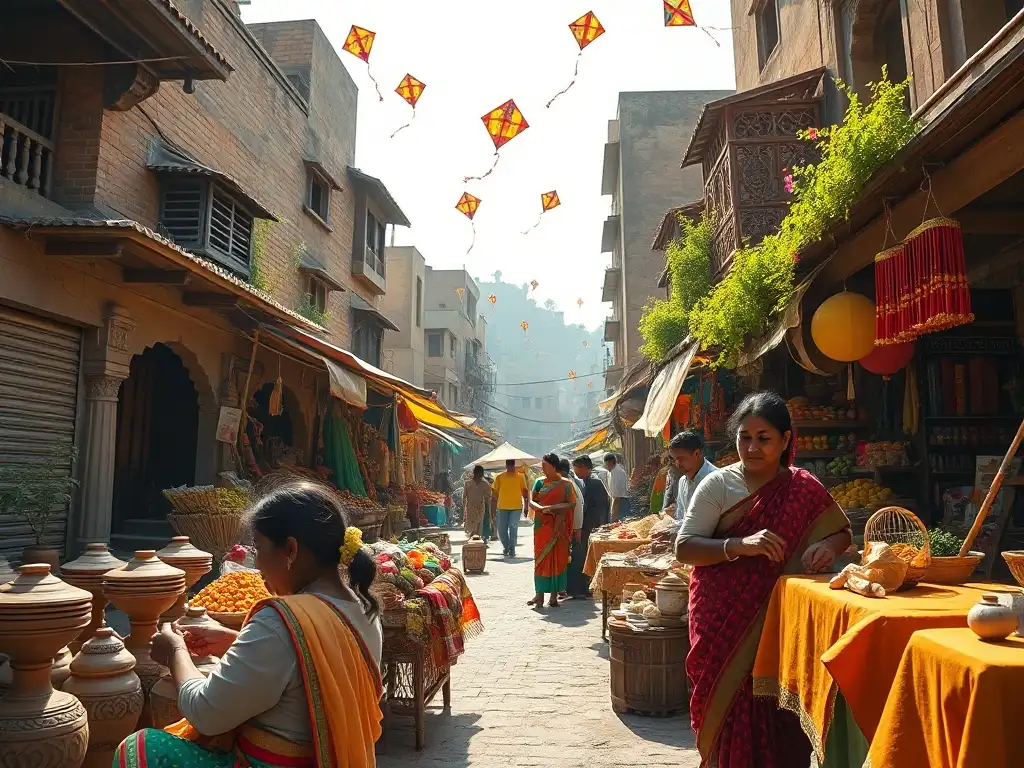
Welcome to Ancient India History, where we embark on an exhilarating journey through the rich tapestry of India’s past. In our featured article, “The Indus Valley's Influence on Modern Indian Culture: A Legacy of Daily Practices,” we delve into the profound ways the ancient Indus Valley civilization continues to shape contemporary life in India. Discover how age-old traditions and innovations resonate in today’s cultural practices, sparking curiosity about the legacy that endures through the ages. Join us as we uncover the hidden connections between the past and present, inviting you to explore the fascinating world of ancient Indian civilizations!
Introduction to the Indus Valley Civilization
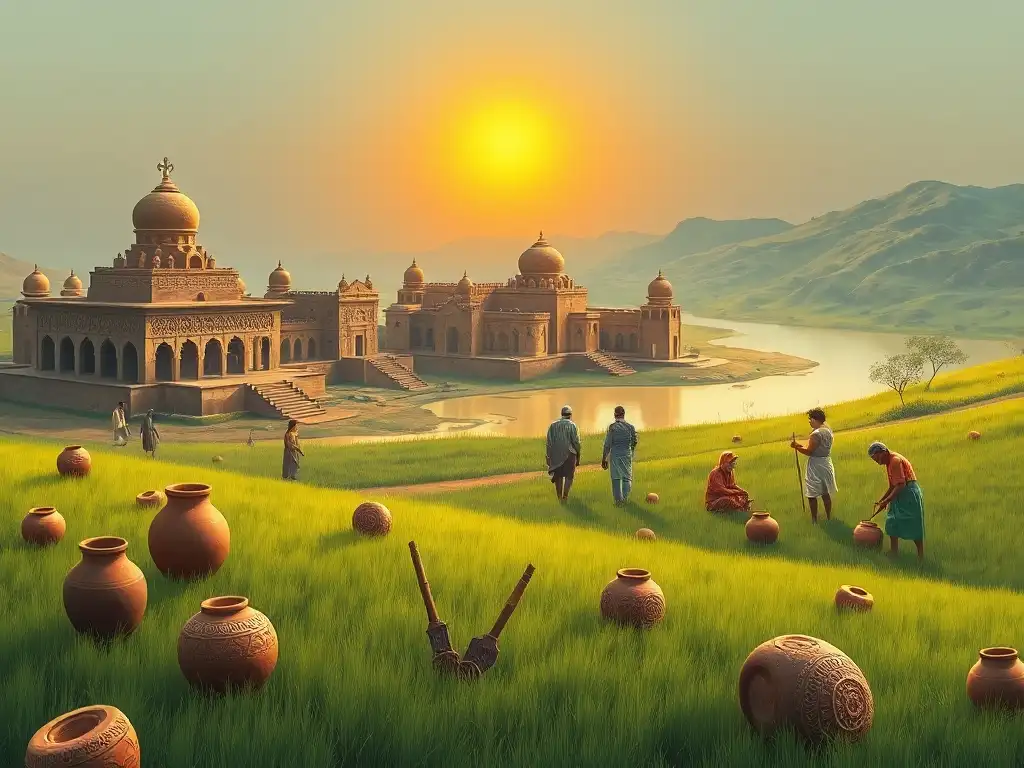
The Indus Valley Civilization (IVC), one of the world's earliest urban cultures, flourished around 2500 BCE in the northwestern regions of South Asia, primarily in present-day Pakistan and northwest India. Renowned for its advanced urban planning, sophisticated drainage systems, and impressive architectural achievements, the IVC laid the foundational cultural and societal frameworks that continue to resonate in modern Indian culture. This article explores the various ways in which the legacies of the Indus Valley have shaped contemporary daily practices, beliefs, and social norms, establishing a profound connection between the past and the present.
Overview of the Indus Valley Civilization
The Indus Valley Civilization emerged as a leading force in the ancient world, characterized by its well-organized cities such as Harappa and Mohenjo-Daro. These cities featured:
- Grid-like urban layouts
- Advanced drainage systems
- Public baths, which highlight the importance of hygiene
- Granaries for food storage, indicating agricultural prosperity
The civilization thrived on trade, both internal and external, with evidence suggesting connections to Mesopotamia and beyond. The IVC was marked by a rich cultural tapestry, including a script that remains undeciphered, intricate pottery, and distinct seals used for trade and communication. The societal structure was likely egalitarian, as indicated by the uniformity in housing and urban amenities.
Significance of the Indus Valley in Ancient Indian History
The significance of the Indus Valley Civilization extends beyond its impressive urban achievements; it is considered a cornerstone of ancient Indian history. Its contributions to:
- Urban planning: Influencing future city layouts in the Indian subcontinent
- Agricultural practices: Introducing techniques that continue to be relevant today
- Trade networks: Establishing commercial routes that laid the groundwork for future economic systems
The IVC’s decline around 1900 BCE remains a subject of intrigue, with theories ranging from climatic changes to invasions. Despite this decline, the cultural elements established during this period—a sense of community, craftsmanship, and trade—persisted and evolved through subsequent Indian civilizations, notably impacting the Vedic period and beyond.
The Indus Valley's Modern Cultural Influence
The influence of the Indus Valley on modern Indian culture is both profound and multifaceted. Understanding this influence requires an exploration of how ancient practices, beliefs, and societal structures have been integrated into contemporary life.
Defining Modern Cultural Influence
Modern cultural influence refers to the ways in which historical practices, traditions, and values continue to shape current societal norms and behaviors. From daily rituals to architectural styles, the echoes of the Indus Valley are evident in various aspects of modern Indian life. This influence is seen in:
- Religious practices: Many rituals trace their origins back to the IVC.
- Art and craftsmanship: Techniques and styles have been passed down through generations.
- Social organization: Community structures and values reflect ancient norms.
The enduring legacy of the Indus Valley serves as a reminder of the civilization's role in shaping not only the immediate cultural landscape but also the broader context of Indian identity.
Key Aspects of Cultural Influence from the Indus Valley
Several key aspects of cultural influence from the Indus Valley can be identified:
-
Urban Planning and Architecture:
The principles of urban design established by the IVC can still be seen in the layout of many modern cities in India. The emphasis on organized spaces, public amenities, and drainage systems continues to inform urban development.
-
Agricultural Practices:
Techniques in irrigation and crop cultivation initiated during the IVC have laid the groundwork for current agricultural methodologies. The use of certain crops, such as cotton, traces back to this civilization.
-
Craftsmanship and Trade:
The skillful craftsmanship in pottery and textile production has influenced modern artisans. The trade networks established by the IVC have evolved but remain a vital part of India's economy.
-
Cultural Rituals and Beliefs:
Many cultural practices and festivals can be linked back to the traditions of the Indus Valley, showcasing the continuity of cultural identity through millennia.
The Indus Valley's modern cultural influence is a testament to the enduring legacy of this remarkable civilization. From urban design to agricultural practices, the echoes of the past continue to shape the fabric of contemporary Indian society. As we delve deeper into these influences, we can better appreciate how ancient daily practices inform modern life in India.
Daily Practices Originating from the Indus Valley
The Indus Valley Civilization, flourishing around 2500 BCE, laid the groundwork for various daily practices that continue to resonate in modern Indian culture. This ancient society was characterized by advanced urban planning, agricultural innovations, and a vibrant trade network, all of which have influenced contemporary practices in India. The legacies of daily life from this civilization are evident in agriculture, urban design, craftsmanship, and social structures, creating a rich tapestry of cultural continuity that persists to this day.
Agriculture and Food Production
Agriculture was the cornerstone of the Indus Valley Civilization, with evidence suggesting sophisticated farming practices that revolved around the cultivation of wheat, barley, and legumes. The use of irrigation systems and crop rotation not only optimized food production but also set a precedent for sustainable agricultural practices that are still relevant today.
- Crop Varieties: The Indus people cultivated a variety of crops, including rice and pulses, which continue to be staples in modern Indian diets.
- Food Preservation: Techniques such as drying and fermenting foods were employed to ensure a stable food supply, influencing modern preservation methods.
- Culinary Practices: Many cooking methods, such as steaming and baking, trace their origins back to this civilization, impacting traditional Indian cuisine.
These agricultural innovations and food production techniques have profoundly influenced the dietary habits and agricultural practices in India, contributing to the country’s diverse culinary heritage.
Urban Planning and Architecture
The urban planning of the Indus Valley Civilization remains one of its most remarkable legacies. Cities like Harappa and Mohenjo-Daro were meticulously designed with grid patterns, advanced drainage systems, and standardized brick sizes, showcasing a high level of civic organization.
- City Layout: The organized layout of cities has inspired modern urban planning in India, emphasizing the importance of infrastructure and public amenities.
- Water Management: The sophisticated drainage systems indicate a deep understanding of sanitation and water management, principles that are increasingly relevant in contemporary urban environments.
- Architectural Styles: The use of baked bricks and the construction of multi-storied buildings can be seen echoed in many regions of India today, showcasing a continuity of architectural styles.
These urban planning principles not only highlight the ingenuity of the Indus Valley people but also continue to serve as a benchmark for modern urban development in India.
Craftsmanship and Trade
The Indus Valley Civilization was renowned for its craftsmanship, producing intricately designed pottery, jewelry, and seals. The quality of craftsmanship has had a lasting impact on modern Indian art and trade practices.
- Trade Networks: The civilization engaged in extensive trade with regions as far as Mesopotamia, influencing contemporary trade practices and economic relationships in the Indian subcontinent.
- Artistic Traditions: Techniques in metalworking, bead-making, and pottery from the Indus Valley laid the foundation for traditional art forms that continue to thrive in modern India.
- Cultural Exchange: The exchange of goods and ideas facilitated by trade contributed to a rich cultural amalgamation that persists in Indian society today.
The craftsmanship and trade practices established during the Indus Valley era have contributed significantly to the cultural and economic fabric of modern India.
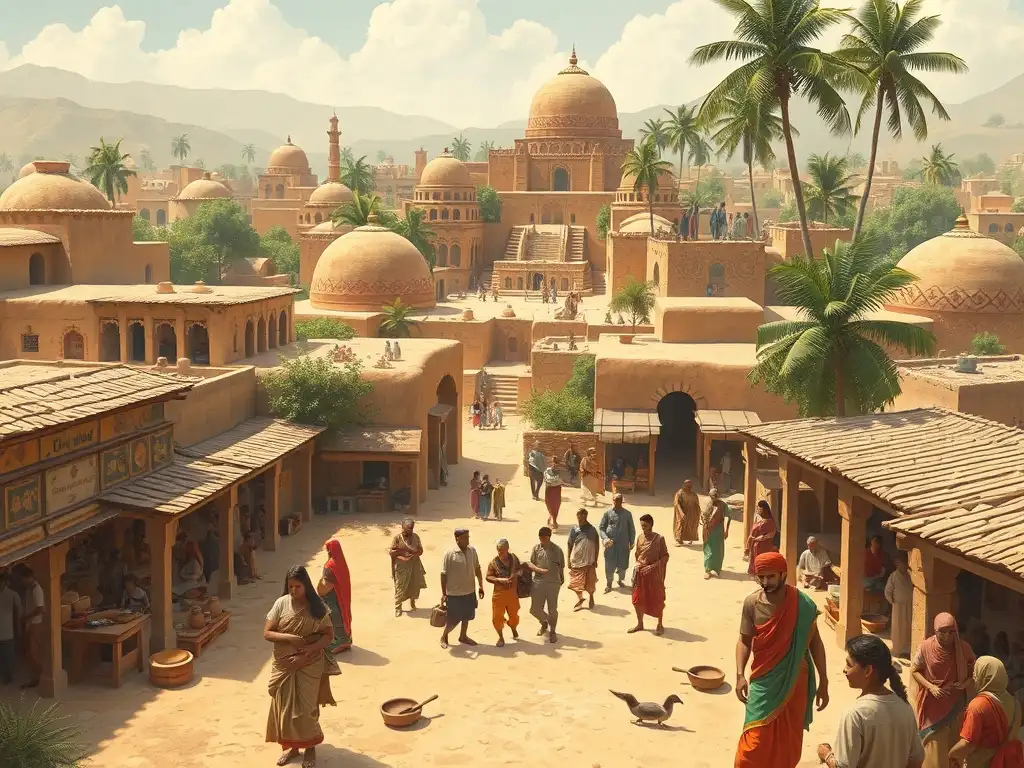
The social structures of the Indus Valley Civilization were complex, reflecting a diverse community life that emphasized cooperation and organization. Aspects of these social structures continue to influence modern Indian culture, particularly in family organization, community interactions, and spiritual beliefs.
Family and Social Organization
Family units in the Indus Valley Civilization were likely structured around extended families, which played a crucial role in social organization. This structure has influenced contemporary family dynamics in India.
- Kinship Ties: Strong kinship ties remain a hallmark of Indian society, reflecting the communal values rooted in the Indus Valley.
- Roles and Responsibilities: The division of labor within families, with distinct roles for men and women, can be traced back to this ancient civilization, impacting modern gender roles and family expectations.
- Community Engagement: The emphasis on community life and collective activities, such as festivals and gatherings, continues to be a cornerstone of Indian culture today.
These social organization principles underscore the importance of community and family in shaping the social landscape of modern India.
Religion and Spiritual Practices
The spiritual practices of the Indus Valley Civilization, while not fully understood, suggest a rich tapestry of beliefs that have influenced the religious landscape of India.
- Symbolism and Rituals: The use of seals and symbols indicates a complex belief system that likely involved rituals and spiritual practices, many of which have evolved into modern Hindu customs and traditions.
- Sacred Spaces: The presence of public baths and other ceremonial spaces reflects a cultural reverence for cleanliness and ritual, which continues to play a significant role in contemporary religious practices.
- Ancestral Worship: The importance of ancestors in spiritual practices can still be seen in modern rituals, indicating a continuity of beliefs from the Indus Valley to present-day India.
These religious and spiritual practices from the Indus Valley Civilization have left a lasting impact on the cultural and spiritual identity of modern India, illustrating a profound connection across millennia.
Language and Script
The language and script of the Indus Valley Civilization represent a fascinating aspect of its cultural legacy that continues to influence modern Indian society. While the precise nature of the Indus language remains largely undeciphered, its script, known as the Indus script, has sparked considerable interest among linguists and historians. This ancient writing system is crucial for understanding the communication methods of one of the world's earliest urban societies and offers insights into their daily life, trade, and socio-political structures.
The mystery surrounding the Indus script has kept scholars engaged for decades, as it consists of over 400 unique symbols. These symbols were often inscribed on seals, pottery, and other artifacts, primarily found in archaeological sites like Harappa and Mohenjo-Daro. Despite numerous attempts at decipherment, the script remains undeciphered, leading to various theories about its structure and function.
Some scholars suggest that it may have been a form of proto-writing, while others argue that it reflects a fully developed language. Regardless of its interpretation, the Indus script's existence underscores the sophisticated nature of communication in ancient times, which has laid foundational aspects for modern languages in the region.
The Indus Script and Its Mysteries
The Indus script is characterized by its unique symbols and is distinct from contemporary scripts in India. The seals often feature animal motifs, deities, and geometric patterns, which hints at the cultural and religious significance of writing in the Indus Valley. The lack of a Rosetta Stone-like artifact has made decipherment challenging, resulting in a multitude of hypotheses regarding its linguistic affiliations. Some researchers propose links to Dravidian languages, while others suggest connections to the Indo-Aryan languages that emerged later.
The ongoing mystery of the Indus script invites scholars to explore its potential meanings and implications. The inability to decode the script means that many aspects of Indus Valley society, including their trade relations, governance, and cultural beliefs, remain shrouded in ambiguity. This uncertainty continues to fuel interest in the Indus Valley Civilization and its contributions to the cultural tapestry of India.
Influence on Modern Languages in India
Despite the Indus script's undeciphered status, its influence on modern languages in India is discernible in several ways. The region where the Indus Valley Civilization thrived is now a melting pot of languages, many of which have evolved from ancient roots. For instance, languages like Hindi, Punjabi, and Sindhi, spoken in areas that overlap with the ancient civilization, showcase influences that may trace back to the linguistic environment of the Indus Valley.
The phonetic structures and lexical features of these modern languages may reflect the linguistic practices of the Indus people. Furthermore, the cultural practices and everyday life of the Indus Valley are echoed in the folklore and oral traditions of contemporary communities. These practices include various forms of storytelling, rituals, and even agricultural techniques, indicating a gradual transmission of knowledge and cultural practices across millennia.
Conclusion: The Lasting Legacy of the Indus Valley
The legacy of the Indus Valley civilization is profound, extending far beyond its archaeological remains and into the fabric of modern Indian cultural identity. Understanding this legacy provides essential context for appreciating the evolution of societal norms, language, and daily practices in contemporary India.
Summary of Modern Cultural Influences
The influences of the Indus Valley Civilization on modern Indian culture are multifaceted. From architectural styles and urban planning concepts to agricultural practices and social organization, the Indus Valley has significantly shaped the cultural landscape. The remnants of this ancient civilization, visible in contemporary practices, reveal a continuity of cultural values that has persisted through ages, underscoring the importance of historical awareness in understanding modern societal dynamics.
The Importance of Understanding Ancient Legacies in Contemporary Society
Grasping the ancient legacies like that of the Indus Valley is vital for contemporary society. These legacies not only enrich our understanding of history but also inform present-day cultural identities and practices.
Engaging with these ancient narratives fosters a sense of continuity and belonging, allowing modern societies to appreciate their roots and the intricacies of their evolution. By reflecting on the contributions of the Indus Valley Civilization, individuals can cultivate a deeper appreciation for the rich tapestry of cultures that define India today, reinforcing the notion that history is not merely a record of the past but a living influence on the present and future.
- Introduction to the Indus Valley Civilization
- The Indus Valley's Modern Cultural Influence
- Daily Practices Originating from the Indus Valley
- Social Structures and Community Life
- Language and Script
- Conclusion: The Lasting Legacy of the Indus Valley
- What is the Indus Valley Civilization known for?
- How does the Indus Valley influence modern Indian culture?
- Are there specific daily practices that trace back to the Indus Valley?
- How did the Indus Valley contribute to the development of urban life?
- What is the significance of the Indus Valley in understanding Indian history?
Frequently Asked Questions
What is the Indus Valley Civilization known for?
The Indus Valley Civilization, one of the world's earliest urban cultures, is renowned for its advanced cities, sophisticated drainage systems, and impressive architecture.
How does the Indus Valley influence modern Indian culture?
The Indus Valley's influence is seen in various aspects of modern Indian culture, including art, craftsmanship, and even some daily practices that have roots in ancient traditions.
Are there specific daily practices that trace back to the Indus Valley?
Yes, many daily practices such as certain cooking methods, textile production, and even some rituals can be traced back to the Indus Valley Civilization.
How did the Indus Valley contribute to the development of urban life?
The Indus Valley established some of the first urban centers, promoting trade, craft specialization, and social organization, which laid the groundwork for future Indian civilizations.
What is the significance of the Indus Valley in understanding Indian history?
The Indus Valley Civilization is crucial for understanding the foundations of Indian history, as it shaped the cultural, social, and economic aspects that influenced later Indian empires like the Gupta Empire.
Final Reflection: The Indus Valley's Enduring Legacy in Modern Culture
The profound impact of the Indus Valley civilization on contemporary Indian culture cannot be overstated. From urban planning to daily practices, the echoes of this ancient society resonate in our lives today, reminding us of the rich tapestry of history that shapes our identity. The legacy of the Indus Valley is not merely a relic of the past; it is a vibrant thread woven into the fabric of modern cultural influence, guiding our values, traditions, and social structures.
Cultural practices rooted in the Indus Valley continue to thrive, influencing everything from our culinary traditions to our architectural styles. The seamless integration of ancient wisdom into modern life highlights the importance of recognizing our heritage. As we navigate through a rapidly changing world, we must remember the words of historian R. S. Sharma: The past is not just a series of events; it is a living force that shapes our present and future.
This perspective invites us to appreciate how the foundations laid by our ancestors continue to inform our daily choices and communal interactions.
As we reflect on the lessons of the Indus Valley, I encourage you to embrace this legacy in your own life. Consider how the values and practices of this ancient civilization can inspire your daily routines and community engagements. Whether it's through sustainable living, communal harmony, or the appreciation of craftsmanship, let the wisdom of the past guide your actions today. Together, we can honor this rich heritage and ensure that its influence remains a vital part of our cultural narrative for generations to come.
Unveil the Legacy of the Indus Valley in Your Life!
Thank you for immersing yourself in the fascinating legacy of the Indus Valley and its influence on modern Indian culture! You've explored an enriching topic that showcases how ancient practices continue to shape our daily lives. Now, it's time to take that knowledge further and embody the essence of this incredible heritage.
Here are some actionable steps you can take right now:
- Reflect on your daily practices: Identify one aspect of your routine that can be enhanced with inspiration from Indus Valley traditions. Think about how you can incorporate ancient techniques into your lifestyle.
- Explore local heritage: Visit a museum or cultural center that showcases artifacts from the Indus Valley and their historical significance. Engage with history on a personal level and uncover hidden treasures in your community.
- Share your insights: Initiate a conversation with friends or family about your discoveries. You might even consider hosting a discussion group to delve deeper into the practices that enrich our culture!
What aspect of Indus Valley culture do you feel resonates most with your modern life, and why? We invite you to share your thoughts below!