
The Economic Policies of the Maurya Empire: Key Figures in Trade and Commerce


Welcome to Ancient India History, where we embark on a fascinating journey through the rich tapestry of ancient Indian civilizations. From the remarkable achievements of the Indus Valley to the grandeur of the Gupta Empire, we delve deep into the culture and contributions that have shaped our world. In this article, we shine a spotlight on the Maurya Empire trade and commerce, exploring the innovative economic policies and key figures that drove its success.
Prepare to uncover the intricate web of trade networks and the thriving marketplace of one of history's most influential empires. Join us as we unravel the secrets of the past and discover how these ancient practices continue to resonate today!

Introduction to the Maurya Empire Trade and Commerce
The Maurya Empire, which flourished from 322 BCE to 185 BCE, is often celebrated for its monumental contributions to ancient Indian civilization, particularly in the realms of governance, culture, and economic development. The empire, founded by Chandragupta Maurya and later expanded under the reign of Ashoka the Great, established a sophisticated administrative framework that played a crucial role in facilitating trade and commerce.
The economic policies implemented during this period not only enhanced the empire's wealth but also laid the groundwork for a thriving commercial network that connected various regions of ancient India and beyond. Understanding these economic policies is essential to grasp the Maurya Empire's influence on trade dynamics in ancient India.
Overview of the Maurya Empire's Economic Significance
The Maurya Empire was pivotal in shaping the economic landscape of ancient India. With its strategic location, the empire served as a nexus for trade between the East and West, enabling the exchange of goods, ideas, and cultures. Key commodities traded included textiles, spices, precious stones, and metalwork, which were highly sought after in both domestic and international markets.
- Key Economic Contributions:
- Development of extensive trade routes.
- Establishment of a standardized system of weights and measures.
- Promotion of artisan and craft guilds, enhancing production efficiency.
The economic policies of the Maurya Empire were characterized by a blend of state control and encouragement of private enterprise, fostering an environment conducive to commerce and trade. This period marked a significant advancement in the economic practices of ancient India, with the Maurya Empire setting the stage for future dynasties.
Importance of Trade and Commerce in Ancient India
Trade and commerce were vital to the prosperity of ancient Indian civilizations. The Maurya Empire, in particular, recognized the importance of these activities as a means of economic stability and growth. The empire's trade networks facilitated not only the exchange of goods but also the dissemination of cultural and technological innovations.
- Benefits of Trade in Ancient India:
- Economic surplus leading to urbanization.
- Cultural exchanges that enriched Indian society.
- Strengthening of diplomatic relations through trade alliances.
The flourishing trade during the Maurya Empire contributed significantly to the overall wealth of the empire and its ability to sustain a large standing army, which was crucial for maintaining internal stability and external security.
Key Economic Policies of the Maurya Empire
The Maurya Empire's economic policies were instrumental in shaping its trade and commerce landscape. These policies encompassed various aspects of economic management, from centralized control to taxation systems and trade regulations.
Centralized Economic Control and Administration
One of the defining features of the Maurya Empire was its centralized economic administration. The empire employed a bureaucratic system that facilitated efficient governance and economic management. Key characteristics included:
- Centralized Authority: The emperor held supreme power over economic decisions, ensuring uniformity in policies across the vast empire.
- Bureaucratic Structure: Officials were appointed to oversee various economic activities, including taxation, trade regulation, and resource management.
This centralized control allowed for effective coordination of trade activities and ensured that economic benefits were distributed throughout the empire.
Taxation Systems and Revenue Generation
The Maurya Empire implemented a comprehensive taxation system that played a crucial role in revenue generation. This system was designed to fund the state's administrative functions and military expenditures while also promoting trade. Key components included:
- Agricultural Taxation: A significant portion of revenue was derived from taxes on agricultural produce, which constituted the backbone of the economy.
- Trade Duties: Taxes were levied on goods transported through trade routes, contributing to the empire's wealth.
These taxation policies ensured a steady flow of revenue, which was essential for sustaining the empire's expansive infrastructure and military.
Regulation of Trade Routes and Marketplaces
To facilitate trade and commerce, the Maurya Empire established regulations governing trade routes and marketplaces. This regulation included:
- Maintenance of Trade Routes: The empire invested in the upkeep of key trade routes, ensuring safe and efficient transportation of goods.
- Market Regulation: The establishment of marketplaces was regulated by the state, which set prices and quality standards to protect consumers and maintain fair competition.
These regulatory measures not only boosted trade but also contributed to the overall economic stability of the Maurya Empire, making it a formidable force in ancient Indian history.
Notable Figures Influencing Trade and Commerce
The Maurya Empire, one of the most significant empires in ancient India, was marked by the contributions of several key figures who shaped its economic landscape. These individuals not only influenced trade and commerce but also established policies that facilitated economic growth and stability. Their vision and strategies played a crucial role in integrating various regions within the empire and promoting trade with neighboring territories. Understanding their influence provides valuable insights into the economic dynamics of the Maurya Empire.
Chandragupta Maurya: The Founder and His Economic Vision
Chandragupta Maurya, the founder of the Maurya Empire, laid the groundwork for a robust economic framework that would support the empire's vast territorial ambitions. His vision encompassed the establishment of a centralized administration that streamlined trade routes and regulated commerce. He recognized the importance of agriculture as the backbone of the economy and implemented policies that aimed to boost agricultural productivity.
Under Chandragupta's rule, state control over key resources and trade practices was instituted. He understood that a prosperous economy would ensure the stability and longevity of his empire. To achieve this, he invested in infrastructure development, such as roads and irrigation systems, which facilitated the movement of goods and enhanced trade efficiency. His economic vision was not only focused on wealth accumulation but also aimed at the welfare of his subjects, ensuring a balanced economy that could sustain the empire's needs.
Kautilya (Chanakya): The Architect of Economic Policies
Kautilya, also known as Chanakya, was a pivotal figure in shaping the economic policies of the Maurya Empire. As an advisor to Chandragupta Maurya, he authored the Arthashastra, a treatise that outlines the principles of governance, economics, and military strategy. Kautilya's insights into trade and commerce were revolutionary for his time, advocating for state intervention in economic affairs to safeguard the interests of the empire.
His policies emphasized the significance of trade regulation, taxation, and the establishment of market standards. He believed that a strong economy was essential for political stability and advocated for the protection of merchants and traders. Kautilya's pragmatic approach to economic management included leveraging diplomacy and alliances to enhance trade opportunities, thereby expanding the empire's economic reach beyond its frontiers. His strategies positioned the Maurya Empire as a formidable player in the regional trade network, fostering prosperity.
Ashoka the Great: Trade Expansion and Diplomatic Relations
Ashoka the Great, the grandson of Chandragupta Maurya, is often celebrated for his contributions to the Maurya Empire's economic and diplomatic landscape. His reign marked a significant expansion of trade, both domestically and internationally. Ashoka recognized the potential of trade as a means to foster goodwill and cultural exchange, which he actively promoted through diplomatic relations with neighboring kingdoms.
Under Ashoka's leadership, trade routes were enhanced, and the construction of infrastructure such as roads and rest houses made travel safer and more efficient for merchants. He also encouraged the export of Indian goods, such as spices, textiles, and precious stones, which were highly sought after in foreign markets. Ashoka's promotion of Buddhism played a role in trade, as it created a cultural connection that facilitated commerce along the Silk Road and beyond. His policies not only strengthened economic ties but also contributed to the cultural richness of the Maurya Empire.
Trade Goods and Commodities of the Maurya Empire

The Maurya Empire was a hub of trade, characterized by a diverse range of goods and commodities that reflected its economic vitality. The empire's strategic location allowed it to engage in extensive trade with regions as far as the Mediterranean and Southeast Asia. The variety of goods traded not only showcased the richness of the Maurya Empire but also contributed to its economic prosperity.
Major Exports and Imports in Mauryan Trade
The Maurya Empire was known for its significant exports, which included a variety of agricultural products, textiles, and luxury goods. Major exports comprised:
- Spices: India was renowned for its spices, which were in high demand in international markets.
- Textiles: Cotton and silk fabrics were manufactured in abundance and traded extensively.
- Precious Stones: The empire produced a variety of gemstones, contributing to its trade wealth.
In contrast, the Maurya Empire also imported goods that complemented its economic needs, such as:
- Metal: Gold, silver, and other metals were imported for jewelry and currency.
- Luxury Items: Items like glassware and fine pottery were brought in from other regions.
The trade network established during this period not only facilitated the exchange of goods but also contributed to the cultural and economic interconnections between different civilizations.
Role of Artisans and Craftsmen in Economic Development
Artisans and craftsmen played a vital role in the economic development of the Maurya Empire. Their skills were essential in producing high-quality goods that were both for domestic consumption and for export.
- Skilled Labor Force: Artisans specialized in various crafts, including pottery, metalwork, and weaving, which contributed to the diversity of goods available in the market.
- Market Dynamics: The presence of skilled craftsmen led to the establishment of local markets where goods were exchanged, fostering economic interactions and community growth.
- Cultural Exchange: Through their crafts, artisans not only contributed economically but also facilitated cultural exchange, as their products often reflected the artistic styles and traditions of different regions.
The economic policies of the Maurya Empire, combined with the contributions of notable figures, artisans, and craftsmen, created a flourishing trade environment that was integral to the empire's success and longevity.
Trade Routes and Their Impact on the Maurya Empire
The Maurya Empire, one of the largest and most powerful empires in ancient India, had a sophisticated network of trade routes that significantly contributed to its economy and cultural integration. The strategic location of the empire facilitated both land and maritime trade, connecting it with various regions in Asia, including Central Asia, the Middle East, and even parts of Europe. The flourishing trade routes not only enhanced the wealth of the empire but also played a vital role in the dissemination of ideas, culture, and technology.
The impact of these trade routes on the Maurya Empire can be observed through several key factors:
- Economic Prosperity: The expansion of trade routes led to increased commerce, which in turn generated substantial revenue for the empire.
- Cultural Exchange: Trade facilitated interactions between diverse cultures, leading to a blend of traditions, languages, and religious practices.
- Infrastructure Development: The need to support trade activities resulted in the construction of roads, ports, and other infrastructure, enhancing connectivity within the empire.
Land Trade Routes: Silk Road and Beyond
The land trade routes during the Maurya Empire included segments of the famous Silk Road, which was instrumental in linking India with regions such as China, Persia, and the Mediterranean. This extensive network allowed for the exchange of goods such as silk, spices, precious stones, and textiles, which were highly sought after in foreign markets.
Key characteristics of land trade routes include:
- Silk Road: The Maurya Empire's involvement in the Silk Road facilitated trade with various civilizations, enhancing economic ties and cultural exchanges.
- Local Trade Routes: In addition to the Silk Road, numerous local routes connected major cities and marketplaces, allowing for the exchange of agricultural products and handicrafts.
- Caravanserais: These roadside inns provided shelter and supplies for merchants and their caravans, promoting longer journeys and fostering trade.
The success of these routes transformed the Maurya Empire into a significant player in regional and international trade, allowing it to thrive economically.
Maritime Trade Routes: Connecting India to the World
Maritime trade routes were equally crucial to the Maurya Empire's economy. The empire's coastal cities served as bustling ports that facilitated trade with distant lands. Notably, the Arabian Sea and the Bay of Bengal became important highways for maritime commerce.
Key aspects of maritime trade include:
- Trade with Southeast Asia: The Maurya Empire established links with Southeast Asian kingdoms, exporting items such as spices, textiles, and precious metals in exchange for luxury goods and raw materials.
- Naval Power: The development of a strong navy ensured the protection of trade routes and enabled the empire to exert influence over maritime trade.
- Cultural Exchanges: Maritime routes also facilitated the spread of Buddhism and other cultural practices across regions, further enriching the empire's cultural fabric.
The maritime trade routes not only bolstered the Maurya Empire's economy but also positioned it as a cultural bridge between India and the wider world.
The Role of Commerce in Mauryan Society
Commerce played a fundamental role in the Mauryan society, shaping its economic structure and influencing social dynamics. The vibrant trade and commerce activities fostered urbanization, led to the development of markets, and contributed to the overall prosperity of the empire.
Several key points illustrate the importance of commerce in Mauryan society:
- Economic Diversification: The thriving trade environment allowed for the emergence of various professions, from merchants and artisans to laborers, creating a diverse economic landscape.
- Wealth Accumulation: Successful traders and merchants accumulated wealth, leading to the rise of a prosperous merchant class that had significant social and political influence.
Economic Contributions to Urban Development
The growth of trade and commerce during the Maurya Empire stimulated urban development, with major cities like Pataliputra becoming bustling economic centers. Key contributions include:
- Marketplaces: The establishment of organized marketplaces enabled efficient trading practices and fostered a vibrant economic environment.
- Craftsmanship and Industry: As trade flourished, local industries such as textiles, pottery, and metallurgy thrived, leading to the growth of specialized craftsmanship.
- Urban Planning: The need for infrastructure to support trade activities prompted advancements in urban planning, including the development of roads, drainage systems, and residential areas.
The economic contributions of commerce thus played a crucial role in transforming Mauryan cities into centers of trade and culture.
Influence of Trade on Cultural Exchanges and Societal Growth
Trade under the Maurya Empire was not solely an economic endeavor; it profoundly influenced cultural exchanges and societal development. The interactions between different cultures and communities led to significant changes in various aspects of life.
Key influences include:
- Religious Dissemination: The spread of Buddhism and Jainism across trade routes facilitated the exchange of philosophical ideas and beliefs, enriching the spiritual landscape of the empire.
- Cultural Syncretism: The interaction between traders from different backgrounds promoted cultural syncretism, resulting in a blend of art, architecture, and literature that reflected diverse influences.
- Social Mobility: The rise of commerce provided opportunities for social mobility, allowing individuals from lower strata to rise through trade and entrepreneurship, thereby reshaping societal structures.
The interconnectedness fostered by trade during the Maurya Empire ultimately contributed to a dynamic and diverse society, where cultural exchanges flourished alongside economic prosperity.
Decline of Trade and Commerce in the Maurya Empire
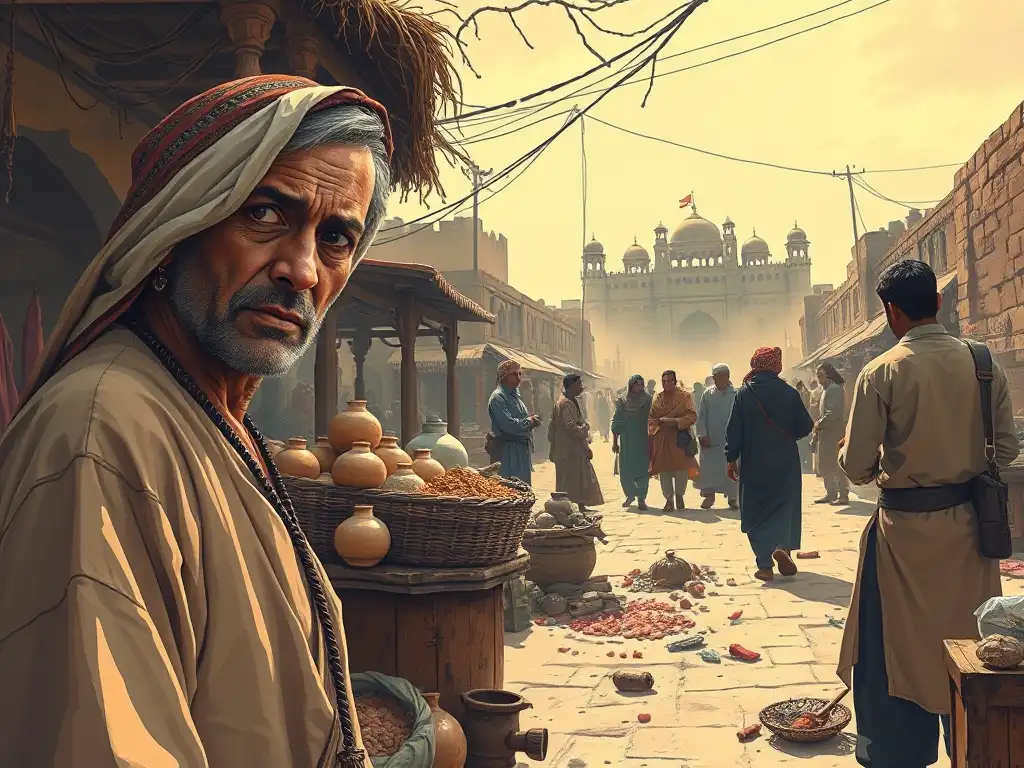
The decline of trade and commerce in the Maurya Empire marks a significant turning point in the economic history of ancient India. While the Maurya Empire, particularly under the rule of Ashoka, witnessed a flourishing trade system, various factors eventually led to its economic downturn. The decline can be attributed to a combination of internal strife, external invasions, and shifts in trade routes that disrupted the established economic framework.
As the empire began to fragment, the once-thriving marketplaces and trade networks faced hardships. The political instability weakened the centralized administration, leading to a lack of regulation and support for trade activities. Additionally, the rise of regional powers further complicated trade dynamics, as local rulers prioritized their interests over the unity that the Maurya Empire once provided.
Factors Leading to Economic Decline
Several key factors contributed to the economic decline of the Maurya Empire:
- Political Fragmentation: After Ashoka's reign, the empire struggled with succession disputes and internal conflicts. This fragmentation led to a weakened authority that could no longer effectively manage trade regulations or protect merchant interests.
- Invasions and External Threats: The empire faced invasions from external forces such as the Greeks and later the Shakas. These invasions disrupted trade routes and created an atmosphere of insecurity that deterred merchants from engaging in commerce.
- Changing Trade Routes: The emergence of new trade routes, particularly those that bypassed the Indian subcontinent, diminished the significance of traditional routes that had been vital for Mauryan trade. As maritime trade gained prominence, land-based trade routes that once flourished began to decline.
- Economic Policies: While the Maurya Empire initially implemented effective economic policies that promoted trade, the later rulers may have been less supportive of commerce. Increased taxes and regulation could have dissuaded merchants from trading, contributing to the overall economic decline.
Lasting Impacts on Trade Practices in Subsequent Indian Civilizations
The decline of trade and commerce during the Maurya Empire left lasting impacts on subsequent Indian civilizations. The disintegration of the Mauryan trade network led to a period of economic realignment where new regional powers emerged, shaping trade practices in various ways:
- Emergence of Regional Trade Centers: As political fragmentation occurred, regional trade centers began to develop. Cities like Taxila and Ujjain became important hubs for commerce, adapting to the new political landscape and fostering localized trade networks.
- Cultural Exchanges: The decline in centralized trade led to the rise of more diverse cultural exchanges. The interactions between local merchants and foreign traders introduced new goods, ideas, and practices that influenced subsequent civilizations.
- Shifts in Economic Policies: Following the Maurya Empire, many kingdoms adopted different economic policies. The focus shifted from extensive trade systems to localized economies, which impacted the scale and nature of commerce in ancient India.
- Legacy of Trade Guilds: The practice of forming trade guilds, which had been established during the Maurya period, continued in subsequent civilizations. These guilds played a crucial role in regulating trade, setting standards, and protecting the interests of merchants in a more localized economy.
Conclusion: Legacy of Maurya Empire Trade and Commerce
The legacy of trade and commerce during the Maurya Empire is profound and multifaceted. While the empire eventually faced economic decline, the foundations laid during its peak had a lasting influence on Indian trade practices and economic structures.
The Enduring Influence on Modern Indian Economic Practices
The trade and commerce practices that emerged during the Maurya Empire continue to resonate in modern Indian economic practices. The emphasis on trade networks, market regulation, and the importance of merchant communities laid the groundwork for contemporary economic systems. Elements such as trade guilds and regional marketplaces can still be seen in modern India, highlighting the enduring nature of these ancient practices.
Reflection on the Importance of Trade in Ancient Civilizations
The Maurya Empire serves as a crucial example of how trade shaped ancient civilizations. It was not just an economic activity but a vital component of cultural exchange, political power, and social structure. The lessons learned from the rise and decline of trade in the Maurya Empire underscore the importance of stable governance and strategic trade policies in fostering economic prosperity, a lesson that continues to resonate in today's globalized economy. By examining the complexities of ancient trade practices, we gain valuable insights into the interconnectedness of cultures and economies throughout history.
References and Further Reading on Maurya Empire Trade and Commerce
Delving into the economic policies of the Maurya Empire provides invaluable insight into the trade and commerce that thrived during this period. For those interested in expanding their knowledge on this influential empire, a variety of academic sources and literature are available.
Suggested Academic Sources and Texts
-
"The Mauryan Empire and Its Decline" by Romila Thapar
This work offers a comprehensive analysis of the socio-economic structures of the Maurya Empire, with a specific focus on trade practices and the role of commerce in its administrative framework.
-
"Trade and Trade Routes in Ancient India: A Study of the Mauryan Period" by N. R. Ray
This text explores the intricate trade networks established during the Maurya Empire, detailing the routes and commodities that shaped economic interactions both within and beyond the empire's borders.
-
"Ancient Indian Economy: A Historical Perspective" by R. C. Sharma
This source examines the broader economic systems in place during ancient India, with a keen focus on the Mauryan period, detailing trade policies and their impacts on regional commerce.
-
"The Economic History of India: From the Earliest Times to the Present Day" by Romesh Chunder Dutt
Dutt’s work provides historical context and detailed insights into the economic activities of the Maurya Empire, including trade regulations, taxation, and the influence of commerce on societal structures.
Recommended Books on Ancient Indian Economic History
-
"Ancient India: A Political History" by Upinder Singh
This book covers the political and economic developments of ancient India, with chapters dedicated to the economic policies and trade practices of the Maurya Empire.
-
"The Economic Life of Northern India in the Gupta Period" by A. K. Sharma
While primarily focused on the Gupta Empire, this book provides a comparative analysis of economic practices in ancient India, referencing the Maurya Empire's influence on trade and commerce.
-
"Indian Trade and Commerce in Ancient Times" by S. D. Sharma
This book provides an overview of trade practices during various ancient Indian periods, with a section dedicated to the Maurya Empire's trade policies and economic exchanges.
-
"The Mauryan Empire" by David R. O'Connor
This scholarly text offers a detailed exploration of the Mauryan Empire's political and economic systems, including insights into trade routes, key commodities, and mercantile practices.
These resources serve as a foundational stepping stone for those seeking to understand the complex dynamics of trade and commerce within the Maurya Empire, showcasing its lasting impact on Indian economic history.
- Introduction to the Maurya Empire Trade and Commerce
- Key Economic Policies of the Maurya Empire
- Notable Figures Influencing Trade and Commerce
- Trade Goods and Commodities of the Maurya Empire
- Trade Routes and Their Impact on the Maurya Empire
- The Role of Commerce in Mauryan Society
- Decline of Trade and Commerce in the Maurya Empire
- Conclusion: Legacy of Maurya Empire Trade and Commerce
- References and Further Reading on Maurya Empire Trade and Commerce
Frequently Asked Questions
What were the main economic policies of the Maurya Empire?
The Maurya Empire implemented policies that promoted trade and commerce, including standardized weights and measures, which facilitated market transactions and boosted economic growth.
How did trade routes influence the Maurya Empire?
Trade routes were vital for the Maurya Empire, connecting it with other regions, which enhanced cultural exchange and significantly increased economic prosperity through the movement of goods.
Who were the key figures in Maurya Empire trade?
Key figures in Maurya trade included prominent merchants and traders who played essential roles in developing commercial networks, ensuring the flow of goods both domestically and internationally.
What goods were commonly traded during the Maurya Empire?
The Maurya Empire was known for trading a variety of goods, including spices, textiles, metals, and luxury items, which were highly sought after in both local and foreign markets.
How did the Maurya Empire impact modern economic systems?
The economic strategies and trade practices of the Maurya Empire laid foundational principles that influenced future Indian commerce, showcasing the importance of state involvement in economic activities.
Final Reflection: The Enduring Legacy of Maurya Empire Trade and Commerce
The economic policies of the Maurya Empire continue to resonate in today's global trade landscape, highlighting the importance of strategic governance in fostering commerce. As we navigate an increasingly interconnected world, the principles established during the Maurya Empire remind us that effective trade policies can lead to prosperity and cultural exchange. The empire's emphasis on trade not only facilitated economic growth but also laid the groundwork for the complex networks that define our modern economies.
The influence of the Maurya Empire's trade practices is evident in the way contemporary societies approach commerce and economic policy. The empire's leaders understood that trade was not merely a means of generating wealth but a vital avenue for cultural exchange and social cohesion. As we reflect on this, we are reminded of the words of the ancient philosopher Chanakya: There is some self-interest behind every friendship. There is no friendship without self-interests.
This quote encapsulates the intricate balance of mutual benefit that underpins successful trade relationships, a lesson that remains relevant in our globalized economy.
As we look to the future, I invite you to consider how the lessons from the Maurya Empire can inspire your own approach to trade and commerce. Reflect on the importance of collaboration, strategic thinking, and cultural understanding in your personal and professional endeavors. By embracing these principles, you can contribute to a more interconnected and prosperous world, honoring the legacy of one of history's most influential empires.
Unveil the Secrets of Ancient Commerce!
Thank you for exploring the fascinating economic policies of the Maurya Empire with us! You've uncovered valuable insights into trade and commerce that shaped ancient India. Now, let's take the next step to further enrich your understanding of this remarkable era.
- Dive deeper into ancient trade: Visit our resources section for articles on historical trade routes and their impact on cultural exchange.
- Share your thoughts: Join the conversation by leaving a comment below about which Mauryan economic policy you found most enlightening!
- Explore related topics: Click through to our articles on other influential empires to see how trade shaped their economies.
What aspect of the Maurya Empire's trade practices do you think could be applied to today's economy?