
The Role of Communal Spaces in Indus Valley Society

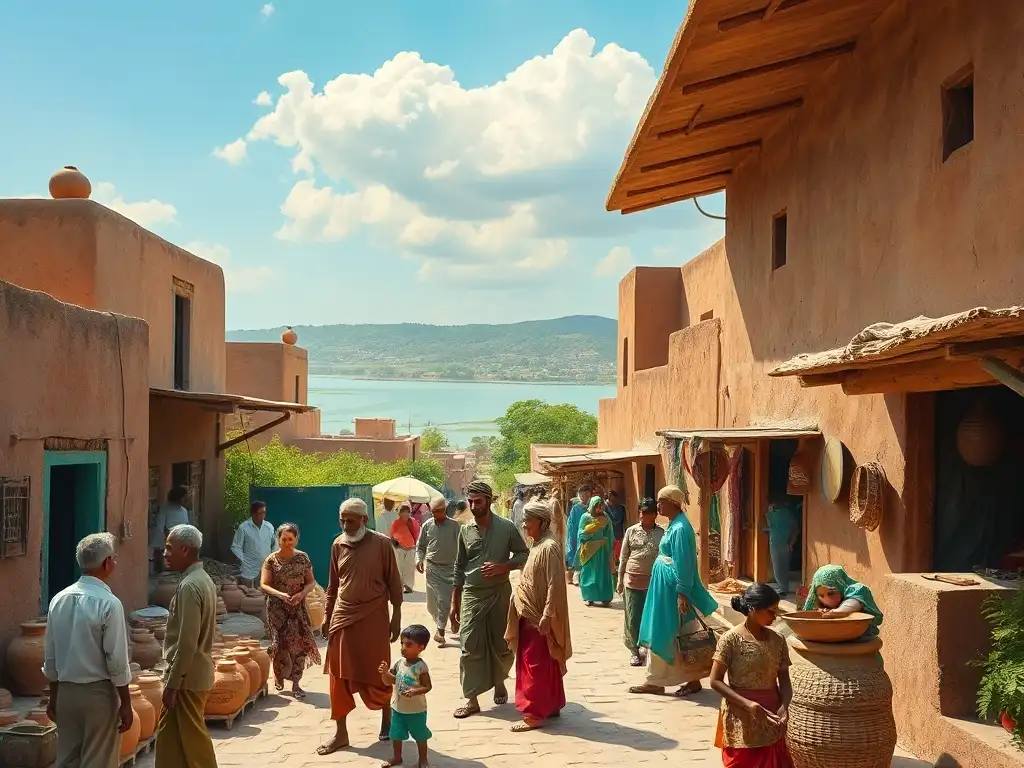
Welcome to Ancient India History, where we embark on a captivating journey through the rich tapestry of ancient Indian civilizations. Our exploration begins with an intriguing look at the communal spaces in Indus Valley society—vibrant hubs that fostered connection, commerce, and culture among one of the world's earliest urban civilizations. What secrets do these spaces hold about the lives and values of the people who once thrived here?
Dive deeper with us as we unravel the fascinating role of communal areas, inviting you to discover the profound contributions of the Indus Valley to human history. The past awaits your curiosity!
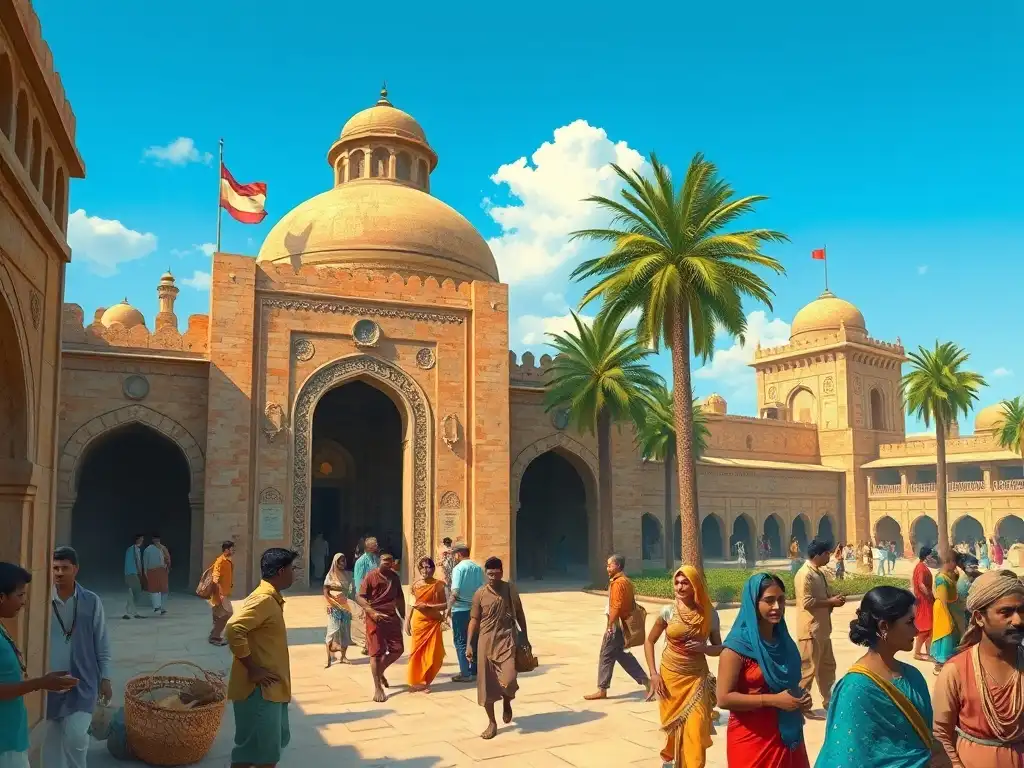
The concept of communal spaces is pivotal in understanding the social dynamics and urban planning of ancient civilizations. In the context of the Indus Valley Civilization, which flourished between approximately 3300 BCE and 1300 BCE in what is now modern-day Pakistan and northwest India, these spaces served as vital hubs for social interaction, trade, and communal activities.
This article explores the significance of communal spaces in Indus Valley society, shedding light on how they influenced daily life and contributed to the civilization's overall structure. By examining the definition and importance of communal spaces, along with a historical overview of the Indus Valley Civilization and its architectural features, we can appreciate the role these areas played in fostering community and culture.
Introduction to Communal Spaces in Indus Valley
Definition of Communal Spaces
Communal spaces can be defined as areas within a community that are accessible to all members and are used for various shared activities. These spaces can include markets, public squares, religious sites, and gathering areas where people come together for social, economic, or cultural purposes. In the context of the Indus Valley Civilization, these areas were strategically designed to accommodate a diverse range of community interactions.
Importance of Communal Spaces in Ancient Societies
The significance of communal spaces in ancient societies cannot be overstated. They served as the backbone of social interaction and community cohesion, offering a venue for:
- Trade and Commerce: Markets were essential for the exchange of goods, fostering economic growth and interaction among diverse groups.
- Cultural Activities: Festivals, rituals, and communal gatherings often took place in these spaces, reinforcing cultural identity and social ties.
- Political Engagement: Public assemblies held in communal areas allowed for the discussion of governance and community matters, promoting civic involvement.
- Socialization: These spaces provided opportunities for individuals to meet, interact, and build relationships, contributing to the overall social fabric of the community.
Overview of the Indus Valley Civilization
Historical Context of the Indus Valley Civilization
The Indus Valley Civilization is one of the world's oldest urban cultures, known for its advanced city planning, sophisticated drainage systems, and unique script. It emerged around 3300 BCE, thriving until approximately 1300 BCE. The civilization was characterized by well-organized cities such as Harappa and Mohenjo-Daro, which showcased remarkable urban planning, including grid layouts and standardized brick sizes. The decline of this civilization around 1900 BCE is attributed to various factors, including climate change, economic shifts, and possibly invasions.
Key Features of Indus Valley Architecture
Indus Valley architecture is renowned for its innovation and functionality. Key features include:
- Grid City Layout: Cities were organized in a grid pattern, allowing for efficient movement and organization of communal spaces.
- Public Baths: The Great Bath of Mohenjo-Daro is a notable example, believed to have served both religious and communal purposes.
- Storage Facilities: Large granaries and storage houses indicate a systematic approach to agriculture and trade, often centralized around communal areas.
- Residential Structures: Homes were often built with an emphasis on privacy while still promoting community interaction through shared spaces.
Communal spaces in the Indus Valley Civilization played a significant role in fostering social interaction, economic activity, and cultural identity. Understanding these spaces offers valuable insights into the broader societal framework of this ancient civilization.
Types of Communal Spaces in the Indus Valley
The Indus Valley Civilization, one of the world's earliest urban societies, showcased a variety of communal spaces that played crucial roles in the daily lives of its inhabitants. These spaces were designed to facilitate social interaction, trade, and communal activities, reflecting the advanced urban planning of the time. The main types of communal spaces include:
- Public Baths: Often seen as a hallmark of Indus Valley cities, these baths served both hygienic and social purposes.
- Granaries: Large storage facilities for grains, which also acted as gathering spots for community meetings and distribution.
- Markets and Trade Areas: Designated zones for commerce that enabled economic interaction among diverse groups.
- Religious and Ritual Spaces: Temples and altars that provided venues for worship and communal ceremonies.
These spaces were essential in fostering a sense of community, economic vitality, and cultural identity among the inhabitants of the Indus Valley.
Public Baths and Their Social Significance
Public baths in the Indus Valley were more than just places for hygiene; they served as significant social hubs. The Great Bath of Mohenjo-Daro, one of the most famous examples, illustrates the emphasis on cleanliness and ritualistic bathing.
- Social Interaction: Bathing facilities allowed for communal gatherings, promoting social cohesion among residents. People would come together not only to bathe but also to converse, celebrate festivals, and partake in communal rituals.
- Cultural Practices: The presence of public baths suggests a societal value placed on cleanliness, which may have been intertwined with religious beliefs. Bathing often held symbolic meanings, representing purification and renewal.
- Architectural Significance: These baths were constructed with advanced drainage systems, reflecting the technological sophistication of the Indus Valley civilization and their concern for public health.
Granaries as Centers of Community Interaction
Granaries were critical communal spaces in the Indus Valley, functioning as both storage facilities and centers for interaction.
- Food Security: By storing surplus grains, granaries played a vital role in ensuring food security for the community, especially during lean seasons or droughts.
- Gathering Places: They served as venues for community meetings and decision-making processes, where people could discuss agricultural practices, trade, and social issues.
- Economic Exchange: Granaries often facilitated the exchange of goods, as farmers would bring their harvests to trade, creating an environment of economic interaction and cooperation.
Markets and Trade Areas: Economic Hubs
Markets and trade areas in the Indus Valley were bustling centers of economic activity, vital for the growth and sustainability of the civilization.
- Trade Networks: The strategic location of these markets allowed for the exchange of goods not only within the region but also with distant civilizations, such as Mesopotamia. Artifacts, jewelry, textiles, and pottery were commonly traded.
- Cultural Exchange: These marketplaces were melting pots of cultures, where people from various backgrounds interacted, shared ideas, and influenced one another’s customs and practices.
- Urban Planning: The organization of trade areas within cities reflects a sophisticated understanding of urban planning, ensuring accessibility and efficiency in trade.
Religious and Ritual Spaces: Temples and Altars
Religious and ritual spaces were integral to the spiritual life of the Indus Valley civilization, serving as places of worship and community gathering.
- Temples and Altars: Structures dedicated to deities played a significant role in the spiritual practices of the community. They were often elaborately built and decorated, indicating their importance.
- Festivals and Ceremonies: These spaces were the focal points for religious festivals and ceremonies, fostering a sense of unity through shared beliefs and practices.
- Cultural Identity: The architecture and layout of these religious spaces reflect the cultural identity of the Indus Valley people, showcasing their beliefs and values.
Functions of Communal Spaces in Indus Valley Society
Communal spaces in the Indus Valley served multiple functions that were essential for the development and continuity of the society.
Social Cohesion and Community Building
Communal spaces fostered social cohesion and a sense of belonging among the inhabitants of the Indus Valley.
- Interaction and Relationships: Regular gatherings in public baths, granaries, and marketplaces helped forge strong relationships among community members, essential for cooperative living.
- Shared Identity: The collective use of these spaces contributed to a shared identity and culture, reinforcing community bonds through rituals and traditions.
- Conflict Resolution: Communal spaces often acted as neutral grounds for discussions and conflict resolution, helping maintain peace within the community.
Economic Exchanges and Trade Activities
Economic activities in communal spaces were vital for the prosperity of the Indus Valley civilization.
- Trade Networks: The markets facilitated extensive trade, leading to economic growth and the exchange of ideas and goods with other cultures.
- Resource Distribution: Granaries ensured that food and resources were evenly distributed, preventing shortages and fostering a more stable society.
- Job Creation: The presence of markets and trade areas created job opportunities and stimulated the local economy, promoting craftsmanship and entrepreneurship.
Cultural Practices and Rituals
Communal spaces were central to the cultural practices and rituals of the Indus Valley society.
- Shared Rituals: Religious spaces provided venues for communal rituals, reinforcing cultural traditions and spiritual beliefs.
- Cultural Exchange: Markets and trade areas allowed for the exchange of cultural practices, art, and ideas, enriching the societal fabric.
- Preservation of Heritage: Through communal gatherings and rituals, the traditions and heritage of the Indus Valley civilization were preserved and passed down through generations.
The communal spaces in the Indus Valley were not merely functional areas, but essential components that fostered social interactions, economic activities, and cultural practices, shaping the identity and continuity of this remarkable ancient civilization.
Architectural Features of Communal Spaces
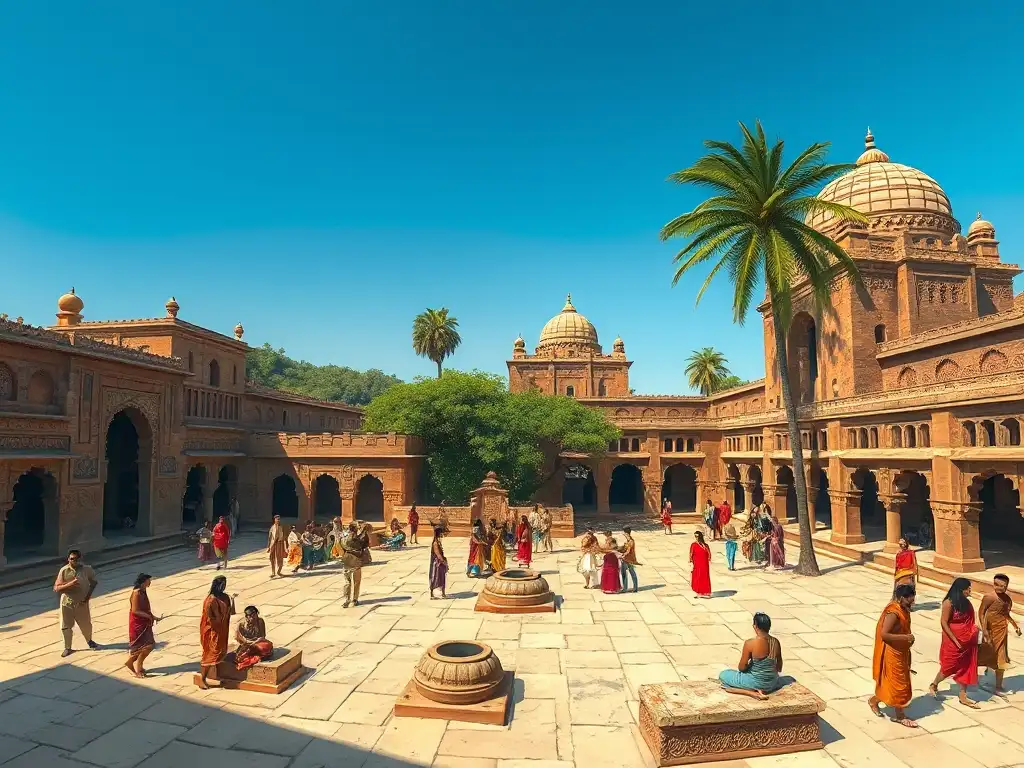
The architectural features of communal spaces in the Indus Valley Civilization reveal much about the society's values and functionality. These spaces were often characterized by their robust construction and uniformity, indicating a high level of planning and architectural expertise. The use of standardized fired bricks, with dimensions of approximately 28 x 14 x 7 cm, facilitated the creation of durable structures that have withstood the test of time.
Communal spaces typically included public baths, granaries, marketplaces, and religious structures, each designed to serve specific societal needs. The organization of these spaces often followed a grid pattern, reflecting a sophisticated urban planning approach that prioritized accessibility and communal interaction. Additionally, features such as large courtyards and open areas were common, encouraging gatherings and socialization among residents.
Design and Layout of Public Baths
Public baths, one of the most notable communal spaces in the Indus Valley, were meticulously designed for both hygiene and social interaction. The Great Bath of Mohenjo-Daro is a prime example, measuring approximately 12 meters long and 7 meters wide. It was constructed with waterproof bricks and featured a large central pool that was likely used for ritualistic bathing, signifying its cultural importance.
The layout of these baths often included changing rooms and drainage systems, indicating a sophisticated understanding of sanitation. Such facilities played a crucial role in the daily life of the inhabitants, as they provided a space for communal gatherings, promoting not only hygiene but also social bonding among community members.
Construction Techniques of Granaries
Granaries in the Indus Valley were essential communal spaces that showcased advanced agricultural practices and storage techniques. These structures were typically built on raised platforms to protect stored grains from flooding and pests. The granaries were often constructed with thick walls and small ventilation openings, ensuring a controlled environment that preserved the quality of the grains.
Archaeological findings suggest that granaries were strategically located near marketplaces, facilitating the easy distribution of food. The construction techniques employed reflected an understanding of climate and environmental factors, demonstrating the civilization's ability to adapt to their surroundings and optimize agricultural output.
Marketplace Organization and Accessibility
The marketplaces of the Indus Valley Civilization served as vital communal spaces for trade and economic interaction. These areas were characterized by their organized layout, with designated zones for different types of goods, including pottery, textiles, and foodstuffs. The streets leading to these marketplaces were often wider, allowing for the movement of large groups and carts, which enhanced accessibility.
These marketplaces not only facilitated local trade but also encouraged interactions with neighboring cultures, contributing to economic and cultural exchanges. The presence of standardized weights and measures in trading practices further indicates a sophisticated economic system that relied on fairness and organization in communal spaces.
Symbolic Elements in Religious Structures
Religious structures within the Indus Valley, while less prominently discovered than other communal spaces, held significant symbolic value in society. Temples and altars often featured intricate carvings and sculptures, reflecting the spiritual beliefs and practices of the civilization.
Moreover, the orientation and placement of these structures within urban layouts suggest a deliberate effort to integrate spirituality with daily life. The use of sacred symbols and motifs within these communal spaces likely served to reinforce societal norms and communal identity, contributing to the cohesive nature of the Indus Valley community.
The Impact of Communal Spaces on Daily Life
Communal spaces in the Indus Valley had profound impacts on daily life, influencing social structures, cultural interactions, and urban planning. These areas were not merely functional; they were central to the identity and cohesion of the civilization.
Influence on Social Hierarchies and Governance
The design and organization of communal spaces played a critical role in shaping social hierarchies within the Indus Valley. Areas such as public baths and granaries were accessible to all, suggesting a level of egalitarianism in daily life. However, the presence of more elaborate structures, such as larger granaries or significant religious sites, may indicate social stratification, with elite individuals having more control over these vital resources.
Furthermore, the governance of communal spaces likely involved a communal decision-making process, as evidenced by the uniformity in construction and maintenance of these areas. This collective approach to governance fostered a sense of responsibility and ownership among the residents, reinforcing social bonds and cooperation.
Role in Cultural Exchange and Interaction
Communal spaces also served as hubs for cultural exchange and interaction. The accessibility of marketplaces allowed for the mingling of diverse groups, promoting trade and the sharing of ideas, customs, and technologies. Artifacts discovered in various sites indicate that goods from distant regions were traded, enriching the cultural tapestry of the Indus Valley.
These interactions were crucial for fostering a sense of community and shared identity among residents. The communal spaces acted as meeting points where cultural practices and traditions could be shared, celebrated, and preserved across generations.
Reflections of Daily Life in Urban Planning
The urban planning of the Indus Valley Civilization reflects the importance of communal spaces in daily life. The grid-like layout of cities, with clearly defined areas for residential, commercial, and communal activities, indicates a well-organized society that valued both functionality and social interaction.
Public baths, granaries, and marketplaces were strategically placed to facilitate easy access, highlighting their importance in the daily routines of the inhabitants. This thoughtful urban design not only catered to practical needs but also fostered a strong sense of community, making communal spaces integral to the overall lifestyle and culture of the Indus Valley civilization.
Conclusion: The Legacy of Communal Spaces in Indus Valley Civilization
The communal spaces in the Indus Valley Civilization (IVC) served as pivotal centers for social interaction, trade, and cultural exchange. These areas facilitated the establishment of a cohesive community identity and played a significant role in the daily lives of the inhabitants. The legacy of these communal spaces continues to resonate throughout Indian history, influencing the development of urban centers and collective spaces in subsequent civilizations.
The architectural ingenuity displayed in the design of these communal areas, such as the public baths and assembly halls, not only reflects the advanced urban planning of the time but also highlights the importance of community in the IVC. As we examine the remnants of these spaces, we gain insight into the values, practices, and social structures of one of the world's earliest urban societies.
Lasting Influence on Future Indian Societies
The influence of communal spaces in the Indus Valley extends far beyond its time, setting a precedent for future Indian societies. The emphasis on collective spaces can be seen in later civilizations, including the Maurya and Gupta Empires, which continued to foster communal gathering areas such as temples, marketplaces, and public squares.
These communal spaces evolved to accommodate the growing complexities of society, adapting to the needs of larger populations while maintaining the essence of community interaction. The tradition of gathering in communal spaces has persisted through the ages, shaping the cultural landscape of India and reinforcing the significance of these areas in fostering social cohesion.
Communal Spaces as a Reflection of Cultural Identity
Communal spaces in the Indus Valley Civilization were not merely functional; they were integral to the cultural identity of the people. These spaces served as venues for rituals, festivals, and community gatherings, reflecting the shared beliefs and values of the community.
The architectural features of these communal areas, including their design and location, often mirrored the environmental and cultural context of the society. For instance, the presence of large public baths suggests a focus on ritual purity and social interaction, demonstrating how communal spaces were intertwined with the spiritual and cultural practices of the time. The communal identity forged in these spaces laid the groundwork for the social fabric of future Indian civilizations, reinforcing the importance of community in the broader cultural narrative of the region.
Further Reading and References
For those interested in exploring the significance of communal spaces in the Indus Valley Civilization further, a variety of resources are available that delve deeper into the subject.
Suggested Resources on Indus Valley Civilization
- "The Indus Civilization: A Contemporary Perspective": by Shereen Ratnagar: This book offers an in-depth analysis of the IVC, including its social structures and communal life.
- "Indus Valley Civilization: History and Heritage": by T.R. Sharma: An exploration of the legacy of the IVC and its impact on later Indian cultures.
- "Cities of the Indus Valley Civilization" by Jonathan Mark Kenoyer: A comprehensive study of the urban planning and architectural achievements of the IVC, including communal spaces.
Academic Studies on Ancient Indian Communal Spaces
- "Public Spaces in Ancient Indian Civilizations" by R. S. Sharma: This academic paper examines the evolution and significance of public spaces in ancient Indian societies, with a focus on the IVC.
- "Rituals and Community Life in the Indus Valley Civilization" by Anjali D. Gupta: A detailed study of the cultural practices associated with communal spaces in the IVC and their implications for understanding social identity.
- "Urban Planning and Social Structure in the Indus Valley Civilization" by A. K. Saini: This research article discusses the urban design of the IVC and how communal spaces shaped social relationships and hierarchies.
- Introduction to Communal Spaces in Indus Valley
- Overview of the Indus Valley Civilization
- Types of Communal Spaces in the Indus Valley
- Functions of Communal Spaces in Indus Valley Society
- Architectural Features of Communal Spaces
- The Impact of Communal Spaces on Daily Life
- Conclusion: The Legacy of Communal Spaces in Indus Valley Civilization
- Further Reading and References
- What were the main communal spaces in the Indus Valley?
- How did communal spaces influence Indus Valley society?
- Were there any specific architectural features of communal spaces in the Indus Valley?
- How did the presence of communal spaces affect daily life in the Indus Valley?
- What role did communal spaces play in the political organization of the Indus Valley?
Frequently Asked Questions
What were the main communal spaces in the Indus Valley?
The communal spaces in the Indus Valley included public baths, granaries, and marketplaces, which served as centers for social interaction and trade.
How did communal spaces influence Indus Valley society?
These communal spaces fostered a sense of community and facilitated economic exchange, playing a crucial role in the social structure of the civilization.
Were there any specific architectural features of communal spaces in the Indus Valley?
Yes, many communal spaces featured advanced drainage systems, large courtyards, and uniform brick layouts, showcasing the architectural ingenuity of the Indus Valley people.
How did the presence of communal spaces affect daily life in the Indus Valley?
The communal spaces provided areas for gathering, ceremonies, and trade, significantly impacting the daily routines and social dynamics of the inhabitants.
What role did communal spaces play in the political organization of the Indus Valley?
These spaces were likely important for administrative functions and decision-making, helping to establish a sense of order and governance within the society.
Final Reflection: The Enduring Significance of Communal Spaces in Indus Valley Society
The exploration of communal spaces in Indus Valley society reveals their profound relevance in today's world, where community and connection are more vital than ever. As we navigate an increasingly digital landscape, the need for physical spaces that foster interaction and collaboration remains a cornerstone of societal well-being. The communal spaces of the Indus Valley, characterized by their architectural ingenuity and social purpose, remind us that the essence of community is rooted in shared experiences and collective identity.
The impact of these communal spaces transcends time, influencing our contemporary understanding of social structures and urban planning. The remnants of the Indus Valley civilization illustrate how communal areas served as vital hubs for trade, governance, and social interaction, shaping the cultural landscape of their time. As we reflect on this, we can appreciate the words of historian R. S. Sharma: The essence of civilization lies in its ability to create spaces that foster community and connection.
This observation underscores the ongoing importance of communal spaces in nurturing relationships and fostering a sense of belonging, which is increasingly relevant in our fragmented modern society.
As we conclude this exploration, I invite you to reflect on the role of communal spaces in your own life and community. Consider how you can contribute to the creation or revitalization of spaces that encourage connection and collaboration.
Whether through participating in local initiatives, advocating for public spaces, or simply engaging with your neighbors, each action can help cultivate a sense of community reminiscent of the vibrant social fabric of the Indus Valley. Let us honor the legacy of these ancient communal spaces by fostering environments that bring people together, ensuring that the spirit of community endures for generations to come.
Unveil the Secrets of Communal Living in Ancient India!
Thank you for exploring the fascinating world of Indus Valley society with us! You’ve uncovered the vital role that communal spaces played in shaping social interactions and cultural practices in this ancient civilization. Now, it's time to take your newfound knowledge and make a difference in your own community!
Here’s how you can dive deeper and share the insights you've gained:
- Engage with your local community: Organize a gathering or discussion group to explore how communal spaces enhance connection today—don’t forget to incorporate ideas from the Indus Valley!
- Share what you’ve learned: Write about the significance of communal living in your social circles or on social media. Use relevant hashtags to spark wider discussions!
- Consider visiting local historical sites or museums that showcase communal spaces, and reflect on how they influence present-day interactions.
What innovative ways can you think of to enhance communal living in your own environment? Share your thoughts and let’s start a conversation!