
The Role of Sankhya in the Development of Indian Aesthetics and Aesthetic Experience

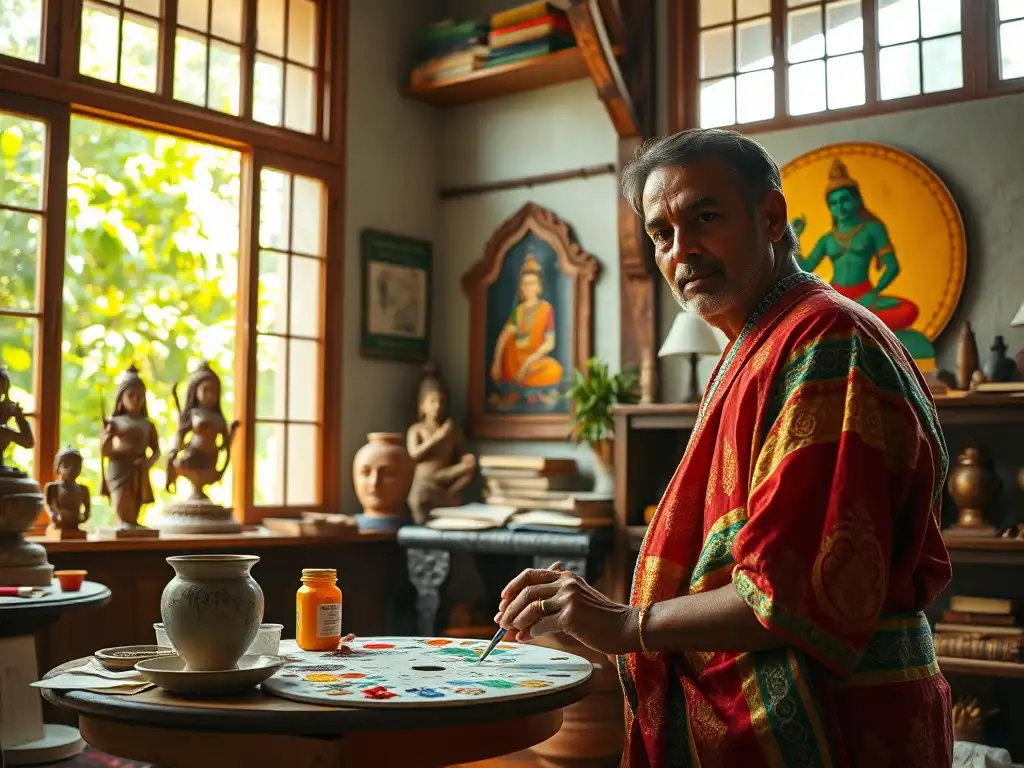
Welcome to Ancient India History, where we embark on a captivating journey through the rich tapestry of ancient Indian civilizations. From the enigmatic Indus Valley to the illustrious Gupta Empire, our exploration delves deep into the cultural and philosophical treasures that have shaped India's identity. In this article, we unravel the profound influence of Sankhya philosophy in Indian aesthetics, shedding light on how this ancient system of thought has enriched artistic expression and aesthetic experiences throughout history.
Prepare to be fascinated as we connect the dots between philosophy and beauty, inviting you to discover the intricate layers of India's artistic legacy. Read on to unveil the secrets of Sankhya and its pivotal role in shaping the aesthetic landscape of ancient India!
Introduction to Sankhya Philosophy
Sankhya philosophy, one of the six orthodox schools of Indian thought, plays a pivotal role in shaping the intellectual landscape of ancient India. Rooted in a dualistic framework, Sankhya posits a clear distinction between consciousness (purusha) and matter (prakriti). This philosophical system not only influences metaphysics and epistemology but also extends its impact to aesthetics—a field that examines beauty, art, and sensory experience. Understanding the nuances of Sankhya philosophy is essential for appreciating how its principles have woven themselves into the fabric of Indian aesthetics and enriched the aesthetic experience throughout the ages.
Overview of Sankhya Philosophy in Indian Thought
Sankhya philosophy is attributed to the sage Kapila and is characterized by its systematic approach to understanding the universe. At its core, it articulates a framework comprising 25 principles (tattvas), which encompass both the material and the immaterial realms. The dualism of Sankhya lays a foundational perspective that influences various aspects of Indian philosophy, including yoga, meditation, and, importantly, aesthetics. By delineating the interaction between the conscious self and the material world, Sankhya provides insights into the nature of beauty and the aesthetic experience, leading to a deeper appreciation of art and culture in ancient India.
Historical Context of Sankhya in Ancient India
The historical roots of Sankhya can be traced back to the Vedic period, with its principles being elaborated upon in the later Upanishads and the Bhagavad Gita. During the time of the Gupta Empire, Sankhya philosophy gained prominence, influencing numerous scholarly pursuits. This period marked a flourishing of arts, literature, and philosophy, where the intersection of Sankhya and aesthetics came to the forefront. The contributions of Sankhya thinkers during this era were instrumental in developing a comprehensive understanding of aesthetic values, which resonated throughout Indian culture, ultimately shaping the artistic expressions that define ancient Indian civilization.
Understanding Aesthetics in Indian Philosophy
Aesthetics in Indian philosophy serves as a vital lens through which we can explore the nature of beauty, art, and the sensory experiences that accompany them. Indian aesthetics is not merely concerned with the appreciation of beauty; it involves a profound understanding of how art interacts with the human psyche and the world around us.
Definition of Aesthetics in Indian Culture
In the context of Indian culture, aesthetics is intricately linked to the concept of rasa, which refers to the essence or flavor of artistic experience. Rasa encompasses a range of emotions and sensations evoked through art, be it in literature, music, dance, or visual arts. This concept aligns with Sankhya's emphasis on the interplay between purusha and prakriti, where artistic expression emerges from the interaction of consciousness with the material form. Aesthetic experience, therefore, is not merely a passive reception but an active engagement that reflects the viewer's inner state and spiritual awareness.
Key Concepts of Aesthetic Experience
Several key concepts underpin aesthetic experience within the framework of Indian philosophy:
- Rasa: The emotional essence of art that can transport the observer into a profound state of enjoyment and realization.
- Bhava: The emotional state or mood that an artist conveys, which serves as a catalyst for the audience's responses.
- Samskara: The impressions left on the mind by experiences, shaping one's perception and appreciation of beauty over time.
- Sukha: The pleasure derived from aesthetic experiences, which promotes a sense of well-being and connectedness to the universe.
These concepts highlight the rich interplay between Sankhya philosophy and Indian aesthetics, illustrating how ancient thinkers sought to articulate the nature of beauty and the transformative power of art in human experience.
The Interconnection Between Sankhya and Aesthetics
The interconnection between Sankhya philosophy and aesthetics is deeply rooted in the understanding of reality and perception. Sankhya, one of the oldest philosophical systems in India, provides a dualistic framework that distinguishes between the material world (Prakriti) and consciousness (Purusha). This duality is essential in appreciating aesthetic experiences, as it allows for a nuanced understanding of how art interacts with both the observer and the object of observation.
In aesthetic terms, Sankhya posits that the experience of beauty arises from the interplay of these two principles. The observer, through Purusha, experiences the inherent qualities of art, while the material aspects are framed by Prakriti. This dynamic relationship influences not only the creation of art but also its interpretation and appreciation. Thus, Sankhya philosophy lays the groundwork for a comprehensive exploration of aesthetics, emphasizing the importance of both subjective experience and objective reality in the understanding of beauty.
How Sankhya Philosophy Influences Indian Aesthetic Theory
Sankhya philosophy significantly influences Indian aesthetic theory by introducing the concepts of duality and transformation. The aesthetic experience is often seen as a transformation of perception, where the observer transcends everyday awareness to reach a higher understanding of beauty. This aligns with the Sankhya view that reality consists of distinct yet interrelated elements, encouraging a holistic appreciation of art that encompasses both form and essence.
Moreover, Sankhya's emphasis on the nature of experience informs the interpretation of various art forms, from classical dance to visual arts. The philosophy encourages practitioners to engage deeply with their medium, fostering an artistic process that emphasizes both the technical aspects of creation and the emotional resonance of the work. This integration of philosophy into artistic practice has led to a rich tradition of aesthetic thought in India, where the philosophical underpinnings continue to shape the discourse surrounding art and beauty.
Core Principles of Sankhya and Their Aesthetic Implications
The core principles of Sankhya, particularly the concepts of Prakriti and Purusha, have profound aesthetic implications.
- Dualism: The distinction between the material and the conscious allows for a multifaceted approach to art. Artists can explore the physical attributes of their work while simultaneously engaging with the deeper consciousness that the art evokes in the viewer.
- Evolution and Transformation: Sankhya's view of evolution underlines the idea that aesthetic experiences can evolve. This evolution is reflected in the changing styles and interpretations within Indian art, as artists draw from continuous dialogues between tradition and innovation.
- Perception and Reality: The emphasis on how perception shapes reality is crucial. An artist's intention and the observer's interpretation can vary widely, leading to a rich tapestry of meanings and experiences in the realm of aesthetics.
Through these principles, Sankhya encourages a critical examination of art, urging both creators and audiences to delve into the complexities of their experiences and the broader implications of beauty.
Key Contributions of Sankhya to Indian Aesthetics
Sankhya philosophy has made key contributions to Indian aesthetics by providing a framework that integrates philosophical inquiry with artistic expression. This relationship fosters a deeper understanding of beauty and encourages a diverse range of artistic interpretations and practices.
The philosophical discourse stemming from Sankhya has led to a rich exploration of the relationship between art and life, prompting artists to reflect on the significance of their work in the context of human experience. This contribution is evident across various art forms, where philosophical themes are intricately woven into creative expression, enriching the cultural landscape of ancient India.
Sankhya's Role in Shaping Artistic Expression
Sankhya's influence on artistic expression is evident in the way artists approach their craft. The philosophy encourages a balance between technical skill and emotional depth, pushing artists to explore the essence of their subjects. This dual approach fosters a sense of authenticity in artistic expression, where the material aspects of art are harmonized with the underlying philosophical themes.
Additionally, Sankhya's emphasis on the observer's role in the aesthetic experience reinforces the idea that art is not merely a product but an interactive journey. Artists are encouraged to consider how their work will be perceived, creating a dialogue between the observer and the artwork that enhances the overall aesthetic experience.
Influence of Sankhya on Literature and Poetry
The influence of Sankhya on literature and poetry is profound, as the philosophy provides a thematic foundation that explores the nature of existence and consciousness. Literary works often reflect the dualistic nature of reality, portraying characters and narratives that embody the interplay of Prakriti and Purusha.
Poetic expressions inspired by Sankhya frequently delve into existential themes, examining the relationship between the self and the universe. This exploration allows poets to articulate complex emotions and ideas, creating works that resonate on multiple levels. The contemplative nature of Sankhya philosophy invites readers to engage with literature not only as a form of entertainment but as a means of philosophical inquiry and self-discovery.
Sankhya philosophy enriches Indian aesthetics and the arts by providing a comprehensive framework that encourages a deep exploration of beauty, consciousness, and the nature of existence. Its contributions continue to resonate within various artistic traditions, shaping the way beauty is understood and experienced in Indian culture.
Comparative Analysis: Sankhya and Other Philosophical Schools
The Sankhya philosophy, one of the six orthodox schools of Indian philosophy, presents a unique framework for understanding reality, consciousness, and the nature of existence. To fully appreciate its role in the development of Indian aesthetics, it is essential to compare and contrast it with other philosophical schools within the Indian tradition. This comparative analysis will shed light on the distinctive features of Sankhya and its shared attributes with other schools.
Differences between Sankhya and Other Indian Philosophical Schools
Sankhya is primarily dualistic, positing a clear distinction between purusha (consciousness) and prakriti (matter). This separation highlights the internal experience of consciousness, which is crucial for aesthetic appreciation. In contrast, schools like Advaita Vedanta emphasize non-duality, suggesting that individual consciousness is ultimately one with the absolute reality, Brahman. This fundamental difference shapes how aesthetics is perceived; while Sankhya focuses on the interplay between subjective experience and the material world, Advaita Vedanta invites a more unified, transcendent aesthetic understanding.
Moreover, while Buddhism emphasizes the impermanence of all phenomena and the suffering inherent in attachment, Sankhya offers a more structured ontology that provides a framework for understanding the evolution of both the material and the experiential realms. This structure allows Sankhya to articulate artistic experiences as meaningful interactions between purusha and prakriti, whereas Buddhism may encourage a more detached approach to aesthetics.
Similarities with Other Aesthetic Theories in India
Despite these differences, Sankhya shares several similarities with other Indian aesthetic theories. For instance, both Sankhya and the Natya Shastra—a foundational text on the performing arts—emphasize the role of rasa (aesthetic experience) as a vital component of artistic expression. Just as Sankhya delineates the interaction between consciousness and matter, the Natya Shastra outlines how emotions and aesthetic experiences arise from the interplay of various elements in performance.
Additionally, the aesthetic theory of the Bhakti movement, which focuses on devotion and emotional experience in art, resonates with Sankhya's emphasis on the individual’s subjective experience. Both approaches recognize the importance of personal engagement with art, whether through devotion or through the conscious observation of aesthetic qualities.
The Impact of Sankhya on Contemporary Indian Aesthetics
Sankhya's enduring influence extends into contemporary Indian aesthetics, where its principles continue to shape artistic expression and critique. As artists and theorists grapple with the complexities of modern life, the insights derived from Sankhya philosophy provide a rich ground for exploring new aesthetic dimensions.
Modern Interpretations of Sankhya Philosophy in Art
In contemporary art, practitioners are increasingly drawing upon Sankhya’s dualistic framework to explore themes of consciousness and materiality. Artists often juxtapose organic and synthetic materials, reflecting the Sankhya view of prakriti as a vibrant, dynamic force. This artistic exploration mirrors the Sankhya philosophy's call to understand the nuances of the relationship between observer and observed.
Additionally, modern installations and multimedia artworks frequently evoke the Sankhya concept of the interplay between individual perception and the external environment. By engaging audiences in a dialogue about their own experiences, artists bring forth the essence of Sankhya, making consciousness a focal point in the aesthetic experience.
Relevance of Sankhya to Contemporary Aesthetic Experience
The principles of Sankhya remain relevant today, particularly in discussions about mindfulness and the nature of perception. As contemporary audiences seek deeper connections to art, the Sankhya philosophy provides tools for understanding how consciousness interacts with aesthetic forms. This perspective encourages viewers to engage with artworks not merely as passive spectators but as active participants in their own aesthetic experience.
Furthermore, the emphasis on the duality of purusha and prakriti invites a reflection on the ecological and social dimensions of art, prompting contemporary artists to consider their impact on the world and the viewer's consciousness. Thus, the relevance of Sankhya philosophy in today's aesthetic discourse underscores its role as a vital framework for navigating the complexities of modern artistic expression.
Conclusion: The Lasting Legacy of Sankhya in Indian Aesthetics
The influence of Sankhya philosophy on Indian aesthetics is profound and enduring. Rooted in a dualistic understanding of existence, Sankhya presents a framework that has shaped artistic expression and aesthetic experience across various Indian art forms. Its emphasis on the interplay between Purusha (consciousness) and Prakriti (matter) highlights the importance of the observer's perception in the creation and appreciation of art. This philosophical foundation encourages a deeper exploration of the relationship between the self and the external world, fostering a holistic approach to aesthetics that resonates through centuries.
Sankhya's principles can be seen in classical Indian literature, dance, music, and visual arts, where the balance between form and formlessness, as well as the quest for ultimate truth and beauty, are prominent themes. The integration of Sankhya's concepts into these art forms not only enriches their meaning but also invites audiences to engage in a reflective dialogue about their own aesthetic experiences. Consequently, the legacy of Sankhya in Indian aesthetics is not merely historical; it continues to inspire contemporary artists and thinkers, ensuring that its philosophical insights remain relevant in today's cultural discourse.
Summary of Key Points on Sankhya and Aesthetics
- Dualism of Purusha and Prakriti: The Sankhya philosophy's core tenet emphasizes the distinction between consciousness (Purusha) and matter (Prakriti), shaping the understanding of artistic creation as a dialogue between these two realms.
- Interrelation of Art and Perception: Sankhya highlights the role of the observer in aesthetic experience, suggesting that art is not only a product of creation but also an invitation for reflection and interpretation.
- Influence Across Art Forms: The principles of Sankhya manifest in various Indian artistic expressions, including literature, music, dance, and visual arts, where the pursuit of beauty and truth is a central theme.
- Philosophical Inquiry in Aesthetics: The philosophical framework provided by Sankhya encourages deeper inquiry into the nature of beauty and the experience of art, fostering a comprehensive understanding that transcends mere visual appeal.
- Continuity in Contemporary Culture: The enduring legacy of Sankhya philosophy continues to inform modern artistic practices and aesthetic theories, demonstrating its relevance in contemporary discussions of art and culture.
Future Directions for Research on Sankhya Philosophy in Indian Aesthetics
As the academic exploration of Sankhya philosophy in relation to Indian aesthetics evolves, several promising avenues for future research emerge:
- Interdisciplinary Approaches: Integrating insights from fields such as psychology, cognitive science, and comparative philosophy can deepen the understanding of how Sankhya's dualistic framework influences aesthetic experience.
- Comparative Studies: Investigating the parallels and divergences between Sankhya philosophy and other aesthetic theories, such as Western philosophies of art, could yield rich insights into the universality and specificity of aesthetic experiences.
- Impact of Modernity: Examining how contemporary artists reinterpret Sankhya principles within modern contexts can provide a fresh perspective on the relevance of traditional philosophies in today's artistic landscape.
- Case Studies in Art Forms: Conducting detailed case studies on specific art forms, such as classical dance or contemporary visual arts influenced by Sankhya, can illuminate the practical applications of this philosophy in creative processes.
- Cultural Contextualization: Exploring the historical and cultural contexts in which Sankhya philosophy developed can enhance the understanding of its aesthetic implications, particularly in relation to regional variations within Indian art.
By pursuing these research directions, scholars can further uncover the intricate connections between Sankhya philosophy and Indian aesthetics, contributing to a richer appreciation of this vital aspect of cultural history.
- Introduction to Sankhya Philosophy
- Understanding Aesthetics in Indian Philosophy
- The Interconnection Between Sankhya and Aesthetics
- How Sankhya Philosophy Influences Indian Aesthetic Theory
- Core Principles of Sankhya and Their Aesthetic Implications
- Key Contributions of Sankhya to Indian Aesthetics
- Sankhya's Role in Shaping Artistic Expression
- Influence of Sankhya on Literature and Poetry
- Comparative Analysis: Sankhya and Other Philosophical Schools
- The Impact of Sankhya on Contemporary Indian Aesthetics
- Conclusion: The Lasting Legacy of Sankhya in Indian Aesthetics
Frequently Asked Questions
What is Sankhya philosophy?
Sankhya philosophy is one of the six orthodox schools of Indian philosophy, emphasizing dualism between consciousness (Purusha) and matter (Prakriti).
How does Sankhya influence Indian aesthetics?
Sankhya philosophy provides a framework for understanding the relationship between consciousness and perception, influencing aesthetic experiences in art and literature.
What are the key contributions of Sankhya to aesthetic experience?
The philosophy highlights the importance of self-awareness and discrimination, which shape the viewer's emotional and intellectual engagement with art and aesthetics.
How does Sankhya relate to other Indian philosophies?
Sankhya shares concepts with yoga and Vedanta, particularly in exploring the nature of reality and experience, but remains distinct in its dualistic approach.
Why is studying Sankhya philosophy important for understanding ancient Indian culture?
Studying Sankhya reveals insights into the intellectual traditions of ancient India, showcasing how philosophical thought influenced various cultural expressions, including aesthetic practices.
Final Reflection: The Enduring Influence of Sankhya Philosophy in Indian Aesthetics
The exploration of Sankhya philosophy in Indian aesthetics reveals a profound connection between ancient wisdom and contemporary artistic expression. Today, as we navigate a world increasingly dominated by superficiality, the depth and complexity of Sankhya remind us of the importance of understanding the underlying principles that govern our aesthetic experiences. The intricate relationship between perception and reality, as articulated by Sankhya, continues to resonate in our quest for authenticity in art and life.
Sankhya philosophy has not only shaped the foundations of Indian aesthetics but also continues to inspire artists, philosophers, and thinkers across cultures. The duality of purusha and prakriti, central to Sankhya, invites us to reflect on the balance between the observer and the observed, the material and the spiritual. As the renowned philosopher Rumi once said, The wound is the place where the Light enters you.
This quote encapsulates the essence of how our struggles and experiences, when viewed through the lens of Sankhya, can lead to profound aesthetic appreciation and personal growth.
As we conclude this exploration, I invite you to reflect on how the principles of Sankhya can enrich your own aesthetic experiences. Consider how the interplay of perception and reality shapes your understanding of art and beauty in your life. Embrace the wisdom of Sankhya to cultivate a deeper appreciation for the world around you, allowing it to guide you toward a more meaningful and enriched aesthetic journey.
Unveil the Depths of Indian Aesthetics Today!
Thank you for diving into the fascinating world of Sankhya and its profound impact on Indian aesthetics! Your interest not only enriches your understanding but also helps keep this extraordinary cultural heritage alive. Now that you’ve explored how these concepts shape aesthetic experiences, it’s time to take the next step.
Here are a few actions you can take to deepen your engagement:
- Explore a related text: Discover classic Indian literature that embodies the principles of Sankhya philosophy. Consider reading a collection of poems or plays that reflect these aesthetic ideals.
- Share your insights: Discuss what you've learned from this article with friends or on social media. Your unique perspective could spark intriguing conversations!
- Join an online community: Find a forum or group focused on Indian aesthetics, philosophy, or art. Engaging with others will broaden your understanding and appreciation of these enriching topics.
How has your understanding of Sankhya influenced your perception of beauty in the arts? We would love to hear your thoughts!