
The Importance of Preservation: Key Figures in Safeguarding Mauryan Heritage

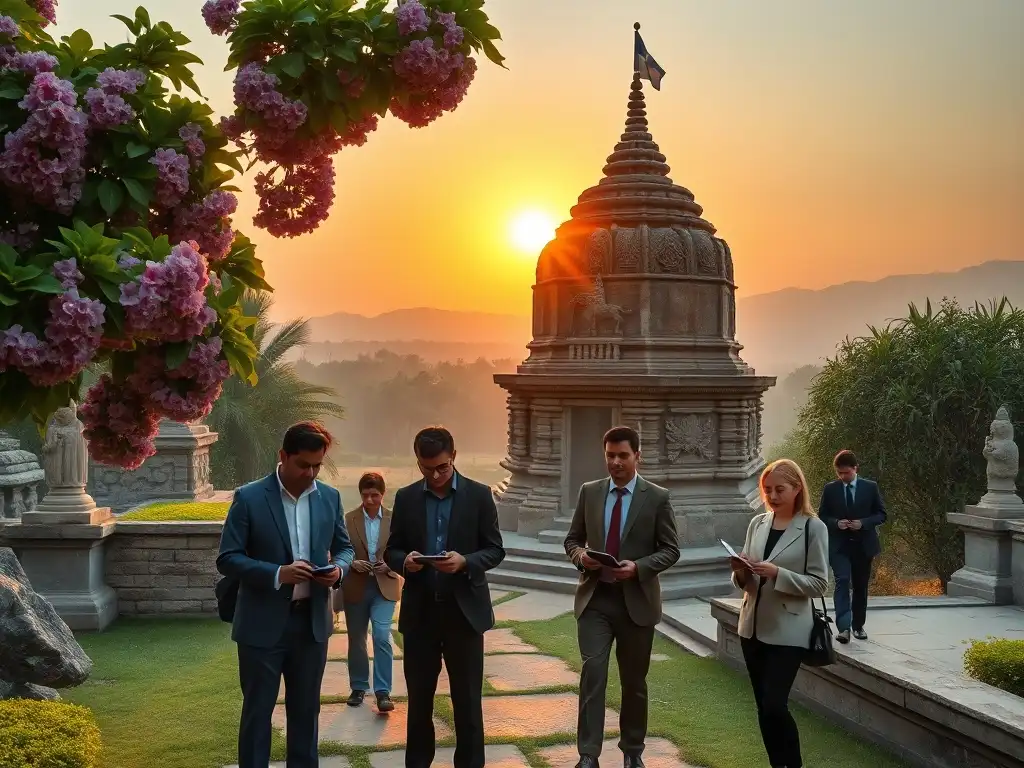
Welcome to Ancient India History, where we embark on a captivating journey through the rich and diverse tapestry of ancient Indian civilizations! Delve into the fascinating stories that shaped our world, from the innovative Indus Valley to the illustrious Gupta Empire. In our featured article, "The Importance of Preservation: Key Figures in Safeguarding Mauryan Heritage," we uncover the pivotal roles played by remarkable individuals dedicated to preserving the invaluable legacy of the Mauryan era.
Join us as we explore how their efforts resonate through time, inspiring curiosity and reverence for a heritage that continues to influence us today. Ready to dive deeper? Your voyage into the past begins here!
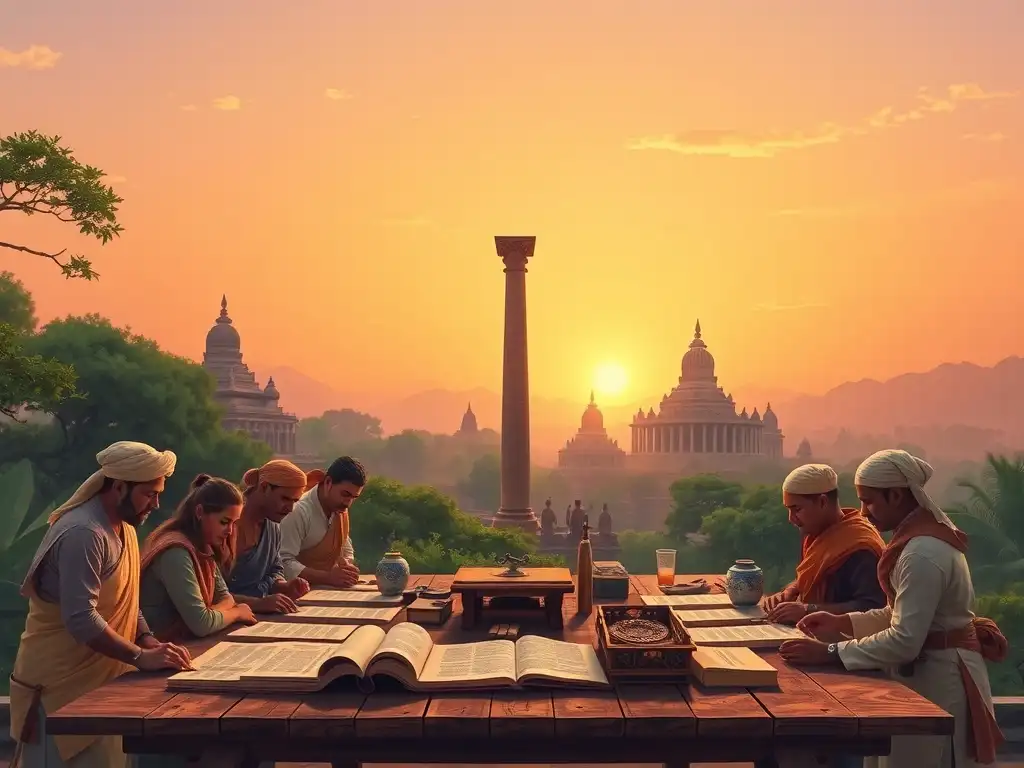
Introduction to Mauryan Heritage History
The Maurya Empire, one of the most significant and influential ancient Indian civilizations, flourished from approximately 322 BCE to 185 BCE. Its rich cultural, political, and economic legacy continues to resonate through the ages, making the preservation of Mauryan heritage history a vital endeavor.
Understanding the contributions of key figures in this empire not only sheds light on their individual roles but also highlights the collective responsibility of safeguarding the accomplishments and ideals of this remarkable period. As we explore the importance of preservation, we delve into the lives of influential personalities who played pivotal roles in maintaining and promoting the values and traditions of the Mauryan Empire.
Overview of the Maurya Empire
The Maurya Empire was founded by Chandragupta Maurya, who unified a vast territory across the Indian subcontinent. Under the rule of his grandson, Ashoka the Great, the empire reached its zenith, expanding its boundaries and fostering a unique blend of governance, culture, and philosophy.
- Key Features of the Maurya Empire:
- Governance: The empire was known for its administrative efficiency and the establishment of a centralized government.
- Culture: It was a melting pot of diverse cultures, languages, and traditions, contributing to the richness of Indian civilization.
- Economy: The Mauryan economy thrived through agriculture, trade, and commerce, laying the groundwork for future economic systems.
The legacy of the Maurya Empire is encapsulated in its art, architecture, and philosophical contributions, all of which underscore the significance of preserving this heritage for future generations.
Significance of Preserving Mauryan Heritage
Preserving Mauryan heritage history is essential for several reasons:
- Cultural Identity: The Mauryan Empire represents a crucial chapter in the formation of Indian cultural identity. Understanding this heritage helps reinforce a sense of belonging and continuity among present and future generations.
- Historical Knowledge: Preservation allows historians and scholars to study the empire's achievements, governance, and societal structures, providing invaluable insights into ancient Indian civilization.
- Tourism and Economy: Mauryan heritage sites attract tourists, contributing to the local and national economy. Preservation efforts can enhance these sites' appeal and educational value.
- Inspiration for Modern Governance: The administrative practices and ethical governance promoted by Ashoka can serve as a model for contemporary leaders.
Key Figures in Preserving Mauryan Heritage
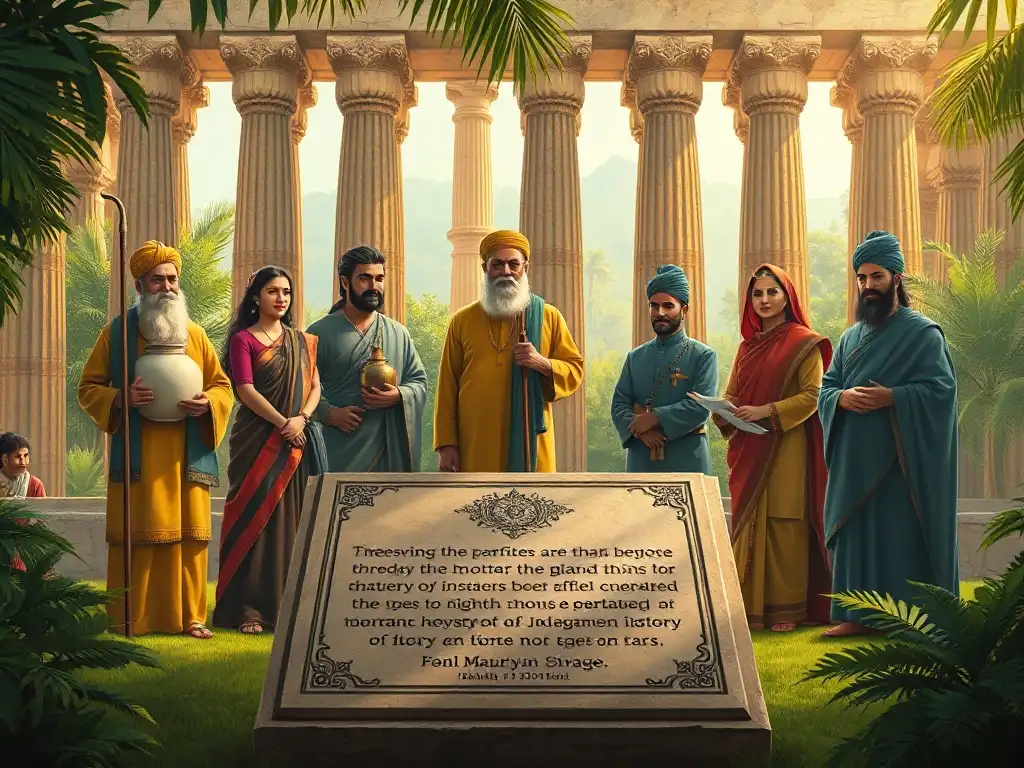
Several notable figures emerged during and after the Maurya Empire, playing essential roles in preserving its history and legacy. Their contributions have been instrumental in ensuring that the values and achievements of the Mauryan period remain relevant today.
Ashoka the Great: The Champion of Preservation
Ashoka the Great, the third Mauryan emperor, is perhaps the most celebrated figure in the preservation of Mauryan heritage. His reign marked a transformative period characterized by:
- Promotion of Buddhism: Ashoka's embrace of Buddhism led to the spread of its teachings across the empire, influencing cultural and philosophical thought.
- Edicts of Ashoka: He inscribed his messages on pillars and rocks, promoting ethical governance and moral conduct, which are vital for understanding Mauryan ideals.
- Public Welfare Initiatives: Ashoka's commitment to the welfare of his subjects is evident in the establishment of hospitals, roads, and educational institutions.
Chanakya: The Strategist behind the Empire
Chanakya, also known as Kautilya, was a key advisor to Chandragupta Maurya and a pivotal figure in the establishment of the Maurya Empire. His contributions include:
- Political Strategy: Chanakya's strategic acumen was instrumental in unifying the Indian subcontinent and laying the foundation for a strong central government.
- Writings: His work, the Arthashastra, serves as a critical resource for understanding ancient Indian political and economic philosophy, contributing to the preservation of Mauryan thoughts.
Other Notable Figures in Mauryan Heritage Preservation
In addition to Ashoka and Chanakya, several other figures played crucial roles in safeguarding Mauryan heritage:
- Deccan Rulers: Many rulers of the Deccan region after the Maurya Empire adopted and preserved Mauryan arts and governance styles.
- Buddhist Monks: Following Ashoka's promotion of Buddhism, monks traveled across Asia, spreading Mauryan cultural values and philosophies.
Through their various contributions, these figures have left an indelible mark on the preservation of Mauryan heritage, ensuring that its history is honored and remembered in contemporary society.
Challenges in Preserving Mauryan Heritage
Preserving the rich tapestry of Mauryan heritage presents numerous challenges that can be attributed to both historical and contemporary factors. The Mauryan Empire, which flourished from approximately 322 to 185 BCE, left behind an array of artifacts, architectural marvels, and literary works that embody its cultural and historical significance. However, the preservation of this heritage is often hindered by various issues.
Historical Factors Affecting Preservation
The historical factors affecting the preservation of Mauryan heritage are multifaceted. Firstly, the passage of time has taken a toll on many ancient structures and artifacts. Natural elements such as erosion, weathering, and seismic activities can lead to the disintegration of stone monuments and inscriptions. Additionally, historical events, including invasions and the rise and fall of subsequent empires, have often resulted in the neglect, destruction, or repurposing of Mauryan sites.
Moreover, the lack of documentation from the Mauryan period complicates preservation efforts. While some texts, such as those by ancient historians like Megasthenes, provide insights into the era, much knowledge has been lost or remains fragmented. This scarcity of comprehensive historical records makes it difficult to ascertain the original context and significance of many artifacts and sites, thereby hindering effective conservation strategies.
Modern Challenges in Heritage Preservation
In the modern era, the challenges of preserving Mauryan heritage have evolved. Urbanization and industrialization pose significant threats, as expanding cities often encroach upon ancient sites. Construction activities can inadvertently damage archaeological remains, leading to irreversible loss. Furthermore, the prioritization of development projects over heritage conservation frequently results in the neglect of historical sites.
Another pressing issue is the lack of funding and resources dedicated to heritage preservation. Many archaeological sites are underfunded, leading to inadequate maintenance and protection. Additionally, the expertise necessary for proper restoration and conservation is often in short supply, hindering effective preservation efforts.
Strategies for Preserving Mauryan Heritage Today
Efforts to preserve Mauryan heritage must be proactive and multifaceted. A combination of archaeological research, community involvement, and governmental support is essential to ensure the longevity of these invaluable cultural treasures.
Importance of Archaeological Research
Archaeological research plays a pivotal role in preserving Mauryan heritage. Through systematic excavations and studies, archaeologists can uncover artifacts and structures that provide insights into the daily life, governance, and culture of the Mauryan Empire. Such research not only contributes to our understanding of history but also aids in the development of appropriate conservation strategies.
Moreover, archaeological findings can inform restoration efforts, guiding the reconstruction of damaged or eroded sites. By incorporating scientific techniques, such as radiocarbon dating and advanced imaging technologies, researchers can achieve a more accurate representation of Mauryan heritage and ensure its preservation for future generations.
Community Involvement in Heritage Preservation
Community involvement is essential in the preservation of Mauryan heritage. Engaging local communities fosters a sense of ownership and responsibility toward their cultural heritage. Initiatives that promote awareness of the historical significance of Mauryan sites can inspire community members to participate actively in preservation efforts.
Educational programs, workshops, and volunteer opportunities can empower individuals to contribute to the safeguarding of their heritage. Furthermore, collaboration between archaeologists, historians, and local communities can lead to innovative preservation strategies that are culturally sensitive and sustainable. By working together, communities can help ensure that the legacy of the Mauryan Empire continues to thrive amidst the challenges of modernity.
Conclusion: The Ongoing Importance of Preserving Mauryan Heritage History
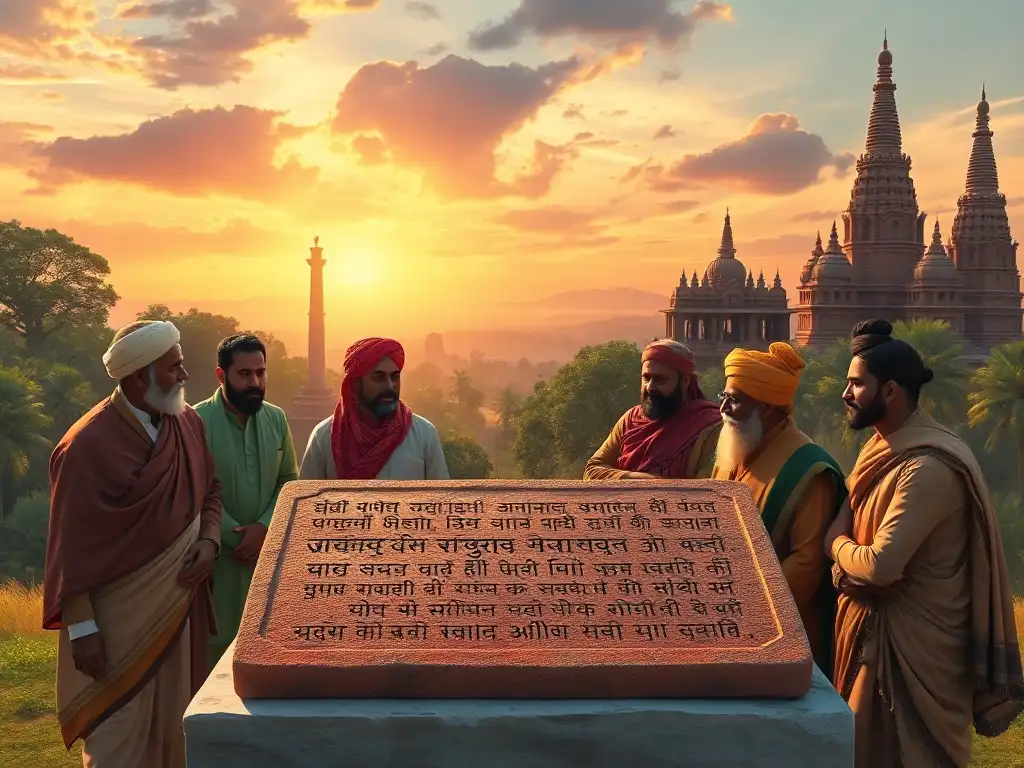
The preservation of Mauryan heritage history is not merely a tribute to the past; it serves as an essential foundation for understanding and appreciating the complexities of ancient Indian civilization. The Maurya Empire, renowned for its political ingenuity, artistic achievements, and cultural advancements, continues to influence contemporary society in various ways. The efforts to safeguard this heritage underscore the significance of historical narratives that shape national identity and cultural continuity.
As we delve into the lessons learned from the Mauryan era, we recognize the vital role of preservation in fostering a sense of belonging and cultural pride among communities. The legacies left behind by key figures of the Maurya Empire, such as Ashoka, remind us of the enduring impact of ethical governance, social harmony, and the promotion of peace. By preserving these historical narratives, we not only honor the achievements of our ancestors but also inspire future generations to uphold the values they represented.
Reflecting on the Lessons from Historical Preservation
Historical preservation offers valuable insights into the contributions and innovations of past civilizations, including the Mauryan Empire. One significant lesson is the importance of interdisciplinary collaboration in preservation efforts. Archaeologists, historians, conservationists, and local communities must work together to protect and promote Mauryan heritage effectively.
Furthermore, the Mauryan experience highlights the necessity of documentation and research. Understanding the historical context of artifacts, inscriptions, and architectural marvels allows us to appreciate their cultural significance better. The reliance on both material and intangible heritage reveals the interconnectedness of history and identity, emphasizing that preserving stories, languages, and practices is as crucial as conserving physical structures.
Finally, the Mauryan legacy teaches us about resilience. Despite the passage of time and the challenges posed by modern development, the spirit of the Maurya Empire can endure through committed preservation efforts. By fostering awareness and education about this history, we empower individuals to take an active role in safeguarding their cultural heritage, ensuring that the lessons of the past continue to resonate in the present.
The Future of Mauryan Heritage Preservation Efforts
Looking ahead, the future of Mauryan heritage preservation efforts is promising yet fraught with challenges. The increasing interest in ancient civilizations presents an opportunity for revitalizing tourism and educational initiatives focused on Mauryan history. However, this must be approached with a balanced perspective, ensuring that preservation does not take a backseat to commercialization.
Technological advancements offer innovative solutions for documenting and preserving Mauryan artifacts and sites. Digital archiving, 3D modeling, and virtual reality experiences can enhance public engagement and education, making the rich history of the Maurya Empire accessible to a global audience. These tools can also facilitate research and collaboration among scholars and institutions, fostering a deeper understanding of Mauryan contributions to civilization.
Moreover, community involvement is crucial for the sustainability of preservation efforts. Engaging local populations in the stewardship of their cultural heritage not only builds a sense of ownership but also promotes the transmission of traditional knowledge and practices. By empowering communities to participate in preservation initiatives, we can ensure that the Mauryan legacy is not only remembered but actively celebrated and integrated into contemporary culture.
The commitment to preserving Mauryan heritage history is a multifaceted endeavor that requires ongoing dedication, collaboration, and innovation. As we move forward, it is essential to remain mindful of the lessons from the past while embracing new opportunities to protect and celebrate this invaluable aspect of ancient Indian civilization.
- Introduction to Mauryan Heritage History
- Overview of the Maurya Empire
- Significance of Preserving Mauryan Heritage
- Key Figures in Preserving Mauryan Heritage
- Challenges in Preserving Mauryan Heritage
- Strategies for Preserving Mauryan Heritage Today
- Conclusion: The Ongoing Importance of Preserving Mauryan Heritage History
- Reflecting on the Lessons from Historical Preservation
- The Future of Mauryan Heritage Preservation Efforts
Frequently Asked Questions
What is the significance of the Mauryan Empire in Indian history?
The Mauryan Empire is significant for its political innovation, administrative efficiency, and cultural achievements, laying the groundwork for future Indian civilizations.
Who were the key figures in safeguarding Mauryan heritage?
Key figures include Ashoka, who promoted Buddhism and non-violence, and various historians and archaeologists committed to preserving Mauryan artifacts and monuments.
How did Ashoka contribute to Mauryan heritage preservation?
Ashoka contributed by spreading Buddhism and establishing edicts that emphasized moral values, thereby preserving the cultural and ethical legacy of the Mauryan Empire.
What are some methods used to preserve Mauryan heritage today?
Today, preservation methods include archaeological excavations, restoration projects, and the use of modern technology for documentation and conservation of Mauryan sites.
Why is it important to preserve Mauryan heritage?
Preserving Mauryan heritage is crucial for understanding India's historical roots, appreciating its cultural diversity, and fostering a sense of national identity among future generations.
Final Reflection: The Vital Role of Preserving Mauryan Heritage History
The preservation of Mauryan heritage history is not just a matter of safeguarding the past; it is a crucial endeavor that shapes our present and future. In an age where globalization often threatens the uniqueness of cultural identities, the stories and artifacts from the Mauryan Empire serve as a reminder of our rich historical tapestry.
The key figures highlighted in this article exemplify the dedication required to ensure that the legacy of this remarkable civilization continues to inspire future generations. Their efforts underscore a striking truth: the past is not merely a collection of dates and events, but a living narrative that informs who we are today.
The influence of Mauryan heritage is palpable in contemporary society, as it continues to resonate through art, philosophy, and governance. The commitment to preserving this heritage reflects a broader understanding of cultural significance and identity. As we navigate the complexities of modern life, the teachings and achievements of the Mauryan Empire remind us of the values of unity, innovation, and resilience. Heritage is our legacy from the past, what we live with today, and what we pass on to future generations.
This quote encapsulates the essence of our responsibility to honor and protect our historical roots, ensuring that they remain a source of inspiration and guidance.
As we reflect on the importance of preserving Mauryan heritage history, I invite you to consider your own role in this vital mission. What steps can you take to engage with and promote the understanding of our shared history? Whether through education, advocacy, or personal exploration, each of us has the power to contribute to the preservation of our cultural legacy. Embrace the opportunity to learn from the past and share its lessons, for in doing so, we not only honor those who came before us but also pave the way for a more informed and connected future.
Preserve Your Heritage Today!
Thank you for taking the time to explore the vital topic of preserving our cultural heritage. By understanding the efforts of influential figures in this journey, you now hold the power to make a difference. Here’s how you can take action right now:
- Get Involved: Join a local or online preservation group dedicated to safeguarding ancient heritage. Your voice is essential in advocating for protection and raising awareness!
- Share this article with friends and family to spark discussions about the importance of preserving our rich history.
- Discover more about our heritage by visiting museums or attending cultural events – every step you take deepens your connection to history.
What preservation efforts will you contribute to in your community to ensure that our rich heritage is celebrated and protected?