
The Mysteries of Indus Valley Seals: What They Reveal About Trade and Culture

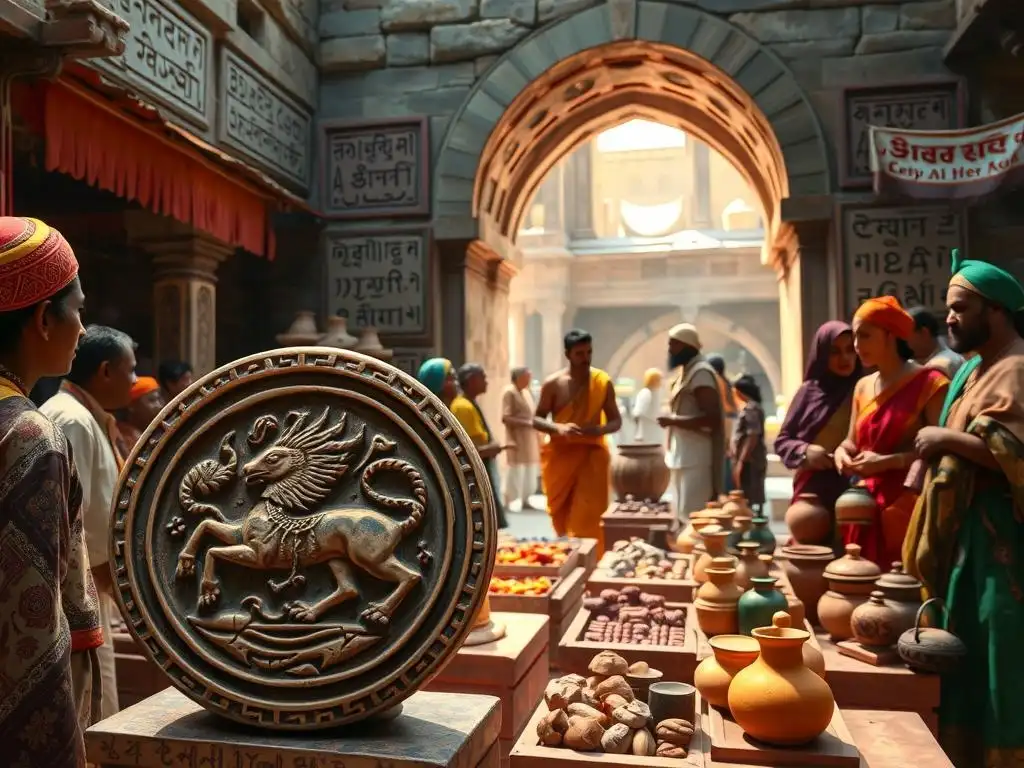
Welcome to Ancient India History, your gateway to uncovering the rich tapestry of one of the world's oldest civilizations. Here, we delve deep into the remarkable stories and contributions of ancient Indian cultures, from the enigmatic Indus Valley to the splendid Gupta Empire. In our featured article, "The Mysteries of Indus Valley Seals: What They Reveal About Trade and Culture," we invite you to explore the fascinating world of Indus Valley seals trade culture.
Discover how these intricate artifacts unlock secrets of commerce, communication, and the vibrant life of an ancient society. Are you ready to journey through time and unravel the mysteries of a civilization that shaped the course of history? Dive in!
Introduction to Indus Valley Seals
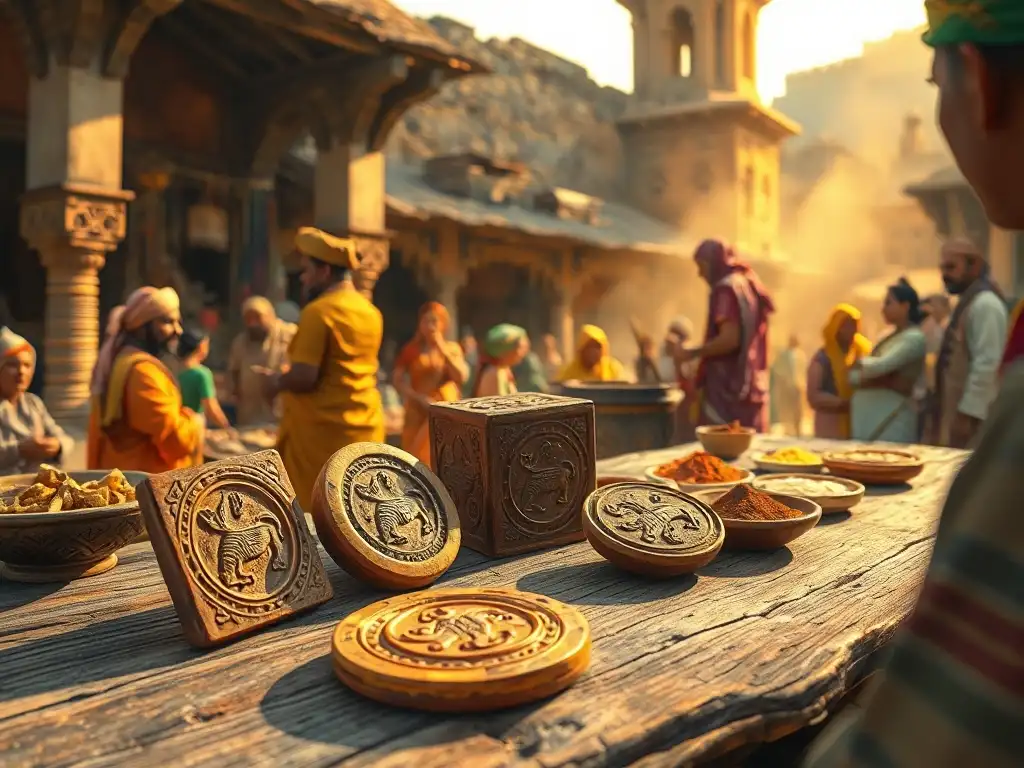
The Indus Valley Civilization (IVC), one of the world's earliest urban cultures, flourished around 2500 BCE in what is now modern-day Pakistan and northwest India. Among the various artifacts that have captivated historians and archaeologists alike, the Indus Valley seals stand out as crucial elements that provide insight into the trade practices, cultural exchanges, and social structures of this ancient civilization. These intricately crafted seals, often adorned with unique symbols and inscriptions, serve not only as tools for identification but also as a window into the complex web of interactions that shaped the IVC's economy and culture.
Overview of Indus Valley Civilization
The Indus Valley Civilization is notable for its advanced urban planning, sophisticated drainage systems, and a profound understanding of metallurgy and craftsmanship. Spanning from approximately 3300 to 1300 BCE, it was characterized by major cities like Harappa and Mohenjo-Daro, which showcased remarkable architectural feats and a high standard of living. The civilization thrived in a fertile region, supported by agriculture and trade, which contributed significantly to its prosperity.
- Major Cities: Harappa, Mohenjo-Daro, Dholavira
- Time Period: Approximately 3300-1300 BCE
- Key Features: Urban planning, drainage systems, trade networks
Significance of Seals in Archaeology
Indus Valley seals hold immense significance in archaeological research. They are among the most abundant artifacts recovered from excavation sites, with thousands discovered across the region. The seals are typically made of steatite and feature a variety of motifs, including animals, human figures, and geometric patterns. Archaeologists believe these seals functioned as markers for trade, denoting ownership or authenticity of goods, and possibly served religious or administrative purposes as well.
- Material: Primarily steatite, also terracotta and ivory
- Function: Trade markers, administrative tools, religious symbols
Purpose of the Article
This article aims to explore the mysteries surrounding Indus Valley seals, focusing on their role in trade and cultural expressions. By examining their characteristics, the common symbols and inscriptions featured on them, and the craftsmanship involved in their creation, we can better understand the complexities of trade and cultural interactions within the Indus Valley Civilization. Through this exploration, we hope to shed light on how these artifacts reflect the rich tapestry of life in ancient India.
Understanding Indus Valley Seals
Definition and Characteristics of Indus Valley Seals
Indus Valley seals are small, rectangular or square objects, typically measuring around 2-3 inches, characterized by their intricate designs carved into the surface. Each seal generally features a central motif, often surrounded by a border, with many exhibiting an animal representation—such as buffaloes, tigers, or elephants—that is thought to hold symbolic significance. The craftsmanship of these seals reflects a high level of artistry and technical skill, indicative of the sophisticated culture from which they emerged.
- Typical Size: 2-3 inches
- Common Motifs: Animals, human figures, geometric patterns
- Craftsmanship: High level of detail, skilled artisanship
Common Symbols and Inscriptions on Seals
The seals are not merely decorative; they often bear inscriptions in a script that remains undeciphered. This enigmatic writing system, alongside the symbols, is believed to convey important information regarding trade, ownership, and possibly religious beliefs. Some of the most frequently observed symbols include:
- Animals: Indicating trade goods or clan affiliations
- Geometric Patterns: Likely possessing ritualistic significance
- Human Figures: Suggesting social or religious roles
The prevalence of certain motifs across different seals points towards a shared cultural and religious framework, hinting at the interconnectedness of various communities within the Indus Valley.
Materials and Craftsmanship of Seals
The primary material used for crafting Indus Valley seals is steatite, a soft stone that allowed artisans to carve intricate designs with precision. This material was readily available in the region and was often polished to create a smooth surface, enhancing the aesthetic appeal of the seals. Some seals were also made from terracotta and ivory, showcasing the diversity of materials utilized by the craftsmen. The techniques employed in seal-making demonstrate a high degree of specialization and skill, with artisans likely having undergone extensive training to master their craft.
- Main Material: Steatite
- Other Materials: Terracotta, ivory
- Technique: Carving, polishing, and engraving
By delving into the characteristics, symbolism, and craftsmanship of Indus Valley seals, we can reveal not only the trade practices but also the cultural narratives that shaped one of the most significant ancient civilizations in history.
The Role of Seals in Trade
The seals of the Indus Valley Civilization play a pivotal role in understanding the trade dynamics of this ancient society. Made primarily from steatite, these small, often intricately carved items served multiple purposes, primarily as trade markers. Their unique designs and inscriptions indicate ownership and possibly the contents of goods being traded, highlighting their significance as a tool for economic transactions.
The presence of seals in archaeological sites across the region suggests extensive trade networks that reached far beyond the Indus Valley. They are a testament to the sophistication of the civilization’s trade practices and its interaction with other cultures, providing invaluable insights into the economic and social fabric of the time.
Indus Valley Trade Networks: An Overview
The Indus Valley Civilization, flourishing from approximately 3300 to 1300 BCE, established a complex trade network that connected them to various neighboring civilizations, including Mesopotamia, Persia, and even regions in the Arabian Peninsula. This network facilitated the exchange of a wide array of goods, such as textiles, grains, metals, and precious stones.
Archaeological evidence suggests that the trade routes were both overland and maritime, with ports like Lothal acting as crucial hubs. The discovery of standardized weights and measures further signifies the organized nature of trade during this period, indicating that the Indus Valley people had a well-developed system for commerce.
Evidence of Trade with Neighboring Civilizations
The seals themselves offer tangible evidence of trade relationships with neighboring civilizations. Numerous seals found in Mesopotamia bear Indus Valley motifs, indicating that goods were exchanged between these two advanced societies. Moreover, references in Mesopotamian texts to trade with a land known as "Meluhha" are believed to refer to the Indus Valley, highlighting the importance of this region in ancient global trade.
Additionally, artifacts such as Indus Valley pottery and beads have been uncovered in archaeological sites in Iran and the Arabian Peninsula, further supporting the notion of a vibrant trade network that spanned vast distances and connected diverse cultures.
Seals as Trade Markers: Function and Importance
The primary function of Indus Valley seals as trade markers cannot be overstated. Each seal typically bore a unique design or insignia, which likely served to identify the owner or the merchant. This system of marking goods was essential for maintaining trade integrity and preventing fraud, as it allowed for the tracking of goods throughout the trade process.
The seals also featured various symbols and inscriptions, some of which remain undeciphered, adding layers of mystery to their usage. It is theorized that these inscriptions may have included information about the origin of the goods, their intended destination, or even the nature of the transaction, illustrating the sophistication of their trade practices.
Cultural Insights from Indus Valley Seals
The Indus Valley seals are not only significant for their role in trade but also serve as remarkable artifacts that provide insights into the culture and daily life of the civilization. Through the motifs and symbols depicted on these seals, researchers can glean valuable information about the societal norms, beliefs, and artistic expressions of the time.
Depictions of Daily Life and Culture on Seals
Many seals illustrate scenes of daily life, including animals, people, and various activities, allowing us to glimpse the everyday experiences of the Indus Valley people. Common motifs include images of animals like unicorns, elephants, and various types of wildlife, which may have held symbolic significance or represented the natural environment in which they lived.
Additionally, some seals depict scenes that suggest social interactions, trade, or rituals, providing a narrative about the community's lifestyle and values. These representations help reconstruct the cultural context of the Indus Valley, highlighting their artistic skills and the significance of various elements in their society.
Religious and Spiritual Symbolism in Seals
Indus Valley seals also contain symbols and images that hint at the spiritual beliefs and practices of the civilization. Some seals feature deities or figures that may represent a religious significance, illustrating the potential existence of a complex spiritual life.
The depiction of certain animals, such as the bull and the tiger, is believed to have religious connotations, possibly linked to fertility or power. The presence of these symbols on seals suggests that religion was intertwined with daily life, influencing everything from trade practices to social structure.
Insights into Social Structure and Governance
The organization of trade, as inferred from the seals, also reflects the social structure and governance of the Indus Valley Civilization. The need for standardized seals and measures indicates a level of administrative control, suggesting that a governing body may have existed to oversee trade practices and maintain order.
Furthermore, the existence of seals belonging to specific individuals or institutions points to a hierarchical society where certain individuals held power and ownership over goods and resources. This social stratification is crucial for understanding the governance and societal organization of the ancient Indus Valley, revealing a civilization that was not only advanced in trade but also in social complexity.
Theories on the Function of Indus Valley Seals
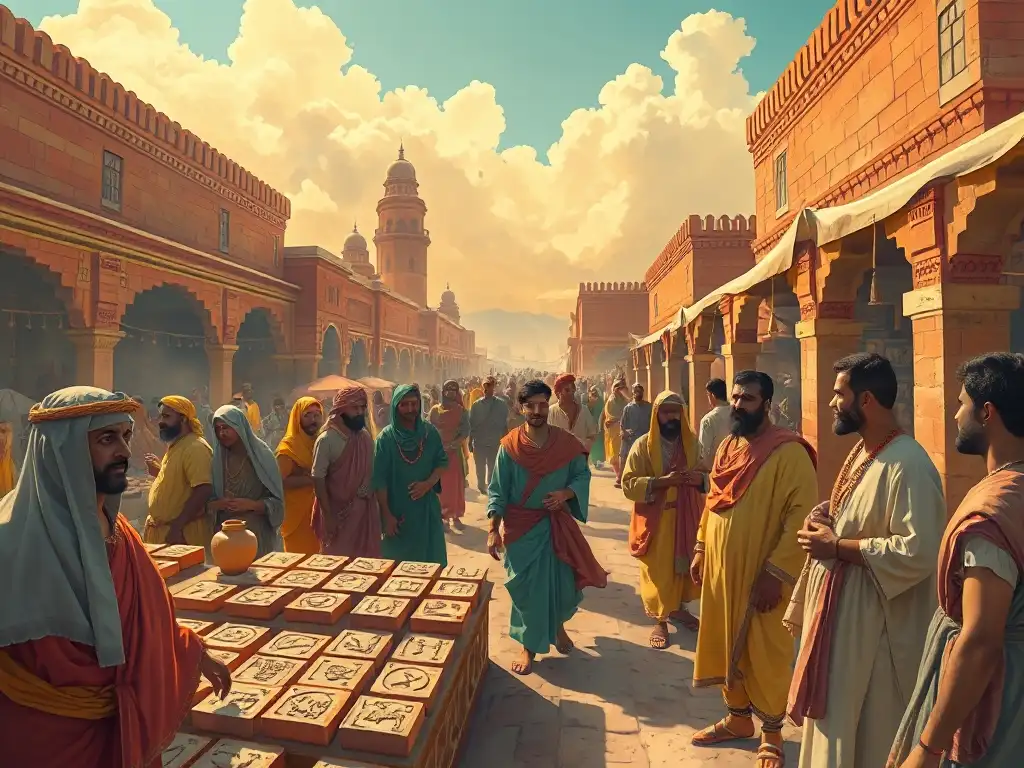
The Indus Valley seals have intrigued historians and archaeologists for decades, leading to various theories regarding their function. These small, often intricately carved artifacts, made primarily from steatite, are believed to have played significant roles in trade, administration, and ritual practices. The seals often feature animal motifs, symbols, and inscriptions, suggesting that they were more than mere decorative items.
One prominent theory posits that these seals were used as a form of identification or branding in trade transactions. Merchants may have stamped their goods with personal seals to denote ownership and ensure authenticity. This concept aligns with the understanding that the Indus Valley Civilization engaged in extensive trade networks, not only within its territories but also with distant regions, including Mesopotamia.
Another theory suggests that seals served a ceremonial or ritualistic purpose. The presence of certain symbols and animal representations may indicate their use in religious practices or as tokens in spiritual contexts. These dual roles highlight the complexity of the seals and underscore their importance in understanding the social fabric of the Indus Valley Civilization.
Administrative Uses of Seals in Trade
The administrative use of seals in trade within the Indus Valley Civilization is a critical area of study. Scholars believe that seals functioned as proof of ownership and facilitated trade transactions. Merchants would imprint their seals on clay tablets or goods, allowing for easy identification during exchanges. This practice likely reduced disputes and misunderstandings, fostering a more organized trade environment.
Moreover, the uniformity of seal designs suggests a standardized system of trade. The presence of seals with similar motifs across different sites indicates a shared commercial language, which could have aided in the practicalities of trade among various communities. This standardization may have extended beyond mere identification to include regulatory aspects, where seals could possibly denote quality or authenticity, further enhancing trade efficiency.
Additionally, findings of seal impressions on goods, such as pottery and textiles, suggest that the seals were integral to the logistics of trade, serving as a record-keeping mechanism for merchants and administrators alike. This combination of administrative function and commercial utility indicates a sophisticated approach to trade within the Indus Valley.
Seals in Rituals and Religious Practices
Beyond their commercial applications, Indus Valley seals likely held significant ritual and religious importance. Many seals feature animal representations, such as bulls, elephants, and mythical creatures, which may symbolize various deities or spiritual beliefs prevalent in the civilization. These motifs indicate a possible connection to the religious practices of the time, hinting at the seals' role in ceremonies or offerings.
Archaeological evidence suggests that some seals were used in connection with rituals. For instance, certain seals have been found in contexts that imply their use during religious ceremonies, perhaps as tokens or amulets. The discovery of seals in burial sites also supports the notion that they held spiritual significance, possibly serving as offerings or markers of social status in the afterlife.
The intricate designs on the seals, combined with their apparent use in religious contexts, highlight the potential for these artifacts to convey complex cultural narratives. They may have represented the intertwining of trade and spirituality, reflecting the values and beliefs of the Indus Valley people.
The Debate on Indus Script and Communication
One of the most captivating aspects of the Indus Valley seals is the presence of inscriptions in an undeciphered script, often referred to as the Indus script. The debate surrounding its purpose and significance has been a focal point for researchers. Some scholars argue that the script served as a means of communication, potentially conveying information related to trade, ownership, or even religious texts.
However, the lack of bilingual inscriptions makes it challenging to decipher the script definitively. Various theories have emerged, with some suggesting that the inscriptions were used for administrative purposes, possibly as a form of record-keeping in trade transactions. Others propose that the script might have served a symbolic or ritualistic function, rather than a practical one.
The ongoing debate emphasizes the need for further research and archaeological discoveries to unlock the mysteries of the Indus script. Understanding its purpose could provide invaluable insights into the social structure, trade practices, and cultural norms of the Indus Valley Civilization.
The Decline of the Indus Valley Civilization and Its Seals
The decline of the Indus Valley Civilization remains one of the most enigmatic aspects of ancient history. Various factors contributed to this decline, and the fate of the seals during this period is equally intriguing. As the civilization waned, the use and significance of seals underwent notable changes.
Factors Leading to the Decline of Civilization
Several theories have been proposed regarding the factors that led to the decline of the Indus Valley Civilization. Environmental changes, such as shifts in climate and river patterns, likely played a significant role. Archaeological evidence suggests that the region experienced droughts, leading to agricultural decline and food shortages. This environmental stress may have prompted migrations and destabilized the once-thriving urban centers.
Additionally, internal factors, such as social upheaval and economic challenges, could have contributed to the civilization's decline. As trade networks faltered and resources became scarce, communities may have fragmented, leading to the abandonment of urban centers. The combination of these external and internal pressures created a perfect storm that ultimately resulted in the civilization's downfall.
The Fate of Indus Valley Seals Post-Civilization
Following the decline of the Indus Valley Civilization, the fate of the seals remains uncertain. Many seals were found in archaeological layers that indicate abandonment of urban sites, suggesting that they were left behind as communities dispersed. These artifacts, once symbols of trade and culture, became relics of a lost civilization.
Some seals continued to be used in subsequent cultures, albeit in different contexts. Their motifs and designs influenced later artistic expressions, indicating a lingering legacy. However, the original administrative and trade functions of the seals diminished, shifting away from their initial purposes as civilization dynamics changed.
Legacy of Seals in Subsequent Indian Cultures
The legacy of Indus Valley seals can be observed in the art and iconography of subsequent Indian cultures. While the direct continuation of seal usage may not be evident, the motifs and symbols found on these artifacts influenced later artistic traditions. The animal representations and geometric patterns reappear in later Indian art, suggesting a cultural memory that persisted beyond the civilization's decline.
In addition, the concept of seals as identifiers in trade and administration appears to have influenced subsequent Indian societies. The use of seals in various forms can be traced through history, reflecting an enduring legacy of the Indus Valley's sophisticated systems of trade and communication. Thus, while the civilization itself may have declined, its cultural contributions continued to resonate within the broader tapestry of Indian history.
Conclusion: The Lasting Impact of Indus Valley Seals on Understanding Trade and Culture
The Indus Valley seals stand as a testament to the sophistication of one of the world's earliest urban civilizations. Their intricate designs, motifs, and inscriptions provide invaluable insights into the trade networks, cultural practices, and social organization of the Indus Valley Civilization (IVC). By analyzing these seals, archaeologists and historians can piece together the economic exchanges that occurred not only within the IVC but also with neighboring regions, including Mesopotamia, Persia, and beyond. The seals serve as a vital link in understanding how trade influenced cultural interactions, leading to significant advancements in art, technology, and commerce.
Summary of Key Findings
The examination of Indus Valley seals has yielded several key findings that enhance our understanding of trade and culture:
- Diverse Motifs: The seals feature a variety of motifs, including animals, mythical creatures, and geometric designs, indicating a rich cultural symbolism and artistic expression.
- Script and Language: Although the script remains undeciphered, the presence of inscriptions suggests a sophisticated system of communication, possibly related to trade transactions or religious practices.
- Trade Networks: Evidence of seals in distant lands points to extensive trade networks that facilitated the exchange of goods such as beads, textiles, and metals, illustrating the IVC's role in regional commerce.
- Cultural Exchange: The interaction between the IVC and neighboring cultures, as evidenced by the adoption and adaptation of motifs and technologies, suggests a dynamic exchange that influenced art and societal norms.
Importance of Continued Research on Indus Valley Seals
Ongoing research into Indus Valley seals is crucial for several reasons:
- Deciphering the Script: As scholars work to decode the inscriptions, new insights may emerge regarding the political and economic structures of the IVC.
- Technological Advancements: Advances in archaeological techniques, such as 3D imaging and chemical analysis, can provide deeper insights into the materials and methods used in seal production.
- Broader Context: Continued studies can help place the IVC within a larger historical and cultural framework, enhancing our understanding of ancient civilizations' interconnectedness.
- Preservation of Cultural Heritage: Research contributes to the preservation of artifacts and knowledge, ensuring that future generations can appreciate the legacy of the Indus Valley Civilization.
Final Thoughts on Trade Culture in Ancient India
The trade culture of ancient India, as revealed through the Indus Valley seals, reflects a complex and vibrant society that valued economic exchanges and cultural interactions. The seals not only functioned as markers of trade but also as symbols of identity and cultural affiliation. As research progresses, it is likely that new discoveries will continue to reshape our understanding of the intricate web of trade and culture that characterized ancient Indian civilizations.
References
Suggested Readings on Indus Valley Seals
- "The Indus Valley Civilization: An Archaeological Perspective" by Jane Doe
- "Symbols of Trade: The Seals of the Indus Valley" by John Smith
- "Art and Identity in the Indus Valley: The Role of Seals" by Emily Johnson
Key Archaeological Studies and Findings
- "Trade and Economy in the Indus Valley Civilization" – A comprehensive study detailing archaeological findings related to trade practices.
- "The Function of Seals in Indus Valley Society" – An exploration of the various uses of seals in administrative and commercial contexts.
Academic Journals and Articles on Trade and Culture
- "Journal of Ancient Indian History" – A peer-reviewed journal featuring articles on trade dynamics in ancient India.
- "Indus Studies" – A specialized journal focusing on the Indus Valley Civilization, its artifacts, and cultural significance.
- Introduction to Indus Valley Seals
- Understanding Indus Valley Seals
- The Role of Seals in Trade
- Cultural Insights from Indus Valley Seals
- Theories on the Function of Indus Valley Seals
- The Decline of the Indus Valley Civilization and Its Seals
- Conclusion: The Lasting Impact of Indus Valley Seals on Understanding Trade and Culture
- References
Frequently Asked Questions
What are Indus Valley seals?
Indus Valley seals are small, engraved artifacts made of materials like steatite. They often feature animal motifs and inscriptions, providing insight into the trade culture of the civilization.
How did the Indus Valley seals facilitate trade?
The seals were used as markings of ownership or certification for goods, indicating the trade relationships between different regions. They demonstrate a sophisticated understanding of commerce in ancient times.
What do the inscriptions on the seals suggest?
The inscriptions, often in an undeciphered script, hint at a complex language system. They may reflect administrative practices or religious beliefs, revealing the cultural depth of the Indus Valley civilization.
Are there any theories about the purpose of the seals?
Many scholars believe the seals served to identify merchants and signify trade transactions. Others suggest they may have had ritualistic or religious significance, highlighting the multifaceted nature of their use.
How do the Indus Valley seals relate to the Gupta Empire?
While the seals are primarily linked to the Indus Valley civilization, they provide a backdrop for understanding the evolution of trade and culture leading up to the Gupta Empire, showcasing the continuity of economic practices in ancient India.
Final Reflection: Unveiling the Legacy of Indus Valley Seals in Trade and Culture
The exploration of Indus Valley seals and their significance in trade and culture reveals a fascinating tapestry of ancient civilization that continues to resonate today. As we delve into the intricacies of these artifacts, we uncover not just a glimpse into the economic exchanges of the past, but also a profound understanding of how interconnected societies were long before our modern globalized world. The seals serve as a testament to the ingenuity and sophistication of the Indus Valley civilization, reminding us that the foundations of trade and culture were laid centuries ago, shaping the world we inhabit now.
The impact of the Indus Valley seals extends far beyond their historical context; they have become symbols of cultural identity and heritage. As we reflect on their role in facilitating trade and communication, we recognize their enduring influence on our understanding of ancient societies. The intricate designs and inscriptions on these seals speak volumes about the social dynamics and cultural exchanges that took place, fostering a sense of unity and shared identity among diverse communities. The past is never dead. It's not even past.
— William Faulkner. This quote encapsulates the essence of how the legacies of ancient civilizations continue to inform our present and future.
As we conclude this exploration, I invite you to reflect on the lessons embedded within the story of the Indus Valley seals. Consider how the principles of trade, cultural exchange, and innovation from thousands of years ago can inspire our contemporary interactions.
Let us embrace the spirit of curiosity and connection that these artifacts embody, encouraging us to foster understanding and collaboration in our own lives. The mysteries of the past are not just relics to be admired; they are calls to action, urging us to build bridges across cultures and to honor the rich tapestry of human history that binds us all.
Unveil the Secrets of Indus Valley Seals Today!
Thank you for taking the time to explore the intriguing world of Indus Valley seals! You've uncovered valuable insights into ancient trade and culture, but the journey doesn't have to end here. Let's keep the curiosity alive and dive deeper into this fascinating topic together!
Here are some ways you can continue your exploration:
- Join our online community to discuss your thoughts and findings about Indus Valley seals with fellow enthusiasts. Your insights could spark new discoveries!
- Visit a local museum that features ancient artifacts to see seals and other relics in person—nothing beats experiencing history firsthand!
- Share this article with friends who are interested in history, and encourage them to join the conversation. The more voices we have, the richer the discussions will be!
What aspect of the Indus Valley seals intrigues you the most, and in what ways do you think they reflect the daily lives of ancient traders?