
The Role of Mathematics in Gupta Architecture: Designing the Unimaginable


Welcome to Ancient India History, where we embark on an enlightening journey through the rich tapestry of ancient Indian civilizations. Today, we delve into the fascinating intersection of mathematics and architecture during the Gupta Empire, a period renowned for its remarkable innovations and breathtaking structures. What mathematical principles underpinned the design of these architectural marvels? How did they shape the landscape of ancient India? Prepare to uncover the secrets that lie within the intricate designs and mathematical genius of Gupta architecture. Join us as we explore a realm where numbers and aesthetics converge, inviting you to discover the unimaginable!
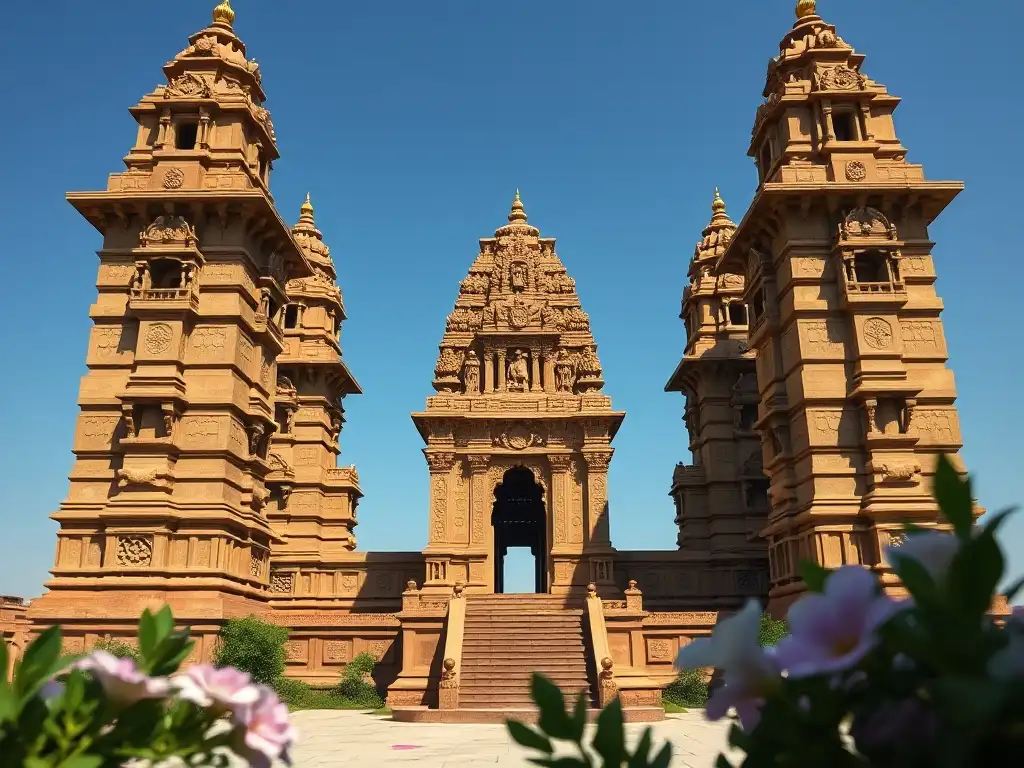
Introduction to Gupta Architecture
The Gupta Empire, often referred to as the "Golden Age of India," flourished from approximately 320 to 550 CE and is renowned for its remarkable advancements in various fields, including art, literature, and especially architecture. The architectural feats achieved during this period are not merely physical constructions but are also a testament to the sophisticated mathematical principles that underpinned their design.
From the intricate carvings of temples to the grand stupas, mathematics played a pivotal role in shaping the aesthetic and structural elements of Gupta architecture, allowing builders to create structures that were not only functional but also visually stunning.
Overview of Gupta Empire and Its Architectural Significance
The Gupta Empire was marked by a resurgence of cultural and intellectual pursuits, resulting in a unique architectural style that blended religious significance with artistic expression. This era saw the construction of iconic structures, such as the Dashavatara Temple at Deogarh and the Ajanta Caves, which reflect the intricate relationship between design and mathematics. The architects of this time utilized geometry, symmetry, and proportions to ensure that their creations could withstand the test of time while maintaining a harmonious aesthetic.
Importance of Mathematics in Ancient Indian Architecture
Mathematics was integral to ancient Indian architecture, serving as the foundation for the design and construction processes. It allowed architects to achieve precision in measurements, angles, and proportions, which were essential for the stability and beauty of structures. The application of mathematics, particularly in the Gupta period, enabled the creation of complex forms and patterns that conveyed not just structural integrity but also cultural narratives.
Foundations of Mathematics in Gupta Architecture
The architectural marvels of the Gupta Empire were deeply rooted in various mathematical concepts that facilitated innovative designs. By understanding these foundational elements, we can appreciate how Gupta architects pushed the boundaries of what was technically possible.
Key Mathematical Concepts Utilized in Design
- Geometry: The use of geometric shapes such as circles, squares, and triangles was prevalent in temple layouts. These shapes were essential in creating symmetrical and aesthetically pleasing designs.
- Symmetry and Proportion: Architects applied principles of symmetry to ensure that structures were balanced and harmonious, both in their overall forms and in the placement of decorative elements.
- Calculative Techniques: Gupta architects employed advanced calculative techniques to determine dimensions and angles, contributing to the durability and stability of structures.
Influence of Vedic Mathematics on Gupta Architectural Practices
The principles of Vedic Mathematics, with its rich tradition of mathematical thought, significantly influenced architectural practices during the Gupta Empire. This ancient system emphasized mental calculations and the use of formulas that facilitated efficient design processes.
- Patterns and Sequences: The Vedic texts often explored numerical patterns and sequences that were instrumental in creating repetitive motifs in design.
- Construction Techniques: Techniques derived from Vedic Mathematics guided builders in laying foundations and erecting structures with remarkable precision.
The interplay between mathematics and architecture during the Gupta Empire not only showcases the ingenuity of ancient Indian civilizations but also highlights the enduring legacy of their contributions to the field of architecture. Through further exploration of these concepts, one can gain a deeper understanding of how mathematics shaped the architectural landscape of this remarkable era.
Architectural Innovations of the Gupta Period
The Gupta period, often referred to as the Golden Age of India, witnessed remarkable advancements in architecture characterized by innovative designs and techniques that were deeply intertwined with mathematical principles. This era produced some of the most significant architectural achievements, including the construction of intricate temples and stupas, which showcased not only the aesthetic sensibilities of the time but also a sophisticated understanding of geometry and planning.
One of the hallmarks of Gupta architecture was the emphasis on symmetry and proportion, which contributed to the visual appeal and structural integrity of buildings. The architects of this period adeptly applied mathematical concepts to create harmonious designs that resonated with the spiritual beliefs of the society. Furthermore, advancements in materials and construction techniques allowed for the creation of larger and more stable structures, enabling the rise of grand edifices that would become iconic symbols of ancient Indian civilization.
Monumental Structures: Temples and Stupas
The Gupta period is renowned for its monumental structures, particularly temples and stupas, which served as both religious and cultural centers. Temples from this era, such as the Dashavatara Temple in Deogarh and the temples at Khajuraho, are prime examples of how mathematics played a crucial role in their design. These temples often featured elaborate carvings, intricate sculptures, and towering shikharas (spires) that were meticulously designed using geometric principles.
Stupas, on the other hand, were architectural marvels that represented the burial mounds of Buddhist relics. The Great Stupa at Sanchi, which dates back to the Mauryan period but was extensively modified during the Gupta era, exemplifies the use of circular designs and symmetrical layouts. The careful planning of these structures, including their orientation and proportions, reflects the deep philosophical significance attributed to geometry in the spiritual context.
Urban Planning and City Layouts: A Mathematical Approach
Urban planning during the Gupta period was marked by a systematic approach that integrated mathematical principles into city layouts. Cities were often designed with a grid-like pattern, allowing for efficient movement and organization of space. The use of straight roads and well-defined sectors facilitated trade and interaction among inhabitants, showcasing the architects' understanding of geometry and spatial relationships.
Additionally, the placement of public buildings, temples, and residential areas was strategically planned to optimize sunlight, ventilation, and accessibility. This mathematical approach to urban design not only enhanced the functionality of cities but also contributed to their aesthetic appeal. The careful consideration of proportions and distances ensured that the urban environments were both practical and visually harmonious, demonstrating the integration of mathematics in daily life during the Gupta Empire.
The Role of Geometry in Gupta Architecture
Geometry was not merely a tool for measurement in Gupta architecture; it was a fundamental principle that guided the entire design process. The architects of this period understood the significance of geometric forms and utilized them to create structures that were both aesthetically pleasing and structurally sound. The application of geometric concepts allowed for the development of innovative architectural features, leading to the creation of iconic monuments that have stood the test of time.
The use of geometry extended beyond mere aesthetics; it also played a vital role in the structural engineering of buildings. By employing various shapes and forms, Gupta architects were able to distribute weight effectively, ensuring the stability and longevity of their constructions. This mathematical prowess is evident in many surviving structures, which continue to inspire awe and admiration for their craftsmanship and design.
Symmetry and Proportions in Architectural Design
Symmetry and proportions were central themes in Gupta architectural design, reflecting the mathematical precision that characterized the period. The architects meticulously planned the layouts of temples and other structures to achieve a sense of balance and harmony. Symmetrical designs not only enhanced the visual appeal of buildings but also embodied the philosophical ideals of order and stability prevalent in ancient Indian culture.
The proportions of various elements within a structure were carefully calculated to ensure they complemented each other. For instance, the height of a temple spire was often proportionate to the width of its base, creating a visually striking silhouette. This attention to detail and mathematical accuracy allowed Gupta architecture to achieve a level of sophistication that set it apart from earlier architectural styles.
The Use of Geometric Shapes in Temple Structures
Geometric shapes played a pivotal role in the design of temple structures during the Gupta period. Common shapes such as squares, rectangles, circles, and triangles were employed to create complex and harmonious designs. For instance, many temples featured a square sanctum (garbhagriha) at their core, surrounded by a rectangular mandapa (pillared hall), illustrating the effective use of basic geometric forms to create a cohesive architectural composition.
Moreover, the incorporation of circular motifs in stupas and temple domes not only added to their aesthetic appeal but also carried symbolic meaning. These geometric shapes were often associated with spiritual concepts, representing the cosmos and the cycle of life. The thoughtful application of these shapes reflects the Gupta architects' deep understanding of both mathematics and the cultural significance of their designs, resulting in structures that were not only functional but also imbued with profound meaning.
Mathematics in Structural Engineering

Mathematics played a pivotal role in the field of structural engineering during the Gupta Empire, allowing architects and builders to create some of the most enduring and magnificent structures of ancient India. The application of mathematical concepts such as geometry, algebra, and trigonometry enabled them to achieve remarkable feats of engineering. With a deep understanding of proportions, symmetry, and spatial relationships, Gupta architects were able to design structures that not only withstood the test of time but also showcased aesthetic beauty.
The principles of mathematics were essential in determining the dimensions and proportions of various architectural elements, ensuring stability and strength. Builders employed mathematical calculations to assess weight distribution, material strength, and the effects of environmental factors on their structures. This mathematical rigor helped in creating designs that were both innovative and practical, leading to the successful construction of temples, monasteries, and other significant edifices during the Gupta period.
Load-Bearing Techniques and Mathematical Principles
The load-bearing techniques utilized in Gupta architecture were deeply rooted in mathematical principles. Builders often relied on geometric shapes to distribute weight effectively. For instance, the use of triangular and arched forms helped in minimizing stress on structures, allowing for larger and more open interior spaces. The application of the Pythagorean theorem was likely employed to ensure right angles and proper alignment, crucial for maintaining structural integrity.
Additionally, the concept of equilibrium was fundamental in the design of load-bearing walls and columns. Architects calculated the forces acting on different parts of a building to create a harmonious balance. By integrating these mathematical principles, Gupta architects could construct massive stone structures, such as temples, that could support their own weight without collapsing.
Innovations in Arches and Domes: A Mathematical Perspective
The Gupta period is noted for its significant advancements in the use of arches and domes, which are vital in distributing weight and creating expansive interiors. Mathematical principles were crucial in the design and construction of these elements. The construction of semi-circular and elliptical arches required precise calculations to determine the correct curvature, ensuring that the weight was evenly distributed along the arch's span.
Moreover, the development of domes involved complex geometric arrangements. Builders needed to understand spherical geometry to create these rounded structures, which often served as roofs for temples and other significant buildings. The incorporation of mathematical concepts allowed Gupta architects to innovate in ways that enhanced both the functionality and aesthetic appeal of their structures, leading to a distinct architectural style that remains influential even today.
Case Studies of Iconic Gupta Structures
The architectural achievements of the Gupta Empire are exemplified in numerous iconic structures that showcase the intricate relationship between mathematics and design. Two notable examples are the Ajanta Caves and the Dashavatara Temple, each reflecting the advanced understanding of mathematical principles by Gupta architects.
The Ajanta Caves: Mathematical Precision in Art and Architecture
The Ajanta Caves, a UNESCO World Heritage site, exemplify the mathematical precision employed in Gupta architecture. Carved into a rocky hillside, these caves represent a blend of art, architecture, and mathematics. The design of each cave was meticulously planned using geometric proportions, ensuring that the dimensions of the interiors complemented the intricacies of the frescoes and sculptures.
Mathematically calculated ratios were utilized to create harmonious relationships between the height, width, and depth of the caves. The cave layouts often feature symmetrical arrangements and carefully placed pillars, reflecting a profound understanding of balance and aesthetics. The mathematical precision evident in the Ajanta Caves not only highlights the technical prowess of Gupta architects but also serves as a testament to their artistic vision.
The Dashavatara Temple: A Study of Geometry and Design
The Dashavatara Temple, dedicated to Lord Vishnu, is another striking example of Gupta architecture where mathematics played a crucial role in design. The temple is renowned for its intricate carvings and its distinctive layout, which exhibits a deep understanding of geometric principles. The use of symmetrical designs and proportional relationships in the temple's plan underscores the importance of mathematics in creating a visually appealing and structurally sound building.
The temple's elevation and the arrangement of its shikharas (spires) reflect advanced mathematical concepts, including the use of ratios and angles that contribute to its grandeur. The careful planning involved in the temple’s architecture not only showcases the aesthetic qualities of Gupta design but also highlights the integral role of mathematics in achieving such remarkable architectural feats. Through the study of structures like the Dashavatara Temple, we gain insight into how mathematics was seamlessly woven into the fabric of Gupta architectural innovation.
The Legacy of Gupta Mathematics in Architecture
The Gupta Empire, flourishing from approximately 320 to 550 CE, is often regarded as a golden age of Indian history, particularly in the realms of art, culture, and science. One of the most remarkable legacies of this period is its profound integration of mathematics into architecture. The architects of the Gupta Empire utilized advanced mathematical concepts to create structures that not only showcased aesthetic beauty but also exemplified engineering ingenuity.
Mathematics played a pivotal role in the planning and construction of temples, palaces, and public buildings. The use of geometric principles ensured that structures were not only visually appealing but also stable and enduring. For instance, the design of the famous temples, such as the Dashavatara Temple at Deogarh, reflects a keen understanding of symmetry, proportion, and spatial relationships. These structures often employed complex patterns and ratios, hinting at a deep mathematical knowledge that informed their architectural designs.
Moreover, the Gupta architects embraced principles of astronomy and geometry, as evidenced in the alignment of temples with cardinal directions and celestial phenomena. This integration of mathematical concepts into architecture served a dual purpose: it reinforced the spiritual significance of the structures and enhanced their structural integrity. The legacy of this mathematical approach continues to resonate in the field of architecture, inspiring future generations of architects and mathematicians alike.
Influence on Later Indian Architectural Styles
The mathematical techniques and principles developed during the Gupta period significantly influenced subsequent Indian architectural styles. Following the Gupta Empire, the architectural traditions of the post-Gupta period, including the medieval and Mughal periods, drew heavily from the mathematical foundations laid by Gupta architects.
One of the most notable influences is seen in the intricate carvings and designs that characterize later temple architecture. For example, the temples of Khajuraho and the Brihadeeswarar Temple in Thanjavur exhibit the use of complex geometric patterns and structural innovations that can be traced back to Gupta practices. The emphasis on symmetry and proportion became hallmarks of Indian architecture, leading to the creation of iconic structures that are both functional and aesthetically pleasing.
Furthermore, the mathematical principles of construction, such as the use of arches and domes, began to emerge in later architectural styles, showcasing the enduring impact of Gupta innovations. This influence extended beyond India, as the principles of Gupta mathematics found their way into Southeast Asian architecture, particularly in the temples of Angkor Wat, where similar geometric and astronomical alignments are evident.
Global Impact and Recognition of Gupta Architectural Mathematics
The mathematical achievements of Gupta architects gained recognition not only within India but also across the globe. The systematic application of mathematical concepts in architecture attracted the attention of scholars and architects from various cultures. Historical texts indicate that the Gupta period's architectural practices were studied by later civilizations, contributing to the global discourse on architecture and mathematics.
The principles of geometry and symmetry that were refined during the Gupta period laid the groundwork for architectural advancements in both the Islamic world and Renaissance Europe. Notably, the Islamic architects who traveled to India during the medieval period were influenced by Gupta architectural designs, which emphasized intricate patterns and spatial harmony. This cross-cultural exchange led to the incorporation of these mathematical principles into the grand mosques and palaces of the Islamic Empire.
Additionally, modern scholars and historians have recognized the significance of Gupta mathematics in architecture, often highlighting it as a key component of ancient Indian contributions to global knowledge. The mathematical precision exhibited in Gupta architecture serves as a testament to the empire's intellectual advancements and its lasting impact on the field of architecture worldwide.
Conclusion
Summary of the Integration of Mathematics in Gupta Architecture
The integration of mathematics into Gupta architecture was a transformative force that shaped the architectural landscape of ancient India. By employing geometric principles, symmetry, and spatial reasoning, Gupta architects crafted structures that were not only visually stunning but also structurally sound. This mathematical sophistication allowed for the creation of monumental temples and public buildings that still stand as enduring symbols of the Gupta Empire's architectural prowess.
The legacy of Gupta mathematics in architecture is evident in the influence it exerted on later Indian styles and its recognition on the global stage. The principles established during this period continue to inspire architects and mathematicians, showcasing the timelessness of Gupta innovations.
The Enduring Influence of Gupta Architectural Principles on Future Generations
The principles of Gupta architectural mathematics have left an indelible mark on future generations, influencing not only Indian architecture but also global architectural practices. The emphasis on mathematical precision, aesthetics, and structural integrity established during the Gupta Empire is reflected in various architectural movements that followed.
Today, architects around the world draw inspiration from Gupta designs, embracing the harmony of mathematics and artistry. The enduring influence of Gupta architectural principles is a testament to the genius of ancient Indian civilization, reminding us of the profound connections between mathematics, culture, and architecture that continue to shape our built environment. As we explore the rich history of ancient India, the role of mathematics in Gupta architecture stands out as a remarkable achievement that transcends time and geography.
- Introduction to Gupta Architecture
- Foundations of Mathematics in Gupta Architecture
- Architectural Innovations of the Gupta Period
- The Role of Geometry in Gupta Architecture
- Mathematics in Structural Engineering
- Case Studies of Iconic Gupta Structures
- The Legacy of Gupta Mathematics in Architecture
- Conclusion
- What were the key contributions of mathematics to Gupta architecture?
- How did the Gupta Empire influence the field of mathematics?
- What architectural styles emerged during the Gupta period?
- How did mathematics enhance the aesthetic appeal of Gupta structures?
- Are there specific examples of mathematics used in Gupta architecture?
Frequently Asked Questions
What were the key contributions of mathematics to Gupta architecture?
Mathematics played a crucial role in the design and construction of temples and monuments, allowing for precise measurements and geometric shapes that defined Gupta architecture.
How did the Gupta Empire influence the field of mathematics?
The Gupta era is often referred to as the Golden Age of Mathematics, where significant advancements such as the concept of zero and the decimal system were developed, greatly impacting architecture.
What architectural styles emerged during the Gupta period?
The Gupta period saw the rise of distinct architectural styles, including rock-cut caves and intricate temple designs, all heavily influenced by mathematical principles in their construction.
How did mathematics enhance the aesthetic appeal of Gupta structures?
Mathematical concepts allowed architects to achieve symmetry and proportion in their designs, creating structures that were not only functional but also visually stunning.
Are there specific examples of mathematics used in Gupta architecture?
Yes, notable examples include the Sanchi Stupa and Ajanta Caves, where the use of geometric patterns and calculations can be seen in their elaborate designs and layouts.
Final Reflection: The Unseen Harmony of Mathematics in Gupta Architecture
The exploration of mathematics in Gupta architecture reveals a profound connection between numerical precision and artistic expression that resonates with contemporary society. In an era where innovation and creativity are paramount, the intricate designs and structural integrity of Gupta architecture serve as a testament to the timeless relevance of mathematical principles. This ancient civilization's ability to blend functionality with aesthetic beauty offers a striking reminder that the foundations of our modern achievements often lie in the wisdom of the past.
The influence of mathematics in Gupta architecture extends beyond mere construction; it has shaped cultural identity and social values throughout history. As we admire the grandeur of temples and monuments, we are reminded of the intellectual prowess that fueled such creativity. The meticulous calculations and geometric designs not only reflect the ingenuity of their creators but also inspire us to appreciate the interconnectedness of art and science. Mathematics is the language in which God has written the universe.
– Galileo Galilei. This quote encapsulates the essence of how mathematics transcends time, continuing to influence our understanding of beauty and structure in the world around us.
As we reflect on the lessons from Gupta architecture, let us embrace the idea that mathematics is not merely a tool for calculations but a pathway to creativity and innovation. I invite you to consider how the principles of balance, symmetry, and proportion can be applied in your own life, whether in personal projects, professional endeavors, or even in the way you perceive the world. By recognizing the beauty of mathematics in our surroundings, we can cultivate a deeper appreciation for the artistry that exists in every facet of life, inspiring us to design our own unimaginable creations.
Unleash Your Inner Architect: Dive Deeper into Gupta Mathematics!
Thank you for exploring the fascinating connection between mathematics and Gupta architecture! Your curiosity has already set the stage for incredible discoveries. Now, let’s take that interest a step further and embrace the power of mathematics in design.
Here are some exciting actions you can take to expand your knowledge and appreciation of this captivating topic:
- Delve into the Numbers: Investigate the specific mathematical techniques that were instrumental in the design of Gupta architecture. Challenge yourself to create a simple structure inspired by these principles.
- Join the Conversation: Share your thoughts or discoveries in the comments section, or connect with fellow enthusiasts of ancient architecture by participating in an online forum.
- Expand Your Horizons: Explore your local library or an online platform to find insightful books or documentaries that explore the depth of Indian mathematics and its influence on architectural styles.
What architectural principles or formulas intrigue you the most in the context of Gupta design? We invite you to share your insights below!