
The Urban Development of Ancient India Under Chandragupta Maurya

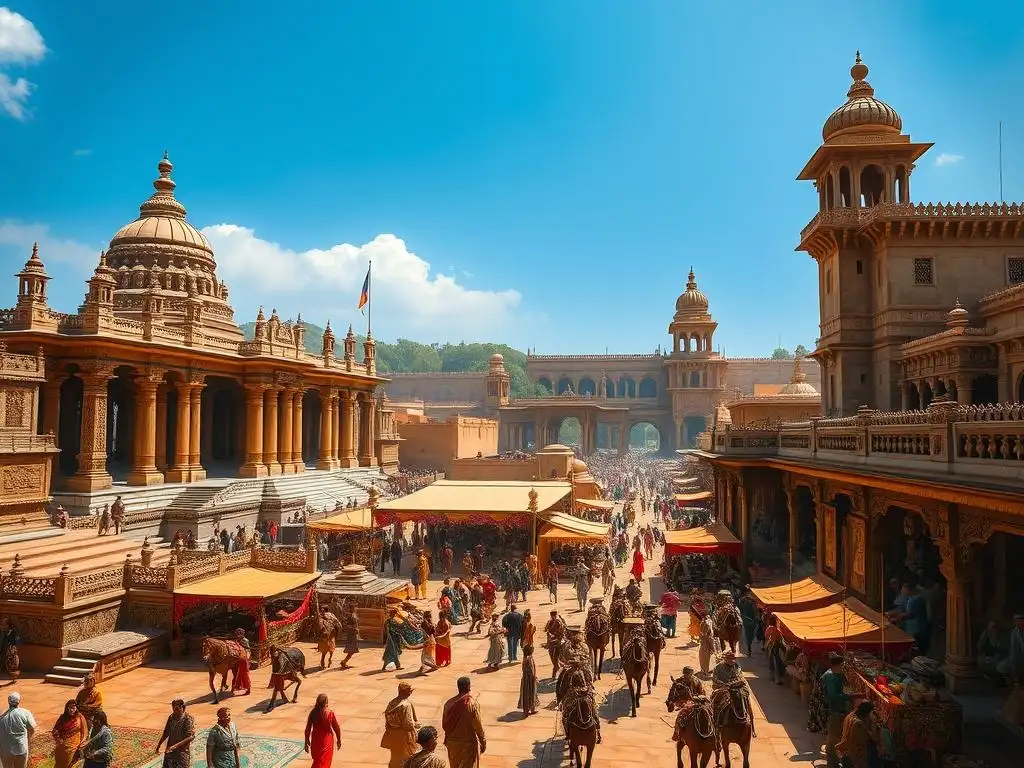
Welcome to Ancient India History, where we embark on a fascinating journey through the rich tapestry of India’s past! Delve into the remarkable story of urban development in ancient India, particularly during the reign of Chandragupta Maurya. Discover how this visionary leader transformed cities into thriving centers of commerce, culture, and innovation, setting the foundation for future civilizations. As you explore our articles, prepare to uncover the intricate layers of history that shaped not just India, but the world. Your adventure into the heart of ancient Indian civilization starts here—let's dive deeper!
Introduction to Urban Development in Ancient India
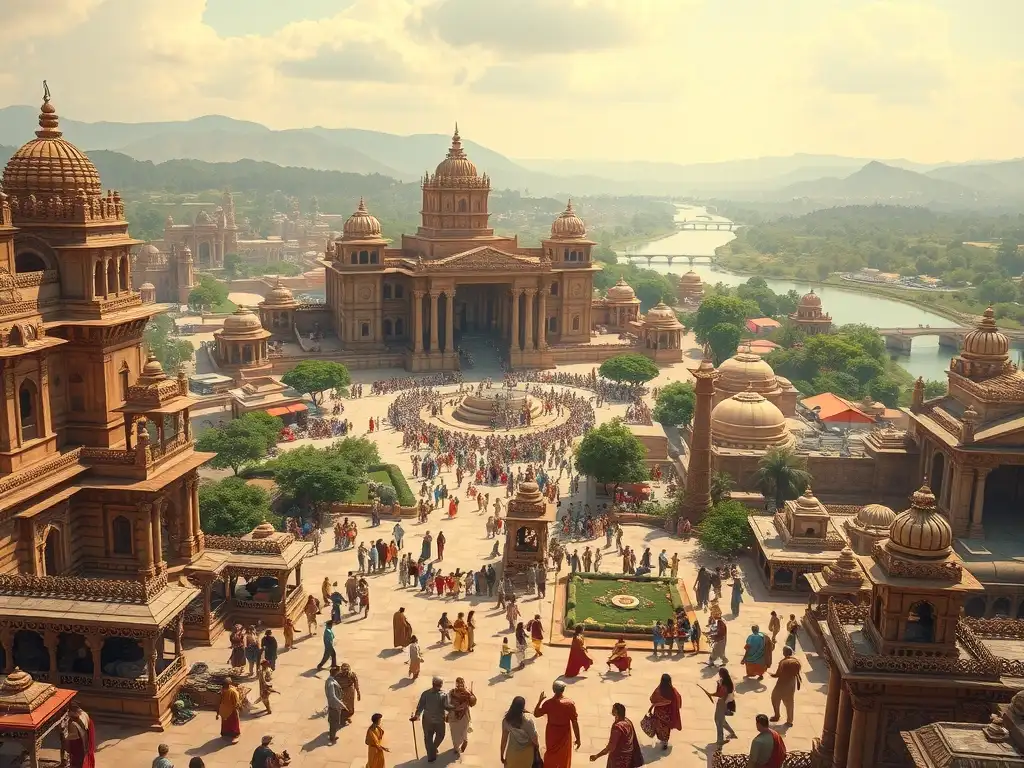
The urban development in ancient India represents a fascinating chapter in the historical narrative of one of the world's oldest civilizations. Particularly during the reign of Chandragupta Maurya, this period witnessed significant advancements in city planning, infrastructure, and governance. Under his leadership, the foundations of urbanization were laid, which not only transformed the physical landscape but also enhanced social, economic, and cultural interactions among the populace. Understanding this transformation is crucial to appreciating the complexities of ancient Indian civilization and its enduring legacy.
Overview of Urbanization in Ancient Indian Civilizations
Urbanization in ancient India can be traced back to the Indus Valley Civilization, known for its advanced city planning and sophisticated drainage systems. Cities like Mohenjo-Daro and Harappa showcased remarkable urban features, such as grid layouts and public baths. However, it was during the Mauryan Empire, particularly under Chandragupta Maurya, that urban development reached new heights. The establishment of Pataliputra as the capital exemplified strategic planning, incorporating defensive structures, residential areas, and marketplaces, which facilitated trade and commerce.
Key characteristics of urbanization during this era include:
- Planned Cities: Cities were designed with specific layouts, featuring wide streets and organized residential zones.
- Infrastructure Development: The construction of roads, irrigation systems, and public buildings significantly improved connectivity and resource management.
- Cultural Centers: Urban areas became hubs for cultural exchange, education, and the arts, fostering a vibrant community life.
Importance of Urban Development During the Mauryan Empire
The Mauryan Empire marked a pivotal period for urban development in ancient India, as it set the tone for future city planning and governance. The importance of urban development during this time can be understood through several lenses:
- Economic Growth: Enhanced trade routes and urban centers stimulated economic activity, leading to increased wealth and prosperity.
- Political Stability: The establishment of well-planned cities allowed for better administration and control over vast territories, ensuring political stability.
- Cultural Flourishing: Urban centers became melting pots of diverse cultures, religions, and ideas, contributing to a rich cultural tapestry that characterized ancient India.
Historical Context of Chandragupta Maurya
To fully grasp the urban developments during Chandragupta Maurya's reign, it is essential to understand the historical context that shaped his rise to power and the political landscape of ancient India prior to the Mauryan Empire.
The Rise of Chandragupta Maurya
Chandragupta Maurya's ascent to power was marked by strategic alliances and military prowess. Emerging from relatively humble beginnings, he capitalized on the political instability that plagued the Indian subcontinent following the decline of the Nanda Dynasty. With the guidance of his mentor, Chanakya, he successfully overthrew the Nandas and established the Mauryan Empire around 321 BCE.
Key factors in his rise include:
- Military Strategy: Chandragupta's ability to organize and lead a formidable army played a crucial role in his conquests.
- Diplomatic Alliances: Forming alliances with local rulers and influential leaders helped consolidate his power.
- Visionary Leadership: His ambition to unify the fragmented regions of India contributed to the establishment of a centralized and cohesive empire.
Political Landscape of Ancient India Prior to Maurya
Before the rise of the Mauryan Empire, ancient India was characterized by a patchwork of small kingdoms and tribal states. The political landscape was marked by:
- Fragmentation: Numerous independent states often engaged in conflicts, limiting the potential for unified governance.
- Influence of Foreign Powers: The incursions of Persians and Greeks introduced new political dynamics and influenced local power structures.
- Cultural Diversity: The coexistence of various cultures and religions laid the groundwork for the rich cultural synthesis that would later flourish under the Mauryan Empire.
By understanding the urban development under Chandragupta Maurya, we can appreciate how his leadership not only transformed the cities of ancient India but also set a precedent for future governance and urban planning in the region.
Key Features of Urban Development Under Chandragupta Maurya
The urban development during the reign of Chandragupta Maurya marked a significant transformation in ancient India, laying the groundwork for advanced city planning and infrastructure. Notably, the Mauryan period witnessed the emergence of well-structured cities characterized by systematic layouts, advanced architecture, and robust administrative frameworks. Key features of urban development during this era included:
- Well-Designed City Layouts: Cities were typically laid out in a grid pattern, facilitating organized movement and land use. This design promoted efficient trade and communication among residents.
- Strategic Location: Urban centers were often situated at crucial crossroads or near rivers, which enhanced their accessibility and economic potential.
- Defensive Structures: Fortifications, including walls and gates, were constructed to protect urban populations from invasions and maintain order. This emphasis on security was vital for fostering trade and stability.
- Cultural and Religious Institutions: The establishment of temples, stupas, and public spaces reflected the cultural richness of the Mauryan empire and served as centers for social gatherings, religious practices, and governance.
These features not only enhanced the quality of life for inhabitants but also facilitated the growth of trade and culture, ultimately contributing to the prosperity of ancient India.
City Planning and Architecture in Mauryan Cities
City planning and architecture under Chandragupta Maurya were crucial in shaping the urban landscape of ancient India. The Mauryan cities, such as Pataliputra (modern-day Patna), showcased remarkable architectural feats and urban designs that emphasized functionality and aesthetics.
- Grid-Based Layouts: Many Mauryan cities adopted a grid-like layout which allowed for organized residential and commercial areas. Streets were wider than those in previous civilizations, allowing for easier movement of goods and people.
- Architectural Innovations: The use of brick and stone in construction became prominent. Notable structures included palaces, administrative buildings, and public baths, which reflected the advanced engineering skills of the period.
- Gardens and Parks: Urban spaces were often adorned with gardens and parks, enhancing the beauty of cities and providing recreational areas for citizens.
- Urban Amenities: The cities featured essential amenities such as drainage systems, wells, and public toilets, which showcased an understanding of sanitation and urban health.
These elements combined to create vibrant urban centers that were not only functional but also culturally significant.
Infrastructure Developments: Roads, Water Systems, and Public Buildings
Infrastructure development was a cornerstone of urban growth during Chandragupta Maurya's reign. The Mauryan Empire invested significantly in building a comprehensive infrastructure that supported trade, governance, and daily life.
- Road Networks: A vast network of roads was established, connecting various regions of the empire and facilitating trade and communication. The Grand Trunk Road, which extended from Pataliputra to the northwestern frontier, is a notable example.
- Water Management Systems: Advanced water systems, including wells, reservoirs, and canals, were constructed to ensure a reliable water supply. This was crucial for both agriculture and urban living.
- Public Buildings: The construction of public buildings, such as assembly halls, marketplaces, and administrative offices, played a vital role in governing and managing urban centers effectively. These structures became focal points for political and social activities.
Such infrastructure not only supported economic activities but also enhanced the overall quality of life for residents, encouraging urbanization across the empire.
The Role of Chandragupta Maurya in Urban Planning
Chandragupta Maurya played a pivotal role in the urban planning of his empire, emphasizing the importance of strategic governance and sustainable development. His vision for a well-organized urban environment was realized through various initiatives that fostered growth and stability.
- Centralized Authority: Chandragupta established a centralized authority that oversaw urban development, ensuring consistency in planning and resource allocation across the empire.
- Focus on Sustainability: His policies encouraged sustainable urban growth, balancing the needs of commerce, agriculture, and community welfare.
These efforts laid the groundwork for future urban development in ancient India, setting precedents that would influence subsequent civilizations.
Influence of Chanakya on Urban Development Strategies
Chanakya, the renowned philosopher and strategist, had a profound influence on urban development strategies during the Mauryan Empire. His teachings and insights on governance and planning were instrumental in shaping the cities of the time.
- Economic Policies: Chanakya emphasized the importance of trade and commerce, advocating for policies that supported economic growth. His strategies included tax incentives for traders and the establishment of trade routes.
- Defense and Security: His ideas on fortifications and urban security were critical in protecting cities from external threats. This focus on defense was essential for maintaining stability in urban areas.
- Social Order: Chanakya believed in a well-structured society, which reflected in the urban planning that emphasized public spaces for community interactions, fostering a sense of belonging among residents.
Through his guidance, Chandragupta's administration was able to implement policies that resulted in flourishing urban centers, reflecting the strategic foresight of both leaders.
Administrative Innovations for Managing Urban Growth
To effectively manage urban growth, Chandragupta Maurya introduced several administrative innovations that enhanced governance and the functioning of urban centers.
- Bureaucratic Systems: A well-defined bureaucratic system was established, comprising officials responsible for various aspects of urban management, including taxation, infrastructure, and public welfare. This helped streamline governance and improve service delivery.
- Local Governance: Local councils and committees were empowered to address community needs, allowing for more responsive and participatory governance. This decentralized approach fostered a sense of ownership among residents.
- Surveillance and Regulation: Mechanisms for surveillance and regulation were put in place to maintain order and ensure compliance with laws and regulations. This included the appointment of officers to oversee market activities and urban safety.
These administrative innovations were crucial in supporting the rapid urbanization that characterized the Mauryan Empire, ensuring that cities were equipped to handle the challenges of growth and development.
Cultural Aspects of Urban Life in Mauryan India
The urban life in Mauryan India was characterized by a rich tapestry of cultural elements that played a crucial role in shaping the identity of its cities. As the Mauryan Empire flourished under the leadership of Chandragupta Maurya, urban centers became vibrant hubs of art, architecture, and commerce. The cities were often adorned with intricate sculptures and impressive structures, reflecting the artistic prowess of the time. The architectural style was heavily influenced by earlier traditions but also incorporated new techniques and designs, leading to the construction of monumental edifices such as palaces, stupas, and public baths.
The Mauryan cities were designed to accommodate a diverse population, drawing people from various backgrounds, including traders, artisans, and scholars. This amalgamation of cultures facilitated the exchange of ideas, beliefs, and practices. Festivals and public events celebrated in the cities contributed to a lively atmosphere, fostering community engagement and cultural cohesion. The importance of education and intellectual pursuits was also evident, with centers of learning emerging in urban areas, where philosophy, science, and literature thrived.
The Influence of Religion and Philosophy on Urban Development
Religion and philosophy were significant in shaping urban development during the Mauryan period. The empire was marked by a pluralistic society where Hinduism, Buddhism, and Jainism coexisted, influencing urban architecture and lifestyle. The Mauryan rulers, particularly Ashoka, promoted Buddhism, leading to the establishment of stupas and monasteries within urban settings. These structures not only served as places of worship but also as centers for learning and community gatherings.
Philosophical teachings, especially those stemming from Buddhism and Jainism, emphasized harmony, non-violence, and ethical living, which resonated throughout the urban populace. This philosophical backdrop encouraged the development of cities that were not only functional but also reflected moral and ethical ideals. The integration of religious sites within urban planning showcased a commitment to spiritual life, further enhancing the cultural landscape of Mauryan cities.
Social Structure and Daily Life in Mauryan Cities
The social structure of Mauryan cities was hierarchical, yet it was marked by a degree of mobility that allowed individuals to attain new social standings based on merit and wealth. The society was generally divided into various classes, including the ruling elites, merchants, artisans, and laborers. Urban centers provided opportunities for trade and commerce, leading to the rise of a prosperous merchant class that played a significant role in the economy.
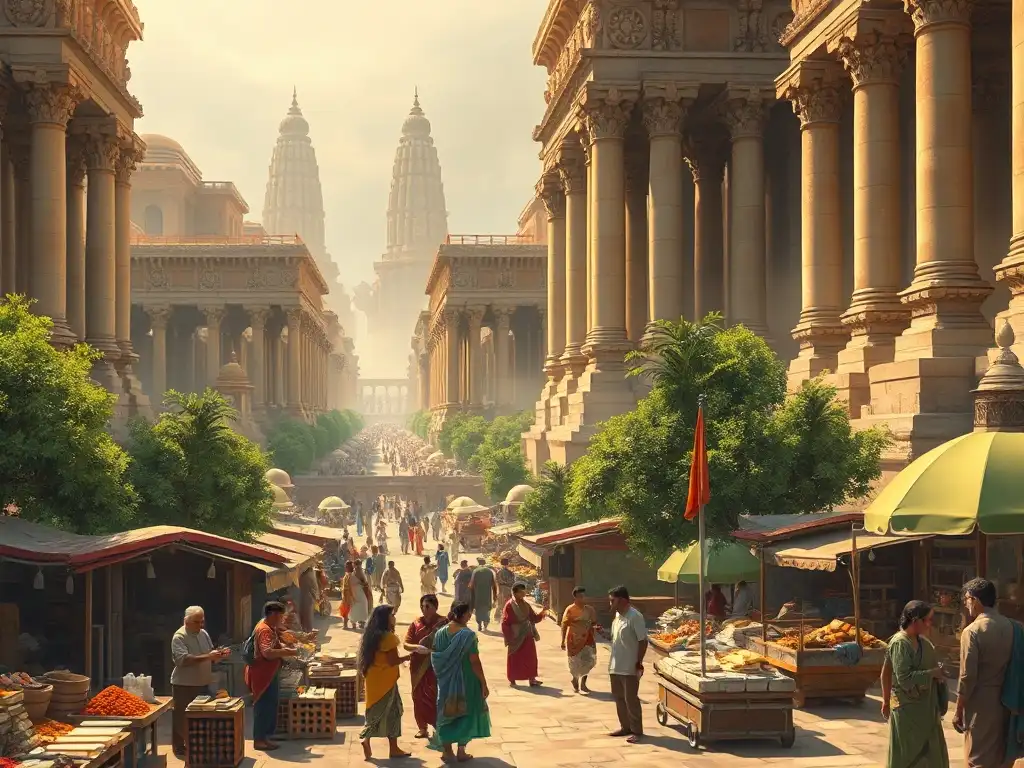
Daily life in Mauryan cities was vibrant and varied. Streets were often bustling with activity, as markets thrived with goods ranging from textiles and pottery to food and spices. Artisans showcased their crafts, while merchants engaged in trade, both locally and with distant regions. The presence of public amenities such as wells, baths, and parks contributed to a higher quality of life, making cities more attractive for residents. Social interactions took place in various public spaces, where individuals from different walks of life could engage, fostering a sense of community.
Comparison of Urban Development: Mauryan Empire vs. Pre-Mauryan Period
The urban development of the Mauryan Empire marked a significant evolution compared to the pre-Mauryan period, characterized by notable advancements in planning, infrastructure, and cultural integration. While earlier urban centers, such as those in the Indus Valley Civilization, showcased advanced drainage systems and grid patterns, the Mauryan period built upon these foundations by introducing more sophisticated urban planning techniques.
Key Differences in Urban Planning Approaches
One of the key differences in urban planning between the Mauryan Empire and the pre-Mauryan period was the scale and complexity of urban design. Mauryan cities, such as Pataliputra, were meticulously planned with well-defined streets, fortified walls, and organized residential areas. The inclusion of public spaces like marketplaces, assembly halls, and gardens highlighted a more community-oriented approach to urban living.
Additionally, the Mauryan Empire saw the emergence of strategic placement of religious and administrative buildings, which were designed to reinforce the power and influence of the state. The integration of fortifications for security and the establishment of irrigation systems for agriculture reflected a comprehensive approach to urban development that prioritized both defense and sustenance.
Economic and Cultural Advancements Compared to Previous Civilizations
Economically, the Mauryan Empire experienced significant growth due to increased trade and agricultural productivity. The establishment of trade routes facilitated commerce with distant lands, bringing wealth and diverse cultural influences into urban centers. This economic prosperity allowed for the patronage of arts and culture, which had a lasting impact on the region's historical legacy.
Culturally, the Mauryan period saw an expansion of artistic expression, particularly in sculpture and architecture. The influence of Buddhism and the creation of grand stupas underscored the cultural advancements during this time. In contrast to the more localized cultural expressions of earlier civilizations, the Mauryan Empire's urban centers emerged as melting pots of ideas, practices, and artistic styles, paving the way for a rich cultural heritage that would resonate throughout Indian history.
Challenges Faced in Urban Development Under Chandragupta Maurya
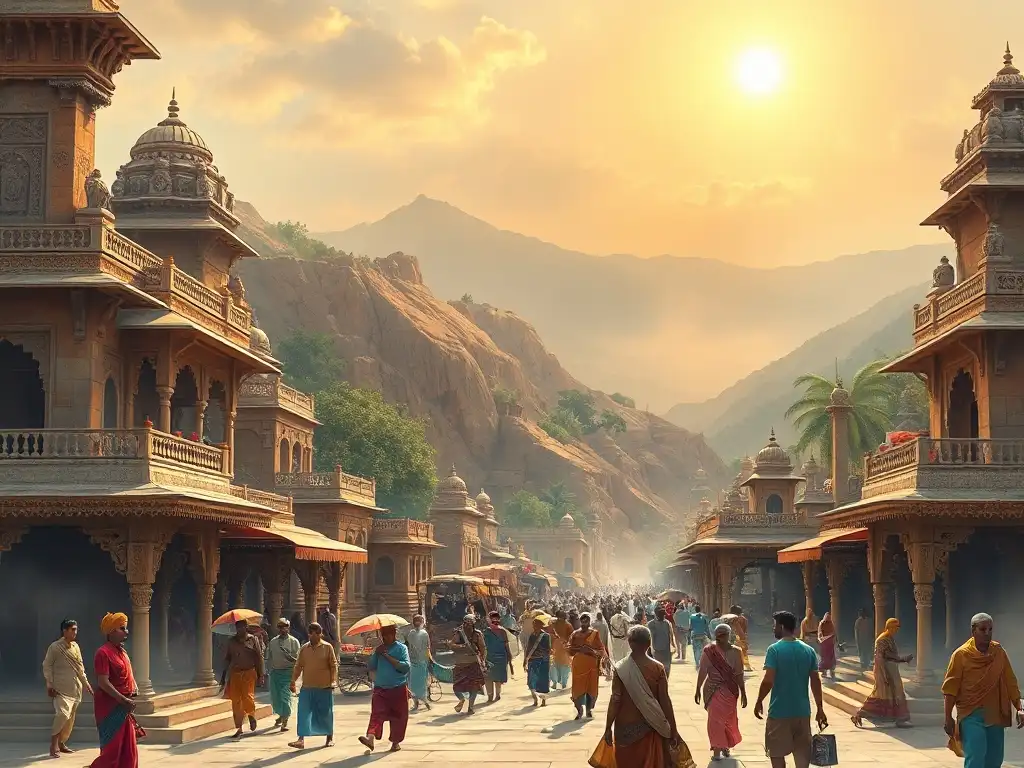
The urban development during the reign of Chandragupta Maurya was marked by remarkable achievements, yet it was not without its challenges. The Mauryan Empire, established in the 4th century BCE, faced various obstacles that influenced the growth and sustainability of its urban centers. Understanding these challenges provides insight into the complexities of urban planning in ancient India.
Environmental and Societal Challenges
One of the primary challenges in urban development was environmental factors. The geographical diversity of ancient India, characterized by rivers, plains, and mountains, posed both opportunities and limitations for urban settlements. For instance:
- Flooding: The monsoon season brought heavy rains that often led to flooding, damaging infrastructure and disrupting trade.
- Resource Management: The availability of natural resources such as water for irrigation and construction materials varied across regions, complicating urban planning efforts.
In addition to environmental issues, societal challenges also emerged. The Mauryan Empire was diverse, comprising various ethnic groups and cultures. This diversity sometimes led to:
- Social Stratification: The existence of a hierarchical society created disparities in wealth and access to resources, which could hinder collective urban development efforts.
- Political Unrest: The consolidation of power by Chandragupta Maurya involved the suppression of dissent, leading to occasional unrest that distracted from urban development initiatives.
Responses to Urban Challenges by the Mauryan Administration
In response to the challenges faced, the Mauryan administration implemented several strategic measures aimed at fostering urban development while addressing environmental and societal issues. These included:
- Infrastructure Development: The construction of well-planned roads and irrigation systems facilitated trade and improved agricultural productivity, directly impacting urban growth.
- Public Health Initiatives: The Mauryan rulers recognized the importance of sanitation and public health. Efforts were made to improve waste management and water supply systems, minimizing the risks of disease outbreaks in urban centers.
- Centralized Governance: A strong centralized government under Chandragupta allowed for the efficient implementation of policies and resource allocation, which was crucial for managing the complexities of urban development.
Legacy of Urban Development in Ancient India
The urban development initiatives during the Mauryan period left a profound legacy that shaped subsequent Indian civilizations. The Mauryan Empire set a precedent for urban planning that future rulers would emulate and build upon.
Long-term Impacts on Subsequent Indian Civilizations
The urban strategies employed by Chandragupta Maurya had lasting effects on later Indian civilizations. Notably:
- Urban Planning Principles: The Mauryan emphasis on strategic city layouts and infrastructure influenced the designs of later cities, including those in the Gupta Empire and beyond.
- Cultural Exchange: The trade routes established during the Mauryan period promoted cultural and economic exchanges that enriched urban life in subsequent eras, fostering a sense of interconnectedness across regions.
Chandragupta Maurya's Influence on Future Urban Planning
Chandragupta Maurya's approach to urban development introduced key concepts that would resonate through history:
- Integration of Governance and Urban Design: His model of centralized governance, where urban planning was directly linked to administrative efficiency, set a standard for future rulers.
- Focus on Sustainability: The emphasis on balancing environmental needs with urban growth foreshadowed modern principles of sustainable urban development, highlighting the importance of planning for future generations.
The urban development under Chandragupta Maurya faced numerous challenges but ultimately laid the groundwork for subsequent advancements in urban planning across ancient India. The legacy of his reign continues to influence contemporary understanding of urban development in historical contexts.
Conclusion
The era of Chandragupta Maurya marked a significant turning point in the urban development of ancient India. His reign, characterized by strategic governance and ambitious projects, laid the groundwork for a flourishing urban landscape that would influence future generations. By establishing well-planned cities, enhancing trade routes, and introducing administrative reforms, Chandragupta not only transformed the physical environment of his empire but also fostered a sense of unity and cultural identity among its diverse populace.
Summary of Urban Development Achievements Under Chandragupta Maurya
Chandragupta Maurya's urban development achievements can be summarized through several key initiatives:
- Founding of Pataliputra:
- As the capital of the Mauryan Empire, Pataliputra became a model of urban planning with its well-defined layout, fortified walls, and sophisticated drainage systems.
- Infrastructure Development:
- The Mauryan regime focused on building roads and pathways to facilitate trade and communication. The Grand Trunk Road, which connected different parts of the empire, is a notable example of this development.
- Market Regulation:
- Chandragupta implemented policies to regulate markets, ensuring fair trade practices and stabilizing the economy. This included standardizing weights and measures, which encouraged commerce.
- Public Works:
- Investments in public works, such as wells, irrigation systems, and public baths, significantly improved the quality of life for citizens, enhancing urban living conditions.
- Cultural Flourishing:
- The urban centers under Chandragupta not only served as economic hubs but also as centers for cultural and intellectual exchange, with the patronage of arts and literature.
These achievements collectively contributed to a more organized society, promoting economic prosperity and cultural richness.
The Lasting Significance of Urban Development in Ancient India
The urban development initiated by Chandragupta Maurya had a profound and lasting impact on the trajectory of ancient Indian civilization. Its significance can be understood through several dimensions:
- Foundation for Future Empires:
- The urban planning principles established during his reign served as a blueprint for subsequent empires, including the Gupta Empire, which continued to build upon these foundations.
- Cultural Synthesis:
- The cities created during this period became melting pots of diverse cultures, fostering a rich tapestry of traditions, languages, and practices that influenced the broader Indian culture.
- Economic Growth:
- Effective trade routes and market regulations helped stimulate economic activity, leading to increased wealth and resource distribution, which further fueled urban expansion.
- Political Administration:
- The administrative frameworks developed under Chandragupta laid the groundwork for systematic governance, allowing for better control over vast territories and diverse populations.
- Influence on Urban Planning:
- The architectural and urban planning techniques from this era have had a lasting influence on Indian city planning, impacting not just historical contexts but also modern urban development in the region.
The urban development under Chandragupta Maurya was not just a feature of his reign but a significant chapter in the history of ancient India, shaping its cultural, economic, and political landscapes for centuries to come.
- Introduction to Urban Development in Ancient India
- Historical Context of Chandragupta Maurya
- Key Features of Urban Development Under Chandragupta Maurya
- The Role of Chandragupta Maurya in Urban Planning
- Cultural Aspects of Urban Life in Mauryan India
- Comparison of Urban Development: Mauryan Empire vs. Pre-Mauryan Period
- Challenges Faced in Urban Development Under Chandragupta Maurya
- Legacy of Urban Development in Ancient India
- Conclusion
- What were the key features of urban development in ancient India under Chandragupta Maurya?
- How did Chandragupta Maurya influence city planning?
- What role did trade play in urban development during ancient India?
- How did governance impact urban development in ancient India?
- What were the contributions of the Mauryan Empire to urban infrastructure?
Frequently Asked Questions
What were the key features of urban development in ancient India under Chandragupta Maurya?
The urban development during this period included well-planned cities, advanced infrastructure, and a focus on trade and commerce, reflecting a sophisticated society.
How did Chandragupta Maurya influence city planning?
Chandragupta Maurya emphasized strategic city layouts, ensuring efficient administration and defense, which helped in the growth of major urban centers like Pataliputra.
What role did trade play in urban development during ancient India?
Trade was crucial; cities became economic hubs facilitating the exchange of goods, leading to increased wealth and cultural exchanges that spurred further urban growth.
How did governance impact urban development in ancient India?
The centralized governance established by Chandragupta Maurya ensured law and order, which was essential for the stability and growth of urban areas.
What were the contributions of the Mauryan Empire to urban infrastructure?
The Mauryan Empire made significant contributions through the construction of roads, water supply systems, and public buildings, enhancing the overall quality of life in urban areas.
Final Reflection: The Enduring Legacy of Urban Development in Ancient India
The urban development in ancient India under Chandragupta Maurya serves as a powerful reminder of how innovative governance and strategic planning can shape the foundations of society. Today, as we navigate the complexities of rapid urbanization and the challenges of modern city planning, the lessons from this era resonate more than ever. The Mauryan Empire's emphasis on infrastructure, trade, and urban organization highlights the importance of thoughtful development in creating sustainable communities.
Clearly, the impact of Chandragupta Maurya's urban initiatives extends beyond historical significance; they continue to influence our understanding of urban planning and governance. The cities established during his reign were not merely functional; they were vibrant centers of culture and commerce that fostered social cohesion. As historian Romila Thapar noted, The Mauryan period was a turning point in the history of urban development, setting the stage for future civilizations.
This observation underscores the ongoing relevance of ancient practices in addressing contemporary urban challenges.
As we reflect on the urban development of ancient India, I invite you to consider how these historical insights can inform our approach to modern urbanization. What lessons can we draw from the past to create cities that are not only functional but also enriching for their inhabitants? By embracing the principles of sustainable development and community engagement exemplified by the Mauryan Empire, we can work towards building urban environments that honor our shared history while paving the way for a brighter future.
Unveil the Legacy of Chandragupta Maurya Today!
Thank you for diving into the extraordinary world of ancient Indian history with us! Your interest in **Chandragupta Maurya’s urban developments** has enriched your understanding of a pivotal era. Together, let’s turn that knowledge into action.
Here are some practical steps you can take to further explore and appreciate this rich history:
- Dive deeper into related research: Read a book or article about the architectural marvels and innovations of the Maurya Empire. **Knowledge fuels passion! **
- Visit a historical site: Explore a museum or archaeological site connected to Mauryan history in your area, or plan a trip to one of India’s ancient cities.
- Share your insights: Discuss what you’ve learned with friends, or write a post on social media to spark conversations about **Chandragupta Maurya’s** impact on urban planning.
What aspect of **Chandragupta Maurya's urban planning** intrigues you the most, and how do you think it shapes our cities today?