
Chandragupta Maurya: The Unifier of Diverse Cultures in Ancient India

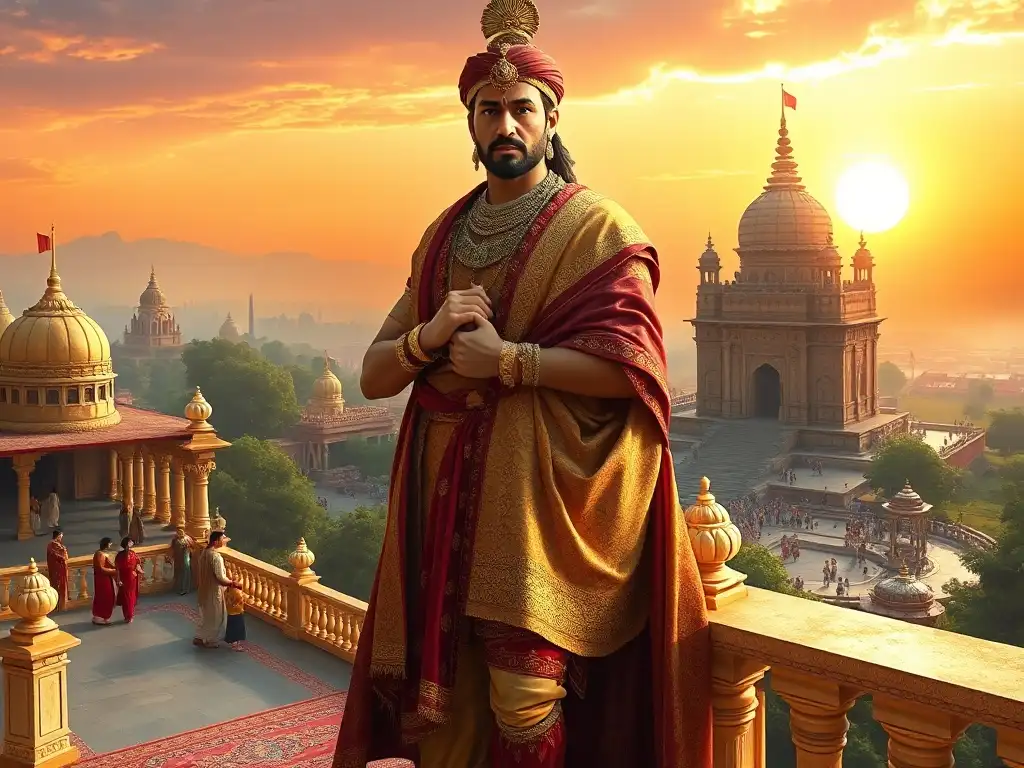
Welcome to Ancient India History, where we embark on a journey through the rich and diverse tapestry of ancient Indian civilizations. In our featured article, “Chandragupta Maurya: The Unifier of Diverse Cultures in Ancient India,” we delve into the pivotal role played by Chandragupta Maurya in the cultural unification of a land teeming with distinct traditions and peoples.
How did this remarkable leader shape the very foundation of a unified culture that would influence generations? Join us as we uncover the fascinating stories and contributions of this key historical figure, inviting you to explore the profound legacy that remains relevant today.
Introduction to Chandragupta Maurya
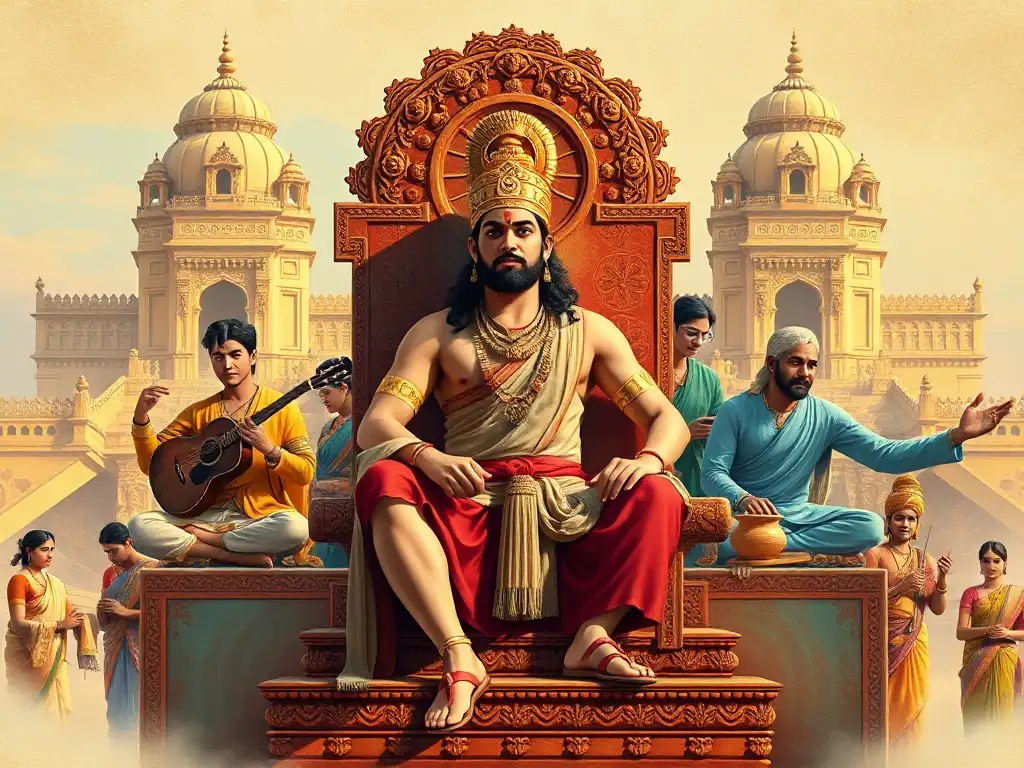
Chandragupta Maurya stands as one of the most significant figures in ancient Indian history, renowned for his pivotal role in unifying diverse cultures across the Indian subcontinent. His leadership not only laid the foundation for one of India’s greatest empires but also fostered a sense of identity among the multitude of ethnicities and traditions that existed during his time.
With the Maurya Empire, Chandragupta transcended regional boundaries, merging various customs and practices into a cohesive cultural framework that would influence the region for centuries. This article delves into the life of Chandragupta Maurya and the cultural unification he orchestrated, exploring the historical context that shaped his reign and the lasting impact of his contributions.
Overview of Chandragupta Maurya's Life and Era
Chandragupta Maurya was born around 340 BCE in a humble family in present-day Bihar, India. His ascent to power began with the guidance of his mentor, Chanakya, a learned Brahmin and strategist, who recognized his potential to challenge the existing political order. Together, they embarked on a campaign to overthrow the Nanda Dynasty, which ruled much of northern India.
By 321 BCE, Chandragupta successfully established the Maurya Empire, marking the beginning of a new era characterized by political stability and cultural integration. Under his rule, the empire expanded rapidly, encompassing regions from Bengal in the east to Afghanistan in the west. His reign is often celebrated for its administrative innovations, including the establishment of a centralized government and a sophisticated taxation system.
Chandragupta’s era also witnessed the advent of cultural and intellectual advancements, as trade flourished and interactions among diverse communities increased. His policies encouraged religious tolerance, promoting an atmosphere where various beliefs and practices could coexist harmoniously.
Importance of Cultural Unification in Ancient India
Cultural unification during Chandragupta Maurya's reign was not merely a political necessity; it was a profound transformation that reshaped societal structures across the Indian subcontinent. By integrating various cultures, languages, and traditions, he fostered a sense of unity among the people, which was crucial in a region characterized by its ethnic diversity.
The cultural policies implemented by Chandragupta contributed to the emergence of a shared identity, facilitating communication and trade among different communities. This unification led to the exchange of ideas and artistic expressions, enriching the cultural tapestry of ancient India. The resulting synergy laid the groundwork for subsequent dynasties, particularly the Gupta Empire, which would further consolidate and expand upon these cultural integrations.
The Historical Context of Chandragupta Maurya
Understanding the significance of Chandragupta Maurya's cultural unification requires a deep dive into the historical context of his time, marked by fragmentation and diversity across the Indian subcontinent.
The Fragmentation of Indian Subcontinent before Maurya
Before the rise of the Maurya Empire, the Indian subcontinent was a mosaic of small kingdoms and tribal confederations, often engaged in conflicts. This fragmentation hindered economic growth and cultural exchange, as regional powers focused on their local interests rather than fostering a sense of collective identity. The diverse cultures, languages, and religious practices often led to misunderstandings and hostilities between neighboring states.
Chandragupta's ability to unify these diverse factions was pivotal in establishing a more cohesive political entity. His conquests not only subdued rival states but also integrated their cultures into a larger Mauryan identity.
Influence of Pre-Mauryan Empires on Cultural Diversity
The cultural landscape of ancient India was significantly shaped by pre-Mauryan empires, such as the Magadha and the Nanda. These dynasties contributed to the rich tapestry of Indian culture, introducing various administrative practices, religious philosophies, and artistic traditions. However, their rule was often marked by regional dominance rather than inclusive governance.
Chandragupta Maurya adeptly harnessed these influences, blending the strengths of previous empires while promoting a unified cultural ethos. His reign marked a departure from the previous model of governance, as he sought not only to rule but to integrate and harmonize the diverse cultures within his empire. This approach laid the groundwork for a remarkable cultural synthesis that would define ancient India for generations to come.
Chandragupta Maurya’s Role in Cultural Unification
Chandragupta Maurya is often heralded as a pivotal figure in the cultural unification of ancient India. Ascending to power around 322 BCE, he founded the Maurya Empire, which marked a significant turning point in Indian history. His reign not only consolidated various regional kingdoms but also established a centralized administration that facilitated the integration of diverse cultures, languages, and traditions across the vast subcontinent.
Chandragupta's vision was to create a unified Indian identity that transcended local affiliations, which was crucial given the fragmented nature of the Indian states at the time. By incorporating various ethnic groups and cultures into his empire, he laid the groundwork for a more cohesive and harmonious society. This unification was instrumental in fostering a sense of belonging among the people, ultimately leading to a flourishing of trade, culture, and governance.
Strategies Employed by Chandragupta for Unification
Chandragupta Maurya employed a range of strategies to achieve cultural unification across his empire. One of the most effective was the establishment of a strong centralized government, which allowed for the standardization of laws and practices. This administrative framework not only facilitated governance but also promoted a sense of order and stability.
- Military Conquests: Chandragupta initially expanded his territories through military conquests, subduing local rulers and integrating their domains into his empire. This approach not only expanded his influence but also brought various cultures under a common rule.
- Diplomatic Alliances: Alongside military strategies, Chandragupta formed strategic alliances with other kingdoms. These diplomatic efforts helped to integrate diverse cultural elements into his empire, promoting both cooperation and mutual respect among different groups.
- Infrastructure Development: The construction of roads, irrigation systems, and urban centers enabled better communication and trade. This infrastructure facilitated cultural exchange and interaction among the diverse populations of the Maurya Empire.
The Role of Chanakya in Cultural Integration
Chanakya, also known as Kautilya, played a critical role in Chandragupta Maurya's efforts for cultural unification. As a philosopher, strategist, and advisor, Chanakya was instrumental in shaping the policies and ideologies of the Mauryan Empire. His contributions can be seen in several key areas:
- Political Philosophy: Chanakya’s seminal work, the Arthashastra, laid the foundations for statecraft and governance, emphasizing the importance of a well-structured administration. His insights into political management helped create a stable environment conducive to cultural integration.
- Promotion of Trade and Economy: Recognizing the importance of a prosperous economy in fostering cultural ties, Chanakya encouraged trade across different regions. This economic interdependence facilitated cultural exchanges, as merchants and traders brought with them diverse practices and ideas.
- Educational Reforms: Chanakya also advocated for the establishment of educational institutions, which played a crucial role in disseminating knowledge and fostering a shared cultural identity among the empire's subjects.
Contributions to Indian Society and Culture
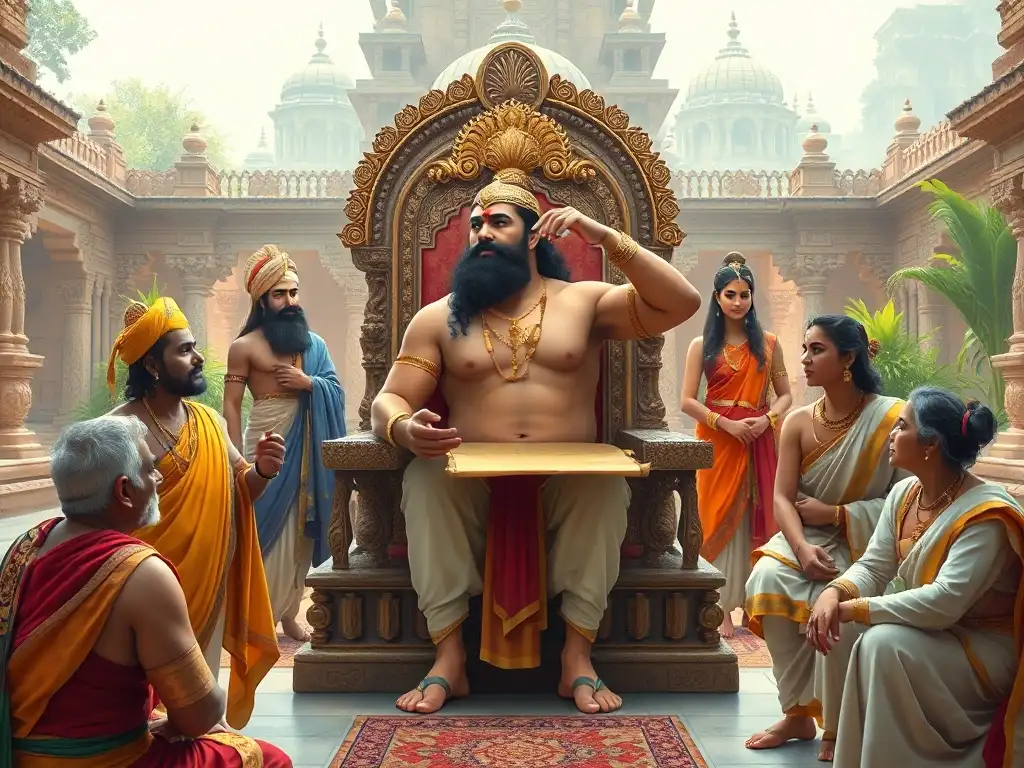
Chandragupta Maurya's reign marked a transformative period in ancient Indian history, characterized by significant contributions to society and culture that have had a lasting impact on the Indian subcontinent.
Economic Reforms and Trade Expansion
One of Chandragupta’s most notable contributions was his focus on economic reforms and trade expansion. He recognized that a robust economy was essential for a unified state and implemented several policies to stimulate economic growth:
- Standardization of Weights and Measures: This reform facilitated trade and commerce by ensuring fairness and transparency in transactions, which encouraged merchants from different regions to engage in trade.
- State Control of Key Industries: Chandragupta established state monopolies over certain industries, such as textiles and mining, which helped regulate production and stabilize prices. This control not only boosted the economy but also unified various regions under a common economic framework.
- Infrastructure Development: The Mauryan Empire saw significant investments in infrastructure, including road networks and trade routes. These developments enhanced connectivity and allowed for the smooth movement of goods and cultural exchange across regions.
Promotion of Arts and Literature during the Mauryan Era
Chandragupta Maurya's reign also witnessed a flourishing of arts and literature, contributing to the rich cultural tapestry of ancient India. This promotion of the arts reflected the empire's commitment to cultural unification:
- Patronage of Artists and Scholars: The Mauryan court became a hub for artists, poets, and scholars. Chandragupta’s patronage encouraged the creation of significant literary and artistic works that blended various cultural influences.
- Architectural Achievements: The construction of stupas and monasteries, such as the Sanchi Stupa, reflected the artistic innovations of the time. These structures not only served religious purposes but also became symbols of the empire's cultural identity.
- Cultural Exchange: The expansion of the Mauryan Empire facilitated interactions among different cultures, leading to the synthesis of diverse artistic styles and literary traditions. This cultural exchange enriched the artistic landscape of ancient India.
Religious Tolerance and Cultural Syncretism
Chandragupta Maurya’s policies reflected a deep commitment to religious tolerance and cultural syncretism, which was vital for maintaining harmony among the diverse populations of his empire.
- Support for Multiple Religions: Chandragupta’s administration recognized the importance of various faiths, including Hinduism, Buddhism, and Jainism. This inclusivity fostered a spirit of coexistence and mutual respect among different religious communities.
- Promotion of Buddhist Ideals: Although initially a follower of Jainism, Chandragupta later embraced Buddhism under the influence of his grandson Ashoka. The promotion of Buddhist principles, such as non-violence and compassion, further encouraged cultural integration.
- Cultural Festivals and Events: By endorsing and participating in various cultural festivals, Chandragupta helped to cultivate a sense of shared identity among the diverse peoples of his empire. These events served as platforms for cultural exchange and collaboration, reinforcing the notion of unity in diversity.
Through these multifaceted efforts, Chandragupta Maurya not only unified diverse cultures but also laid the groundwork for a prosperous and harmonious society that thrived for centuries.
The Impact of Chandragupta Maurya's Reign on Future Generations
Chandragupta Maurya's reign marked a pivotal moment in Indian history, establishing a foundation for cultural and political unity that would resonate for generations. His efforts in unifying the diverse regions of India under a centralized governance system enabled the emergence of a cohesive identity, transcending the myriad of local cultures and traditions. This unification was not merely political; it laid the groundwork for significant advancements in trade, agriculture, and the arts, fostering an environment where cultural exchanges flourished.
The Mauryan Empire's extensive administrative framework and efficient taxation system contributed to economic stability, which in turn encouraged the exchange of ideas and practices among different communities. The establishment of a common currency and trade routes further facilitated interactions, making it possible for future generations to build upon these economic foundations. As a result, Chandragupta’s reign did not just unify his contemporaries but also provided a model for governance and cultural integration that would inform future leaders and empires in India.
Legacy of Chandragupta Maurya in Unifying Diverse Cultures
Chandragupta's legacy as a unifier is deeply embedded in the historical narrative of India. By conquering and integrating various smaller kingdoms, he exemplified the power of inclusivity and mutual respect among diverse cultures. His alliance with notable figures, including the philosopher Chanakya, allowed him to adopt strategies that were sensitive to the varied customs and practices of the people he ruled.
The promotion of religious tolerance during his reign also played a crucial role in fostering unity. While he primarily followed Jainism, he respected and supported the coexistence of Hinduism and other beliefs, which helped to diminish sectarian strife. This approach not only solidified his rule but also encouraged future rulers to embrace cultural pluralism, leading to a rich tapestry of Indian culture that celebrated diversity while nurturing a shared national identity.
Influence on Subsequent Indian Dynasties and Empires
The impact of Chandragupta Maurya extended far beyond his reign, influencing numerous subsequent dynasties and empires in India. The Gupta Empire, which followed the Mauryan period, can be seen as a direct descendant of Chandragupta's vision. The Guptas adopted many administrative practices, cultural ideals, and economic systems established during the Mauryan Empire, further enhancing the theme of unity in diversity.
Additionally, the Mauryan model of governance inspired later rulers, such as the Cholas and the Mughals, who recognized the benefits of integrating various cultures and regions under a single administrative framework. The emphasis on art, literature, and architecture during the Mauryan period set a precedent that was emulated by later empires, leading to a flourishing of culture that drew upon the collective heritage of the Indian subcontinent. This lasting influence underscores the importance of Chandragupta's contributions to the cultural unification of ancient India.
Conclusion: The Enduring Legacy of Chandragupta Maurya
Chandragupta Maurya's legacy is a testament to the power of cultural unification in shaping societies. His ability to bring together diverse groups under a unified rule laid the groundwork for a rich cultural heritage that continues to influence modern India. The synthesis of various traditions, languages, and practices during his reign created a vibrant society that celebrated its diversity while promoting a sense of shared identity.
Reflection on the Importance of Cultural Unification in Ancient India
The cultural unification achieved by Chandragupta Maurya serves as an essential reflection on the importance of inclusivity in ancient India. This unification fostered not only political stability but also social cohesion, allowing different communities to thrive together. In an age where regional identities often clashed, Chandragupta's vision of a unified India demonstrated that diversity could be a source of strength rather than division.
The ramifications of this unification are evident in the continued evolution of Indian culture, which remains a complex interplay of various influences. By promoting dialogues among different communities, he encouraged an enduring legacy of collaboration and mutual respect that is vital for the progress of any society.
Lessons from Chandragupta Maurya’s Leadership for Modern Society
Chandragupta Maurya’s leadership offers timeless lessons for contemporary society, particularly regarding the benefits of cultural unification in a diverse world. His approach emphasizes the importance of dialogue, mutual respect, and the understanding of different cultural backgrounds as essential components for societal harmony.
In today's globalized world, where fragmentation and division often arise, the principles exemplified by Chandragupta can guide modern leaders in fostering inclusivity and collaboration. By embracing diversity and encouraging the blending of cultures, societies can create a more cohesive and prosperous environment. The legacy of Chandragupta Maurya serves as an enduring reminder of the strength that lies in unity, urging us to learn from the past as we navigate the complexities of the present and future.
- Introduction to Chandragupta Maurya
- The Historical Context of Chandragupta Maurya
- Chandragupta Maurya’s Role in Cultural Unification
- Contributions to Indian Society and Culture
- The Impact of Chandragupta Maurya's Reign on Future Generations
- Conclusion: The Enduring Legacy of Chandragupta Maurya
- What was the significance of Chandragupta Maurya in ancient Indian history?
- How did Chandragupta Maurya achieve cultural unification?
- What were the contributions of Chandragupta Maurya to Indian civilization?
- How did Chandragupta Maurya impact the governance of ancient India?
- What role did Chandragupta Maurya's successors play in cultural unification?
Frequently Asked Questions
What was the significance of Chandragupta Maurya in ancient Indian history?
Chandragupta Maurya played a pivotal role in the cultural unification of ancient India, establishing the Mauryan Empire and promoting administrative and economic integration across diverse regions.
How did Chandragupta Maurya achieve cultural unification?
Chandragupta Maurya achieved cultural unification through strategic alliances, military conquests, and the establishment of a centralized administration that facilitated trade and communication across his empire.
What were the contributions of Chandragupta Maurya to Indian civilization?
Chandragupta's reign led to the development of infrastructure, the spread of Buddhism, and the promotion of art and literature, which significantly enriched Indian culture and society.
How did Chandragupta Maurya impact the governance of ancient India?
He introduced a bureaucratic system that emphasized law and order, which laid the foundation for future governance in India and encouraged a sense of unity among diverse populations.
What role did Chandragupta Maurya's successors play in cultural unification?
His successors, especially Ashoka the Great, furthered the cultural unification by promoting Buddhism and non-violence, helping to solidify the values and practices that characterized the Mauryan Empire.
Final Reflection: The Legacy of Chandragupta Maurya's Cultural Unification
Chandragupta Maurya's journey as a unifier of diverse cultures in ancient India remains profoundly relevant today, as we navigate an increasingly fragmented world. His ability to bring together various ethnicities, languages, and traditions under a single empire serves as a powerful reminder of the strength found in unity amidst diversity. In a time when cultural polarization seems to dominate global discourse, his legacy challenges us to seek common ground and foster inclusivity.
The influence of Chandragupta Maurya's cultural unification extends far beyond the historical context; it resonates deeply within our contemporary social fabric. His efforts to integrate diverse communities laid the groundwork for a rich tapestry of cultural exchange that continues to shape Indian identity today. As Mahatma Gandhi once said, Unity, to be real, must stand the severest strain without breaking.
This sentiment echoes the importance of understanding and embracing our differences while working towards a collective vision, a principle that remains crucial in our ongoing quest for harmony.
As we reflect on the lessons from Chandragupta Maurya's life, let us consider how we can embody the spirit of cultural unification in our own lives. I invite you to explore the diversity within your community and seek opportunities to connect with others, fostering dialogue and understanding. By embracing the richness of our differences, we can create a more inclusive society that honors the legacy of unity that Chandragupta Maurya championed. Together, let us build bridges that celebrate our shared humanity and pave the way for a brighter, more harmonious future.
Embark on Your Journey to Ancient India’s Rich Heritage!
Thank you for exploring the fascinating story of Chandragupta Maurya and his pivotal role in unifying diverse cultures in ancient India. Your interest enriches your understanding of a period that laid the foundations for future generations. Now, let’s take that knowledge a step further!
- Dive deeper into the era by visiting your local library or an online resource to uncover more about influential figures in ancient Indian history.
- Join the conversation! Share your thoughts about Chandragupta Maurya and his impact on social harmony in ancient India on social media or in relevant online communities.
- Consider writing a short blog post or article reflecting on how cultural unity can be applied in today’s world and sharing it with your friends!
Which aspects of Chandragupta's legacy do you believe resonate most with the challenges we face in today’s diverse societies?