
The Fascinating Stories Behind Northern India's Historic Sites and Monuments

Welcome to Ancient India History, where we embark on a captivating journey through time, unraveling the intricate tapestry of India's ancient civilizations. In this exploration, we shine a spotlight on the historic sites in Northern India, each telling its own fascinating story of culture, innovation, and legacy. From the majestic ruins of the Indus Valley to the grandeur of the Gupta Empire, discover how these monumental treasures continue to shape our understanding of the past.
Are you ready to uncover the secrets that lie within these ancient walls? Dive into our article, "The Fascinating Stories Behind Northern India's Historic Sites and Monuments," and let the adventure begin!
Introduction to Historic Sites in Northern India
Northern India, a region steeped in rich traditions and vibrant history, is home to some of the most iconic historic sites and monuments in the world. From the majestic Taj Mahal to the towering Qutub Minar, these landmarks not only showcase the architectural brilliance of ancient civilizations but also serve as witnesses to the myriad stories and events that have shaped the cultural landscape of the subcontinent.
Understanding the significance of these historic sites is crucial for appreciating the intricate tapestry of Northern India's past, which spans thousands of years and encompasses diverse cultures, empires, and philosophies. This article delves into the fascinating narratives behind these monumental structures, highlighting their importance in the broader context of ancient Indian history.
Overview of Northern India's Rich History
Northern India has been a cradle of civilization since the dawn of human history. The region was home to the Indus Valley Civilization, one of the world's earliest urban cultures, characterized by advanced city planning, trade, and social organization. Following this period, the rise of powerful empires, such as the Maurya and Gupta dynasties, introduced significant advancements in governance, philosophy, and the arts.
- Key Historical Periods in Northern India:
- Indus Valley Civilization (c. 3300–1300 BCE)
- Maurya Empire (c. 322–185 BCE)
- Gupta Empire (c. 240–550 CE)
- Mughal Empire (c. 1526–1857 CE)
Each of these eras contributed to the development of Northern India's historic sites, where art, literature, and architecture flourished, reflecting the region's dynamic cultural evolution.
Importance of Historic Sites in Understanding Ancient Civilizations
Historic sites in Northern India serve as invaluable resources for historians and archaeologists, offering insights into the social, political, and religious dynamics of ancient civilizations. These monuments are not merely remnants of the past; they embody the values, beliefs, and experiences of the people who built and inhabited them.
- Benefits of Studying Historic Sites:
- Cultural Preservation: They help preserve the unique cultural heritage and traditions.
- Education and Research: They provide a basis for scholarly research and public education.
- Tourism and Economy: They attract tourists, contributing to the local and national economy.
By exploring these sites, we can gain a deeper understanding of the interconnectedness of cultures and the legacies that continue to influence contemporary society.
Major Historic Sites in Northern India
The Taj Mahal: A Symbol of Love and Architecture
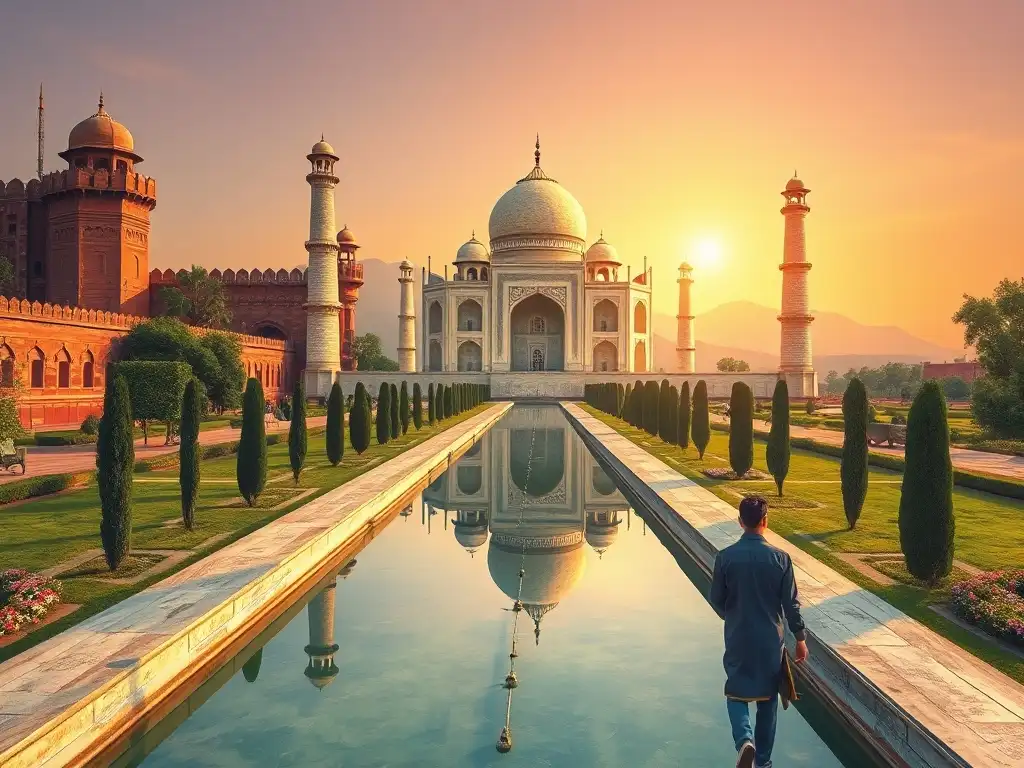
The Taj Mahal, located in Agra, is arguably the most famous monument in India and a UNESCO World Heritage Site. Commissioned by Mughal Emperor Shah Jahan in memory of his beloved wife, Mumtaz Mahal, this stunning mausoleum is celebrated for its architectural beauty and intricate craftsmanship.
- Key Features:
- Material: Constructed from luminous white marble.
- Design: Exemplifies Mughal architecture, combining elements from Persian, Islamic, and Indian styles.
- Symbolism: Represents eternal love and devotion.
The Taj Mahal attracts millions of visitors each year, making it a vital part of India's cultural identity.
Qutub Minar: A Tower of Victory
Standing tall in Delhi, the Qutub Minar is another remarkable historic site in Northern India. This towering structure, measuring 73 meters, is the tallest brick minaret in the world and a UNESCO World Heritage Site. It was built in the 12th century to celebrate the victory of Qutb al-Din Aibak.
- Key Features:
- Architecture: A stunning example of Indo-Islamic architecture with intricate carvings.
- Historical Significance: Represents the beginning of Muslim rule in India.
- Cultural Heritage: The surrounding complex also features several other ancient structures, including the Quwwat-ul-Islam Mosque.
The Qutub Minar not only serves as a monument of victory but also as a symbol of the rich cultural fusion that characterizes Northern India's history.
Red Fort: The Heart of Mughal Power
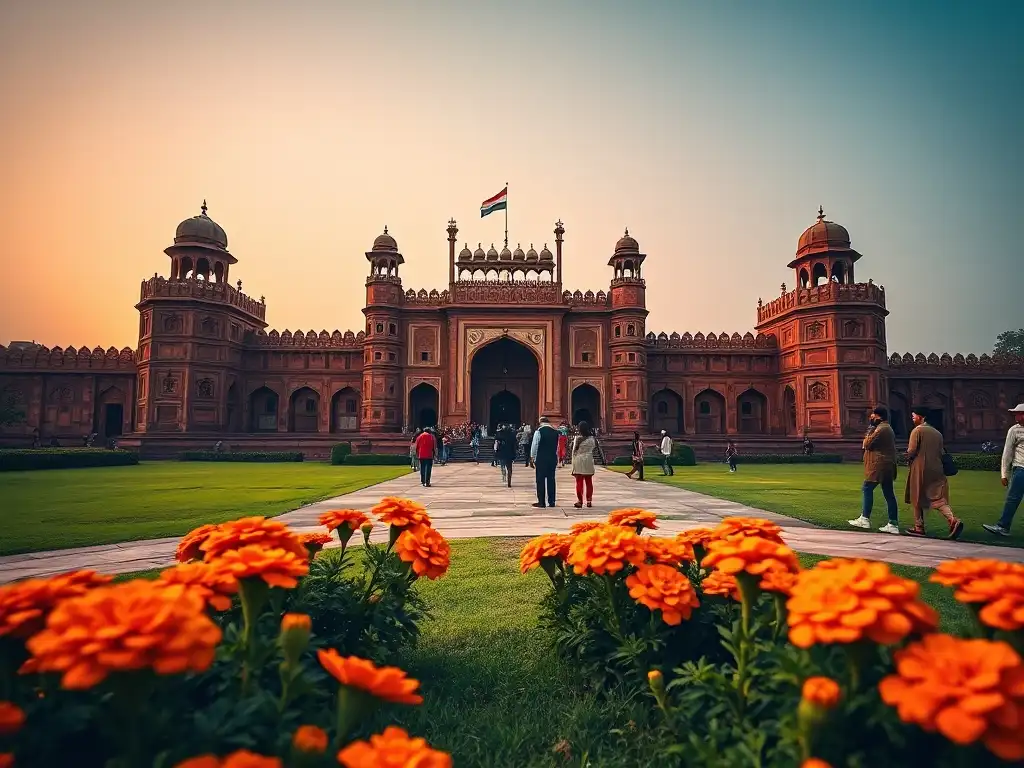
The Red Fort, another UNESCO World Heritage Site, is a magnificent fortification that served as the main residence of Mughal emperors for nearly 200 years. Located in Delhi, it is a powerful symbol of India's rich history and architectural prowess.
- Key Features:
- Material: Built from red sandstone, giving it a distinct appearance.
- Design: A blend of Persian, Timurid, and Indian architectural styles.
- Cultural Importance: The site of India's first Prime Minister's speech on Independence Day.
The Red Fort continues to be a focal point for national celebrations and serves as a reminder of India's historical struggles and achievements.
The historic sites of Northern India not only reflect the architectural grandeur of ancient civilizations but also encapsulate the rich stories and cultural heritage that have shaped the region over millennia.
Lesser-Known Historic Monuments in Northern India
Northern India is home to a plethora of historic sites that often go overlooked in favor of more famous attractions such as the Taj Mahal or Jaipur's forts. However, these lesser-known monuments offer rich narratives and insights into the region's diverse history. From stunning architecture to inscriptions that tell stories of bygone eras, these sites deserve recognition for their cultural and historical significance. Here are two noteworthy examples:
Fatehpur Sikri: The Abandoned City of Akbar
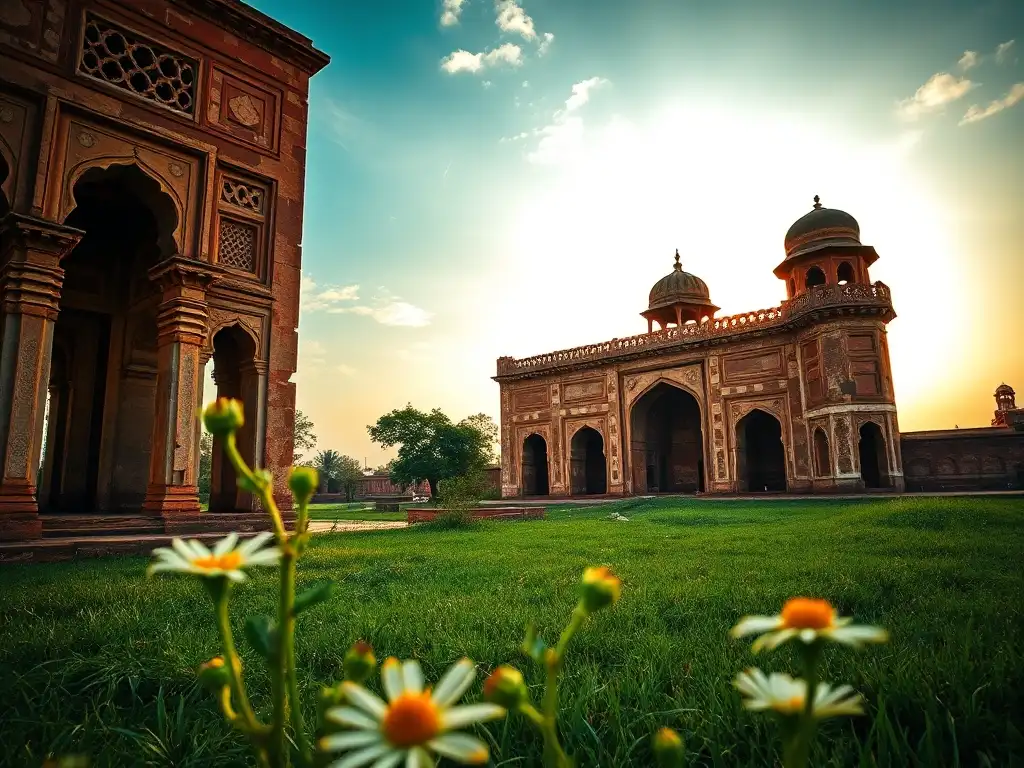
Fatehpur Sikri, located just outside Agra, was once the thriving capital of the Mughal Empire under Emperor Akbar in the late 16th century. Built in red sandstone, this UNESCO World Heritage site is an architectural marvel that reflects a blend of various cultural influences, including Persian, Hindu, and Islamic styles.
The city was constructed as a tribute to the Sufi saint Sheikh Salim Chishti, who prophesied the birth of Akbar's son, Jahangir. Fatehpur Sikri is renowned for its stunning structures, including the Buland Darwaza, one of the largest gateways in the world, and the Jama Masjid, which showcases intricate carvings and beautiful domes.
Despite its grandeur, Fatehpur Sikri was abandoned after just 14 years due to water scarcity and shifting political priorities. Today, it stands as a poignant reminder of the Mughal Empire's splendor and its ultimate decline, attracting historians and tourists alike who seek to understand its historical significance.
Hampi: Ruins of a Forgotten Empire
Hampi, a UNESCO World Heritage site located in Karnataka, is famous for its spectacular ruins that date back to the Vijayanagara Empire (14th to 17th centuries). Although a bit more southern than the traditional Northern India context, its influence on the region's history is undeniable. The site is dotted with impressive temples, palaces, and market streets that once buzzed with life.
One of Hampi's most iconic structures is the Virupaksha Temple, which boasts a towering gopuram (gateway) adorned with intricate sculptures. The ruins of the Royal Enclosure, complete with the majestic Mahanavami Dibba, reveal the grandeur of the empire's former capital.
Hampi's landscape, marked by boulder-strewn hills and lush greenery, creates a dramatic backdrop for its historical sites. The stories of its rise and fall echo through the centuries, offering insights into the socio-political dynamics of the time and the architectural brilliance that characterized the period.
Cultural Significance of Northern India's Historic Sites
Northern India's historic sites are not merely remnants of the past; they are vibrant symbols of cultural identity and heritage. The stories, architecture, and artistry encapsulated in these monuments reflect the diverse civilizations that have thrived in the region, influencing not only local traditions but also shaping broader cultural narratives.
Influence of Ancient Civilizations on Modern Culture
The historic sites of Northern India serve as a testament to the ingenuity and creativity of ancient civilizations. From the sophisticated urban planning of the Indus Valley Civilization to the intricate artistry of Mughal architecture, these sites continue to inspire contemporary culture.
For instance, traditional crafts and architectural styles have roots in these historic periods, influencing modern Indian art and design. Festivals and rituals often draw on historical narratives tied to these monuments, creating a continuity that keeps the past alive in the present.
Preservation and Conservation Efforts for Historic Sites
The preservation of Northern India's historic sites is crucial to maintaining their cultural integrity and significance. Various governmental and non-governmental organizations are actively involved in conservation efforts, aiming to restore and protect these monuments from the ravages of time, pollution, and neglect.
Innovative techniques such as scientific restoration, community engagement, and sustainable tourism practices are being employed to ensure that these sites not only survive but thrive. Education and awareness campaigns play a vital role in fostering a sense of ownership among local communities, encouraging them to protect their heritage.
Role of Historic Sites in Tourism and Education
Historic sites in Northern India are key drivers of tourism, attracting millions of visitors each year. They provide a unique opportunity for tourists to engage with the history and culture of the region, contributing significantly to the local economy.
Moreover, these sites serve as important educational resources. Schools and universities often organize field trips to these monuments, allowing students to learn firsthand about the rich history and cultural legacy of their country. Workshops, guided tours, and interactive exhibits enhance the educational experience, fostering a deeper appreciation for India's heritage among future generations.
Northern India's historic sites are treasures that encapsulate the region's rich history and cultural diversity. From lesser-known monuments like Fatehpur Sikri and Hampi to the ongoing efforts to preserve and promote these sites, their significance continues to resonate in modern times.
The Architectural Evolution of Historic Sites in Northern India
The architectural evolution of historic sites in Northern India reflects a rich tapestry of cultural influences, artistic expressions, and technological advancements over centuries. Starting as early as the Indus Valley Civilization, where urban planning and drainage systems were remarkably sophisticated, the foundations of Northern India's architectural legacy were laid. The monumental structures of later periods, such as temples, forts, and palaces, showcase the amalgamation of various regional styles, materials, and techniques.
The Mauryan Empire (322-185 BCE) marked a significant phase in architectural development, with the construction of stupas and pillars exemplifying the grandeur of Buddhist architecture. Ashoka's edicts, inscribed on stone, offered a glimpse into the socio-political landscape of the time. Following this, the Gupta Empire (approximately 240-550 CE) ushered in a golden age of arts and architecture, characterized by intricate temple designs and the use of local materials, reflecting the burgeoning Hindu revival.
As the centuries progressed, influences from Islamic architecture began to permeate the region, particularly during the Delhi Sultanate and Mughal Empire. This era introduced features such as domes, minarets, and intricate inlay work, melding with indigenous styles to create iconic structures like the Taj Mahal and Red Fort. The architectural evolution of Northern India is not just a timeline of styles; it is an ongoing dialogue between cultures, religions, and philosophies that continue to resonate today.
Key Architectural Styles and Their Influences
Northern India's historic sites are characterized by several key architectural styles, each rooted in cultural and religious contexts.
- Indo-Aryan Architecture: Emerging during the early periods, this style is marked by the construction of temples with intricate carvings and shikhara (spires). Notable examples include the temples of Khajuraho, which showcase the dynamism of this style.
- Buddhist Architecture: Exemplified by stupas and monasteries, this style reached its zenith during the Mauryan and post-Mauryan periods. The Sanchi Stupa stands as a testament to this architectural form, symbolizing peace and enlightenment.
- Islamic Architecture: The arrival of Muslim rulers in the 12th century introduced new elements, such as arches, domes, and intricate tile work. The Red Fort and Qutub Minar are prime examples of how Islamic styles adapted and integrated with local traditions.
- Mughal Architecture: This style represents a fusion of Persian and Indian aesthetics, characterized by grand structures, elaborate gardens, and symmetrical layouts. The Taj Mahal, with its stunning white marble and intricate inlays, epitomizes the pinnacle of Mughal architecture.
- Colonial Architecture: The British colonial period brought a new architectural language, blending Victorian styles with Indian elements. Structures such as the Victoria Memorial in Kolkata illustrate this unique hybridization.
Each of these styles has left an indelible mark on Northern India's landscape, offering a reflection of the region's historical context and cultural diversity.
How Historical Events Shaped Monumental Architecture
The monumental architecture of Northern India has been profoundly shaped by historical events that have influenced its design, function, and significance.
- Empires and Dynasties: Each ruling dynasty brought its architectural vision. The Mauryan Empire focused on Buddhist stupas, while the Gupta period emphasized Hindu temple architecture, reflecting the prevailing religious and cultural ethos.
- Religious Movements: The rise of Bhakti and Sufi movements led to the construction of various religious structures, including temples and mosques, fostering a spirit of syncretism and communal harmony.
- Colonial Rule: The British colonial period saw the construction of administrative buildings that reflected power dynamics and governance. This era's architecture often served as a tool for asserting colonial identity while incorporating local motifs.
- Independence Movement: Post-independence, there has been a renewed focus on preserving and celebrating indigenous architectural styles. Historic sites have become symbols of national pride and cultural heritage, inspiring movements aimed at conservation.
These historical events have not only influenced the physical characteristics of monuments but have also imbued them with narratives of resilience, identity, and cultural synthesis.
Conclusion: The Enduring Legacy of Northern India's Historic Sites
The enduring legacy of Northern India's historic sites is a testament to the region's rich historical narrative and cultural heritage. These sites serve as repositories of knowledge, reflecting the evolution of society, art, and architecture over millennia. They invite visitors to engage with the past, fostering a deeper appreciation for the complexities of human civilization.
Reflection on the Importance of Preserving History
Preserving Northern India's historic sites is essential for maintaining the continuity of cultural identity and heritage. These monuments not only offer insights into architectural innovations and artistic expressions but also serve as reminders of the shared history that binds communities together. Conservation efforts are crucial in protecting these irreplaceable treasures from the ravages of time, urbanization, and neglect. By safeguarding these sites, we honor the achievements of our ancestors and ensure that future generations can learn from their legacy.
Call to Action: Exploring and Learning from Historic Sites in Northern India
We encourage everyone to explore and learn from the historic sites in Northern India. Whether you are a history enthusiast, an architecture lover, or simply curious, visiting these monuments can provide a profound connection to the past. Participate in guided tours, engage with local historians, and immerse yourself in the stories that these sites have to tell. By doing so, you contribute to the preservation of these cultural treasures and the promotion of heritage tourism, ensuring that the rich history of Northern India continues to inspire and educate for generations to come.
- Introduction to Historic Sites in Northern India
- Overview of Northern India's Rich History
- Importance of Historic Sites in Understanding Ancient Civilizations
- Major Historic Sites in Northern India
- Lesser-Known Historic Monuments in Northern India
- Cultural Significance of Northern India's Historic Sites
- The Architectural Evolution of Historic Sites in Northern India
- Conclusion: The Enduring Legacy of Northern India's Historic Sites
- What are some notable historic sites in Northern India?
- How do historic sites in Northern India reflect its ancient civilizations?
- What is the importance of preserving historic sites in Northern India?
- How can visitors experience the stories behind historic sites?
- Are there any lesser-known historic sites worth visiting in Northern India?
Frequently Asked Questions
What are some notable historic sites in Northern India?
Northern India boasts several historic sites, including the Taj Mahal, Red Fort, and the ancient city of Varanasi, each rich in cultural significance and architectural beauty.
How do historic sites in Northern India reflect its ancient civilizations?
These sites showcase the architectural styles and cultural practices of ancient civilizations, such as the Indus Valley and the Gupta Empire, highlighting their contributions to art, science, and philosophy.
What is the importance of preserving historic sites in Northern India?
Preserving these sites is crucial for maintaining cultural heritage, promoting tourism, and facilitating educational opportunities that allow future generations to learn about India's rich history.
How can visitors experience the stories behind historic sites?
Visitors can engage in guided tours, participate in cultural festivals, and explore museums that provide in-depth insights into the historical significance and narratives of these monumental sites.
Are there any lesser-known historic sites worth visiting in Northern India?
Yes, sites like the Chand Baori stepwell in Abhaneri and the ancient ruins of Nalanda University offer unique glimpses into India's historical diversity and are often less crowded than more famous landmarks.
Final Reflection: The Enduring Legacy of Northern India's Historic Sites
The rich tapestry of history woven through Northern India's historic sites and monuments continues to resonate with us today, reminding us of the profound narratives that shape our cultural identity. These sites are not merely relics of the past; they are vibrant storytellers that connect generations, offering insights into the triumphs and tribulations of those who came before us. As we explore these remarkable locations, we uncover the essence of resilience and creativity that defines the human experience.
The influence of these historic sites extends far beyond their physical presence; they play a pivotal role in shaping our cultural and social landscape. Each monument stands as a testament to the artistry, ingenuity, and spirit of the people who built them. The stories they tell encourage us to reflect on our own lives and the legacies we wish to leave behind. As Mahatma Gandhi once said, A nation's greatness is measured by how it treats its weakest members.
This sentiment resonates deeply as we consider the importance of preserving these sites for future generations, ensuring that their stories continue to inspire and educate.
As you contemplate the significance of Northern India's historic sites, I invite you to take a moment to reflect on your own journey. How can you contribute to the preservation of history in your community? Whether through advocacy, education, or simply sharing the stories of these magnificent sites, your actions can help keep the spirit of these monuments alive. Embrace the opportunity to explore, learn, and share, for in doing so, you become a part of the ongoing narrative that connects us all to our shared heritage.
Unveil the Rich Heritage of Northern India Today!
Thank you for taking the time to explore the fascinating stories behind Northern India's historic sites and monuments. Your interest in history not only enriches your knowledge but also helps revive the vibrant tales that have shaped our past. Now, let’s take the next step together!
Here’s how you can dive deeper into this incredible journey:
- Plan a visit to a nearby historic site: Experience the culture firsthand by exploring local monuments. Don’t forget to capture your adventure!
- Share your newfound knowledge: Discuss what you've learned with friends or on social media to ignite curiosity about Northern India's rich heritage.
- Join a local history group or book club: Engage with like-minded enthusiasts to uncover even more stories and share unique insights about India's past.
Which historic site are you most excited to visit and why? We would love to hear your thoughts in the comments!