
The Legacy of the Kushan Empire: Bridging Cultures in Northern India


Welcome to Ancient India History, where we embark on a journey through the fascinating tapestry of ancient Indian civilizations. Today, we delve into the Kushan Empire, a remarkable period that not only shaped the cultural landscape of Northern India but also fostered a unique blend of influences from various regions. In our featured article, "The Legacy of the Kushan Empire: Bridging Cultures in Northern India," we uncover the empire's profound cultural contributions that resonate through time.
Get ready to explore how this powerful dynasty played a pivotal role in the evolution of art, religion, and trade, and discover the legacies that continue to inspire modern India. Join us as we unravel the stories that define our shared heritage!
- Introduction to the Kushan Empire
- Historical Context of the Kushan Empire
- Cultural Contributions of the Kushan Empire
- Religious Syncretism in the Kushan Empire
- Economic Contributions of the Kushan Empire
- The Legacy of the Kushan Empire
- Conclusion
-
Frequently Asked Questions
- What were the key cultural contributions of the Kushan Empire?
- How did the Kushan Empire influence trade in ancient India?
- What role did the Kushan Empire play in the spread of Buddhism?
- How did the Kushan Empire contribute to art and architecture?
- What was the significance of the Silk Road during the Kushan Empire?
- Final Reflection: The Enduring Legacy of the Kushan Empire's Cultural Contributions
- Unveil the Rich Heritage of the Kushan Empire!
Introduction to the Kushan Empire
The Kushan Empire, flourishing between the 1st and 3rd centuries CE, stands as a pivotal chapter in the history of Northern India. As a formidable power that encompassed vast territories stretching from present-day Afghanistan to northern India, the Kushans played a critical role in shaping the region's socio-political landscape. This empire emerged during a transformative period, characterized by the confluence of diverse cultures, religions, and trade practices.
The Kushan Empire is particularly renowned for its remarkable cultural contributions, which not only bridged various civilizations but also laid the groundwork for subsequent developments in art, religion, and commerce. In this article, we will explore the legacy of the Kushan Empire and delve into its enduring impact on Northern India, highlighting its role as a cultural melting pot that enriched the historical tapestry of the region.
Overview of the Kushan Empire
The Kushan Empire originated from the Yuezhi people, who migrated into the region after being displaced from their original homeland due to internal strife and external pressures. Under the leadership of significant rulers like Kujula Kadphises, Kanishka, and Huvishka, the empire expanded its influence through both military conquests and strategic alliances.
Key Features of the Kushan Empire
- Geographical Expansion: At its zenith, the Kushan Empire encompassed not only Northern India but also parts of Central Asia and the western territories of modern-day China.
- Political Structure: The empire was marked by a unique blend of local governance and centralized authority, allowing it to manage its diverse population effectively.
- Cultural Syncretism: The Kushan period saw a remarkable synthesis of Greek, Persian, and Indian elements, particularly in art and architecture.
Importance of Cultural Contributions in Northern India
The cultural contributions of the Kushan Empire were instrumental in fostering a rich and diverse heritage in Northern India. One of the most significant aspects of this legacy was the promotion of trade and cultural exchanges along the Silk Road, which facilitated the movement of ideas and goods across vast distances.
Notable Cultural Contributions
- Art and Sculpture: The Kushan period is celebrated for its exquisite Gandhara art, which blended Hellenistic styles with Indian themes. Notable sculptures include the iconic representations of Buddha and Bodhisattvas, which exemplify the fusion of cultural influences.
- Religion: The Kushans played a crucial role in the spread of Buddhism, particularly through the patronage of Emperor Kanishka, who convened the Fourth Buddhist Council. This led to the establishment of Mahayana Buddhism as a major religious force.
- Trade Networks: The Kushan Empire's strategic location made it a hub for trade, enhancing economic prosperity and cultural interactions. Remarkable trade routes facilitated the exchange of silk, spices, and precious stones, enriching the cultural fabric of the region.
The legacy of the Kushan Empire remains a testament to its crucial role in the development of Northern India's cultural landscape, serving as a bridge that connected various civilizations and laid the foundation for future cultural advancements.
Historical Context of the Kushan Empire
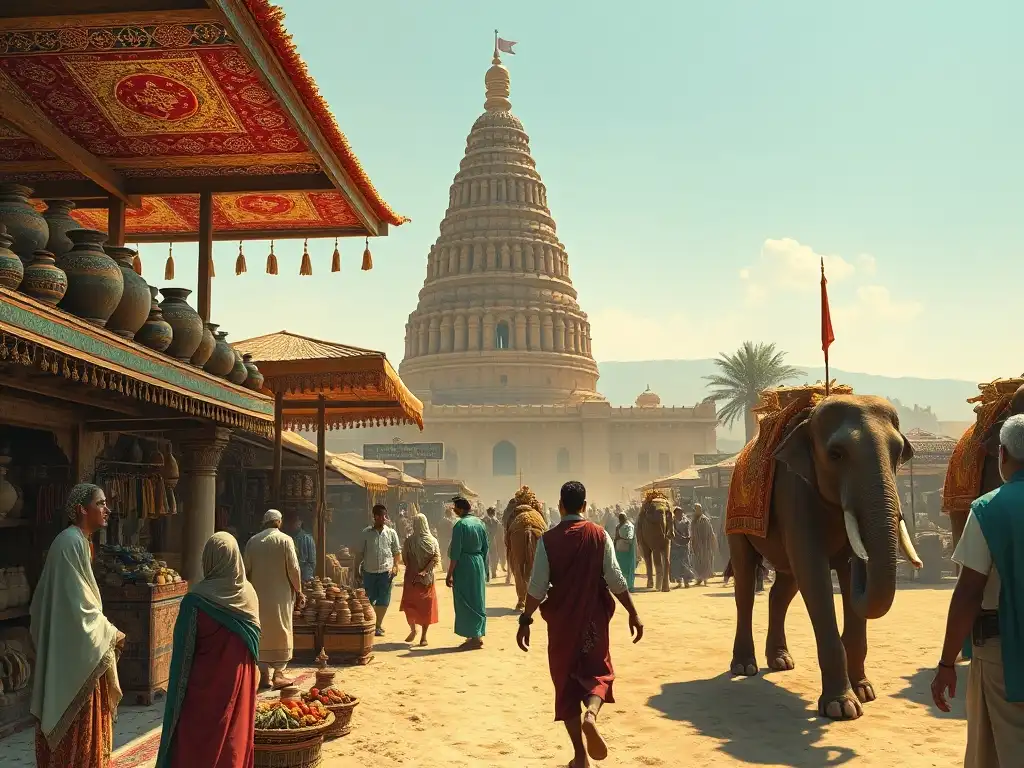
The Kushan Empire, which flourished between the 1st and 3rd centuries CE, represents a significant period in the history of Northern India. Emerging from the remnants of the Indo-Greek states, the Kushans played a pivotal role in connecting various cultures across the region. This era was marked by a unique blend of influences, including Hellenistic, Persian, and Indian traditions, which shaped the cultural and political landscape of Northern India.
Origins and Expansion of the Kushan Empire
The Kushan Empire originated from the Yuezhi tribes, who migrated from the Central Asian steppes. Initially, the Yuezhi were settled in the area near the Oxus River, which is present-day Afghanistan. With the decline of the Indo-Greek kingdoms, the Kushans seized the opportunity to establish their dominance in Northern India.
- Key Phases of Expansion:
- Conquest of Bactria: The Kushans expanded into Bactria around the 1st century CE, establishing a robust administrative structure.
- Invasion of the Indian Subcontinent: Under the leadership of Kanishka, the empire expanded further into present-day India, reaching significant cities like Mathura and Pataliputra.
- Cultural Syncretism: The Kushan rulers were instrumental in the cultural integration of various communities, encouraging trade and the exchange of ideas.
The Kushan Empire's strategic location along the Silk Road facilitated commerce between the East and West, enabling not only economic prosperity but also the influx of diverse cultural elements.
Key Figures in the Kushan Empire's History
The Kushan Empire is characterized by several prominent figures who contributed to its cultural and political legacy.
- Kanishka the Great (c. 127 – 150 CE):
- Often regarded as the most illustrious ruler of the Kushan Empire, Kanishka played a critical role in promoting Buddhism, leading to its expansion across Central Asia and into China.
- His reign is noted for the convening of the Fourth Buddhist Council in Kashmir, which solidified the doctrinal foundations of Mahayana Buddhism.
- Vasudeva I:
- Kanishka's successor, Vasudeva I, continued the policies of religious tolerance and cultural exchange. His rule helped stabilize the empire and fostered a climate of artistic and architectural development.
- Kanishka II:
- Following Vasudeva I, Kanishka II maintained the empire's influence but faced challenges, including internal strife and external invasions, which gradually weakened the Kushan hold over Northern India.
The actions and legacies of these rulers greatly influenced the cultural landscape of the region, promoting a unique synthesis of art, religion, and philosophy.
The Political Landscape of Northern India
The political landscape during the Kushan Empire was complex and dynamic, characterized by a mixture of centralized power and local autonomy.
- Administration:
- The Kushans established a highly organized administrative system, with a network of governors overseeing various provinces. This allowed for efficient tax collection and the enforcement of law and order.
- Diplomacy and Trade:
- The Kushan Empire engaged in diplomacy with neighboring powers, including the Sassanian Empire and various Central Asian states, which was vital for maintaining trade routes.
- The flourishing of trade during this period was facilitated by the empire's strategic positioning along the Silk Road, leading to economic prosperity and cultural exchanges.
- Cultural Integration:
- The Kushan rulers adopted elements from the cultures they encountered, including Greek, Persian, and Indian traditions, exemplified in the art and architecture of the period.
- The blending of these diverse influences is evident in the Gandhara art style, which emerged during the Kushan era, showcasing the synthesis of Hellenistic and Indian motifs.
The Kushan Empire's political framework not only facilitated its expansion but also laid the groundwork for subsequent dynasties in Northern India, leaving a lasting legacy that continues to be studied and appreciated today.
Cultural Contributions of the Kushan Empire

The Kushan Empire, which thrived between the 1st and 3rd centuries CE, left a profound impact on the cultural landscape of Northern India. This empire, known for its remarkable ability to blend various influences, played a pivotal role in shaping the region's art, architecture, literature, and language. The cultural contributions of the Kushan Empire were not only significant during its time but also laid the foundation for future developments in Indian civilization.
Art and Architecture of the Kushan Empire
The art and architecture of the Kushan Empire reflect a unique synthesis of different cultural influences, particularly Greco-Buddhist styles. This fusion is visible in various forms of art and architectural styles that emerged during this period.
Influence on Sculpture and Reliefs
The Kushan Empire is renowned for its exquisite sculpture and relief work, which showcases a blend of Indian, Hellenistic, and Persian artistic traditions. The sculptures often depicted Buddhist themes, with figures of the Buddha and bodhisattvas rendered in naturalistic styles.
- Key Features:
- Realism: The sculptures displayed an unprecedented level of realism and attention to detail.
- Iconography: Iconographic elements, such as the ushnisha (a topknot representing spiritual wisdom) and the halo around the Buddha, became standardized during this period.
- Material Use: Artists utilized a variety of materials, including stone, metal, and terracotta, leading to diverse artistic expressions.
One of the most significant sites showcasing Kushan sculpture is the Gandhara region, where sculptures often depicted the Buddha in a Greco-Roman style, characterized by draped clothing and expressive facial features.
Development of Stupas and Monasteries
The Kushan Empire also played a vital role in the construction and enhancement of stupas and monasteries, which became centers of worship and education.
- Stupa Architecture:
- Design Innovations: The stupas built during the Kushan period were larger and more ornate than their predecessors, featuring intricate carvings and decorative elements.
- Famous Sites: The stupa at Sanchi, although primarily from earlier periods, saw significant renovations and influences from Kushan architectural styles.
- Monastic Complexes:
- Monasteries as Cultural Hubs: Monasteries like those at Taxila and Bamiyan served not only as religious institutions but also as cultural and educational centers, facilitating the exchange of ideas and art.
Literature and Language Under the Kushan Empire
The Kushan Empire fostered an environment conducive to literary and linguistic developments, influencing the evolution of languages and the production of literature.
Sanskrit and Its Evolution
During the Kushan era, Sanskrit emerged as a prominent literary language, which was crucial for the dissemination of Buddhist texts and philosophical treatises.
- Sanskrit Literature:
- Buddhist Texts: Many Buddhist scriptures, including the Mahayana texts, were composed in Sanskrit, leading to its establishment as a scholarly language.
- Regional Dialects: The interaction between different cultures during the Kushan period also contributed to the evolution of regional dialects and the incorporation of local languages into literary practices.
Literary Works and Their Impact
The Kushan Empire witnessed the creation of notable literary works that have had a lasting impact on Indian literature and philosophy.
- Key Literary Contributions:
- Poetry and Drama: The era saw the emergence of poetic forms and dramatic texts, which enriched the cultural tapestry of the time.
- Philosophical Treatises: Scholars produced significant philosophical writings that explored themes of ethics, metaphysics, and spiritualism, contributing to India's rich intellectual heritage.
The Kushan Empire's cultural contributions significantly shaped the art, architecture, literature, and languages of Northern India. By bridging diverse cultures and fostering creativity, the Kushan Empire established a legacy that continues to influence Indian civilization to this day.
Religious Syncretism in the Kushan Empire

The Kushan Empire, which thrived from the 1st to the 3rd century CE, is renowned for its rich tapestry of cultural and religious influences. A hallmark of this period was the remarkable religious syncretism that emerged, blending elements from various traditions. This unique amalgamation was pivotal in shaping the spiritual landscape of Northern India, as the Kushans engaged with diverse faiths, fostering an environment of coexistence and mutual respect.
Buddhism and Its Flourishing
Spread of Buddhism in Northern India
Buddhism saw significant growth during the Kushan Empire, particularly due to the empire's strategic position along major trade routes. The Silk Road facilitated the movement of not only goods but also ideas and beliefs, allowing Buddhism to spread widely across Northern India and into Central Asia.
- Trade Routes: The Kushans controlled crucial sections of the Silk Road, which allowed Buddhist monks to travel and disseminate teachings. This mobility helped establish important monasteries and stupas, which became centers of learning and pilgrimage.
- Art and Iconography: The Kushan period witnessed the emergence of specific Buddhist art styles, such as the Gandhara school, characterized by its unique blend of Hellenistic and Indian artistic traditions. The depiction of the Buddha in human form became prominent during this time, influencing the subsequent representations of Buddhist iconography.
The Role of the Kushan Kings in Buddhism
The Kushan kings, particularly Kanishka I, played a transformative role in the promotion of Buddhism. Kanishka's reign marked a golden age for the religion through various patronage and political support.
- Royal Patronage: Kanishka is often credited with convening the Fourth Buddhist Council, which aimed to standardize Buddhist teachings and texts. His support for the monastic community led to substantial developments in Buddhist philosophy and practice.
- Cultural Contributions: The Kushan rulers commissioned numerous stupas and monasteries, such as the famous stupa at Peshawar and the site at Taxila. These constructions not only served religious purposes but also became hubs for cultural exchange, attracting scholars from various regions.
Interaction with Other Religions
Hinduism and Zoroastrianism
The Kushan Empire was marked by significant interaction between Buddhism and other religions, notably Hinduism and Zoroastrianism. This interaction further enriched the cultural landscape of the time.
- Hindu Influences: The coexistence with Hinduism led to the emergence of syncretic practices. The Kushan emperors adopted Hindu titles and incorporated Hindu deities into their pantheon, illustrating a blending of beliefs.
- Zoroastrian Elements: The influence of Zoroastrianism, particularly from the west, is evident in Kushan art and architecture. The dualistic nature of Zoroastrian beliefs may have interacted with Buddhist philosophies, contributing to the development of unique religious practices.
Cultural Exchange with Greek and Central Asian Beliefs
The Kushan Empire's expansive reach included significant interactions with Greek and Central Asian cultures, leading to a vibrant exchange of ideas.
- Hellenistic Influences: Following the conquests of Alexander the Great, Greek culture significantly influenced the region. The representation of religious figures and motifs in Kushan art often reflects Hellenistic styles, merging local traditions with Greek aesthetics.
- Central Asian Traditions: The presence of Central Asian nomadic tribes within the empire facilitated the introduction of various beliefs and practices. This cultural exchange fostered a unique blend of traditions, evident in art, literature, and religious practices of the time.
The Kushan Empire's cultural contributions were characterized by a rich interplay of religious ideas and practices, fostering an environment where Buddhism flourished alongside other faiths. This period not only shaped the spiritual landscape of Northern India but also laid the groundwork for future cultural developments in the region.
Economic Contributions of the Kushan Empire
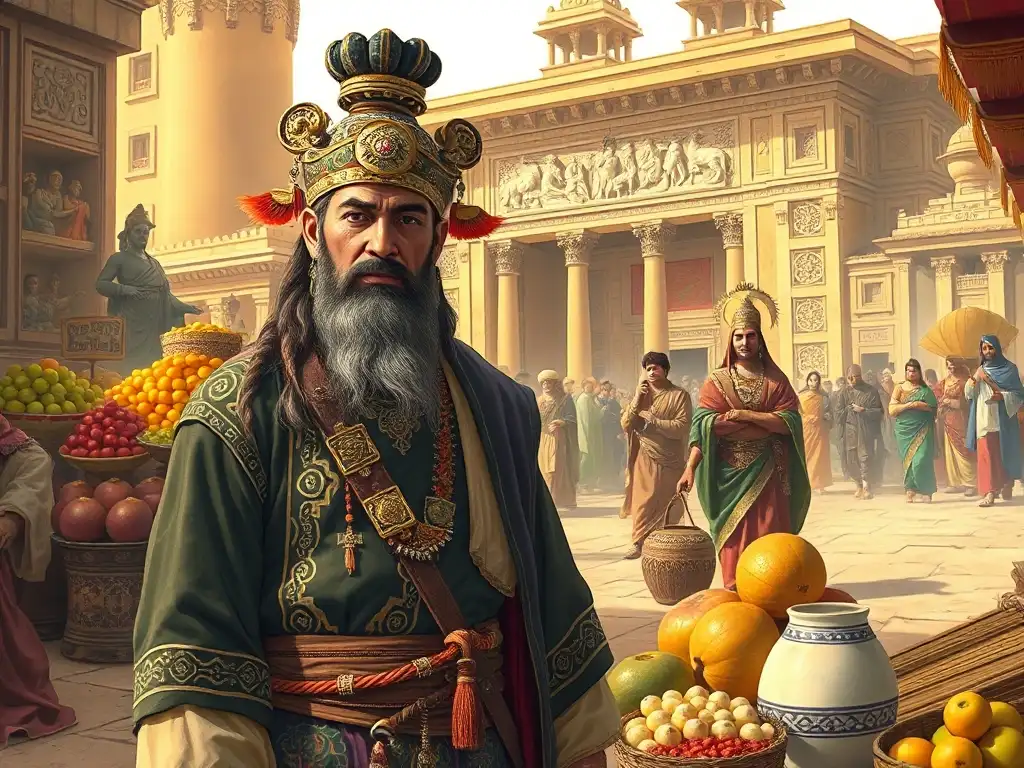
The Kushan Empire, flourishing between the 1st and 3rd centuries CE, is renowned not only for its political achievements but also for its significant economic contributions, particularly in the realm of trade and commerce. The Kushans adeptly navigated the complexities of economic integration, establishing a network that fostered cultural exchange and strengthened their influence across Northern India and beyond.
The economic landscape during the Kushan period was marked by the emergence of vibrant trade routes that connected various regions, facilitating the movement of goods, ideas, and cultures. This period is characterized by:
- Monetary Innovations: The Kushans were pioneers in minting gold coins, which played a crucial role in enhancing trade. Their currency featured intricate designs and inscriptions that reflected both cultural and artistic influences, thus promoting economic stability and trust among traders.
- Diverse Economic Activities: Beyond trade, the Kushans promoted agriculture, craftsmanship, and other industries, contributing to a robust economy that supported urbanization and the growth of cities.
Trade Networks Established by the Kushans
The Kushan Empire strategically exploited its geographical position to establish extensive trade networks that connected the Indian subcontinent with Central Asia, the Middle East, and even parts of Europe. Key aspects of these trade networks include:
- Overland Trade Routes: The Kushans expanded and secured important overland routes, particularly the ancient Silk Road, which facilitated the exchange of silk, spices, and precious stones. These routes enabled merchants from various cultures to interact, creating a melting pot of ideas and goods.
- Maritime Trade: In addition to overland routes, the Kushans recognized the importance of maritime trade. They utilized ports along the western coast of India to engage in trade with regions like the Roman Empire and Southeast Asia, enhancing their economic reach.
- Cultural Interactions: The trade networks not only allowed for the exchange of goods but also promoted a vibrant cultural dialogue. As traders from diverse backgrounds interacted, they exchanged philosophies, religions, and artistic styles, significantly enriching the cultural tapestry of the Kushan Empire.
The Role of the Silk Road in Cultural Exchange
The Silk Road played a pivotal role in the cultural exchange during the Kushan Empire, acting as a conduit for the transmission of ideas, art, and religion across vast distances. This ancient trade route facilitated:
- Spread of Buddhism: The Kushan Empire was instrumental in the spread of Buddhism beyond India into Central Asia and beyond. The interactions along the Silk Road allowed for the dissemination of Buddhist texts, art, and practices, which were adopted and adapted by various cultures, creating a shared spiritual heritage.
- Artistic Influences: The cultural exchange along the Silk Road significantly impacted Kushan art, leading to the development of a unique artistic style that blended Greco-Roman, Persian, and Indian elements. This is evident in the intricate sculptures and stupas that characterized Kushan art, which served not only religious purposes but also showcased the empire's wealth and cultural sophistication.
- Culinary and Agricultural Exchanges: The Silk Road also facilitated the exchange of agricultural practices and culinary traditions. New crops and farming techniques were introduced to the region, enhancing food security and diversity in diets across the empire.
The economic contributions of the Kushan Empire were profound, laying the groundwork for trade networks that not only bolstered their economy but also enriched the cultural landscape of Northern India through vibrant exchanges along the Silk Road. The legacy of the Kushan Empire's cultural contributions remains a significant chapter in the history of ancient India, exemplifying the interconnectedness of trade and culture.
The Legacy of the Kushan Empire
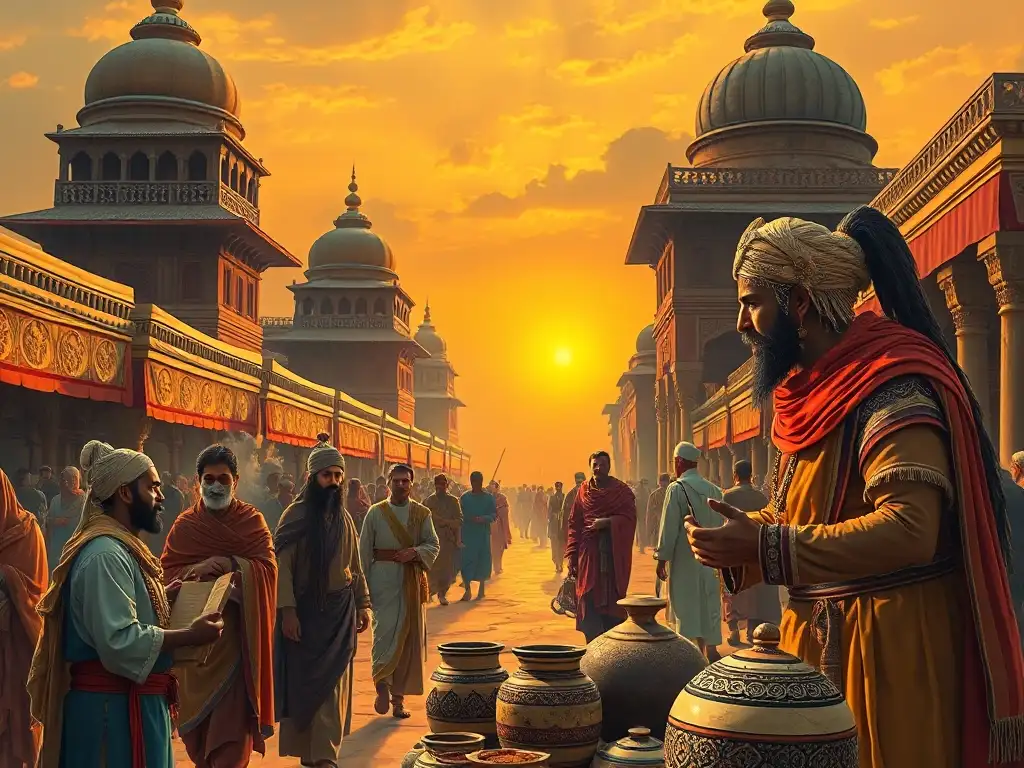
The Kushan Empire, flourishing from the 1st to the 3rd century CE, represents a pivotal chapter in the history of Northern India. It emerged following the decline of the Mauryan Empire and was instrumental in fostering a unique blend of cultures through its extensive trade networks and interactions with neighboring regions.
The Kushans, originally from the Yuezhi tribes in Central Asia, established a vast empire that stretched across the northern Indian subcontinent, encompassing parts of modern-day India, Pakistan, and Afghanistan. Through their remarkable achievements in governance, art, and religion, the Kushan Empire left an indelible mark on the cultural landscape of ancient India.
Lasting Impact on Northern Indian Culture
The Kushan Empire significantly influenced the cultural milieu of Northern India, with its impact evident in various spheres:
- Art and Architecture: The Kushans are renowned for their artistic contributions, particularly in sculpture. The Gandhara school of art, characterized by a fusion of Hellenistic and Indian styles, produced stunning representations of Buddhist themes. Iconic examples include the well-known statues of Buddha, which exhibit intricate details and a unique blend of Greek and Indian artistic techniques. Additionally, the architectural advancements of the Kushans led to the construction of stupas and monasteries, which became central to the spread of Buddhism.
- Religious Syncretism: The Kushan Empire was a melting pot of religions, including Buddhism, Hinduism, and Zoroastrianism. The emperors, particularly Kanishka, were instrumental in promoting Buddhism, which flourished under their patronage. This period saw the establishment of major Buddhist centers, such as Taxila and Peshawar, which attracted scholars and pilgrims from various regions. The Kushans also embraced elements of local Hindu traditions, leading to a rich tapestry of religious practices that influenced the spiritual landscape of Northern India.
- Trade and Cultural Exchange: The strategic location of the Kushan Empire along the Silk Road facilitated extensive trade with Central Asia, China, and the Mediterranean. This interaction allowed for the exchange of not only goods but also ideas, philosophies, and artistic expressions. The influx of foreign influences enriched the cultural fabric of Northern India, fostering a cosmopolitan society that embraced diversity.
Influence on Subsequent Empires in India
The Kushan Empire's legacy paved the way for subsequent dynasties and empires in India:
- Gupta Empire: The cultural and political foundations laid by the Kushans directly influenced the Gupta Empire, which emerged in the 4th century CE. The Gupta rulers inherited the artistic styles and religious practices propagated by the Kushans, leading to a renaissance in Indian culture. The period is often referred to as the Golden Age of India, marked by remarkable advancements in art, science, and philosophy.
- Spread of Buddhism: The Kushan Empire played a crucial role in the dissemination of Buddhism across India and into Central Asia. The Mahayana sect, which gained prominence during the Kushan period, became the dominant form of Buddhism, influencing later Buddhist practices and philosophies. The trade routes established by the Kushans continued to serve as conduits for the spread of Buddhism beyond Indian borders.
- Cultural Continuity: Many aspects of Kushan culture, including language, art forms, and administrative practices, persisted in later Indian empires. The use of the Bactrian language and the adoption of coinage systems initiated by the Kushans can be seen in subsequent dynasties, demonstrating the enduring impact of Kushan governance.
Modern Perspectives on Kushan Cultural Contributions
Today, scholars and historians recognize the Kushan Empire's cultural contributions as vital to understanding the evolution of Northern Indian history:
- Interdisciplinary Research: Modern research into the Kushan Empire employs various disciplines, including archaeology, art history, and religious studies. Excavations at key sites, such as Bamiyan and Gandhara, continue to reveal insights into the empire's cultural dynamics, fostering a deeper understanding of its significance.
- Cultural Heritage: The artistic and architectural achievements of the Kushan Empire are celebrated as integral components of India's rich cultural heritage. Museums and cultural institutions are increasingly focusing on the preservation and promotion of Kushan artifacts, highlighting their historical importance.
- Global Context: The Kushan Empire's legacy is now viewed within a global context, emphasizing its role in the interconnectedness of ancient civilizations. The cultural exchanges initiated during this period laid the groundwork for the later development of trade and cultural routes that shaped the broader narratives of Eurasian history.
The Kushan Empire's cultural contributions are a testament to its significance in the history of Northern India, bridging diverse cultures and laying the groundwork for future empires. Its legacy continues to be explored and appreciated in contemporary scholarship, underscoring the empire's enduring influence on the region's cultural and historical narrative.
Conclusion
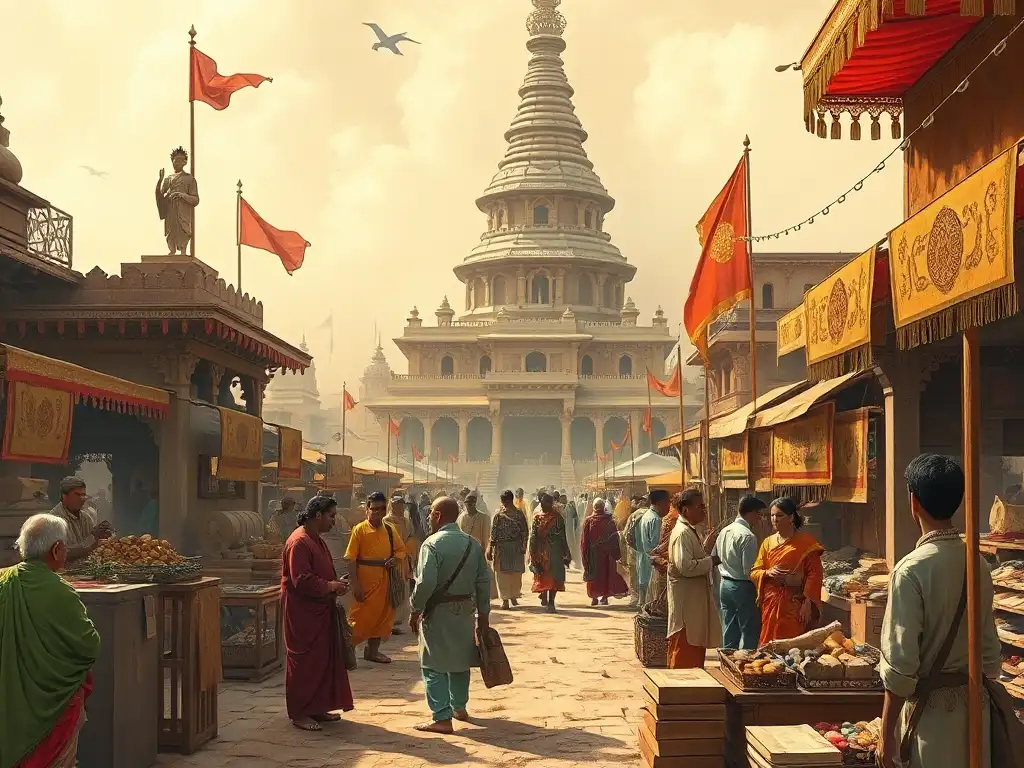
Summary of the Kushan Empire's Cultural Contributions
The Kushan Empire (circa 1st to 3rd century CE) played a pivotal role in shaping the cultural landscape of ancient Northern India. Its contributions can be categorized into several key areas:
- Art and Architecture: The Kushans are renowned for their distinctive style of art, which fused Indian, Greek, and Persian influences. This syncretism is most evident in the Gandhara art, characterized by intricate sculptures and stupas, which depicted Buddhist themes and narratives. The Buddha statues from this period are particularly significant, showcasing a blend of Hellenistic and Indian aesthetics.
- Religion and Philosophy: The Kushan Empire was instrumental in the spread of Buddhism in Northern India and beyond. Under the patronage of emperors like Kanishka, Buddhism flourished, leading to the establishment of Buddhist monasteries and the translation of sacred texts into local languages. The empire also supported other religions, including Hinduism and Zoroastrianism, fostering an environment of religious pluralism.
- Trade and Economic Development: The Kushans established key trade routes, notably the Silk Road, which facilitated cultural exchange between the East and West. This not only boosted the economy but also led to the exchange of ideas, art, and technology. The introduction of coinage under Kushan rule, featuring various deities and symbols, exemplifies their innovative approach to commerce.
- Literature and Language: The Kushan period saw the emergence of a rich literary tradition. The use of Bactrian, a language derived from Greek, alongside the Prakrit languages, reflects the multilingual nature of the empire. Texts produced during this time contributed to the preservation and dissemination of cultural narratives.
The Kushan Empire's cultural contributions were multifaceted, leaving an indelible mark on the historical and cultural fabric of Northern India.
The Importance of Understanding the Kushan Legacy in Ancient Indian History
Understanding the legacy of the Kushan Empire is essential for several reasons:
- Cultural Synthesis: The Kushan period exemplifies how diverse cultures can coexist and influence one another. By examining their contributions, historians can gain insights into the processes of cultural integration and adaptation that shaped ancient Indian civilization.
- Buddhism's Expansion: The Kushan Empire was a crucial period for the spread of Buddhism. Recognizing their role helps elucidate how Buddhism transitioned from a regional to a global religion, influencing various cultures along the way.
- Economic Impact: The economic policies and trade networks established by the Kushans are fundamental to understanding the development of trade in ancient India. Their strategies provide a template for analyzing how economic factors influence cultural exchange.
- Artistic Developments: The artistic innovations of the Kushan era set a precedent for subsequent Indian art movements. Studying their art allows for a deeper appreciation of the evolution of visual culture in India.
- Transitional Period: The Kushan Empire marked a transitional phase between ancient and medieval India. Understanding this transition offers valuable context for the political and cultural shifts that followed, including the rise of the Gupta Empire.
The Kushan Empire's cultural contributions are vital to the broader narrative of ancient Indian history. They represent a bridge between various cultures, illustrating how interconnectedness can foster creativity and innovation. Acknowledging this legacy enriches our understanding of the complexities of historical development in Northern India.
Frequently Asked Questions
What were the key cultural contributions of the Kushan Empire?
The Kushan Empire's cultural contributions include advancements in art, religion, and trade. They played a crucial role in the spread of Buddhism and the development of Gandhara art, which blended Indian and Greco-Roman styles.
How did the Kushan Empire influence trade in ancient India?
The Kushan Empire established trade routes that connected India with Central Asia and beyond. Their strategic location facilitated the exchange of goods, ideas, and cultures, enhancing economic prosperity in the region.
What role did the Kushan Empire play in the spread of Buddhism?
The Kushans were significant patrons of Buddhism, helping to spread the religion across Northern India and into Central Asia. They commissioned monuments and stupas, which became centers for Buddhist learning and practice.
How did the Kushan Empire contribute to art and architecture?
The Kushan Empire is known for its unique artistic style, particularly in sculpture and coinage. Their art often depicted Buddhist themes and incorporated Hellenistic influences, showcasing a blend of cultures.
What was the significance of the Silk Road during the Kushan Empire?
The Silk Road was vital during the Kushan Empire as it facilitated cultural exchange and trade between East and West. The Kushans acted as intermediaries, enhancing their influence and promoting cultural diversity in the region.
Final Reflection: The Enduring Legacy of the Kushan Empire's Cultural Contributions
The cultural contributions of the Kushan Empire remain profoundly relevant today, as they serve as a testament to the power of intercultural exchange and collaboration. In an increasingly globalized world, the lessons from the Kushan Empire remind us that cultural intersections can lead to remarkable advancements in art, religion, and trade. The Kushans not only bridged diverse cultures but also laid the groundwork for future societies to thrive through shared knowledge and creativity.
The influence of the Kushan Empire is still palpable in our modern cultural landscape, where the blending of ideas continues to shape our identities. From the intricate art forms that emerged during their reign to the spread of Buddhism across Asia, the Kushans exemplified how cultural dialogue can foster innovation and understanding. Cultural exchange is not merely a transaction; it is a transformative process that enriches all involved.
This perspective emphasizes the importance of recognizing and valuing the contributions of various cultures in shaping our collective heritage.
As we reflect on the legacy of the Kushan Empire, I invite you to consider how you can contribute to the ongoing dialogue between cultures in your own life. Embrace the diversity around you, seek to learn from others, and recognize the beauty that emerges from collaboration. By doing so, we honor the spirit of the Kushan Empire and ensure that their remarkable cultural contributions continue to inspire future generations.
Unveil the Rich Heritage of the Kushan Empire!
Thank you for diving into the fascinating world of the Kushan Empire! Your interest in exploring how this remarkable civilization bridged cultures in Northern India not only enriches your knowledge but also inspires a deeper appreciation for our shared history. Now, let’s take the next steps to connect with this legacy and spread the awareness of its significance.
- Dive Deeper: Explore more about the Kushan Empire by checking out our detailed articles on its art and cultural influences.
- Share Your Insights: Join our community by sharing your favorite facts or ideas on social media! Use the hashtag #KushanLegacy to spark discussions and inspire others.
- Connect Locally: Seek out local history groups or online forums focused on ancient civilizations, and start conversations about the cultural exchanges that defined the Kushan period.
How do you envision the impacts of the Kushan Empire shaping modern cultures today?