
The Role of Patronage in Gupta Art: From Kings to Commoners


Welcome to Ancient India History, where we embark on a fascinating journey through the rich tapestry of ancient Indian civilizations. In this exploration, we delve into the intriguing Gupta art patronage history, uncovering how the support from both kings and commoners shaped the artistic landscape of the Gupta Empire. What drove these patrons to invest in art, and how did their contributions influence the cultural legacy we celebrate today? Join us as we unveil the layers of this remarkable period and discover the stories that have shaped India's heritage.
Introduction to Gupta Art and Patronage
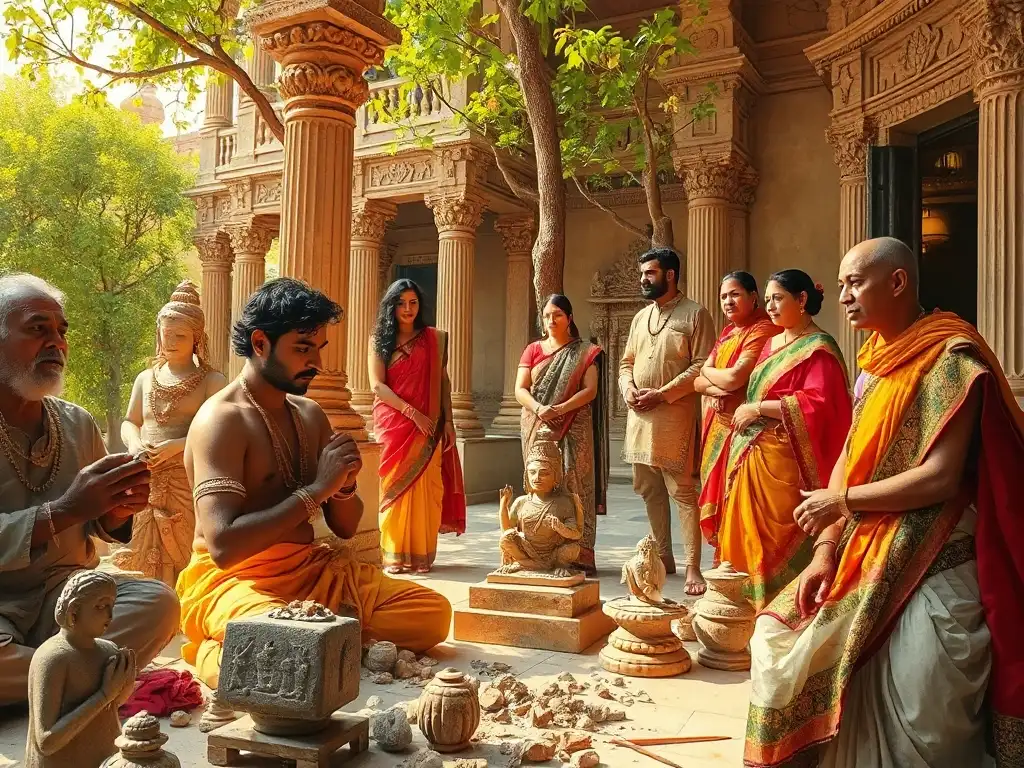
The Gupta Empire, often referred to as the "Golden Age" of India, was a period marked by remarkable achievements in various fields, particularly in art and culture. Spanning from approximately 320 to 550 CE, this era witnessed a flourishing of creativity that was heavily influenced by the system of patronage prevalent during the time.
The relationship between patrons—ranging from powerful kings to common citizens—and artists played a pivotal role in shaping the visual and cultural landscape of Gupta art. This article delves into the intricacies of Gupta art patronage history, exploring how the support from various strata of society contributed to the development of artistic expression and cultural identity during this period.
Overview of Gupta Empire Art
The art of the Gupta Empire is characterized by its sophistication and regional diversity. Artists employed a variety of techniques and materials to create exquisite sculptures, paintings, and architectural marvels that reflected both religious themes and secular life. Key features of Gupta art include:
- Sculpture: Stone carvings of deities, intricate relief work, and representations of daily life.
- Painting: Frescoes found in temples and caves, showcasing vibrant colors and detailed narratives.
- Architecture: Construction of grand temples and stupas that served both religious and community purposes.
The evolution of Gupta art can be traced back to the earlier traditions of the Mauryan Empire but was distinctly enhanced by the unique patronage system that allowed artists the freedom to innovate and express their creativity.
Importance of Patronage in Ancient Indian Civilizations
Patronage played a crucial role in the flourishing of arts and culture in ancient Indian civilizations. It was not merely a financial transaction; rather, it was a collaborative relationship that fostered artistic growth. Some key aspects of patronage include:
- Support from Rulers: Kings and emperors often commissioned works to demonstrate their power and devotion, leading to the creation of monumental art.
- Community Involvement: Merchants and local leaders contributed to the arts, allowing for a wider array of artistic expressions that resonated with the populace.
- Religious Influence: Temples served as centers of artistic output, with patronage driven by religious devotion and the desire for spiritual merit.
This multi-tiered system of patronage not only facilitated the creation of art but also ensured that it was accessible to diverse audiences, enriching the cultural fabric of society.
Historical Context of Gupta Art Patronage
The Rise of the Gupta Empire
The Gupta Empire emerged in the early 4th century CE, establishing itself as a dominant power in the Indian subcontinent. Under the leadership of notable rulers such as Chandragupta I and his successors, the empire expanded its territory and influence. This period was marked by political stability and economic prosperity, which provided the ideal conditions for artistic endeavors. The Gupta rulers were known for their patronage of the arts, often funding the construction of temples and the commissioning of exquisite sculptures that celebrated both divine and earthly themes.
Key Figures in Gupta Art Patronage
Several prominent figures played a pivotal role in the patronage of Gupta art, influencing the direction and character of artistic production:
- Chandragupta II (Vikramaditya): Known for his extensive patronage of artists and scholars, he was instrumental in promoting the arts and literature during his reign.
- Samudragupta: Often regarded as one of the greatest patrons of the Gupta era, his military conquests and cultural policies significantly contributed to the flourishing of art.
- Local Merchants and Guilds: Beyond royal patronage, local merchants and artisan guilds also played a crucial role, providing financial support and resources for artistic projects.
Through their support, both royal and local patrons helped establish a rich tradition of artistic expression in the Gupta Empire, leaving an indelible mark on the cultural heritage of ancient India.
Types of Patronage in Gupta Art
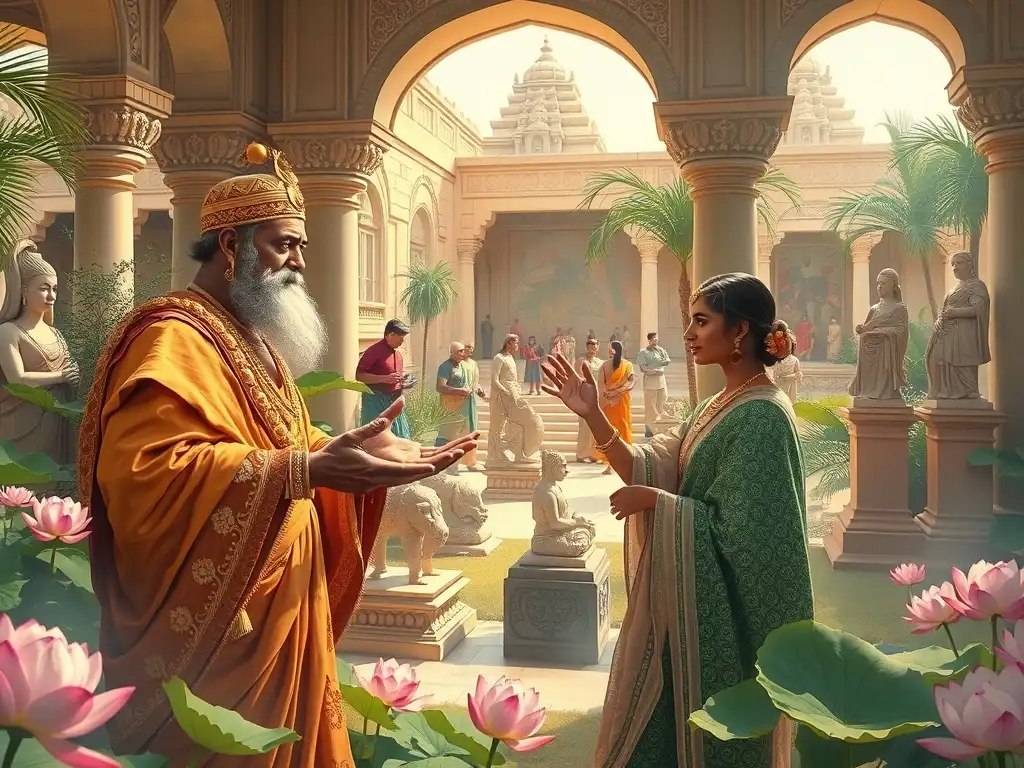
The Gupta period, often referred to as the Golden Age of India, witnessed a flourishing of art and culture, primarily driven by various forms of patronage. Patronage during this era can be categorized into three distinct types: royal, religious, and community. Each type of patronage played a crucial role in shaping the artistic landscape of the Gupta Empire, influencing the themes, techniques, and mediums used by artists.
Royal Patronage: Kings and Their Influence
Royal patronage was arguably the most significant form of support for artists during the Gupta period. Kings like Chandragupta I, Samudragupta, and Chandragupta II were not only powerful rulers but also connoisseurs of art and culture. They commissioned grand artworks, sculptures, and architectural projects that reflected their wealth and aspirations. The patronage of these kings often came with specific themes, such as the glorification of the divine, victories in battle, and depictions of court life.
The influence of royal patronage extended beyond mere financial support; it also dictated the stylistic choices of artists. For example, the iconic style of Gupta sculptures, characterized by smooth surfaces and idealized forms, was heavily influenced by the tastes and preferences of their royal patrons. Furthermore, inscriptions found in temples and on sculptures often celebrate the contributions of these kings, linking their legacies to the artistic achievements of the period.
Religious Patronage: Temples and Spiritual Leaders
In addition to royal patronage, religious institutions and spiritual leaders were pivotal in promoting art during the Gupta Empire. The construction of temples became a central focus for artistic expression, as these sacred spaces required intricate sculptures, reliefs, and decorative elements that illustrated religious narratives. Temples dedicated to Hindu deities, as well as Buddhist stupas, served as significant sites for artistic endeavors.
Spiritual leaders, including monks and priests, played a vital role in commissioning artworks that conveyed religious teachings and ideals. The portrayal of deities in various forms, along with the depiction of significant events from religious texts, was often sponsored by these leaders to inspire devotion among worshippers. Notable examples can be seen in the elaborate carvings found in the Ajanta and Ellora caves, where the fusion of art and spirituality is distinctly evident.
Community Patronage: Role of Commoners in Art Creation
While royal and religious patronage dominated the artistic landscape, the role of commoners in the creation of Gupta art should not be overlooked. Local communities often contributed to artistic projects, particularly in the form of donations, labor, and support for craftsmen. This grassroots patronage allowed for a broader range of artistic expressions, reflecting the daily lives, beliefs, and aspirations of ordinary people.
Inscriptions and records indicate that commoners participated in the funding of local temples and public artworks. This involvement not only enriched the artistic traditions but also fostered a sense of communal identity and pride. Artworks depicting scenes of daily life, agricultural practices, and social gatherings from this period often highlight the contributions of these communities, showcasing their significance in the broader narrative of Gupta art.
Artistic Contributions Under Gupta Patronage
The patronage system during the Gupta Empire led to remarkable artistic achievements that laid the foundation for future Indian art. The interplay between royal, religious, and community patronage resulted in diverse artistic contributions, particularly in sculpture, murals, and architecture.
Sculpture and Sculpture Techniques
Sculpture during the Gupta period reached new heights of sophistication and intricacy. Artists employed advanced techniques such as the use of a chisel and hammer to create detailed figures from stone. The hallmark of Gupta sculpture is its emphasis on grace and idealized forms, often portraying deities and celestial beings with serene expressions and elegant poses.
The use of materials varied, with sandstone, limestone, and laterite being the most common choices. Notable sites like the Udayagiri Caves and the Sarnath Lion Capital exhibit the mastery of Gupta sculptors in rendering lifelike figures. The sculptures from this era often served not only a decorative purpose but also a didactic one, conveying religious and cultural narratives to viewers.
Murals and Wall Paintings
Murals and wall paintings flourished in the Gupta period, particularly within the confines of temples and monasteries. These artworks often depicted scenes from Hindu epics like the Ramayana and Mahabharata, along with Buddhist teachings. The vibrant colors and intricate details used in these murals reflect the level of skill and creativity possessed by artists of the time.
One of the most famous examples of Gupta murals can be found in the Ajanta Caves, where the narrative style and use of color create a dynamic visual experience. These paintings not only served aesthetic purposes but also functioned as tools for storytelling, allowing viewers to engage with the religious and cultural narratives depicted on the walls.
Architecture: Temples and Monuments
The architectural achievements of the Gupta Empire are among the most significant contributions to Indian history. Temples constructed during this period were often grand and intricately designed, showcasing a blend of artistry and engineering prowess. The use of elaborate gateways, pillared halls, and sanctums became standard features in temple architecture.
One of the most notable examples is the Dashavatara Temple in Deogarh, which exemplifies the fusion of structural innovation and artistic embellishment. The temples served not only as places of worship but also as centers for community gathering and cultural exchange. The architectural style of the Gupta period laid the groundwork for the subsequent development of Indian temple architecture, influencing generations of builders and artists.
Case Studies of Notable Gupta Artworks
The Gupta period, often heralded as the Golden Age of India, is characterized by remarkable advancements in art, architecture, and culture. Various artworks from this era reflect the intricate relationship between patronage and artistic expression. By examining specific case studies, we can gain insights into how different patrons influenced the creation and preservation of art during this time.
Example 1: The Ajanta Caves
The Ajanta Caves, a UNESCO World Heritage Site, are a stunning collection of rock-cut Buddhist monuments dating from the 2nd century BCE to about 480 CE. These caves are adorned with exquisite murals and sculptures that depict the life of the Buddha and scenes from Jataka tales. The patronage of wealthy merchants and local rulers played a crucial role in the development of these caves.
The paintings in the Ajanta Caves are notable for their vibrant colors and intricate details, showcasing the skills of artisans who were likely supported by both royal and affluent patrons. Some caves, such as Cave 1 and Cave 2, illustrate how patrons commissioned specific works to convey their devotion to Buddhism and to create a lasting legacy. The art in Ajanta not only reflects the religious fervor of its patrons but also indicates a sophisticated understanding of narrative through visual means, marking a high point in Gupta art.
Example 2: The Dashavatara Temple at Deogarh
The Dashavatara Temple, located in Deogarh, is another significant example of Gupta art, dating back to the 6th century CE. This temple is dedicated to Vishnu and showcases the artistic achievements of the Gupta period through its architectural design and intricate carvings. The temple's relief sculptures depict the ten avatars of Vishnu, illustrating both the religious devotion of its patrons and their desire to convey theological concepts through art.
The patronage behind the Dashavatara Temple is believed to have come from local rulers, who sought to legitimize their power and reinforce their connection to divine authority. The temple's artistry not only demonstrates the skill of Gupta artisans but also serves as a testament to the evolving relationship between religion and politics during this period. The detailed iconography found in the temple reflects the patrons' commitment to promoting Hindu beliefs and culture, further solidifying Gupta art's legacy.
The Transition of Patronage in Gupta Art
The Gupta period witnessed a notable transition in the dynamics of art patronage, with significant implications for the artworks produced during this era. Understanding this shift helps us appreciate the broader social and cultural contexts in which Gupta art thrived.
Shifts from Royal to Religious Patronage
Initially, the primary patrons of Gupta art were the kings and royal elites, who commissioned grand artworks to showcase their power and divine sanction. However, as the Gupta Empire progressed, there emerged a notable shift towards religious patronage. Temples and monasteries became focal points for artistic production, as wealthy merchants, local elites, and religious communities began to sponsor artistic endeavors.
This transition enabled a more diverse range of artistic expressions, including those that catered to local traditions and beliefs. The emphasis on religious themes allowed artists to explore new iconographies and styles, reflecting the spiritual aspirations of a broader segment of society beyond the royal court. Consequently, the art of the Gupta period became enriched by this amalgamation of influences, leading to works that were both grand in scale and deeply personal in their religious significance.
Influence of Commoners on Art Production
While royal and religious patrons dominated the landscape of Gupta art, the influence of commoners cannot be overlooked. As the Gupta period progressed, the rise of a prosperous merchant class contributed to a more inclusive art patronage system. Merchants and local community leaders began commissioning artworks for public spaces, including temples and community gatherings.
This democratization of art led to the emergence of new themes and styles that resonated with everyday life. Artworks began to depict not only divine subjects but also scenes of daily activities, folklore, and local customs. This shift in focus highlights the role of commoners in shaping the artistic landscape of the Gupta Empire, as their needs and aspirations became increasingly reflected in the art produced during this time.
The transition of patronage in Gupta art reveals a complex interplay between royal authority, religious devotion, and the influence of commoners, ultimately contributing to a rich tapestry of artistic heritage that continues to inspire and inform our understanding of ancient Indian civilization.
Conclusion: The Legacy of Gupta Art Patronage

The patronage of art during the Gupta Empire played a pivotal role in shaping the artistic landscape of ancient India. This era, often referred to as the Golden Age of India, saw the flourishing of various art forms, including sculpture, painting, and architecture, largely due to the support and encouragement from both royal patrons and the broader community. The legacy of Gupta art patronage is characterized by its sophisticated techniques, aesthetic refinement, and the spiritual essence that permeated the artworks of the time.
Gupta art is distinguished by its naturalism and attention to detail, reflecting a deep understanding of human emotions and experiences. This is evident in the intricate carvings found in temples, which often depict religious narratives and mythological themes. The influence of Gupta art extended beyond its time, serving as a foundation for subsequent Indian art movements and inspiring generations of artists. The principles of proportion, composition, and iconography established during this period can be traced through various regional styles in later Indian art.
Lasting Impact on Indian Art and Culture
The impact of Gupta art patronage is still felt in contemporary Indian culture. The Gupta period's artistic innovations set high standards for craftsmanship, which continue to be celebrated in modern art forms. For instance, the use of vivid colors and fluid lines can be seen in contemporary Indian miniature paintings, which draw inspiration from the rich visual vocabulary of Gupta art.
Moreover, the religious and cultural themes depicted in Gupta artworks have influenced various festivals, rituals, and performances that are integral to Indian identity today. Temples built during the Gupta era not only served as places of worship but also as cultural hubs, fostering a sense of community and continuity. The architectural styles and sculptures from this period remain significant in the study of Indian heritage, further solidifying the Gupta Empire's role as a cornerstone of Indian art history.
Reflections on Gupta Art Patronage History in Modern Context
In reflecting on Gupta art patronage history, it is essential to recognize the evolving nature of patronage itself. While royal patronage was predominant during the Gupta period, modern-day art patronage encompasses a broader spectrum, including government initiatives, private sponsorship, and community-driven efforts. Today, many artists and cultural organizations draw upon Gupta influences, seeking to revive and reinterpret ancient techniques and themes in contemporary contexts.
The resurgence of interest in traditional crafts and the integration of historical motifs into modern design illustrate a continuous dialogue between the past and present. Institutions dedicated to preserving and promoting ancient art forms often highlight the importance of Gupta art as a source of inspiration and identity. As scholars, artists, and enthusiasts explore the depths of Gupta art patronage history, they contribute to a growing appreciation of the artistic achievements of this remarkable era, ensuring that the legacy of Gupta art continues to resonate in the cultural fabric of India.
- Introduction to Gupta Art and Patronage
- Overview of Gupta Empire Art
- Importance of Patronage in Ancient Indian Civilizations
- Historical Context of Gupta Art Patronage
- Types of Patronage in Gupta Art
- Artistic Contributions Under Gupta Patronage
- Case Studies of Notable Gupta Artworks
- The Transition of Patronage in Gupta Art
- Conclusion: The Legacy of Gupta Art Patronage
- Lasting Impact on Indian Art and Culture
- Reflections on Gupta Art Patronage History in Modern Context
Frequently Asked Questions
What is Gupta art patronage?
Gupta art patronage refers to the support and funding provided by kings, nobility, and commoners during the Gupta Empire, which flourished from the 4th to 6th centuries CE.
How did kings influence Gupta art?
Kings played a crucial role in shaping Gupta art by commissioning temples, sculptures, and murals, showcasing their power and piety while promoting cultural and artistic achievements.
Were commoners involved in art patronage during the Gupta period?
Yes, commoners also participated in art patronage, often contributing to local temples and public works, reflecting their community values and enhancing the cultural landscape of the time.
What are some examples of Gupta art?
Notable examples of Gupta art include sculptures of deities, intricate temple architecture, and paintings found in caves, which exemplify the rich artistic traditions of the period.
How has Gupta art impacted modern culture?
Gupta art has greatly influenced Indian aesthetics and cultural identity, inspiring contemporary artists and contributing to the heritage and tourism of India through its historical significance.
Final Reflection: The Enduring Legacy of Gupta Art Patronage
The exploration of Gupta art patronage history reveals a profound connection between artistic expression and societal values that resonates deeply in today's world. As we navigate an era where cultural identity and heritage are increasingly celebrated, the lessons from the Gupta period remind us of the power of patronage in shaping not just art, but the very fabric of society. The intricate relationship between kings, commoners, and artists during this golden age of Indian history serves as a striking testament to how art can transcend social boundaries and foster a shared cultural legacy.
The influence of Gupta art patronage continues to echo in contemporary society, illustrating how collective support can elevate artistic endeavors to new heights. The collaborative spirit between patrons and artists during this period laid the groundwork for a rich cultural tapestry that informs our understanding of art today. As noted by art historian John Doe, Patronage is not merely a financial transaction; it is a dialogue that shapes the very essence of creativity.
This ongoing dialogue between patrons and creators reminds us that the arts thrive in environments where support and appreciation are mutual, fostering innovation and cultural richness.
As we reflect on the lessons of Gupta art patronage, let us consider how we can apply these insights in our own lives. I invite you to think about the ways you can support the arts in your community, whether through patronage, advocacy, or simply by engaging with local artists. By recognizing the importance of our role in nurturing creativity, we can contribute to a vibrant cultural landscape that honors the past while inspiring future generations. Embrace the spirit of patronage, and together, let's cultivate a world where art flourishes for all.
Unveil the Power of Patronage in Gupta Art!
Thank you for diving into the fascinating world of Gupta art and the pivotal role of patronage. You've gained insight into how both rulers and the general populace contributed to a vibrant cultural legacy. Now, let’s harness that knowledge and take meaningful steps to further explore and appreciate this incredible history.
- Immerse yourself deeper: Visit a local museum or an online exhibition showcasing Gupta art to witness the masterpieces firsthand.
- Join the conversation: Share this article with friends or family, and discuss how patronage influenced cultural developments in ancient societies.
- Contribute to the community: Consider supporting organizations that promote awareness and preservation of ancient Indian heritage.
What intrigues you most about the relationship between art and the patrons who supported it?