
The Indus Valley Civilization's Influence on Global Trade Networks

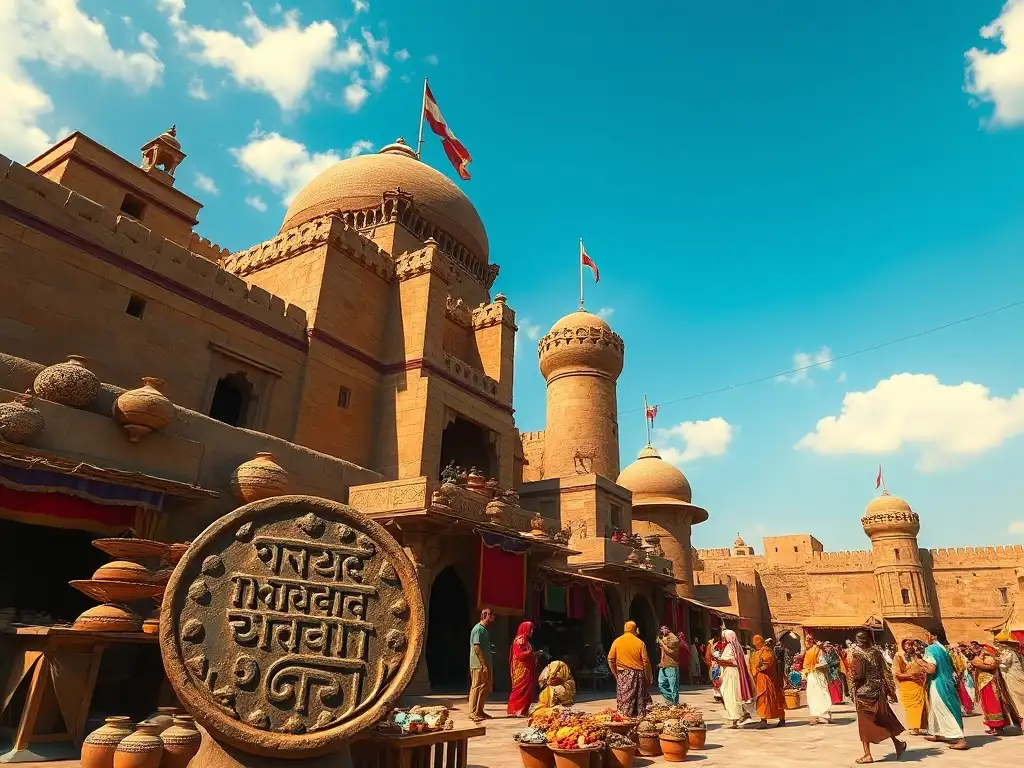
Welcome to Ancient India History, where we embark on a fascinating journey through the tapestry of time that weaves together the rich heritage and remarkable contributions of ancient Indian civilizations. Today, we delve into the Indus Valley global trade influence, uncovering how this ancient civilization not only thrived but also shaped trade networks that spanned continents.
Are you ready to discover the intricate connections that linked the Indus Valley to the far corners of the world? Join us as we explore the legacy of trade that transcended borders and laid the foundation for economic interactions that continue to resonate today.
- Introduction to the Indus Valley Civilization's Global Trade Influence
- Historical Context of the Indus Valley Civilization
- The Indus Valley Civilization's Trade Practices
- The Influence of the Indus Valley Civilization on Global Trade Networks
- The Legacy of the Indus Valley Civilization in Modern Trade
- Conclusion
- References
-
Frequently Asked Questions
- What was the Indus Valley Civilization known for in terms of trade?
- How did the Indus Valley Civilization influence global trade?
- What goods were commonly traded by the Indus Valley Civilization?
- Did the Indus Valley Civilization have any trading partners?
- How did the trade practices of the Indus Valley impact later civilizations?
- Final Reflection: The Indus Valley Civilization's Enduring Legacy in Global Trade
- Unveil the Legacy: Enhance Your Global Trade Knowledge!
Introduction to the Indus Valley Civilization's Global Trade Influence
The Indus Valley Civilization (IVC), one of the world's earliest urban cultures, flourished around 2500 BCE in the northwestern regions of South Asia, covering parts of modern-day Pakistan and northwest India. Renowned for its advanced urban planning, sophisticated drainage systems, and remarkable craftsmanship, the IVC also played a crucial role in shaping early global trade networks.
This article delves into the Indus Valley global trade influence, examining how this ancient civilization not only engaged in trade with neighboring cultures but also set the foundations for subsequent economic interactions across distant regions. By understanding the trade practices and relationships formed by the Indus Valley, we gain insight into its significant contribution to the development of global commerce.
Overview of the Indus Valley Civilization
The Indus Valley Civilization emerged around 3300 BCE and reached its peak between 2600 and 1900 BCE. Characterized by its well-planned cities such as Harappa and Mohenjo-Daro, the IVC showcased remarkable achievements in urban design, with grid layouts, standardized brick sizes, and advanced drainage systems.
Key features of the civilization include:
- Urban Centers: Major cities had citadels, marketplaces, and residential areas, reflecting a high degree of organization.
- Economy: The economy was primarily agrarian, but trade flourished both within the region and with external partners, including Mesopotamia and Persia.
- Craftsmanship: Artisans produced high-quality pottery, jewelry, and textiles, which were essential for trade.
- Writing System: Although still undeciphered, the Indus script indicates a level of bureaucratic sophistication and record-keeping.
The IVC's strategic location along the Indus River provided access to fertile lands and trade routes, facilitating interactions with various cultures, which significantly impacted their economic and cultural landscapes.
Importance of Trade in Ancient Civilizations
Trade was a vital component of ancient civilizations, serving not only as a means of economic exchange but also as a catalyst for cultural interactions and technological advancements. In the context of the Indus Valley Civilization, trade practices can be understood through various dimensions:
- Economic Growth: Trade allowed the IVC to access resources not available locally, such as metals and luxury goods. This contributed to economic prosperity and the growth of urban centers.
- Cultural Exchange: Through trade, the IVC interacted with other cultures, leading to the exchange of ideas, technologies, and cultural practices. This cross-cultural interaction enriched the civilization's cultural fabric.
- Technological Advancements: The need for efficient trade led to innovations in transportation, like the development of wheeled carts and maritime trade routes, which enhanced connectivity with distant regions.
The influence of the Indus Valley Civilization on global trade networks is a testament to its sophisticated economic practices and far-reaching connections. As we explore further, we will uncover the specific mechanisms and routes that facilitated this ancient trade, highlighting the IVC's lasting legacy in global commerce.
Historical Context of the Indus Valley Civilization
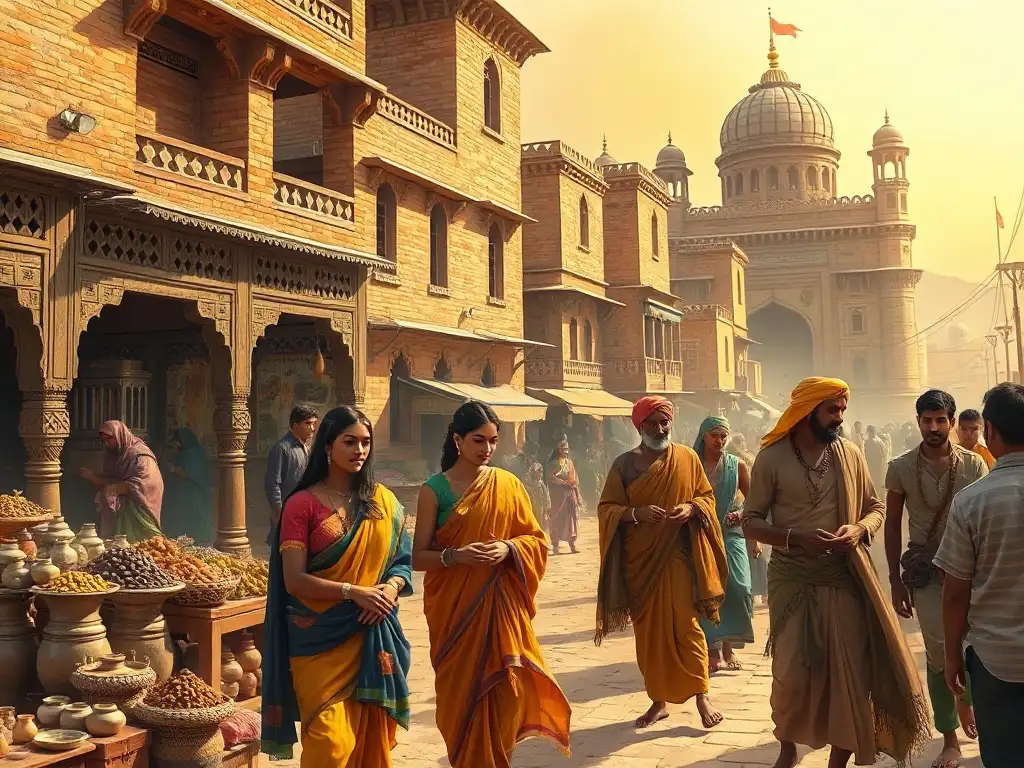
The Indus Valley Civilization (IVC), one of the world's earliest urban cultures, flourished around 2500 BCE in what is now Pakistan and northwest India. This civilization is celebrated for its advanced city planning, architecture, and social organization. It thrived due to its strategic geographic location, which facilitated trade and cultural exchanges with neighboring regions. The IVC is pivotal in understanding the evolution of global trade networks, particularly how it influenced commerce long before the advent of the Silk Road.
The decline of the IVC around 1900 BCE remains a topic of scholarly debate, with theories ranging from climate change and tectonic activity to invasion and cultural assimilation. Regardless of its decline, the impact of the IVC on subsequent civilizations and global trade is undeniable.
Timeline of the Indus Valley Civilization
| Period | Description |
|---|---|
| 3500-2500 BCE | Early farming communities begin to form. |
| 2500-1900 BCE | Peak of the Indus Valley Civilization; urban centers like Harappa and Mohenjo-Daro flourish. |
| 1900-1300 BCE | Gradual decline of urban centers; possible fragmentation. |
| 1300-500 BCE | Transition to Vedic culture; influence of the IVC persists. |
The timeline highlights the major phases of IVC development, showcasing its rise to prominence and eventual decline.
Geographic Location and Trade Routes
The Indus Valley Civilization spanned across the fertile plains of the Indus River, primarily in modern-day Pakistan and northwest India. This region is characterized by its rich alluvial soils, which supported agriculture, and its proximity to key trade routes. The following features highlight the significance of the IVC's geographic location:
- Rivers: The Indus and its tributaries provided essential water resources for agriculture and transportation.
- Mountains: The Himalayas to the north and the Aravalli Range to the south acted as natural barriers, influencing trade interactions.
- Coastal Access: The Arabian Sea to the southwest allowed maritime trade with other ancient civilizations, including Mesopotamia and the Persian Gulf.
The trade routes established by the IVC facilitated the exchange of goods such as cotton textiles, precious metals, and agricultural products, significantly contributing to the global trade networks of the time.
Key Cities and Their Role in Trade
The Indus Valley Civilization boasted several key cities that played crucial roles in its trade dynamics.
- Harappa: Known for its advanced urban planning, Harappa was a major industrial center where cotton textiles were produced and traded. Its strategic location near the Ravi River made it a vital hub for trade routes extending to the northwest.
- Mohenjo-Daro: This city is famous for its sophisticated drainage system and granary. Mohenjo-Daro served as a central trade point where goods from various regions converged, enhancing its influence on global trade networks.
- Lothal: Located near the Gulf of Khambhat, Lothal is recognized for its dockyard, one of the earliest known in the world. This facility enabled maritime trade, connecting the IVC to distant markets in Mesopotamia and beyond.
The role of these cities in trade not only highlights the economic sophistication of the IVC but also underscores its significant influence on the development of global trade networks, establishing a legacy that would resonate through subsequent civilizations.
The Indus Valley Civilization's Trade Practices
Trading Goods and Resources
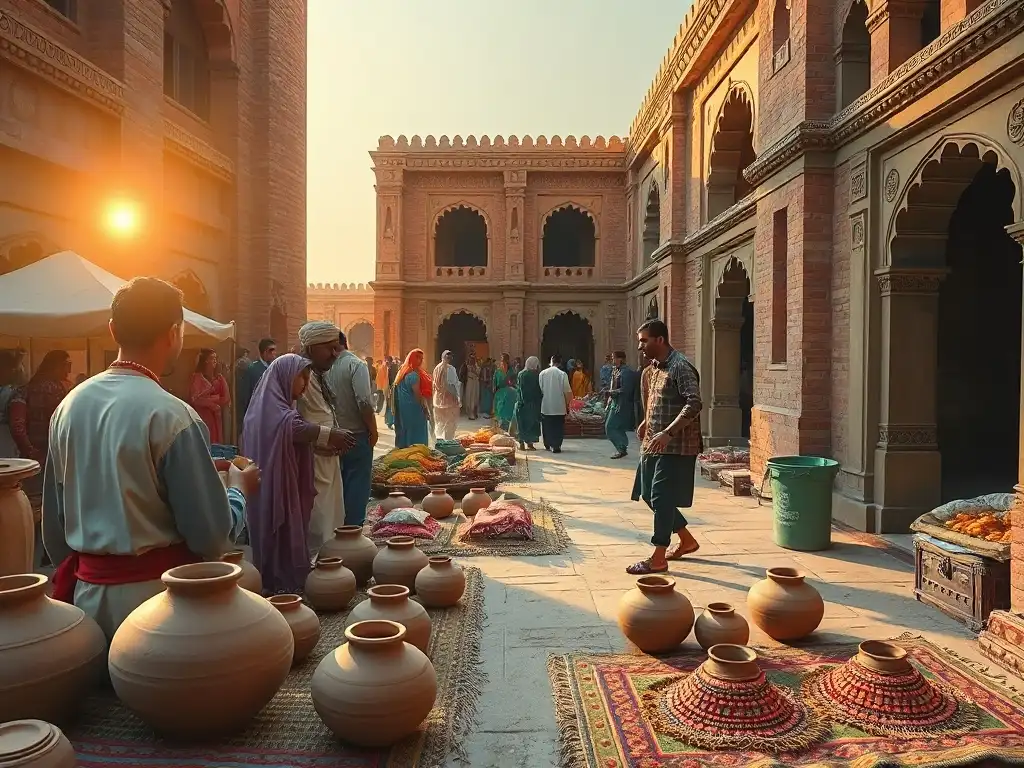
The Indus Valley Civilization (IVC), flourishing around 2500 BCE to 1900 BCE, established one of the earliest and most sophisticated trade networks in ancient history. The civilization's strategic location, extending from present-day Pakistan to northwest India, allowed it to engage in extensive trade with neighboring regions, including Mesopotamia, Persia, and even as far as the Arabian Peninsula.
Key Export Products of the Indus Valley
The IVC was renowned for its diverse range of export products, many of which were highly sought after in international markets. The following table highlights some of the key exports:
| Product | Description |
|---|---|
| Cotton Textiles | The Indus Valley is credited with being one of the first civilizations to cultivate cotton and manufacture textiles, which were highly prized in trade. |
| Semi-Precious Stones | Craftsmen produced intricate jewelry and ornaments from lapis lazuli, carnelian, and agate, which were exported widely. |
| Metallurgy Products | The IVC excelled in metalworking, particularly in bronze and copper, producing tools, weapons, and artifacts. |
| Pottery | Distinctive terracotta pottery, often with intricate designs, was a significant export, showcasing the artistic skill of the IVC artisans. |
| Food Items | Agricultural products such as wheat, barley, and peas were also important trade items, contributing to the sustenance of neighboring regions. |
Import Sources and Goods
In addition to exporting goods, the Indus Valley engaged in the import of various products that were essential for its economy and culture. Key sources of imports included:
- Mesopotamia: The IVC imported metals, such as tin and silver, which were not locally available, essential for their metallurgical practices.
- Persian Gulf: Goods like fish, pearls, and date palms were traded, enriching the diet and culture of the Indus Valley people.
- Central Asia: Livestock and wool were significant imports, aiding in textile production.
The intricate webs of trade facilitated not only the exchange of commodities but also cultural and technological interactions that shaped the civilization.
Trade Techniques and Methods
The trade practices of the Indus Valley Civilization were advanced for their time and involved a variety of techniques and methods that ensured efficient and effective transactions.
Bartering Systems
The primary method of trade in the IVC was bartering, where goods and services were exchanged directly without the use of currency. This system relied heavily on mutual agreement on the value of goods. Bartering was particularly efficient in local markets where community members were familiar with each other's needs and product availability.
- Community Markets: Local markets thrived in major cities like Harappa and Mohenjo-Daro, where merchants and farmers exchanged surplus goods.
- Specialized Artisans: Skilled craftsmen produced unique items that served as important barter goods, fostering economic interdependence.
Use of Weights and Measures
The Indus Valley Civilization is notable for its sophisticated system of weights and measures, crucial for facilitating trade. Archaeological findings suggest that they employed standardized weights made from stone, which were used to ensure fair exchanges.
- Standardization: The use of uniform weights allowed for consistency in trade, making it easier for traders to negotiate deals and maintain trust.
- Measurements: The IVC's measurement systems were likely based on a decimal system, which enhanced clarity in transactions. This system was particularly useful in trade involving bulk goods such as grains and textiles.
The combination of bartering and a robust system of weights and measures significantly contributed to the Indus Valley's influence on global trade networks, allowing them to establish extensive economic ties that resonated across regions.
The Influence of the Indus Valley Civilization on Global Trade Networks
Establishing Trade Links with Neighboring Regions
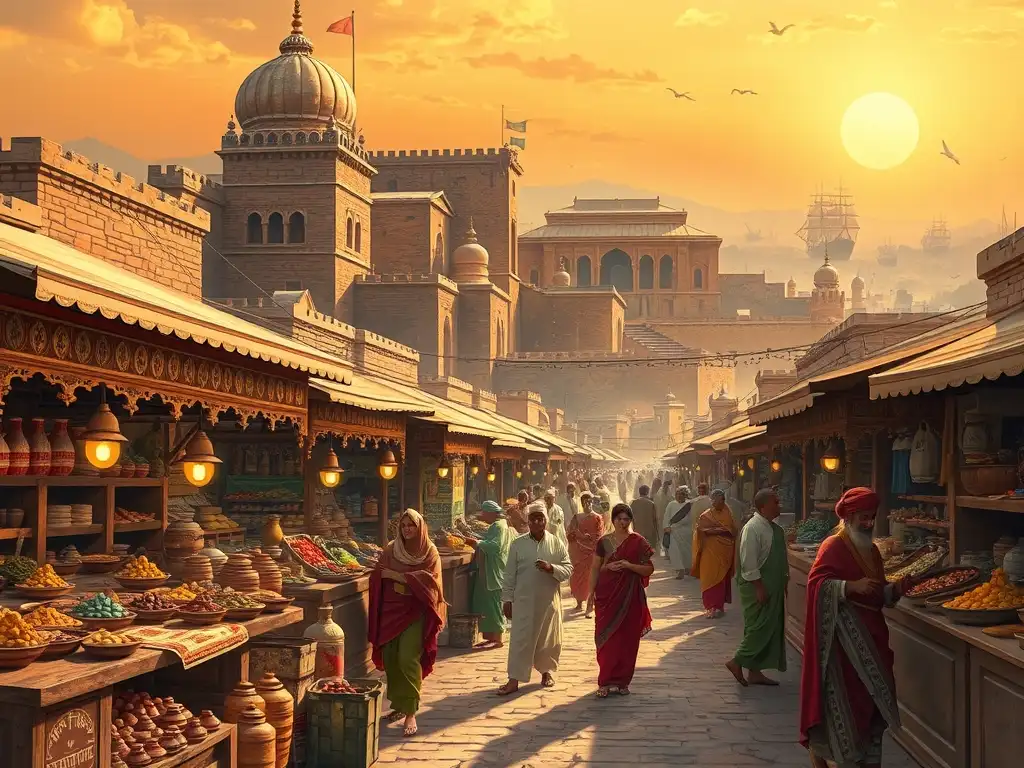
The Indus Valley Civilization (IVC), flourishing between approximately 2600 and 1900 BCE, was not only remarkable for its urban planning and architecture but also for its extensive trade networks that spanned across regions. The civilization established robust trade links with multiple neighboring areas, facilitating the exchange of goods, ideas, and cultural practices.
Trade with Mesopotamia
The trade between the Indus Valley and Mesopotamia is one of the most documented relationships of the ancient world. Archaeological evidence suggests that the IVC engaged in trade with city-states such as Ur and Babylon. Key commodities exchanged included:
- Cotton textiles: The IVC was among the first civilizations to cultivate cotton, leading to a thriving textile industry that produced high-quality fabrics.
- Semi-precious stones: Items such as lapis lazuli and carnelian were highly sought after in Mesopotamia, where they were used for jewelry and decorative items.
- Metals: The Indus people imported copper and tin to produce bronze, facilitating advancements in tools and weaponry.
This trade was not merely transactional; it fostered cultural exchanges that enriched both civilizations. For instance, the use of standardized weights and measures in trade demonstrates the influence of IVC systems on Mesopotamian commerce.
Trade with Central Asia
In addition to Mesopotamia, the Indus Valley Civilization had significant trade connections with Central Asia, particularly with regions that now comprise Afghanistan and Iran. Evidence of this trade includes:
- Agricultural products: The IVC traded surplus crops like wheat and barley.
- Livestock: The exchange of animals, particularly horses and cattle, played a crucial role in both societies' economies.
Moreover, the Khyber Pass served as a critical gateway for trade between these regions, facilitating the movement of goods and people. This interaction contributed to the integration of diverse cultures and facilitated the diffusion of ideas.
Cultural Exchange Through Trade
Trade networks established by the Indus Valley Civilization were not limited to the exchange of material goods; they also played a pivotal role in cultural exchange. This interaction led to the dissemination of technology, innovations, and artistic styles across regions.
Spread of Technology and Innovations
The IVC was known for its advanced urban planning, drainage systems, and metallurgy. As trade flourished, these technological innovations spread to other civilizations. Key aspects include:
- Urban planning techniques: The grid layout and sophisticated drainage systems of Harappa and Mohenjo-Daro influenced urban development in neighboring regions.
- Metallurgical skills: The techniques for working with metals, particularly bronze, were shared through trade, enhancing tool-making and craftsmanship in other areas.
These technological exchanges were instrumental in shaping the development of subsequent civilizations, demonstrating the Indus Valley global trade influence on broader technological advancement.
Influence on Art and Craftsmanship
Art and craftsmanship from the Indus Valley also left a lasting impact on neighboring cultures. The trade in decorative items, pottery, and seal carvings facilitated the exchange of artistic styles and techniques. Notable influences include:
- Terracotta figurines: The intricate designs of IVC figurines inspired similar artistic expressions in surrounding regions.
- Seals and inscriptions: The use of seals for trade and communication also spread, influencing administrative practices in other ancient civilizations.
The blending of artistic traditions through trade led to the emergence of new styles that reflected a fusion of cultural influences, enriching the artistic heritage of the regions involved.
The Indus Valley Civilization's influence on global trade networks was profound, establishing connections that transcended geographical barriers and facilitated cultural exchanges that shaped the course of history in ancient times.
The Legacy of the Indus Valley Civilization in Modern Trade
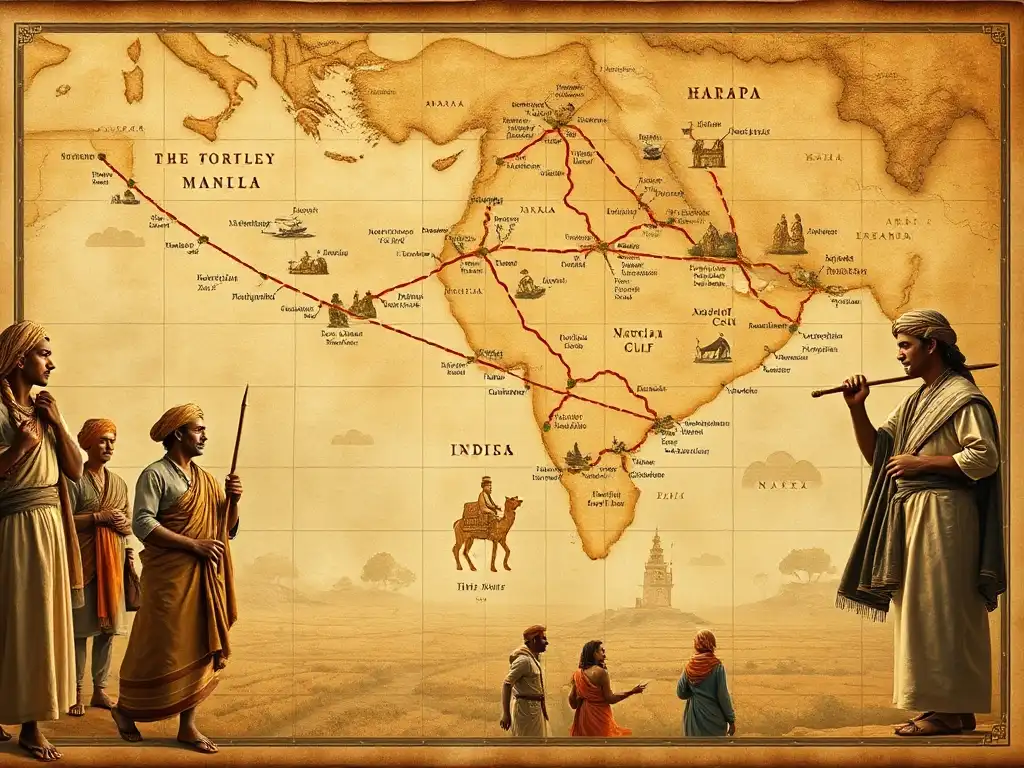
The Indus Valley Civilization (IVC), flourishing around 2500 BCE in what is now Pakistan and northwest India, was marked by advanced urban planning, sophisticated architecture, and a complex social structure. One of its most significant contributions was its influence on global trade networks, setting foundational practices that resonate in modern trading systems. The IVC's strategic location and innovative trade practices not only facilitated local commerce but also established connections with distant civilizations, influencing trade routes that would evolve over millennia.
Historical Impact on Future Trade Networks
The trade networks established by the IVC were multifaceted, linking the civilization with regions as far away as Mesopotamia, Egypt, and the Arabian Peninsula. Archaeological evidence, such as seals and weights, indicates that the IVC engaged in extensive trade of goods like textiles, beads, and pottery. This interconnectivity laid the groundwork for future trade systems in several key ways:
- Standardization of Weights and Measures: The IVC is notable for its use of standardized weights, which facilitated smoother transactions. This practice of standardization became a cornerstone of trade, influencing future civilizations to adopt similar systems.
- Maritime Trade Routes: The development of maritime trade routes through the Arabian Sea allowed the IVC to expand its reach. The ports of Lothal and others enabled the export of goods, creating a legacy of maritime trade that persists in the region today.
- Cultural Exchange: The interactions with other civilizations fostered cultural exchanges that enriched not only the IVC but also its trade partners. This exchange of ideas, technology, and goods contributed to the evolution of sophisticated trade practices that are still seen in modern global commerce.
The influence of the Indus Valley on trade networks demonstrates the civilization's pivotal role in shaping early economic systems, providing a model that would be emulated by subsequent cultures.
Lessons from the Indus Valley Trade Practices
The trade practices of the Indus Valley Civilization offer several valuable lessons that can be applied to contemporary trade and commerce:
- Diversification of Goods: The IVC traded a variety of products, from agricultural goods to luxury items. This diversification minimized risk and maximized potential markets, a strategy that modern businesses continue to adopt.
- Adaptation to Market Needs: The ability of the IVC traders to adapt their offerings to meet the demands of different regions illustrates the importance of market responsiveness. This principle remains vital in today's fast-paced global economy.
- Use of Technology in Trade: The IVC’s use of seals for branding and record-keeping showcases the early adoption of technology to facilitate trade. In the modern context, technology continues to play a crucial role in logistics, payment systems, and inventory management.
- Sustainability and Resource Management: The IVC's trade practices were closely tied to the sustainable management of resources. Prioritizing sustainability in trade practices is increasingly recognized as essential for long-term economic viability in our current global landscape.
The enduring legacy of the Indus Valley Civilization's trade practices serves as a testament to their innovative spirit and adaptability, offering insights that remain relevant in today's ever-evolving trade environment. By examining these historical practices, modern civilizations can glean valuable strategies for enhancing their own trade networks while honoring the foundational contributions of the IVC.
Conclusion
Summary of the Indus Valley's Global Trade Influence
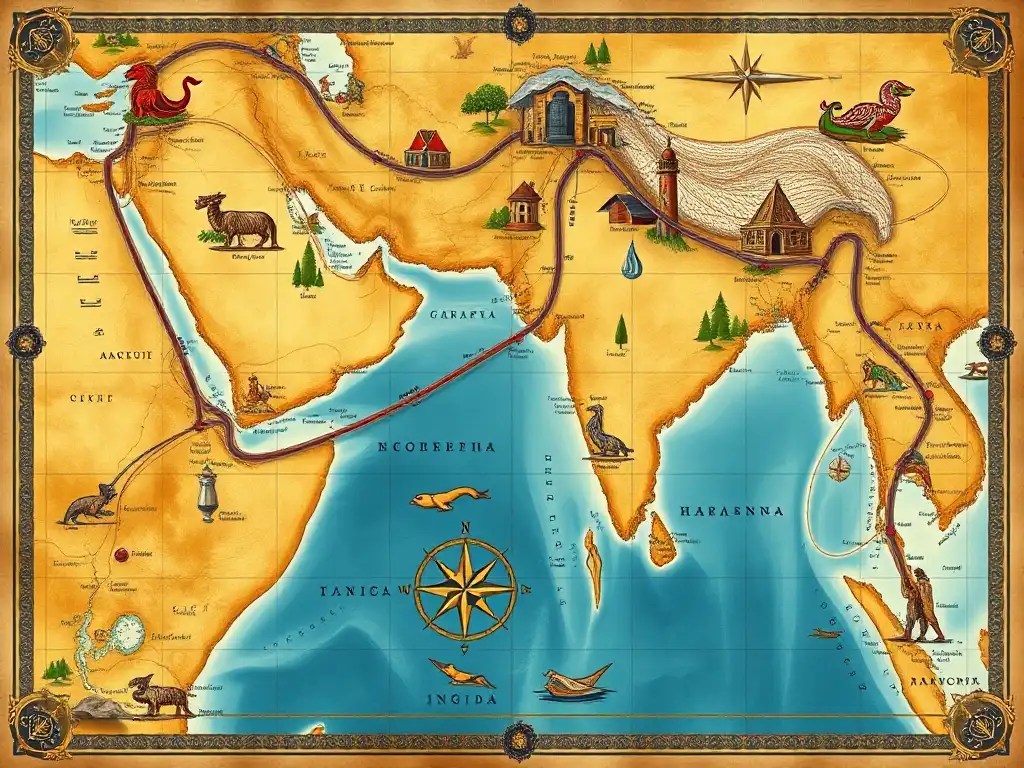
The Indus Valley Civilization (IVC), flourishing around 2500 BCE in what is now Pakistan and northwest India, was a pivotal player in the development of early global trade networks. Its strategic geographic location, situated between the Arabian Sea and the Himalayan foothills, facilitated access to a variety of trade routes. This enabled the IVC to engage in extensive commerce with distant regions, including Mesopotamia, Egypt, and even the Arabian Peninsula.
Key aspects of the Indus Valley's global trade influence include:
- Trade Goods: The IVC was known for its craftsmanship in bead-making, metallurgy, and textiles. Items such as:
- Lapis Lazuli beads from Afghanistan
- Cotton textiles that were highly sought after in foreign markets
- Terracotta figurines which have been found in various archaeological sites across the trade routes
- Urban Planning and Infrastructure: The cities of Harappa and Mohenjo-Daro were meticulously planned, featuring:
- Well-structured streets and drainage systems that facilitated trade
- Granaries for the storage of surplus goods, which supported trade activities
- Dockyards at coastal sites, such as Lothal, that connected the civilization to maritime trade
- Cultural Exchange: Trade routes were not just conduits for goods; they also allowed for the exchange of ideas, technologies, and cultural practices. This interaction contributed to:
- The spread of artistic styles and religious beliefs
- The establishment of writing systems and mathematical concepts that influenced subsequent civilizations
The Indus Valley global trade influence laid the foundation for future economic relationships in the region, showcasing an early example of globalization.
Final Thoughts on Its Historical Significance
The historical significance of the Indus Valley Civilization extends far beyond its immediate geographical boundaries. The trade networks established by the IVC had a profound impact on the economic and cultural landscapes of the ancient world. They fostered not only economic prosperity but also laid the groundwork for later civilizations to develop and thrive.
The Indus Valley's influence on global trade is a testament to the civilization's advanced societal structures, innovative practices, and far-reaching connections. It serves as an essential chapter in the history of global commerce, highlighting the interconnectedness of ancient societies and their ability to influence one another through trade. The legacy of the IVC continues to inspire modern scholarship and appreciation for the complexities of early human civilizations.
References
Recommended Reading on Indus Valley Civilization and Trade
-
The Indus Valley Civilization: A Historical Perspective
This book delves into the origins and development of the Indus Valley Civilization, highlighting its trade dynamics and economic systems that contributed to its prosperity.
-
Trade in the Ancient World: The Case of the Indus Valley
This comprehensive analysis examines the trade practices within the Indus Valley and their connections to other ancient civilizations, shedding light on the global trade influence of the era.
-
Archaeological Discoveries in the Indus Valley
An exploration of significant archaeological findings that provide insights into the trade routes and commercial exchanges of the Indus Valley Civilization, illustrating its role in a larger trade network.
-
The Global Impact of the Indus Civilization
A scholarly work that discusses how the Indus Valley’s trade relations with neighboring regions shaped cultural exchanges and economic practices, influencing global trade networks.
-
Ancient Trade Routes of the Indian Subcontinent
This text outlines the various trade routes that emerged during ancient times, focusing on the Indus Valley's contributions to trade networks that spanned across continents.
Academic Sources and Articles on Ancient Trade Networks
-
Journal of Ancient Trade: A peer-reviewed journal that publishes articles on the trade practices of ancient civilizations, including special issues dedicated to the Indus Valley Civilization.
-
"The Role of the Indus Valley Civilization in Early Global Trade"
This article analyzes the economic strategies and trade mechanisms employed by the Indus Valley, providing a detailed examination of its influence on global trade networks during antiquity.
-
"Maritime Trade in Ancient India: The Indus Valley and Beyond"
Focusing on maritime trade, this research paper discusses the sea routes utilized by the Indus Valley Civilization and their impact on trade with distant lands.
-
"From the Indus Valley to the World: Trade Networks in the Ancient Era"
This academic article traces the connections between the Indus Valley Civilization and other ancient societies, emphasizing the significance of these relationships in shaping global trade dynamics.
-
Archaeological Studies in the Indus Valley: A compilation of research findings that discuss the economic aspects of the Indus Valley Civilization, with a focus on trade artifacts and their implications for understanding ancient trade networks.
These resources provide a robust foundation for understanding the Indus Valley Civilization's global trade influence and its lasting impact on commerce and cultural exchanges in ancient history.
Frequently Asked Questions
What was the Indus Valley Civilization known for in terms of trade?
The Indus Valley Civilization was known for its advanced trade networks, engaging in commerce with regions like Mesopotamia, which facilitated the exchange of goods and cultural ideas.
How did the Indus Valley Civilization influence global trade?
The Indus Valley's global trade influence stemmed from its strategic location and well-planned urban centers, which allowed for the effective movement of goods such as textiles, beads, and pottery.
What goods were commonly traded by the Indus Valley Civilization?
The civilization was renowned for trading cotton textiles, metallurgy products, and precious stones, which were highly sought after in various markets, enhancing their trade significance.
Did the Indus Valley Civilization have any trading partners?
Yes, they had significant trading relationships with Mesopotamia, Egypt, and even regions as far as the Persian Gulf, showcasing their extensive reach in ancient global trade.
How did the trade practices of the Indus Valley impact later civilizations?
The trade practices established by the Indus Valley Civilization laid the groundwork for future economic systems, influencing subsequent civilizations in terms of commerce, urban planning, and cultural exchanges.
Final Reflection: The Indus Valley Civilization's Enduring Legacy in Global Trade
The Indus Valley Civilization's influence on global trade networks is not just a relic of the past; it is a testament to the interconnectedness of human societies that continues to shape our world today. As we navigate an era of globalization, understanding the historical foundations laid by the Indus Valley can illuminate the complexities of modern trade relationships and economic exchanges. The sophistication of their trade practices serves as a striking reminder of how ancient civilizations laid the groundwork for the global economy we know today.
Cultural and social landscapes have been profoundly influenced by the trade networks established by the Indus Valley Civilization. Their ability to connect with distant regions through commerce not only facilitated the exchange of goods but also ideas, technologies, and cultural practices. This interconnectedness resonates with our current globalized society, where the flow of information and resources transcends borders.
As historian David Christian once said, "> The history of humanity is the history of networks." This observation highlights the ongoing relevance of the Indus Valley's trade influence, reminding us that our modern world is built upon the foundations of these ancient connections.
As we reflect on the lessons from the Indus Valley Civilization, let us consider how we can foster our own connections in today's global landscape. I invite you to explore how you can contribute to the ongoing dialogue of trade and cultural exchange in your own life.
Whether through supporting local artisans, engaging in fair trade practices, or simply learning about the diverse cultures that enrich our global community, each action can help us build a more interconnected and equitable world. Embrace the spirit of the Indus Valley and recognize that the legacy of trade is not just about commerce; it is about the relationships we cultivate and the shared human experience that binds us all.
Unveil the Legacy: Enhance Your Global Trade Knowledge!
Thank you for taking the time to explore the fascinating influence of the Indus Valley Civilization on global trade networks! Your interest in this vibrant part of history enriches your understanding of how ancient cultures shape our world today. Now, let’s take your knowledge beyond the page.
Here’s how you can dive deeper and engage with this incredible topic:
- Explore your local library or online archives for books and documentaries on ancient trade routes, with a particular focus on the heritage of the Indus Valley.
- Share your newfound insights with friends and family through social media. Start a conversation about the interactions between ancient civilizations and today’s global trade.
- Consider joining or following online communities dedicated to discussions about ancient civilizations to broaden your perspective and connect with like-minded enthusiasts.
Which aspect of the Indus Valley Civilization's trade practices fascinates you the most, and how do you think it compares to modern trade dynamics?