
The Maurya Empire's Political Structure: A Model for Future Empires in India


Welcome to Ancient India History, where we embark on a fascinating journey through the rich and diverse tapestry of ancient Indian civilizations! In this exploration, we delve deep into the Maurya Empire's political structure, uncovering how its innovative governance laid the groundwork for future empires across India. What made this empire a hallmark of political sophistication? Join us as we unravel the complexities and achievements of the Maurya Empire, sparking your curiosity and inviting you to discover the profound contributions of ancient India. Dive in and explore the legacies that continue to shape our world today!
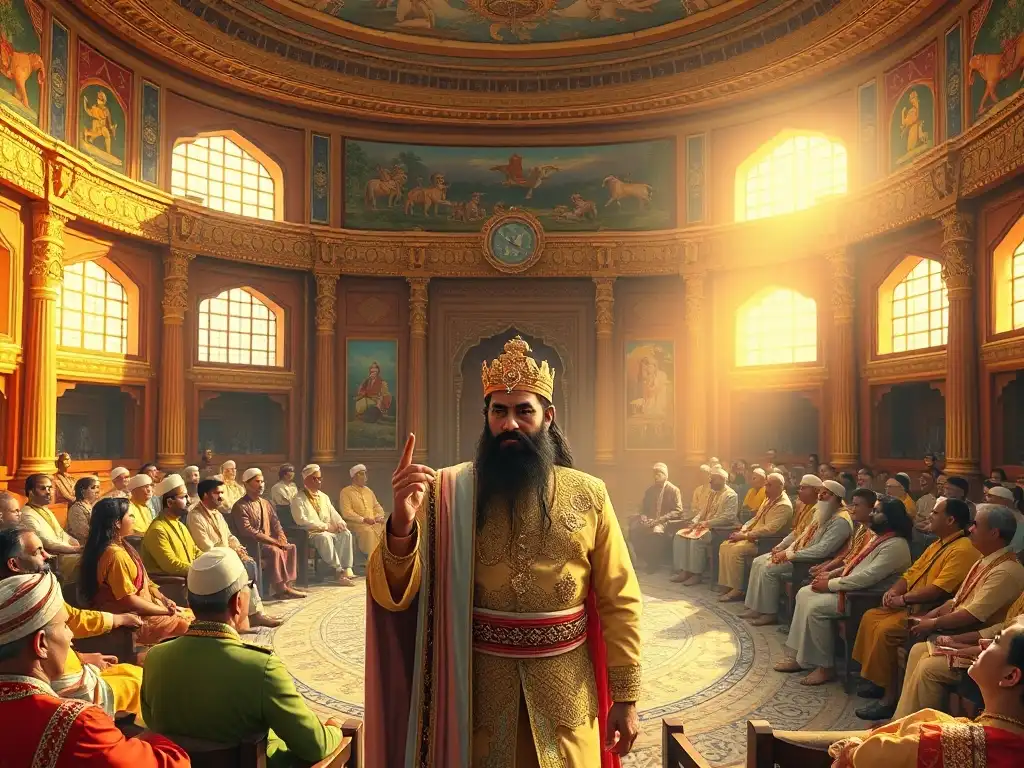
Introduction to the Maurya Empire Political Structure
The Maurya Empire, which thrived from approximately 322 to 185 BCE, stands as one of the most significant dynasties in ancient Indian history. Its political structure not only facilitated the administration of a vast and diverse territory but also set a precedent for subsequent empires across the Indian subcontinent.
The Mauryan model of governance, characterized by centralized authority and sophisticated administrative techniques, played a pivotal role in maintaining order and unity in a region marked by cultural diversity and regional variations. Understanding the intricacies of the Maurya Empire's political structure provides essential insights into how ancient Indian civilizations operated and influenced future governance models.
Overview of the Maurya Empire
The Maurya Empire was founded by Chandragupta Maurya, who established a powerful state that expanded rapidly under his rule and that of his grandson, Ashoka the Great. At its zenith, the empire encompassed a significant portion of the Indian subcontinent, extending from the present-day borders of Afghanistan in the northwest to Bengal in the east. The Mauryan administration was notable for its emphasis on law and order, economic stability, and public welfare, making it a formidable force in ancient India.
Importance of Political Structure in Ancient India
The political structure of the Maurya Empire was instrumental in its success and longevity. A well-defined hierarchy and an organized bureaucracy allowed for efficient governance and effective tax collection, which were critical for funding public projects and maintaining a powerful military. Furthermore, the Mauryan emphasis on a structured political system laid the groundwork for future empires, influencing their administrative practices and governance strategies. By understanding the Maurya Empire's political framework, one can appreciate how it contributed to the cultural and historical legacy of ancient India.
Key Features of the Maurya Empire Political Structure
Centralized Authority and Governance
One of the defining characteristics of the Maurya Empire's political structure was its centralized authority. The emperor wielded supreme power, supported by a council of ministers who assisted in policy formulation and administration. This centralized governance allowed for swift decision-making and effective implementation of laws across the vast territory. The use of a well-organized bureaucracy ensured that local governors executed the emperor's directives, maintaining control and consistency within the empire.
Role of the Emperor in the Maurya Empire
The emperor in the Maurya Empire played a dual role as both a political leader and a spiritual figure. Emperors like Ashoka were known for their commitment to Dharma (moral law), which guided their governance and interactions with subjects. This moral framework not only promoted ethical leadership but also fostered loyalty among the populace. The emperor's authority was further legitimized through the patronage of major religious and cultural institutions, which helped to consolidate power and maintain social harmony.
Administrative Divisions and Local Governance
To manage its vast expanse, the Maurya Empire was divided into several administrative regions, each governed by appointed officials who reported directly to the emperor. These divisions allowed for localized governance, enabling efficient administration while addressing the unique needs of diverse communities. The presence of a detailed revenue system and judicial framework ensured that both taxation and law enforcement were carried out effectively, contributing to the overall stability and prosperity of the empire.
By examining the Maurya Empire's political structure, one can see how it established a model that would influence subsequent empires in India, showcasing the enduring legacy of its governance principles.
The Bureaucracy of the Maurya Empire
The bureaucracy of the Maurya Empire was a sophisticated and well-organized system that played a crucial role in administering one of the largest empires of ancient India. Established during the reign of Chandragupta Maurya in the 4th century BCE, the bureaucratic framework was designed to ensure efficient governance across diverse regions. The Mauryan bureaucracy was characterized by a hierarchical structure, with a clear division of responsibilities among various officials, which helped maintain order and facilitate communication between the central authority and local administrations.
The empire's capital, Pataliputra, served as the administrative hub, from where the emperor exercised control over extensive territories. The Mauryan bureaucratic system relied heavily on a network of provincial governors, known as "Uparikas," who were responsible for overseeing different regions. This decentralized approach allowed for effective management of local affairs while maintaining loyalty to the central government.
Composition of the Mauryan Bureaucracy
The composition of the Mauryan bureaucracy was diverse and included various levels of officials who were appointed based on merit and expertise rather than solely on noble birth. At the top of the hierarchy was the emperor, followed by high-ranking officials such as the Mantriparishad, or council of ministers, who advised the emperor on policy matters. Below them were provincial governors, district officers, and village headmen, each responsible for specific administrative tasks.
- Emperor: The supreme ruler and central figure in governance.
- Mantriparishad (Council of Ministers): Advisers who assisted the emperor in decision-making.
- Uparikas (Provincial Governors): Officials governing regions, ensuring law and order.
- Pradeshta (District Officers): Responsible for local administration and tax collection.
- Gramika (Village Headmen): Managed village affairs and served as a link between the villagers and the government.
This system ensured that the empire could effectively manage its vast territories, each with unique challenges and requirements.
Functions and Responsibilities of Officials
The officials within the Mauryan bureaucracy had clearly defined functions and responsibilities that contributed to the empire's stability and prosperity. Each level of administration was tasked with specific duties that included:
- Tax Collection: Ensuring the efficient collection of revenue from agriculture, trade, and crafts, which was vital for the empire's economy.
- Law Enforcement: Maintaining peace and security by enforcing laws and addressing grievances through a system of courts.
- Infrastructure Development: Overseeing public works such as roads, irrigation systems, and trade routes to enhance connectivity and economic growth.
- Diplomacy and Foreign Affairs: Engaging with neighboring states and managing relations to safeguard the empire's interests.
The clear delineation of responsibilities within the bureaucracy enabled swift decision-making and effective governance, setting a precedent for future Indian empires.
Innovations in Governance and Administration
The Maurya Empire introduced several innovations in governance and administration that significantly enhanced its political structure. Notably, the use of written decrees and legal codes provided a standardized framework for law enforcement and administration. The Arthashastra, a treatise attributed to Kautilya (Chanakya), offered practical guidelines on statecraft, economics, and military strategy, influencing governance not only in the Mauryan era but also in later Indian empires.
Moreover, the establishment of a spy network allowed the government to gather intelligence on local affairs and public sentiment, enabling preemptive measures against dissent. The Mauryan administration also emphasized the importance of welfare programs, such as hospitals and irrigation projects, showcasing a commitment to the well-being of its citizens.
Military Organization within the Maurya Empire
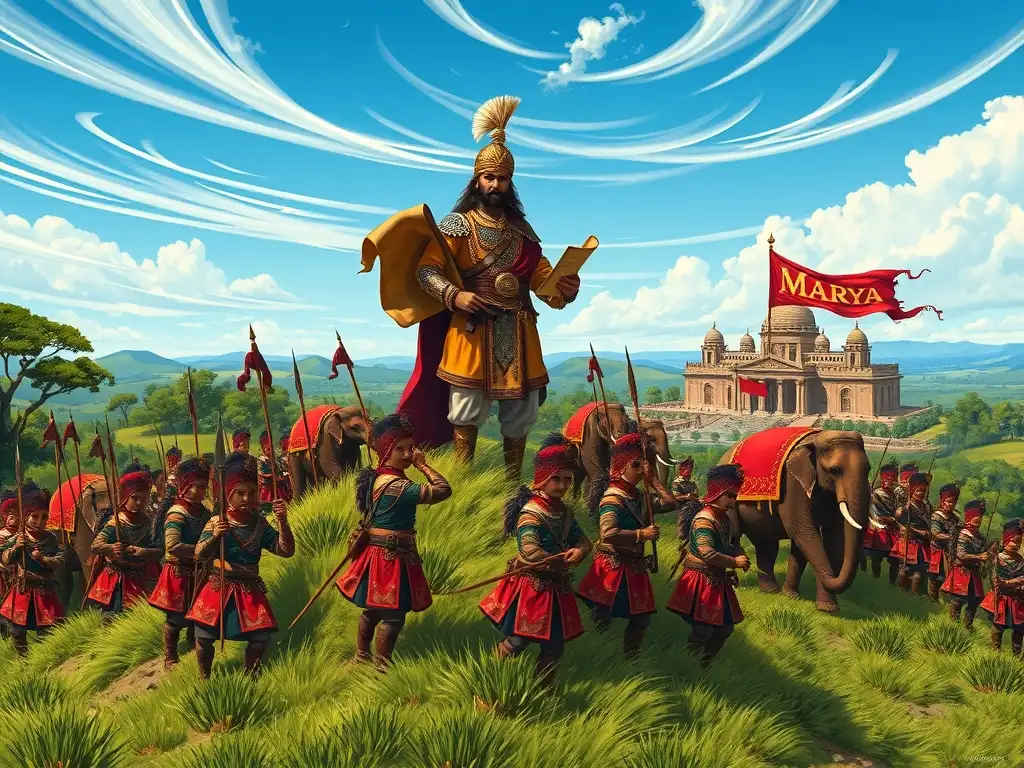
The military organization of the Maurya Empire was integral to its expansion and maintenance of power. Under the leadership of Chandragupta Maurya and later Ashoka, the military evolved into a formidable force that played a dual role in both conquest and defense. The structure of the Mauryan army was meticulously organized, comprising various units and specialized divisions that enabled it to conduct warfare effectively.
The military was not only a tool for territorial expansion but also a mechanism for enforcing the emperor's authority across the empire. Its organization reflected the principles of discipline and strategy, crucial for maintaining the vast territories under Mauryan control.
Structure of the Maurya Empire's Military
The structure of the Maurya Empire's military was characterized by a well-defined hierarchy and specialized units. The army was primarily composed of:
- Infantry: The backbone of the military, consisting of foot soldiers equipped with bows, swords, and shields.
- Cavalry: Fast-moving units that played a crucial role in reconnaissance and flanking maneuvers.
- Chariots: Used in battle for mobility and as platforms for archers.
- War Elephants: A hallmark of Mauryan military strategy, providing psychological and physical advantages in warfare.
The emperor commanded the military forces directly, with generals and officers overseeing various divisions. This organized approach allowed for coordinated military campaigns and effective response to threats.
Role of Military in Political Stability
The military played a pivotal role in ensuring political stability within the Maurya Empire. By maintaining a strong and disciplined army, the empire could deter external threats and suppress internal dissent. The presence of a formidable military force fostered a sense of security among the populace, enabling the government to focus on administration and development.
Moreover, the military's involvement in local governance, particularly in regions facing unrest, helped maintain order and reinforced the emperor's authority. The strategic deployment of military forces in key areas ensured rapid response to potential uprisings, thereby enhancing the central government's control over distant provinces.
Impact of Military Strategies on Governance
The military strategies employed by the Maurya Empire had a profound impact on governance. The emphasis on integrated military campaigns allowed for quick territorial expansion, which was followed by systematic administration of newly acquired lands. The military's role in infrastructure development, such as building roads and fortifications, facilitated trade and communication, further strengthening the empire's economy.
Additionally, Ashoka's later emphasis on Dhamma (moral law) after his conversion to Buddhism marked a shift in military strategy that influenced governance. The integration of ethical principles into the military's conduct fostered a sense of loyalty and cooperation among subjects, promoting a more harmonious society.
The Maurya Empire's political structure, characterized by its effective bureaucracy and military organization, set a precedent for future Indian empires. Its innovations in governance and administration, along with a strong military presence, ensured political stability and facilitated the empire's remarkable achievements.
Economic Management and Political Structure
The Maurya Empire's political structure was intricately linked to its economic management, forming a robust framework that ensured the stability and prosperity of the state. The empire's leaders recognized that a well-organized economy was essential to maintain political power and authority. By implementing strategic economic policies, the Mauryan rulers were able to foster an environment of growth and security.
The state took an active role in managing agricultural production, trade, and resource allocation, which enabled it to impose effective taxation and control over the economy. This economic management not only underpinned the empire's political structure but also facilitated the centralization of power under the Mauryan dynasty, particularly during the reign of Ashoka the Great, who expanded the empire's influence through both military and economic means.
Taxation and Resource Distribution
Taxation under the Maurya Empire was systematic and structured, designed to support the extensive administrative machinery and military needs of the state. The state collected taxes from various sources, including agriculture, trade, and crafts. The taxation system was progressive, ensuring that wealthier citizens contributed a larger share, thereby promoting equity within the society.
Resource distribution was managed with a focus on maintaining social order and economic stability. The central government regulated the flow of resources, ensuring that essential goods reached different parts of the empire. This controlled distribution of resources not only helped to prevent famine and unrest but also reinforced the legitimacy of the ruling authority, as the populace relied on the state for their basic needs.
Trade Policies and Economic Regulation
The Maurya Empire established extensive trade networks that connected various regions, facilitating both domestic and international commerce. The state implemented trade policies that supported merchants and traders, including standardized weights and measures, which encouraged fair trade practices.
Economic regulation was vital to managing the empire's wealth and resources. The Mauryan government controlled key industries, such as mining and textiles, and established state monopolies on certain goods. This central control over trade and industry not only generated revenue but also allowed the state to influence market prices, stabilize the economy, and ensure the availability of essential goods.
Influence of Economic Stability on Political Power
Economic stability was a cornerstone of the Mauryan political structure, significantly influencing the rulers' ability to maintain power. A prosperous economy ensured that the state could fund its military endeavors, administer justice, and provide for the welfare of its citizens.
The Mauryan emperors understood that public support was vital for their legitimacy. By promoting economic growth and stability, they could foster loyalty among their subjects. This relationship between economic stability and political power created a feedback loop: a strong economy bolstered the political authority of the emperor, while effective governance further stimulated economic prosperity.
The Maurya Empire's Legal Framework
The legal framework of the Maurya Empire played a crucial role in maintaining order and justice within the vast territories it governed. The rulers adopted a comprehensive system of laws that combined traditional customs with formal regulations, ensuring that justice was administered fairly and efficiently across the empire.
Laws and Justice Administration
The administration of justice in the Maurya Empire was characterized by a centralized legal system. The emperor was the ultimate authority in legal matters, and his decrees were binding across the empire. Local officials, known as Rajukas, were responsible for enforcing laws and overseeing legal proceedings at the district level.
The legal system encompassed various aspects of life, including property rights, family law, and criminal offenses. The emphasis on written laws and records facilitated transparency and accountability in judicial processes. This legal structure not only provided a means for conflict resolution but also reinforced the authority of the state.
Role of Dharmashastra in Governance
Dharmashastra, or the body of Hindu law, played a significant role in shaping the Mauryan legal framework. It provided ethical guidelines and principles that governed personal conduct and social responsibilities. The incorporation of Dharmashastra into the legal system ensured that laws resonated with the moral values of society, thereby enhancing their acceptance and adherence.
The rulers of the Maurya Empire often referred to Dharmashastra to legitimize their decisions and policies. Ashoka, in particular, emphasized the importance of Dharma (righteousness) in governance, promoting a legal ethos that prioritized moral conduct alongside legal enforcement. This fusion of law and ethics contributed to the overall stability and integrity of the empire.
Comparison with Other Ancient Legal Systems
The Mauryan legal system, while unique in its structure and principles, shared similarities with other ancient legal frameworks, such as those of Mesopotamia and ancient Rome. Like these systems, the Maurya Empire emphasized the centralization of authority and the codification of laws. However, the Mauryan approach was distinct in its integration of religious and moral codes, particularly those derived from Dharmashastra.
In contrast to the more punitive legal systems of other civilizations, the Mauryan legal framework often favored reconciliation and restoration of harmony within society. This approach reflected the empire's broader ethos of welfare and moral governance, setting a precedent for future Indian empires that sought to balance law with ethical considerations.
Diplomatic Relations and Political Alliances
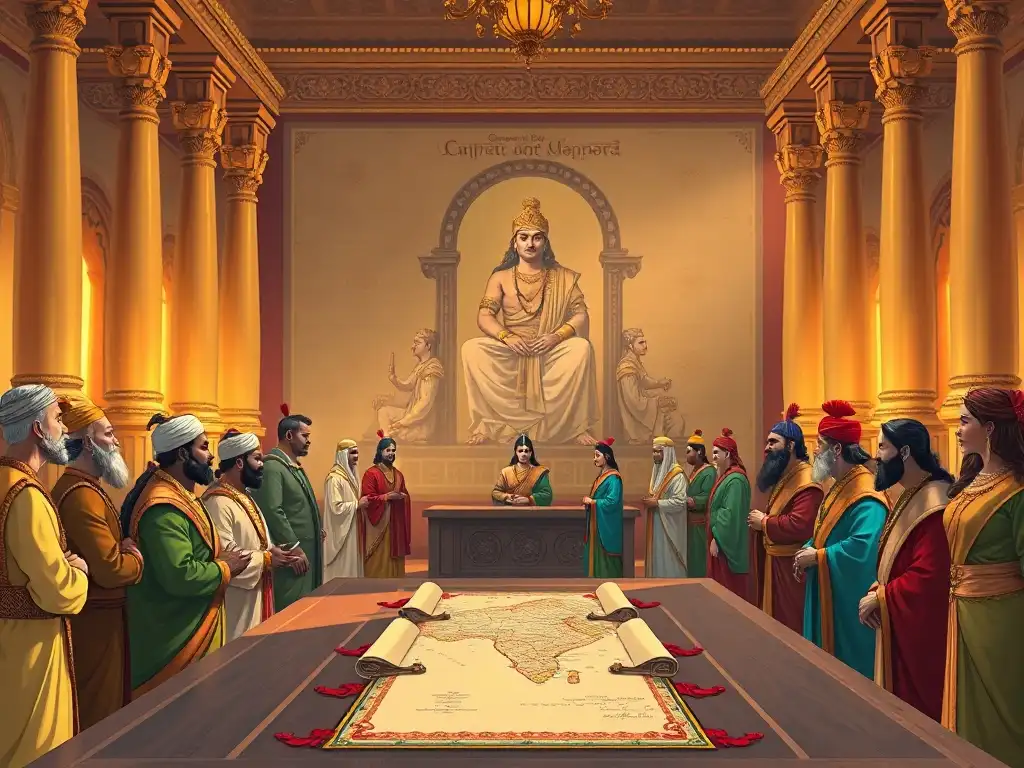
The Maurya Empire, one of ancient India's most powerful and influential empires, was characterized by its sophisticated diplomatic relations and strategic political alliances. Under the leadership of Chandragupta Maurya and his grandson Ashoka, the empire expanded its territory and influence through a combination of military might and diplomatic finesse. The Mauryan leaders understood the importance of fostering relationships with neighboring states and tribes to ensure political stability and security.
Foreign Policy Strategies of the Maurya Empire
The foreign policy strategies of the Maurya Empire were multifaceted, focusing on both military expansion and diplomatic engagement. The empire employed a range of tactics, including:
- Military Conquest: The initial expansion of the Maurya Empire was driven by military campaigns, particularly under Chandragupta Maurya, who conquered large parts of northern India and parts of present-day Afghanistan.
- Diplomatic Marriages: Alliances through marriage were common, allowing the Mauryans to secure loyalty and support from powerful families and regional rulers.
- Non-Aggression Pacts: The empire often entered into non-aggression agreements with neighboring kingdoms to avoid conflicts and ensure peace along its borders.
These strategies not only solidified the empire's control over vast territories but also promoted trade and cultural exchange.
Notable Treaties and Alliances
Throughout its history, the Maurya Empire established several notable treaties and alliances that shaped its political landscape. Some significant examples include:
- Treaty with Seleucus I Nicator: After Chandragupta Maurya defeated Seleucus, a general of Alexander the Great, a treaty was established that included territorial concessions and the exchange of diplomats. This treaty allowed the Maurya Empire to gain control of parts of Afghanistan and facilitated trade routes between India and the Hellenistic world.
- Alliances with Local Rulers: The Mauryas often formed alliances with local kings and regional powers to stabilize newly conquered territories. These alliances were crucial in maintaining order and integrating diverse cultures within the empire.
These treaties and alliances not only expanded the Maurya Empire but also contributed to its reputation as a formidable political entity.
Impact on Regional Politics and Stability
The diplomatic relations and political alliances forged by the Maurya Empire had a profound impact on regional politics and stability. By promoting goodwill and cooperation among neighboring states, the Mauryan leaders were able to:
- Enhance Regional Security: By aligning with powerful neighbors, the Maurya Empire could deter potential invasions and conflicts, fostering a sense of security across its borders.
- Facilitate Trade and Commerce: Stable diplomatic ties encouraged trade routes to flourish, enriching the economy and allowing for cultural exchanges between different regions.
- Promote Cultural Integration: The alliances and treaties often led to a blending of cultures, as different regions shared ideas, traditions, and practices, contributing to a cohesive identity within the empire.
The Maurya Empire's political strategies established a model of governance that emphasized diplomacy as a means of maintaining stability.
Lessons from the Maurya Empire Political Structure
The political structure of the Maurya Empire offers valuable lessons for contemporary governance and future political entities. Its blend of military might and diplomatic ingenuity provides insights that remain relevant today.
Relevance to Modern Political Systems
The Maurya Empire's approach to governance highlights several principles that can be applied to modern political systems:
- Strategic Alliances: Just as the Mauryas formed alliances for mutual benefit, modern states can benefit from strategic partnerships that enhance security and economic prosperity.
- Diplomacy Over Conflict: The preference for diplomatic solutions over militaristic approaches can be a guiding principle in contemporary international relations, promoting peace and cooperation.
- Inclusivity in Governance: The Mauryan model demonstrated the importance of incorporating diverse voices and perspectives in governance, which remains a critical aspect of modern democracies.
These lessons underscore the significance of strategic diplomacy in achieving political stability and fostering cooperation.
Sustainable Governance Practices
The Maurya Empire's political structure also exemplified sustainable governance practices that can inform modern administration:
- Centralized Administration with Local Autonomy: The Mauryas maintained a strong central government while allowing local rulers some degree of autonomy, ensuring effective governance across diverse regions.
- Emphasis on Welfare: Ashoka's reign, in particular, is marked by his commitment to the welfare of his subjects, promoting policies that prioritized health, education, and social justice.
These practices fostered loyalty and stability, demonstrating the importance of balancing authority with the needs of the populace.
Potential Applications for Future Empires in India
Looking to the future, the Maurya Empire's political structure can serve as a model for emerging political entities in India:
- Encouraging Regional Cooperation: New political structures can learn from the Mauryan emphasis on regional alliances, which can facilitate economic growth and cultural exchange in a diverse country like India.
- Building Resilience Through Diplomacy: Future empires can benefit from adopting a diplomatic-first approach to conflict resolution, prioritizing negotiations and alliances over military interventions.
- Promoting Inclusivity and Representation: Implementing governance models that reflect the diverse voices within society can enhance legitimacy and stability, mirroring the Mauryan practice of integrating different cultures and perspectives.
By drawing on the lessons of the Maurya Empire, future political leaders can navigate the complexities of governance in a rapidly changing world.
Conclusion
The Maurya Empire stands as a remarkable example of an advanced political structure that laid the groundwork for subsequent empires in India. Its sophisticated organization, administrative efficiency, and integration of diverse regions and cultures showcase the empire's ability to maintain control over a vast territory while promoting economic prosperity and social stability. The principles established during this era resonate through history, influencing political thought and governance in later Indian empires.
Summary of Key Points on Maurya Empire Political Structure
- Centralized Authority: The Maurya Empire was characterized by a strong central authority under the leadership of emperors like Chandragupta Maurya and Ashoka the Great. This allowed for coherent governance and the implementation of policies across the empire.
- Bureaucratic Administration: A complex bureaucratic system was put in place, featuring various officials responsible for different regions and functions. This system facilitated efficient tax collection, law enforcement, and public works, ensuring the smooth operation of the empire.
- Legal Framework: The Maurya Empire established a codified legal system that applied uniformly across its territories. This legal framework helped to maintain order and justice, contributing to the empire's stability.
- Promotion of Trade and Economy: The political structure encouraged trade by establishing a network of roads and ensuring the safety of merchants. The empire's economic policies supported agricultural production and facilitated commerce, which in turn financed the state’s activities.
- Cultural Integration: The Maurya Empire excelled in integrating diverse cultures and communities, promoting religious tolerance and cultural exchange. This inclusivity helped to unify the empire and foster a sense of shared identity among its citizens.
Final Thoughts on Its Legacy and Influence on Future Empires
The political structure of the Maurya Empire has had a lasting legacy on the governance systems of subsequent Indian empires. Elements such as centralized administration, bureaucratic efficiency, and legal uniformity became models for later rulers.
The emphasis on trade and economic development established by the Mauryas would influence future empires to prioritize infrastructure and commerce as means of sustaining power and fostering growth. Furthermore, the promotion of cultural integration and tolerance set a precedent for how empires could coexist with diverse populations, paving the way for more inclusive governance models.
The Maurya Empire's political structure not only contributed to its own success but also served as a blueprint for future civilizations in India. Its principles continue to be relevant, highlighting the importance of effective governance and cultural unity in any thriving empire.
- Introduction to the Maurya Empire Political Structure
- Key Features of the Maurya Empire Political Structure
- The Bureaucracy of the Maurya Empire
- Military Organization within the Maurya Empire
- Economic Management and Political Structure
- The Maurya Empire's Legal Framework
- Diplomatic Relations and Political Alliances
- Lessons from the Maurya Empire Political Structure
- Conclusion
- What was the political structure of the Maurya Empire?
- How did the Maurya Empire influence future empires in India?
- Who was the most notable ruler of the Maurya Empire?
- What role did administrative divisions play in the Maurya Empire's governance?
- How did the Maurya Empire's political structure contribute to its stability?
Frequently Asked Questions
What was the political structure of the Maurya Empire?
The Maurya Empire's political structure was characterized by a centralized administration, with the emperor holding absolute power and local governors managing provinces to ensure efficient governance.
How did the Maurya Empire influence future empires in India?
The political model established by the Maurya Empire served as a foundation for future Indian empires, emphasizing central authority, bureaucratic efficiency, and a well-organized military.
Who was the most notable ruler of the Maurya Empire?
Ashoka the Great is considered the most notable ruler, known for his transformative policies, including the promotion of Buddhism and a commitment to non-violence and social welfare.
What role did administrative divisions play in the Maurya Empire's governance?
The administrative divisions allowed for better management and control across vast territories, facilitating tax collection, law enforcement, and the implementation of the emperor's policies.
How did the Maurya Empire's political structure contribute to its stability?
The centralized political structure and a network of loyal officials fostered cohesion and stability, enabling the empire to maintain order and respond effectively to external threats and internal challenges.
Final Reflection: The Maurya Empire's Political Structure as a Timeless Blueprint
The political structure of the Maurya Empire remains remarkably relevant today, illustrating how effective governance can shape a nation’s destiny. As we navigate the complexities of modern political systems, the lessons derived from the Maurya Empire's centralized administration and innovative governance strategies serve as a beacon for contemporary leaders. The Maurya Empire exemplifies that a well-organized political structure is not merely a relic of the past but a vital framework that can inspire future empires in India and beyond.
The enduring influence of the Maurya Empire's political structure is evident in the way it has shaped the cultural and social landscape of India. Its emphasis on a strong central authority, combined with local governance, has left an indelible mark on the political ideologies that continue to resonate today. As we reflect on this historical model, we are reminded of the words of the great philosopher Chanakya, who said, ">There is some self-interest behind every friendship.
There is no friendship without self-interests. This is a bitter truth." This quote encapsulates the intricate balance of power and responsibility that characterized the Maurya Empire, urging us to consider how self-interest can be aligned with the greater good in our own political structures.
As we look toward the future, let us embrace the lessons of the Maurya Empire's political structure and apply them in our lives and communities. I invite you to reflect on how effective governance can foster unity and progress, and to consider how you can contribute to building a more equitable and just society. By understanding and learning from the past, we can cultivate a political landscape that honors the legacy of the Maurya Empire while paving the way for a brighter future.
Unleash the Wisdom of the Maurya Empire!
Thank you for exploring the fascinating political structure of the Maurya Empire! We hope you gained valuable insights into how its governance can inspire future leaders and societies. Now, it's time to take action and apply this knowledge to both the present and the future.
Here are a few ways you can get involved:
- Implement what you've learned: Reflect on the governance strategies of the Maurya Empire and consider how you could integrate similar principles in your community or organization.
- Join the conversation: Share your thoughts on the Maurya Empire's political strategies in our comments section or on social media. Connect with fellow history enthusiasts!
- Explore further: Dive deeper into the rich history of Indian empires. Check out our other articles and resources to broaden your understanding of ancient governance practices.
What aspect of the Maurya Empire's political structure do you think could be most beneficial in today's world? We invite you to share your thoughts below!