
The Great Cities of the Indus Valley: Urban Centers of Ancient Power

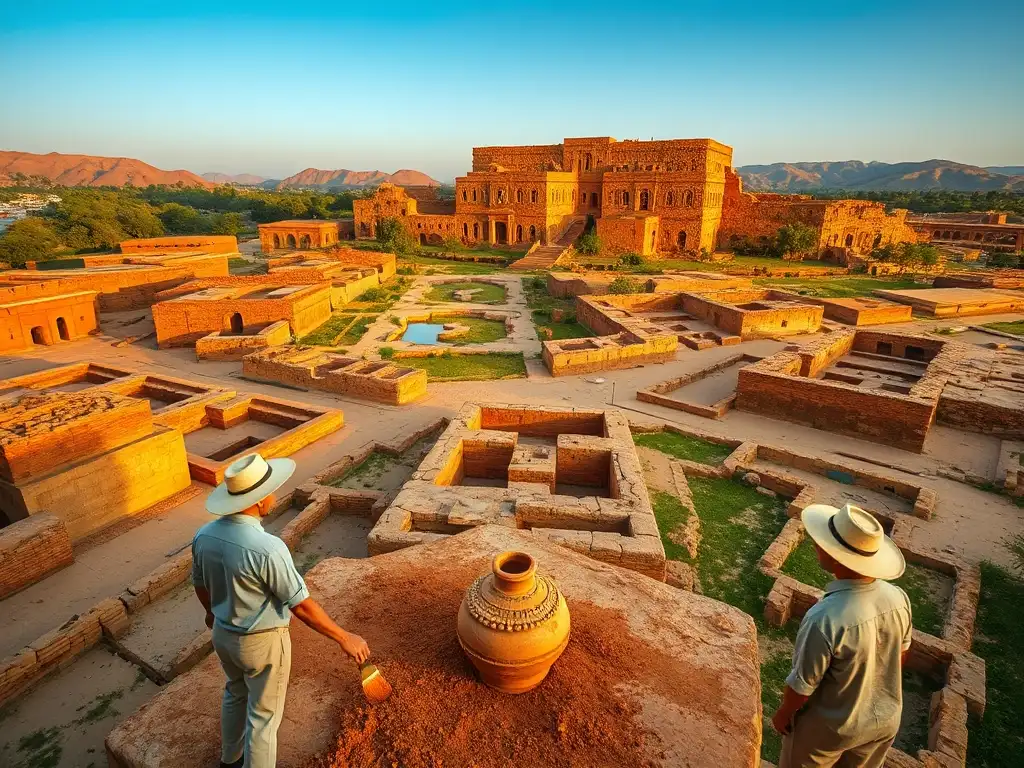
Welcome to Ancient India History, where we embark on a fascinating journey through the rich tapestry of ancient Indian civilizations. Dive into the captivating world of the Indus Valley ancient cities, remarkable urban centers that thrived with innovation and culture long before the rise of the empires. What secrets do these cities hold about the lives of their inhabitants and their groundbreaking contributions to society?
Join us as we unravel the mysteries and marvels of this extraordinary era, beginning with our in-depth exploration of "The Great Cities of the Indus Valley: Urban Centers of Ancient Power." Your adventure into the past starts here!
- Introduction to the Indus Valley Ancient Cities
- The Major Indus Valley Ancient Cities
- Characteristics of Indus Valley Ancient Cities
- The Decline of the Indus Valley Ancient Cities
- Legacy of the Indus Valley Ancient Cities
- Conclusion: The Enduring Impact of Indus Valley Ancient Cities
-
Frequently Asked Questions
- What were the major ancient cities of the Indus Valley?
- How did the Indus Valley civilizations influence later cultures?
- What was the significance of urban planning in Indus Valley cities?
- What types of artifacts have been found in the Indus Valley?
- Why is the study of Indus Valley ancient cities important today?
- Final Reflection: The Enduring Legacy of Indus Valley Ancient Cities
- Uncover the Secrets of the Indus Valley Civilization!
Introduction to the Indus Valley Ancient Cities
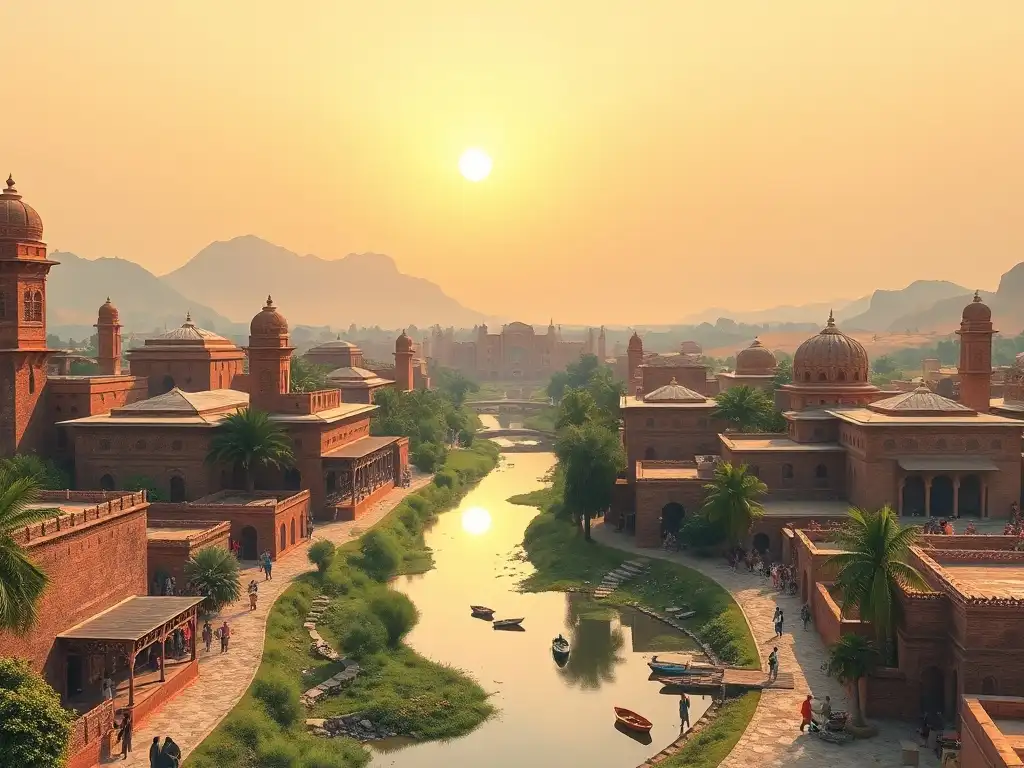
The Indus Valley Civilization, one of the world's earliest urban cultures, flourished around 2500 BCE along the fertile floodplains of the Indus River. This remarkable civilization is renowned for its sophisticated city planning, advanced drainage systems, and impressive architectural accomplishments. The urban centers of the Indus Valley, such as Harappa and Mohenjo-Daro, stand as testaments to the ingenuity and organization of ancient Indian society.
Understanding these cities provides invaluable insights into the social, economic, and cultural dynamics that defined the era. In this article, we will explore the significance of these ancient cities, their contributions to urban development, and their lasting legacy in the context of Indian history.
Overview of the Indus Valley Civilization
The Indus Valley Civilization, also known as the Harappan Civilization, thrived during the Bronze Age, encompassing parts of present-day Pakistan and northwest India. This civilization is characterized by its:
- Planned cities: The urban layout of cities such as Harappa and Mohenjo-Daro featured grid patterns, wide streets, and uniform brick houses, showcasing advanced urban planning.
- Innovative infrastructure: The civilization boasted one of the world's earliest sewage systems and drainage networks, indicating a high level of public health awareness and engineering skills.
- Trade and economy: The Indus Valley was an economic hub, facilitating trade not only within its region but also with distant lands, including Mesopotamia. Artifacts such as seals and weights highlight the complexity of their trade systems.
- Cultural achievements: The civilization is noted for its artistic expressions, including pottery, metallurgy, and jewelry, which reflect a rich cultural life and skilled craftsmanship.
By examining the Indus Valley ancient cities, we gain a deeper understanding of the technological, social, and cultural advancements that laid the groundwork for future civilizations in the Indian subcontinent.
Importance of Urban Centers in Ancient India
The urban centers of the Indus Valley Civilization played a crucial role in shaping the socio-economic landscape of ancient India. Their significance can be highlighted through several key aspects:
- Cultural Exchange: These cities served as melting pots of diverse cultures, facilitating the exchange of ideas, customs, and technologies among various communities. This interaction helped to create a shared cultural identity that influenced later Indian civilizations.
- Economic Development: The urban centers were hubs of commerce and trade, fostering economic growth and stability. The presence of marketplaces, granaries, and workshops indicates the vibrancy of economic activities in these cities.
- Political Organization: The complexity of the urban layout suggests a centralized form of governance, enabling effective administration and social order. The ability to mobilize resources and labor for large-scale projects, such as public buildings and irrigation systems, reflects a sophisticated political structure.
- Technological Advancements: The engineering feats achieved in urban planning and construction had a lasting impact on subsequent Indian civilizations. The innovations in drainage and water management systems set a precedent for urban development in the region.
- Legacy of Urban Living: The Indus Valley cities laid the foundation for future urban centers in India, influencing architectural styles and urban planning concepts that persisted through the ages.
The Indus Valley ancient cities were not merely centers of habitation; they were dynamic environments that fostered cultural, economic, and political advancements, shaping the trajectory of ancient Indian history. Understanding their significance allows us to appreciate the rich tapestry of human civilization in the Indian subcontinent.
The Major Indus Valley Ancient Cities
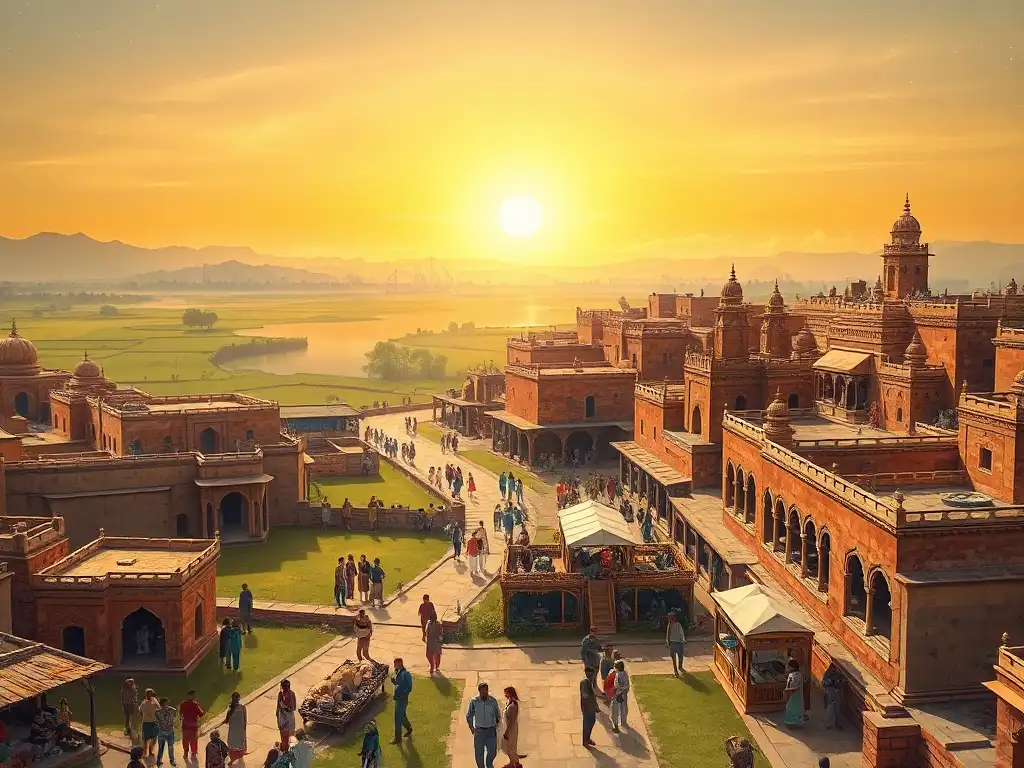
Harappa: The First Urban Marvel
Geographic Location and Layout
Harappa, located in present-day Punjab, Pakistan, was one of the earliest urban centers of the Indus Valley Civilization, thriving around 2600–1900 BCE. Its strategic position along the Ravi River facilitated not only agriculture but also trade with neighboring regions. The city was designed with remarkable precision, featuring a grid pattern of streets that was significantly advanced for its time.
- City Layout:
- Grid Pattern: Streets were laid out in a north-south and east-west orientation, enhancing accessibility.
- Residential Areas: Houses were constructed from baked bricks, often two stories high, and featured flat roofs.
The city was divided into two major sections: the Citadel and the Lower City. The Citadel, elevated from the rest of the city, likely served as a religious and administrative center, while the Lower City was primarily residential.
Architectural Innovations and Urban Planning
Harappa showcased outstanding architectural innovations that reflected the advanced urban planning of the time.
- Drainage System: One of the most significant features was the sophisticated drainage system. Almost every house was connected to a centralized drainage network, indicating a high level of hygiene and urban sanitation.
- Public Buildings: Large public baths, such as the Great Bath, suggest communal activities and possibly religious rituals.
- Storage Facilities: Granaries and warehouses were constructed to store surplus grain, indicating a structured approach to agriculture and resource management.
This meticulous urban planning and architectural prowess demonstrate how Harappa was not just a city, but a thriving civilization that laid the groundwork for future urban development in the Indian subcontinent.
Mohenjo-Daro: The City of the Dead
Key Features and Infrastructure
Mohenjo-Daro, another prominent city of the Indus Valley Civilization, is renowned for its well-preserved ruins and advanced infrastructure. Located near the Indus River in present-day Sindh, Pakistan, this city flourished around the same time as Harappa.
- City Layout:
- Centralized Structure: Similar to Harappa, Mohenjo-Daro featured a grid-like layout with wide streets and organized blocks.
- Public Spaces: The city included public squares and large assembly areas, suggesting a communal lifestyle and social interaction.
Some of the key features of Mohenjo-Daro include:
- The Great Bath: A large, public bathing area that highlights the importance of ritual purity and social gatherings.
- Warehouses: Extensive storage buildings for grain and other goods, indicating a well-organized economy.
Significance in Trade and Economy
Mohenjo-Daro played a crucial role in trade and commerce within the Indus Valley and beyond. Its location along the Indus River facilitated trade routes that connected various civilizations.
- Trade Relations: Artifacts found at Mohenjo-Daro suggest trade with Mesopotamia, including seals and goods such as beads and jewelry.
- Economic Structure: The presence of standardized weights and measures points to a regulated economic system, aiding in trade efficiency and market transactions.
The economic prowess of Mohenjo-Daro is evident in its vibrant marketplace and extensive trade networks, emphasizing its status as a major urban center of the Indus Valley Civilization.
Both Harappa and Mohenjo-Daro exemplify the remarkable achievements of the Indus Valley ancient cities, displaying advanced urban planning, architectural innovations, and significant economic activities that contributed to their lasting influence in ancient Indian history.
Dholavira: The Water Management Genius
Dholavira, one of the prominent cities of the Indus Valley Civilization, is often hailed as a marvel of ancient engineering, particularly known for its sophisticated water management systems. Located on the arid island of Khadir in the state of Gujarat, this city thrived between 3000 and 1500 BCE. The inhabitants of Dholavira demonstrated exceptional ingenuity in harnessing and managing water resources, crucial for sustaining life in a desert environment.
The city was strategically designed, incorporating an intricate network of reservoirs, canals, and water conservation structures that allowed them to collect rainwater and manage water supply efficiently. This capability not only ensured a steady water supply for its residents but also supported agricultural activities, which were vital for the city’s economy. Dholavira’s advanced techniques highlight the ingenuity and adaptability of the Indus Valley people in overcoming environmental challenges.
Advanced Water Conservation Techniques
The water management systems of Dholavira were revolutionary for their time. The city featured large reservoirs constructed from stone and brick, capable of storing substantial amounts of rainwater. These reservoirs were connected through a series of canals, allowing for the distribution of water throughout the city.
- Storage Systems: The city had at least five large reservoirs, each designed to capture and store rainwater during the monsoon season. This enabled the residents to maintain a consistent water supply throughout the year.
- Drainage and Channeling: A well-planned drainage system was established to handle excess water, preventing flooding and ensuring that the reservoirs were not contaminated. This system included channels to direct water away from residential areas while keeping it accessible for irrigation and other uses.
- Water-Saving Practices: The inhabitants also implemented water-saving strategies, such as the construction of smaller storage tanks and the use of percolation wells, which allowed for the replenishment of groundwater.
These techniques not only showcase the advanced engineering skills of the Indus Valley Civilization but also emphasize the importance of sustainable practices in ancient urban planning.
Cultural Significance of Dholavira
Dholavira is not only noted for its engineering prowess but also for its cultural richness. The city played a vital role in trade and commerce, acting as a hub for interactions between various regions.
- Trade Links: Dholavira was strategically positioned along trade routes that facilitated exchanges with other ancient civilizations, including Mesopotamia. Artifacts such as seals, pottery, and beads discovered at the site indicate extensive trade networks.
- Symbol of Innovation: The city's advanced urban planning and water management techniques reflect the innovative spirit of its society. This ingenuity likely influenced other contemporary urban centers and contributed to the overall development of the Indus Valley Civilization.
- Cultural Heritage: Dholavira has been recognized as a UNESCO World Heritage Site, highlighting its significance in understanding the cultural and historical context of ancient India. The city stands as a testament to the achievements of the Indus Valley people and their contributions to urban civilization.
Ganeriwala: The Mysteries of an Ancient City
Ganeriwala, another significant city of the Indus Valley Civilization, remains shrouded in mystery and intrigue. Located in present-day Pakistan, this ancient urban center dates back to approximately 2500 BCE. While much of its history is yet to be uncovered, archaeological excavations have revealed fascinating insights into its structure and culture.
The layout of Ganeriwala suggests a well-planned city, with features that indicate a complex society. However, many aspects of its existence, including its decline and the reasons behind it, continue to puzzle historians and archaeologists.
Archaeological Discoveries and Findings
Excavations at Ganeriwala have unearthed numerous artifacts that provide valuable information about the city’s past. Some key discoveries include:
- Urban Layout: Evidence of a grid-like street pattern indicates advanced urban planning. The remains of brick structures suggest that the buildings were robust and well-constructed.
- Artifacts: Numerous artifacts, including pottery, seals, and tools, have been found, reflecting the daily lives and economic activities of the inhabitants. The presence of intricate seals points to a possible system of trade and communication.
- Burial Sites: Excavations have also revealed burial sites, offering insights into the funerary practices and beliefs of the society. The artifacts found with the remains suggest a belief in an afterlife and the importance of status in burial customs.
These findings continue to contribute to the understanding of Ganeriwala's role within the broader context of the Indus Valley Civilization.
Insights into Daily Life and Society
The archaeological discoveries at Ganeriwala provide glimpses into the daily lives and societal structure of its inhabitants.
- Economic Activities: The presence of various tools and pottery indicates that agriculture, craft production, and trade were significant aspects of the economy. The diversity of artifacts suggests that the society was engaged in multiple forms of production and exchange.
- Social Structure: Analysis of the burial sites and the artifacts associated with them indicates a stratified society, possibly with distinct social classes. The presence of elaborate grave goods suggests that status played an important role in the community.
- Cultural Practices: The artifacts found at Ganeriwala point to a rich cultural life, with evidence of artistic expression and possibly religious practices. The presence of seals and figurines may indicate a form of writing or symbolic communication that was integral to their societal interactions.
Ganeriwala remains a fascinating subject of study, as ongoing research continues to unveil the complexities of life in this ancient city and its contributions to the Indus Valley Civilization.
Characteristics of Indus Valley Ancient Cities
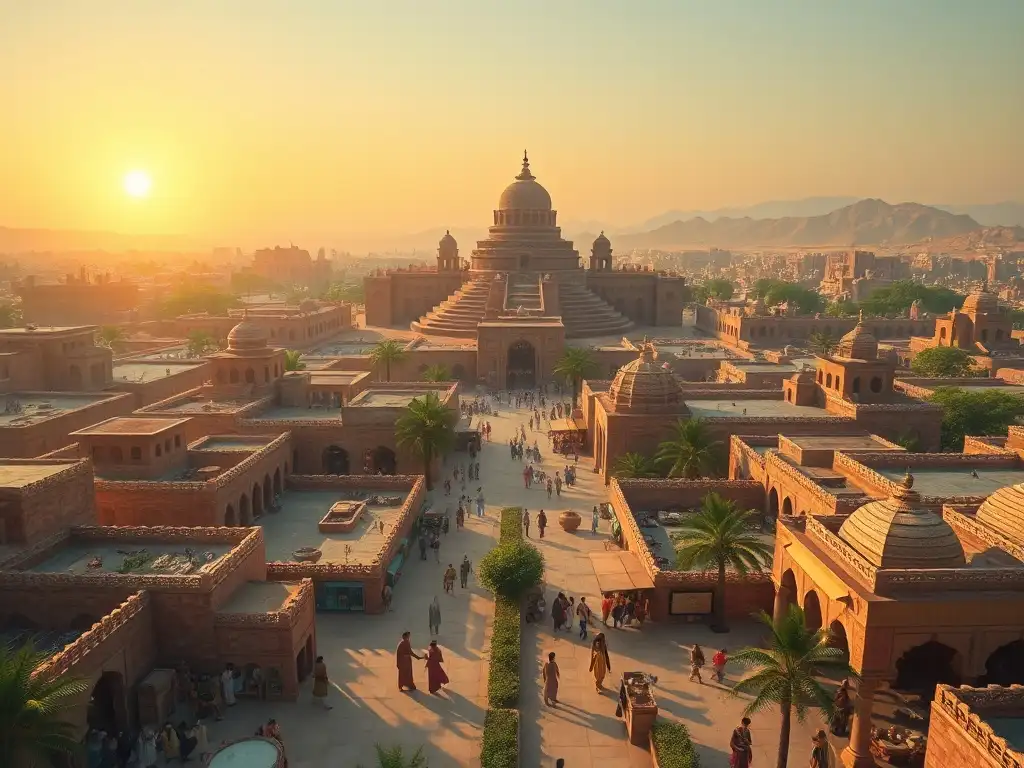
The Indus Valley ancient cities are remarkable examples of urban planning and social organization, showcasing the ingenuity of one of the world's earliest civilizations. The cities of Harappa and Mohenjo-Daro, among others, serve as prime illustrations of the sophisticated lifestyle and advanced infrastructure of the Indus Valley Civilization (IVC). This section explores key characteristics that defined these urban centers, focusing on urban planning, architecture, trade, and economy.
Urban Planning and Architecture
The urban planning and architectural features of the Indus Valley ancient cities reveal a profound understanding of city design and community living.
Grid Layout and City Design
One of the most striking features of these cities is their grid layout, which reflects a high degree of organization. Streets were often laid out at right angles, forming a well-planned grid that facilitated movement and accessibility.
- Width of Streets: Main thoroughfares measured about 9 to 10 meters wide, allowing for the passage of carts and pedestrians.
- Residential Areas: Houses were typically uniform in size and constructed from baked bricks, with multiple stories and flat roofs. This uniformity suggests a planned approach to urban development.
The layout also included advanced drainage systems, with covered drains running along the streets, indicating a sophisticated understanding of sanitation and public health. These cities featured:
- Public Baths: Large bathing complexes, like the Great Bath of Mohenjo-Daro, served both ritual and practical purposes, highlighting the importance of cleanliness in daily life.
- Granaries: Centralized storage facilities for grains suggest an organized agricultural economy and planning for food security.
Use of Materials and Construction Techniques
The construction techniques and materials employed in the Indus Valley ancient cities were advanced for their time.
- Bricks: The cities utilized standardized baked bricks, which were more durable than the sun-dried bricks used in other ancient cultures.
- Construction Techniques: Buildings were often constructed using a technique known as masonry, which involved precise alignment and fitting of bricks without the use of mortar, enabling strong structures that have withstood the test of time.
The use of local materials, such as clay and stone, combined with a keen understanding of engineering principles, contributed to the longevity and resilience of these urban centers. The architectural styles varied slightly between cities but maintained a cohesive aesthetic that defined the IVC.
Trade and Economy in Indus Valley Cities
Trade and economy were fundamental to the prosperity of the Indus Valley ancient cities, facilitating cultural exchanges and technological advancements.
Trade Routes and Economic Networks
The strategic location of Indus Valley cities enabled them to engage in extensive trade networks, both within the subcontinent and beyond.
- Land and River Routes: The cities were connected to major trade routes, including the Indus River, which served as a vital transportation artery. Overland routes linked the IVC with regions as far as Mesopotamia and Persia.
- Maritime Trade: Archaeological evidence suggests that the people of the IVC also engaged in maritime trade through the Arabian Sea, exporting goods to distant lands.
These trade networks not only contributed to the economic stability of the cities but also facilitated the exchange of ideas, technologies, and cultural practices.
Key Commodities and Craftsmanship
The economy of the Indus Valley ancient cities was diverse, with various commodities being produced and traded extensively.
- Key Commodities: Major exports included cotton textiles, pottery, semi-precious stones, and metalwork. The IVC is often credited with being one of the earliest centers for cotton cultivation and textile production.
- Craftsmanship: Skilled artisans created intricate jewelry, seals, and pottery, showcasing advanced craftsmanship. The use of metallurgy in creating tools and ornaments indicates a sophisticated understanding of materials.
The presence of specialized craftspeople and an organized trade system suggests a complex economy that supported social hierarchies and cultural developments within these ancient cities.
Through their urban planning, architectural achievements, and economic networks, the Indus Valley ancient cities not only exemplify the ingenuity of their inhabitants but also lay the groundwork for the enduring legacy of ancient Indian civilization.
The social structure of the Indus Valley ancient cities was marked by a complex and hierarchical arrangement. Archaeological evidence suggests that society was organized into distinct classes, although the exact nature of this hierarchy remains debated among scholars. The cities, such as Harappa and Mohenjo-Daro, exhibit signs of advanced urban planning and governance, indicating a well-structured administration that likely played a crucial role in daily life.
The cultural life in these ancient cities was vibrant and multifaceted, reflecting a blend of local traditions and influences from neighboring regions. Artifacts, including pottery, jewelry, and seals, reveal a rich artistic expression. The presence of various crafts and trade goods indicates that the Indus Valley civilization was not only self-sufficient but also engaged in extensive trade with distant lands, including Mesopotamia.
Hierarchical Society and Governance
The hierarchical nature of society in the Indus Valley ancient cities is inferred from the layout of the cities and the distribution of resources. Evidence points to a ruling elite that may have consisted of wealthy merchants and landowners, who held significant power and influence. This elite class likely dictated the socio-economic dynamics, controlling trade and resources while overseeing labor.
Governance in these cities appears to have been centralized, with administrative functions concentrated in certain areas, possibly within large public buildings. The uniformity in city planning suggests a coordinated effort in urban management, possibly overseen by a governing body that enforced laws and maintained order within the community. However, unlike other ancient civilizations, such as Mesopotamia or Egypt, there is little evidence of a singular ruling monarch, leading some scholars to propose a more collective form of governance.
Religion and Cultural Practices
Religion played a pivotal role in the cultural fabric of Indus Valley ancient cities. Although direct evidence of religious practices is sparse, numerous seals and figurines suggest that the inhabitants worshipped a variety of deities, possibly linked to nature and fertility. The discovery of various terracotta figurines, including the famous "Dancing Girl," indicates that artistic expressions were likely intertwined with religious rituals.
Cultural practices in these cities encompassed a wide array of activities, including trade festivals, agricultural celebrations, and communal gatherings. The sophisticated drainage and sanitation systems hint at a strong communal sense of responsibility towards public health, which may have been tied to religious beliefs about purity and cleanliness. Additionally, the presence of standardized weights and measures points to a well-organized trade system, suggesting that economic activities were as much a part of cultural life as religious practices.
The social structure and cultural life of the Indus Valley ancient cities were characterized by a complex hierarchy, advanced governance, and rich cultural practices that collectively contributed to the civilization's enduring legacy.
The Decline of the Indus Valley Ancient Cities
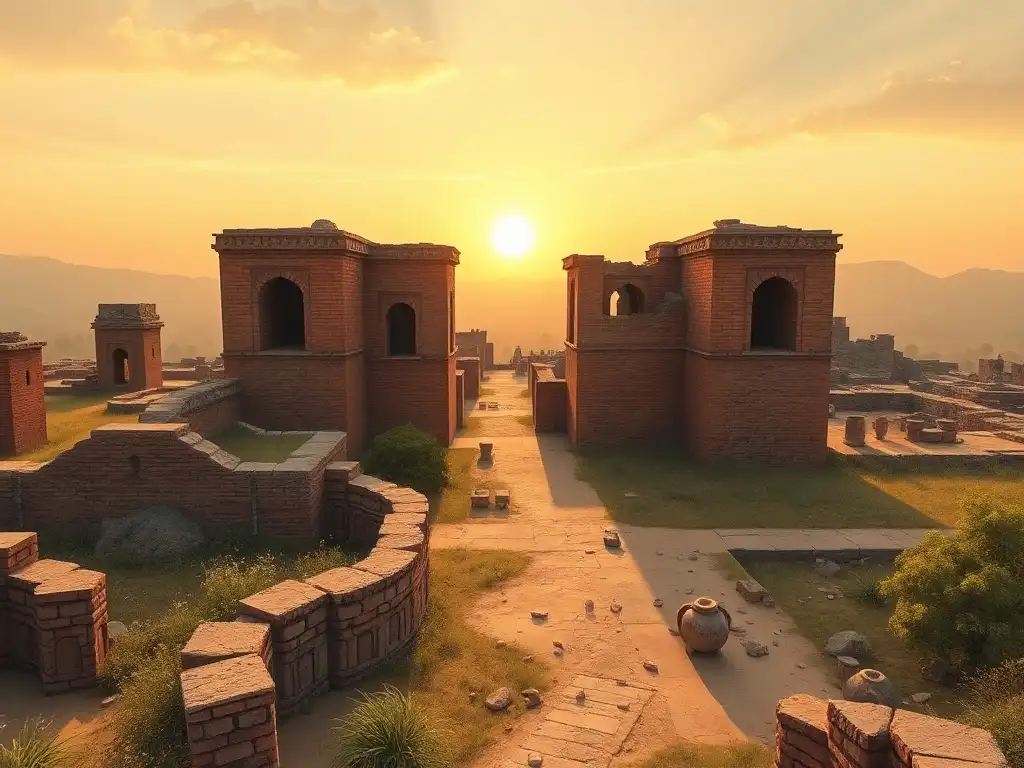
The decline of the Indus Valley ancient cities marks a significant turning point in the history of one of the world's earliest urban civilizations. While these cities, such as Harappa and Mohenjo-Daro, thrived for centuries, their eventual decline raises questions about the sustainability of urban life in ancient times. Understanding the factors contributing to this decline provides insight into the complexities of the Indus Valley Civilization and its eventual transformation.
Factors Contributing to Urban Decline
The decline of the Indus Valley ancient cities can be attributed to a confluence of factors that affected both the environment and the socio-economic fabric of the civilization. These can be broadly categorized into environmental changes, natural disasters, and societal disruptions.
Environmental Changes and Natural Disasters
- Climate Change: One of the most significant factors contributing to the decline was changing climatic conditions. Evidence suggests that the region experienced a shift towards aridity, which adversely affected agriculture. The fertile lands that once supported vast crops became less productive, leading to food shortages.
- River Dynamics: The Indus River and its tributaries were crucial for irrigation and transportation. However, geological studies indicate that the river's course changed over time, which could have led to flooding in some areas and drought in others. This alteration in river dynamics disrupted the delicate balance of water supply, essential for sustaining urban life.
- Natural Disasters: Archaeological findings have uncovered signs of flooding and possibly seismic activity in the region. Such natural disasters would have had devastating effects on large urban centers, leading to population displacement and loss of infrastructure.
Societal and Economic Disruptions
- Trade Decline: The Indus Valley Civilization was known for its extensive trade networks, reaching as far as Mesopotamia. However, as environmental conditions worsened, trade routes may have been disrupted, leading to economic decline. The loss of trade would have diminished the wealth of urban centers, making them less viable.
- Political Fragmentation: The evidence of urban planning and centralized governance in the Indus Valley suggests a complex societal structure. However, as resources became scarce, societal cohesion may have fractured. This fragmentation could have led to conflicts among different groups, weakening the political structure and contributing to the decline of these once-mighty cities.
- Migration and Urban Abandonment: Faced with declining resources and increasing instability, it is likely that many inhabitants migrated to more hospitable areas. This out-migration would have resulted in the gradual abandonment of cities, leading to their eventual decline.
The decline of the Indus Valley ancient cities was not the result of a single event but rather a culmination of environmental changes and societal disruptions. Understanding these factors is crucial for appreciating the complexity of the Indus Valley Civilization and its legacy in the history of ancient India.
Legacy of the Indus Valley Ancient Cities
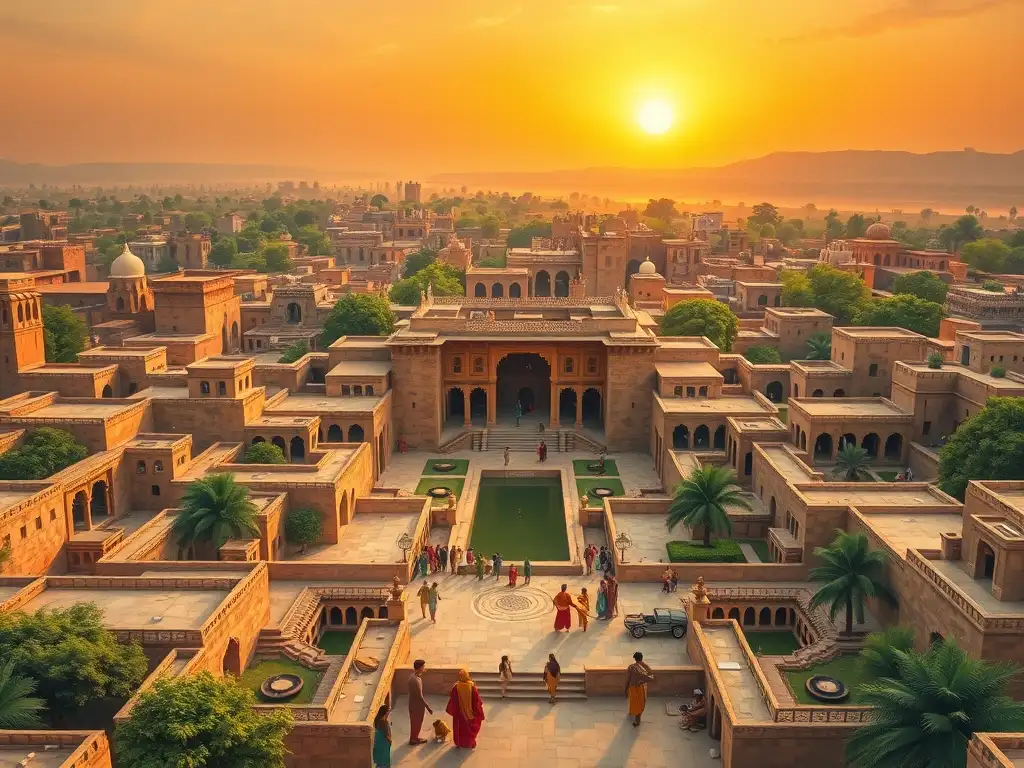
The Indus Valley ancient cities, characterized by their advanced urban planning, architecture, and social organization, have left an indelible mark on the history and culture of India. Their legacy is not merely confined to the physical remnants of their cities but extends into various aspects of subsequent civilizations that flourished in the region.
Influence on Subsequent Civilizations in India
The urban centers of the Indus Valley Civilization (IVC) such as Harappa and Mohenjo-Daro set foundational standards for city planning and governance that influenced later Indian cultures. The following aspects highlight their impact:
- Urban Planning: The grid-like layout of streets, sophisticated drainage systems, and use of baked brick in construction are features that can be seen in later cities. For instance, the Mauryan cities incorporated similar urban designs, indicating a continuity of architectural principles.
- Trade Networks: The extensive trade networks established during the IVC not only facilitated commerce within the region but also linked India with distant cultures, including Mesopotamia and Persia. This exchange of goods and ideas laid the groundwork for economic practices in subsequent civilizations.
- Craftsmanship and Art: The Indus Valley artisans were known for their skills in pottery, bead-making, and metallurgy. These crafts evolved but continued to be significant in the subsequent Vedic and post-Vedic periods, influencing local art styles and production techniques.
- Religious Practices: Although the religious beliefs of the Indus Valley people remain somewhat enigmatic, certain symbols and motifs, such as the “Proto-Shiva” and the use of sacred animals, seem to have persisted into later Hindu traditions, hinting at a continuity of spiritual practices.
- Agricultural Techniques: The agricultural advancements of the IVC, including irrigation methods and crop cultivation, laid the foundation for the agrarian economy in later Indian civilizations. This agricultural knowledge was vital for sustaining larger populations and urban centers in subsequent eras.
Preservation and Study of Indus Valley Heritage
The preservation and study of the Indus Valley ancient cities have become crucial for understanding not only their civilization but also their impact on subsequent cultures. Several efforts and methodologies are in place:
- Archaeological Excavations: Ongoing excavations at sites like Harappa and Mohenjo-Daro continue to reveal new insights into urban planning, social structure, and daily life. These discoveries help historians piece together the complexities of IVC society.
- Conservation Efforts: Various organizations and governments are engaged in conservation initiatives to protect the remnants of these ancient cities from natural decay and human encroachment. This includes establishing protected archaeological sites and promoting responsible tourism.
- Multidisciplinary Studies: Scholars from archaeology, anthropology, and history collaborate to study the artifacts and urban layouts of the IVC. This interdisciplinary approach enriches our understanding of the socio-economic and cultural dynamics of the civilization.
- Cultural Heritage Programs: Educational initiatives aimed at raising awareness about the significance of the Indus Valley Civilization are crucial. Workshops, museum exhibitions, and digital resources serve to engage the public and foster appreciation for this ancient heritage.
- Digital Documentation: The use of modern technology, such as 3D modeling and GIS mapping, allows for the detailed recording and analysis of Indus Valley sites. These digital tools enable researchers to visualize urban layouts and facilitate virtual tours, making the history of the IVC accessible to a broader audience.
The legacy of the Indus Valley ancient cities is a testament to their complexity and influence. Through continued research and preservation efforts, we can better understand their role in shaping the trajectory of ancient Indian civilizations and their lasting contributions to the cultural heritage of the region.
Conclusion: The Enduring Impact of Indus Valley Ancient Cities
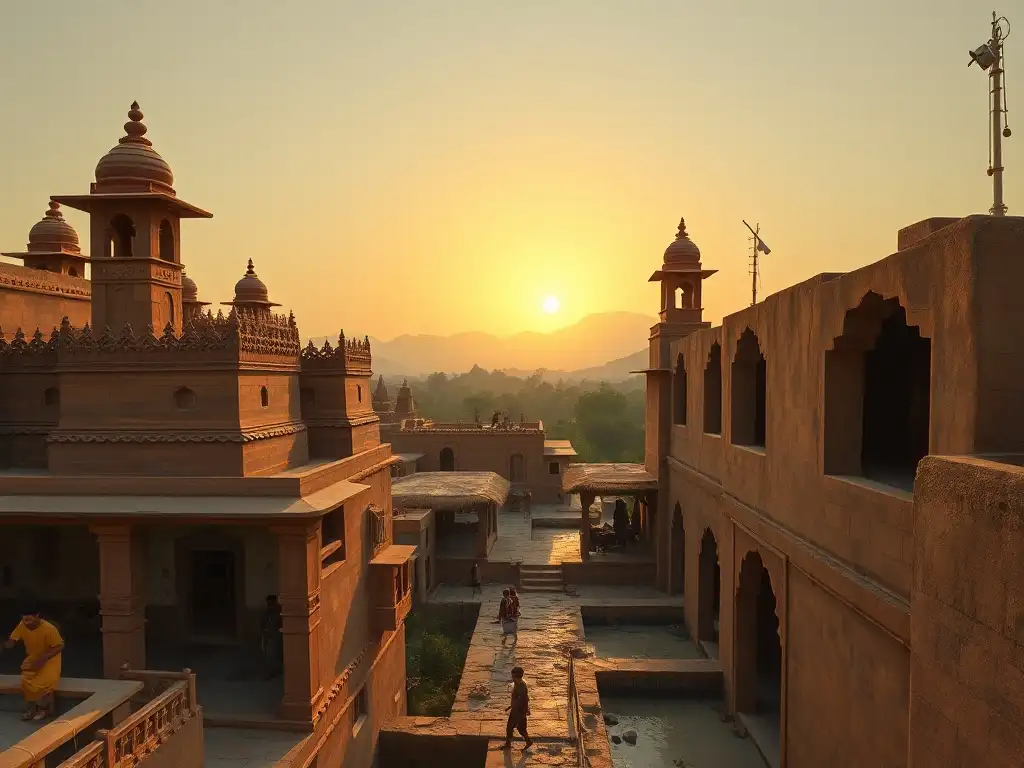
The legacy of the Indus Valley ancient cities continues to resonate through the ages, shaping our understanding of urban planning, engineering, and social organization in early civilizations. The cities of Harappa and Mohenjo-Daro stand as monumental testaments to the ingenuity of their inhabitants, whose advancements in sanitation, architecture, and trade laid the groundwork for future urban development in the Indian subcontinent and beyond.
The meticulous layout of these cities, with their grid patterns and sophisticated drainage systems, showcases a level of urban planning that was unparalleled for its time. This attention to infrastructure not only reflects the practical needs of a growing population but also suggests a complex social structure capable of coordinating such extensive projects. As we delve deeper into the artifacts and remnants of this civilization, it becomes clear that these cities were not merely functional hubs; they were vibrant centers of culture, commerce, and community.
Reflection on Historical Significance
The Indus Valley ancient cities are significant not only for their architectural and technological advancements but also for their role in shaping the cultural and economic landscape of ancient India. The trade networks established by these urban centers facilitated the exchange of goods such as cotton, pottery, and precious metals, creating a thriving economy that linked distant regions. This economic interconnectivity hints at a cultural exchange that likely influenced the development of subsequent civilizations in the region.
Moreover, the discovery of seals, inscriptions, and figurines suggests a rich tapestry of cultural practices, beliefs, and artistic expressions. The symbolism found in these artifacts provides invaluable insights into the spiritual and social lives of the Indus Valley inhabitants, revealing a society that was not only advanced in its material achievements but also complex in its cultural identity.
Future Research and Archaeological Prospects
As we continue to explore the remnants of the Indus Valley ancient cities, the potential for new discoveries remains immense. Ongoing archaeological efforts, particularly in lesser-known sites, promise to uncover further insights into the social, political, and economic structures of this remarkable civilization. Advances in technology, such as ground-penetrating radar and 3D modeling, enhance our ability to analyze and interpret these ancient urban landscapes.
Future research may also focus on the interactions between the Indus Valley civilization and neighboring cultures, shedding light on the broader historical context of ancient India. Understanding these connections is crucial for piecing together the narrative of human civilization and the influence of the Indus Valley on subsequent cultures, including the Vedic period.
The Indus Valley ancient cities are not merely historical relics; they are vital keys to understanding the evolution of urban life and culture in ancient India. As we uncover more about these ancient urban centers, we not only enrich our knowledge of the past but also celebrate the enduring legacy of a civilization that continues to inspire and fascinate.
Frequently Asked Questions
What were the major ancient cities of the Indus Valley?
The major ancient cities of the Indus Valley include Harappa, Mohenjo-Daro, and Dholavira, known for their advanced urban planning and sophisticated drainage systems.
How did the Indus Valley civilizations influence later cultures?
The Indus Valley civilizations contributed significantly to later cultures through their innovations in urban architecture, trade practices, and artistic expressions, influencing subsequent Indian societies.
What was the significance of urban planning in Indus Valley cities?
Urban planning in Indus Valley cities showcased a high level of organization, with grid-patterned streets and standardized brick sizes, reflecting the civilization’s advanced engineering skills.
What types of artifacts have been found in the Indus Valley?
Archaeologists have discovered various artifacts, including pottery, seals, and tools, which provide insights into the daily life, trade, and religious practices of the Indus Valley people.
Why is the study of Indus Valley ancient cities important today?
Studying Indus Valley ancient cities helps us understand the foundations of urbanization, social organization, and technological advancements that have shaped Indian history and influence modern civilizations.
Final Reflection: The Enduring Legacy of Indus Valley Ancient Cities
The exploration of the Indus Valley ancient cities reveals not only the remarkable ingenuity of early urban planners but also their continued relevance in our understanding of civilization today. These cities, with their sophisticated infrastructure and social organization, remind us that the foundations of urban life were laid thousands of years ago, shaping the way we live now. The intricate designs and advanced technologies of the Indus Valley civilization stand as a testament to human innovation, urging us to appreciate the complexities of our own urban environments.
Cultural and social landscapes have been profoundly influenced by the achievements of the Indus Valley civilization. Their urban centers were not just places of habitation but hubs of trade, culture, and governance that fostered community and connection. As we navigate our modern cities, we can draw inspiration from the principles of sustainability and organization that these ancient cities exemplified. The past is not dead; it is not even past.
This quote by William Faulkner encapsulates the idea that the lessons learned from the Indus Valley continue to resonate, reminding us of the importance of historical context in shaping our future.
As we reflect on the Indus Valley ancient cities, let us take a moment to consider how we can apply their lessons to our lives today. Think about the spaces we inhabit and how we can foster community, sustainability, and innovation in our own urban environments. I invite you to explore your surroundings with a new perspective, recognizing the rich history that informs our present and inspires our future. Together, we can honor the legacy of these ancient cities by building a world that values connection, creativity, and resilience.
Uncover the Secrets of the Indus Valley Civilization!
Thank you for diving into the wonders of the Indus Valley! We hope you gained fascinating insights into the urban centers that shaped ancient power and culture. Now, it's time to take your exploration further and connect with this remarkable history.
Here’s how you can delve deeper into the legacy of the Indus Valley:
- Visit a local museum that showcases artifacts from this era and experience history firsthand.
- Engage with fellow history enthusiasts by joining online forums or social media groups dedicated to ancient civilizations.
- Share your newfound knowledge! Compose a blog post or create a social media update about your favorite discovery from the Indus Valley to inspire others.
What aspect of the Indus Valley civilization intrigues you the most—its urban planning, cultural practices, or trade systems? We would love to hear your thoughts below!