
How Sankhya Philosophy Informs Holistic Health Practices Today


Welcome to Ancient India History, where we embark on a fascinating journey through the rich tapestry of ancient Indian civilizations. Today, we delve into a captivating exploration of Sankhya philosophy and holistic health, uncovering how this ancient wisdom shapes contemporary wellness practices. What secrets lie within the teachings of Sankhya that can enhance our understanding of health and well-being today? Join us as we unravel the profound connections between philosophy, art, and architecture, and discover how the past continues to influence our lives in remarkable ways. Your adventure into the depths of ancient wisdom begins now!
- Introduction to Sankhya Philosophy and Holistic Health
- Historical Context of Sankhya Philosophy
- Core Principles of Sankhya Philosophy
- Holistic Health Practices Influenced by Sankhya Philosophy
- Modern Applications of Sankhya Philosophy in Health
- Challenges and Misinterpretations of Sankhya Philosophy
- Conclusion: The Relevance of Sankhya Philosophy in Today's Health Practices
- Frequently Asked Questions
- Final Reflection: Embracing Sankhya Philosophy for Holistic Health Today
- Embrace the Wisdom of Sankhya for Your Wellbeing!
Introduction to Sankhya Philosophy and Holistic Health
Sankhya philosophy, one of the six classical schools of Indian philosophy, serves as a critical lens through which we can explore the interconnectedness of mind, body, and spirit. Rooted in ancient texts, this philosophical system presents a dualistic framework that distinguishes between the material and the spiritual, offering profound insights into the nature of existence and consciousness. As we delve into the principles of Sankhya, we uncover its relevance not only in philosophical discourse but also in contemporary holistic health practices.
The integration of Sankhya philosophy into health and wellness paradigms emphasizes a comprehensive approach to well-being, highlighting the importance of understanding the self in relation to the universe. This article seeks to illuminate how Sankhya philosophy informs holistic health practices today, exploring its historical significance and practical applications in modern health contexts.
Overview of Sankhya Philosophy
Sankhya philosophy, attributed to the sage Kapila, is a systematic exploration of reality that categorizes the universe into two fundamental principles: Purusha (consciousness) and Prakriti (matter). This dualism forms the backbone of Sankhya thought, which posits that true knowledge arises from the discernment of these two entities.
Key tenets of Sankhya philosophy include:
- The Nature of Reality: It distinguishes between the eternal, unchanging Purusha and the dynamic, ever-changing Prakriti, consisting of the three gunas (qualities): sattva (purity), rajas (passion), and tamas (inertia).
- The Path to Liberation: The ultimate goal of Sankhya is to achieve liberation (moksha) by recognizing the distinction between the self and the material world, leading to a state of enlightenment.
- Epistemology: Sankhya emphasizes the importance of pramanas (means of knowledge), including perception, inference, and testimony, as tools for understanding reality.
This philosophical framework not only provides insight into metaphysical concepts but also lays the groundwork for various practices aimed at achieving harmony and balance within oneself.
Importance of Holistic Health Practices
Holistic health practices encompass a wide range of approaches that prioritize the interconnectedness of physical, mental, emotional, and spiritual well-being. Unlike conventional medicine, which often focuses on symptom management, holistic health aims for a comprehensive understanding of health that fosters overall wellness.
Key aspects of holistic health include:
- Integration of Body and Mind: Recognizing that physical health is deeply intertwined with mental and emotional states, holistic practices emphasize the need for a balanced approach.
- Preventative Care: Many holistic health practices prioritize prevention and self-care, encouraging individuals to take proactive steps towards maintaining their health.
- Personalized Approaches: Holistic health considers individual differences, tailoring practices to meet the unique needs of each person.
By incorporating these principles, holistic health practitioners aim to create a more sustainable and effective model of health care that nurtures the whole person.
Connection Between Sankhya Philosophy and Holistic Health
The principles of Sankhya philosophy resonate deeply with the ideals of holistic health, creating a bridge between ancient wisdom and contemporary practices.
- Understanding of Self: Sankhya's emphasis on self-realization and the distinction between Purusha and Prakriti aligns with holistic health's focus on understanding one's inner self and the external influences impacting health.
- Balance of Gunas: The concept of the three gunas provides a framework for understanding personal constitution and health, guiding individuals in making lifestyle choices that promote balance and well-being.
- Mind-Body Connection: Sankhya philosophy's recognition of the interdependence of consciousness and matter supports holistic approaches that integrate mental and physical health practices.
By reflecting on these connections, we can appreciate how Sankhya philosophy not only informs but also enriches modern holistic health practices, offering a timeless perspective on achieving harmony and well-being in our lives.
Historical Context of Sankhya Philosophy

Sankhya philosophy stands as one of the six orthodox systems of Indian philosophy, playing a pivotal role in shaping various aspects of spirituality, science, and holistic health practices in ancient India. Understanding the historical context of Sankhya philosophy allows us to appreciate its profound influence on contemporary holistic health practices, providing a bridge between ancient wisdom and modern applications.
Origins of Sankhya Philosophy in Ancient India
Sankhya philosophy traces its roots back to the early centuries of the first millennium BCE, emerging within the broader framework of Indian philosophical thought. It is believed to have been formalized by the sage Kapila, who is often regarded as the founder of this school. The term "Sankhya" itself means "number" or "enumeration," reflecting its analytical approach to understanding the universe and consciousness through categorization and logical reasoning.
- Key Concepts: Central to Sankhya philosophy is the distinction between Purusha (consciousness) and Prakriti (matter). This dualism emphasizes the interplay between the unchanging self and the ever-changing material world, laying the groundwork for numerous philosophical and health-related discussions.
- Early Texts: The foundational text of Sankhya is the Samkhya Karika, attributed to the philosopher Ishvara Krishna. This text systematically outlines the principles of Sankhya, including the enumeration of the twenty-five principles (Tattvas) that constitute reality.
- Influence on Other Schools: Sankhya philosophy significantly influenced other philosophical schools, including Yoga and Ayurveda, intertwining its principles with their practices. This cross-pollination enriched the holistic health paradigms that emerged in ancient India.
Key Figures and Texts in Sankhya Philosophy
Throughout its history, several key figures and texts have shaped the development of Sankhya philosophy, contributing to its enduring legacy.
- Kapila: As the founder, Kapila is credited with articulating the core tenets of Sankhya philosophy. His teachings emphasized the importance of knowledge (Jnana) in achieving liberation (Moksha) by discerning the difference between Purusha and Prakriti.
- Ishvara Krishna: His work, the Samkhya Karika, remains the most significant text in Sankhya philosophy. It serves as a comprehensive guide to understanding the philosophical underpinnings of the school and has inspired subsequent interpretations and applications in holistic health.
- Other Influential Figures: Later philosophers like Gaudapada and Adi Shankaracharya engaged with Sankhya concepts, further elaborating on its principles and integrating them into the broader philosophical discourse.
- Textual Contributions: Various other texts, such as Brahma Sutras and commentaries by later philosophers, have examined and critiqued Sankhya philosophy, ensuring its concepts are preserved and disseminated through generations.
Evolution of Holistic Health Practices in Ancient India
The evolution of holistic health practices in ancient India is deeply intertwined with the principles of Sankhya philosophy, which emphasizes balance and harmony between body, mind, and spirit.
- Integration with Ayurveda: Sankhya's dualistic framework laid the foundation for Ayurveda, the ancient Indian system of medicine. Ayurvedic practices incorporate the Sankhya concepts of doshas (body constitutions), dhatus (tissues), and malas (wastes), aligning physical health with spiritual well-being.
- Yoga and Sankhya: The practices of Yoga, especially as formulated in the Yoga Sutras of Patanjali, draw extensively from Sankhya philosophy. The emphasis on meditation and the understanding of the self align with the Sankhya tenets of achieving liberation through knowledge and discipline.
- Mind-Body Connection: The holistic health practices in ancient India advocate for a comprehensive approach that considers emotional, mental, and physical health. This integration resonates with the Sankhya philosophy's focus on the interplay between consciousness and matter.
- Modern Applications: Today, the principles of Sankhya philosophy continue to inform holistic health practices, emphasizing mindfulness, balance, and self-awareness. Contemporary modalities such as yoga therapy and holistic wellness programs often draw upon these ancient insights to promote well-being.
The historical context of Sankhya philosophy reveals its profound impact on the development of holistic health practices in ancient India. By understanding its origins, key figures, and evolution, we can appreciate its relevance and application in today's holistic health landscape.
Core Principles of Sankhya Philosophy
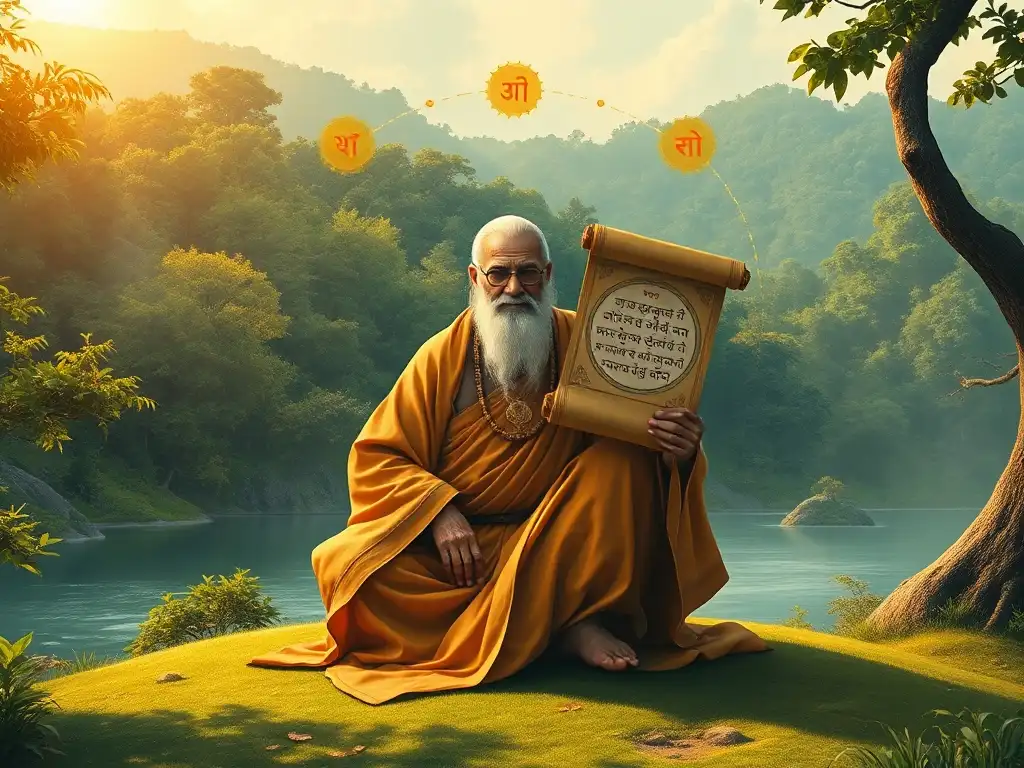
Sankhya philosophy, one of the six orthodox schools of Indian philosophy, provides a foundational framework for understanding the nature of reality and consciousness. Its core principles revolve around the dualism between Purusha (the conscious self) and Prakriti (the material world). This philosophy emphasizes the need for knowledge and discernment to navigate life, encouraging individuals to recognize the distinction between the eternal, unchanging Purusha and the ever-changing Prakriti.
Explanation of the Concept of Purusha and Prakriti
At the heart of Sankhya philosophy lies the interplay between Purusha and Prakriti.
- Purusha is the true self, representing pure consciousness and awareness. It is eternal, unchanging, and transcends physical existence.
- Prakriti, on the other hand, is the dynamic, material aspect of reality, encompassing everything in the physical world, including the mind, body, and emotions.
The interaction between these two principles is fundamental to understanding existence. Prakriti is made up of the three Gunas (qualities) — Sattva (purity, harmony), Rajas (activity, passion), and Tamas (inertia, darkness). These Gunas influence the behavior, mental state, and health of individuals.
Sankhya philosophy posits that the realization of the distinction between Purusha and Prakriti is essential for liberation (moksha). This realization leads to a deeper understanding of one's true nature, which is critical for holistic health practices.
The Role of Gunas in Health and Well-being
The Gunas play a crucial role in determining an individual's health and well-being. Each Guna influences physical health, mental states, and emotional responses.
- Sattva promotes clarity, peace, and well-being. A predominance of Sattva in one's life leads to balanced health, mental clarity, and emotional stability.
- Rajas is associated with activity and restlessness. While it can drive ambition and creativity, excessive Rajas can lead to stress, anxiety, and burnout.
- Tamas embodies lethargy and confusion. An excess of Tamas can manifest as depression, stagnation, or apathy.
Incorporating the understanding of Gunas into daily life can enhance holistic health practices. For instance, a diet rich in Sattvic foods (fresh, wholesome, and pure) can improve both physical health and mental clarity, while minimizing Rajas and Tamas through lifestyle choices can foster better emotional health.
How Sankhya Philosophy Views the Mind-Body Connection
Sankhya philosophy offers profound insights into the mind-body connection, asserting that the mind (part of Prakriti) and body are deeply intertwined yet distinct from the true self (Purusha).
- Mind as a Tool: In Sankhya, the mind is seen as a tool that processes experiences and influences behavior. Understanding this allows individuals to cultivate a mindful approach to health and well-being.
- Health as Balance: Holistic health practices informed by Sankhya philosophy emphasize balance among the Gunas. Achieving equilibrium in mental and emotional states directly impacts physical health.
- Mindfulness and Awareness: Practicing mindfulness, a key aspect of holistic health, aligns with Sankhya’s teachings by promoting awareness of the present moment, leading to better health outcomes.
By recognizing the interplay between the mind and body, individuals can harness the principles of Sankhya philosophy to enhance their overall well-being through effective holistic health practices, fostering a deeper connection with their true self.
Holistic Health Practices Influenced by Sankhya Philosophy

Sankhya philosophy, one of the six orthodox schools of Indian philosophy, plays a pivotal role in shaping holistic health practices that are prevalent today. Originating around the 2nd century BCE, Sankhya provides a framework for understanding the duality of existence—Purusha (consciousness) and Prakriti (matter)—which is essential for achieving balance and well-being. This philosophical approach emphasizes the interconnectedness of the mind, body, and spirit, forming the basis for various health practices that promote overall wellness.
Ayurvedic Practices Rooted in Sankhya Principles
Ayurveda, often regarded as the "science of life," is deeply intertwined with Sankhya philosophy. The foundational concepts of Ayurveda, such as the five elements (Pancha Mahabhuta) and the three doshas (Vata, Pitta, Kapha), reflect the dualistic nature of Sankhya.
- Five Elements:
- Earth (Prithvi): Stability and structure.
- Water (Apas): Fluidity and adaptability.
- Fire (Tejas): Transformation and energy.
- Air (Vayu): Movement and circulation.
- Space (Akasha): Emptiness and expansion.
These elements combine to form the doshas, which signify different bodily functions and characteristics. By understanding one's dosha, individuals can tailor their diets, exercises, and lifestyle choices to maintain balance and health.
Practical Applications:
- Diet: Ayurveda encourages a diet that balances the doshas, using spices and herbs to enhance digestion and promote health.
- Panchakarma: This detoxification process aligns with Sankhya's focus on purifying the body and mind, facilitating a return to harmony.
Meditation and Mindfulness in Sankhya Philosophy
Sankhya philosophy also emphasizes the importance of self-awareness and mental clarity through meditation and mindfulness. The practice of meditation allows individuals to connect with their Purusha, fostering a deeper understanding of the self beyond physical existence.
- Types of Meditation:
- Dhyana: Focused meditation that trains the mind to achieve stillness.
- Mindfulness: Cultivating present-moment awareness, which reduces stress and enhances overall mental health.
Meditation practices informed by Sankhya lead to heightened awareness and clarity, thus reducing the distractions of the material world (Prakriti). This aligns with holistic health strategies that prioritize mental well-being as an essential component of health.
The Importance of Balance and Harmony in Holistic Health
Central to both Sankhya philosophy and holistic health practices is the concept of balance. The duality of Purusha and Prakriti suggests that health arises when there is harmony between these two aspects of existence.
- Physical Balance: Maintaining a balanced diet and exercise regimen.
- Emotional Balance: Engaging in practices that promote emotional stability, such as yoga and meditation.
- Spiritual Balance: Understanding one's purpose and connection to the universe, which can be enhanced through philosophical inquiry and reflection.
Holistic Health Framework:
| Aspect | Importance | Sankhya Connection |
|---|---|---|
| Physical Health | Nutrition, exercise, detoxification | Aligning with Prakriti's qualities |
| Emotional Health | Stress management, therapy | Recognizing Purusha's tranquility |
| Spiritual Health | Meditation, self-inquiry | Realizing the true self beyond form |
The integration of Sankhya philosophy into holistic health practices illuminates the path toward comprehensive well-being. By understanding the principles of duality and balance, individuals can cultivate a harmonious lifestyle that nurtures the mind, body, and spirit, ultimately leading to a more fulfilling and healthy life.
Modern Applications of Sankhya Philosophy in Health
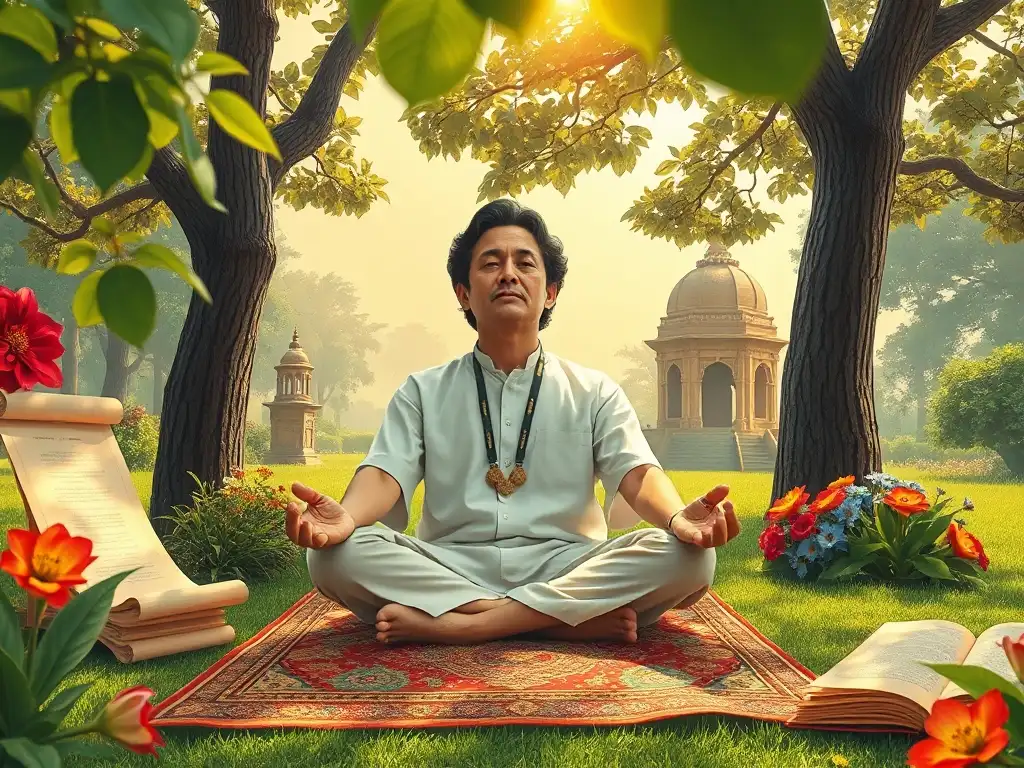
Integrating Sankhya Philosophy into Contemporary Wellness Programs
Sankhya philosophy, with its emphasis on dualism and the distinction between purusha (consciousness) and prakriti (matter), has found its way into various contemporary wellness programs. These programs often incorporate the principles of Sankhya to offer a more holistic approach to health, focusing on the balance between physical, mental, and spiritual well-being.
- Mindfulness and Awareness
- Many wellness initiatives utilize meditation techniques rooted in Sankhya philosophy to foster mindfulness. This practice encourages individuals to observe their thoughts and feelings without attachment, promoting mental clarity and emotional health.
- Yoga Practices
- Yoga, closely tied to Sankhya, emphasizes physical postures (asanas) that align with the philosophy’s understanding of the body and mind. By integrating breath control (pranayama) and meditation, yoga practitioners are able to enhance their physical health while also cultivating inner peace.
- Dietary Approaches
- Programs focusing on Ayurveda often draw from Sankhya principles, advocating for dietary habits that align with one's dosha (body constitution). This approach promotes personalized health regimens that consider individual differences in metabolism and lifestyle.
- Therapeutic Modalities
- Holistic therapies such as Reiki and Tai Chi also reflect Sankhya’s dualistic nature by aiming to harmonize the mind-body relationship. These therapies facilitate the flow of energy and promote healing through a balanced approach.
Case Studies of Holistic Health Practices Inspired by Sankhya
Several case studies illustrate how Sankhya philosophy has been successfully integrated into holistic health practices around the world. These examples demonstrate the tangible benefits of applying ancient wisdom to modern health challenges.
-
The Integral Health Center (IHC)
Located in California, IHC employs a framework based on Sankhya to deliver wellness programs that include yoga, nutrition, and meditation. Their holistic approach has shown significant improvements in patient outcomes, particularly for those dealing with chronic stress and anxiety.
-
Mindful Living Retreats
Retreats focused on mindfulness and well-being often incorporate Sankhya philosophy into their curriculum. Participants engage in workshops that explore the interplay of consciousness and matter, resulting in enhanced mental health and reduced stress levels.
-
Ayurvedic Clinics
Many Ayurvedic practitioners base their treatments on Sankhya principles, tailoring diets and therapies to individual needs. This personalized care has led to improved health metrics in patients, demonstrating the efficacy of integrating philosophy with practice.
Benefits of Applying Sankhya Philosophy in Modern Health Regimens
The application of Sankhya philosophy in health regimens offers several benefits. These advantages can lead to improved overall well-being and a deeper understanding of oneself.
-
Enhanced Self-Awareness
By distinguishing between the self (purusha) and the physical body (prakriti), individuals can cultivate greater self-awareness, leading to better emotional regulation and personal growth.
-
Balanced Lifestyle Choices
Understanding the duality in Sankhya encourages individuals to make balanced lifestyle choices that promote physical health while also nurturing mental and spiritual aspects.
-
Reduction of Stress and Anxiety
Practices derived from Sankhya, such as meditation and yoga, have been scientifically shown to reduce stress and anxiety levels, leading to improved mental health outcomes.
-
Customized Health Solutions
The philosophical underpinnings of Sankhya advocate for personalized health solutions that take into account an individual’s unique characteristics, providing tailored approaches that enhance effectiveness.
The integration of Sankhya philosophy into modern health practices not only enriches the wellness landscape but also empowers individuals to pursue a more balanced and fulfilling life. By understanding the fundamental principles of Sankhya, one can navigate the complexities of health with a holistic perspective that honors both the mind and body.
Challenges and Misinterpretations of Sankhya Philosophy
Common Misconceptions About Sankhya Philosophy and Health
Sankhya philosophy, one of the six classical schools of Indian philosophy, is often misunderstood in its application to health and wellness. Many people associate it with abstract metaphysical concepts, overlooking its practical implications for holistic health. Here are some common misconceptions:
-
Reductionism:
Some critics argue that Sankhya's dualistic nature oversimplifies complex human experiences by dividing reality into Purusha (consciousness) and Prakriti (matter). However, this perspective neglects the interconnectedness that Sankhya emphasizes, which is crucial for understanding health.
-
Determinism:
Critics sometimes interpret Sankhya as promoting a deterministic worldview, suggesting that individuals have no control over their health. In reality, Sankhya advocates for conscious choices and self-awareness, empowering individuals to take charge of their well-being through informed actions.
-
Neglect of the Body:
There is a notion that Sankhya disregards physical health in favor of spiritual pursuits. Contrary to this belief, Sankhya philosophy recognizes the importance of the body as a vehicle for experiencing life, and its teachings can guide practices that cultivate balance in both body and mind.
-
Static Philosophy:
Some view Sankhya as an unchanging doctrine, failing to adapt to contemporary health practices. In truth, Sankhya provides foundational principles that can evolve and integrate with modern holistic methodologies, making it relevant in today's health discussions.
Addressing Skepticism Towards Ancient Philosophical Practices
In the modern era, skepticism towards ancient philosophical practices like Sankhya is not uncommon, especially in a science-driven society. Here are some ways to address this skepticism:
-
Scientific Correlations:
Many principles of Sankhya align with contemporary scientific findings in psychology and health. For example, the concept of self-awareness in Sankhya parallels modern cognitive behavioral therapy, highlighting the value of understanding one's thoughts and behaviors in achieving mental health.
-
Holistic Perspectives:
By emphasizing the interdependence of mind, body, and environment, Sankhya philosophy can provide insights into holistic health practices that are increasingly prevalent today. Integrative health approaches that draw from multiple disciplines can benefit from Sankhya's comprehensive view.
-
Historical Validation:
The longevity and continued relevance of Sankhya philosophy serve as a testament to its value. Ancient practices that have endured through centuries often possess wisdom that is applicable across generations, suggesting a depth of understanding that is still pertinent.
The Importance of Authentic Understanding in Holistic Health
To truly integrate Sankhya philosophy into holistic health practices, it is essential to foster an authentic understanding of its principles. Here are key aspects to consider:
-
Contextual Learning:
Engaging with Sankhya through its historical and cultural context enhances comprehension. This approach allows practitioners and scholars to appreciate the nuances of the philosophy and its practical applications in health.
-
Interdisciplinary Integration:
Combining insights from Sankhya with modern health sciences can lead to innovative practices. For example, understanding the Sankhya model of the mind can enrich psychological practices, fostering a more comprehensive approach to mental health.
-
Community and Dialogue:
Encouraging discussions and community practices rooted in Sankhya can facilitate a deeper exploration of its relevance to holistic health. Workshops, study groups, and collaborative research can create spaces for shared learning and application.
-
Personal Practice:
Individuals interested in holistic health can benefit from personal exploration of Sankhya principles. Meditation, mindfulness, and self-inquiry, grounded in Sankhya philosophy, can enhance self-awareness and foster well-being.
By addressing misconceptions, skepticism, and emphasizing authentic understanding, the integration of Sankhya philosophy into modern holistic health practices can not only illuminate its relevance but also enrich the lives of those who embrace its teachings.
Conclusion: The Relevance of Sankhya Philosophy in Today's Health Practices
Sankhya philosophy, one of the six orthodox schools of Indian philosophy, offers profound insights that resonate with contemporary holistic health practices. Its dualistic framework, which distinguishes between purusha (consciousness) and prakriti (matter), provides a unique lens through which we can understand the interplay of mind, body, and spirit in achieving overall well-being.
Summary of Key Insights from Sankhya Philosophy
Sankhya philosophy emphasizes the importance of understanding the nature of reality and the self. Here are some key insights:
- Dualism of Purusha and Prakriti:
- Purusha represents pure consciousness, while prakriti encompasses the material world, including the body and mind. Recognizing this duality allows individuals to differentiate between their true self and their experiences.
- Evolution of Creation:
- Sankhya outlines a systematic approach to the evolution of the universe, describing how the interplay of the three gunas (sattva, rajas, and tamas) affects both physical and mental health. For example:
- Sattva promotes clarity and harmony.
- Rajas leads to activity and restlessness.
- Tamas is associated with inertia and darkness.
- Sankhya outlines a systematic approach to the evolution of the universe, describing how the interplay of the three gunas (sattva, rajas, and tamas) affects both physical and mental health. For example:
- Path to Liberation:
- The ultimate goal in Sankhya is attaining liberation (moksha) through knowledge (jnana) and understanding the self. This journey involves recognizing and transcending the limitations imposed by the mind and body, which is crucial for holistic health.
- Integration of Knowledge:
- The philosophy encourages a comprehensive view of human existence, advocating for a balance between physical health, mental clarity, and spiritual growth.
The Future of Holistic Health Practices Through the Lens of Sankhya
The principles of Sankhya philosophy are increasingly relevant in today's holistic health landscape. As more individuals seek integrative health approaches, Sankhya can provide a foundational framework for understanding health as a multi-dimensional experience.
- Mind-Body Connection:
- Modern holistic health practices are increasingly acknowledging the mind-body connection, a concept deeply rooted in Sankhya. Techniques like yoga and meditation, which are influenced by Sankhya, promote mental clarity and physical well-being.
- Personalized Health Strategies:
- The emphasis on individual consciousness in Sankhya supports personalized health strategies. By understanding one's unique constitution (prakriti), individuals can tailor their health practices to better suit their needs.
- Preventative Health:
- The understanding of the gunas can inform lifestyle choices that promote preventive health. By cultivating sattvic qualities, individuals can enhance their overall well-being and reduce the risk of physical and mental ailments.
- Interdisciplinary Approaches:
- The integration of Sankhya philosophy into modern health practices encourages an interdisciplinary approach, merging traditional wisdom with contemporary scientific insights for a more holistic understanding of health.
Call to Action for Embracing Ancient Wisdom in Modern Living
Incorporating the teachings of Sankhya philosophy into our daily lives can significantly enhance our holistic health practices. Here are some actionable steps:
- Practice Mindfulness:
- Engage in mindfulness practices that encourage self-awareness and presence, allowing for a deeper connection with both mind and body.
- Explore Yoga and Meditation:
- Integrate yoga and meditation into your routine, focusing on techniques that align with the principles of Sankhya.
- Embrace Healthy Living:
- Make conscious dietary and lifestyle choices that promote balance among the gunas, prioritizing sattvic foods and activities.
- Seek Knowledge:
- Educate yourself on the principles of Sankhya and how they can be applied to enhance your physical, mental, and spiritual health.
By embracing the ancient wisdom of Sankhya philosophy, we can navigate modern health challenges with a more profound understanding of ourselves, ultimately leading to a holistic approach to well-being.
Frequently Asked Questions
What is Sankhya philosophy?
Sankhya philosophy is one of the six classical schools of Indian philosophy, known for its dualistic approach that distinguishes between consciousness (Purusha) and matter (Prakriti).
How does Sankhya philosophy relate to holistic health?
Sankhya philosophy provides a framework for understanding the body and mind, emphasizing the importance of balance and harmony, which are crucial in holistic health practices.
What are some modern applications of Sankhya philosophy in health?
Modern applications include yoga, meditation, and Ayurveda, which incorporate principles from Sankhya to promote overall well-being and preventive health.
Can Sankhya philosophy enhance mental health?
Yes, Sankhya’s focus on the interconnectedness of mind and body can lead to improved mental health by fostering self-awareness and emotional balance.
Why is understanding Sankhya philosophy important for holistic health practitioners?
Understanding Sankhya philosophy equips practitioners with a deeper insight into human nature and health, allowing for more effective therapeutic approaches that address both physical and mental well-being.
Final Reflection: Embracing Sankhya Philosophy for Holistic Health Today
Sankhya philosophy offers profound insights that resonate deeply with contemporary holistic health practices. In a world increasingly focused on the interconnectedness of mind, body, and spirit, the principles of Sankhya remind us that true health transcends mere physical well-being. It emphasizes the importance of understanding our inner nature and the dualities of existence, which is crucial in navigating the complexities of modern life. As we seek balance in our fast-paced environments, the wisdom of Sankhya serves as a guiding light, urging us to cultivate awareness and harmony within ourselves.
The influence of Sankhya philosophy on our cultural and social landscapes is undeniable. It has inspired countless individuals to adopt holistic approaches to health, integrating mental, emotional, and spiritual dimensions into their wellness journeys. The teachings of Sankhya encourage us to reflect on our experiences and choices, fostering a deeper connection with ourselves and the world around us. The greatest discovery of my generation is that a human being can alter his life by altering his attitude.
– William James. This quote encapsulates the essence of Sankhya, highlighting the transformative power of perspective in achieving holistic health.
As you reflect on the insights shared in this article, I invite you to explore how the principles of Sankhya can enrich your own health practices. Consider how you can integrate mindfulness, self-awareness, and a deeper understanding of your own nature into your daily life. Let the teachings of Sankhya inspire you to embark on a journey of holistic well-being, where each step taken is a conscious choice toward a more balanced and fulfilling existence. Embrace this philosophy not just as a concept, but as a way of life that nurtures your mind, body, and spirit.
Embrace the Wisdom of Sankhya for Your Wellbeing!
Thank you for diving into the fascinating insights of Sankhya philosophy and its relevance to holistic health practices! By understanding these ancient teachings, you've unlocked powerful tools to enhance your overall wellbeing. Now, let’s take the next step together to apply this knowledge in your life.
Here are some actionable ways you can start incorporating Sankhya principles into your daily routine:
- Integrate mindfulness practices: Begin a daily meditation routine that focuses on self-awareness and balance, drawing from Sankhya concepts.
- Explore Ayurvedic guidelines to harmonize your lifestyle, diet, and environment according to your individual needs.
- Share this newfound wisdom with friends and family by discussing the benefits of holistic health practices rooted in ancient philosophies.
As you embark on this transformative journey, reflect on this question: How can embracing Sankhya philosophy reshape your understanding of health in today’s fast-paced world? We’d love to hear your thoughts!