
The Revival of Ancient Indian Art Forms in Modern Times

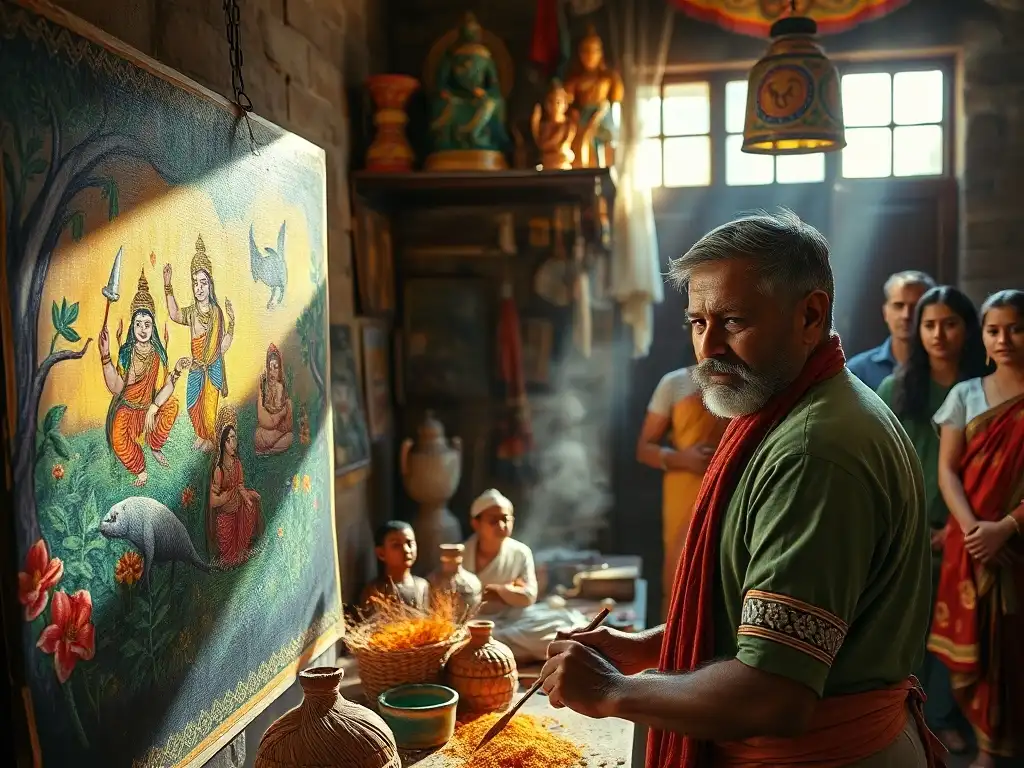
Welcome to Ancient India History, where we embark on a captivating journey through the rich tapestry of India's past. Dive deep into the fascinating world of Ancient Indian art revival, a resplendent theme that bridges the artistic brilliance of our ancestors with modern expressions. Discover how the echoes of the Indus Valley and the grandeur of the Gupta Empire are being rediscovered and revitalized in today's artistic landscape.
Get ready to explore the innovative ways ancient art forms are being celebrated and transformed, as we invite you to unravel the stories that shaped a civilization. Your adventure into the depths of India's cultural heritage begins here!
Introduction to Ancient Indian Art Revival
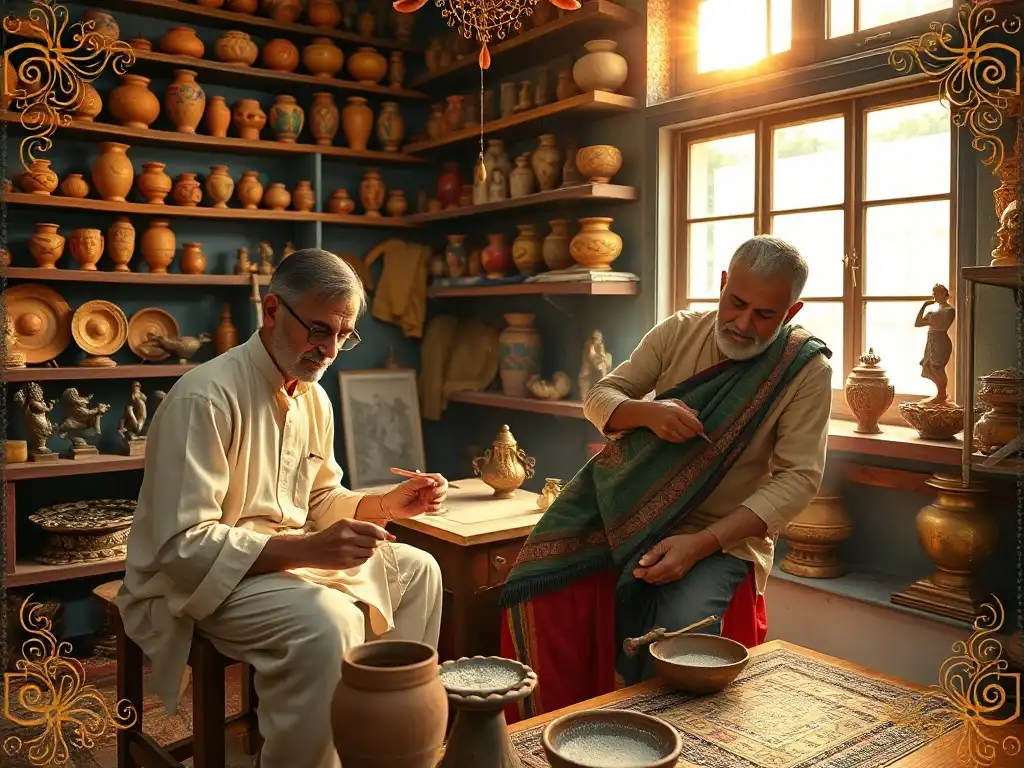
The revival of ancient Indian art forms in modern times is not merely a nostalgic endeavor; it represents a profound reconnection with a rich legacy that has shaped the cultural fabric of India. As we navigate the complexities of contemporary society, there is a growing appreciation for the intricate craftsmanship and philosophical depth embedded in ancient art.
This article explores the significance of reviving these art forms, highlighting their relevance in today's context, and examining key art forms that have persisted through time. By understanding the revival of ancient Indian art, we can better appreciate the cultural heritage that continues to inspire and influence modern artistic expressions.
Overview of Ancient Indian Art Forms
Ancient Indian art is a tapestry woven from various traditions, styles, and techniques that span thousands of years. Among the notable forms are:
- Painting: From the intricate frescoes of Ajanta and Ellora to the vivid miniatures of Mughal era, painting in ancient India showcases a variety of themes, including mythology, nature, and daily life.
- Sculpture: Renowned for its exquisite detailing, ancient Indian sculpture often depicted gods, goddesses, and significant cultural narratives, with notable examples found in the temples of Khajuraho and Hampi.
- Textiles: The art of weaving and dyeing has historical roots in ancient India, with techniques such as block printing and tie-dye that continue to be celebrated today.
- Pottery and Ceramics: With origins tracing back to the Indus Valley Civilization, pottery reflects both artistic and functional aspects of daily life.
These art forms not only reflect aesthetic values but also encapsulate the philosophical and spiritual beliefs of the time.
Importance of Reviving Ancient Art in Contemporary Society
The revival of ancient Indian art holds immense significance for contemporary society. Here are a few reasons why:
- Cultural Identity: In a globalized world, reviving ancient art forms helps reinforce cultural identity and pride among communities.
- Sustainability: Many traditional art forms are rooted in sustainable practices, offering lessons for modern artisans and consumers alike on eco-friendly art production.
- Educational Value: Engaging with ancient art provides insights into historical narratives, fostering a deeper understanding of India's diverse heritage.
- Economic Opportunities: The revival of these art forms can stimulate local economies, providing artisans with livelihoods while preserving traditional skills.
Through these avenues, the revival of ancient Indian art contributes to a richer, more diverse cultural landscape.
Historical Background of Ancient Indian Art
The history of ancient Indian art is as diverse as the subcontinent itself, influenced by various dynasties, religions, and regional styles. The evolution of art can be traced from the Neolithic period through the Mauryan, Gupta, and Mughal empires, each leaving an indelible mark on artistic practices.
Key Art Forms from Ancient India
Some of the most significant art forms that emerged during these periods include:
- Buddhist Art: Characterized by stupas and sculptures, this art form flourished during the Mauryan Empire, particularly under Emperor Ashoka.
- Hindu Temple Architecture: The intricate carvings and monumental scale of temples, such as those in Khajuraho and Konark, exemplify the grandeur of Hindu art.
- Jain Art: Renowned for its detailed sculptures and manuscripts, Jain art reflects the spiritual philosophies of Jainism and its emphasis on non-violence.
These art forms not only served religious purposes but also embodied the socio-political dynamics of their times.
Cultural Significance of Ancient Art Forms
The cultural significance of ancient Indian art forms is profound, as they serve as a mirror reflecting the values, beliefs, and practices of past civilizations. These art forms:
- Foster Unity: They promote a sense of belonging and unity among diverse communities, linking modern society with its historical roots.
- Preserve History: Ancient art acts as a chronicle of historical events, societal norms, and cultural shifts, preserving the narrative of India’s evolution.
- Inspire Modern Artists: The themes and techniques of ancient art continue to inspire contemporary artists, blending traditional skills with modern expressions.
The revival of ancient Indian art forms is a crucial endeavor that enriches our understanding of history and culture, while simultaneously shaping contemporary artistic practices.
Factors Contributing to the Revival of Ancient Indian Art
The revival of ancient Indian art forms in modern times can be attributed to a confluence of various factors that have rekindled interest in these rich cultural expressions. From increased awareness of cultural heritage to the influence of contemporary artists, these factors have played a pivotal role in bringing ancient techniques and styles back into the limelight.
Increased Interest in Cultural Heritage
In recent years, there has been a significant surge in interest among the Indian populace regarding their cultural heritage. This renaissance is driven by a growing acknowledgment of the importance of preserving and promoting traditional art forms. Educational institutions, art galleries, and cultural festivals have started to emphasize ancient Indian art, educating the public about its history and significance. This heightened awareness has led to a renewed appreciation for traditional crafts, such as Madhubani painting, Pattachitra, and Tanjore art, encouraging artists and artisans to showcase their skills and revive these techniques.
Moreover, the increasing number of art exhibitions and workshops focusing on ancient art forms has allowed younger generations to connect with their heritage. This revival is not just limited to the visual arts; it also encompasses performing arts like classical dance and music, where ancient traditions are being celebrated and preserved.
Role of Government and Non-Governmental Organizations
Government initiatives and the efforts of non-governmental organizations (NGOs) have been instrumental in the revival of ancient Indian art. Various state and central government programs aim to promote traditional crafts through financial support, training programs, and marketing assistance. For instance, initiatives like the “Crafts Village” concept have created platforms for artisans to sell their work directly to consumers, ensuring better livelihoods while preserving traditional practices.
NGOs play a crucial role in this ecosystem as well, working to empower artisans and provide them with the resources necessary to sustain their craft. They offer training programs that help artisans blend ancient techniques with modern demands, ensuring that traditional art forms remain relevant in today’s world. This collaborative effort between the government and NGOs has created a robust framework for the resurgence of ancient Indian art.
Influence of Globalization and Technology
Globalization has dramatically reshaped the landscape of art and culture, bringing ancient Indian art forms into the international arena. As the world becomes increasingly interconnected, there is a growing demand for diverse artistic expressions, leading to a renewed interest in Indian art. This global fascination has encouraged artists to explore and reinterpret ancient techniques, infusing them with contemporary themes and aesthetics.
Technology also plays a vital role in this revival. The internet and social media platforms have provided a stage for artists to showcase their work to a global audience. This exposure not only boosts the visibility of ancient art forms but also encourages dialogue and collaboration among artists worldwide. Online marketplaces allow artisans to reach customers beyond geographic barriers, thereby enhancing the economic viability of traditional crafts.
Modern Interpretations of Ancient Indian Art
As ancient Indian art experiences a revival, contemporary artists are reimagining these timeless traditions, infusing them with modern sensibilities while honoring their historical roots.
Contemporary Artists Inspired by Ancient Techniques
A new generation of contemporary artists is drawing inspiration from ancient Indian art forms, using traditional techniques to create innovative works. Artists such as Subodh Gupta and Bharti Kher are known for integrating elements of ancient art into their contemporary practices, often addressing current social and political themes.
By employing traditional materials and methods, these artists are not merely replicating ancient styles but are engaging in a dialogue between the past and the present. This approach not only honors the legacy of ancient art but also demonstrates its relevance in addressing contemporary issues, thus broadening the appeal of these traditional forms.
Blending Traditional and Modern Styles
The blending of traditional and modern styles has become a hallmark of the current art scene in India. Many artists are experimenting with mixed media, combining ancient motifs with modern aesthetics to create unique pieces that resonate with a broader audience. For example, the use of traditional textiles in contemporary fashion design has resulted in a vibrant fusion that celebrates India’s rich textile heritage while appealing to modern sensibilities.
This cross-pollination of styles allows for a richer artistic expression, fostering innovation while paying homage to the past. As artists continue to explore this interplay between tradition and modernity, the revival of ancient Indian art forms is not only preserved but also transformed, ensuring their survival in the ever-evolving landscape of contemporary art.
Preservation Efforts for Ancient Indian Art
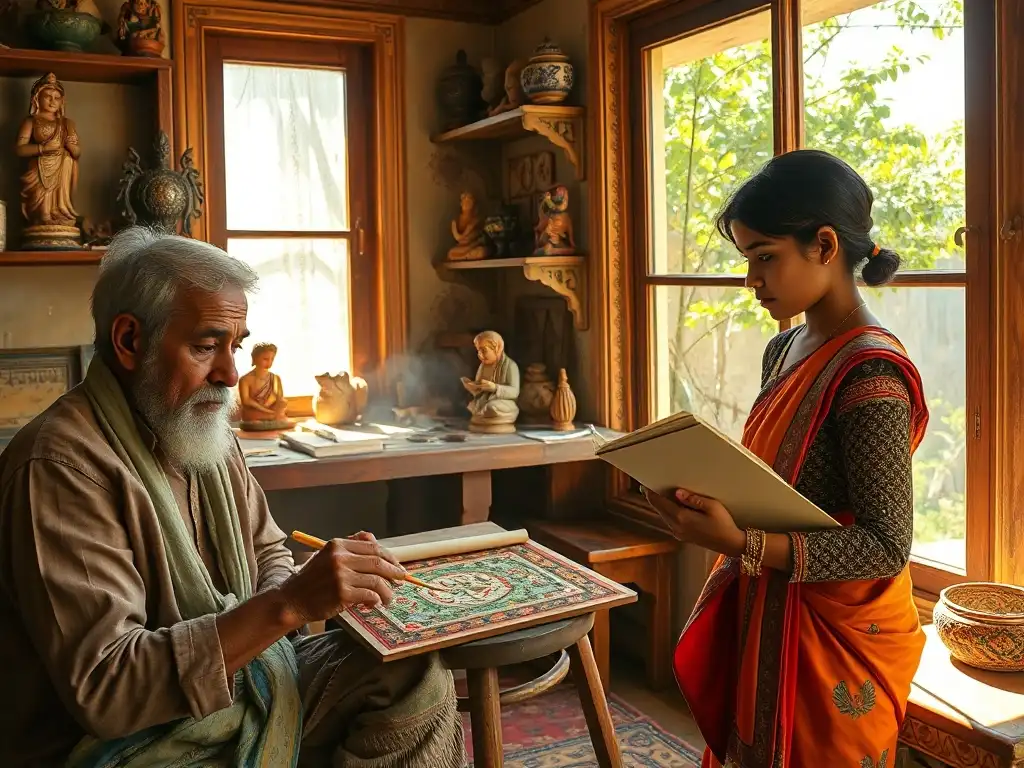
The revival of ancient Indian art forms has become a significant focus in contemporary society, driven by the desire to maintain cultural heritage amidst rapid modernization. Various efforts have been implemented to preserve these art forms, ensuring that they are not only maintained but also rejuvenated for future generations. The integration of traditional practices into modern contexts has led to the establishment of multifaceted preservation strategies that encompass documentation, education, and community involvement.
Documentation and Research Initiatives
One of the foundational steps in preserving ancient Indian art is thorough documentation and research. This involves cataloging existing art forms, techniques, and materials used by artisans throughout history. Institutions such as the Archaeological Survey of India (ASI) and various universities are actively engaged in this process. Research initiatives often focus on:
- Field Surveys: Identifying and documenting local art practices in various regions.
- Archival Studies: Analyzing historical texts, manuscripts, and artworks to understand their significance and techniques.
- Digital Archives: Creating online databases and virtual museums that allow broader access to ancient art forms.
These efforts contribute to a richer understanding of ancient Indian art and facilitate its transmission to future generations.
Educational Programs Promoting Ancient Art Forms
Educational initiatives are crucial in ensuring the survival of ancient Indian art forms. Various programs have been established to teach traditional arts to new generations, often combining theoretical knowledge with practical skills. Key components of these educational programs include:
- Workshops and Masterclasses: Conducted by skilled artisans, these sessions allow participants to learn traditional techniques hands-on.
- Integrating Arts into Curricula: Schools and universities are increasingly incorporating ancient art forms into their programs, fostering appreciation from a young age.
- Scholarships and Fellowships: Supporting aspiring artists and scholars who wish to delve deeper into ancient art forms promotes sustained interest and expertise.
Such educational efforts not only help preserve these arts but also inspire a new wave of artists who blend traditional techniques with contemporary themes.
Challenges in Preservation and Promotion
Despite these concerted preservation efforts, several challenges persist in the revival of ancient Indian art forms. Key issues include:
- Market Demand: The commercialization of art often prioritizes contemporary styles over traditional practices, leading to a decline in demand for ancient art forms.
- Resource Allocation: Limited funding and resources can hinder research and educational initiatives aimed at preservation.
- Cultural Displacement: Urbanization and globalization can lead to a loss of local art practices as communities shift towards modern lifestyles.
Addressing these challenges is essential for the sustainable revival of ancient Indian art, requiring collaborative efforts from government, communities, and art organizations.
Impact of Ancient Indian Art Revival on Society
The revival of ancient Indian art forms has profound implications for society, influencing not only cultural identity but also economic and community dynamics. As these art forms gain recognition and appreciation, they contribute to various societal aspects.
Economic Benefits through Tourism and Crafts
The resurgence of interest in ancient Indian art forms has sparked a notable increase in tourism. Travelers seeking authentic cultural experiences are drawn to regions known for traditional artisanship. This has resulted in several economic benefits:
- Craft Tourism: Visitors are engaging in craft workshops, providing artisans with a sustainable income.
- Local Economies: Increased sales of traditional crafts bolster local economies, creating jobs and supporting livelihoods.
- Cultural Festivals: Events celebrating ancient arts attract both domestic and international tourists, further promoting regional culture and crafts.
These economic opportunities foster a sense of pride among local artisans and communities.
Enhancing Cultural Identity and Pride
Reviving ancient Indian art forms plays a crucial role in enhancing cultural identity. As communities reconnect with their artistic heritage, they experience a renewed sense of pride. Important aspects include:
- Cultural Revitalization: Engaging with traditional art forms strengthens community ties and fosters a collective identity.
- Intergenerational Knowledge: The transmission of skills and stories from elders to younger generations reinforces cultural continuity.
- Public Awareness: Increased visibility of ancient arts in modern media and exhibitions raises awareness and appreciation among broader audiences.
This revival not only preserves these forms but also enriches the cultural tapestry of Indian society.
Fostering Community Engagement and Participation
The revival of ancient Indian art forms encourages active community engagement. Many initiatives emphasize participatory approaches that involve local communities in the preservation process. Key elements include:
- Collaborative Art Projects: Community-led projects that invite participation from various demographics foster inclusivity and shared ownership of cultural heritage.
- Art Festivals and Exhibitions: These events provide platforms for artisans to showcase their work, allowing for interaction between artists and the public.
- Support Networks: Establishing networks for artisans helps them share resources, knowledge, and opportunities, strengthening community bonds.
Through these efforts, ancient Indian art forms are not merely preserved; they are celebrated and integrated into the vibrant fabric of contemporary society.
Conclusion: The Future of Ancient Indian Art Revival
The revival of ancient Indian art forms presents a significant opportunity to reconnect with the rich cultural heritage that has shaped the subcontinent for millennia. As modern society seeks deeper meaning and authenticity in artistic expression, ancient Indian art forms can offer a wealth of inspiration and wisdom. The future of this revival hinges on the collective efforts of artists, scholars, cultural organizations, and the general public to ensure these traditions not only survive but thrive in contemporary contexts.
The integration of traditional techniques with modern aesthetics is likely to create exciting new art forms that resonate with both local and global audiences. By embracing innovative approaches while honoring the roots of ancient practices, artists can breathe new life into traditional art forms, fostering a vibrant dialogue between the past and the present.
Potential Trends and Directions
Several trends are emerging that could shape the future of ancient Indian art revival:
- Fusion of Styles: Artists are increasingly blending ancient techniques with contemporary styles, creating unique artworks that appeal to a broader audience. This fusion not only preserves traditional methods but also revitalizes them, making them relevant in today’s art scene.
- Digital Platforms: The rise of digital technologies provides new avenues for showcasing ancient art. Virtual galleries, online workshops, and social media campaigns can reach a global audience, enabling artists to share their work and heritage widely.
- Collaborative Projects: Partnerships between artists, historians, and artisans can lead to innovative projects that celebrate ancient art forms. These collaborations can result in exhibitions, performances, and community initiatives that draw attention to the significance of ancient traditions.
- Sustainability Focus: As environmental awareness grows, there is a trend towards using sustainable materials and practices in art-making. Ancient Indian art often incorporates natural dyes and local materials, making it a perfect fit for contemporary ecological consciousness.
- Educational Initiatives: An increasing emphasis on arts education that incorporates ancient techniques can foster a new generation of artists who appreciate and build upon traditional practices. Workshops, courses, and community outreach programs can play a crucial role in this education.
Call to Action for Support and Participation in Revival Efforts
To ensure the successful revival of ancient Indian art forms, active participation and support from various sectors are essential. Here are ways individuals and organizations can contribute:
- Engage with Local Artists: Attend exhibitions, workshops, and performances that highlight ancient art forms. Supporting local artisans not only sustains their craft but also helps preserve cultural heritage.
- Promote Educational Programs: Advocate for the inclusion of ancient art forms in school curricula and community education initiatives. Encouraging young artists to explore these traditions will secure their future.
- Support Cultural Organizations: Contribute to or volunteer with organizations dedicated to the preservation and promotion of ancient Indian art. These entities often run projects that need financial and logistical support.
- Share Knowledge and Resources: If you have expertise in ancient art forms, consider sharing your knowledge through workshops, lectures, or online platforms. Creating awareness is vital for the appreciation and revitalization of these traditions.
- Participate in Community Events: Engage in local cultural festivals and events that celebrate ancient Indian art. Your participation helps to raise awareness and appreciation in the community.
By taking action and participating in these revival efforts, we can ensure that the rich legacy of ancient Indian art continues to inspire future generations. Together, we can foster a vibrant cultural landscape that honors the past while embracing the possibilities of the future.
- Introduction to Ancient Indian Art Revival
- Historical Background of Ancient Indian Art
- Factors Contributing to the Revival of Ancient Indian Art
- Modern Interpretations of Ancient Indian Art
- Preservation Efforts for Ancient Indian Art
- Impact of Ancient Indian Art Revival on Society
- Conclusion: The Future of Ancient Indian Art Revival
- What is the significance of the revival of ancient Indian art forms?
- How have modern artists contributed to the revival of ancient Indian art?
- What are some examples of ancient Indian art forms that are being revived?
- How does the revival of ancient Indian art impact tourism?
- Are there any government initiatives supporting the revival of ancient Indian art?
Frequently Asked Questions
What is the significance of the revival of ancient Indian art forms?
The revival of ancient Indian art forms is crucial for preserving cultural heritage and promoting national identity. It helps to reconnect contemporary society with its historical roots.
How have modern artists contributed to the revival of ancient Indian art?
Modern artists have blended traditional techniques with contemporary styles, creating a unique fusion that attracts a broader audience. This approach helps to keep ancient art forms relevant in today's world.
What are some examples of ancient Indian art forms that are being revived?
Art forms such as Madhubani painting, Warli art, and Tanjore painting have seen a resurgence. These styles reflect the rich cultural heritage and continue to inspire new generations of artists.
How does the revival of ancient Indian art impact tourism?
The revival of ancient Indian art significantly boosts cultural tourism, as visitors seek to experience authentic art forms and practices. This not only enhances the economy but also promotes cultural exchange.
Are there any government initiatives supporting the revival of ancient Indian art?
Yes, various government initiatives and organizations are actively promoting the revival of ancient Indian art through grants, workshops, and exhibitions. These efforts aim to sustain and promote traditional art forms in modern contexts.
Final Reflection: Embracing the Ancient in Modern Creativity
The revival of ancient Indian art forms in contemporary society is not merely a nostalgic glance back at our rich heritage; it is a powerful movement that redefines our cultural identity in the modern world. As we witness a resurgence of interest in these traditional practices, we must acknowledge their profound relevance today. This revival serves as a reminder that the past is not a distant memory but a living, breathing part of our present and future.
The influence of ancient Indian art extends far beyond aesthetics; it shapes our cultural and social landscapes, fostering a deeper understanding of our roots. As we engage with these art forms, we connect with a lineage of creativity that transcends generations. This connection is beautifully encapsulated in the words of the renowned artist Bharti Kher: Art is a bridge between the past and the present, a dialogue that never ends.
The ongoing appreciation and integration of these art forms into modern practices highlight their timelessness and adaptability, enriching our contemporary narrative.
As we reflect on the significance of this revival, I invite you to explore how these ancient art forms can inspire your own creative journey. Consider how you might incorporate elements of this rich heritage into your life, whether through art, craft, or even philosophy. Let the revival of ancient Indian art not just be a trend but a call to action—an opportunity to honor our past while shaping a vibrant future. Embrace this journey of discovery, and allow the wisdom of our ancestors to guide your creative expression.
Embrace and Celebrate Ancient Art Today!
Thank you for diving into the fascinating world of ancient Indian art! You’ve uncovered the beauty and depth of these rich traditions, and now it’s time to take a step further. Let’s keep the spirit of these art forms alive in the modern world by actively engaging with them.
Here’s how you can contribute:
- Participate in a local workshop: Gain hands-on experience by attending an art workshop that focuses on ancient Indian techniques. You’ll not only learn but also help preserve these traditions.
- Share your favorite artwork: Post your thoughts or a piece that inspires you on social media, using the hashtag #ReviveAncientArt to create excitement around these incredible forms.
- Join a community group: Connect with others who share a passion for ancient crafts by exploring online forums, local clubs, or cultural events that celebrate this rich heritage.
What ancient Indian art form resonates with you the most, and how will you incorporate it into your daily life?