
The Historical Spread of Buddhism: Key Figures and Events

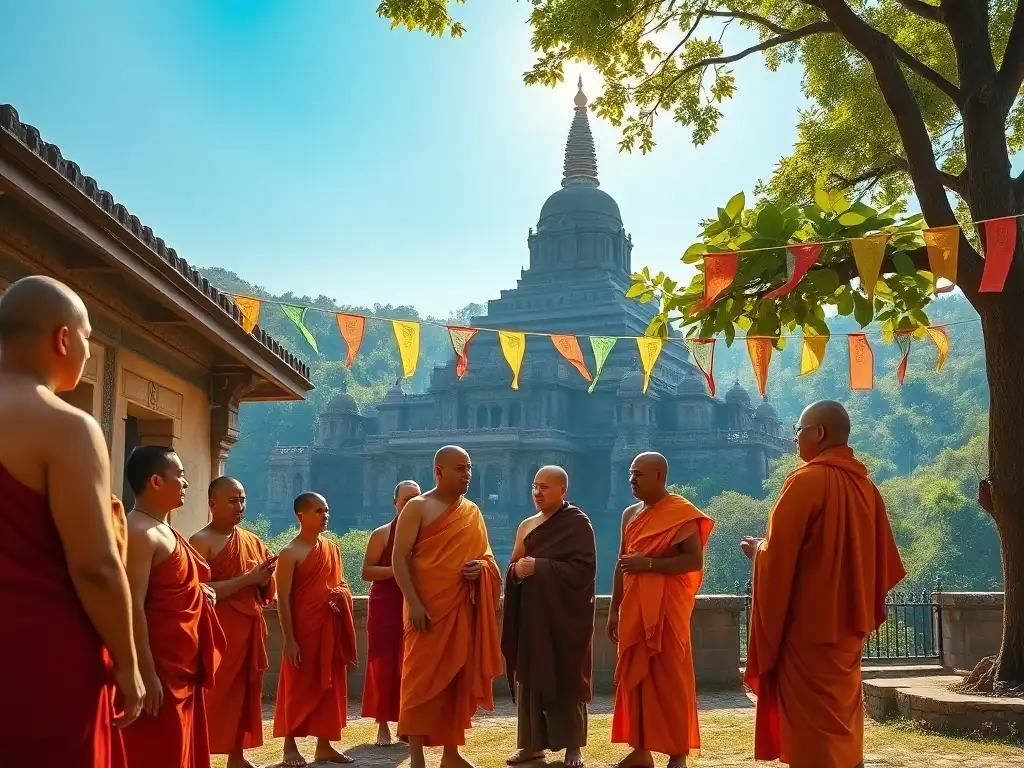
Welcome to Ancient India History, where we invite you to embark on a fascinating journey through the vibrant tapestry of ancient Indian civilizations. From the awe-inspiring Indus Valley to the illustrious Gupta Empire, our exploration uncovers the rich culture and profound contributions that have shaped the world.
In our featured article, “The Historical Spread of Buddhism: Key Figures and Events,” we delve into the transformative journey of Buddhism in India—examining pivotal moments and influential figures that carved its path. Prepare to be captivated as we unravel the intricacies of this ancient religion and inspire you to delve deeper into the remarkable history that continues to resonate today.
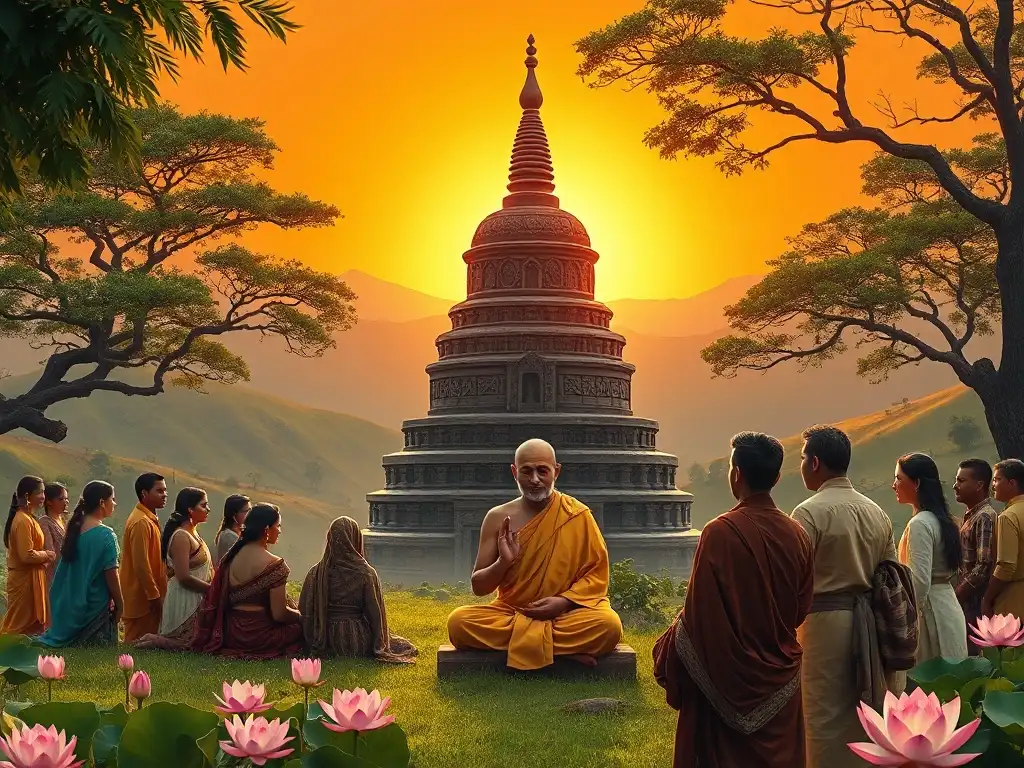
Introduction to the History of Buddhism in India
Buddhism, one of the major world religions, has its roots deeply embedded in the rich soil of ancient Indian civilization. Emerging around the 5th century BCE, it offers a unique perspective on the spiritual and philosophical landscape of the time. The history of Buddhism in India is not merely a tale of spiritual awakening but a complex narrative that intertwines with various cultures, socio-political changes, and notable figures who played pivotal roles in its evolution and spread.
This article explores the key events and influential personalities that shaped Buddhism's journey from its origins to its prominence in ancient India, highlighting how it transformed not only the religious landscape but also the socio-cultural fabric of the region. By delving into the lives of important figures and significant events, we can better appreciate how Buddhism has influenced countless generations and continues to resonate in contemporary society.
Overview of Buddhism's Origins
The origins of Buddhism trace back to Siddhartha Gautama, who later became known as the Buddha, meaning "the Enlightened One." Born into a royal family in present-day Nepal, Siddhartha's quest for understanding the nature of suffering led him to renounce his privileged life, embarking on a path of asceticism and meditation. After years of rigorous discipline, he attained enlightenment under the Bodhi tree in Bodh Gaya, India.
Buddhism teaches the Four Noble Truths and the Eightfold Path, which serve as foundational principles guiding adherents toward liberation from suffering (dukkha) and the cycle of rebirth (samsara). The simple yet profound message of Buddhism quickly garnered attention, appealing to a diverse array of followers, from the common people to royalty.
Significance of Buddhism in Ancient Indian History
Buddhism emerged during a period of significant social and political transformation in ancient India, marked by the decline of the Vedic tradition and the rise of new spiritual movements. Its emphasis on personal spiritual experience, ethical conduct, and community welfare resonated deeply with the populace, leading to its rapid growth.
The establishment of monasteries and stupas across India facilitated the spread of Buddhist teachings, making it an integral part of the region's cultural and religious identity. Furthermore, Buddhism's focus on compassion and non-violence contributed to the evolving moral and philosophical discourse of the time, leaving a lasting impact on Indian thought and society.
Key Figures in the History of Buddhism in India
Buddhism's journey through history cannot be understood without acknowledging the key figures who shaped its development and dissemination. These individuals not only advanced Buddhist teachings but also played crucial roles in integrating Buddhism into the broader social and political frameworks of their time.
Siddhartha Gautama: The Buddha
Siddhartha Gautama's transformation into the Buddha was the cornerstone of Buddhism's inception. His teachings laid the foundation for what would become a profound spiritual tradition. Through his sermons and interactions with followers, he articulated the principles of compassion, mindfulness, and the pursuit of enlightenment, encouraging individuals from all walks of life to seek their own paths to liberation.
Ashoka the Great and the Promotion of Buddhism
One of the most significant figures in the history of Buddhism in India is Ashoka the Great, the Mauryan emperor who reigned during the 3rd century BCE. After witnessing the devastation of war, Ashoka embraced Buddhism and dedicated his life to its promotion. He established numerous stupas, pillars, and edicts that disseminated Buddhist principles throughout his empire and beyond, fostering an environment of peace and tolerance. His efforts were instrumental in making Buddhism a major religious force in Asia.
Notable Buddhist Scholars and Monks
Throughout the history of Buddhism in India, several scholars and monks have made significant contributions to its teachings and practices. Figures such as Nagarjuna, who developed the concept of emptiness (śūnyatā), and Asanga, known for his work on the Yogācāra school of thought, played pivotal roles in shaping Buddhist philosophy. Their writings and teachings continue to influence Buddhist thought and practice, showcasing the rich intellectual tradition that flourished alongside the spread of Buddhism in ancient India.
Major Events in the Spread of Buddhism
The spread of Buddhism in ancient India was marked by significant events and influential figures that helped disseminate its teachings across various regions. This movement began in the 5th century BCE and continued through the centuries, leading to the establishment of a rich cultural and spiritual heritage. Key events included the formation of monastic communities, the establishment of the monastic order by Siddhartha Gautama (Buddha), the convening of councils, and the patronage of powerful rulers. Each of these milestones played a critical role in the growth and adaptation of Buddhist teachings and practices.
The First Buddhist Council and Its Impact
The First Buddhist Council, convened shortly after the death of the Buddha in 483 BCE, was a pivotal moment in the history of Buddhism. Held at Rajgir, this council aimed to preserve the Buddha's teachings and establish an authoritative canon. Led by Mahakasyapa, a prominent disciple of the Buddha, the council included around 500 monks who recited the teachings and rules of the monastic order.
The impact of this council was profound:
- Standardization of Teachings: The council helped standardize the teachings and practices of Buddhism, ensuring that they were preserved for future generations.
- Formation of the Tripitaka: The teachings were later compiled into the Tripitaka (Three Baskets), which served as the foundational scriptures of Theravada Buddhism.
- Legitimizing Monastic Authority: The council established the authority of the monastic community, which became integral to the spread of Buddhism as monks traveled to teach and convert followers.
The Role of Trade Routes in Spreading Buddhism
Trade routes played a crucial role in the dissemination of Buddhism beyond its origins in India. The ancient Silk Road and maritime trade routes facilitated cultural exchange and interaction among various civilizations.
Key factors in this spread included:
- Cultural Exchange: As traders traveled, they carried not only goods but also ideas, beliefs, and practices. Buddhist monks often accompanied traders, sharing their teachings with diverse audiences.
- Urban Centers: Cities that emerged along these trade routes became hubs for Buddhist learning and practice, leading to the establishment of monasteries and stupas.
- Art and Architecture: Buddhist art, including sculptures and murals, spread along these routes, attracting interest in Buddhism's teachings and practices.
The Influence of the Mauryan Empire on Buddhism
The Mauryan Empire, particularly during the reign of Emperor Ashoka (268-232 BCE), had a transformative effect on the spread of Buddhism. Ashoka embraced Buddhism after the Kalinga War, which profoundly impacted his worldview.
His contributions included:
- Royal Patronage: Ashoka's support for Buddhism led to the construction of stupas, monasteries, and educational institutions, significantly enhancing the visibility of Buddhism.
- Missionary Activities: Ashoka dispatched missionaries, including his son Mahinda, to various regions, including Sri Lanka, to propagate Buddhist teachings, which resulted in the establishment of Buddhism in these areas.
- Edicts and Inscriptions: Ashoka's edicts, inscribed on pillars and rocks, promoted Buddhist ethics and principles, reaching out to both his subjects and future generations.
The Evolution of Buddhist Teachings
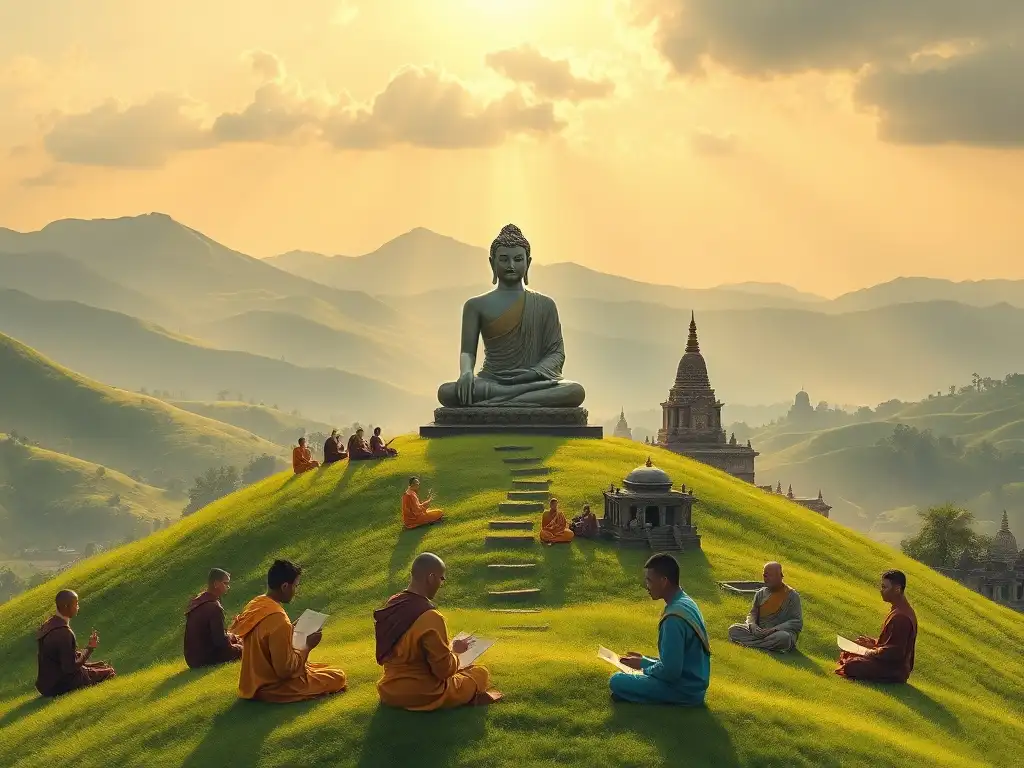
As Buddhism spread across India and beyond, it underwent significant evolution, adapting to various cultural contexts while maintaining core principles. This evolution was shaped by geographical, social, and political factors, leading to diverse interpretations and practices of Buddhism.
Core Teachings of Buddhism in Ancient India
At its foundation, Buddhism is built upon several core teachings that emerged from the experiences of Siddhartha Gautama. These teachings form the basis of Buddhist philosophy and practice:
- The Four Noble Truths: These truths outline the nature of suffering, its origin, cessation, and the path leading to its cessation.
- The Eightfold Path: This path provides a practical guide to ethical and mental development, leading to enlightenment and the cessation of suffering.
- Anatta (Non-Self): Buddhism teaches the concept of non-self, emphasizing the impermanent and interconnected nature of all beings, which is central to understanding the nature of existence.
Adaptations of Buddhism in Different Regions
As Buddhism spread to various regions, it adapted to local cultures and beliefs, leading to the emergence of distinct schools and practices.
- Theravada Buddhism: Predominantly practiced in Sri Lanka and Southeast Asia, Theravada emphasizes the original teachings of the Buddha and the importance of monasticism.
- Mahayana Buddhism: This form, which became influential in East Asia, introduced concepts such as the Bodhisattva ideal, where practitioners seek enlightenment not only for themselves but also for the benefit of all beings.
- Vajrayana Buddhism: Known as Tibetan Buddhism, this school incorporates esoteric practices and rituals, blending indigenous beliefs with Buddhist teachings.
The Interaction of Buddhism with Other Indian Religions
Throughout its history, Buddhism has interacted with other religious traditions in India, leading to a rich tapestry of spiritual exchange and influence.
- Hinduism: The coexistence of Buddhism and Hinduism resulted in the adoption of certain philosophical concepts, such as karma and dharma, with both traditions influencing each other's practices.
- Jainism: Early Buddhism emerged alongside Jainism, sharing similarities in ascetic practices and ethical principles while also diverging in key philosophical tenets.
- Syncretism: In regions where Buddhism spread, it often blended with local beliefs and practices, resulting in syncretic forms of spirituality that incorporated elements from multiple traditions.
Through these interactions, Buddhism not only retained its core teachings but also enriched itself by engaging with the broader spiritual landscape of ancient India.
The Decline of Buddhism in India
The decline of Buddhism in India is a complex historical phenomenon that unfolded over several centuries, marked by a series of socio-political and religious shifts. By the 12th century CE, Buddhism, once a dominant religious force, saw a significant reduction in its following and influence within its land of origin. This decline was not abrupt but rather a gradual process influenced by various factors that reshaped the religious landscape of India.
Factors Contributing to the Decline of Buddhism
Several interrelated factors contributed to the decline of Buddhism in India:
- Political Changes: The fall of powerful Buddhist kingdoms, such as the Mauryas and the Pala Empire, led to a loss of state support for Buddhist institutions. As the patronage from rulers diminished, many monasteries and stupas fell into neglect.
- Invasions and Conquests: Invasions by foreign powers, notably the Muslim conquests during the medieval period, brought about widespread destruction of Buddhist sites and centers of learning. The destruction of the Nalanda University, a premier center of Buddhist education, exemplifies this trend.
- Internal Fragmentation: The rise of various sects and schools within Buddhism led to divisions and a lack of unified direction. This fragmentation weakened the overall cohesion of the Buddhist community.
The Rise of Hinduism and Its Impact on Buddhism
The resurgence of Hinduism played a pivotal role in the decline of Buddhism in India. Several factors highlight this interaction:
- Philosophical Integration: Many Buddhist ideas permeated Hindu philosophy, leading to a syncretic blend of beliefs. This integration diminished Buddhism’s distinct identity and appeal.
- Cultural Revival: Hinduism experienced a renaissance during the early medieval period, reinvigorating its rituals, texts, and devotional practices. This revival attracted devotees who might have otherwise turned to Buddhism.
- Social Structures: The caste system, which became more pronounced during this period, provided a social framework that Buddhism, with its emphasis on equality, struggled to compete against.
Historical Events Leading to the Marginalization of Buddhism
Several key historical events contributed to the marginalization of Buddhism in India:
- The Decline of the Pala Empire: The Pala dynasty was significant in promoting Buddhism in Eastern India. Its decline in the 12th century led to a vacuum that was quickly filled by Hindu rulers.
- Destruction of Educational Institutions: The systematic destruction of Buddhist universities, especially during the invasions, not only eradicated centers of learning but also disbanded communities of monks and scholars.
- Persecution and Conversion: Certain rulers actively promoted Hinduism and persecuted Buddhist monks, leading to forced conversions that further diminished the Buddhist population.
The Legacy of Buddhism in Ancient India
Despite its decline, the legacy of Buddhism in ancient India remains profound and multifaceted, influencing various aspects of culture, philosophy, and religion.
Cultural Contributions of Buddhism
Buddhism made significant cultural contributions that continue to resonate in Indian society:
- Art and Architecture: Buddhist art, particularly in the form of stupas, sculptures, and intricate carvings, laid the groundwork for later Indian art movements. The Ajanta and Ellora caves highlight this rich artistic heritage.
- Literature and Philosophy: Buddhist texts, such as the Tripitaka, contributed to Indian literature and philosophy, influencing narrative styles and philosophical discourse that permeated subsequent religious traditions.
- Social Welfare Initiatives: Buddhist monasteries often served as centers for education and health care, promoting literacy and social services that benefitted wider communities.
The Influence of Ancient Indian Buddhism on Modern Practices
The teachings and practices of ancient Indian Buddhism have profoundly influenced contemporary Buddhist practices globally:
- Meditation and Mindfulness: The meditation techniques developed in ancient India remain central to various schools of Buddhism today, emphasizing mental discipline and mindfulness.
- Ethical Frameworks: The moral precepts originating in ancient Buddhism continue to inform ethical practices in modern Buddhist communities, fostering compassion and non-violence.
- Cultural Festivals: Many festivals and rituals in modern Buddhism can trace their origins back to ancient practices, demonstrating a continuity of tradition.
Continuing Relevance of Buddhist Teachings Today
Buddhism's teachings maintain relevance in today's world, addressing universal human concerns:
- Philosophical Insights: Concepts such as impermanence and interdependence resonate with contemporary philosophical inquiries into the nature of existence and consciousness.
- Mental Health: The mindfulness movement, drawing on Buddhist practices, has gained traction in psychology and therapy, promoting mental well-being in modern society.
- Global Peace Initiatives: The emphasis on peace, compassion, and non-violence in Buddhist teachings contributes to contemporary dialogues on conflict resolution and social justice, making Buddhism a vital voice in global discussions.
While Buddhism may have waned in its homeland, its teachings and cultural contributions continue to thrive, showcasing a rich legacy that transcends time and geography.
Conclusion: The Lasting Impact of Buddhism's History in India

The history of Buddhism in India is not merely a story of a religion’s origin and spread; it is a testament to the profound transformations that occurred in Indian society, culture, and philosophy. The teachings of Siddhartha Gautama, known as the Buddha, laid the foundation for a spiritual path that emphasized compassion, wisdom, and the quest for enlightenment. As Buddhism spread throughout the Indian subcontinent and beyond, it influenced a myriad of cultural, artistic, and philosophical developments.
Buddhism's impact can be seen in various aspects of Indian life, from art and architecture, exemplified by the stupas and rock-cut caves, to literature and scholarship, with texts such as the Pali Canon and the Mahayana Sutras. The promotion of values such as non-violence (ahimsa) and tolerance resonated deeply within Indian society, weaving into the fabric of numerous subsequent religious and philosophical movements. Furthermore, the interactions between Buddhism and other religions such as Hinduism and Jainism enriched India's spiritual landscape, fostering a legacy of dialogue and synthesis.
Reflections on the Historical Journey of Buddhism
The historical journey of Buddhism in India is marked by significant figures and events that shaped its trajectory. From the initial teachings of the Buddha in the 5th century BCE to the flourishing of the Mauryan Empire under Emperor Ashoka, who famously embraced and promoted Buddhism, the religion saw remarkable growth. Ashoka's edicts, which propagated Buddhist principles across his vast empire, played a crucial role in embedding Buddhism within the cultural and spiritual identity of India.
Moreover, the emergence of various Buddhist schools, such as Theravada and Mahayana, highlighted the adaptability of Buddhism to different cultural contexts and philosophical inquiries. The rise of influential monastic centers, like Nalanda and Vikramshila, not only became hubs of learning for Buddhist scholars but also attracted students from regions as far as China and Tibet, facilitating the exchange of ideas and teachings. These reflections on Buddhism's historical journey reveal a rich tapestry of adaptation and influence that continues to resonate in contemporary practices and beliefs.
The Future of Buddhism in India and Beyond
As we look towards the future, Buddhism in India faces both challenges and opportunities. While the religion experienced a decline in its homeland by the end of the first millennium CE, recent decades have witnessed a resurgence of interest in Buddhist teachings. This revival is partly fueled by a global interest in mindfulness and meditation practices rooted in Buddhist philosophy, which have found widespread appeal in modern secular contexts.
In India, the Buddhist community is actively engaged in preserving its heritage, promoting education, and addressing social issues through the lens of Buddhist teachings. The efforts of organizations like the Dr. Ambedkar Mission and the International Buddhist Confederation are notable in this regard, as they work to uplift marginalized communities and advocate for human rights through the principles of Buddhism.
Beyond India, the future of Buddhism appears optimistic, with thriving communities established across the globe. The globalization of Buddhism has led to a rich exchange of ideas and practices among diverse cultures, fostering a deeper understanding and appreciation of its teachings. As Buddhism continues to evolve and adapt to contemporary societal needs, its core messages of compassion, mindfulness, and interconnectedness remain profoundly relevant, offering guidance in an increasingly complex world.
- Introduction to the History of Buddhism in India
- Key Figures in the History of Buddhism in India
- Major Events in the Spread of Buddhism
- The Evolution of Buddhist Teachings
- The Decline of Buddhism in India
- The Legacy of Buddhism in Ancient India
- Conclusion: The Lasting Impact of Buddhism's History in India
- Reflections on the Historical Journey of Buddhism
- The Future of Buddhism in India and Beyond
- What is the significance of the Indus Valley Civilization in the context of Buddhism?
- Who were the key figures in the spread of Buddhism in India?
- How did Ashoka the Great contribute to the history of Buddhism in India?
- What are some major events that marked the spread of Buddhism in India?
- How did the Gupta Empire influence the development of Buddhism?
Frequently Asked Questions
What is the significance of the Indus Valley Civilization in the context of Buddhism?
The Indus Valley Civilization laid the foundation for later Indian cultures, influencing the emergence of Buddhism by fostering early social structures and spiritual practices.
Who were the key figures in the spread of Buddhism in India?
Key figures such as Siddhartha Gautama (Buddha), Ashoka the Great, and various monks played crucial roles in disseminating Buddhist teachings across the Indian subcontinent.
How did Ashoka the Great contribute to the history of Buddhism in India?
Ashoka the Great embraced and promoted Buddhism after his conversion, establishing edicts and sending missionaries to spread the faith, significantly impacting its growth.
What are some major events that marked the spread of Buddhism in India?
Major events include the Buddha's enlightenment, the First Buddhist Council, and Ashoka's efforts in the 3rd century BCE, all of which were pivotal in shaping Buddhism's trajectory.
How did the Gupta Empire influence the development of Buddhism?
The Gupta Empire saw a resurgence of Buddhism, with royal patronage leading to the construction of stupas and monasteries, fostering a rich cultural environment for the faith to flourish.
Final Reflection: Embracing the Legacy of Buddhism in India
The history of Buddhism in India is not just a tale of ancient teachings but a vibrant narrative that continues to shape our world today. As we explore the profound impact of key figures and pivotal events, we realize that Buddhism's principles of compassion, mindfulness, and interconnectedness resonate deeply in our contemporary society. The journey of Buddhism from its roots in India to its global presence is a testament to its enduring relevance and transformative power.
Culture and society are inextricably linked to the teachings of Buddhism, which have influenced art, philosophy, and ethics throughout history. The echoes of the Buddha's wisdom can be seen in the way we approach mental well-being and community today. As the Dalai Lama once said, "> My religion is very simple. My religion is kindness." This sentiment underscores the ongoing influence of Buddhist thought, reminding us that the essence of this ancient tradition is not confined to history but is alive in our daily interactions and choices.
As we reflect on the lessons of Buddhism, let us consider how we can embody its teachings in our lives. I invite you to explore the principles of mindfulness and compassion in your own journey. Whether through meditation, acts of kindness, or a deeper understanding of interconnectedness, we have the opportunity to carry forward the legacy of Buddhism. By doing so, we not only honor its rich history but also contribute to a more compassionate and harmonious world for future generations.
Unveil the Path of Compassion: Take Action Today!
Thank you for exploring the rich world of Buddhism and its historical journey! Your interest in significant figures and pivotal events not only broadens your knowledge but also enriches your understanding of **compassion** and **mindfulness**. Now it’s time to take the next step!
- Join a local meditation group to experience the teachings firsthand and connect with others who share your passion.
- Read a book by a renowned Buddhist thinker to further delve into their profound insights.
- Share this article with friends on social media to inspire meaningful conversations about Buddhism’s lasting influence on our society.
How will you incorporate the teachings of Buddhism into your daily life?