
The Influence of Puranas on Indian Art and Architecture

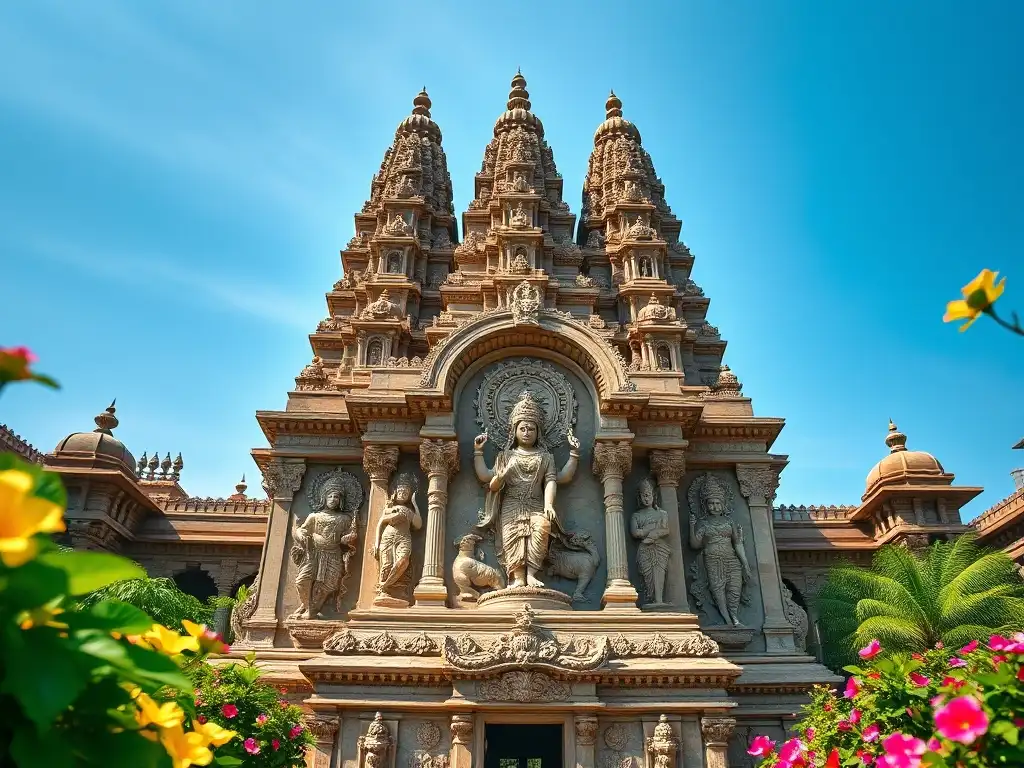
Welcome to Ancient India History, where we embark on a fascinating journey through the rich tapestry of India's ancient civilizations. Dive deep into the impact of Puranas on Indian art, a vital yet often overlooked aspect of our cultural heritage. How did these ancient texts shape the artistic expressions and architectural marvels that define our history? Join us as we unravel the intricate connections between literature and artistry, and discover the profound influence the Puranas had on the aesthetics of a bygone era. Prepare to be captivated and inspired as you explore the depths of India's illustrious past!
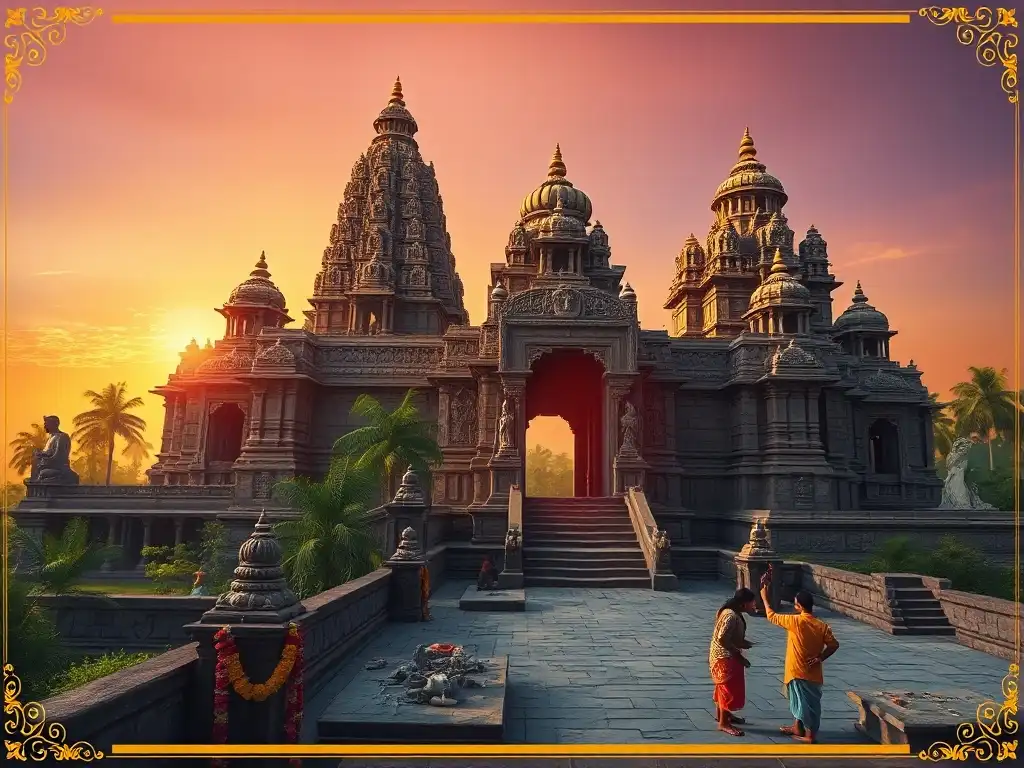
The Puranas, a genre of ancient Indian literature, serve as a crucial link between mythology and the tangible expressions of art and architecture in India. These texts, composed between 300 CE and 1500 CE, encapsulate a wealth of narratives that include cosmology, mythology, and philosophy, profoundly influencing various aspects of Indian culture.
Among their most significant impacts is the way they have shaped Indian art, from sculptures and paintings to temple architecture. Understanding the Puranas' impact on Indian art not only sheds light on the aesthetic evolution of the region but also highlights the intricate relationship between literature and visual creativity in ancient India.
Introduction to Puranas and Their Significance
Overview of Puranas in Indian Literature
The Puranas are a vast body of texts that form an essential part of Hindu literature. Traditionally divided into 18 major Puranas, these texts encompass a diverse range of topics, such as the creation of the universe, genealogies of gods and heroes, and religious rituals. Key Puranas like the Vishnu Purana, Shiva Purana, and Bhagavata Purana not only narrate myths but also serve as theological and philosophical discourses, providing a comprehensive understanding of Hindu beliefs and practices. This depth of content has made the Puranas influential in shaping cultural and spiritual life in India for centuries.
The Role of Puranas in Cultural Heritage
The Puranas have played a pivotal role in preserving and transmitting India's cultural heritage. They are not just religious texts but also repositories of historical events, moral teachings, and societal norms. By recounting tales of divine beings and legendary heroes, the Puranas have inspired generations of artists, sculptors, and architects. The vivid imagery and symbolic narratives found within these texts have served as blueprints for artistic expression, enabling the incorporation of spiritual themes into various forms of art and architecture across different regions and eras.
The Puranas Impact on Indian Art
Defining Indian Art in Historical Context
Indian art is characterized by its diversity and complexity, influenced by various religious traditions, regional styles, and historical contexts. From the intricate carvings of the Ajanta Caves to the majestic temples of the Chola and Gupta periods, Indian art reflects a confluence of aesthetics and spirituality. The Puranas have significantly contributed to this artistic legacy, providing rich narratives that artists have interpreted through various mediums, including sculpture, painting, and architecture.
Key Themes in Puranic Art
Puranic art is distinguished by several recurring themes, including:
- Divine Narratives: Depictions of gods and goddesses in their various forms, often illustrating their divine play (lila) and interactions with devotees.
- Cosmic Myths: Representations of cosmological events, such as the churning of the ocean (Samudra Manthan), which symbolize the eternal struggle between good and evil.
- Moral Parables: Artistic interpretations of moral lessons derived from Puranic stories, often conveying ethical principles and societal values.
These themes not only enhance the aesthetic appeal of the artworks but also serve as visual narratives that communicate the essence of the Puranas, bridging the gap between the written word and visual representation.
Puranas Influence on Architecture
The Puranas have played a significant role in shaping the architectural landscape of ancient India. These ancient texts, comprising mythological narratives, cosmologies, and genealogies of gods, heroes, and sages, have provided a rich source of inspiration for the design and construction of temples and other structures. The influence of the Puranas on architecture can be seen through the intricate carvings, sculptures, and symbolic representations that adorn these edifices. They often serve not just as places of worship but as cultural repositories, reflecting the beliefs, values, and artistic expressions of the time.
One of the key aspects of Puranic influence on architecture is the incorporation of divine narratives and iconography into the structural aesthetics. Temples were designed to embody the stories and attributes of the deities revered within the texts, creating a holistic experience for devotees. For instance, the layout of many temples is often reflective of the cosmic diagrams described in the Puranas, with specific orientations and placements that correspond to celestial movements. This alignment serves to enhance the spiritual experience, making the architecture not just functional but also metaphysical.
Architectural Styles Influenced by Puranas
The architectural styles influenced by the Puranas can be broadly categorized into several significant forms, each showcasing unique characteristics tied to specific regions and periods in Indian history.
- Nagara Style: Predominantly found in North India, this style is characterized by its beehive-shaped shikharas (towers) and intricate carvings depicting stories from the Puranas. The temples often feature multiple sanctums, each dedicated to different deities, reflecting the diverse narratives found within the texts.
- Dravidian Style: This southern Indian style is known for its towering gopurams (gateway towers) and elaborate sculptures that narrate Puranic tales. The temples often have a central shrine surrounded by a series of smaller shrines, illustrating a narrative continuity that reflects the teachings of the Puranas.
- Vesara Style: A blend of Nagara and Dravidian styles, the Vesara style is prominent in the Deccan region. It is characterized by a unique combination of vertical and horizontal elements, with intricate relief sculptures that often depict scenes from the Puranas, showcasing the syncretic nature of Indian art and architecture.
These architectural styles not only serve religious functions but also act as cultural markers, preserving the narratives and teachings of the Puranas through their forms and decorations.
Case Studies of Puranas in Indian Art and Architecture
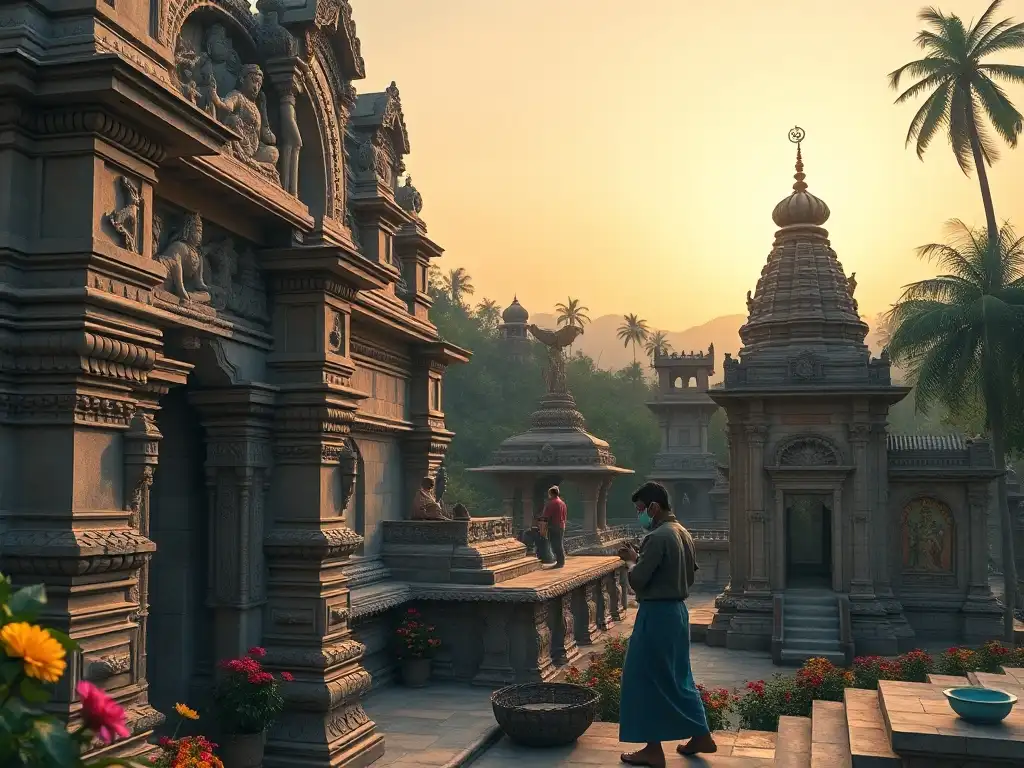
Example 1: Brihadeeswarar Temple, Thanjavur
The Brihadeeswarar Temple, built during the Chola dynasty in the 11th century, stands as a monumental example of Puranic influence on Indian architecture. This UNESCO World Heritage Site is dedicated to Lord Shiva and embodies the principles laid out in the Puranas regarding divine worship and temple construction. The temple features a massive vimana (tower) that rises to an impressive height, symbolizing Mount Meru, the axis of the world in Hindu cosmology.
The intricate sculptures that adorn the walls depict various deities and mythological scenes derived from the Puranas, serving both an artistic and didactic purpose. The temple's layout, with its expansive courtyard and multiple shrines, invites devotees to engage with the divine narratives throughout their pilgrimage. The architectural precision and aesthetic beauty of the temple not only reflect the grandeur of the Chola Empire but also the enduring impact of Puranic texts on Indian artistic traditions.
Example 2: Khajuraho Temples
The Khajuraho Temples, renowned for their stunning sculptures and intricate carvings, exemplify the Puranas' impact on Indian art and architecture during the medieval period. Built between 950 and 1050 CE by the Chandela dynasty, these temples are primarily dedicated to Hindu gods, with a few Jain temples included in the complex. The detailed carvings on the temple walls vividly depict scenes from the Puranas, showcasing the rich tapestry of life, love, and spirituality.
The erotic sculptures that Khajuraho is famous for are not merely for aesthetic pleasure; they are rooted in the philosophical and spiritual concepts highlighted in the Puranas, illustrating the idea of divine love and the interplay between the material and spiritual worlds. The architectural layout of the temples follows the principles of Vastu Shastra, reflecting cosmic order as described in various Puranic texts. This synthesis of art and architecture demonstrates the profound influence of the Puranas on the cultural heritage of India, making Khajuraho an enduring testament to the richness of Indian civilization.
The Lasting Legacy of Puranas on Indian Art and Architecture
The Puranas, ancient Hindu texts composed between 300 CE and 1500 CE, have significantly influenced Indian art and architecture, leaving a legacy that endures to this day. These texts, which encompass mythological stories, cosmology, and genealogies of gods, heroes, and sages, have served as rich sources of inspiration for artists and architects throughout history. The vivid narratives and evocative imagery found in the Puranas facilitated the creation of intricate sculptures, murals, and architectural designs, embedding religious and cultural significance into the fabric of Indian civilization.
One of the most prominent examples of this influence is seen in temple architecture, where the architectural styles and iconography often reflect themes and deities mentioned in the Puranas. Temples constructed during various dynasties, such as the Chola and Gupta, showcase carvings that depict scenes from Puranic stories, providing a visual narrative that educates worshippers about their faith. This artistic representation serves to deepen the connection between the divine and the devotees, making the Puranas a foundational element in the evolution of sacred spaces.
Moreover, the Puranas have encouraged a diverse array of artistic expressions, from paintings to dance forms, that celebrate mythological themes. The use of vibrant colors and dynamic forms in these artistic endeavors echoes the lively storytelling found in the Puranas, ensuring that their impact transcends mere architectural influence and permeates various aspects of cultural life in India.
Contemporary Interpretations of Puranic Themes
In contemporary times, the influence of the Puranas on Indian art continues to thrive, as modern artists and architects seek to reinterpret these ancient themes in innovative ways. Whether through traditional mediums such as painting and sculpture or contemporary forms like digital art and installations, the essence of Puranic narratives remains relevant and inspiring.
Artists often draw upon the rich symbolism found in the Puranas to comment on current social issues, creating works that resonate with both ancient wisdom and modern sensibilities. For instance, contemporary muralists may depict stories from the Bhagavata Purana, integrating them with local folklore and contemporary societal challenges, thereby bridging the gap between the past and present.
Architects are also revisiting the principles outlined in the Puranas when designing modern spaces. By employing traditional motifs and materials, they create structures that not only honor ancient wisdom but also cater to contemporary needs. This fusion of old and new allows for an ongoing dialogue about identity, heritage, and the evolution of artistic expression in India.
Conclusion
The Puranas hold a crucial place in the tapestry of Indian art and architecture, serving as both a historical repository and a source of inspiration. Their narratives have shaped artistic expression across centuries, influencing not only the physical structures of temples and monuments but also the cultural practices associated with them.
Summary of Puranas Impact on Indian Art and Architecture
The Puranas have had a profound impact on Indian art and architecture by providing a wealth of narrative content that has inspired countless artistic endeavors. Their teachings and stories have been immortalized in stone, canvas, and performance, enriching the visual and cultural landscape of India. Furthermore, their reinterpretation in contemporary contexts showcases the enduring relevance of these ancient texts, ensuring that the legacy of the Puranas continues to thrive in modern Indian society.
The Importance of Puranas in Understanding Ancient Indian Civilization
Understanding the role of the Puranas is essential for grasping the broader context of ancient Indian civilization. These texts not only document the mythology and religious practices of the time but also reflect the socio-political dynamics, cultural values, and artistic achievements of various periods. By studying the Puranas, scholars and enthusiasts can gain insights into the spiritual and philosophical underpinnings of Indian society, as well as the evolution of its artistic traditions. This comprehensive understanding enhances appreciation for the richness of India's cultural heritage and the pivotal role of the Puranas in shaping it.
- Introduction to Puranas and Their Significance
- The Puranas Impact on Indian Art
- Puranas Influence on Architecture
- Architectural Styles Influenced by Puranas
- Case Studies of Puranas in Indian Art and Architecture
- The Lasting Legacy of Puranas on Indian Art and Architecture
- Conclusion
Frequently Asked Questions
What are the Puranas in the context of Indian culture?
The Puranas are ancient texts that play a significant role in Hindu literature, containing myths, traditions, and historical narratives that influence various aspects of Indian culture.
How have the Puranas impacted Indian art?
The Puranas have profoundly influenced Indian art by providing themes, stories, and iconography that artists have used in various forms, including sculptures, paintings, and temple architecture.
Can you give examples of art influenced by the Puranas?
Prominent examples include the intricate carvings found in temples, such as those in Khajuraho and Konark, which depict scenes and characters from the Puranic narratives.
What is the significance of Puranic themes in architecture?
Puranic themes in architecture serve to convey spiritual concepts and cultural values, often through the design of temples that reflect divine stories and mythological events.
How did the Gupta Empire utilize Puranic elements in art?
During the Gupta Empire, there was a notable emphasis on incorporating Puranic motifs and iconography in art and architecture, showcasing a blend of religious devotion and aesthetic expression.
Final Reflection: The Enduring Legacy of Puranas in Indian Art
The influence of the Puranas on Indian art and architecture is not merely a historical phenomenon; it is a vibrant thread woven into the fabric of contemporary culture. Today, as we navigate a world increasingly disconnected from its roots, the Puranas serve as a reminder of the profound narratives that shape our artistic expressions and architectural marvels. Their impact resonates through time, urging us to recognize the stories and values embedded in the art that surrounds us.
The Puranas have not only shaped the aesthetics of Indian art but have also played a crucial role in defining cultural identity and spiritual beliefs. Their narratives continue to inspire artists and architects, fostering a sense of belonging and continuity in a rapidly changing society. Art is the most beautiful of all lies.
This quote encapsulates the essence of how the Puranas transform myth into visual splendor, allowing us to connect with our heritage on a deeper level.
As you reflect on the insights shared in this article, consider how the Puranas can inspire your own creative endeavors and personal expressions. Embrace the stories that resonate with you and let them guide your artistic journey. Whether through painting, sculpture, or architecture, allow the timeless wisdom of the Puranas to inform your work and foster a deeper connection to your cultural roots. The legacy of the Puranas is not just a relic of the past; it is a living, breathing force that can enrich our lives today and in the future.
Unveil the Beauty of Indian Art and Architecture!
Thank you for exploring the incredible influence of ancient Indian texts on art and architecture with us! We hope you’ve gained valuable insights into how these rich traditions shape aesthetic expressions and cultural heritage. Now, let's embrace those inspirations and take meaningful action together!
- Dive deeper into the world of Indian artistry by visiting a local museum or exhibition featuring traditional art forms to enrich your understanding.
- Share your thoughts and favorite examples of how ancient texts have influenced art in the comments below—let's spark a conversation about these timeless traditions!
- Consider creating your own art piece inspired by the themes found in these ancient narratives—who knows what masterpieces might emerge from your imagination!
How do you see these ancient texts influencing modern artistic practices in India today? Share your thoughts!