
Sankhya and Yoga: The Philosophical Underpinnings of MindBody Connection

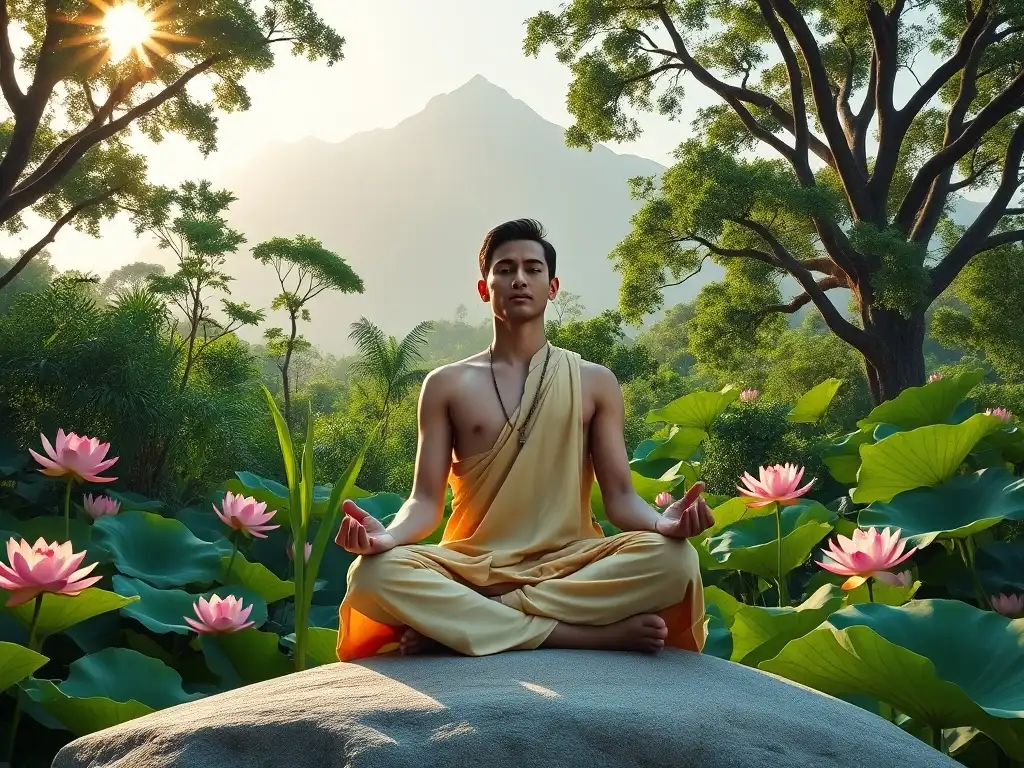
Welcome to Ancient India History, where we embark on a journey through the rich tapestry of ancient Indian civilizations. Today, we delve into the profound depths of Sankhya Yoga philosophy, exploring its philosophical underpinnings and its pivotal role in shaping the Mind-Body connection. Have you ever wondered how these ancient ideas continue to resonate in our modern lives? Join us as we unravel the secrets of Sankhya and Yoga, illuminating the path from the Indus Valley to the Gupta Empire. Let your curiosity guide you as we uncover the intricate relationship between philosophy and the art of living!
- Introduction to Sankhya and Yoga Philosophy in India
- Historical Background of Sankhya Philosophy
- Core Concepts of Sankhya Philosophy
- Yoga Philosophy: An Overview
- Interconnections between Sankhya and Yoga
- The Mind-Body Connection in Sankhya Yoga
- Modern Interpretations of Sankhya Yoga Philosophy
- Conclusion: The Lasting Legacy of Sankhya and Yoga Philosophy
- Frequently Asked Questions
- Final Reflection: Embracing the Sankhya Yoga Philosophy for a Harmonious Mind-Body Connection
- Unleash Your Inner Connection: Embrace Sankhya and Yoga!
Introduction to Sankhya and Yoga Philosophy in India
The philosophical traditions of ancient India have profoundly influenced the understanding of the mind-body connection, with Sankhya and Yoga standing out as two of the most significant schools of thought. These philosophies are not merely abstract concepts; they are practical frameworks that offer insights into the nature of existence, consciousness, and the interplay between the mind and body. By exploring the Sankhya Yoga philosophy in India, we can uncover a rich tapestry of ideas that have shaped not only spiritual practices but also the broader cultural landscape of the subcontinent.
This article delves into the intricate relationship between Sankhya and Yoga, highlighting their foundational premises, historical significance, and their enduring relevance in contemporary discussions about health and well-being. Through this exploration, we will reveal how these ancient philosophies provide a distinctive approach to understanding the complexities of human experience, particularly in the context of the mind-body connection.
Overview of Mind-Body Connection in Ancient Indian Thought
In ancient Indian thought, the mind-body connection is viewed as a holistic integration of mental, physical, and spiritual elements. This perspective is deeply embedded in various philosophical and spiritual schools, particularly in the teachings of Sankhya and Yoga.
Key Concepts of Mind-Body Connection:
- Prakriti and Purusha: In Sankhya philosophy, the dualism of Prakriti (nature) and Purusha (consciousness) establishes the foundation for understanding the self. Prakriti is the material aspect that manifests the physical body, while Purusha represents the eternal, unchanging consciousness.
- Causality and Liberation: The interaction between Prakriti and Purusha leads to the manifestation of the mind and body, affecting one's experiences and perceptions. Understanding this relationship is crucial for achieving liberation ( moksha), which is the ultimate goal in many Indian philosophical traditions.
- Meditation and Self-Realization: Yoga practices, particularly meditation, serve as a bridge to harmonize Prakriti and Purusha. Through disciplined practices, individuals can cultivate awareness of their thoughts and emotions, leading to a profound understanding of the self.
By appreciating these concepts, we can better grasp how ancient Indian thinkers conceptualized the mind-body connection, emphasizing its importance for overall well-being and spiritual growth.
Significance of Sankhya Yoga Philosophy in Historical Context
The historical context of Sankhya and Yoga philosophy reveals their transformative influence on Indian society and beyond. These systems of thought emerged during a time of significant intellectual and cultural development, around the first millennium BCE, and they have continued to evolve through the centuries.
Historical Impact:
- Philosophical Foundations: Sankhya's analytical approach laid the groundwork for various philosophical inquiries in India, providing a framework for understanding reality that influenced schools such as Nyaya and Vaisheshika.
- Spiritual Practices: Yoga philosophy, with its practical emphasis on meditation and ethical living, became integral to various religious traditions, including Hinduism, Buddhism, and Jainism. Its teachings on self-discipline and the pursuit of knowledge have inspired countless practitioners throughout history.
- Cultural Influence: The principles of Sankhya and Yoga have permeated diverse aspects of Indian culture, including art, literature, and medicine. Their teachings continue to resonate in contemporary wellness practices, illustrating the timeless nature of these philosophies.
The significance of Sankhya and Yoga philosophy extends beyond the realm of academic discourse; it is a vital part of the historical and cultural fabric of India, offering invaluable insights into the nature of existence and the human experience. Through this exploration, we can appreciate the depth and richness of these ancient traditions, which continue to inspire individuals seeking a deeper connection between mind and body.
Historical Background of Sankhya Philosophy
Origins of Sankhya Philosophy in Ancient India
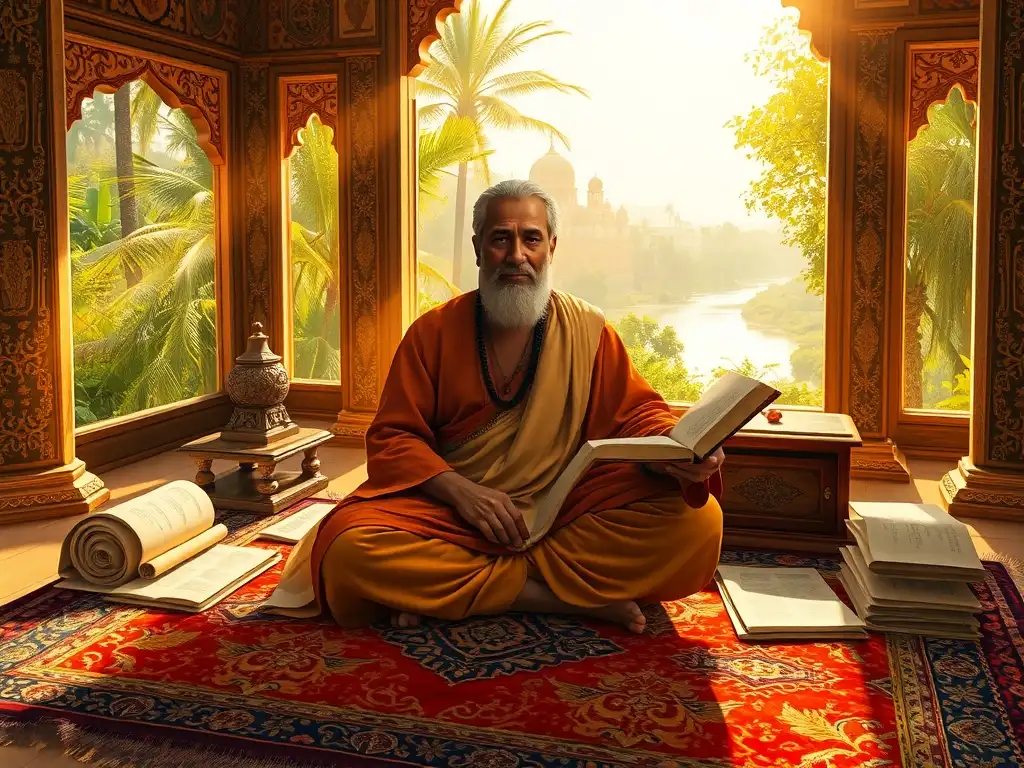
Sankhya philosophy, one of the six orthodox schools of Indian philosophy, has its roots deeply embedded in the spiritual and intellectual milieu of ancient India. It emerged around the 1st millennium BCE, during a time when philosophical inquiry was flourishing alongside the development of other spiritual practices. The term "Sankhya" itself means "number" or "enumeration," reflecting its analytical nature, which seeks to categorize and elucidate the fundamental principles of existence.
The origins of Sankhya can be traced back to the Vedic texts, particularly the Upanishads, where philosophical questions about the nature of reality and consciousness began to take shape. The Brahmanas and Aranyakas are also seen as precursors to Sankhya, introducing concepts that would later be systematized within this philosophy.
A pivotal figure in the formalization of Sankhya philosophy was Kapila, who is traditionally credited as its founder. His teachings, as outlined in the Sankhya Sutras, provided a systematic approach to understanding the universe, categorizing it into two main entities: Purusha (consciousness) and Prakriti (matter). This dualistic framework laid the groundwork for the exploration of the mind-body connection, emphasizing the interplay between consciousness and the material world.
Key Texts and Influences on Sankhya Philosophy
Sankhya philosophy is primarily articulated through several key texts that have influenced its development over the centuries. Among these, the Sankhya Sutras, attributed to Kapila, stand out as foundational. These sutras delineate the theory of evolution of the universe and the process of knowledge acquisition, outlining the principles of dualism.
Another significant text is the Samkhya Karika, written by Ishvara Krishna in the 4th century CE. This work serves as a comprehensive commentary on Sankhya philosophy, providing a detailed exposition of its metaphysical aspects, epistemology, and soteriology. It emphasizes the importance of discernment (viveka) in recognizing the distinction between the eternal Purusha and the transient Prakriti.
Additionally, the Yoga Sutras of Patanjali are heavily influenced by Sankhya philosophy, integrating its principles to form a cohesive system of thought concerning the mind-body connection. The Yoga Sutras adopt Sankhya's dualistic framework and introduce practical methodologies for self-realization.
Furthermore, the influence of Sankhya can also be seen in other philosophical schools, such as Nyaya and Vaisheshika, which absorbed and adapted its concepts into their own frameworks, thus enriching the broader discourse of Indian philosophy.
Prominent Philosophers of Sankhya Tradition
The Sankhya tradition boasts a lineage of prominent philosophers who have significantly contributed to its evolution.
- Kapila: As the founder, Kapila's teachings laid the groundwork for Sankhya philosophy. His dualistic approach has influenced countless scholars and practitioners, emphasizing the separation of consciousness from material existence.
- Ishvara Krishna: Known for the Samkhya Karika, Ishvara Krishna is often regarded as the most important commentator on Sankhya. His work not only systematized the teachings of Kapila but also made them accessible to a wider audience, solidifying the philosophical framework of Sankhya.
- Gaudapada: Though primarily associated with Advaita Vedanta, Gaudapada's interpretations of Sankhya concepts in his Mandukya Karika reflect a deep engagement with its teachings, particularly regarding the nature of consciousness and reality.
- Visheshika Darsana: Philosophers within this school often engaged with Sankhya principles, leading to a rich dialogue that further refined the ideas of both traditions. These interactions helped establish a more nuanced understanding of the mind-body connection.
The Sankhya tradition has been shaped by a diverse array of thinkers, each contributing unique insights and interpretations. Through their works, the philosophical underpinnings of the mind-body connection continue to resonate within the broader context of Indian philosophy, emphasizing the importance of understanding the interplay between consciousness and the material realm.
Core Concepts of Sankhya Philosophy

Sankhya philosophy is one of the six orthodox schools of Indian philosophy, known for its analytical approach to understanding the nature of reality. Originating from the ancient texts, particularly the Sankhya Karika by Ishvara Krishna, it delineates a systematic framework that explores the relationship between consciousness and the material world. Central to this philosophy is the concept of dualism, which fundamentally shapes its view of existence and the mind-body connection.
Sankhya posits that knowledge is achieved through discrimination and analysis, ultimately leading to liberation (moksha). This philosophy emphasizes understanding the nature of reality through its two primary components: Purusha (consciousness) and Prakriti (matter). This dualistic framework underpins various aspects of life, including the practice of Yoga, which seeks to harmonize these two elements.
The Dualism of Purusha and Prakriti
At the heart of Sankhya philosophy lies the concept of dualism, distinguishing between Purusha (the eternal, unchanging self) and Prakriti (the dynamic, material world).
- Purusha: Represents pure consciousness, the observer, and the source of awareness. It is eternal, transcendent, and beyond the physical realm. In this context, Purusha is not influenced by the external world, remaining unaffected by the fluctuations of life and matter.
- Prakriti: Comprises everything that is material, including the physical universe and mental phenomena. It is characterized by change, evolution, and the three fundamental qualities known as gunas (sattva, rajas, and tamas). Prakriti serves as the field in which Purusha interacts, leading to the manifestation of life experiences.
This dualistic approach asserts that understanding the distinction between Purusha and Prakriti is essential for achieving self-realization. The interplay between these two elements forms the basis of the mind-body connection, where the mind (a product of Prakriti) must be aligned with the higher self (Purusha) to attain mental clarity and peace.
The Role of Gunas in Mind-Body Interaction
In Sankhya philosophy, the concept of gunas plays a pivotal role in understanding the dynamics of the mind and body. The three gunas— sattva (purity, knowledge, harmony), rajas (activity, passion, restlessness), and tamas (inertia, darkness, ignorance)—are inherent qualities that influence both mental states and physical behaviors.
- Sattva: Associated with clarity and wisdom, sattva promotes a balanced mind, leading to peace and equanimity. It encourages positive qualities such as compassion, discipline, and self-awareness, facilitating a harmonious mind-body connection.
- Rajas: This guna is characterized by activity and movement. While it drives creativity and ambition, excessive rajas can lead to restlessness and agitation, disrupting the mindfulness essential for a coherent mind-body relationship.
- Tamas: Representing inertia and lethargy, tamas can cloud judgment and foster ignorance. An overabundance of tamas may result in confusion and a disconnection from both the self and the world, negatively impacting mental and physical well-being.
The balance among these gunas is crucial for maintaining a healthy mind-body interaction. Sankhya philosophy suggests that by cultivating sattva and managing rajas and tamas, practitioners can enhance their cognitive abilities, emotional stability, and overall health.
Understanding the Nature of Reality in Sankhya
Sankhya philosophy presents a profound understanding of reality that combines metaphysics with epistemology. It asserts that knowledge arises from the discernment of the real (sat) and the unreal (asat).
- Reality as a Spectrum: Sankhya posits that reality exists along a spectrum ranging from the unchanging essence of Purusha to the ever-changing manifestations of Prakriti. The material world is seen as a temporary state, while Purusha represents the ultimate truth.
- Prakriti's Evolution: The transformation of Prakriti into the diverse forms of existence is governed by the interplay of the gunas. This process of evolution leads to the emergence of the mind, senses, and the external world, which are all transient phenomena.
- Knowledge and Liberation: Gaining knowledge of this dualistic nature of reality is essential for liberation. By recognizing the distinction between the eternal self (Purusha) and the ephemeral world (Prakriti), individuals can transcend suffering and attain spiritual enlightenment.
The Sankhya philosophy provides a comprehensive framework to understand the integral relationship between the mind, body, and the cosmos. Its teachings guide practitioners towards a deeper awareness of their existence and facilitate a meaningful connection between their inner and outer worlds.
Yoga Philosophy: An Overview
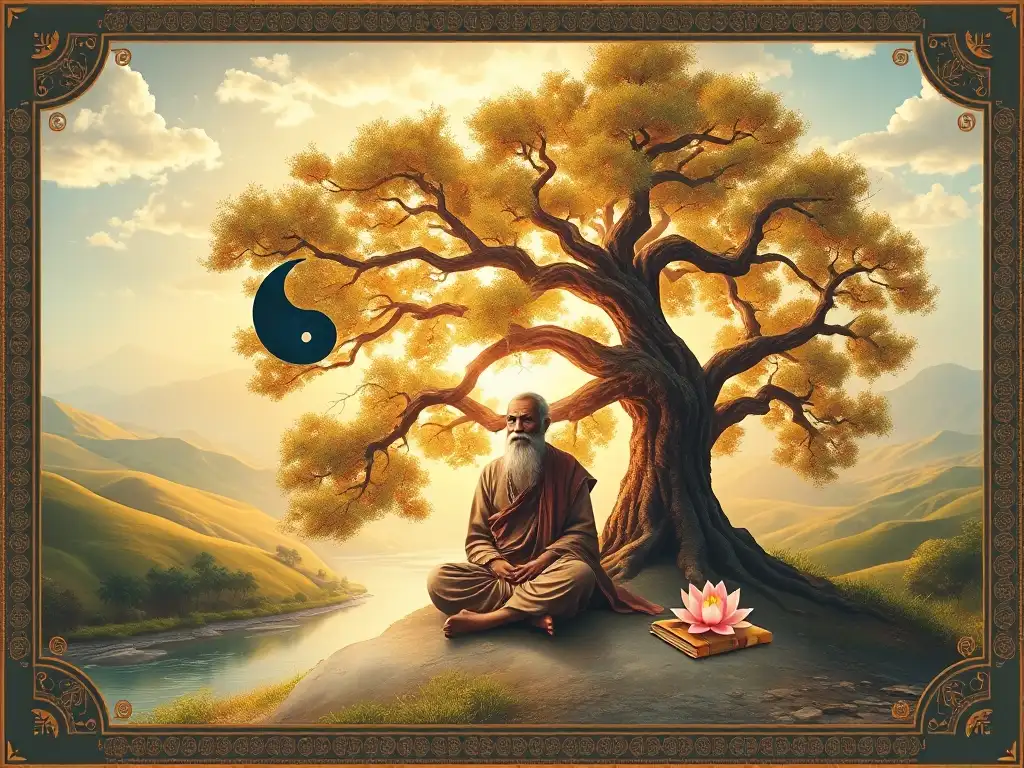
Yoga philosophy, deeply rooted in ancient Indian thought, represents a comprehensive framework that encompasses physical, mental, and spiritual practices aimed at promoting holistic well-being. At its core, yoga seeks to unify the mind, body, and spirit, fostering a profound understanding of the self and the universe. This philosophy is intricately linked to the Sankhya system, which provides the metaphysical foundation for yoga practices.
Yoga is not merely a form of physical exercise; it is a way of life that encourages individuals to transcend ordinary consciousness and reach higher states of awareness. This journey is guided by various techniques, including meditation, breath control, and ethical disciplines. The ultimate goal is to achieve a state of inner peace and liberation, known as Moksha.
The interplay between Sankhya and Yoga philosophy serves as a pivotal aspect of this exploration. While Sankhya offers a dualistic perspective—dividing reality into the material (Prakriti) and the spiritual (Purusha)—Yoga provides practical methodologies to navigate this dichotomy effectively. Together, they create a comprehensive system for understanding and achieving the mind-body connection.
The Relationship between Sankhya and Yoga
The relationship between Sankhya and Yoga is often described as complementary, where Sankhya serves as the philosophical backdrop for Yoga practices. Sankhya delineates the principles of existence, positing that the universe is composed of two primary realities: Prakriti (the material world) and Purusha (the conscious self). This dualism lays the groundwork for understanding the nature of suffering and the path to liberation.
- Philosophical Foundations:
- Sankhya articulates the concept of Avidya (ignorance), which is the root cause of human suffering. It emphasizes the importance of knowledge as a means to dispel ignorance.
- Yoga, in turn, provides the practical tools to cultivate this knowledge, focusing on self-discipline and mental clarity.
- Practical Application:
- The principles of Sankhya guide the ethical and moral dimensions of Yoga practice. For example, the Yamas and Niyamas (ethical precepts) in Yoga align with the Sankhya understanding of how one should relate to oneself and others.
- As practitioners engage in yoga, they actively apply Sankhya's teachings to achieve a clearer perception of reality, thus enhancing their spiritual journey.
- The Goal of Liberation:
- Both philosophies converge on the ultimate aim of liberation. While Sankhya addresses the theoretical aspects, Yoga emphasizes the experiential journey toward realizing one's true self.
Key Texts and Practices in Yoga Tradition
The rich tradition of Yoga is documented in several ancient texts that outline its principles, practices, and philosophical underpinnings. Some of the most significant texts include:
| Text | Description |
|---|---|
| Yoga Sutras of Patanjali | A foundational text that codifies the eight limbs of Yoga (Ashtanga), offering insights into the nature of the mind and practices for self-realization. |
| Bhagavad Gita | A dialogue that presents the philosophical principles of Karma Yoga, emphasizing selfless action and devotion. |
| Hatha Yoga Pradipika | Focuses on the physical and energetic aspects of Yoga, detailing asanas (postures) and pranayama (breath control). |
| Upanishads | Philosophical texts that explore the nature of reality and consciousness, influencing both Sankhya and Yoga. |
The Purpose of Yoga in Achieving Mind-Body Harmony
The primary purpose of Yoga is to achieve harmony between the mind and body, creating a balanced state that promotes overall health and well-being. This integration is achieved through various practices:
- Asanas (Postures): Physical postures that enhance flexibility, strength, and vitality, allowing the body to function optimally.
- Pranayama (Breath Control): Techniques that regulate breath, which is believed to influence the flow of Prana (life energy) within the body, fostering mental clarity and emotional stability.
- Meditation: A practice that cultivates mindfulness and concentration, helping individuals to transcend the fluctuations of the mind and connect with their inner self.
The culmination of these practices leads to a state of Samadhi, where the practitioner experiences profound peace and unity with the universe. In this state, the mind is free from distractions, and the individual recognizes their true essence, paving the way for spiritual liberation.
The Sankhya Yoga philosophy of India provides a comprehensive framework for understanding the intricate relationship between the mind and body, ultimately guiding practitioners toward achieving a harmonious existence.
Interconnections between Sankhya and Yoga
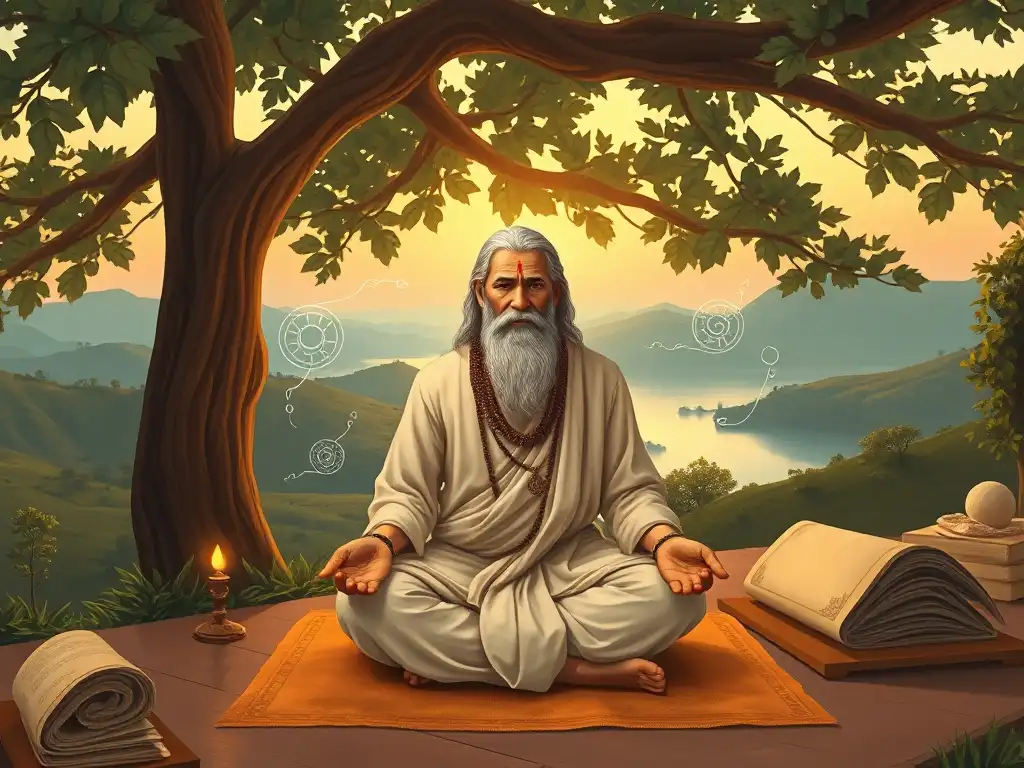
The interconnections between Sankhya and Yoga are fundamental to understanding the philosophical landscape of ancient India. Both schools of thought share a common goal: the pursuit of liberation (moksha) through knowledge and self-realization. While Sankhya is primarily a dualistic philosophy that delineates the distinction between purusha (consciousness) and prakriti (matter), Yoga offers practical methodologies to achieve self-awareness and ultimately, liberation.
How Sankhya Underpins Yoga Practices
Sankhya philosophy lays the groundwork for Yoga practices by introducing key concepts that inform yogic thought. The core tenets of Sankhya, particularly the dualistic framework, highlight the separation between the observer (purusha) and the observed (prakriti). This distinction is crucial for practitioners of Yoga, as it emphasizes the importance of detachment and self-awareness during meditation and physical practices.
- The Concept of Prakriti and Purusha:
- Prakriti: Represents the material world, including the body and mind. In Yoga, practitioners learn to understand their bodies and thoughts as part of prakriti, which must be transcended to attain spiritual liberation.
- Purusha: The eternal self or consciousness that witnesses the activities of prakriti. Yoga practices aim to cultivate awareness of purusha, allowing individuals to realize their true nature beyond physical and mental fluctuations.
- Evolution of the Mind:
- Sankhya posits that the mind evolves through various stages of understanding. Yoga techniques, such as asanas and pranayama, are designed to enhance mental clarity and focus, allowing practitioners to witness the evolution of their consciousness and progress towards higher states of awareness.
- Detachment (Vairagya):
- A fundamental principle derived from Sankhya is the practice of detachment. In Yoga, detachment from the outcomes of one's actions is essential for cultivating inner peace and achieving a higher state of consciousness. This practice is rooted in the understanding that the material world is transient, and true fulfillment lies in the realization of the self.
The Philosophical Foundations of Yogic Techniques
The philosophical foundations of Yoga are deeply influenced by Sankhya principles, which can be observed in various yogic techniques. The integration of Sankhya's analytical approach with Yoga's practical applications creates a comprehensive system for personal development and spiritual growth.
- Eight Limbs of Yoga (Ashtanga Yoga):
- The eight limbs outlined by Patanjali in the Yoga Sutras draw significantly from Sankhya philosophy, particularly in their emphasis on ethical conduct (Yamas and Niyamas) and mental discipline (Dharana and Dhyana). Each limb serves as a step towards the ultimate goal of self-realization, echoing the Sankhya belief in the importance of understanding the nature of reality.
- Karma and Rebirth:
- Sankhya philosophy discusses the concept of karma and its implications on the cycle of rebirth (samsara). Yoga techniques are designed to help practitioners transcend the cycle of karma through disciplined practice and insight, leading to liberation from the material world.
- Mind-Body Connection:
- The emphasis on the mind-body connection in Yoga finds its roots in Sankhya's exploration of consciousness. Yogic practices such as meditation and breath control (pranayama) cultivate awareness of this connection, enabling practitioners to experience the interplay between their mental and physical states.
The Role of Meditation in Sankhya Yoga Philosophy
Meditation occupies a central role in the synthesis of Sankhya and Yoga philosophies. It serves as a vital practice that facilitates the realization of the self and the understanding of the dualistic nature of existence.
- Self-Inquiry:
- Meditation encourages self-inquiry, prompting practitioners to explore the nature of purusha and prakriti. By quieting the mind and turning inward, individuals can discern the essence of their consciousness and gain insights into their true nature.
- Calming the Fluctuations of the Mind:
- According to Sankhya, the mind's fluctuations (vrittis) can obscure the true self. Meditation techniques taught in Yoga aim to calm these fluctuations, allowing practitioners to experience moments of stillness and clarity that reveal the underlying reality of purusha.
- Integration of Knowledge and Experience:
- Meditation acts as a bridge between the intellectual understanding of Sankhya and the experiential aspects of Yoga. Through consistent practice, individuals can integrate philosophical insights into their daily lives, fostering a deeper connection with themselves and the world around them.
The interconnections between Sankhya and Yoga illuminate the philosophical underpinnings of the mind-body connection in ancient Indian thought. The synergy between these two schools of philosophy enhances the understanding and practice of Yoga, providing a rich framework for personal growth and spiritual liberation.
The Mind-Body Connection in Sankhya Yoga
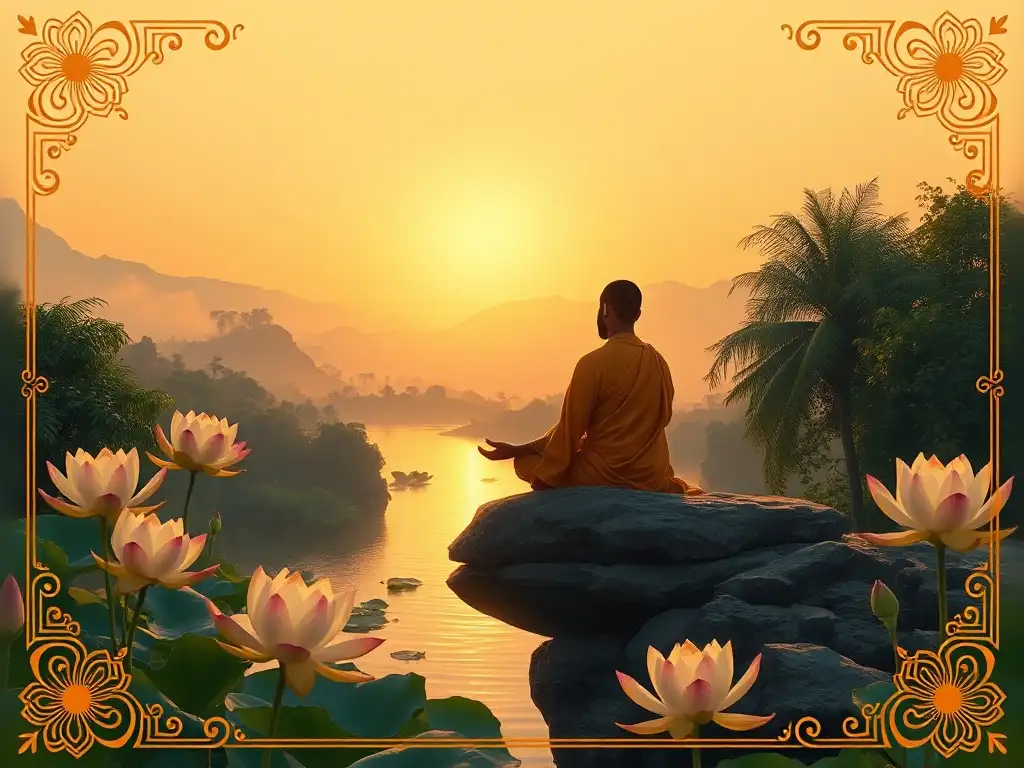
The philosophical framework of Sankhya Yoga emphasizes a profound understanding of the mind-body connection, positing that both elements are intricately linked through a shared existence. This connection highlights the interplay between consciousness and the physical universe, asserting that an individual's mental state can significantly influence their physical health and vice versa.
Sankhya philosophy, attributed to the sage Kapila, articulates a dualistic view, separating the Purusha (consciousness) from Prakriti (matter). This distinction is fundamental in understanding how awareness influences bodily functions. The practice of Sankhya Yoga aims to harmonize these two aspects, facilitating a holistic approach to well-being.
Exploring Consciousness and Awareness in Sankhya
In Sankhya Yoga, consciousness is perceived as a passive observer, while the mind and body are active participants in the experience of life. This philosophical stance posits that true knowledge arises from understanding the nature of consciousness and its separation from the material world.
- Levels of Consciousness:
- Waking State: Engaging with the external world.
- Dream State: Inward reflection and subconscious activity.
- Deep Sleep: A state of pure awareness devoid of thought.
The practice of meditation and mindfulness in Sankhya Yoga cultivates awareness, enabling practitioners to recognize their thoughts and emotions without attachment. This self-awareness can lead to greater emotional regulation, reducing stress and enhancing overall mental health.
The Impact of Yoga on Mental and Physical Health
Sankhya Yoga not only serves as a philosophical study but also as a practical approach to health and wellness. Regular practice of yoga postures (asanas), breathing exercises (pranayama), and meditation fosters a balanced mind-body relationship. The benefits can be classified into several domains:
- Mental Health Benefits:
- Reduces anxiety and depression.
- Enhances cognitive function and clarity.
- Promotes emotional resilience.
- Physical Health Benefits:
- Improves flexibility and strength.
- Enhances respiratory function through pranayama.
- Supports cardiovascular health and reduces stress-related ailments.
The integration of these practices aligns with the Sankhya Yoga philosophy, reinforcing the idea that a healthy mind contributes to a healthy body, and vice versa.
Case Studies on Mind-Body Benefits of Sankhya Yoga
Numerous studies have explored the effectiveness of Sankhya Yoga practices on mental and physical health. Below are notable examples:
- Study on Stress Reduction:
A group of participants practicing Sankhya Yoga for eight weeks reported a significant decrease in perceived stress levels, showcasing the effectiveness of yoga in enhancing mental well-being.
- Research on Chronic Pain Management:
Patients with chronic pain who engaged in regular Sankhya Yoga practice experienced reduced discomfort and increased mobility, illustrating the physical benefits of integrating mind-body practices.
- Cognitive Enhancement Study:
A longitudinal study indicated that individuals practicing Sankhya Yoga exhibited improved memory and focus compared to a control group, further supporting the cognitive benefits of yoga.
These case studies underscore the tangible benefits of Sankhya Yoga, demonstrating its role in fostering a harmonious mind-body connection, which is essential for overall well-being. By understanding and applying the principles of Sankhya Yoga philosophy in practice, individuals can cultivate a healthier, more balanced life.
Modern Interpretations of Sankhya Yoga Philosophy
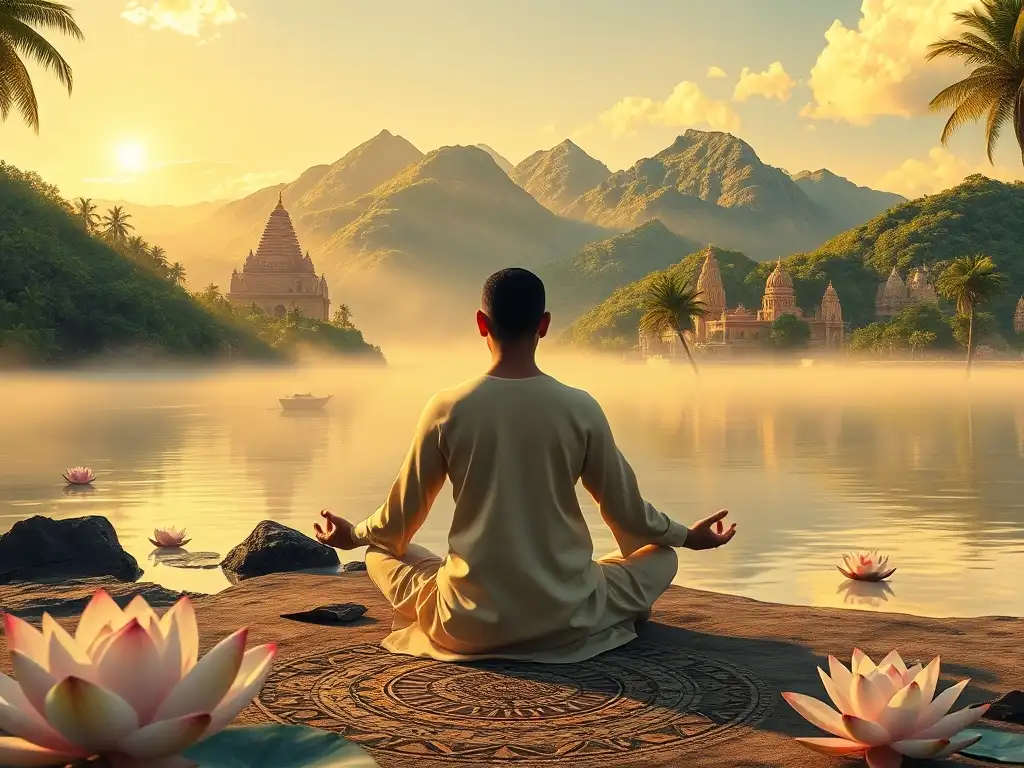
Influence of Sankhya Yoga on Contemporary Practices
The principles of Sankhya Yoga philosophy have profoundly influenced various contemporary practices, particularly in the realms of psychology, wellness, and holistic health. This ancient philosophy, rooted in dualistic thought, emphasizes the distinction between consciousness (Purusha) and matter (Prakriti). Modern interpretations often draw from this dichotomy to craft wellness programs that focus on balancing the mind and body.
- Psychotherapy:
- Many therapists integrate Sankhya principles into their practices, utilizing the concepts of awareness and self-realization to help clients understand their thoughts and emotions. This aligns with mindfulness techniques, which encourage individuals to observe their mental states without attachment.
- Yoga and Meditation:
- Contemporary yoga practices frequently incorporate Sankhya Yoga philosophy, particularly in the understanding of the mind-body connection. Asanas (postures) are designed not only to enhance physical well-being but also to cultivate mental clarity and peace, aligning with the Sankhya notion of achieving balance between the Purusha and Prakriti.
- Holistic Health Programs:
- Programs focusing on holistic health often draw from Sankhya teachings, promoting a lifestyle that encompasses physical, emotional, and spiritual well-being. The emphasis on self-awareness and understanding one's nature is fundamental in these modern holistic approaches.
Relevance of Ancient Philosophies in Modern Wellness
The relevance of ancient philosophies, particularly Sankhya Yoga philosophy, in modern wellness practices cannot be overstated. As individuals increasingly seek alternatives to conventional medicine and therapy, ancient wisdom offers valuable insights into achieving overall health and well-being.
- Mindfulness and Stress Reduction: The practice of mindfulness, which has gained popularity in recent years, aligns closely with the principles of Sankhya. By fostering an understanding of the self and the distinction between thoughts and the observer, individuals can reduce stress and enhance mental clarity.
- Integrative Health Approaches: In integrative health, where physical and mental health are viewed as interconnected, Sankhya philosophy provides a framework for understanding how internal states affect physical health. This holistic perspective is essential for practitioners aiming to treat the whole person rather than isolated symptoms.
- Philosophical Foundations for Modern Practices: Many modern wellness programs borrow from the philosophical underpinnings of Sankhya, promoting self-inquiry and personal growth as essential components of health. This approach resonates with individuals seeking deeper meaning and fulfillment in their lives.
Workshops and Retreats Incorporating Sankhya Yoga Principles
Increasingly, workshops and retreats are incorporating Sankhya Yoga principles, allowing participants to explore the mind-body connection in a structured environment. These settings provide a unique opportunity to delve into the philosophy while engaging in practical applications.
- Retreats Focused on Self-Discovery: Many retreats emphasize self-inquiry and personal growth, encouraging attendees to explore their consciousness and the nature of their existence. Activities often include guided meditations, discussions on Sankhya teachings, and practical yoga sessions.
- Workshops on Mind-Body Techniques: Workshops that integrate Sankhya Yoga philosophy often include techniques such as breathwork (Pranayama) and mindfulness practices. These sessions aim to enhance participants' understanding of their mental and emotional patterns, fostering personal transformation.
- Community and Support: Such gatherings create a sense of community among participants, who share a common interest in exploring ancient wisdom and its application to modern life. This supportive environment enhances the learning experience, allowing for deeper connections and insights.
By embracing the principles of Sankhya Yoga philosophy, modern practitioners can cultivate a profound understanding of themselves and their place in the world, bridging ancient wisdom with contemporary life.
Conclusion: The Lasting Legacy of Sankhya and Yoga Philosophy
The philosophical frameworks of Sankhya and Yoga have profoundly influenced not only ancient Indian thought but also contemporary understandings of the mind-body connection. Both systems offer unique insights into the nature of existence, consciousness, and the interrelation between the physical and spiritual aspects of life. Their teachings emphasize the importance of self-awareness, discipline, and the pursuit of knowledge, which remain relevant in today’s context.
The legacy of Sankhya and Yoga philosophy can be seen in various fields, including psychology, medicine, and holistic wellness practices. Their principles encourage individuals to strive for balance and harmony within themselves, promoting mental clarity and emotional stability. As these philosophies continue to be explored and integrated into modern practices, they serve as a reminder of the importance of a holistic approach to well-being.
The Importance of Understanding Mind-Body Connection
Understanding the mind-body connection is crucial in both ancient and modern contexts. The Sankhya Yoga philosophy of India provides a comprehensive framework for exploring this relationship. Here are some key aspects to consider:
- Holistic Health: The integration of mind and body is essential for overall health. Practices derived from Sankhya and Yoga emphasize that mental states can influence physical health and vice versa.
- Psychological Insights: The teachings of Sankhya offer insights into the nature of the mind, distinguishing between the intellect (buddhi), ego (ahamkara), and the senses (indriyas). This knowledge is foundational for understanding how thoughts and emotions affect physical health.
- Practical Applications: Techniques such as meditation, breath control (pranayama), and physical postures (asanas) promote awareness of the body and mind, helping individuals cultivate a deeper understanding of their internal states.
- Scientific Validation: Recent research in fields like psychoneuroimmunology supports the principles of the mind-body connection, indicating that mental practices can have tangible effects on physical health, further validating the teachings of Sankhya and Yoga.
By prioritizing the mind-body connection, individuals can enhance their emotional and physical well-being, fostering a richer and more meaningful life experience.
Future Directions for Research and Practice in Sankhya Yoga Philosophy
As interest in Sankhya Yoga philosophy grows, several future directions for research and practice can be outlined:
- Interdisciplinary Studies: Collaborative research between philosophy, psychology, and neuroscience can deepen our understanding of the principles of Sankhya Yoga. This can lead to innovative methods for enhancing mental health and well-being.
- Cultural Adaptation: As Sankhya Yoga practices are adapted in various cultural contexts, it is essential to study their efficacy and relevance. Research can focus on how these ancient practices can be integrated into contemporary lifestyles across different cultures.
- Educational Initiatives: Incorporating Sankhya and Yoga teachings into educational curricula can promote awareness of the mind-body connection from an early age. This may involve developing programs that teach mindfulness, self-awareness, and emotional regulation.
- Technological Integration: The use of technology in meditation and wellness apps can facilitate the application of Sankhya principles in daily life. Research can explore how technology can enhance traditional practices and reach broader audiences.
- Longitudinal Studies: Conducting long-term studies on the effects of Sankhya Yoga practices on mental and physical health can provide valuable data that supports their benefits, contributing to a growing body of evidence in holistic health approaches.
The future of Sankhya Yoga philosophy in both research and practice holds great potential for enhancing our understanding of the mind-body connection and promoting overall well-being. Embracing these ancient teachings can lead to a more holistic approach to health that resonates with the complexities of modern life.
Frequently Asked Questions
What is Sankhya Yoga philosophy in India?
Sankhya Yoga philosophy is a foundational spiritual framework that combines the dualism of Sankhya with the practical techniques of Yoga, emphasizing the connection between the mind and body.
How does Sankhya contribute to Yoga practices?
Sankhya provides a theoretical foundation for Yoga by explaining the nature of consciousness and matter, helping practitioners understand the mind-body connection during their spiritual journey.
What are the main tenets of Sankhya philosophy?
The main tenets of Sankhya philosophy include the distinction between Purusha (consciousness) and Prakriti (matter), focusing on the self-realization and the pursuit of knowledge for liberation.
How do Sankhya and Yoga work together?
Sankhya offers the philosophical insights that guide practitioners in Yoga, facilitating a deeper understanding of the mind's role in achieving spiritual enlightenment and harmony within.
Why is the mind-body connection significant in these philosophies?
The mind-body connection is significant as it highlights the interplay between mental states and physical health, ultimately leading to a more holistic approach to well-being and self-awareness in both Sankhya and Yoga.
Final Reflection: Embracing the Sankhya Yoga Philosophy for a Harmonious Mind-Body Connection
In an age where the mind-body connection is more crucial than ever, the teachings of Sankhya and Yoga resonate profoundly with contemporary society. As we navigate the complexities of modern life, the wisdom embedded in these ancient philosophies offers a pathway to understanding our inner selves and achieving holistic well-being. The relevance of these teachings is not merely historical; they serve as a beacon guiding us toward a balanced existence amidst chaos and distraction.
The influence of Sankhya Yoga philosophy extends far beyond its origins in India, shaping cultural and social landscapes around the globe. As we embrace these teachings, we find a deeper connection to our own experiences and the world around us. The insights gained from this philosophy encourage us to cultivate mindfulness and self-awareness, fostering a sense of unity within ourselves and with others. Yoga is the journey of the self, through the self, to the self.
– The Bhagavad Gita. This quote encapsulates the essence of our exploration, reminding us that the journey toward understanding our mind and body is a deeply personal and transformative experience.
As we reflect on the profound lessons of Sankhya and Yoga, I invite you to take a moment to consider how these philosophies can enrich your life. Embrace the opportunity to integrate mindfulness and self-awareness into your daily routine. Whether through meditation, self-reflection, or simply being present in the moment, let the teachings of Sankhya Yoga inspire you to cultivate a harmonious relationship with your mind and body. The journey toward inner peace and balance begins with a single step—take it today.
Unleash Your Inner Connection: Embrace Sankhya and Yoga!
Thank you for taking the time to explore the profound insights of Sankhya and Yoga with us. By delving into their philosophical foundations, you've taken the first step toward understanding the deep-rooted mind-body connection that can transform your well-being and self-awareness. Now, it’s time to take action!
Here are some practical steps you can implement right away:
- Practice Mindful Meditation: Set aside just 10 minutes each day to meditate. Focus on your breath and let the principles of Sankhya guide your thoughts toward tranquility.
- Explore the Yoga Sutras: Start reading a translation of the Yoga Sutras to deepen your understanding of Yoga philosophy. Consider joining a local class or community group to share insights and experiences.
- Engage and Share: Connect with others interested in these philosophies by joining forums or social media groups. Share your thoughts and learn from their journeys too!
As you embark on this transformative journey, we invite you to reflect: How can integrating Sankhya and Yoga into your daily routine enhance your mind-body harmony? We’d love to hear your thoughts!