
Sankhya's Practical Applications: How Ancient Philosophy Influences Modern Psychology

Welcome to Ancient India History, where we embark on a fascinating journey through the rich tapestry of ancient Indian civilizations. Delve into the profound depths of Sankhya philosophy and psychology, a cornerstone of Indian thought that not only shaped the past but continues to influence modern psychology today. In our featured article, "Sankhya's Practical Applications: How Ancient Philosophy Influences Modern Psychology," we invite you to uncover the timeless wisdom of this ancient philosophy and discover how its principles resonate in contemporary life. Prepare to be intrigued as we connect the dots between history and modernity—your exploration begins now!
- Introduction to Sankhya Philosophy and Its Relevance to Modern Psychology
- Historical Context of Sankhya Philosophy
- Core Principles of Sankhya Philosophy
- Influence of Sankhya Philosophy on Modern Psychological Theories
- Practical Applications of Sankhya Philosophy in Psychology
- Case Studies: Success Stories of Sankhya in Modern Psychology
- Conclusion: The Lasting Impact of Sankhya Philosophy on Psychology
- Frequently Asked Questions
- Final Reflection: Bridging Ancient Wisdom and Modern Understanding
- Unleash the Power of Ancient Wisdom Today!
Introduction to Sankhya Philosophy and Its Relevance to Modern Psychology
Sankhya philosophy, one of the six classical systems of Indian philosophy, provides a profound understanding of the nature of reality, consciousness, and the human experience. Rooted in ancient Indian thought, it delves into the duality of purusha (consciousness) and prakriti (matter), offering insights that resonate deeply within the realms of modern psychology.
As we explore the intricate connections between Sankhya philosophy and psychology, we uncover how ancient wisdom continues to inform contemporary psychological practices and theories. This article will illuminate the core tenets of Sankhya philosophy and examine its substantial influence on modern psychological frameworks, demonstrating the timeless relevance of ancient philosophical systems in understanding the human mind.
Overview of Sankhya Philosophy
Sankhya, attributed to the sage Kapila, is a comprehensive philosophical system that categorizes knowledge and existence into distinct principles. It is characterized by its enumeration (the term "Sankhya" itself means "number") and proposes a dualistic approach to understanding reality. The primary elements of Sankhya philosophy include:
- Purusha (Consciousness): The eternal, unchanging aspect of reality, representing the true self or consciousness.
- Prakriti (Matter): The dynamic, ever-changing material world, encompassing all forms of nature and experience.
- Three Gunas: The fundamental qualities that govern prakriti—sattva (purity), rajas (activity), and tamas (inertia)—which influence human behavior and mental states.
The Sankhya system emphasizes the importance of self-realization, advocating for a deeper understanding of the self as distinct from the physical body and mental processes. This philosophical framework has laid the groundwork for various spiritual and psychological practices, including yoga and meditation, which aim to harmonize the mind and spirit.
Importance of Ancient Philosophical Systems in Modern Context
The relevance of ancient philosophical systems like Sankhya in modern psychology cannot be overstated. As contemporary psychology grapples with complex questions of consciousness, identity, and well-being, insights from Sankhya offer valuable perspectives and methodologies. Key areas where Sankhya philosophy intersects with modern psychology include:
- Mindfulness and Self-awareness: The Sankhya emphasis on the distinction between purusha and prakriti fosters a deeper understanding of the self, encouraging mindfulness practices that enhance self-awareness and emotional regulation.
- Understanding Mental States: The three gunas provide a framework for analyzing human behavior, allowing psychologists to understand how different mental states affect emotional health and decision-making.
- Holistic Approaches to Healing: Many modern therapeutic practices, such as cognitive-behavioral therapy (CBT) and holistic healing, echo the Sankhya perspective of achieving balance between the mind and body, promoting overall well-being.
Incorporating ancient wisdom into modern psychological practices not only enriches therapeutic approaches but also fosters a more comprehensive understanding of the human psyche. As we delve further into the practical applications of Sankhya philosophy, we will explore its profound impact on contemporary psychological thought and practice.
Historical Context of Sankhya Philosophy

Origins of Sankhya Philosophy in Ancient India
Sankhya philosophy, one of the six orthodox schools of Indian philosophy, emerged around the 6th century BCE in ancient India. It is considered one of the oldest philosophical systems, deeply rooted in the cultural and intellectual milieu of the time. The term "Sankhya" means "number" or "enumeration," which reflects its analytical nature, focusing on categorizing reality into distinct components.
The origins of Sankhya philosophy can be traced back to the Vedic texts, particularly the Upanishads, where concepts of dualism and the nature of reality began to take shape. The philosophical discourse during this period was heavily influenced by spiritual practices and the quest for understanding the self (Atman) and its relationship with the ultimate reality (Brahman).
Sankhya presents a dualistic framework characterized by the distinction between Purusha (consciousness) and Prakriti (matter). This differentiation marked a significant departure from the monistic views prevalent in earlier Vedic thought. The emergence of this dualism laid the foundation for various subsequent philosophical explorations in ancient India, influencing not only other schools of thought but also the spiritual practices of the time.
Key Texts and Figures in Sankhya Tradition
The development of Sankhya philosophy is documented in several key texts, with the Sankhya Karika by Ishvara Krishna being among the most influential. Written in the 4th century CE, the Sankhya Karika serves as a foundational text, systematically outlining the principles of Sankhya. The work elaborates on the enumeration of the twenty-five principles (tattvas) that constitute reality, leading to a comprehensive understanding of the world and the self.
| Tattvas | Description |
|---|---|
| 1. Purusha | The individual consciousness, eternal and unchanging. |
| 2. Prakriti | The primal matter, characterized by three gunas (qualities): sattva, rajas, and tamas. |
| 3. Mahat | The great principle of intellect or cosmic intelligence. |
| 4. Ahamkara | The principle of ego, which identifies the self with the body and mind. |
| 5. Manas | The mind, which processes sensory information and thoughts. |
| 6. The Five Senses | Organs of perception (hearing, touch, sight, taste, smell) that connect the mind to the external world. |
| 7. The Five Elements | The material components of the physical world (earth, water, fire, air, space). |
Prominent figures in the Sankhya tradition include Kapila, often regarded as the founder of Sankhya philosophy, although historical evidence about his life remains scarce. His teachings emphasized the importance of knowledge and discrimination (viveka) to liberate the self from the cycles of birth and rebirth (samsara).
In addition to Ishvara Krishna and Kapila, later commentators and philosophers contributed to the evolution of Sankhya thought, such as Gaudapada and Shankara, who integrated Sankhya concepts into their own philosophical frameworks.
The influence of Sankhya philosophy extends beyond mere academic discourse; its principles resonate in modern psychological practices. Concepts such as the distinction between the observer (Purusha) and the observed (Prakriti) find parallels in contemporary psychological theories that explore the self and consciousness. By understanding these foundational texts and figures, one can appreciate the profound impact of Sankhya philosophy on both ancient and modern perspectives on psychology.
Core Principles of Sankhya Philosophy
Sankhya philosophy is one of the six orthodox schools of Indian philosophy, primarily dealing with the nature of reality and the mechanisms of human experience. At its core, it emphasizes a dualistic understanding of existence, focusing on the interplay between consciousness and matter. This framework has profound implications for both ancient and modern psychology, particularly through its exploration of the self, the nature of suffering, and the pathways to liberation.
The Dualism of Purusha and Prakriti
Central to Sankhya philosophy is the concept of Purusha and Prakriti. Purusha represents the eternal, unchanging consciousness or the self, while Prakriti signifies the material world, encompassing everything that is subject to change and transformation. This dualism is crucial for understanding the Sankhya perspective on human experience.
- Purusha:
- Represents pure awareness and the observer.
- Detached from the material world, it is the source of consciousness.
- In psychological terms, it can be viewed as the aspect of the self that is aware of thoughts, emotions, and bodily sensations without being influenced by them.
- Prakriti:
- Comprises the physical universe, including the mind, body, and sensory experiences.
- It is inherently dynamic, driven by evolution and change.
- From a psychological standpoint, Prakriti includes the thoughts, emotions, and behaviors that arise from interactions with the world.
The relationship between Purusha and Prakriti highlights a significant principle in Sankhya philosophy: understanding the distinction between the observer and the observed is vital for mental clarity and emotional well-being. In modern psychology, this dualism resonates with concepts found in mindfulness practices, where the emphasis is placed on observing thoughts and feelings without attachment or identification.
The Concept of Gunas and Their Role in Human Behavior
Another pivotal aspect of Sankhya philosophy is the concept of Gunas, which are the three fundamental qualities that characterize Prakriti. These Gunas – Sattva, Rajas, and Tamas – play a crucial role in shaping human behavior and psychological states.
- Sattva:
- Represents purity, harmony, and balance.
- Associated with qualities such as knowledge, wisdom, and tranquility.
- In psychological terms, an increase in Sattva can lead to positive mental states, fostering clarity of thought and emotional stability.
- Rajas:
- Characterized by activity, passion, and dynamism.
- While it can drive ambition and creativity, excessive Rajas can lead to restlessness, anxiety, and attachment.
- Modern psychology often acknowledges that a balance of drive and calmness can enhance motivation without resulting in burnout.
- Tamas:
- Represents darkness, inertia, and lethargy.
- It is associated with ignorance and confusion, often leading to stagnation in thought and action.
- From a psychological perspective, high levels of Tamas can contribute to depressive states or mental fatigue.
The interplay of these Gunas influences individual behaviors, mental patterns, and emotional responses. Understanding how these qualities manifest in our lives can facilitate personal growth and psychological resilience. For instance, strategies aimed at increasing Sattva, such as meditation and healthy lifestyle choices, can improve mental health outcomes and foster a deeper sense of well-being.
The foundational principles of Sankhya philosophy, particularly the dualism of Purusha and Prakriti and the dynamics of the Gunas, offer valuable insights into human behavior and mental processes. By integrating these ancient concepts with modern psychological practices, individuals can cultivate greater self-awareness and navigate the complexities of their inner worlds more effectively.
Influence of Sankhya Philosophy on Modern Psychological Theories
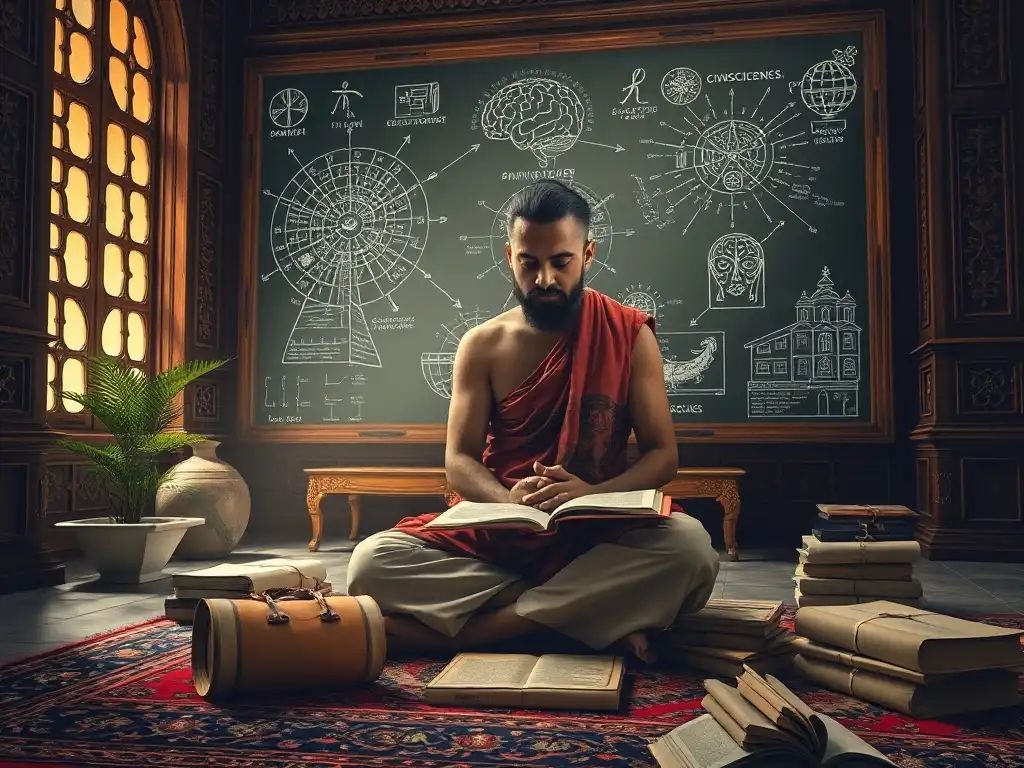
The influence of Sankhya philosophy on modern psychological theories is profound, providing a foundational understanding of the mind and its processes. Sankhya, one of the six orthodox schools of Indian philosophy, emphasizes the distinction between purusha (consciousness) and prakriti (matter). This dualism has contributed significantly to contemporary discussions in psychology, particularly concerning the nature of self-awareness, cognition, and emotional regulation.
Sankhya's analytical approach encourages an exploration of the mental faculties and their interaction with the physical world. By classifying experiences and thoughts into categories, it aligns closely with modern psychological frameworks that seek to categorize human experiences and behaviors. As psychologists continue to delve into the nature of consciousness and perception, the insights from Sankhya serve as a valuable reference point for understanding the intricacies of the human psyche.
Parallels Between Sankhya and Modern Psychological Concepts
Sankhya philosophy introduces several concepts that resonate with modern psychological theories. Here are some of the key parallels:
- Dualism of Mind and Body: Sankhya posits a clear distinction between purusha and prakriti, which mirrors the mind-body dualism discussed in Western philosophy and psychology. This separation aids in understanding how mental states can influence physical health and vice versa.
- The Three Gunas: The concept of the three gunas (sattva, rajas, and tamas) in Sankhya can be likened to personality traits in psychology. For instance:
- Sattva (purity, harmony) relates to traits such as calmness and clarity of thought.
- Rajas (activity, chaos) corresponds to traits like ambition and restlessness.
- Tamas (inertia, darkness) resembles traits associated with lethargy and confusion.
- Causality of Suffering: Sankhya identifies ignorance (avidya) as the root cause of suffering, aligning with modern psychological concepts that explore how cognitive distortions and maladaptive beliefs contribute to emotional distress.
- Self-Realization and Psychological Health: The ultimate goal of Sankhya is self-realization and liberation (moksha), which parallels therapeutic goals in modern psychology, such as achieving self-actualization and psychological well-being.
By examining these parallels, it becomes evident that ancient philosophies like Sankhya have laid a conceptual groundwork that continues to inform and shape contemporary psychological practices.
The Role of Sankhya in Cognitive Behavioral Therapy
Cognitive Behavioral Therapy (CBT) is a widely practiced approach in modern psychology that emphasizes the role of thoughts in influencing emotions and behaviors. The principles of Sankhya provide a philosophical underpinning that enhances the effectiveness of CBT. Here are several ways in which Sankhya philosophy is integrated into CBT:
- Cognitive Distortions: Just as Sankhya identifies ignorance as a source of suffering, CBT addresses cognitive distortions—irrational or exaggerated thought patterns that contribute to emotional distress. By recognizing and challenging these distortions, individuals can achieve greater clarity and mental health.
- Mindfulness and Awareness: Sankhya’s emphasis on self-awareness and observation of the mind aligns with mindfulness practices integrated into CBT. This awareness allows individuals to observe their thoughts and feelings without judgment, fostering a healthier relationship with their inner experiences.
- Understanding of the Self: In Sankhya, the understanding of the self (purusha) is pivotal, promoting a sense of identity that is separate from thoughts and emotions. CBT similarly encourages clients to identify that they are not their thoughts, allowing for a more objective view of their mental processes.
- Goal Setting and Transformation: Both Sankhya and CBT emphasize the transformation of the self through understanding and practice. In CBT, setting realistic goals based on rational thought processes encourages individuals to move from suffering to a more balanced state of mind.
The integration of Sankhya philosophy into modern psychological frameworks, particularly in CBT, reveals a rich tapestry of knowledge that highlights the relevance of ancient wisdom in contemporary mental health practices. The enduring insights from Sankhya not only enhance therapeutic approaches but also contribute to a deeper understanding of the human experience.
Practical Applications of Sankhya Philosophy in Psychology

Sankhya philosophy, one of the six orthodox schools of Indian philosophy, provides a comprehensive framework for understanding the nature of reality, consciousness, and the human experience. Its dualistic approach, which posits the existence of two fundamental realities—Purusha (consciousness) and Prakriti (matter)—has profound implications for modern psychology. In this section, we will explore how the principles of Sankhya can be practically applied to enhance psychological practices, focusing specifically on mindfulness, self-awareness, emotional regulation, and mental health.
Mindfulness and Self-Awareness Through Sankhya
Mindfulness, the practice of being present and fully engaged with the current moment, finds significant resonance within the principles of Sankhya philosophy. The concept of Purusha emphasizes the importance of self-awareness and the recognition of one's true nature, separate from the fluctuations of the mind and body.
- Distinguishing Between Self and Mind:
- Sankhya teaches that the true self (Purusha) is distinct from thoughts and emotions. This differentiation encourages individuals to observe their mental states without attachment.
- Practicing mindfulness involves observing thoughts and feelings as they arise, allowing individuals to cultivate a deeper understanding of their inner experiences.
- Meditative Practices:
- Techniques derived from Sankhya, such as meditation and introspection, promote enhanced self-awareness. Regular meditation helps individuals quiet the mind and connect with their true essence, leading to a state of inner peace and clarity.
- For example, practitioners can engage in focused breathing exercises to center themselves, facilitating a direct experience of Purusha.
- Incorporation of Sankhya Principles in Therapy:
- Many modern therapeutic approaches, such as mindfulness-based cognitive therapy (MBCT), integrate principles reminiscent of Sankhya philosophy. By fostering non-judgmental awareness, individuals learn to observe their thoughts without becoming entangled in them, promoting emotional resilience.
Utilizing Sankhya for Emotional Regulation and Mental Health
Emotional regulation, a critical aspect of psychological well-being, can also be enhanced through the application of Sankhya philosophy. By understanding the relationship between Purusha and Prakriti, individuals can develop healthier responses to their emotional states.
- Understanding Emotional Triggers:
- Sankhya's framework encourages individuals to analyze their emotional responses objectively. By recognizing that emotions arise from the interaction of Prakriti (the material world) and their perceptions, individuals can identify triggers without becoming overwhelmed.
- This awareness allows for the development of strategies to manage emotional upheavals, facilitating a balanced approach to life's challenges.
- Practicing Detachment:
- One of the central tenets of Sankhya is the practice of detachment (Vairagya) from the material world. This detachment aids individuals in observing their emotional states as transient experiences rather than definitive aspects of their identity.
- Techniques such as journaling can help individuals articulate their feelings, promoting a sense of clarity and reducing emotional distress.
- Therapeutic Applications:
- Psychotherapists can incorporate Sankhya philosophy into their practice by encouraging clients to explore their emotional landscape through the lens of dualism. This exploration can lead to enhanced self-understanding and healthier coping mechanisms.
- For instance, cognitive-behavioral therapy (CBT) can be enriched by integrating Sankhya's insights on the interplay between thoughts, emotions, and consciousness, allowing clients to reframe their experiences more effectively.
The practical applications of Sankhya philosophy in psychology provide valuable tools for enhancing mindfulness, self-awareness, and emotional regulation. By integrating these ancient principles into modern psychological practices, individuals can cultivate a deeper understanding of themselves and their emotional responses, leading to improved mental health and well-being.
Case Studies: Success Stories of Sankhya in Modern Psychology
Sankhya philosophy, one of the six orthodox schools of Indian philosophy, emphasizes a dualistic understanding of reality, distinguishing between consciousness (Purusha) and matter (Prakriti). Its principles have resonated through the ages, influencing various fields, notably psychology. This section delves into specific case studies showcasing how Sankhya philosophy informs and enhances modern psychological practices.
Analysis of the Application of Sankhya in Clinical Psychology
Sankhya's structured approach to understanding the human mind and its functions has found practical applications in clinical psychology. One notable case study involves the integration of Sankhya principles in cognitive-behavioral therapy (CBT).
- Case Study: Integrative CBT Approach
- Background: A clinical psychologist in India aimed to treat patients suffering from anxiety and depression by incorporating Sankhya philosophy into traditional CBT frameworks.
- Implementation: The therapist introduced concepts such as the distinction between the self (Purusha) and the mind (Prakriti) to help patients develop a clearer understanding of their thoughts and emotions.
- Outcomes:
- Patients reported enhanced self-awareness.
- Many experienced reduced symptoms of anxiety and depression, attributing their progress to a clearer understanding of the self versus mental disturbances.
This integration demonstrates how Sankhya philosophy can enrich modern psychological practices by providing a robust framework for self-exploration and emotional regulation.
Insights from Integrative Therapies Incorporating Sankhya
Integrative therapies that draw upon Sankhya philosophy have emerged as a holistic approach to mental well-being. These therapies often blend traditional Indian practices with contemporary psychological methods, offering a comprehensive treatment plan.
- Case Study: Yoga and Sankhya in Psychotherapy
- Background: A therapeutic program in a wellness center combined yoga practices rooted in Sankhya philosophy with modern psychotherapeutic techniques.
- Components:
- Yoga and Mindfulness: Clients engaged in yoga sessions that emphasized the connection between body and mind, fostering a sense of inner peace.
- Sankhya Discussions: Weekly group sessions included discussions on Sankhya concepts, encouraging participants to reflect on the nature of their consciousness and experiences.
- Results:
- Participants reported significant improvements in stress management and emotional resilience.
- Many noted a deeper understanding of their psychological issues through the lens of Sankhya philosophy, leading to more effective coping strategies.
This case illustrates the potential of integrating ancient philosophical teachings with modern therapeutic practices, enhancing overall psychological health and well-being.
Through these case studies, it becomes evident that Sankhya philosophy not only offers a profound understanding of the mind but also serves as a valuable resource in the realm of modern psychology, paving the way for innovative therapeutic approaches. As mental health professionals continue to explore and incorporate diverse philosophical frameworks, the enduring legacy of Sankhya remains a rich source of insight for contemporary psychological practice.
Conclusion: The Lasting Impact of Sankhya Philosophy on Psychology

Sankhya philosophy, one of the six orthodox schools of Indian philosophy, has left a profound legacy on modern psychological thought and practice. Its dualistic approach, which distinguishes between consciousness (Purusha) and matter (Prakriti), serves as a foundational framework for understanding human existence and mental processes. This philosophical perspective encourages a deeper exploration of the mind-body relationship, highlighting the importance of self-awareness and the nature of reality in psychological healing.
The systematic categorization of experiences and elements of reality in Sankhya provides a structured lens through which contemporary psychology can analyze and understand various mental states. For instance, the Sankhya theory of the three gunas (sattva, rajas, and tamas) correlates with modern psychological theories that explore personality traits and emotional regulation. By acknowledging these historical insights, modern psychology can enhance its methodologies and therapeutic practices.
Furthermore, the emphasis on self-knowledge in Sankhya philosophy resonates with current trends in psychology that prioritize mindfulness and self-reflection. This connection not only enriches the discourse within psychological circles but also offers practitioners a valuable framework for fostering emotional resilience and mental clarity.
Future Implications for Psychological Practices
The integration of Sankhya philosophy into modern psychological practices holds exciting potential for future developments in the field. As mental health issues continue to rise, the need for holistic approaches that address both the psychological and physiological aspects of well-being becomes increasingly crucial. Here are some implications for future psychological practices:
- Mindfulness and Awareness: Incorporating Sankhya's emphasis on self-awareness can lead to enhanced mindfulness training programs. By encouraging individuals to observe their thoughts and emotions without attachment, therapists can promote better emotional regulation and overall mental health.
- Personalized Therapeutic Approaches: Understanding the unique constitution of an individual as described in Sankhya philosophy allows for more personalized therapeutic interventions. Psychologists can tailor treatments based on an individual's dominant guna, leading to more effective outcomes.
- Integrative Healing Practices: The synthesis of Sankhya's philosophical insights with contemporary practices like cognitive-behavioral therapy (CBT) and yoga therapy can result in integrative healing modalities. Such approaches can address the complex interplay between mind and body, enhancing therapeutic effectiveness.
- Cultural Competence: As more practitioners recognize the relevance of ancient philosophies, there will be a greater emphasis on cultural competence in therapeutic settings. Understanding clients' cultural backgrounds, including philosophical influences, can lead to more empathetic and effective care.
Integrating Sankhya Philosophy into Contemporary Therapeutic Approaches
Integrating Sankhya philosophy into contemporary therapeutic approaches requires a thoughtful and systematic methodology. Here are several ways this integration can occur:
- Educational Programs: Developing training programs for mental health professionals that cover the principles of Sankhya philosophy can enhance their understanding of the mind-body connection. Such programs can include workshops, seminars, and courses aimed at bridging ancient wisdom with modern practice.
- Therapeutic Frameworks: Creating frameworks that incorporate Sankhya principles into existing therapeutic models can provide a robust structure for interventions. For example, therapists could use Sankhya's classifications of mental states to guide clients in identifying and addressing their psychological challenges.
- Research and Evidence-Based Practices: Encouraging empirical research that explores the efficacy of integrating Sankhya philosophy into psychological practices can validate its relevance. Studies examining the outcomes of therapies that incorporate these philosophical insights will contribute to the growing body of evidence supporting holistic approaches.
- Community and Group Therapy: Utilizing the community-focused teachings of Sankhya can enhance group therapy settings. By fostering a collective understanding of individual experiences through the lens of Sankhya, participants can share insights and learn from each other, fostering a sense of connectedness.
- Mind-Body Techniques: Implementing mind-body techniques, such as yoga and meditation, that derive from Sankhya philosophy can enhance therapeutic outcomes. These practices can help individuals achieve greater balance and harmony within themselves, aligning with the core principles of Sankhya.
The rich insights of Sankhya philosophy offer valuable tools and frameworks that can significantly enhance modern psychological practices. By embracing these ancient teachings, psychologists can develop more comprehensive, culturally competent, and effective therapeutic approaches that resonate with clients' diverse backgrounds and experiences. The ongoing exploration of these connections promises to deepen our understanding of the human psyche and foster innovative strategies for mental well-being.
Frequently Asked Questions
What is Sankhya philosophy?
Sankhya philosophy is one of the six orthodox schools of Indian philosophy, focusing on the enumeration of principles or elements of reality, particularly the relationship between consciousness and matter.
How does Sankhya relate to modern psychology?
Sankhya's practical applications influence modern psychology by providing insights into the workings of the mind and consciousness, emphasizing the importance of understanding the self and its interactions with the external world.
What are the key concepts of Sankhya philosophy?
Key concepts include the distinction between Purusha (consciousness) and Prakriti (matter), as well as the three gunas (qualities) that influence human behavior and mental processes, which are foundational to both Sankhya and psychological theories.
How can Sankhya philosophy be applied in daily life?
Applying Sankhya philosophy in daily life can enhance self-awareness, promote mental clarity, and aid in decision-making by encouraging individuals to understand their thought patterns and emotional responses.
What contributions did the Sankhya school make to Indian philosophy?
The Sankhya school contributed significantly to the development of concepts related to dualism, epistemology, and the nature of reality, influencing various other schools of thought, including Yoga and Vedanta.
Final Reflection: Bridging Ancient Wisdom and Modern Understanding
Sankhya philosophy and psychology are not just relics of the past; they are vibrant frameworks that continue to shape our understanding of the mind and behavior today. In an age where mental health awareness is at the forefront of societal discussions, the principles of Sankhya offer profound insights into the nature of consciousness, duality, and the self. This ancient philosophy serves as a reminder that the quest for self-knowledge and psychological well-being is timeless, urging us to explore the depths of our own minds with curiosity and compassion.
The influence of Sankhya philosophy on contemporary psychology is evident in various therapeutic practices that emphasize mindfulness, self-awareness, and the interconnectedness of mind and body. As we navigate the complexities of modern life, these teachings encourage us to seek balance and clarity amidst chaos. The mind is everything. What you think you become.
This quote resonates deeply within the context of Sankhya, highlighting the transformative power of our thoughts and perceptions, which are central to both ancient philosophy and modern psychological practices.
As you reflect on the insights shared in this article, consider how you can integrate the wisdom of Sankhya into your own life. Take a moment to explore your inner landscape—what thoughts and beliefs shape your reality? Embrace the opportunity to cultivate a deeper understanding of yourself, and let the timeless teachings of Sankhya guide you toward a more harmonious existence. The journey of self-discovery is ongoing, and by applying these ancient principles, you can foster resilience and clarity in your modern life.
Unleash the Power of Ancient Wisdom Today!
Thank you for diving into the world of Sankhya and its profound impact on modern psychology! Your interest in these ancient philosophies highlights the connection between time-tested wisdom and contemporary insights. Now, it’s time to put this knowledge into practice and explore how it can elevate your mental well-being and self-awareness.
Here are a few actionable steps you can take right now:
- Integrate Sankhya principles into your daily routine by practicing mindfulness meditation, which fosters clarity and balance in your thoughts.
- Join a local or online discussion group centered on philosophy and psychology to connect with like-minded individuals and exchange ideas.
- Expand your knowledge by reading books that delve into Sankhya philosophy or its modern psychological applications, enhancing your understanding of these interrelated concepts.
How has learning about Sankhya influenced your perspective on mental health and self-discovery? Share your thoughts below!