
Dive Deep into Ayurvedic Wellness: Essential Oils and Their Spa Benefits

Welcome to Ancient India History, where we embark on a fascinating journey through the vibrant tapestry of India's past! Here, we explore the profound legacies of ancient civilizations, uncovering their remarkable contributions to wellness and culture. In our featured article, “Dive Deep into Ayurvedic Wellness: Essential Oils and Their Spa Benefits,” we invite you to discover the ancient secrets of Ayurvedic wellness essential oils.
What if the key to holistic health lies in these ancient practices? Join us as we unravel the mysteries and benefits that have transcended time, and prepare to enhance your wellness journey through the wisdom of the ages.
- Introduction to Ayurvedic Wellness and Essential Oils
- Understanding Essential Oils in Ayurveda
- The Spa Benefits of Ayurvedic Essential Oils
- Choosing the Right Ayurvedic Essential Oils for Your Spa Experience
- DIY Spa Treatments with Ayurvedic Essential Oils
- Ayurvedic Essential Oils and Their Historical Significance
- Common Myths About Ayurvedic Essential Oils
- Conclusion: Embracing Ayurvedic Wellness with Essential Oils
- Frequently Asked Questions
- Final Reflection: Embracing Ayurvedic Wellness Through Essential Oils
- Uncover the Transformative Power of Essential Oils Today!
Introduction to Ayurvedic Wellness and Essential Oils
Ayurvedic wellness is a holistic approach to health that has flourished in India for thousands of years, rooted in the belief that physical, mental, and spiritual well-being are interconnected. This ancient system of medicine emphasizes balance in the body through lifestyle choices, dietary practices, and natural remedies.
One of the most intriguing aspects of Ayurvedic wellness is the use of essential oils, which are derived from plants and are believed to harness therapeutic properties that promote healing and relaxation. This article will explore the significance of essential oils within Ayurvedic practices, their benefits in spa experiences, and how they contribute to overall wellness.
What is Ayurvedic Wellness?
Ayurvedic wellness is based on the principles of Ayurveda, a Sanskrit term meaning "the science of life." It encompasses a wide range of practices designed to maintain balance and harmony within the body. Key components of Ayurvedic wellness include:
- Doshas: The three fundamental energies (Vata, Pitta, Kapha) that govern individual constitution and health.
- Diet: Emphasis on a balanced diet tailored to one's dosha, incorporating seasonal and locally-sourced foods.
- Lifestyle: Adoption of daily routines (dinacharya) that align with natural rhythms and support physical and mental health.
- Detoxification: Techniques like Panchakarma that cleanse the body of toxins and restore balance.
Ayurvedic wellness is not merely about the absence of illness; it advocates for a proactive approach to health that fosters vitality, longevity, and a deep connection to one's self and the environment.
The Role of Essential Oils in Ayurvedic Practices
Essential oils play a vital role in Ayurvedic practices, offering myriad benefits that enhance physical and emotional health. Each essential oil is associated with specific properties and uses, making them valuable tools for wellness. Here are some key aspects of their role in Ayurveda:
- Therapeutic Benefits: Essential oils can alleviate a variety of ailments, from stress and anxiety to digestive issues and skin conditions. For example:
- Lavender: Known for its calming properties, it helps reduce stress and improve sleep quality.
- Peppermint: Often used to relieve headaches and digestive discomfort.
- Balancing Doshas: Essential oils can be selected based on an individual's dosha to help restore balance. For instance, grounding oils like sandalwood are beneficial for Vata types, while cooling oils like jasmine are ideal for Pitta types.
- Enhancing Spa Experiences: Integrating essential oils into spa treatments enriches the sensory experience, promoting relaxation and rejuvenation. Techniques such as aromatherapy massage utilize these oils to create a tranquil environment, enhancing the overall therapeutic effects.
- Mind-Body Connection: The use of essential oils in meditation and yoga practices can deepen the connection between the mind and body, facilitating emotional release and spiritual growth.
The synergistic relationship between Ayurvedic wellness and essential oils offers a comprehensive approach to health that is both natural and effective. By understanding the unique properties of these oils and how they align with Ayurvedic principles, individuals can enhance their wellness journey and fully embrace the benefits of this ancient practice.
Understanding Essential Oils in Ayurveda
Definition and Importance of Ayurvedic Essential Oils
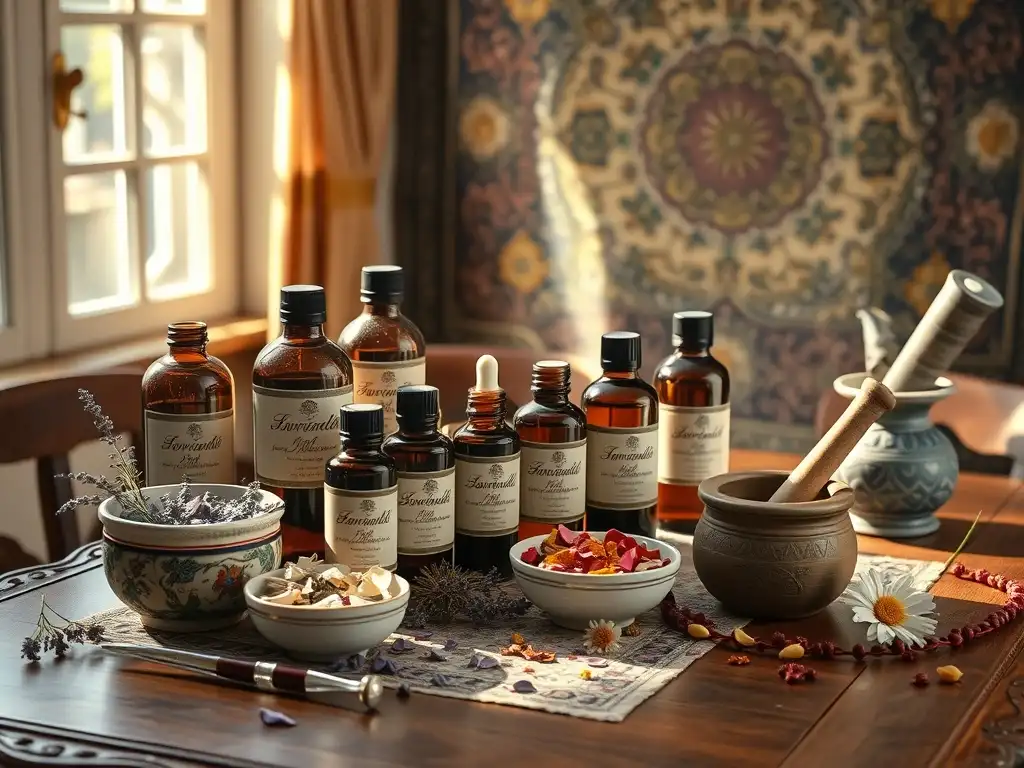
Ayurvedic essential oils are concentrated extracts derived from various plants, flowers, seeds, and roots, meticulously crafted to align with the principles of Ayurveda. In Ayurveda, wellness is viewed as a balance between the body, mind, and spirit, and essential oils play a pivotal role in this holistic approach. These oils are not only used for their aromatic properties but are also believed to possess therapeutic benefits that can enhance overall well-being.
The importance of Ayurvedic wellness essential oils lies in their ability to promote healing and restore balance. Each essential oil is linked to one or more of the three doshas—Vata, Pitta, and Kapha—representing different energies within the body. For example, oils like lavender and sandalwood are often used to calm Vata, while oils like peppermint can invigorate Pitta. This personalized approach allows individuals to select oils that resonate with their unique constitution and health needs.
Additionally, the therapeutic properties of these oils are recognized for their ability to alleviate various ailments. Whether it's stress reduction, pain relief, or skin rejuvenation, Ayurvedic essential oils serve as natural remedies, often used in conjunction with other Ayurvedic practices such as massage, meditation, and herbal treatments. Their integration into daily wellness routines can help individuals harness the power of nature for holistic healing.
Popular Essential Oils in Ayurveda
When exploring Ayurvedic wellness essential oils, several oils stand out due to their popularity and effectiveness in promoting health and well-being. Here are some of the most revered essential oils in Ayurveda:
- Lavender Oil
- Properties: Calming, soothing
- Benefits: Reduces anxiety, promotes sleep, and balances Vata dosha. Ideal for relaxation and stress relief.
- Sandalwood Oil
- Properties: Grounding, anti-inflammatory
- Benefits: Enhances meditation, nourishes the skin, and helps alleviate Pitta imbalances.
- Peppermint Oil
- Properties: Invigorating, cooling
- Benefits: Stimulates mental clarity, aids digestion, and can help balance Kapha dosha.
- Tea Tree Oil
- Properties: Antimicrobial, purifying
- Benefits: Supports skin health, combats infections, and is beneficial for Pitta imbalances.
- Bergamot Oil
- Properties: Uplifting, refreshing
- Benefits: Reduces stress, enhances mood, and helps balance Vata and Kapha.
- Frankincense Oil
- Properties: Grounding, meditative
- Benefits: Supports respiratory health, enhances spiritual practices, and balances emotional states.
- Ylang-Ylang Oil
- Properties: Floral, calming
- Benefits: Reduces stress, enhances mood, and balances emotional health, particularly beneficial for Pitta.
These essential oils can be used in various forms, including diffusers, massage oils, and bath blends. Integrating these oils into spa experiences can amplify their benefits, creating a serene and healing environment conducive to relaxation and rejuvenation.
By understanding and utilizing Ayurvedic wellness essential oils, individuals can embark on a journey towards holistic health, drawing from the rich traditions of ancient Indian practices.
The Spa Benefits of Ayurvedic Essential Oils

Ayurvedic wellness essential oils play a crucial role in enhancing spa experiences, bringing a unique blend of ancient wisdom and modern therapeutic practices. These oils, derived from various plants, herbs, and flowers, are not only fragrant but also packed with healing properties. Their integration into spa treatments helps to promote physical, emotional, and spiritual well-being, making them an essential component of holistic wellness.
How Essential Oils Enhance Spa Experiences
Essential oils are utilized in spas for their potent therapeutic benefits, which can significantly elevate the overall experience of relaxation and rejuvenation. Here are some ways in which they enhance spa treatments:
- Holistic Approach:
- Ayurvedic wellness emphasizes treating the whole person. Essential oils align with this philosophy by addressing multiple aspects of health, including emotional balance, stress relief, and physical healing.
- Customized Treatments:
- Different essential oils can be tailored to individual needs, allowing for personalized treatments. For instance:
- Lavender for relaxation and sleep.
- Peppermint for invigorating energy.
- Eucalyptus for respiratory relief.
- Different essential oils can be tailored to individual needs, allowing for personalized treatments. For instance:
- Enhanced Sensory Experience:
- The use of essential oils in massages and baths heightens sensory experiences, creating a calming atmosphere that enhances relaxation. The aroma plays a significant role in how one perceives the treatment’s effectiveness.
- Deep Penetration:
- Essential oils have the ability to penetrate the skin, fostering deep relaxation and healing. When combined with massage, they can help relieve muscle tension and improve circulation.
Aromatherapy: The Science Behind Scent and Relaxation
Aromatherapy is a key component of using Ayurvedic wellness essential oils in spa settings. It involves the use of aromatic plant extracts to promote health and well-being. The science behind aromatherapy suggests that:
- Olfactory Responses:
- The human brain has a direct connection to the olfactory system, which can trigger emotional responses. Pleasant scents can stimulate the release of neurotransmitters such as serotonin and dopamine, contributing to feelings of happiness and relaxation.
- Physiological Effects:
- Different essential oils can induce physiological changes. For example, citrus oils are known to uplift mood, while woody oils like sandalwood can promote grounding and calmness.
- Stress Reduction:
- Studies have shown that inhaling essential oils can decrease cortisol levels, the hormone associated with stress. This reduction in stress contributes to improved mental clarity and emotional stability.
Key Benefits of Using Essential Oils in Spa Treatments
The incorporation of Ayurvedic wellness essential oils into spa treatments offers numerous benefits, including:
- Relaxation and Stress Relief:
- Essential oils like chamomile and frankincense are renowned for their calming properties, helping to reduce anxiety and promote a sense of peace.
- Improved Skin Health:
- Oils such as tea tree and rose contain antiseptic and anti-inflammatory properties that can enhance skin health, making them ideal for facial treatments.
- Detoxification:
- Certain essential oils, like lemongrass and ginger, are known to support detoxification processes in the body, promoting overall wellness.
- Pain Relief:
- Oils such as wintergreen and marjoram can help alleviate muscle and joint pain, making them valuable in therapeutic massages.
- Enhanced Mood:
- Essential oils like bergamot and ylang-ylang can uplift mood and improve mental clarity, enhancing the overall spa experience.
By utilizing Ayurvedic wellness essential oils in spa treatments, practitioners not only provide relaxation but also foster a holistic approach to health that embraces the mind, body, and spirit. The blending of these potent oils with traditional spa techniques creates a transformative experience for clients seeking rejuvenation and balance.
Choosing the Right Ayurvedic Essential Oils for Your Spa Experience
Factors to Consider When Selecting Essential Oils
When embarking on your journey to enhance your spa experience with Ayurvedic wellness essential oils, several factors must be taken into account to ensure you select the most suitable oils for your specific needs. Here are the key considerations:
- Dosha Type:
- In Ayurveda, each person has a unique constitution, influenced by three doshas: Vata, Pitta, and Kapha. Understanding your dosha is crucial as it affects your physical and emotional well-being.
- Vata: Dry, light, and cool; benefits from grounding oils like Sandalwood and Cedarwood.
- Pitta: Hot, intense, and sharp; benefits from cooling oils such as Lavender and Peppermint.
- Kapha: Heavy, slow, and steady; benefits from stimulating oils like Ginger and Eucalyptus.
- In Ayurveda, each person has a unique constitution, influenced by three doshas: Vata, Pitta, and Kapha. Understanding your dosha is crucial as it affects your physical and emotional well-being.
- Therapeutic Properties:
- Each essential oil has unique therapeutic properties. For instance:
- Lavender: Known for its calming effects, ideal for relaxation therapies.
- Tea Tree: Recognized for its antiseptic qualities, beneficial for skin treatments.
- Assess the specific benefits you seek, such as stress relief, pain management, or skin rejuvenation.
- Each essential oil has unique therapeutic properties. For instance:
- Quality and Purity:
- Always opt for high-quality, pure essential oils. Look for oils that are:
- Organic: Free from pesticides and synthetic additives.
- Cold-pressed or Steam-distilled: Ensures the integrity of the oil is preserved.
- Always opt for high-quality, pure essential oils. Look for oils that are:
- Personal Preferences:
- Scent plays a significant role in the effectiveness of essential oils. Choose fragrances that resonate with you, as personal enjoyment can enhance the overall spa experience.
- Safety and Allergies:
- Consider any allergies or sensitivities you may have. Conduct a patch test before using a new essential oil to avoid adverse reactions.
Recommended Essential Oils for Different Spa Treatments
Selecting the right essential oils for your spa treatments can transform the overall experience. Here’s a breakdown of recommended oils tailored to specific treatments:
| Spa Treatment | Recommended Essential Oils | Benefits |
|---|---|---|
| Relaxation Massage | Lavender, Bergamot | Calming, stress relief |
| Detoxifying Wrap | Grapefruit, Rosemary | Stimulates circulation, purifies skin |
| Rejuvenating Facial | Tea Tree, Frankincense | Antiseptic, anti-aging |
| Aromatherapy Bath | Ylang Ylang, Chamomile | Soothing, promotes sleep |
| Pain Relief Treatment | Peppermint, Eucalyptus | Analgesic, cooling effect |
Each of these oils not only enhances the sensory experience but also contributes to the therapeutic benefits of Ayurvedic wellness essential oils. By understanding the properties of each oil and how they align with your treatment goals, you can create a personalized spa experience that resonates deeply with your well-being.
Incorporating these essential oils into your spa treatments can significantly elevate your Ayurvedic wellness journey, allowing you to harness the power of nature for holistic healing.
DIY Spa Treatments with Ayurvedic Essential Oils
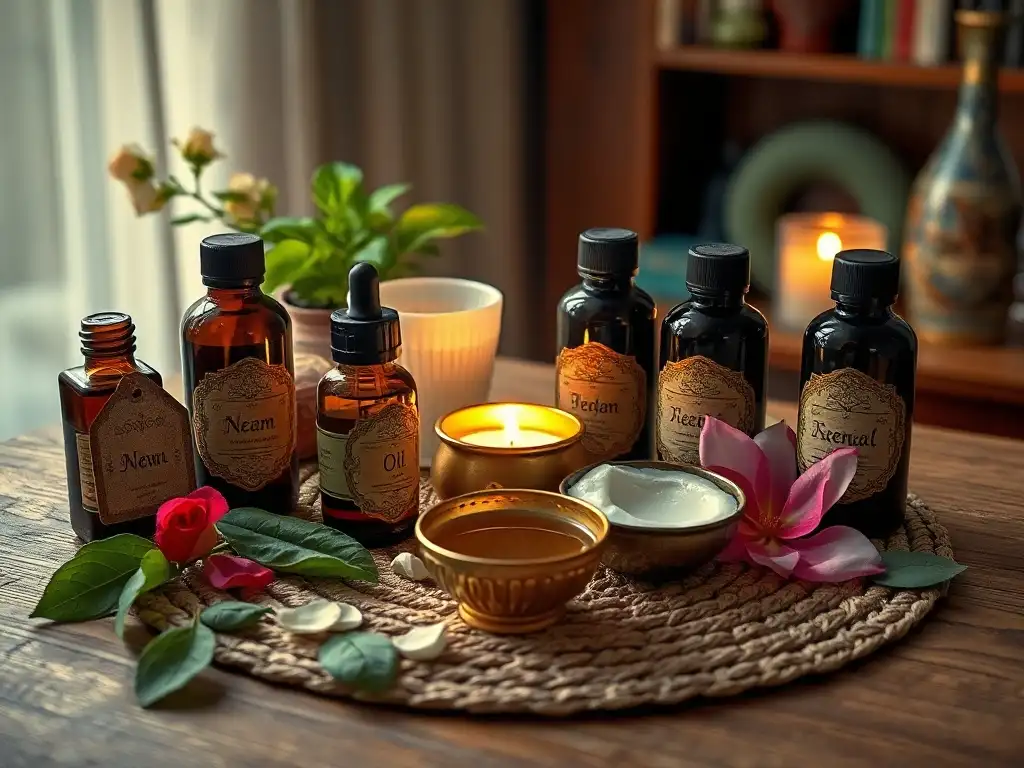
Ayurvedic wellness essential oils offer a holistic approach to self-care, promoting physical, mental, and emotional well-being. By incorporating these oils into DIY spa treatments, you can create a serene and rejuvenating experience that aligns with Ayurvedic principles. The essence of these oils lies in their ability to balance the body's doshas (Vata, Pitta, and Kapha) and enhance overall health. Here, we explore how to create your own essential oil blends and the step-by-step guide to Ayurvedic spa rituals.
Creating Your Own Essential Oil Blends
Creating personalized essential oil blends can enhance your spa experience significantly. Tailoring your blends to address specific needs—such as relaxation, revitalization, or mood enhancement—allows for a more targeted approach to wellness.
- Choose Your Base Oil: Start with a carrier oil to dilute your essential oils. Common choices include:
- Coconut oil: Great for hydration and has a pleasant aroma.
- Jojoba oil: Mimics skin's natural oils, making it ideal for all skin types.
- Sweet almond oil: Known for its nourishing properties.
- Select Essential Oils Based on Dosha:
- Vata: Soothing oils like lavender, sandalwood, and chamomile help balance the air and ether elements.
- Pitta: Cooling oils such as peppermint, rose, and coriander can pacify the fire element.
- Kapha: Energizing oils like eucalyptus, lemon, and ginger stimulate and invigorate.
- Blend Ratios: A standard ratio for blending essential oils is:
- 10-15 drops of essential oil for every 30ml (1 oz) of carrier oil.
- Mix and Store: Combine your chosen oils in a glass bottle, giving it a gentle shake. Store in a cool, dark place to preserve their potency.
Tip: Always perform a patch test on your skin to ensure there are no allergic reactions to the essential oils used.
Step-by-Step Guide to Ayurvedic Spa Rituals
Engaging in Ayurvedic spa rituals can transform your home into a tranquil sanctuary, promoting relaxation and rejuvenation. Here’s a step-by-step guide to incorporating essential oils into your spa experience:
- Preparation:
- Create a Calm Environment: Dim the lights, light candles, and play soft music to set the mood.
- Gather Supplies: Collect your essential oil blends, carrier oils, towels, and any additional spa items like stones or herbs.
- Aromatherapy Bath:
- Fill the Tub: Warm water should be soothing, not too hot.
- Add Oils: Mix 5-10 drops of your essential oil blend into the bathwater. This will promote relaxation and a sense of wellness.
- Soak: Allow yourself to soak for at least 20 minutes, inhaling deeply to absorb the aromatherapy benefits.
- Body Massage:
- Warm the Oil: Slightly warm your carrier oil blend before applying it to the skin.
- Technique: Use long, sweeping strokes for large muscle groups and circular motions for joints.
- Focus Areas: Pay special attention to areas experiencing tension or discomfort.
- Facial Treatment:
- Cleanse: Start with a gentle cleanser to prepare your skin.
- Steam: Use herbal steam to open pores, followed by a facial massage using your essential oil blend.
- Mask: Apply a soothing face mask infused with essential oils suited for your skin type.
- Meditation and Relaxation:
- End with Meditation: Spend a few moments in silence or guided meditation, allowing the oils to continue working on your mind and body.
- Hydrate: Drink herbal tea or infused water to replenish your body after the ritual.
Incorporating Ayurvedic wellness essential oils into DIY spa treatments is not only a rejuvenating experience but also a pathway to maintaining balance and harmony in your life. Embrace these practices regularly to reap the full benefits of Ayurvedic wisdom.
Ayurvedic Essential Oils and Their Historical Significance
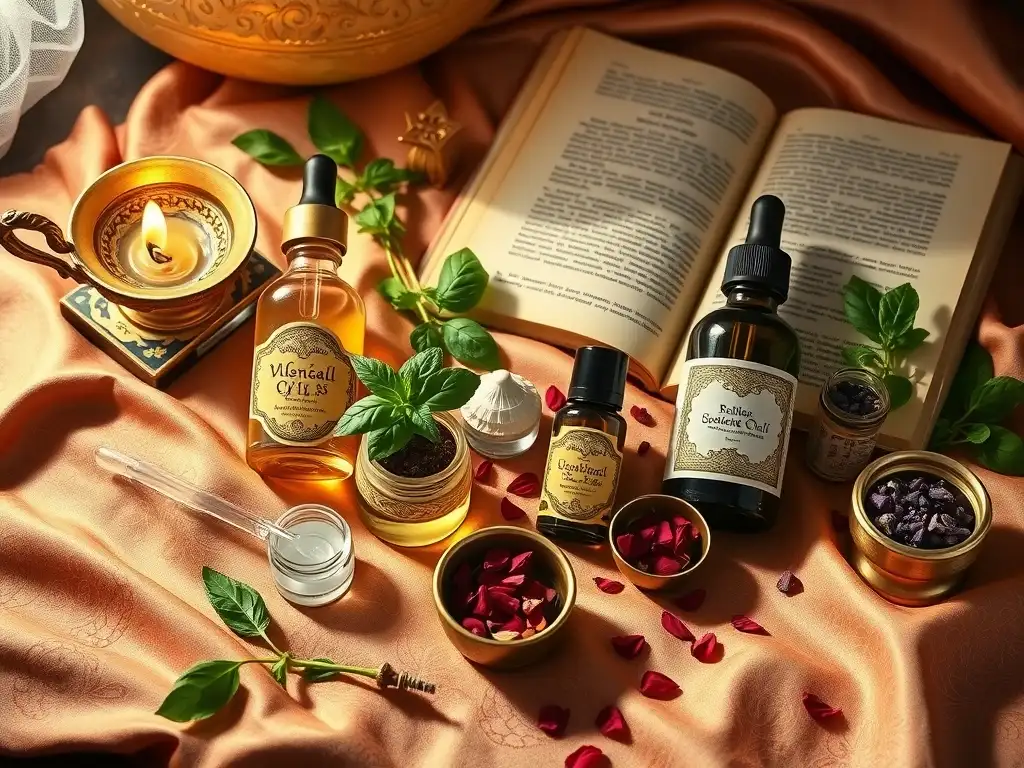
The Historical Roots of Essential Oils in Ancient India
Ayurvedic wellness essential oils have a profound historical significance that dates back thousands of years in ancient India. The origins of these oils can be traced to the Vedic texts, which outline early medicinal practices that emphasized the use of natural substances, including essential oils. Documented in texts such as the Atharva Veda, these practices reflect a deep understanding of the therapeutic properties of various plants and herbs, laying the groundwork for modern Ayurveda.
One of the most notable texts in Ayurvedic literature is the Charaka Samhita, composed around 100 CE. This foundational work categorizes numerous herbs and essential oils, detailing their specific health benefits and applications. For instance, oils derived from plants like sandalwood and turmeric were recognized not only for their aromatic qualities but also for their ability to balance the body’s doshas—vata, pitta, and kapha. The ancient physicians meticulously studied these oils, often blending them to create potent remedies that promoted physical and mental well-being.
How Ancient Civilizations Used Essential Oils for Wellness
The application of Ayurvedic wellness essential oils in ancient civilizations was multifaceted, focusing on both physical health and spiritual practices. Here are some key aspects of their usage:
- Therapeutic Applications: Essential oils were used in various forms, including topical applications, inhalations, and baths. For instance:
- Sandalwood Oil: Valued for its cooling properties, it was often applied to soothe skin irritations and reduce inflammation.
- Cedarwood Oil: Known for its calming effects, it was utilized to alleviate stress and promote relaxation during meditation.
- Ritualistic Practices: Essential oils played a significant role in spiritual rituals. They were often used in temples and home pujas (worship) to enhance the ambiance and create a sacred space. The aromatic qualities of these oils were believed to attract positive energies and ward off negativity.
- Massage and Spa Treatments: The tradition of using essential oils in massage therapy is rooted in ancient Indian practices. Ayurvedic texts describe the use of specific oils during Abhyanga, a full-body massage aimed at nourishing the skin and promoting overall wellness. Common oils included:
- Mustard Oil: Used for its warming properties, aiding circulation and detoxification.
- Coconut Oil: Renowned for its moisturizing benefits, it was often infused with herbs to enhance its therapeutic effects.
The integration of these oils into daily life and wellness practices highlights the sophistication of ancient Indian civilizations in utilizing nature’s bounty for holistic health. Today, the revival of these practices in modern wellness and spa experiences reflects a continuous lineage of knowledge, underscoring the enduring appeal of Ayurvedic wellness essential oils.
By exploring this rich historical context, we gain insight into how these essential oils continue to benefit individuals seeking holistic approaches to health and well-being in contemporary times.
Common Myths About Ayurvedic Essential Oils
Debunking Misconceptions Surrounding Essential Oils
Ayurvedic wellness essential oils have gained popularity in recent years, yet several myths persist that can mislead individuals about their usage and benefits. Addressing these misconceptions is crucial for anyone looking to incorporate these oils into their wellness routine.
Myth 1: All Essential Oils Are the Same
One of the most prevalent myths is that all essential oils are interchangeable. In reality, Ayurvedic essential oils are specifically formulated for unique therapeutic properties based on ancient wisdom. For instance, oils like sandalwood and frankincense are revered in Ayurveda for their grounding effects, while lavender is often favored for its calming properties.
- Sandalwood: Known for its soothing aroma, it is often used in meditation practices.
- Frankincense: Valued for its anti-inflammatory properties, it promotes emotional balance.
Myth 2: Essential Oils Are Only for Aromatherapy
While aromatherapy is a significant aspect of using essential oils, this myth oversimplifies their applications. Ayurvedic wellness essential oils can be utilized in various ways, including:
- Topical Application: Diluting essential oils with a carrier oil for massages can enhance relaxation and relieve muscle tension.
- Bathing: Adding a few drops to bathwater can create a spa-like experience, promoting both physical and mental rejuvenation.
Myth 3: They Are Always Safe
Another common misconception is that essential oils are completely safe for everyone. While many people can use these oils without issues, some individuals may experience allergies or sensitivities. It is essential to:
- Perform a patch test before applying oils directly to the skin.
- Consult with a healthcare provider, especially if pregnant or nursing.
Myth 4: Essential Oils Are a Cure-All
While Ayurvedic wellness essential oils can provide numerous benefits, they are not a substitute for medical treatment. They should be viewed as complementary therapies that can enhance overall health and well-being. For example:
- Peppermint Oil: May help alleviate headaches, but it does not replace medical advice for chronic conditions.
- Eucalyptus Oil: Known for respiratory support, it should not be relied upon solely for treating serious respiratory illnesses.
Myth 5: The More You Use, the Better
Lastly, the belief that using more essential oil will yield better results is misleading. In Ayurveda, balance is key. Overusing essential oils can lead to adverse effects such as skin irritation or headaches. Instead, focus on:
- Quality over quantity: A few drops of high-quality essential oil can be more effective than excessive amounts of a lower-quality product.
- Mindful application: Consider your personal needs and use essential oils in moderation.
Conclusion
By debunking these myths surrounding Ayurvedic wellness essential oils, individuals can make informed decisions that align with their wellness journeys. Understanding the unique properties, safe practices, and realistic expectations of these oils is vital for reaping their full benefits and enhancing the overall spa experience.
Conclusion: Embracing Ayurvedic Wellness with Essential Oils
Ayurvedic wellness, with its holistic approach to healing and well-being, has gained immense popularity in contemporary wellness practices. Essential oils play a pivotal role in this ancient system, enhancing the benefits of Ayurvedic therapies through their therapeutic properties. By integrating these oils into daily routines, individuals can experience profound physical, mental, and emotional benefits.
The practice encourages a deep connection with nature, emphasizing the importance of using pure, natural ingredients. Essential oils derived from plants not only promote relaxation and rejuvenation but also align with the Ayurvedic principles of balancing the doshas (Vata, Pitta, and Kapha). This balance is crucial for maintaining overall health and harmony in life.
The Future of Ayurvedic Spa Experiences
The future of Ayurvedic spa experiences looks promising as the global wellness industry continues to embrace natural and holistic healing methods. Spas are increasingly incorporating Ayurvedic wellness essential oils into their treatments, recognizing their powerful benefits.
- Innovative Treatments: Expect to see more innovative spa treatments that combine traditional Ayurvedic practices with modern techniques. For instance, the integration of essential oils in massages, facials, and steam therapies is becoming a standard practice in many wellness centers.
- Personalized Experiences: With advancements in technology, personalized wellness experiences are on the rise. Spas are beginning to offer tailored essential oil blends based on individual dosha assessments, ensuring that each treatment is unique and effective.
- Sustainable Practices: As the demand for sustainability grows, Ayurvedic spas are focusing on eco-friendly practices. This includes sourcing essential oils from local, organic farms and employing sustainable methods in their treatments.
The emphasis on Ayurvedic principles combined with essential oils not only enhances the spa experience but also promotes a deeper understanding of wellness rooted in ancient traditions.
Call to Action: Explore Ayurvedic Wellness Essential Oils Today
Are you ready to embark on a journey toward holistic wellness? Explore Ayurvedic wellness essential oils today and discover their transformative effects on your mind, body, and spirit. Whether you are seeking relaxation, rejuvenation, or an overall sense of balance, these essential oils offer a natural solution to enhance your well-being.
- Start your journey: Visit your local wellness store or browse online to find high-quality Ayurvedic essential oils.
- Experiment with blends: Create your own blends at home to cater to your specific needs and preferences.
- Incorporate in daily rituals: Add essential oils to your meditation, yoga practice, or bathing rituals to elevate your experience.
Embrace the ancient wisdom of Ayurveda and unlock the potential of essential oils for a healthier, happier you! 🌿✨
Frequently Asked Questions
What are Ayurvedic wellness essential oils?
Ayurvedic wellness essential oils are derived from natural plants and herbs that are used in traditional Indian medicine to promote balance and healing in the body.
How do essential oils contribute to spa benefits?
Essential oils enhance spa experiences by promoting relaxation, reducing stress, and improving overall well-being through aromatherapy and topical application.
Can essential oils be used in daily wellness routines?
Yes, incorporating Ayurvedic essential oils into daily routines can improve health by supporting mental clarity, emotional balance, and physical wellness.
Are there specific essential oils recommended in Ayurveda?
Certain essential oils like sandalwood, lavender, and frankincense are highly regarded in Ayurveda for their therapeutic properties and effectiveness in promoting wellness.
How can one safely use Ayurvedic essential oils?
To safely use Ayurvedic essential oils, always dilute them with a carrier oil, perform a patch test to check for allergies, and consult with a qualified practitioner for personalized recommendations.
Final Reflection: Embracing Ayurvedic Wellness Through Essential Oils
The journey into Ayurvedic wellness and the transformative power of essential oils is more relevant now than ever. In a world where stress and disconnection are rampant, the ancient wisdom of Ayurveda offers a holistic approach to well-being that resonates deeply with our current needs. The integration of essential oils into our daily routines not only enhances our physical health but also nurtures our emotional and spiritual selves. The time to embrace this natural path to wellness is now.
Cultural and social landscapes are continuously evolving, yet the principles of Ayurveda remain steadfast in their ability to heal and restore balance. The use of essential oils, as highlighted in this article, is a testament to the timelessness of these practices. They serve as a bridge between ancient traditions and modern wellness trends, inviting us to explore a deeper connection with ourselves and the world around us. In every drop of essential oil, there lies a universe of healing.
As you reflect on the insights shared in this article, consider how you can incorporate Ayurvedic wellness and essential oils into your life. Take a moment to breathe deeply, connect with your senses, and explore the rich tapestry of aromas that can enhance your well-being. Let this be an invitation to embark on your own journey of self-discovery and healing, using the wisdom of Ayurveda to cultivate a more balanced and fulfilling life.
Uncover the Transformative Power of Essential Oils Today!
Thank you for diving into the world of Ayurvedic wellness with us! You've explored the enriching benefits of essential oils and how they can elevate your spa experience. Now, it's time to put that knowledge into action!
Here are some practical steps to enhance your journey:
- Start your own essential oils ritual: Choose one or two essential oils that resonate with you and incorporate them into your daily routine, whether through diffusing, massage, or relaxing baths.
- Share your experience! Connect with us on social media or in the comments below—let us know how essential oils have impacted your well-being.
- Explore further by checking out local wellness workshops or online courses about Ayurveda and essential oils to deepen your understanding.
What is one essential oil you plan to integrate into your wellness routine, and how do you envision it transforming your self-care rituals?