
Agricultural Innovations of Ancient India: Boosting Prosperity and Trade

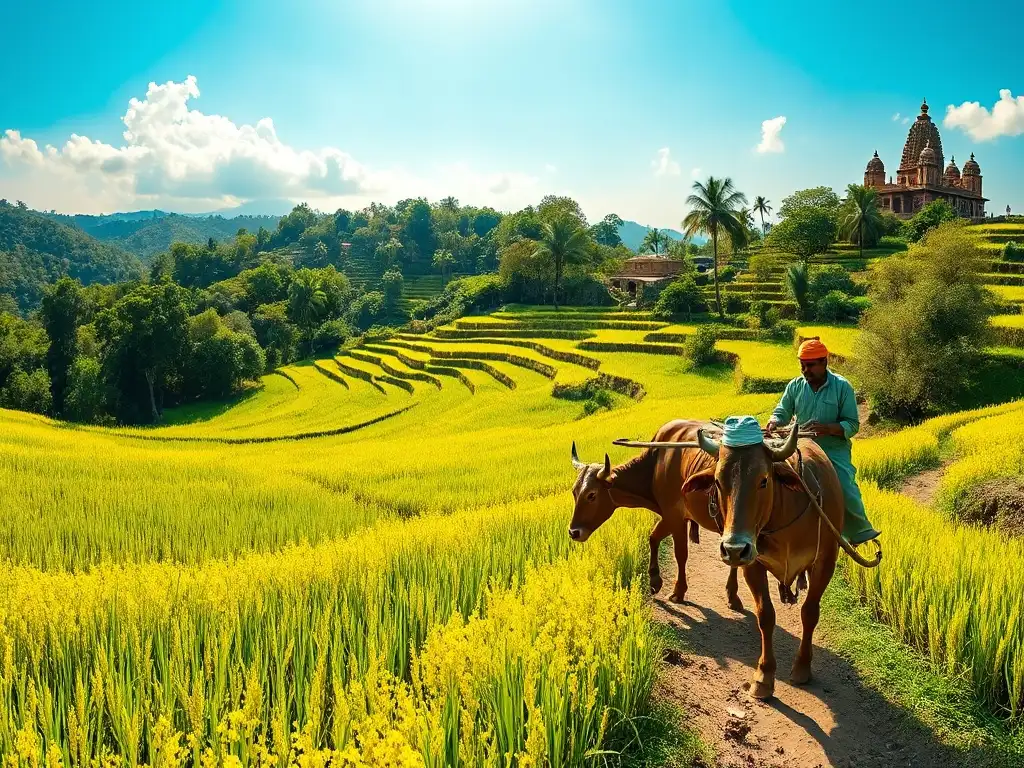
Welcome to Ancient India History, your gateway to the fascinating tapestry of one of the world's oldest civilizations. Here, we delve into the remarkable agricultural innovations of ancient India that not only transformed the landscape of farming but also propelled trade and economic prosperity across the region. From the ingenious irrigation systems of the Indus Valley to the advanced crop rotation techniques of the Gupta Empire, these innovations played a pivotal role in shaping a thriving society.
Prepare to be captivated as we uncover the stories behind these advancements and their lasting impact on India's rich heritage. Join us on this exploratory journey and discover how these ancient practices laid the foundation for modern agriculture and commerce!
- Introduction to Agricultural Innovations in Ancient India
- Key Ancient Indian Agricultural Innovations
- Impact of Agricultural Innovations on Economic Practices
- Trade Networks Boosted by Agricultural Prosperity
- Case Studies of Agricultural Innovations in Specific Regions
- Conclusion: Legacy of Ancient Indian Agricultural Innovations
-
Frequently Asked Questions
- What were the key agricultural innovations in ancient India?
- How did agricultural advancements impact trade in ancient India?
- What role did the Indus Valley Civilization play in agricultural development?
- How did climate influence ancient Indian agriculture?
- What crops were primarily grown in ancient India due to these innovations?
- Final Reflection: The Enduring Legacy of Ancient Indian Agricultural Innovations
- Unlock the Secrets of Agricultural Wisdom!
Introduction to Agricultural Innovations in Ancient India
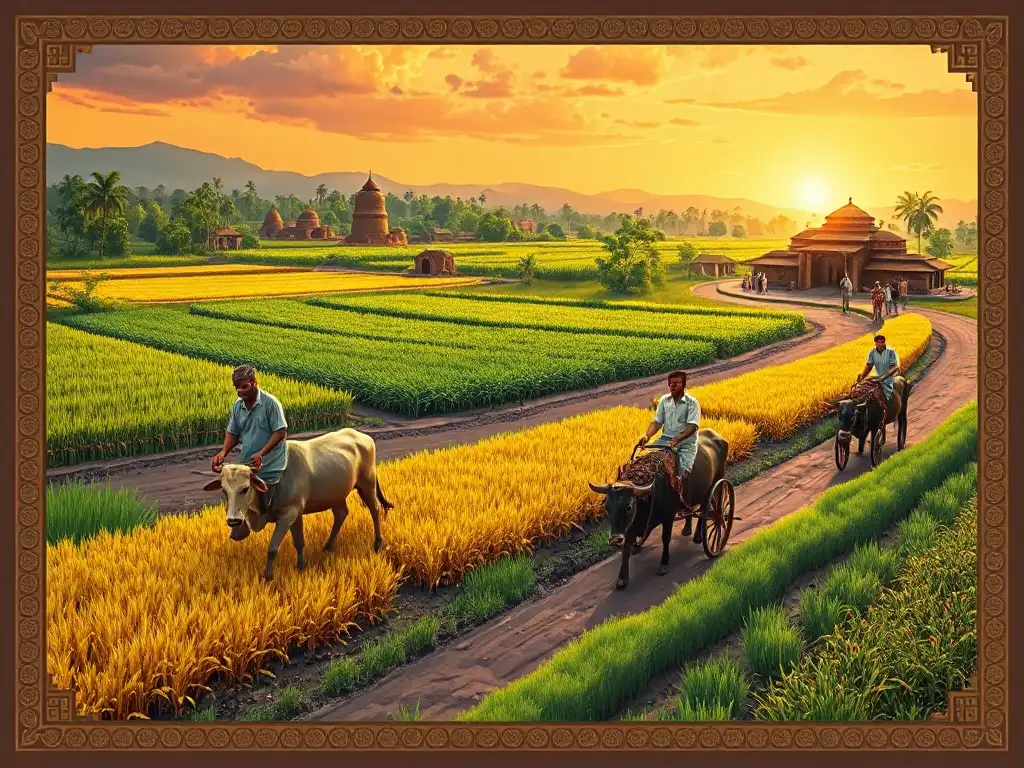
Agriculture has always been the backbone of civilization, and in ancient India, it played a pivotal role in shaping the socio-economic landscape of the region. The agricultural innovations of ancient India were not merely techniques for farming; they were the catalysts that spurred economic growth, enhanced trade, and fostered cultural exchanges.
From the fertile plains of the Indus Valley to the expansive fields during the Gupta Empire, ancient Indian farmers and innovators developed a myriad of methods and tools that significantly improved crop yields and agricultural efficiency. This article delves into the rich tapestry of ancient Indian agricultural innovations and their profound impact on prosperity and trade.
Overview of Ancient Indian Agriculture
The agricultural practices in ancient India were diverse and evolved over centuries, reflecting the region's varied geography and climate. Key characteristics of ancient Indian agriculture included:
- Crop Diversity: Ancient Indians cultivated a range of crops, including cereals such as rice, wheat, and barley, as well as pulses, oilseeds, and spices. This diversity not only ensured food security but also enhanced trade opportunities with neighboring regions.
- Irrigation Techniques: The development of sophisticated irrigation systems, including canals and wells, allowed farmers to harness water resources efficiently. These innovations were crucial in regions with fluctuating rainfall patterns, ensuring consistent crop production.
- Agricultural Tools: Ancient Indian civilizations made significant advancements in farming tools. The plow, for instance, underwent modifications to improve efficiency, while sickles and other hand tools facilitated the harvesting process.
- Fertilization Methods: The use of organic fertilizers, such as cow dung and compost, was prevalent among ancient Indian farmers. These practices not only enriched the soil but also promoted sustainable farming.
Importance of Agricultural Innovations for Prosperity and Trade
The innovations in agriculture during ancient India had far-reaching implications for economic prosperity and trade dynamics. Here are some key points illustrating their significance:
- Economic Growth: Enhanced agricultural productivity led to surplus production, which was vital for supporting larger populations. This surplus enabled the rise of urban centers and contributed to the overall economic stability of ancient Indian states.
- Trade Expansion: The surplus of agricultural products facilitated trade with neighboring regions and distant lands. Markets flourished as commodities such as grains, textiles, and spices became highly sought after, establishing ancient India as a significant player in the global trade network.
- Cultural Exchange: The trade routes established due to agricultural surplus became conduits for cultural, technological, and intellectual exchange. This interaction not only enriched Indian culture but also introduced new agricultural practices and innovations from other civilizations.
- Social Structure: The prosperity generated from agricultural innovations contributed to the emergence of a complex social structure, where agrarian wealth played a crucial role in shaping societal hierarchies and power dynamics.
The agricultural innovations of ancient India were fundamental in fostering economic prosperity and trade. Understanding these innovations provides valuable insights into the advanced agricultural practices of the time and their lasting impact on the region's history and culture.
Key Ancient Indian Agricultural Innovations

The ancient Indian subcontinent is often celebrated for its rich tapestry of agricultural innovations that significantly boosted economic prosperity and facilitated trade. These innovations not only transformed the agricultural landscape but also played a pivotal role in the social and cultural fabric of the civilization. Here, we delve into some key innovations that shaped ancient Indian agriculture.
Development of Irrigation Systems
The development of sophisticated irrigation systems in ancient India was crucial for maximizing agricultural productivity. The earliest known irrigation techniques can be traced back to the Indus Valley Civilization (circa 3300–1300 BCE), where evidence of well-planned drainage systems and water management strategies can be found.
- Canals and Reservoirs: Ancient Indians constructed canals to divert water from rivers for irrigation. The use of reservoirs to store rainwater was commonplace, particularly in arid regions.
- Wells and Tanks: The technology of digging wells and constructing tanks evolved, allowing farmers to access groundwater. These methods were especially significant in regions like Rajasthan, where surface water was scarce.
- Sustainable Practices: The integration of these systems with sustainable practices ensured that farming could thrive over generations. Techniques such as maintaining the natural topography to facilitate water flow and harvesting rainwater were also common.
The implementation of these irrigation systems not only increased crop yields but also supported the growth of trade as surplus produce could be transported to markets.
Introduction of Crop Rotation Techniques
Crop rotation emerged as a revolutionary practice in ancient Indian agriculture, enhancing soil fertility and ensuring sustainable farming. This technique involved alternating the types of crops grown on a particular piece of land over successive seasons.
- Benefits of Crop Rotation:
- Soil Nutrient Management: Different crops have varying nutrient requirements and their rotation helps in maintaining soil health. For instance, pulses were often planted after cereals to replenish nitrogen levels in the soil.
- Pest and Disease Control: Rotating crops helps in breaking the life cycles of pests and diseases, reducing the reliance on chemical pest control methods.
- Diverse Cropping Systems: Ancient texts, such as the Arthashastra, mention the importance of growing diverse crops to mitigate risks associated with crop failure.
- Examples of Crop Combinations:
- Rice and Legumes: The combination of rice with legumes was prevalent, as legumes improved soil fertility while rice provided a staple food source.
- Barley and Wheat: In northern regions, farmers often rotated barley with wheat, allowing for effective use of the land across seasons.
This practice not only improved agricultural output but also contributed to the overall stability of ancient Indian economies, fostering trade with neighboring regions.
Use of Fertilizers and Organic Manures
The use of fertilizers and organic manures was another significant agricultural innovation in ancient India. Farmers utilized various natural substances to enhance soil fertility and promote healthy crop growth.
- Types of Fertilizers:
- Animal Manures: Cattle, sheep, and other livestock provided dung, which was composted and used as a nutrient-rich fertilizer. This practice not only enriched the soil but also recycled waste products effectively.
- Plant Residues: The incorporation of crop residues and green manures into the soil was common. Farmers often used leguminous crops as cover crops to add organic matter back into the soil.
- Traditional Knowledge: Ancient texts like the Vrikshayurveda (science of trees) detail various methods of soil enrichment, emphasizing the importance of organic farming techniques.
- Sustainable Practices: The emphasis on organic fertilizers reflects a deep understanding of sustainable agricultural practices, which ensured long-term viability of the land.
These innovations in the use of fertilizers and organic manures not only improved crop yields but also laid the groundwork for sustainable agricultural practices that resonated through the ages, supporting ancient India's economic systems and trade networks.
Innovations in Plowing and Farming Tools
Ancient India witnessed significant advancements in agricultural tools and techniques that transformed farming practices and enhanced productivity. These innovations played a pivotal role in supporting the agrarian economy, which in turn laid the foundation for trade and commerce within and beyond its borders.
One of the most notable innovations was the development of the ardha, a primitive type of plow made from wood, which revolutionized tilling practices. This plow featured a sharp iron tip that allowed farmers to penetrate and aerate the soil more efficiently. The use of the ardha not only increased the speed of plowing but also improved soil fertility by turning over the earth, exposing nutrients, and allowing better water retention.
In addition to the ardha, seed drills were introduced, which facilitated the precise sowing of seeds at the appropriate depths and distances. This innovation minimized seed wastage and maximized crop yields. The seed drill's design varied across regions, with some incorporating a simple funnel mechanism that guided seeds into the furrows created by the plow.
Another remarkable advancement was the improvement in irrigation techniques. Ancient Indian farmers utilized a network of canals and wells to ensure a steady water supply for their crops. The Persian wheel, or noria, is a prime example of an irrigation device that emerged during this period. This water-lifting device enabled farmers to draw water from rivers and wells, significantly enhancing agricultural productivity, especially in arid regions.
The introduction of hoes and sickles also contributed to the efficiency of farming. Hoes, fashioned from stone and later metal, were used for tilling and weeding, while sickles—curved blades—made the harvesting of crops such as rice and wheat much easier and quicker. These tools not only facilitated labor but also reduced the time between planting and harvesting, allowing for more cycles of cultivation within a year.
Overall, these innovations in plowing and farming tools were instrumental in promoting agricultural sustainability in ancient India. They not only boosted local economies but also supported the growth of trade networks by increasing surplus production, allowing ancient Indian civilizations to engage more actively in regional and international commerce.
Impact of Agricultural Innovations on Economic Practices
Enhanced Crop Yields and Food Production
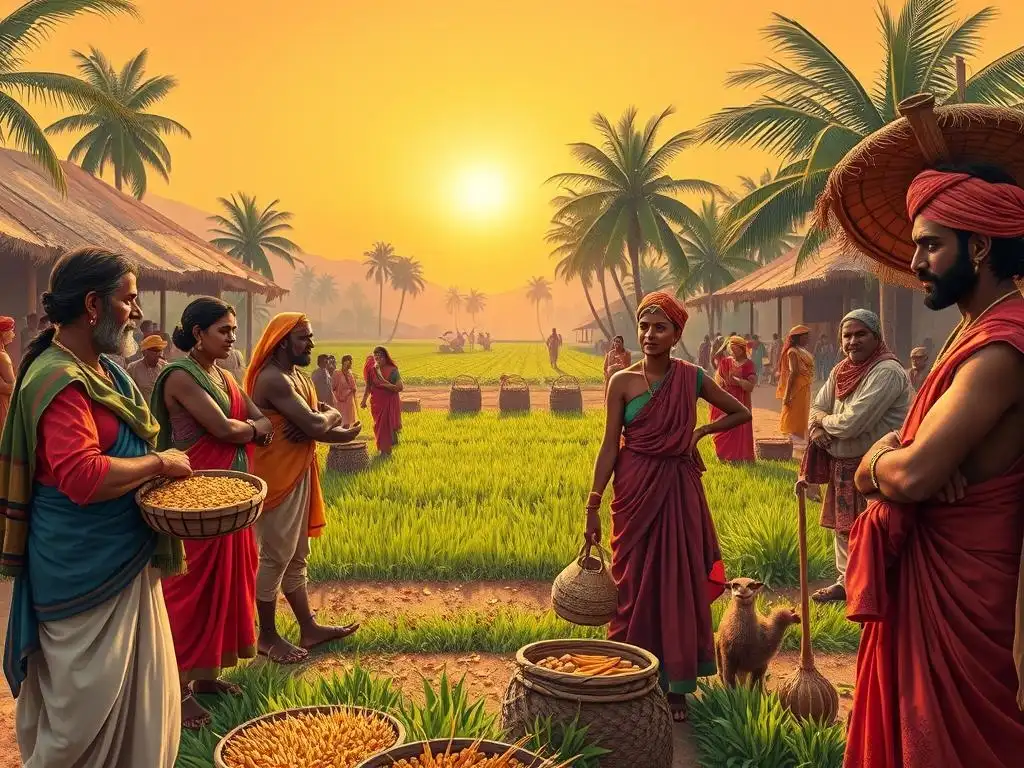
Ancient Indian agricultural innovations played a pivotal role in enhancing crop yields and food production, substantially impacting the economy of various civilizations. Techniques such as crop rotation, irrigation systems, and the introduction of new crops were foundational to these advancements.
- Irrigation Techniques: The development of sophisticated irrigation systems, including canal networks and well-digging, allowed ancient Indians to cultivate land more effectively. Regions like the Indus Valley utilized these systems extensively, leading to increased agricultural productivity. For instance, the use of stepwells and tanks enabled farmers to manage water supply efficiently, especially in arid areas.
- Crop Rotation: This method involved alternating different crops in the same field over seasons to maintain soil fertility and optimize yield. The practice of growing legumes alongside cereals enriched the soil with nitrogen, enhancing the productivity of staple crops such as wheat and barley.
- Introduction of New Crops: The importation and domestication of crops like rice, sugarcane, and cotton significantly diversified the agricultural landscape. These crops not only provided food security but also boosted trade opportunities, as they became valuable commodities both domestically and internationally.
As a result, the cumulative effect of these innovations led to surplus food production, which was essential for supporting larger populations and fostering urbanization.
Role of Agricultural Surplus in Trade Expansion
The agricultural surplus generated through innovative practices was a catalyst for trade expansion in ancient India. With ample food supplies, communities could engage in trade, exchanging surplus produce for goods and services.
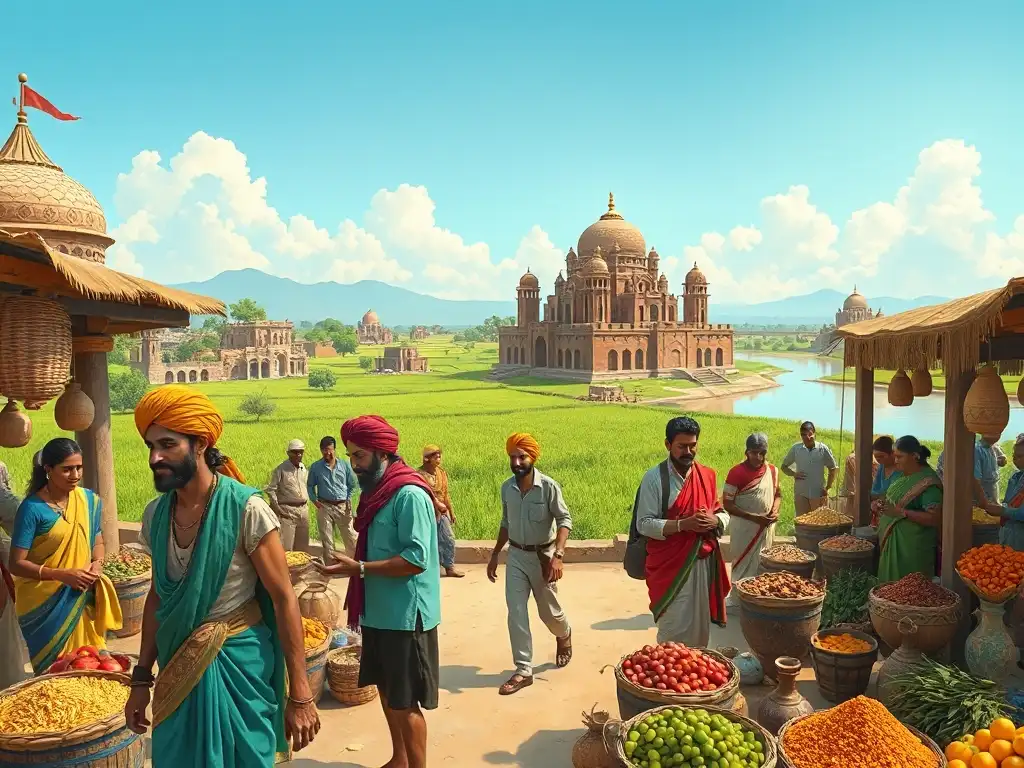
- Market Development: Towns and cities emerged as trade centers, where surplus agricultural products were sold. Markets facilitated the exchange of various goods, including textiles, pottery, and spices, creating a vibrant economy. Notably, the bustling trade in grain markets in places like Pataliputra showcased the importance of agriculture in economic exchanges.
- Specialization of Labor: Surplus agriculture allowed individuals to specialize in different trades and crafts, leading to increased productivity in various sectors. This specialization contributed to the growth of a diverse economy, where agricultural and non-agricultural sectors thrived side by side.
- Long-Distance Trade: The surplus also enabled ancient Indian civilizations to engage in long-distance trade with regions such as Mesopotamia and Southeast Asia. Key trade routes, including the Silk Road and maritime paths, facilitated the exchange of Indian agricultural products like spices and grains, enhancing economic prosperity.
Through these mechanisms, agricultural surplus not only supported local economies but also integrated ancient India into a broader global trading network.
The agricultural innovations and subsequent economic changes had profound effects on the social structures and economic classes of ancient Indian societies.
- Emergence of Landowning Class: With increased agricultural productivity, a distinct class of landowners emerged, who controlled and profited from the surplus. This ownership structure contributed to the development of a hierarchical society where wealth was concentrated among a few, leading to the establishment of a land-based aristocracy.
- Labor Dynamics: The need for labor in agriculture and related industries fostered a system of labor specialization. While some individuals became farmers, others took on roles in trade or craftsmanship. This division of labor was crucial in shaping the socio-economic landscape, leading to the formation of various social classes based on occupation.
- Impact on Social Mobility: The agricultural surplus and the wealth generated through trade also allowed for some degree of social mobility. Individuals who engaged in successful trading ventures or who developed innovative agricultural techniques could rise in status and wealth, thereby altering the rigid class structures.
The agricultural innovations of ancient India not only boosted food production and trade but also significantly influenced the social fabric and economic hierarchies of the time. This interplay between agriculture and society was fundamental in shaping the prosperity of ancient Indian civilizations.
Trade Networks Boosted by Agricultural Prosperity
Major Trade Routes Established in Ancient India
The agricultural innovations of ancient India, such as advanced irrigation techniques and crop rotation, significantly enhanced agricultural productivity, which in turn fueled trade networks across the subcontinent and beyond. Major trade routes emerged during this period, connecting agricultural hubs to urban centers and facilitating the exchange of goods.
- North-South Route: This route linked the fertile plains of the Ganges Valley with the southern regions. Key cities like Pataliputra served as critical trade junctions along this route, where agricultural surplus from the north was exchanged for spices and textiles from the south.
- East-West Corridor: Stretching from the eastern coast to the western deserts, this corridor allowed for the transport of rice and pulses from the east to the west, where they were traded for precious stones and metals. Notable trade centers included the ports of Tamralipti and Bharukachcha.
- Silk Road Connectivity: Ancient Indian agricultural innovations also played a crucial role in the broader Silk Road trade network. India was known for its spices, grains, and textiles, which were highly sought after by traders from Central Asia and beyond. The interaction along these routes not only enhanced trade but also led to cultural exchanges that enriched Indian civilization.
Exchanges of Agricultural Products with Neighboring Regions
The agricultural innovations in ancient India resulted in the surplus production of various crops, which were exchanged with neighboring regions. This not only bolstered local economies but also established India as a key player in international trade.
- Rice and Wheat Exports: The introduction of high-yielding varieties of rice and wheat led to significant exports to regions like Persia and Mesopotamia. These grains became staples in these regions, showcasing the agricultural prowess of ancient India.
- Spices and Medicinal Plants: India became renowned for its spices, such as black pepper, cardamom, and turmeric, which were exported to Rome and later to Europe. The demand for these spices drove trade and contributed to India’s economic wealth.
- Cultural Exchange: The trade of agricultural products facilitated cultural exchanges, influencing cuisines and agricultural practices in neighboring regions. For instance, the introduction of Indian rice varieties to Southeast Asia reshaped their agricultural landscape.
The Role of Agriculture in Ancient Indian Mercantile Practices
Agriculture was not just a means of sustenance in ancient India; it was a cornerstone of mercantile practices that shaped the economy. Understanding the role of agriculture helps illuminate the complexities of ancient Indian trade.
- Foundation for Urbanization: The surplus generated by agricultural innovations led to urbanization, as populations migrated to cities for trade. This urban growth stimulated demand for various goods, creating a vibrant marketplace for merchants.
- Agricultural Taxation and Trade Regulation: Rulers implemented taxation systems based on agricultural output, which provided revenue for state projects and trade infrastructure. This taxation system encouraged farmers to innovate and increase productivity, creating a cycle of growth.
- Merchant Guilds and Trade Associations: Agricultural wealth allowed for the formation of merchant guilds that regulated trade practices, set prices, and ensured quality. These guilds often had their own codes of conduct and played a crucial role in maintaining trade standards, which further facilitated commerce.
The innovations in ancient Indian agriculture were pivotal not only in boosting local economies but also in establishing extensive trade networks that connected India with the broader world, showcasing the integral relationship between agriculture and trade in ancient Indian society.
Case Studies of Agricultural Innovations in Specific Regions
Innovations in the Indus Valley Civilization
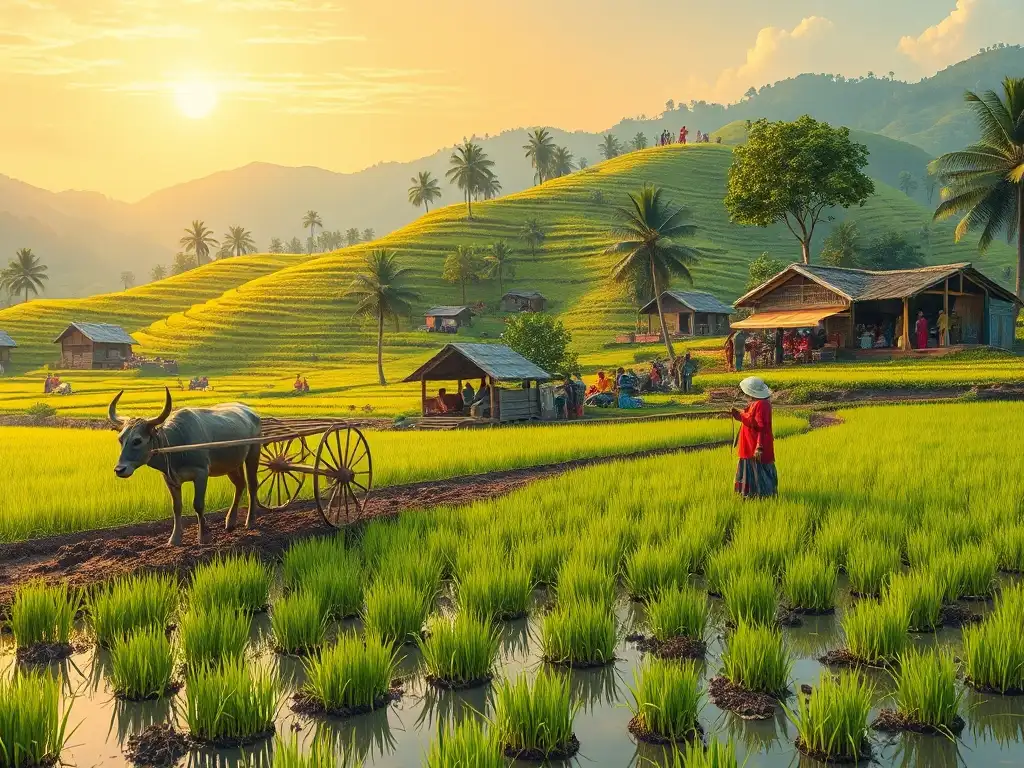
The Indus Valley Civilization (IVC), flourishing around 2500 BCE, is renowned for its sophisticated agricultural techniques that laid the foundation for future agricultural practices in ancient India. One of the most remarkable innovations was the development of irrigation systems. The inhabitants constructed intricate canals and reservoirs to channel water from the nearby rivers, such as the Indus and Ghaggar-Hakra. This allowed them to cultivate crops effectively, even in arid conditions.
Moreover, the IVC is credited with the introduction of crop rotation and the use of legumes, which enriched the soil and improved yields. The cultivation of wheat, barley, and cotton showcased their agronomic expertise. Archaeological evidence suggests that they employed tools made from copper and bronze, facilitating efficient farming methods.
| Innovation | Description |
|---|---|
| Irrigation Systems | Canals and reservoirs for effective water management |
| Crop Rotation | Alternating crops to maintain soil health |
| Use of Legumes | Enriching soil through nitrogen-fixing plants |
| Advanced Tools | Copper and bronze implements for farming |
The economic prosperity of the Indus Valley was significantly bolstered by these agricultural innovations, enabling trade with neighboring regions and contributing to the civilization's overall wealth.
Agricultural Practices in the Maurya Empire
The Maurya Empire, which peaked from 322 to 185 BCE, significantly transformed agricultural practices in ancient India. Under the reign of Chandragupta Maurya and his grandson Asoka, a series of agricultural reforms were implemented to enhance productivity and ensure food security for the burgeoning population.
One of the key innovations was the standardization of weights and measures to facilitate trade in agricultural products. This standardization not only improved market efficiency but also promoted fair trade practices among farmers. Additionally, the Maurya Empire invested in infrastructure, such as roads and granaries, which improved transportation and storage of surplus produce.
The introduction of agricultural texts, like the Arthashastra, emphasized the importance of agriculture in the economy. These texts provided guidelines on crop selection, pest control, and land management, showcasing an evolved understanding of sustainable farming practices.
- Standardization of Weights and Measures: Ensuring fair trade and market efficiency.
- Infrastructure Development: Roads and granaries for better transportation and storage.
- Agricultural Texts: Guidelines on crop management and sustainable practices.
These innovations not only boosted agricultural output but also strengthened the Maurya Empire's economy by enhancing trade both domestically and internationally.
Gupta Period Advancements in Agriculture
The Gupta Empire, often referred to as the Golden Age of India (approximately 320 to 550 CE), witnessed remarkable advancements in agricultural practices that significantly contributed to its economic prosperity. During this period, there was a notable emphasis on scientific farming techniques and the cultivation of a wider variety of crops.
One of the major advancements was the introduction of improved seed varieties and hybridization techniques, which led to increased yields. The Guptas also promoted the use of fertilizers, including organic manure, to enhance soil fertility. This period saw the cultivation of rice, sugarcane, and various pulses, which became staple foods across the region.
Furthermore, the Gupta Empire saw the establishment of agricultural cooperatives, where farmers collaborated to share resources, tools, and knowledge. This collective approach not only improved productivity but also fostered a sense of community among agrarians.
| Advancement | Impact on Agriculture |
|---|---|
| Improved Seed Varieties | Enhanced crop yields and diversity |
| Use of Fertilizers | Increased soil fertility and productivity |
| Agricultural Cooperatives | Collaboration leading to shared resources |
The agricultural innovations during the Gupta period were pivotal in sustaining the empire's economy, enabling it to flourish in trade and culture while establishing a legacy that would influence future generations in India.
Conclusion: Legacy of Ancient Indian Agricultural Innovations

The agricultural innovations of ancient India have left an indelible mark on the development of agricultural practices, both regionally and globally. As civilizations flourished, the advancements in farming techniques, irrigation systems, and crop management contributed significantly to economic stability and trade expansion. These innovations not only supported the sustenance of local populations but also facilitated the exchange of goods and ideas across borders, laying the groundwork for a vibrant trade network.
The legacy of ancient Indian agricultural innovations is evident in various facets of modern agriculture. Techniques such as crop rotation, the use of organic fertilizers like cow dung, and the development of sophisticated irrigation methods continue to influence contemporary farming practices. Moreover, the emphasis on sustainable agriculture during ancient times resonates with today's focus on eco-friendly practices and organic farming, highlighting how ancient wisdom can inform modern challenges.
Lasting Influence on Modern Agricultural Practices
Ancient Indian agricultural innovations have significantly shaped the agricultural landscape we see today. Key contributions include:
- Irrigation Systems:
- The development of canals and water management techniques, such as the stepwell and tank irrigation, laid the foundation for efficient water use. These methods are still relevant in regions facing water scarcity.
- Crop Diversity:
- The cultivation of a wide variety of crops, including rice, wheat, pulses, and spices, has influenced modern agricultural biodiversity. Techniques such as intercropping and mixed cropping were practiced to enhance soil fertility and yield.
- Agricultural Tools:
- Innovations in tools, such as the plow and sickle, improved farming efficiency. Modern equipment often draws inspiration from these ancient designs, adapting them for contemporary agricultural needs.
- Sustainable Practices:
- Ancient practices emphasized the importance of soil health and pest management without synthetic chemicals. Modern organic farming principles echo these age-old methods, promoting sustainability in agriculture.
Through these enduring practices, ancient Indian agricultural innovations have not only contributed to food security but have also become integral to the global agricultural narrative.
Reflection on the Importance of Agriculture in Ancient Indian Society
Agriculture in ancient India was more than a means of sustenance; it was the backbone of society, influencing social structures, cultural practices, and economic systems. The significance of agriculture can be explored through various dimensions:
- Economic Prosperity: The agricultural surplus enabled trade and commerce, leading to the emergence of urban centers. This economic prosperity facilitated the rise of crafts, arts, and culture, demonstrating the interconnectedness of agriculture and civilization.
- Cultural Significance: Agriculture was deeply woven into the cultural fabric of ancient Indian society. Festivals such as Pongal and Makar Sankranti celebrated harvests, illustrating the reverence for agricultural cycles and deities associated with fertility and agriculture.
- Social Structure: Agricultural practices shaped the social hierarchy, with land ownership playing a crucial role in determining wealth and power dynamics. The agrarian lifestyle fostered community bonds, with collective efforts in farming leading to social cohesion.
- Technological Advancements: The necessity of efficient farming led to numerous innovations in techniques and tools, demonstrating how agriculture spurred technological advancement in ancient times.
The agricultural innovations of ancient India were not merely about productivity; they were central to the development of a rich cultural identity and a thriving economy. This legacy continues to resonate today, reminding us of the profound impact that agriculture has on society as a whole.
Frequently Asked Questions
What were the key agricultural innovations in ancient India?
Ancient India introduced various agricultural innovations such as irrigation systems, improved plowing techniques, and the development of crop rotation, which significantly enhanced productivity.
How did agricultural advancements impact trade in ancient India?
The agricultural advancements led to surplus production, which boosted trade both locally and internationally, allowing ancient Indian civilizations to engage in economic exchanges with neighboring regions.
What role did the Indus Valley Civilization play in agricultural development?
The Indus Valley Civilization is known for its sophisticated drainage and irrigation systems, which facilitated agriculture, supported trade, and contributed to the establishment of urban centers.
How did climate influence ancient Indian agriculture?
The climate of ancient India, characterized by monsoons, played a crucial role in agricultural cycles, affecting crop yields and determining the types of crops that could be cultivated effectively.
What crops were primarily grown in ancient India due to these innovations?
Ancient Indian agriculture was marked by the cultivation of staple crops such as rice, wheat, and barley, as well as spices and cotton, all supported by innovative farming techniques.
Final Reflection: The Enduring Legacy of Ancient Indian Agricultural Innovations
The agricultural innovations of ancient India not only laid the foundation for sustainable farming practices but also played a pivotal role in shaping the socio-economic landscape of the region. Today, as we grapple with modern challenges such as climate change and food security, the wisdom embedded in these ancient practices becomes increasingly relevant. The ingenuity of our ancestors in developing irrigation systems, crop rotation, and organic farming techniques serves as a reminder of the profound connection between agriculture and prosperity.
The influence of these innovations extends far beyond their historical context; they continue to resonate in contemporary agricultural practices and cultural traditions. The principles of sustainability and community-oriented farming that were prevalent in ancient India are now being revisited as we seek to create resilient food systems. As Mahatma Gandhi once stated, “The future depends on what you do today.” This highlights the importance of learning from our past to inform our present and future agricultural endeavors.
As you reflect on the lessons of ancient Indian agricultural innovations, consider how you can incorporate these timeless strategies into your own life or community. Embrace sustainable practices, support local farmers, and advocate for agricultural policies that honor the wisdom of the past. By doing so, you not only contribute to the preservation of our agricultural heritage but also play a vital role in fostering a more sustainable and prosperous future for generations to come.
Unlock the Secrets of Agricultural Wisdom!
Thank you for exploring the remarkable agricultural innovations of ancient India! We hope you’ve uncovered the incredible ways these practices enhanced prosperity and trade during that era. Now, it’s time to put this knowledge into action and discover how these timeless techniques can inspire modern agriculture.
Take the Next Steps:
- Dive Deeper: Explore scholarly articles or documentaries on ancient agricultural practices to uncover more insights and forgotten techniques.
- Start a Discussion: Engage with fellow history enthusiasts or agricultural experts online. Share your reflections on how ancient techniques can be integrated into today’s practices.
- Experiment Locally: Try planting a garden using the ancient methods you’ve researched, and observe how they perform in your area.
What unique ancient agricultural technique do you believe would have the most significant impact on today’s farming practices? Share your thoughts below!