
The Role of Women in Ancient Indian Art and Craftsmanship

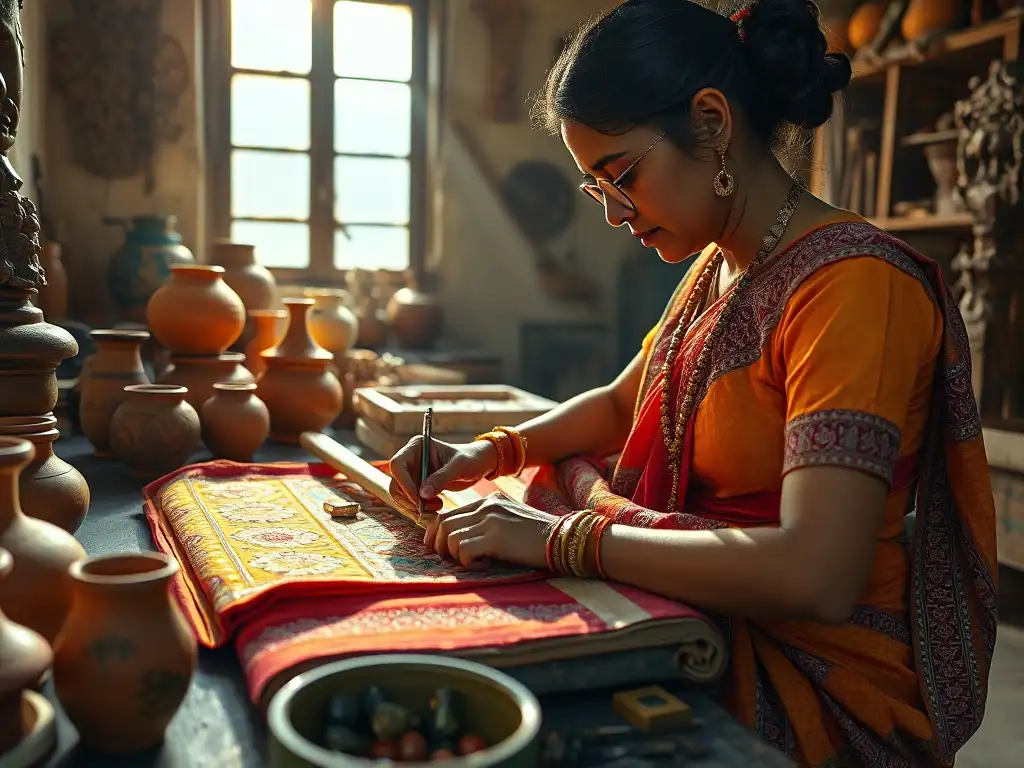
Welcome to Ancient India History, where we embark on a captivating journey through the vibrant tapestry of ancient Indian civilizations. Here, we delve deep into the rich culture, remarkable contributions, and intriguing narratives that have shaped India's past. In our featured article, "The Role of Women in Ancient Indian Art and Craftsmanship," we uncover the compelling stories of artistic expression and craftsmanship that highlight the influential roles women played in these ancient societies.
Prepare to be inspired as we explore how their creativity and talents not only enriched art but also reflect the complexities of their lives and times. Dive in and discover the extraordinary legacy of women in ancient Indian art!
Introduction to Women in Ancient Indian Art
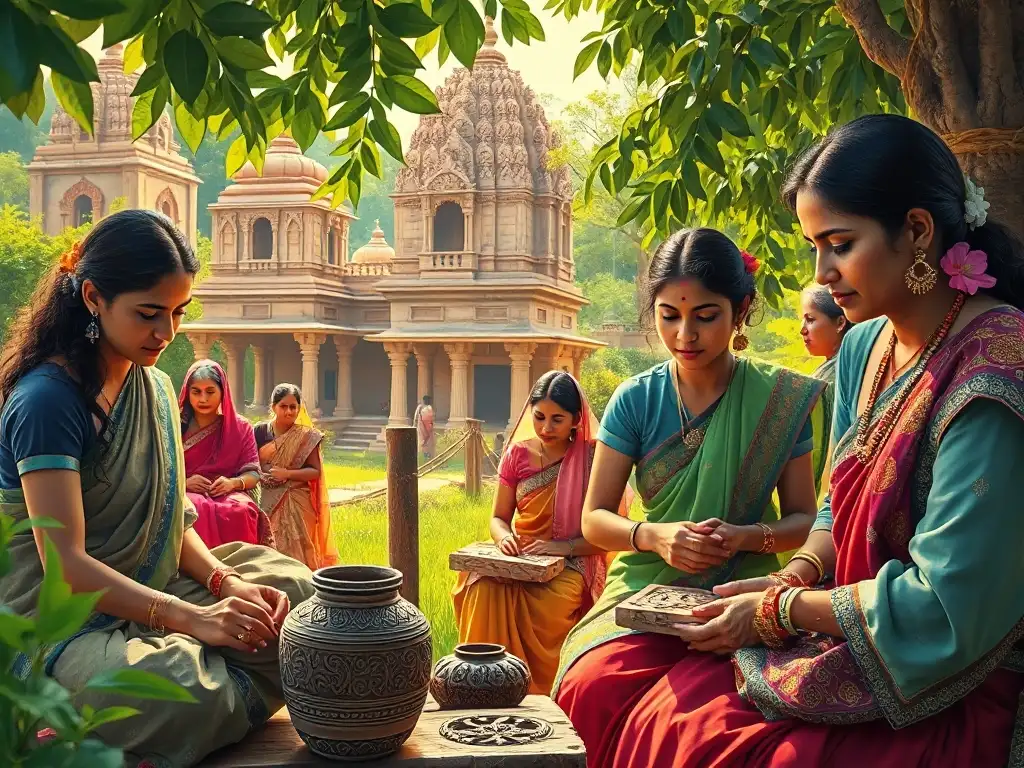
The exploration of women in ancient Indian art reveals a rich tapestry of creativity, skill, and cultural significance that has often been overlooked in mainstream historical narratives. From the intricate craftsmanship of pottery to the delicate brush strokes of traditional paintings, women played pivotal roles in shaping the artistic landscape of ancient India. Their contributions span various civilizations and epochs, reflecting not only their artistic talents but also their influence on societal values, traditions, and spiritual beliefs. Understanding the role of women in this sphere provides invaluable insights into the broader context of ancient Indian culture and its heritage.
Overview of Women's Contributions to Art and Craftsmanship
Women in ancient India were not merely passive participants; they were active creators and innovators. Their involvement in art and craftsmanship can be categorized into several key areas:
- Textiles and Weaving: Women were instrumental in the creation of exquisite textiles, employing techniques such as weaving, dyeing, and embroidery. The famous Banarasi sarees and Kanchipuram silks are testaments to their expertise.
- Pottery and Terracotta: The Indus Valley Civilization showcases remarkable pottery, with women often responsible for both the design and crafting of these items, revealing their artistic sensibilities.
- Sculpture and Relief Work: In temples and palaces, women contributed to the intricate sculptures and reliefs that adorn many ancient structures, often depicted in various roles that reflect their societal position.
- Painting and Decorative Arts: From mural paintings in ancient caves to the richly adorned manuscripts, women's artistry can be seen throughout Indian history, emphasizing their significance in preserving cultural narratives.
Significance of Women in Cultural Heritage
The contributions of women to ancient Indian art are not just confined to aesthetic values; they hold profound implications for understanding cultural heritage. By examining the roles women played in art and craftsmanship, we gain insights into:
- Social Structure: Women's artistic expressions often mirrored the societal norms and values of their times, providing a lens through which we can examine the evolution of gender roles in ancient India.
- Cultural Continuity: Many art forms have been passed down through generations, with women often serving as custodians of these traditions, ensuring their survival and adaptation over time.
- Spiritual Representation: In many instances, women's art was intertwined with religious and spiritual practices, showcasing their integral role in the spiritual life of the community.
Historical Context of Women in Ancient Indian Art
To fully appreciate the contributions of women in ancient Indian art, it is essential to explore the historical context that shaped their roles. Each period brought unique challenges and opportunities that influenced women's participation in artistic endeavors.
Women in the Indus Valley Civilization
The Indus Valley Civilization (circa 3300–1300 BCE) offers some of the earliest evidence of women's involvement in art. Archaeological findings suggest that women were engaged in producing pottery, jewelry, and various crafts. The terracotta figurines, often depicting female forms, hint at the reverence for femininity and the status women held in society. These artifacts not only showcase the artistic skills of women but also indicate their potential roles in religious or ritualistic practices.
The Role of Women During the Vedic Period
During the Vedic period (circa 1500–500 BCE), women continued to play a significant role in the arts, particularly in areas related to ritual practices. They were involved in creating sacred objects and participating in ceremonial activities. Texts from this period reference women as grihasthas (householders) who maintained the domestic arts, including weaving and cooking, which were considered sacred acts. The significance of women in the Vedic tradition underscores their integral role in sustaining cultural practices through art.
Influence of Women in Mauryan and Post-Mauryan Art
The Mauryan Empire (circa 322–185 BCE) and the subsequent post-Mauryan period saw women increasingly depicted in art, particularly in sculptures and paintings. Women were often represented in religious iconography, symbolizing fertility and prosperity. The famous Sanchi Stupa reliefs and the intricate carvings at Ajanta and Ellora caves highlight women's roles not only as muses but also as creators in their own right. This period marks a transition where women's artistic contributions began to gain recognition, paving the way for future generations of female artists.
The journey to uncover the role of women in ancient Indian art and craftsmanship is a profound exploration of their impact on culture, society, and the arts. As we delve deeper into this topic, we will continue to uncover the nuances and complexities of their legacies, enriching our understanding of ancient Indian civilization.
Artistic Expressions of Women in Ancient India
The role of women in ancient Indian art is a multifaceted narrative that intertwines their contributions as both artists and subjects in various forms of artistic expressions. Across different regions and eras, women played pivotal roles in the creation and preservation of art, showcasing their unique perspectives and talents.
From intricate sculptures to vivid paintings and exquisite textile craftsmanship, the artistic endeavors of women reflect not only their skills but also their cultural significance in society. These artistic expressions provide a glimpse into the lives, beliefs, and values of women in ancient India, demonstrating their integral role in the artistic heritage of the nation.
Sculpture and Statues: Women as Artists and Subjects
In ancient India, sculpture was a prominent art form, with women featuring both as subjects and creators. Temples and public spaces were adorned with exquisite sculptures that often depicted women in various roles—goddesses, dancers, and everyday life scenes. Notable examples include the beautiful carvings of apsaras (celestial nymphs) found in temples such as those at Khajuraho and the exquisite figures of women in the Ajanta caves.
Women were not only the subjects of these sculptures but also participated actively in their creation. Evidence suggests that women were involved in workshops where they carved stone and molded clay. This dual role enriched the art form, allowing for a more nuanced portrayal of femininity and strength. The presence of women in these artistic spaces challenges the notion that craftsmanship was solely a male domain, highlighting their contributions to the rich tapestry of Indian sculpture.
Painting Traditions: Depictions of Women in Ancient Art
Painting in ancient India flourished in various forms, from frescoes to miniatures, often revealing the profound impact of women both as subjects and creators. The murals of the Ajanta caves, which illustrate tales from Buddhist texts, prominently feature women in scenes of domestic life, spirituality, and nature. These depictions often highlight the grace and strength of women, showcasing their importance in both mythological narratives and day-to-day activities.
Furthermore, women were instrumental in the creation of traditional Indian paintings, particularly in the form of Madhubani and Warli art. These art forms often reflect the socio-cultural aspects of women’s lives, celebrating themes of fertility, family, and community. The vibrant use of colors and intricate patterns in these artworks illustrates the creativity and artistic sensibility women brought to the canvas, making significant contributions to the visual arts.
Textile Craftsmanship: Women’s Role in Weaving and Dyeing
Textile craftsmanship in ancient India has a rich history, with women occupying a central role in weaving, dyeing, and designing textiles. The production of fabrics such as silk, cotton, and wool was often a communal activity, where women utilized skills passed down through generations. Specific techniques like ikat and block printing, which involved intricate patterns and vibrant colors, were predominantly mastered by women.
The importance of textiles in ancient Indian culture cannot be overstated; they were not only practical items but also symbols of status and identity. Women’s contributions to textile arts are evident in the elaborate sarees and garments that were crafted for various occasions, including religious ceremonies and royal events. This craftsmanship not only served aesthetic purposes but also played a crucial role in the economy, establishing women as key contributors to the textile industry.
Notable Women Artists and Artisans
Profiles of Influential Women in Ancient Indian Art
Throughout history, several women have emerged as influential figures in the realm of ancient Indian art and craftsmanship. While many names may remain unrecorded due to the historical context, some have left a lasting impact through their contributions. For instance, the legends surrounding women like Vasavadatta, a revered poet and artist of the Gupta period, illustrate the artistic prowess and cultural significance of women in that era.
In addition, the patronage of queens and noblewomen, such as Rani Durgavati of Gondwana, who supported various art forms and artists, exemplifies how women's influence shaped the artistic landscape. Their roles as patrons enabled the flourishing of art, providing resources and encouraging the preservation of traditions.
Recognition of Women in Craftsmanship and Guilds
While historical documentation often overlooks women in artistic roles, evidence indicates that women were recognized within craftsmanship guilds. These guilds provided a framework for artisans to collaborate, share techniques, and support one another. Women artisans often operated within these guilds, contributing their unique skills and perspectives.
Moreover, women played a significant role in the transmission of craft knowledge, teaching younger generations and ensuring the continuation of traditional practices. The acknowledgment of their contributions within these structures highlights the importance of women in the broader context of craftsmanship, reinforcing their status as respected contributors to the arts.
Legacy of Women Artists in Historical Documentation
The legacy of women artists in ancient India, although sometimes obscured, is gradually being recognized through historical documentation and research. Texts from the period sometimes mention women in artistic roles, but often in passing, which emphasizes the need for further exploration of their contributions.
Recent scholarship aims to uncover these hidden narratives, focusing on archaeological findings, literary references, and oral traditions. This effort not only honors the legacy of women in ancient Indian art but also inspires contemporary artists and historians to acknowledge and celebrate the rich artistic heritage shaped by women. By bringing these stories to light, we can better appreciate the significant yet often unrecognized impact of women in the world of ancient Indian art and craftsmanship.
Cultural Significance of Women's Art in Ancient India
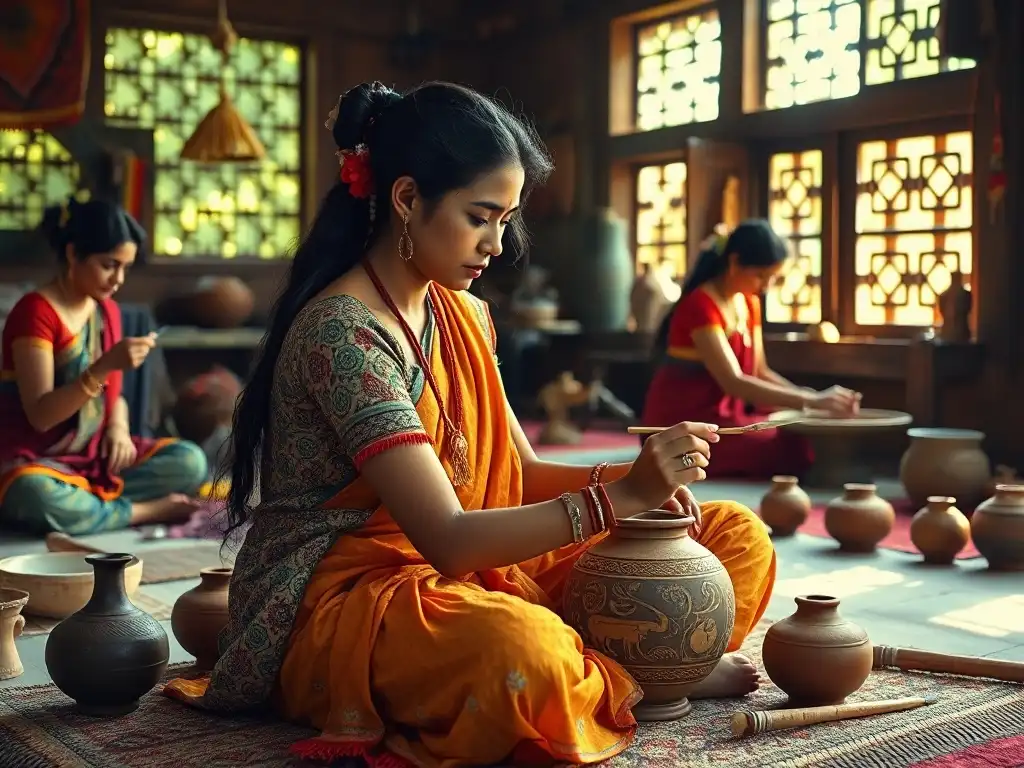
The art produced by women in ancient India holds profound cultural significance, showcasing not only their artistic skills but also their roles as custodians of tradition. Women's art was often tied to domestic spaces, reflecting the daily lives and spiritual beliefs of the communities they belonged to. From intricate pottery designs to colorful wall paintings, women's creations served functional as well as aesthetic purposes, often imbued with symbolic meanings that resonated with the socio-religious contexts of the time.
Women's contributions to art were also a means of expression, allowing them to communicate their thoughts and emotions through various mediums. These artworks often told stories of their lives, struggles, and aspirations, contributing to a collective narrative that enriched the cultural tapestry of ancient India. The various art forms, including textiles, dance, and ritualistic crafts, exemplified women's integral roles in reinforcing and sharing cultural values, thus ensuring the preservation of heritage across generations.
Symbolism and Themes in Women's Art
Women's art in ancient India is characterized by rich symbolism and recurring themes that convey deep cultural narratives. For instance, motifs of fertility, nature, and spirituality were prevalent, often reflecting women's connection to life and sustenance. The depiction of goddesses in art not only honored the divine feminine but also highlighted women's roles within the household and society.
Moreover, the use of color and form in women's art often carried specific meanings. Bright colors symbolized joy and celebration, whereas earthy tones represented grounding and connection to the land. Such themes were not merely decorative but served as a means of storytelling, connecting viewers to the underlying messages of resilience, strength, and the cyclical nature of life.
Impact of Women’s Craftsmanship on Society and Culture
Women’s craftsmanship played a pivotal role in shaping ancient Indian society and culture. By engaging in various art forms, women contributed to the economy, particularly through textiles and pottery, which were vital for trade and sustenance. Their skills in weaving, embroidery, and pottery not only provided for their families but also fostered community bonds through shared artistic endeavors.
Furthermore, women’s craftsmanship was often interwoven with ritual practices, enhancing cultural ceremonies and festivals. Items created by women were used in religious offerings, thereby elevating their status within the community as vital contributors to spiritual life. This dual role of artist and cultural custodian highlights the influential position women held in both the domestic and public spheres, significantly impacting social structures and cultural continuity.
Challenges Faced by Women in the Art World
Despite their significant contributions, women in ancient India faced numerous challenges in the art world that limited their recognition and opportunities. These challenges stemmed from societal norms that often relegated women to subordinate roles, both in the family and the broader community.
Societal Constraints on Women Artists
The societal constraints imposed on women artists were multifaceted, encompassing restrictions on mobility, education, and access to resources. Many women were confined to domestic spaces, limiting their exposure to artistic influences and formal training. The expectation to prioritize household responsibilities over personal aspirations further exacerbated their marginalization within the art world.
Moreover, traditional gender roles often dictated that women's art should primarily serve functional purposes rather than be recognized as fine art. As a result, the artistic expressions of women were frequently undervalued and overlooked, contributing to their underrepresentation in historical narratives of Indian art.
Historical Erasure of Women's Contributions
Historical records often reflect a significant erasure of women’s contributions to art and craftsmanship in ancient India. Many artworks created by women were not attributed to them, leading to a loss of recognition for their skills and creativity. This phenomenon is evident in the documentation of various art forms, where the names and identities of women artisans are frequently absent.
The focus on male artists and their works in historical texts and art critiques has further perpetuated this erasure. As a consequence, the rich legacy of women’s art has remained largely unacknowledged, resulting in a skewed understanding of the artistic landscape of ancient India.
Modern Implications of Historical Gender Roles in Art
The historical gender roles that marginalized women in the art world have modern implications that continue to resonate today. The underrepresentation of women in contemporary art scenes can be traced back to these ancient practices, which have shaped perceptions of gender and creativity.
In modern times, efforts to highlight women's contributions to art are essential for addressing this historical imbalance. By revisiting and rediscovering the artworks of ancient women, scholars and artists alike can work towards a more inclusive narrative that recognizes the richness of diverse artistic expressions. Acknowledging the past is crucial for empowering future generations of women artists, allowing them to reclaim their rightful place in the annals of art history.
Conclusion: The Enduring Legacy of Women in Ancient Indian Art
The contributions of women in ancient Indian art and craftsmanship stand as a testament to their vital role in shaping the cultural landscape of India. From the intricate designs of textiles to the delicate carvings in stone, women infused their unique perspectives and skills into various art forms. Their influence can be seen in the thematic richness and diversity of ancient Indian art, which reflects both individual creativity and collective cultural values. The legacy of these women transcends time, inspiring contemporary artists and craftsmen to honor their traditions while innovating new forms of expression.
In many ways, the art created by women serves as a narrative of resilience and innovation. Despite the societal constraints they faced, women often found ways to express themselves through their craft, using art as a means of communication and identity. This enduring legacy not only enriches our understanding of ancient Indian culture but also emphasizes the importance of recognizing and celebrating women's contributions in the arts.
Reflection on Women’s Role in Shaping Indian Art and Culture
Reflecting on the role of women in ancient Indian art reveals a complex tapestry of influence and creativity. Women were not merely passive participants; they were active creators whose work shaped the aesthetics and cultural narratives of their time. In a society that often relegated women to domestic roles, those engaged in artistic pursuits broke boundaries, allowing for a richer and more nuanced understanding of gender roles in history.
Art forms such as pottery, weaving, and sculpture were often passed down through generations of women, creating a lineage of skill and tradition. The stories depicted in these art forms often showcased female figures, celebrating their strength, beauty, and spirituality. These representations served not just as artistic expressions but as cultural commentaries on the status and perception of women in society.
Future Perspectives on Women in Art and Craftsmanship
Looking forward, the recognition of women's contributions to ancient Indian art opens up several avenues for further exploration and appreciation. Contemporary scholarship increasingly seeks to highlight these historical narratives, providing a more comprehensive understanding of art history that includes women's voices and perspectives.
Future research can delve deeper into the specific techniques and styles employed by women artists, potentially uncovering lost traditions and practices. Additionally, initiatives aimed at reviving traditional crafts can empower modern artisans, particularly women, to reclaim and promote their heritage. By fostering a culture of inclusivity and recognition, the art world can pave the way for a more equitable representation of women's contributions in both historical and contemporary contexts.
References and Further Reading
Suggested Books and Articles on Women in Ancient Indian Art
- Women and Art in Early India by R. S. Sharma: This book provides an in-depth analysis of the role of women in various art forms throughout early Indian history.
- Gender and Indian Art by Maya K. Sharma: This article explores how gender dynamics influenced the production and perception of art in ancient India.
- The Craft of Women: Art in Ancient India by Anjali Mehta: A comprehensive examination of women's contributions to different artistic traditions in ancient India.
Online Resources for Exploring Women's Contributions in Art
- Digital South Asian Library: A rich repository of resources focusing on women in South Asian art and culture, offering access to historical documents and contemporary analyses.
- Women in Art History: This website features articles and essays that highlight women's roles in various art movements, including ancient Indian craftsmanship.
- Art and Feminism Wiki: A collaborative platform that encourages contributions on women's history in art, including entries specific to ancient Indian art forms.
By exploring these resources, readers can gain a deeper understanding of the invaluable contributions women made to the artistic heritage of ancient India and continue to inspire future generations.
- Introduction to Women in Ancient Indian Art
- Historical Context of Women in Ancient Indian Art
- Artistic Expressions of Women in Ancient India
- Notable Women Artists and Artisans
- Cultural Significance of Women's Art in Ancient India
- Challenges Faced by Women in the Art World
- Conclusion: The Enduring Legacy of Women in Ancient Indian Art
- References and Further Reading
- What was the significance of women in ancient Indian art?
- How did women contribute to craftsmanship in ancient India?
- Were women recognized as artists in ancient Indian society?
- What types of art featured women in ancient Indian culture?
- How has the portrayal of women in ancient Indian art influenced modern perceptions?
Frequently Asked Questions
What was the significance of women in ancient Indian art?
Women played a crucial role in ancient Indian art, often depicted as muses and goddesses, symbolizing various aspects of life and nature. Their representation reflected the cultural values and spiritual beliefs of the time.
How did women contribute to craftsmanship in ancient India?
Women were involved in various forms of craftsmanship, including weaving, pottery, and painting. Their skills and techniques were often passed down through generations, ensuring the continuity of traditional art forms.
Were women recognized as artists in ancient Indian society?
While many works of art were created by women, they were often not formally recognized as artists. Instead, their contributions were embedded within family traditions and community practices.
What types of art featured women in ancient Indian culture?
Women were prominently featured in sculpture, painting, and textiles, often representing deities, mythological figures, and everyday life scenes. These depictions highlighted their importance in both spiritual and social contexts.
How has the portrayal of women in ancient Indian art influenced modern perceptions?
The portrayal of women in ancient Indian art has shaped modern understandings of gender roles and cultural identity. It serves as a reminder of the rich contributions women made to artistic heritage and continues to inspire contemporary artists and scholars.
Final Reflection: Empowering Legacy of Women in Ancient Indian Art
The exploration of Women in Ancient Indian Art reveals a rich tapestry of creativity and resilience that continues to resonate in today's cultural landscape. As we delve into the historical significance of women artisans and their contributions, we uncover the profound impact they have had on shaping artistic traditions. Their stories remind us that art is not merely a reflection of society but a powerful vehicle for change, inspiring generations to challenge norms and celebrate diversity.
The influence of women in ancient Indian craftsmanship is not just a relic of the past; it is a living testament to the strength and ingenuity of women throughout history. Their artistry transcends time, echoing in contemporary practices and inspiring modern artists. As we reflect on this legacy, we are reminded of the words of the renowned artist Anjolie Ela Menon: Art is the most beautiful of all lies; it is a reflection of the truth that lies within us.
This sentiment captures the essence of how the contributions of women in art have shaped not only the aesthetic landscape but also the very fabric of society.
As we move forward, let us take a moment to reflect on the lessons embedded in the stories of these remarkable women. Consider how their resilience and creativity can inspire your own journey. Whether you are an artist, a historian, or simply someone who appreciates the beauty of craftsmanship, embrace the spirit of these women by honoring their legacy in your own life.
Engage with art, support women creators, and recognize the vital role that diverse voices play in enriching our cultural heritage. Together, we can continue to celebrate and elevate the contributions of women in art, ensuring that their stories are not forgotten but cherished for generations to come.
Celebrate and Honor the Legacy of Women in Ancient Indian Art!
Thank you for immersing yourself in the rich world of ancient Indian art and craftsmanship! Your engagement with this fascinating topic helps keep the incredible contributions of women throughout history alive. Now, let’s take the next step to further explore and preserve this vibrant legacy.
Here’s how you can contribute:
- Start a discussion: Share your thoughts on the evolution of women's roles in art over time in our community forum. Your insights can spark meaningful conversations!
- Create your own artwork: Draw inspiration from traditional techniques used by women in ancient India. Add your unique interpretation and share it with friends or on social media.
- Discover local artisans: Seek out women-led art collectives or workshops in your area to support and learn from them directly.
As you reflect on this incredible journey, consider this: How can we ensure that the stories of women artists from our past continue to inspire future generations?