
The Symbolic Use of Animals in Indian Art: A Deep Dive

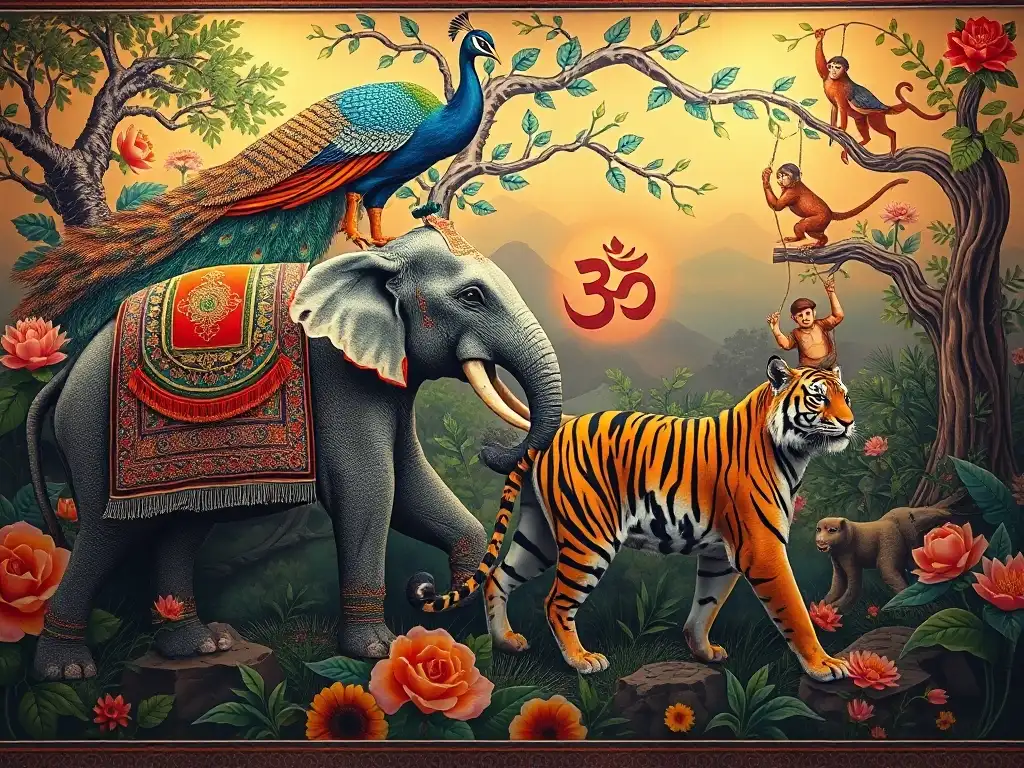
Welcome to Ancient India History, where we embark on a captivating journey through the rich tapestry of ancient Indian civilizations. Here, we delve into the profound impact of culture, art, and philosophy that has shaped India’s legacy. In our featured article, “The Symbolic Use of Animals in Indian Art: A Deep Dive,” we uncover the intricate relationships between wildlife and artistic expression, revealing how these majestic creatures have influenced spiritual and cultural narratives throughout history.
Prepare to be intrigued as you explore the vibrant stories behind these symbols and their enduring significance in Indian art. Join us in unraveling the mysteries that lie within the ancient past!
Introduction to Animals in Indian Art History
The use of animals in Indian art history is a captivating exploration that reveals the rich tapestry of cultural symbolism, religious beliefs, and societal values from ancient times to the present. Animals have played a significant role in various Indian art forms, serving not only as subjects of representation but also as profound symbols imbued with meaning. From the majestic elephants in temple sculptures to the intricate peacock motifs in textiles, the depiction of animals transcends mere aesthetics and speaks to the spiritual and philosophical underpinnings of ancient Indian civilizations.
Throughout history, animals have been depicted in a myriad of ways, reflecting the diverse environments and cultural contexts of India. The Indus Valley Civilization, for instance, showcased seals featuring unicorns and bulls, suggesting a reverence for these creatures, while later periods, such as the Maurya and Gupta empires, saw their representation in intricate stone carvings and frescoes. The symbolism associated with these animals often aligns with religious narratives, mythology, and the natural world, making their study essential for understanding the broader scope of Indian art history.
Importance of Symbolism in Indian Art
Symbolism in Indian art goes beyond visual representation—it provides insight into the values, beliefs, and narratives of the societies that created them. Animals are often depicted with specific attributes that convey deeper meanings, such as:
- Religious Significance:
- Many animals are associated with deities; for instance, the elephant represents Ganesha, the remover of obstacles, while the mouse serves as his vehicle, symbolizing humility.
- The lion, often seen in sculptures and paintings, symbolizes power and protection, frequently linked to Durga, the goddess of war.
- Cultural Representation:
- Certain animals signify regional identities, like the tiger, which is not only a national symbol of India but also represents strength and grace.
- The peacock, the national bird, embodies beauty and is often associated with love and prosperity in Indian folklore.
- Philosophical Themes:
- Animals are depicted in a way that reflects the interconnectedness of life and nature, emphasizing concepts such as Dharma (duty) and Ahimsa (non-violence).
- They serve as metaphors for human qualities, illustrating moral tales and life lessons throughout Indian literature and art.
By examining the symbolic use of animals in Indian art, we gain a deeper understanding of how these representations influence and reflect the cultural consciousness of ancient and contemporary society. This rich interplay of art and symbolism invites us to appreciate the intricate narratives woven into the fabric of Indian history, encouraging a more profound engagement with the legacy of its artistic traditions.
- What role do animals play in Indian art history?
- How did the Indus Valley Civilization incorporate animals in their art?
- What are some common animals found in ancient Indian art?
- How does the Gupta Empire represent animals artistically?
- What is the significance of studying animals in Indian art history?
Historical Context of Animals in Indian Art
The Indus Valley Civilization: Early Representations
The Indus Valley Civilization (c. 3300–1300 BCE) is notable for its sophisticated urban planning and advanced artistic expression. One of the most striking features of this civilization is the symbolic representation of animals in their art, which can be observed in seals, pottery, and terracotta figurines.
Key Symbols and Representations
- Seals: The seals of the Indus Valley often depict animals such as elephants, tigers, and rhinoceroses, which were significant to the society's identity and environment. For instance, the famous unicorn seal represents an amalgamation of various traits, possibly symbolizing fertility and strength.
- Terracotta Figurines: Numerous terracotta figurines, including those of humped bulls and goats, highlight the importance of livestock in daily life and spiritual beliefs. These animals were not only integral to the economy but also played a role in rituals and offerings, suggesting a deep connection between nature and the divine.
The artistic styles from this era reveal a nuanced understanding of animal forms, indicative of the civilization's reverence for wildlife and its connection to agrarian life. The detailed craftsmanship suggests that animals were more than mere subjects; they were imbued with socio-cultural significance, forming a bridge between the material and spiritual realms.
Vedic Period: Animals in Religion and Rituals
The Vedic Period (c. 1500–500 BCE) marks a transformative phase in Indian history, where the integration of animals into religious practices becomes prominent. Texts like the Vedas and Upanishads reflect the deep-seated beliefs surrounding animals, which were often viewed as manifestations of divine forces.
Animals as Sacred Symbols
- Cattle: Cows were revered and considered sacred. They symbolized wealth, nourishment, and agricultural prosperity. The act of gifting cows in religious ceremonies, known as "go-dāna," underscores their esteemed status in society.
- Birds and Mythology: Birds such as the eagle and the swan are frequently mentioned in Vedic literature. The Hamsa, a swan-like bird, signifies purity and is often associated with spiritual wisdom, reflecting the belief that animals could serve as guides to the divine.
Art from this period, including pottery and sculptures, features animals that are often stylized to convey their divine qualities. Ritualistic practices, such as the Ashvamedha (horse sacrifice), further illustrate the integration of animals within religious contexts, emphasizing their role as offerings to deities.
Mauryan and Post-Mauryan Era: Artistic Evolution
The Mauryan Empire (c. 322–185 BCE) and the subsequent Post-Mauryan period witnessed a remarkable evolution in the representation of animals in Indian art. This era is characterized by the emergence of monumental art forms and a sophisticated approach to symbolism.
The Pillars of Ashoka and Animal Motifs
- Lion Capital: One of the most iconic representations from this period is the Lion Capital of Ashoka, which symbolizes strength, courage, and the authority of the emperor. The four lions standing back to back represent the idea of universal sovereignty and protection.
- Animal Imagery in Stupas: Stupas, such as those at Sanchi, feature intricate carvings of elephants, horses, and other animals, often depicting scenes from Jataka tales (stories of the previous lives of Buddha). These representations serve both artistic and educational purposes, illustrating moral and ethical lessons through animal allegories.
The artistic evolution during this period reflects an increasing complexity in the portrayal of animals, often imbued with layers of meaning that resonate with the philosophies of the time. This era set the stage for future artistic traditions, where animals continued to occupy a central role, symbolizing various aspects of life, spirituality, and culture.
The usage of animals in Indian art history provides a fascinating lens through which to explore the interconnectedness of art, culture, and spirituality in ancient India. The evolution of these representations from the Indus Valley to the Mauryan Empire illustrates not only the artistic advancements but also the deep-seated reverence for the natural world that permeated Indian civilization.
Major Animals Represented in Indian Art
Elephants: Symbol of Strength and Royalty
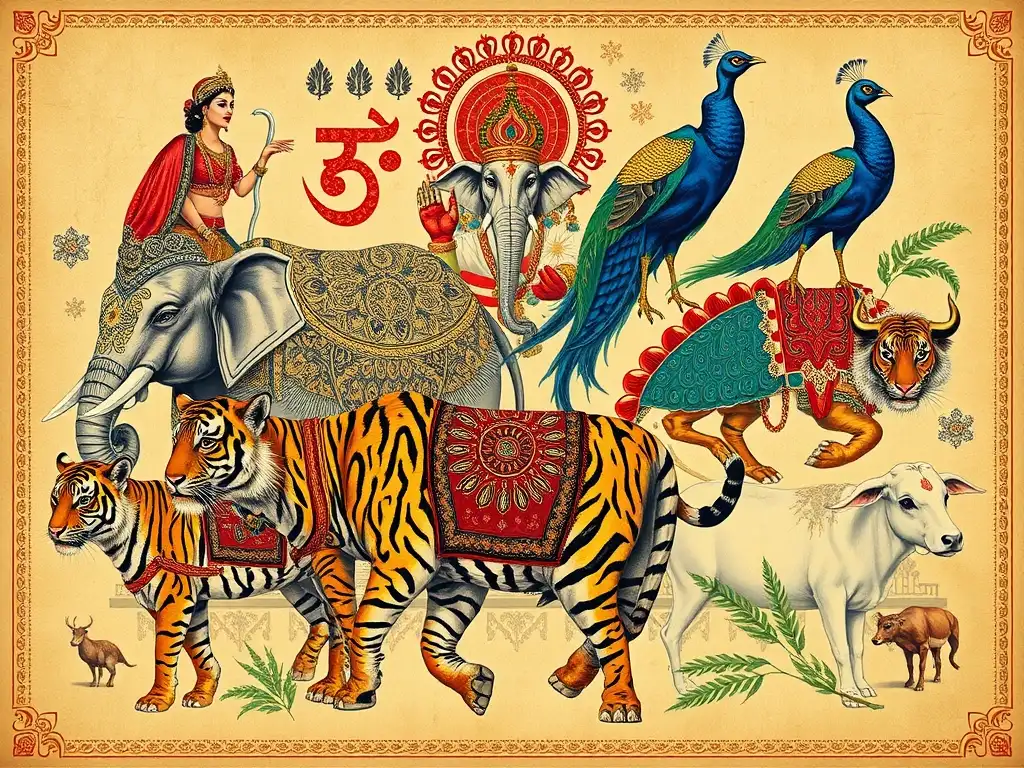
In the vast expanse of Indian art history, elephants hold a prominent place, often symbolizing strength, wisdom, and royalty. These majestic creatures are frequently depicted in sculptures, paintings, and architecture, reflecting their significance in both religious and secular contexts.
- Historical Context: Elephants have been integral to Indian culture for centuries. They were used in warfare, ceremonial processions, and as royal mounts, making them a powerful symbol of authority. The use of elephants in art can be traced back to the Indus Valley Civilization, where seals and terracotta figurines depicted these animals.
- Artistic Representations: In various art forms, elephants are portrayed in intricate detail, showcasing their grandeur. For example, the magnificent Hampi sculptures feature elephants as part of grand chariots, emphasizing their royal association.
- Cultural Significance: In Hinduism, the elephant-headed god Ganesha embodies wisdom and success, further elevating the elephant's status in art. The presence of elephants in temple murals and carvings often conveys auspiciousness and divine protection.
Lions: Representing Courage and Power
The lion, another significant animal in Indian art history, epitomizes courage, bravery, and power. It is often associated with various deities and royal emblems, serving as a symbol of protection and strength.
- Mythological Associations: The lion is commonly linked to Durga, a fierce goddess who rides a lion into battle against evil forces. This representation not only highlights the lion's strength but also its role as a protector of dharma (righteousness) in Indian mythology.
- Artistic Depictions: Lions have been depicted in various forms of Indian art, from the intricate frescoes of the Ajanta Caves to the iconic Lion Capital of Ashoka, which symbolizes national pride. These representations often emphasize the lion's ferocity and majesty, capturing its essence in stone and paint.
- Royal Symbolism: In the context of Indian royalty, lions often adorn coats of arms and imperial insignias. Their portrayal in royal portraits and architecture conveys the ruler's strength and authority, reinforcing the lion's status as a symbol of power.
Cows: Sacredness and Fertility in Art
The cow, revered in Indian culture, is a potent symbol of sacredness, fertility, and abundance. Its representation in art embodies the values of nurturing and sustenance within Indian society.
- Cultural Reverence: In Hinduism, cows are considered sacred, often associated with Krishna, who is depicted as a cowherd in various art forms. This reverence is reflected in paintings, sculptures, and folk art, where cows are portrayed in serene and loving contexts.
- Artistic Expressions: Cows are commonly featured in rural Indian art, such as Madhubani and Warli paintings, symbolizing agricultural prosperity and the nurturing aspect of nature. These artworks often depict cows in harmonious settings, highlighting their importance in daily life.
- Symbolism of Fertility: The cow's association with fertility is also prominent in artistic representations. It is often depicted alongside themes of harvest and abundance, reinforcing its role as a nurturing figure in agrarian societies.
The symbolic use of animals in Indian art history serves as a testament to the deep connections between culture, religion, and artistic expression. Elephants, lions, and cows each carry unique meanings, enriching the tapestry of Indian civilization.
Birds: Symbolism of Freedom and Spirituality
In the context of Indian art history, birds are often depicted as powerful symbols of freedom, spirituality, and transcendence. Their ability to soar high in the sky has made them a compelling representation of liberation and the soul's journey towards the divine. Various species of birds, from the majestic eagle to the delicate peacock, have found their place in ancient Indian artworks, each carrying distinct meanings and cultural significance.
The Peacock: National Symbol and Divine Connection
The peacock, or Pavo cristatus, holds a prominent place in Indian art, celebrated not only for its stunning plumage but also for its association with various deities. In Hindu mythology, the peacock is closely linked to Saraswati, the goddess of knowledge, wisdom, and arts. Its vibrant colors and intricate patterns symbolize beauty, grace, and the pursuit of knowledge. This bird is also considered a national symbol, representing the rich biodiversity of India.
The Eagle: Power and Protection
Eagles, particularly the Indian eagle ( Aquila nipalensis), are frequently depicted in ancient texts and artworks, symbolizing power, courage, and protection. In various Indian folklore, eagles are seen as messengers of the gods, bridging the earthly realm with the divine. Their high-flying nature represents the quest for higher knowledge and spiritual awakening, making them a popular motif in sculptures, paintings, and textiles.
Doves and Swans: Peace and Purity
Doves and swans are also significant in Indian artistic expressions. Doves are often associated with peace and love, while swans, known as hamsa, symbolize purity and spiritual wisdom. The hamsa is mentioned in ancient texts as a vehicle for the goddess Saraswati, further emphasizing its connection to enlightenment and higher consciousness.
Birds in Folk Art and Miniature Paintings
In folk art and miniature paintings, birds often feature prominently, capturing the essence of nature and its beauty. Artists employ vibrant colors and intricate designs to depict various bird species, celebrating their beauty and significance within the ecosystem. These representations not only reflect the aesthetic values of the time but also serve to communicate deeper philosophical ideas related to nature, freedom, and spirituality.
Birds in Indian art history serve as profound symbols that transcend mere representation. Their depiction encapsulates the rich tapestry of beliefs, values, and philosophical concepts that have shaped Indian civilization throughout the ages. As such, they remain a vital aspect of the broader narrative of Indian art, underscoring the importance of nature and spirituality in human expression.
Techniques and Mediums Used in Representing Animals
Stone Carvings and Sculptures
The tradition of stone carving in ancient India is one of the most significant mediums through which animals have been represented in art. From the majestic lions of the Sarnath Lion Capital to the intricate elephant sculptures found in various temples, stone carvings showcase a deep appreciation for the natural world and its creatures.
- Materials Used: The primary stones used for these sculptures include sandstone, granite, and marble, each offering unique textures and durability. The choice of stone often depended on regional availability and the intended purpose of the artwork.
- Techniques:
- Chiseling and Polishing: Artisans employed chiseling techniques to carve detailed features, followed by polishing to enhance the surface finish. This meticulous process allowed for lifelike representations of animals.
- Symbolism in Representation: Animals were often depicted symbolically. For instance, the elephant represented wisdom and royalty, while the lion symbolized strength and courage. These representations were not merely aesthetic but carried significant cultural meanings.
- Notable Examples:
- The Elephant Caves in Maharashtra display intricate carvings of elephants, reflecting their importance in both religious and royal contexts.
- The Ajanta Caves, famous for their ancient frescoes, also feature stone carvings of animals, showcasing the connection between art and spirituality.
Paintings: Frescoes and Miniatures
In the realm of painting, both frescoes and miniatures played pivotal roles in depicting animals in Indian art. Each style utilized distinct techniques and served different cultural functions.
- Frescoes:
- Found in temples and palaces, frescoes often depicted religious narratives and included various animals, symbolizing different virtues.
- The Kandariya Mahadeva Temple in Khajuraho is an exemplary site showcasing frescoes with vibrant depictions of elephants and horses, illustrating their significance in royal processions.
- Miniature Paintings:
- Originating in the Mughal period, miniature paintings were characterized by their intricate detail and vibrant colors.
- Artists like Mansur specialized in depicting animals with precision, often illustrating them in natural settings. The "Book of Animals" by Mansur is a celebrated collection that highlights his ability to capture the essence of various species.
- Symbolism and Themes:
- Animals in these paintings often carried layers of meaning. For example, peacocks symbolized love and beauty, while tigers represented power. Such representations were not only decorative but also conveyed narratives and moral lessons.
Textiles: Weaving Animal Motifs
Textiles have long been a canvas for artistic expression in ancient India, with animal motifs intricately woven into fabrics. This medium reflects cultural significance and aesthetic appeal.
- Types of Textiles:
- Block Printing: Traditional block printing techniques were used to imprint animal designs onto fabrics, often featuring elephants, tigers, and birds.
- Embroidery: Regions like Kutch and Gujarat are known for their vibrant embroidered textiles, where animal motifs are prominent, enhancing the visual narrative of the fabric.
- Cultural Significance:
- Animal motifs on textiles often signify the local fauna and the relationship between humans and nature. For instance, the depiction of a cow symbolizes fertility and prosperity in many cultures.
- Craftspeople often imbued their work with local folklore, ensuring that each textile told a story of the land and its creatures.
- Noteworthy Examples:
- The Pattachitra tradition from Odisha features intricate paintings on cloth, often portraying mythological scenes that include animals.
- The Kalamkari technique uses natural dyes to create elaborate scenes from epics, where animals play crucial roles in the storytelling.
The representation of animals in Indian art is a multi-dimensional subject that spans various techniques and mediums. Each form—be it stone carvings, paintings, or textiles—offers a unique glimpse into the cultural significance and aesthetic appreciation of animals in Indian art history. Through these diverse artistic expressions, we can better understand the intricate relationship between ancient Indian civilizations and the animal kingdom.
Cultural Significance of Animals in Indian Art
Mythological Narratives and Animal Depictions
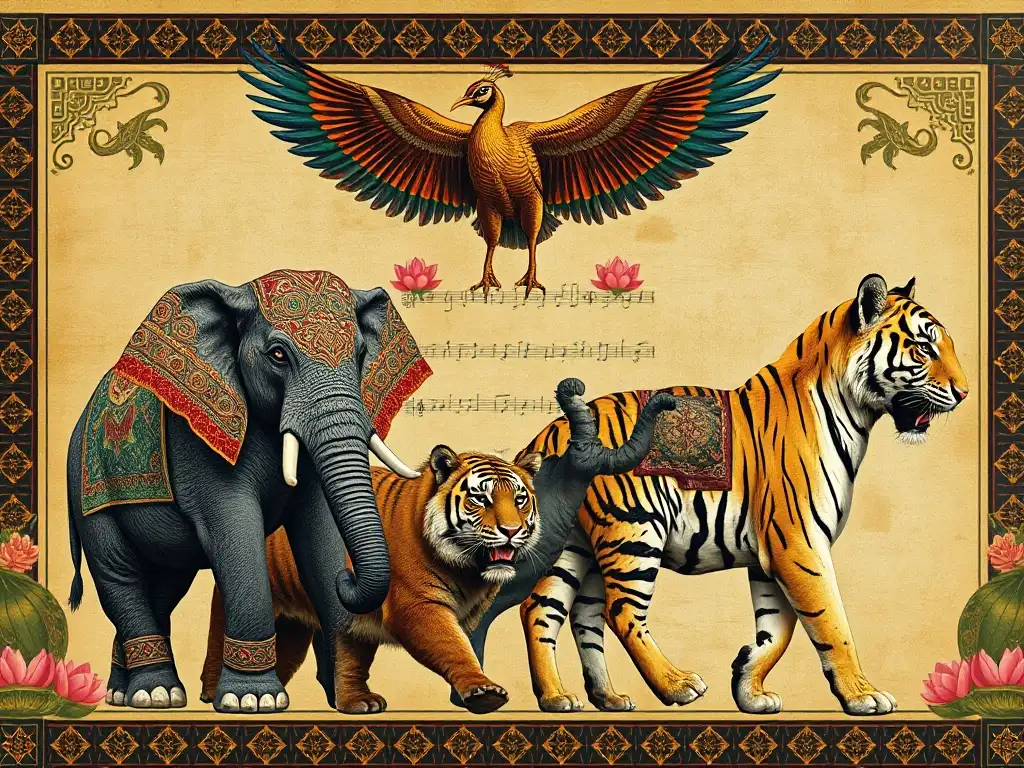
In ancient Indian art, animals often serve as powerful symbols, intricately woven into mythological narratives that reflect the cultural beliefs and values of the time. The depictions of animals are not merely artistic expressions; they convey deep meanings and stories that resonate with spiritual and moral themes.
For instance, the elephant is a prominent figure in Hindu mythology, symbolizing wisdom and strength. The representation of Ganesha, the elephant-headed deity, embodies these attributes while also signifying the removal of obstacles. Artistic renditions of Ganesha often include intricate details that highlight the animal's significance, such as its large ears symbolizing the importance of listening and learning.
Similarly, the lion holds a crucial place in Indian mythology, often associated with Durga, the warrior goddess. In numerous sculptures and paintings, Durga is depicted riding a lion, which signifies her power and ferocity in the face of evil. This portrayal not only emphasizes the goddess's martial qualities but also aligns the lion with the concept of protection and guardianship.
The artistic representation of animals in these narratives serves to bridge the gap between the divine and the mortal, allowing viewers to engage with complex philosophical ideas through visual storytelling. These mythological depictions, rich in symbolism, continue to influence contemporary interpretations of animal motifs in Indian art.
Animals in Folklore and Traditional Stories
Beyond mythology, animals play a pivotal role in Indian folklore and traditional stories, serving as characters that impart moral lessons and cultural wisdom. These narratives often feature animals that embody human traits, providing relatable lessons that resonate across generations.
One notable example is the Panchatantra, an ancient Indian collection of fables where animals are the central characters. Each story is crafted to teach a specific moral, using the animals’ behaviors and interactions to reflect human nature. For instance, the clever fox often symbolizes wit and cunning, while the slow but steady tortoise teaches the value of perseverance.
These stories not only entertain but also serve as educational tools, reinforcing cultural norms and ethical values within society. Artists have historically depicted scenes from these fables in various forms of art, including paintings, sculptures, and textiles, allowing the narratives to be visually accessible and engaging.
Furthermore, traditional storytelling practices often involve the use of puppetry and folk theater, where animal characters come to life, enriching the cultural tapestry of Indian art. The vibrant colors and dynamic expressions used in these performances highlight the significance of animals in conveying messages that are both entertaining and enlightening.
Influence of Religion on Animal Symbolism
Religion has profoundly influenced the symbolism of animals in Indian art, with various faiths attributing distinct meanings to different creatures. In Hinduism, Buddhism, and Jainism, animals are often venerated and associated with specific deities, each carrying unique attributes that reflect their religious significance.
For example, the cow is regarded as a sacred animal in Hinduism, symbolizing purity, motherhood, and abundance. Artistic representations of cows are prevalent in temples and rural art, celebrating their revered status within the religious context. The imagery often depicts cows in pastoral scenes, highlighting their integral role in agrarian society and spirituality.
In Buddhism, the horse is a symbol of strength and noble aspirations, often associated with Siddhartha Gautama, the Buddha. Artistic depictions of horses in Buddhist art signify the journey towards enlightenment, representing the aspiration to overcome worldly attachments.
Jainism, on the other hand, emphasizes the sanctity of all living beings, leading to the artistic representation of various animals in a manner that reflects compassion and non-violence. Jain art often features intricate designs of animals in a harmonious and respectful manner, emphasizing their role within the universe.
The intertwining of religion and animal symbolism in Indian art not only enriches the aesthetic appeal but also serves as a reminder of the ethical and spiritual responsibilities humans hold towards the animal kingdom. This profound connection continues to inspire contemporary artists, ensuring that the legacy of animal symbolism in Indian art history endures.
Regional Variations in Animal Representations
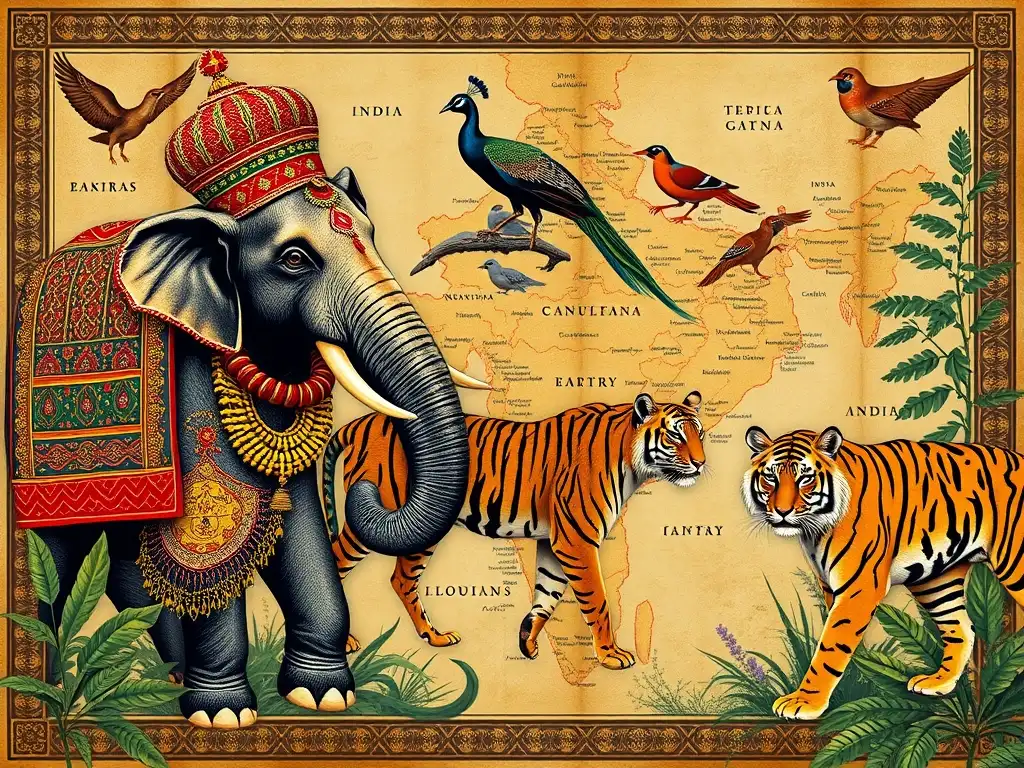
The symbolism of animals in Indian art is profoundly influenced by regional variations, reflecting the unique cultural, spiritual, and ecological contexts of different areas. Each region employs distinct motifs and interpretations, showcasing the rich tapestry of animal representation throughout Indian art history. Below, we explore the nuances of animal symbolism in South Indian art, North Indian art, and tribal art.
South Indian Art: Unique Animal Symbolism
In South Indian art, animals are often depicted with highly stylized features, conveying deeper spiritual meanings. Key examples include:
- Elephants: Revered as symbols of strength and wisdom, elephants frequently appear in temple carvings and sculptures. The Ganesha figure, with an elephant head, embodies the fusion of animal and divine qualities, representing the removal of obstacles.
- Tigers: In many depictions, tigers symbolize power and ferocity. They are commonly associated with the goddess Durga, often shown riding a tiger or lion, which signifies the triumph of good over evil.
- Horses: Representing speed and nobility, horses are prevalent in sculptures, especially in royal iconography. The famous Brihadeeswarar Temple features impressive horse figures that signify valor and chivalry.
The artistic styles of the Chola, Pandya, and Vijayanagara dynasties further demonstrate the integration of animals in narrative art, often illustrating mythological tales that highlight their symbolic significance.
North Indian Art: Diverse Animal Motifs
North Indian art showcases a rich variety of animal motifs, often reflecting a blend of cultural influences and religious narratives. Noteworthy aspects include:
- Peacocks: The peacock, a symbol of beauty and grace, is frequently represented in Mughal miniatures. Its intricate patterns and vibrant colors embody the harmony of nature, often depicted alongside courtiers and royal figures, enhancing the aesthetic grandeur.
- Cows: Revered in Hindu culture, cows symbolize purity and motherhood. In various paintings, particularly in the Pahari style, cows are depicted in pastoral scenes, representing the agrarian lifestyle and the reverence for nature.
- Snakes: Often associated with divinity and protection, snakes appear in various forms in North Indian art. The Naga, or serpent, is commonly linked to deities such as Shiva and Vishnu, symbolizing fertility and the cycle of life.
The diverse representations in North Indian art reflect the region's complex historical and cultural narratives, often intertwining animal symbolism with themes of devotion and royalty.
Tribal Art: Indigenous Perspectives on Animals
Tribal art in India offers a unique lens through which to view animal symbolism, deeply rooted in indigenous beliefs and practices. Key characteristics include:
- Totemic Animals: Many tribal communities revere specific animals as totems, believing they embody the spirit of their ancestors. Artifacts and paintings often depict these animals, fostering a connection between the tribe and their natural environment.
- Nature and Harmony: Animals in tribal art are frequently portrayed within their natural habitats, emphasizing the interconnectedness of life. This representation serves as a reminder of the balance between humans and nature, often illustrated through vibrant colors and dynamic forms.
- Ritualistic Significance: Animal motifs in tribal art are often linked to rituals and ceremonies. For example, the Santhal community creates intricate designs that feature animals, reflecting their beliefs in fertility and abundance, essential for agricultural practices.
The indigenous perspectives on animals in tribal art highlight a profound respect for nature, showcasing how these representations serve as cultural markers that communicate essential values and beliefs.
Through these regional variations, we can appreciate the complex and multifaceted role that animals play in Indian art history, revealing deeper connections between art, culture, and spirituality across different communities.
The Evolution of Animal Symbolism in Modern Indian Art
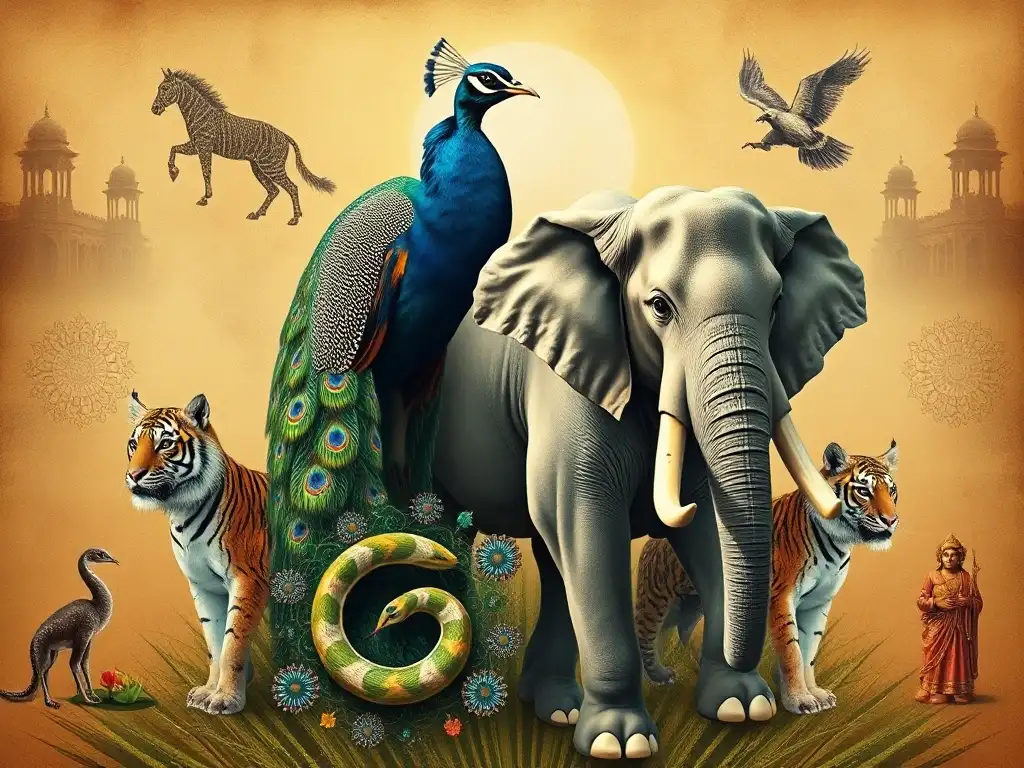
The use of animal symbolism in Indian art has undergone a significant transformation throughout history, evolving from ancient representations to contemporary interpretations. This evolution reflects not only changes in artistic styles and techniques but also shifts in cultural perceptions and societal values.
Contemporary Artists and Their Interpretation
Today, many contemporary Indian artists are reinterpreting traditional animal symbolism, blending it with modern themes and techniques. Artists such as Subodh Gupta, Bharti Kher, and Ravi Varma have explored the symbolism of animals in their works, often using them to convey deeper messages about identity, ecology, and social issues.
- Subodh Gupta employs animal motifs in his sculptures and installations, often using materials like stainless steel and found objects to explore the relationship between urbanization and nature.
- Bharti Kher incorporates the elephant, a symbol of wisdom and strength, into her art, presenting it in unconventional forms that challenge traditional narratives.
- Ravi Varma has gained recognition for his vibrant paintings that feature divine and mythological animals, reimagining them in a contemporary context while preserving their cultural significance.
Through these interpretations, contemporary artists engage in a dialogue with traditional symbolism, making it relevant to today's audience. They often challenge the viewer to reconsider the meanings behind these animals, prompting reflection on issues such as environmental conservation, heritage, and the intersection of modern and traditional identities.
Preservation of Traditional Animal Symbolism
Despite the evolution of animal symbolism, there remains a concerted effort among artists and cultural institutions to preserve traditional representations. This preservation is crucial for maintaining the rich tapestry of Indian art history, ensuring that future generations can appreciate and understand the significance of these symbols.
- Cultural Institutions: Museums and galleries across India are dedicated to showcasing traditional artworks that feature animal symbolism, including the intricate carvings of the Indus Valley Civilization and the vibrant frescoes of the Ajanta Caves.
- Art Workshops: Numerous workshops and art schools emphasize traditional techniques, teaching students the historical context and symbolic meanings behind various animals in Indian art. This ensures that the knowledge and skills associated with these art forms are not lost.
- Community Initiatives: Local communities often host festivals and exhibitions that celebrate traditional animal symbolism through dance, storytelling, and visual arts, fostering a connection to their cultural heritage.
By integrating traditional practices with contemporary art movements, the legacy of animal symbolism in Indian art continues to thrive. This dual approach not only honors the past but also inspires ongoing creativity and innovation in the realm of Indian art history.
Conclusion: The Enduring Legacy of Animals in Indian Art History
Reflection on Cultural Heritage and Symbolism
The symbolic use of animals in Indian art history serves as a profound reflection of the cultural heritage that has been passed down through generations. Animals are not merely depicted for their aesthetic value; they embody various meanings and beliefs that are deeply rooted in Indian philosophy and spirituality. From the majestic elephants associated with wisdom and royalty to the sacred cow symbolizing nourishment and motherhood, each creature holds a unique place in the tapestry of Indian civilization.
Throughout different eras, the representation of animals has evolved, yet their significance remains steadfast. For instance, in the Indus Valley Civilization, seals often depicted animals like unicorns and bulls, suggesting a connection to trade and agricultural practices. In contrast, artworks from the Gupta Empire, such as sculpture and frescoes, reflect a more intricate understanding of the relationship between humans and animals, often illustrating them in divine contexts.
The diverse interpretations of animal symbolism in Indian art can be categorized as follows:
- Religious Significance: Animals like the elephant (Ganesha) and tiger (Durga) are integral to various deities, representing power and protection within Hindu mythology.
- Cultural Narratives: Folk art representations of animals often narrate local tales and traditions, emphasizing the region's identity and beliefs.
- Natural Representation: The portrayal of animals in their natural habitats highlights humanity's connection to nature, reminding us of the importance of ecological harmony.
This rich symbolic framework not only enhances the aesthetic value of Indian art but also fosters a deeper understanding of the beliefs and practices that have shaped the cultural landscape of the subcontinent.
The Future of Animal Representation in Indian Art
As India continues to modernize and globalize, the representation of animals in art is also undergoing transformation. Contemporary artists are reinterpreting traditional motifs, blending them with modern styles and themes. This evolution reflects a broader narrative that includes environmental concerns, societal changes, and the quest for identity in a rapidly changing world.
Key trends in the future of animal representation in Indian art include:
- Sustainability Themes: Artists are increasingly incorporating messages about wildlife conservation and environmental protection, using animal imagery to raise awareness about ecological issues.
- Fusion of Styles: The amalgamation of traditional techniques with contemporary practices allows for innovative representations of animals, appealing to a wider audience and preserving cultural heritage.
- Digital Art: The rise of digital platforms has enabled artists to explore new forms of expression, where animals can be depicted in interactive and immersive environments, reaching younger generations.
The legacy of animals in Indian art history is not only a testament to the past but also a vibrant thread in the narrative of contemporary art. As artists continue to draw inspiration from their cultural roots while addressing modern challenges, the depiction of animals will undoubtedly remain a significant and evolving aspect of Indian art. The ongoing dialogue between tradition and innovation ensures that the symbolic use of animals will continue to resonate in the hearts and minds of future generations.
Frequently Asked Questions
What role do animals play in Indian art history?
Animals are often depicted in Indian art as symbols of various mythological and cultural significance, representing virtues, powers, and emotions tied to the rich traditions of the region.
How did the Indus Valley Civilization incorporate animals in their art?
The Indus Valley Civilization showcased animals such as unicorns and bulls in seals and figurines, reflecting their importance in daily life and trade, as well as their spiritual significance.
What are some common animals found in ancient Indian art?
Common animals include the elephant, lion, and horse, each symbolizing different aspects such as strength, royalty, and nobility, and often associated with deities or royal iconography.
How does the Gupta Empire represent animals artistically?
During the Gupta Empire, animals were often represented in sculptures and temple carvings, symbolizing prosperity and protection, and demonstrating the artistic sophistication of the period.
What is the significance of studying animals in Indian art history?
Studying animals in Indian art history helps us understand the cultural values, spiritual beliefs, and social dynamics of ancient civilizations, revealing their interconnectedness with nature and the cosmic order.
Final Reflection: The Enduring Legacy of Animals in Indian Art History
The symbolic use of animals in Indian art is not just a historical curiosity; it is a vibrant thread woven into the fabric of contemporary culture. Today, as we navigate a world increasingly disconnected from nature, the profound messages conveyed through these artistic representations remind us of our intrinsic relationship with the animal kingdom. The rich tapestry of Indian art history reveals how animals have served as metaphors for human emotions, spiritual beliefs, and societal values, making their relevance more significant than ever.
Cultural narratives shaped by the depiction of animals continue to resonate within our society, influencing everything from literature to environmental activism. The stories told through these artistic expressions serve as a bridge connecting past and present, urging us to reflect on our responsibilities toward the natural world. As Mahatma Gandhi once said, "> The greatness of a nation and its moral progress can be judged by the way its animals are treated." This quote encapsulates the ongoing dialogue about compassion and respect for all living beings, a dialogue that is crucial in our modern context.
As you reflect on the themes explored in this article, I invite you to consider how the lessons from animals in Indian art history can inspire your own life. Think about the symbols and stories that resonate with you personally, and how you can incorporate these values into your daily actions. Whether through art, conservation efforts, or simply fostering a deeper connection with nature, let the legacy of these representations guide you toward a more harmonious existence with the world around you.
Unveil the Mysteries of Animal Symbolism in Indian Art!
Thank you for taking the time to explore the fascinating world of animal symbolism in Indian art! We hope you enjoyed discovering the deeper meanings behind these incredible representations. Now, it’s time to embark on the next steps of your journey towards appreciation and exploration.
Here are some ideas to keep your inspiration flowing:
- Dive deeper into the art: Visit a local museum or an online gallery showcasing Indian art, and take a close look at the animal representations that resonate with you. What meanings do you derive from them?
- Create your own artwork: Utilize the symbols you’ve learned about and incorporate them into a piece of art, reflecting your personal interpretations and experiences. You might just discover a new passion!
- Share your insights: Engage with fellow art enthusiasts—post your thoughts or artwork on social media and use the hashtag #AnimalArtIndia. Let’s ignite a conversation!
What animal symbolism resonates most with you, and how does it connect to your own understanding of art and culture?