
The Symbolism Behind Indian Mythological Art: Narratives in Color

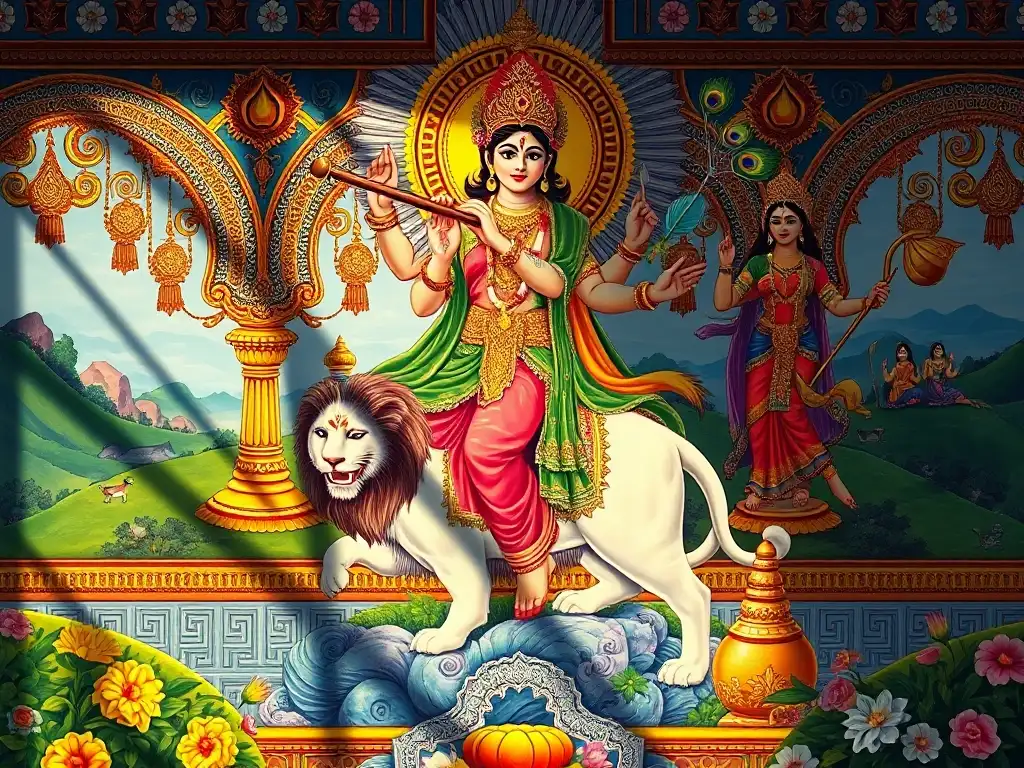
Welcome to Ancient India History, where we embark on a mesmerizing journey through the vibrant tapestry of time that has shaped one of the world's oldest civilizations. Here, we delve deep into the intricate world of Indian mythological art symbolism, unlocking the narratives woven into every stroke of color and form. Why do certain motifs resonate so profoundly, and what secrets do they hold about our past?
Join us as we explore the profound meanings behind these artistic expressions and discover how they reflect the rich cultural heritage from the Indus Valley to the Gupta Empire. Your adventure into the past begins now—read on to uncover the stories that await!
Introduction to Indian Mythological Art Symbolism
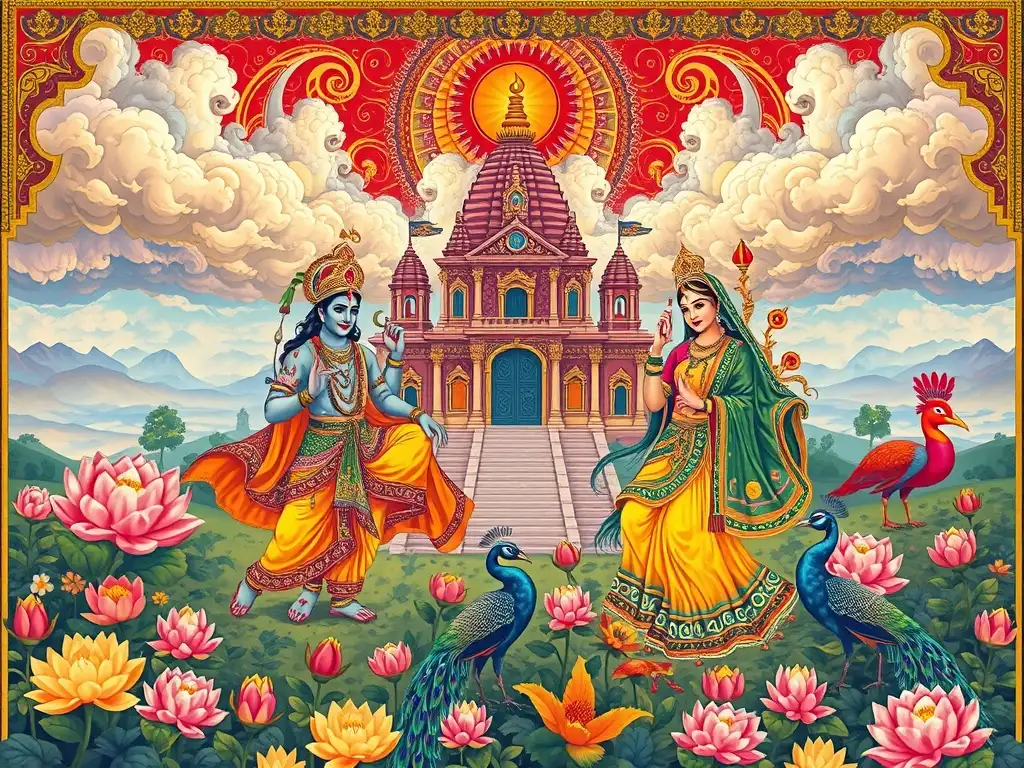
Indian mythological art is a vibrant tapestry of colors, forms, and narratives that encapsulates the rich spiritual and cultural heritage of ancient India. This art form serves not only as an aesthetic expression but also as a profound communicator of philosophical concepts, moral teachings, and historical events. The symbolism inherent in Indian mythological art invites viewers to delve deeper into the stories depicted, offering insight into the values and beliefs of the time. By exploring the nuances of this symbolism, we can gain a greater appreciation for the artistic traditions that have shaped Indian culture over millennia.
Understanding the Importance of Symbolism in Indian Art
Symbolism plays a crucial role in Indian art, serving as a bridge between the material and the metaphysical. Here are some key aspects of its importance:
- Cultural Representation: Symbols often reflect the cultural and social realities of the time, encapsulating the essence of a civilization's beliefs and practices.
- Spiritual Significance: Many symbols in Indian mythological art relate to spirituality and religion, acting as visual metaphors for complex ideas such as dharma (duty), karma (action), and moksha (liberation).
- Narrative Depth: The use of symbols enriches the narratives within the artworks, allowing for multiple layers of interpretation and understanding.
Overview of Indian Mythological Art and Its Cultural Significance
Indian mythological art encompasses a wide range of styles, from the intricate frescoes of Ajanta to the vibrant paintings of Rajasthan. Each piece serves a specific purpose, whether in temples, homes, or public spaces. The cultural significance of this art form can be understood through:
- Storytelling: Artworks often portray scenes from epics like the Ramayana and Mahabharata, bringing ancient stories to life and preserving them for future generations.
- Ritualistic Use: Many forms of Indian mythological art are created for specific rituals and festivals, reinforcing communal bonds and cultural identity.
- Historical Record: These artworks serve as valuable historical documents, offering insight into the social, political, and economic contexts of their time.
Historical Context of Indian Mythological Art
The history of Indian mythological art is as diverse as the subcontinent itself, evolving through various influences and styles over the centuries.
Evolution of Indian Art Forms Through the Ages
From the prehistoric rock paintings to the sophisticated sculptures of the Gupta period, Indian art has undergone significant transformations. Key phases in this evolution include:
- Indus Valley Civilization: Early artifacts featuring seals and figurines that hint at symbolic meanings.
- Mauryan Empire: The emergence of grand sculptures and stupas, integrating spiritual symbolism.
- Gupta Empire: The golden age of Indian art, characterized by intricate carvings and elaborate narratives.
Major Influences on Indian Mythological Art
Several factors have influenced the development of Indian mythological art over the years:
- Religious Texts: Scriptures like the Vedas, Puranas, and epics provided rich narratives that artists drew upon for inspiration.
- Cultural Exchanges: Interaction with various cultures through trade and conquest introduced new themes and techniques, enriching Indian artistic traditions.
- Regional Diversity: The vast geographical expanse of India has led to distinct regional styles, each with its own symbolism and artistic expressions.
By understanding the symbolism behind Indian mythological art, we gain a deeper appreciation for the narratives and cultural values that have shaped this ancient civilization.
Key Elements of Symbolism in Indian Mythological Art
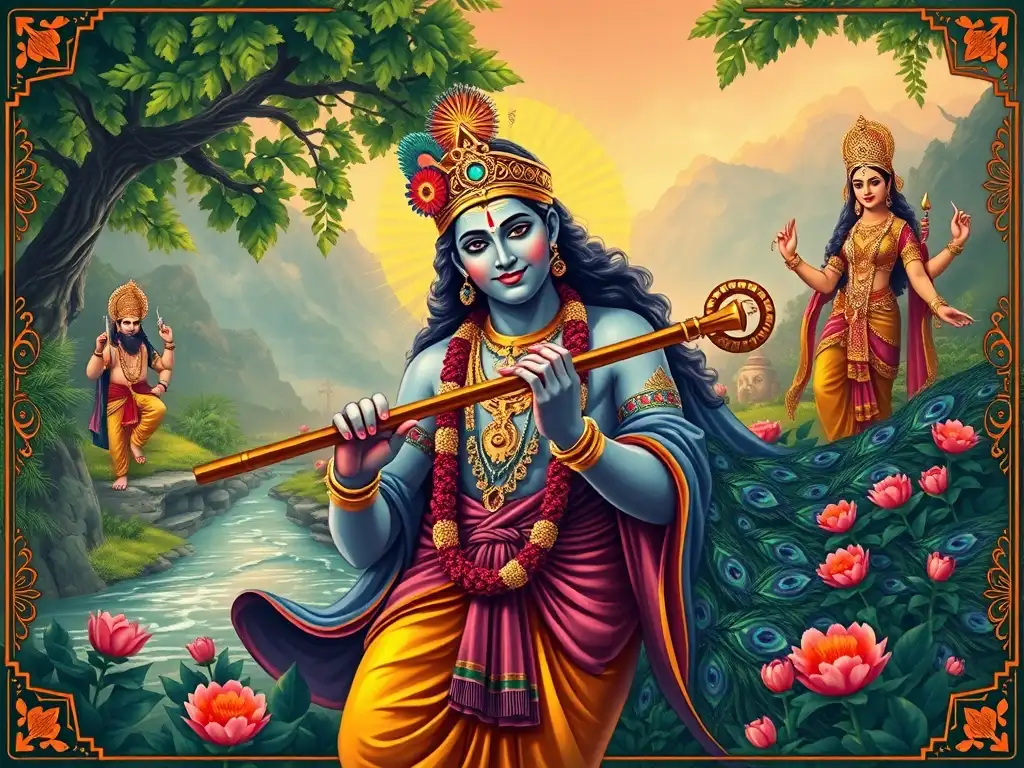
Indian mythological art is a vibrant tapestry woven with intricate symbolism that reflects the rich narratives of ancient Indian civilization. The key elements of symbolism in this art form are deeply rooted in the socio-religious context of the time, often serving not just as an aesthetic expression, but as a means of storytelling and spiritual reflection.
- Narrative Structures: Each artwork often encapsulates an entire story or myth, conveyed through visual elements. Artists use symbols to distill complex narratives into digestible forms, allowing viewers to engage with the deeper meanings behind the visuals.
- Cultural Context: The symbolism is often tied to cultural traditions, rituals, and philosophies, such as dharma (duty), karma (action), and moksha (liberation). These concepts are visually represented to educate and inspire the audience about moral and spiritual values.
- Materials and Techniques: The choice of materials and techniques plays an essential role in conveying symbolism. The use of vibrant colors, intricate patterns, and specific motifs can enhance the emotional and spiritual experience of the artwork, inviting viewers to explore the underlying meanings.
Colors and Their Symbolic Meanings in Indian Art
Colors in Indian mythological art are not merely decorative; they are imbued with profound symbolic meanings that contribute to the narrative conveyed in the artwork. Each color often represents specific emotions or concepts:
- Red: Symbolizes energy, passion, and power. It is frequently used in depictions of deities, especially in the context of love and devotion.
- Blue: Represents the infinite, the divine, and the cosmic. Deities like Krishna and Vishnu are often depicted in blue, reflecting their transcendental nature.
- Yellow: Associated with knowledge, learning, and purity. This color often appears in representations of wisdom and enlightenment.
- Green: Symbolizes fertility and prosperity, often linked to nature and life, and is frequently found in depictions of deities connected to agriculture and abundance.
- White: Represents purity, peace, and truth. It is commonly used in the portrayal of ascetic figures or divine beings in their purest forms.
Shapes and Forms: The Language of Visual Narratives
Shapes and forms in Indian mythological art serve as a visual language that communicates complex narratives and spiritual concepts. The use of geometric forms, as well as organic shapes, plays a crucial role in defining the aesthetics and the underlying symbolism of the artwork.
- Curvilinear Forms: Often found in representations of nature and divine figures, these shapes convey fluidity and grace, symbolizing the interconnectedness of life and the spiritual realm.
- Geometric Patterns: These shapes often signify order and harmony in the universe. They can represent the cycle of life, cosmic forces, or the mathematical precision of creation.
- Symmetry and Asymmetry: Symmetrical designs often represent balance and harmony, while asymmetrical forms can illustrate the dynamic nature of life, suggesting movement and change.
Iconography in Indian Mythological Art: Understanding Deities and Myths
Iconography is a critical aspect of Indian mythological art, as it provides a framework for understanding the various deities, their attributes, and the myths associated with them. Through specific symbols and motifs, artists convey narratives that are rich in meaning.
- Deities and Attributes: Each deity is depicted with unique attributes that signify their powers and roles. For example, Durga is often shown with multiple arms, symbolizing her ability to combat evil forces simultaneously.
- Symbolic Animals: Animals often accompany deities, each carrying its own symbolism. For instance, the lion symbolizes strength and courage, often seen with goddess Durga, while the elephant represents wisdom and prosperity, associated with Ganesha.
- Mythological Scenes: Artworks frequently depict significant events from mythology, such as the churning of the ocean or the battle of good versus evil, serving as visual narratives that encapsulate moral lessons.
Major Themes in Indian Mythological Art Symbolism
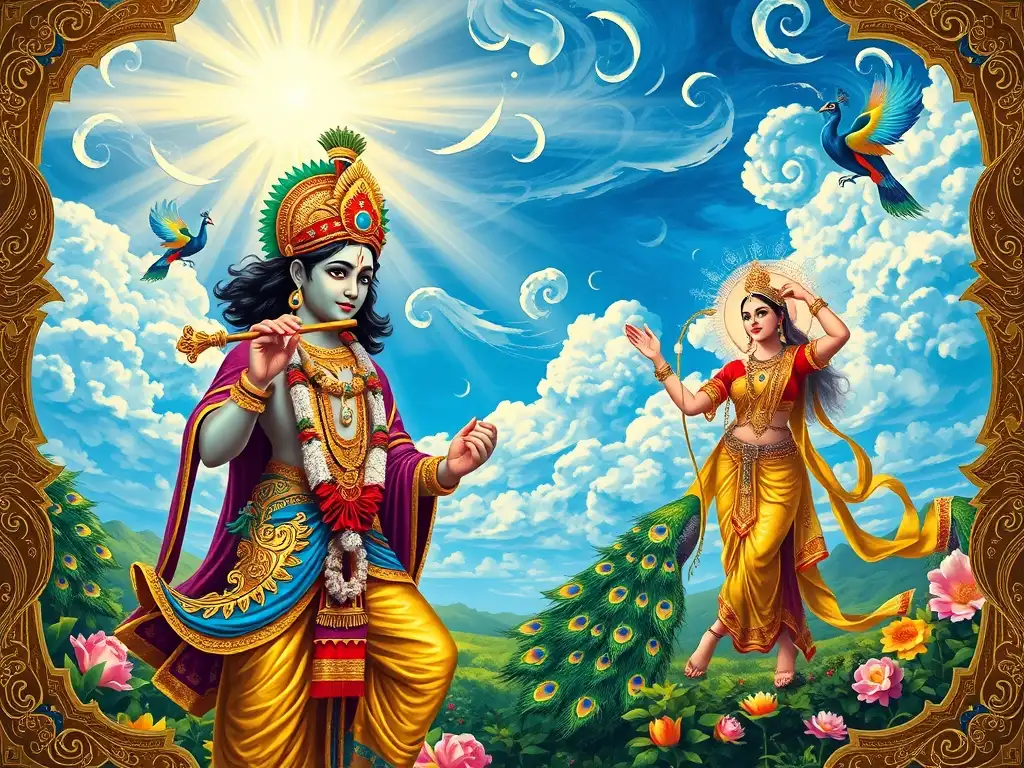
The themes present in Indian mythological art symbolism reflect the core philosophies and beliefs of ancient Indian culture. These themes often resonate with the viewer, inviting them to contemplate the deeper meanings behind the imagery.
The Concept of Dharma and its Representation
Dharma, or righteousness, is a central theme in Indian mythology and art. It represents the moral order of the universe and the duty of individuals to uphold it.
- Visual Representations: Artists illustrate dharma through scenes depicting virtuous actions, heroic deeds, and the triumph of good over evil. The depiction of characters like Rama exemplifies adherence to dharma, showcasing his role as an ideal man and king.
- Symbolic Context: The balance between dharma and adharma (unrighteousness) is often portrayed in the art, emphasizing the struggles faced by heroes in maintaining moral integrity.
The Role of Karma in Artistic Narratives
Karma, the law of cause and effect, is another significant theme in Indian mythological art. It illustrates how actions lead to consequences, shaping the destinies of individuals.
- Artistic Depictions: Artists depict the cycle of birth, death, and rebirth, often illustrating scenes that highlight the interplay of karma in the lives of mythological characters.
- Moral Lessons: Through these narratives, viewers are encouraged to reflect on their actions and the impact they have on their spiritual journey.
Exploration of Love and Devotion in Mythological Art
Love and devotion are prominent themes in Indian mythological art, celebrating the relationships between gods and devotees.
- Divine Love: The love stories of deities such as Radha and Krishna are commonly illustrated, symbolizing the ideal of devotion (bhakti) and the spiritual union between the divine and the devotee.
- Symbolism of Devotion: Artists use motifs like the lotus flower, which represents purity and spiritual awakening, to convey the depth of devotion and the beauty of surrendering to the divine.
The symbolism behind Indian mythological art is a complex and rich narrative that intertwines color, shape, iconography, and thematic elements, inviting viewers to explore and reflect on the profound cultural and spiritual heritage of ancient India.
Regional Variations in Indian Mythological Art
Indian mythological art is a vivid tapestry woven from the diverse threads of regional styles, cultural influences, and historical narratives. Each region of India has developed its own unique expressions of mythological themes, drawing from local traditions, religious beliefs, and artistic techniques. This regional diversity not only reflects the rich cultural heritage of India but also adds depth to the understanding of Indian mythological art symbolism. From the intricate frescoes of Rajasthan to the vibrant Pattachitra of Odisha, each style carries its own story, laden with symbolism that resonates with the people who created it.
North Indian Mythological Art: Styles and Symbolism
North Indian mythological art is characterized by its elaborate and ornate styles, often seen in traditional paintings such as Mughal miniatures and Rajput paintings. The symbolism in these artworks is profound, with each color, form, and figure carrying specific meanings. For instance, the use of red often symbolizes passion and love, while blue is associated with the divine presence of deities like Krishna.
The themes frequently revolve around epics such as the Ramayana and Mahabharata, where scenes depicting battles, divine interventions, and romantic escapades are common. The Mughal inspiration also introduces a blend of Persian art, which emphasizes intricate detail and rich color palettes. The incorporation of flora and fauna not only enhances the aesthetic appeal but also serves to symbolize the connection between the divine and nature.
South Indian Mythological Art: Unique Features and Narratives
South Indian mythological art stands out through its distinctive styles, such as Tanjore paintings and the intricate sculptures found in ancient temples. Tanjore paintings, known for their rich colors and use of gold foil, depict divine figures and mythological narratives with a focus on depth and texture. The symbolism in these artworks often conveys devotion, with the presence of deities like Shiva, Vishnu, and Durga signifying protection, prosperity, and strength.
The temple sculptures of South India tell stories from Hindu mythology and are often adorned with intricate carvings that convey various emotions and spiritual messages. The use of vibrant colors and elaborate ornamentation in these artworks reflects the cultural significance of rituals and the deep reverence for mythology in South Indian society. Each piece serves as a visual narrative, inviting viewers to delve into the stories of the gods and their interactions with humanity.
Eastern and Western Influences on Indian Mythological Art
Eastern and Western influences have played a significant role in shaping the evolution of Indian mythological art. In the East, the arrival of Buddhism introduced new themes and styles, particularly in regions like Bengal and Odisha. The Pattachitra tradition of Odisha showcases narratives from the Puranas and is characterized by intricate detailing and vibrant colors, often incorporating folk elements that resonate with local traditions.
Western influences, particularly during the colonial period, brought about a fusion of styles. Artists began to experiment with new techniques and mediums, integrating Western realism with traditional themes. This cross-cultural exchange enriched Indian mythological art, leading to innovative interpretations and expressions that continue to evolve today. The blending of styles not only broadened the scope of artistic expression but also deepened the symbolic narratives within the artworks.
Techniques and Mediums in Indian Mythological Art
The richness of Indian mythological art is not only attributed to its themes and narratives but also to the diverse techniques and mediums used by artists. Traditional methods such as painting on cloth, wood, and frescoes coexist with modern techniques, creating a dynamic landscape of artistic expression. Each medium contributes to the symbolism and aesthetic value of the artwork, making the techniques an integral part of the storytelling process.
Traditional Techniques Used in Indian Mythological Art
Traditional techniques in Indian mythological art often involve meticulous processes that require a deep understanding of materials and methods. For example, the art of fresco painting, prevalent in temples, involves applying natural pigments mixed with lime on freshly laid plaster, allowing the colors to bond with the surface over time. This technique not only ensures durability but also enhances the vibrancy of the colors, which symbolize various aspects of life and spirituality.
Other traditional methods include the use of natural dyes and pigments derived from plants and minerals, which imbue the artwork with cultural significance. The intricate process of gold leaf application in Tanjore paintings adds a luxurious dimension, symbolizing divinity and wealth. These techniques, passed down through generations, showcase the artisans' skills and their deep connection to the stories they depict.
The Impact of Modern Techniques on Symbolism
Modern techniques have introduced new dimensions to Indian mythological art, allowing for innovative interpretations and broader accessibility. The use of digital media, for instance, has enabled artists to experiment with color and form in ways that traditional methods might restrict. This shift not only expands the reach of mythological themes but also invites contemporary audiences to engage with ancient narratives in a modern context.
Furthermore, modern artists often blend traditional motifs with contemporary themes, creating works that resonate with current societal issues while still honoring mythological symbolism. This fusion offers a fresh perspective on age-old stories, making them relevant to today's viewers. The use of mixed media and installations in galleries presents mythological narratives in immersive ways, encouraging deeper reflection on their meanings and significance in the modern world. The evolution of techniques thus continues to shape the symbolism inherent in Indian mythological art, bridging the past with the present.
Case Studies of Iconic Indian Mythological Artworks
Indian mythological art is rich with narratives that convey profound symbolism and cultural values. This art form has historically served not only as a medium of aesthetic expression but also as a storytelling device that encapsulates the essence of ancient Indian philosophies and beliefs. In this section, we delve into two iconic artworks: "The Birth of Krishna" and "Raja Ravi Varma's Depiction of Shakuntala." Through these case studies, we will explore the intricate symbolism and cultural contexts that define these masterpieces.
Analysis of "The Birth of Krishna": Symbolism and Narrative
"The Birth of Krishna," a popular theme in Indian art, captures the divine moment of Lord Krishna's arrival into the world, a pivotal event in Hindu mythology. This artwork is rich in symbolism, with each element meticulously crafted to convey deeper meanings.
- Color Palette: The use of vibrant colors such as blue and gold signifies divinity and richness, reflecting Krishna's status as a god. The blue hue often symbolizes the infinite sky and ocean, representing his omnipresence and eternal nature.
- Composition: The composition typically includes key figures such as Devaki and Vasudeva, whose expressions of joy and relief emphasize the significance of Krishna’s birth. Surrounding them are celestial beings and animals, illustrating the universal celebration of this event.
- Narrative Elements: The depiction often showcases the prison cell where Krishna was born, accentuating the themes of divine intervention and liberation from tyranny. The presence of the river Yamuna, which Krishna would later cross, adds an additional layer of meaning regarding his journey and adventures.
This artwork not only narrates a mythological story but also encapsulates themes of hope, divine grace, and the triumph of good over evil, resonating deeply within the cultural fabric of India.
Examination of "Raja Ravi Varma's Depiction of Shakuntala": Cultural Context and Meaning
Raja Ravi Varma’s portrayal of Shakuntala is a hallmark of Indian mythological art, beautifully merging traditional themes with a modern artistic style. This artwork draws inspiration from the ancient Sanskrit play "Shakuntala" by Kalidasa, which tells the poignant love story between Shakuntala and King Dushyanta.
- Symbolism in Characters: Shakuntala is depicted with an ethereal beauty, symbolizing purity and the ideal woman in Indian culture. Her attire and adornments reflect her royal lineage and connection to nature, emphasizing her dual identity as both a daughter of the earth and a queen.
- Use of Nature: The lush forest background is not merely a setting but serves as a symbol of fertility, love, and the transient nature of life. It reflects the connection between the characters and the natural world, reinforcing themes of love and sacrifice.
- Emotional Depth: The expressions of Shakuntala convey longing and devotion, embodying the emotional core of the narrative. This emotional depth resonates with viewers, inviting them to reflect on the complexities of love and destiny.
Ravi Varma’s artwork exemplifies the integration of classical themes with contemporary artistic techniques, highlighting the evolution of Indian art while maintaining its roots in mythology and culture.
The Role of Indian Mythological Art in Contemporary Society
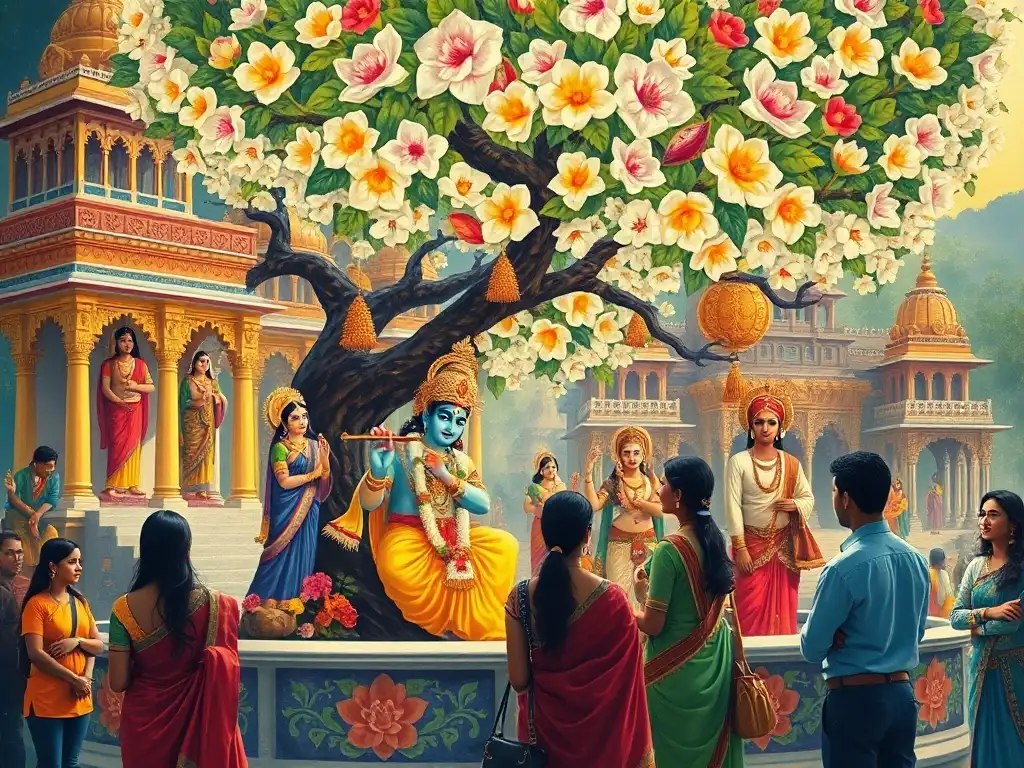
Indian mythological art continues to thrive in contemporary society, influencing various facets of culture and artistic expression. Its relevance is evident in the revival of traditional themes and the widespread appreciation of its rich symbolism.
Reviving Traditional Symbolism in Modern Art
Modern artists are increasingly drawing inspiration from Indian mythological art, reviving traditional symbolism to create works that resonate with contemporary audiences. This resurgence involves:
- Fusion of Styles: Contemporary artists blend traditional techniques with modern aesthetics, creating pieces that honor the past while appealing to present-day sensibilities. This fusion allows for a fresh interpretation of mythological themes, making them accessible to a broader audience.
- Social Commentary: Many modern artworks inspired by mythological themes address contemporary social issues, using traditional narratives as a lens through which to explore topics such as gender, identity, and environmental concerns. This integration offers a powerful commentary on the relevance of ancient wisdom in today's world.
- Cultural Preservation: The revival of traditional symbolism ensures the preservation of India's rich cultural heritage, as artists strive to keep these narratives alive in a rapidly changing society. Workshops and exhibitions dedicated to mythological art foster appreciation and understanding among younger generations.
The Influence of Indian Mythological Art on Global Art Trends
Indian mythological art has made significant inroads into global art trends, influencing artists and movements worldwide. This impact can be seen through:
- Cross-Cultural Collaborations: Artists from different cultural backgrounds are increasingly collaborating, incorporating elements of Indian mythological art into their works. This exchange enriches the global art scene, promoting a dialogue between diverse artistic traditions.
- Exhibitions and Festivals: International exhibitions featuring Indian mythological art have garnered attention, showcasing the richness of this tradition to global audiences. Art festivals celebrating Indian culture often highlight mythological themes, fostering cross-cultural understanding and appreciation.
- Digital Art and Media: The rise of digital platforms has enabled artists to reinterpret Indian mythological themes in innovative ways, reaching global audiences. Animated adaptations, graphic novels, and digital paintings are modern mediums through which these ancient narratives are being retold.
Indian mythological art not only serves as a window into ancient narratives but also continues to evolve, impacting contemporary society and global art trends while preserving its profound symbolism and cultural significance.
Conclusion: The Enduring Legacy of Indian Mythological Art Symbolism
The symbolism inherent in Indian mythological art serves as a profound testament to the creativity, spirituality, and cultural richness of ancient Indian civilizations. This art form transcends mere aesthetics, embodying narratives that reflect the values, beliefs, and philosophical insights of a society deeply intertwined with its mythology. From the intricate depictions of deities to the vibrant portrayals of cosmic battles, every element in these artworks conveys layers of meaning and serves to communicate complex ideas about life, morality, and the universe.
The enduring legacy of Indian mythological art lies not only in its visual splendor but also in its ability to connect generations. As stories are passed down through art, they become a means of preserving cultural identity and educating future generations. This symbolism continues to inspire contemporary artists and scholars, ensuring that the narratives remain alive and relevant in modern discourse.
Reflecting on the Importance of Cultural Narratives
Cultural narratives play a crucial role in shaping societal values and individual identities. Indian mythological art acts as a visual narrative that encapsulates the ethos of its time, providing insight into the worldview of ancient societies. The stories depicted in this art often emphasize themes such as dharma (duty), karma (action and consequence), and the cyclical nature of life.
These narratives serve as a bridge between the past and the present, enabling individuals to explore their heritage and understand their place within it. The characters and events portrayed in mythological art resonate with universal human experiences, making them relatable across different cultures and time periods. By studying these narratives, we gain a deeper appreciation for the complexities of human life and the shared struggles and triumphs that define our existence.
Future Directions in the Study of Indian Mythological Art Symbolism
As the study of Indian mythological art symbolism evolves, several avenues present themselves for future exploration. One promising direction involves the integration of technology in the analysis of historical artworks. Digital tools, such as 3D modeling and virtual reality, can enhance our understanding of how these artworks were created and experienced in their original contexts.
Additionally, interdisciplinary approaches that combine art history, anthropology, and religious studies can yield richer insights into the cultural significance of mythological art. The role of regional variations in symbolism and narrative style also warrants further investigation, shedding light on the diverse interpretations and adaptations of myth across different communities in India.
Moreover, contemporary artists are increasingly drawing inspiration from traditional mythological themes, prompting a re-examination of how these symbols can be recontextualized in today’s world. This revival not only reinforces the relevance of Indian mythological art but also invites fresh interpretations that resonate with modern audiences, ensuring that the narratives continue to evolve while preserving their historical essence.
- Introduction to Indian Mythological Art Symbolism
- Understanding the Importance of Symbolism in Indian Art
- Overview of Indian Mythological Art and Its Cultural Significance
- Historical Context of Indian Mythological Art
- Key Elements of Symbolism in Indian Mythological Art
- Colors and Their Symbolic Meanings in Indian Art
- Shapes and Forms: The Language of Visual Narratives
- Iconography in Indian Mythological Art: Understanding Deities and Myths
- Major Themes in Indian Mythological Art Symbolism
- Regional Variations in Indian Mythological Art
- Techniques and Mediums in Indian Mythological Art
- Case Studies of Iconic Indian Mythological Artworks
- The Role of Indian Mythological Art in Contemporary Society
- Conclusion: The Enduring Legacy of Indian Mythological Art Symbolism
- Reflecting on the Importance of Cultural Narratives
- Future Directions in the Study of Indian Mythological Art Symbolism
- What is Indian mythological art symbolism?
- How does symbolism enhance the understanding of Indian mythological art?
- What are some common symbols used in Indian mythological art?
- How does the color palette affect the interpretation of Indian mythological art?
- What role does storytelling play in Indian mythological art?
Frequently Asked Questions
What is Indian mythological art symbolism?
Indian mythological art symbolism refers to the use of colors, forms, and motifs in art to convey deeper meanings and narratives tied to Hindu, Buddhist, and Jain traditions.
How does symbolism enhance the understanding of Indian mythological art?
Symbolism provides context and layers of meaning, allowing viewers to grasp the spiritual and cultural significance behind the artistic representations of deities, stories, and moral lessons.
What are some common symbols used in Indian mythological art?
Common symbols include the lotus representing purity, the conch shell symbolizing the universe, and various animals like elephants and peacocks that convey different attributes and stories.
How does the color palette affect the interpretation of Indian mythological art?
Colors in Indian mythological art are not just aesthetic; they hold symbolic meanings. For instance, red often signifies passion and power, while blue represents divinity and protection.
What role does storytelling play in Indian mythological art?
Storytelling is central to Indian mythological art, as it uses visual narratives to depict myths and legends, making complex philosophical ideas accessible through vivid imagery and symbolism.
Final Reflection: The Enduring Legacy of Indian Mythological Art Symbolism
The intricate tapestry of Indian mythological art symbolism continues to resonate profoundly in today's world, bridging the past with contemporary narratives. As we navigate a rapidly changing cultural landscape, the stories and symbols embedded in this art form remind us of our shared heritage and the timeless themes of love, valor, and morality that transcend generations. The vibrant colors and rich narratives serve not only as a visual feast but also as a powerful reminder of the values that shape our identities.
The influence of Indian mythological art symbolism extends beyond mere aesthetics; it plays a crucial role in shaping cultural consciousness and identity. As we engage with these narratives, we find ourselves connected to a larger story that has been told for centuries. The art invites us to reflect on our own lives and the values we hold dear. Art is the most beautiful of all lies.
– Claude Debussy. This quote encapsulates the essence of mythological art, where the beauty of the narrative lies in its ability to convey deeper truths about existence and our place within it.
As you reflect on the themes presented in this article, consider how the symbolism found in Indian mythological art can inspire your own journey. Take a moment to explore the narratives that resonate with you, and let them guide your actions and thoughts. Embrace the lessons of resilience, compassion, and unity that these stories impart, and allow them to enrich your life and the lives of those around you. In doing so, you not only honor the legacy of this art form but also contribute to the ongoing narrative that connects us all.
Unveil the Stories in Every Stroke of Indian Mythological Art!
Thank you for taking the time to explore the vibrant narratives woven into Indian mythological art. You've discovered how these breathtaking visuals encapsulate rich stories and cultural heritage. Now, let's keep the inspiration alive!
Here are some actionable steps you can take to deepen your connection with this fascinating subject:
- Dive Deeper: Visit a local museum or gallery showcasing Indian art to experience the beauty firsthand. Try to identify the symbolism you learned about!
- Share Your Insights: Discuss your newfound knowledge with friends or on social media. Encourage them to explore the significance of these artistic expressions as well!
- Create Your Own Art: Experiment with creating a piece inspired by mythological stories. This could be a drawing, painting, or even a digital artwork!
Which story or symbol from Indian mythology resonates with you the most, and why? We would love to hear your thoughts!