
The Political Philosophy of Kautilya: The Mind Behind the Maurya Empire

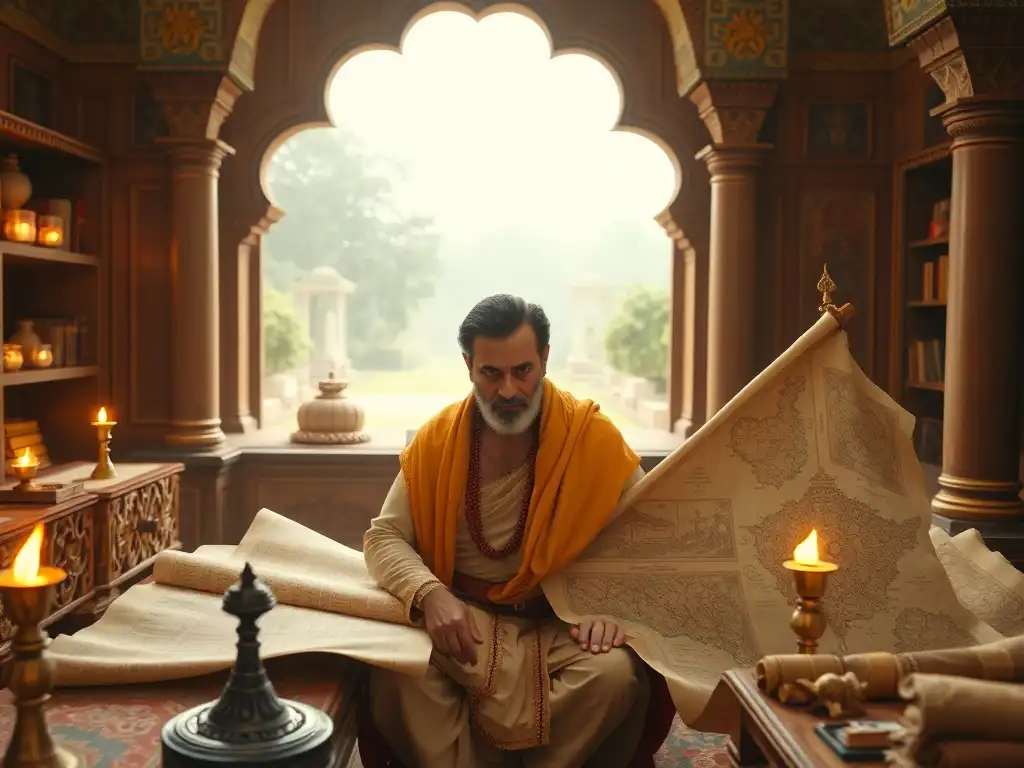
Welcome to Ancient India History, where we embark on a journey through the rich tapestry of ancient Indian civilizations. Delve into the profound depths of Kautilya's political philosophy insights, the brilliant mind that shaped the Maurya Empire and influenced governance for centuries. As we explore the intricate strategies and timeless wisdom that Kautilya imparted, you'll uncover how these ancient principles resonate even in today's political landscape. Join us as we unravel the mysteries of the past and ignite your curiosity about the incredible contributions of ancient India. Your adventure begins here!
- Introduction to Kautilya's Political Philosophy
- Kautilya's Political Philosophy Insights
- Key Texts Reflecting Kautilya's Political Insights
- The Influence of Kautilya on the Maurya Empire
- Practical Applications of Kautilya's Political Philosophy
- Critiques of Kautilya's Political Philosophy
- Conclusion: The Lasting Legacy of Kautilya's Political Insights
- Frequently Asked Questions
- Final Reflection: The Enduring Legacy of Kautilya's Political Philosophy
- Unveil the Wisdom of Kautilya Today!
Introduction to Kautilya's Political Philosophy
Kautilya, also known as Chanakya, is a towering figure in the political landscape of ancient India, whose insights into governance and statecraft continue to resonate through the ages. As the chief architect behind the Maurya Empire, Kautilya's political philosophy is not just a collection of theories but a comprehensive guide to ruling effectively in a complex world.
His seminal work, the Arthashastra, provides a pragmatic approach to politics, economics, and military strategy, reflecting the socio-political dynamics of his time. In this article, we will delve into Kautilya's political philosophy insights, exploring the historical context of the Maurya Empire and the life and contributions of this extraordinary thinker.
Understanding the Historical Context of the Maurya Empire
The Maurya Empire, established in 322 BCE, marked a significant turning point in Indian history, characterized by remarkable political unification and cultural advancement. This vast empire, under the leadership of Chandragupta Maurya and later his grandson Ashoka, spanned much of the Indian subcontinent, promoting trade, art, and philosophy.
- Political Landscape: The political environment during Kautilya's time was marked by fragmentation and instability. Various smaller kingdoms and republics existed alongside larger empires, often engaged in conflict. Kautilya's insights into administration and governance were shaped by the need for a strong, centralized authority to bring order and stability.
- Cultural Influences: The Maurya Empire was influenced by diverse cultures and philosophies, including Buddhism and Jainism. Kautilya's political strategies often reflected a synthesis of these ideas, emphasizing the importance of dharma (duty) in statecraft and the welfare of the people.
Through understanding this historical context, we can appreciate the depth of Kautilya's political philosophy and its relevance in addressing the challenges of governance in ancient India.
The Life and Contributions of Kautilya
Kautilya's life is a fascinating tale of intellect, ambition, and resilience. Born into a Brahmin family in the ancient city of Taxila, he displayed a keen intellect from a young age, eventually becoming a renowned scholar and strategist.
- Rise to Prominence: Kautilya's political career began when he became an advisor to Chandragupta Maurya. His strategic acumen was pivotal in overthrowing the Nanda Dynasty and establishing the Maurya Empire. Kautilya's ability to navigate the treacherous political waters of his time showcased his profound understanding of human nature and power dynamics.
- The Arthashastra: Kautilya's most significant contribution is undoubtedly the Arthashastra, a treatise on statecraft that encompasses various aspects of governance, economics, espionage, and military strategy. Its pragmatic approach emphasizes the role of realpolitik, where the ends often justify the means. The text remains a critical reference for understanding political philosophy and strategy, not just in India, but globally.
- Legacy: Kautilya's insights into power, ethics, and governance have left an indelible mark on political thought. His ideas on statecraft and diplomacy continue to be studied and revered, illustrating the timeless nature of his contributions.
Through this exploration of Kautilya's life and works, we gain deeper insights into the foundations of his political philosophy and its lasting impact on the Maurya Empire and beyond.
Kautilya's Political Philosophy Insights
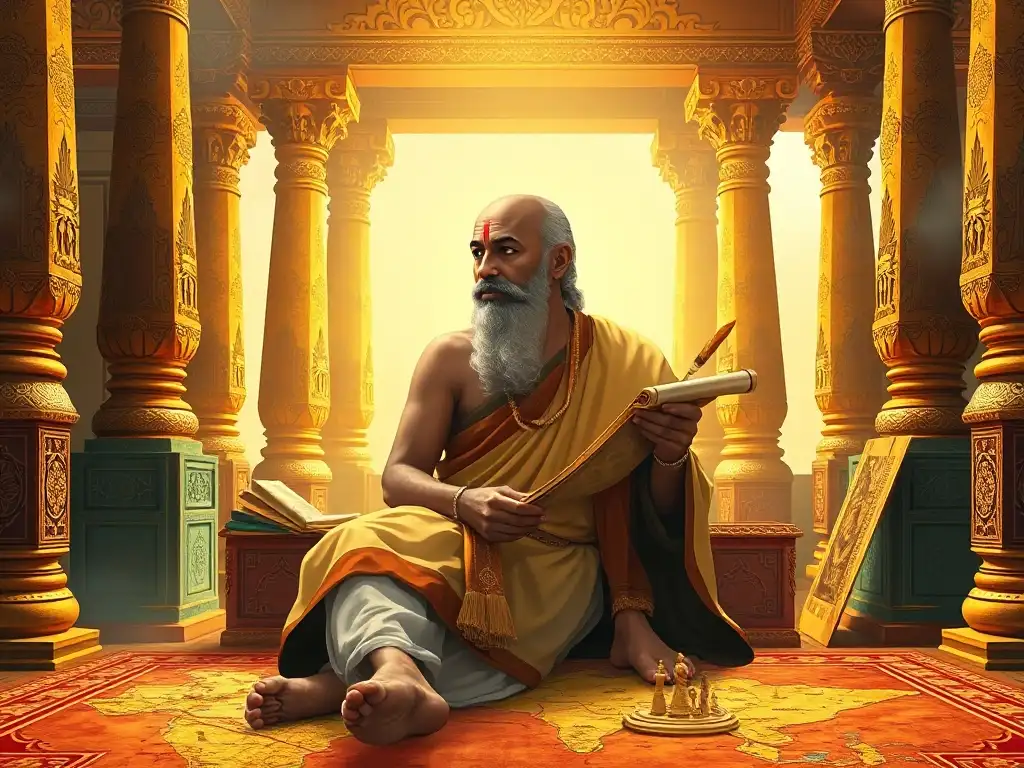
Overview of Kautilya's Key Philosophical Concepts
Kautilya, also known as Chanakya, was a prominent ancient Indian philosopher, economist, and political strategist who played a crucial role in the establishment of the Maurya Empire. His seminal work, the Arthashastra, serves as a foundational text that outlines his political philosophy, focusing on statecraft, economic policy, and military strategy. Kautilya's insights are characterized by a pragmatic approach to governance and a deep understanding of human nature, encapsulated in several key concepts:
- Dharma (Righteousness): Kautilya viewed dharma not merely as a moral obligation but as a crucial component of statecraft. He believed that a ruler must balance righteousness with the necessities of political expediency.
- Artha (Wealth): He emphasized the importance of artha, or material prosperity, as a means to achieve stability and power. Kautilya argued that a strong economy supports a strong state.
- Shakti (Power): Recognizing the transient nature of power, Kautilya believed that a ruler must constantly seek to strengthen their position through alliances, espionage, and military prowess.
These concepts, interwoven with a keen analysis of political dynamics, form the bedrock of Kautilya's political philosophy, offering a comprehensive framework for understanding statecraft in ancient India.
The Role of Realism in Kautilya's Political Thought
Kautilya's political philosophy is often described as profoundly realistic, contrasting sharply with idealistic theories that prioritize moral values over practical considerations. His realism can be dissected into several noteworthy aspects:
- Human Nature: Kautilya held a rather somber view of human nature, believing that individuals are inherently self-interested. This perspective led him to advocate for a ruler who must be cunning and resourceful, often employing manipulation and deceit to maintain power.
- Pragmatic Governance: He suggested that rulers should focus on practical solutions to political challenges rather than adhering strictly to ethical norms. For instance, he rationalized that the ends often justify the means, implying that unethical actions could be acceptable if they served the greater goal of state stability.
- Strategic Alliances: Kautilya stressed the significance of forming alliances based on situational advantages rather than lasting friendships. His strategic approach underscores the necessity of adaptability in political relationships.
Kautilya's emphasis on realism provides a stark contrast to the more utopian ideals seen in other philosophical traditions, positioning him as a pioneering figure in the development of pragmatic political thought.
Comparison of Kautilya's Philosophy with Other Ancient Political Theorists
When comparing Kautilya's political philosophy with other ancient political theorists, several noteworthy contrasts and similarities emerge:
- Plato: Unlike Kautilya, who embraced a pragmatic and often cynical view of politics, Plato envisioned an ideal state governed by philosopher-kings. Plato's focus on the moral and ethical dimensions of governance stands in stark contrast to Kautilya's endorsement of realpolitik.
- Aristotle: While Aristotle acknowledged the role of ethics in politics, he also recognized the importance of practical governance. However, Kautilya's approach is more incisive in its recognition of the manipulative nature of power, as Aristotle’s Nicomachean Ethics leans towards virtue ethics and moral integrity.
- Sun Tzu: Kautilya's philosophies bear resemblance to those presented in The Art of War by Sun Tzu, particularly in terms of strategy and the importance of deception. Both thinkers advocate for the necessity of cunning and adaptability in warfare, yet Kautilya extends these principles into the broader sphere of governance and statecraft.
Kautilya's political philosophy offers a unique lens through which to analyze ancient governance. His insights into human nature, power dynamics, and the pragmatic application of ethics resonate through the ages, making his contributions invaluable to the study of political philosophy.
Key Texts Reflecting Kautilya's Political Insights
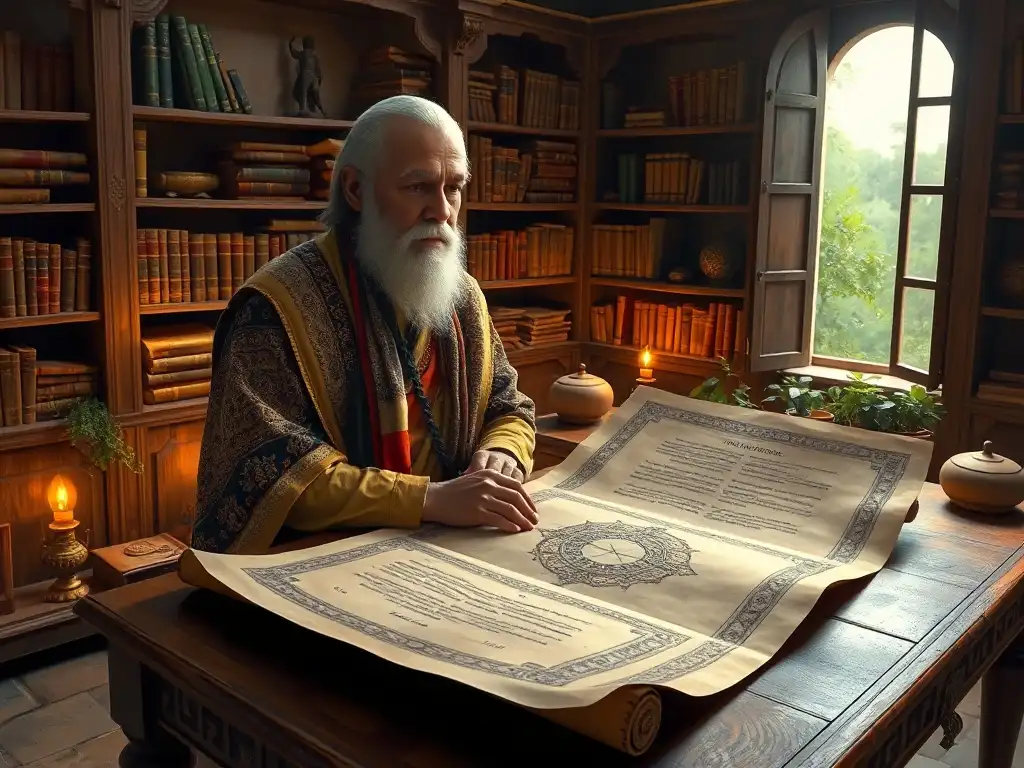
The Arthashastra: A Comprehensive Guide to Governance
Kautilya, also known as Chanakya, is best remembered for his seminal work, the Arthashastra, which serves as a foundational text in the study of political philosophy and statecraft in ancient India. Composed in the 4th century BCE, this treatise offers a pragmatic approach to governance, focusing on the principles of power, strategy, and economics.
The Arthashastra is divided into 15 books, each addressing different aspects of governance, warfare, economics, and diplomacy. The text emphasizes the need for a ruler to be well-versed in various disciplines, including politics, military strategy, and economics. Kautilya's views are characterized by a realist perspective, advocating for the use of cunning and intelligence in political affairs.
Key elements of the Arthashastra include:
- Statecraft: Kautilya outlines various strategies for maintaining power, emphasizing the importance of espionage, alliances, and the manipulation of rivals.
- Economic Policy: The text discusses taxation, trade, and resource management, reflecting Kautilya's belief that economic strength is vital for political stability.
- Military Strategy: Kautilya provides insights into warfare, advising rulers on how to prepare for and conduct military campaigns effectively.
The Arthashastra not only serves as a guide for rulers of the time but also continues to influence contemporary political thought and practices. Its emphasis on pragmatic governance is particularly relevant in today's political landscape, where strategic decision-making is essential for effective leadership.
Major Themes in the Arthashastra and Their Relevance Today
Kautilya's Arthashastra encompasses several major themes that resonate with modern political and economic issues. The insights drawn from these themes offer valuable lessons for contemporary governance.
- Realpolitik: Kautilya's advocacy for a realistic approach to power dynamics emphasizes the necessity of understanding geopolitical circumstances. This theme remains pertinent today as leaders navigate complex international relations and conflicts.
- Machiavellianism: Often compared to Machiavelli's works, the Arthashastra teaches that ethical considerations may need to be set aside for the greater good of the state. This perspective raises important discussions about the moral implications of political actions in modern governance.
- The Role of Intelligence: Kautilya stressed the importance of intelligence gathering to make informed decisions. In today’s world, the use of data analytics and intelligence services echoes this ancient wisdom, underscoring the need for accurate information in policy-making.
- Economic Management: The treatise details effective economic policies, including taxation and resource allocation, which are crucial for maintaining state stability. Current governments can draw from Kautilya's framework to address economic challenges, especially in developing nations.
- Diplomacy and Alliances: Kautilya’s strategies on forming alliances and managing relations with neighboring states reflect the ongoing importance of diplomacy in global politics. The ability to forge strategic partnerships remains a cornerstone of international relations today.
Kautilya's political philosophy insights, as articulated in the Arthashastra, continue to inspire political leaders and scholars alike. By studying these ancient texts, modern civilizations can glean valuable lessons on leadership, governance, and the complexities of human behavior in the political sphere.
The Influence of Kautilya on the Maurya Empire
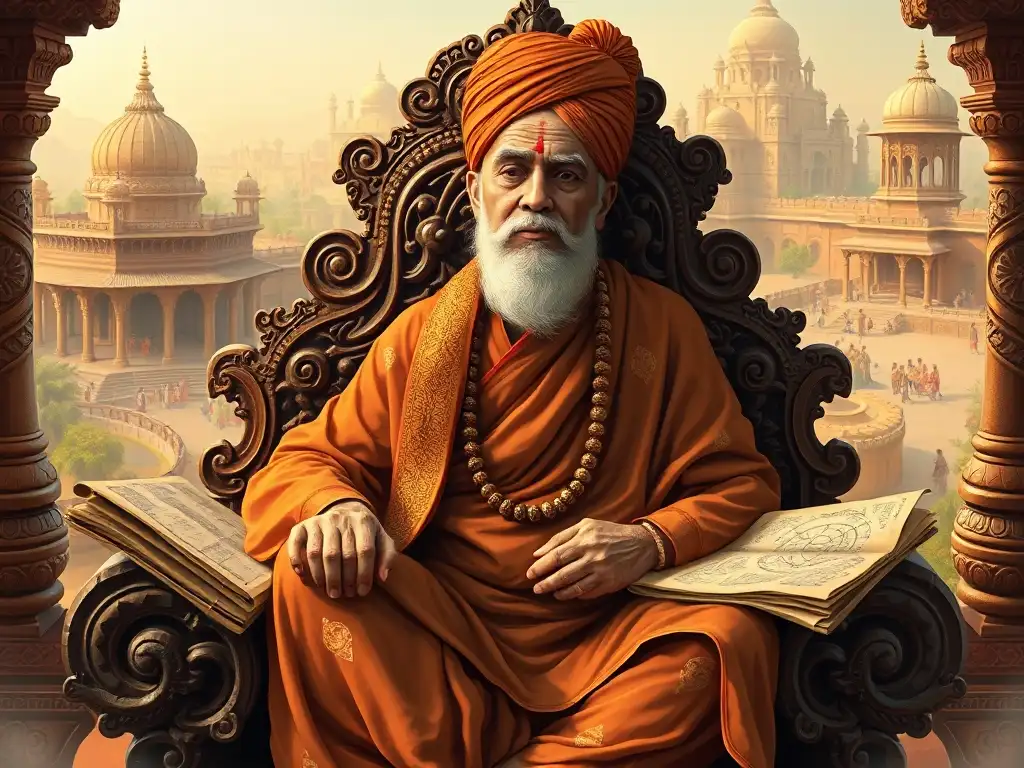
Kautilya, also known as Chanakya, was a pivotal figure in shaping the political landscape of the Maurya Empire. His profound insights into statecraft and governance provided the theoretical framework that guided Emperor Chandragupta Maurya and his successors. Kautilya's political philosophy emphasized pragmatism, realpolitik, and the importance of a strong, centralized authority, which were instrumental in the empire's expansion and stability.
Kautilya's masterpiece, the Arthashastra, serves as a comprehensive guide to the management of state affairs, encompassing various aspects of governance, economics, and military strategy. His teachings on the importance of intelligence and espionage, the role of the ruler, and the necessity of a well-organized administration laid the groundwork for the effective governance that characterized the Maurya Empire. The philosophical underpinnings of Kautilya's thought resonated throughout the empire, influencing not only rulers but also the bureaucratic and military structures that supported them.
How Kautilya Shaped the Political Structure of the Maurya Empire
Kautilya's insights into political philosophy were crucial in establishing a robust political structure within the Maurya Empire. His belief in a centralized authority meant that power was concentrated in the hands of the emperor, supported by a well-defined hierarchy of officials and advisors. The administrative framework he proposed emphasized efficiency, accountability, and the need for a loyal and skilled bureaucracy.
- Centralization of Power: Kautilya advocated for a strong central government, where the king held ultimate authority. This centralization enabled swift decision-making and the implementation of policies across the vast territories of the empire.
- Bureaucratic Organization: Kautilya's vision included a detailed and systematic approach to administration. He categorized officials into various departments, each responsible for specific aspects of governance, such as finance, military, and public works. This specialization allowed for better management of resources and enhanced the effectiveness of governance.
- Role of Advisors: Kautilya emphasized the importance of wise counsel. The ruler was advised not only by ministers but also by a council of experts, which included scholars and military leaders. This diverse input ensured that decisions were well-informed and strategically sound.
- Legal and Economic Framework: The Arthashastra provided guidelines for legal systems and economic policies, ensuring that the state operated smoothly. Kautilya's emphasis on law and order helped maintain stability, which was essential for the prosperity of the empire.
Kautilya's Strategies for Statecraft and Diplomacy
Kautilya's strategies for statecraft and diplomacy were characterized by a cunning blend of pragmatism and ethical considerations. His approach to governance included several key strategies that not only fortified the Maurya Empire but also positioned it effectively against external threats.
- Realpolitik: Kautilya advocated for a realistic approach to politics, where moral considerations were secondary to the state’s interests. This meant utilizing any means necessary to achieve political goals, including alliances, subterfuge, and warfare.
- Diplomatic Alliances: Kautilya understood the importance of forming alliances to strengthen the empire. He encouraged strategic marriages, treaties, and partnerships with neighboring states to create a network of support and security.
- Intelligence Gathering: One of Kautilya's notable contributions was his emphasis on intelligence and espionage. He believed that understanding the intentions and capabilities of rivals was crucial for making informed decisions. The establishment of a sophisticated network of spies allowed the Maurya Empire to preempt potential threats and maneuver politically against adversaries.
- Military Strategy: Kautilya's insights into military organization and strategy played a vital role in the empire’s expansion. He advocated for a well-trained army, capable of swift action, and a comprehensive approach to warfare that included psychological tactics and the use of deception.
Kautilya’s political philosophy insights were foundational in crafting a political structure that not only supported the Maurya Empire’s growth but also established a legacy of governance that would influence future generations. His ideas on statecraft and diplomacy continue to be studied for their relevance and application in contemporary political thought.
Practical Applications of Kautilya's Political Philosophy
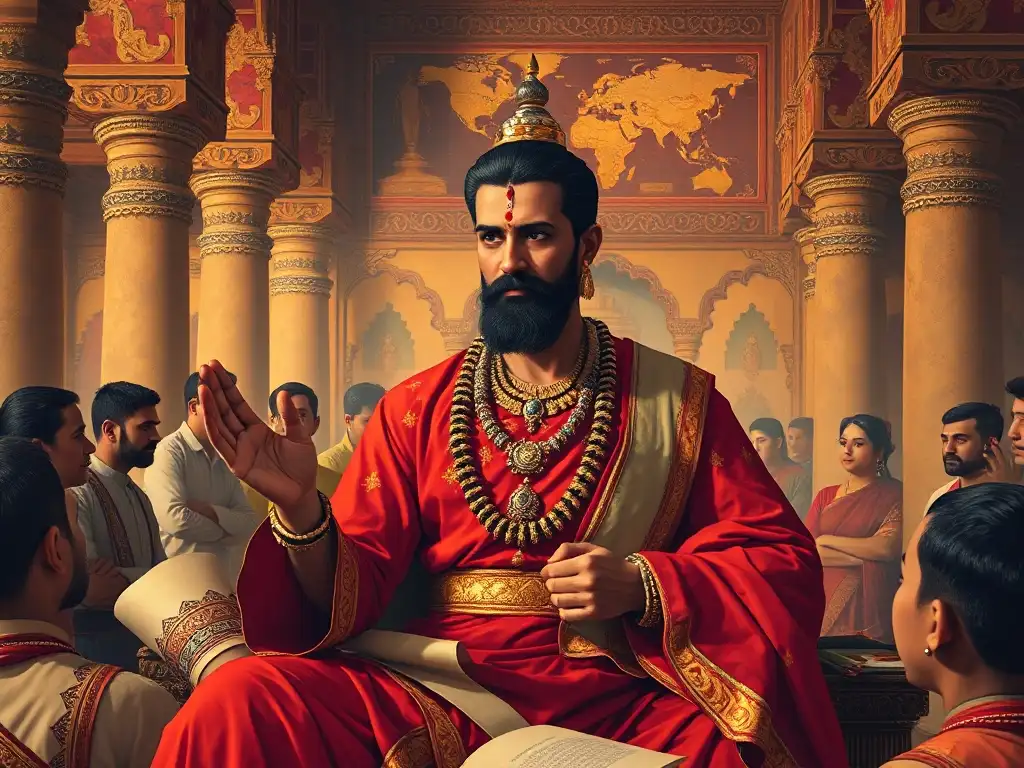
Kautilya, also known as Chanakya, was a profound strategist and philosopher whose thoughts on governance and statecraft have transcended time. His seminal work, the Arthashastra, not only delineates the political philosophy of ancient India but also offers practical applications that can be adapted to contemporary governance. Understanding Kautilya's insights provides valuable lessons for modern leaders and policymakers.
Lessons from Kautilya for Modern Governance
Kautilya's political philosophy emphasizes pragmatism, realism, and a keen understanding of human nature. Here are several key lessons that modern governance can draw from his teachings:
- Realpolitik Approach: Kautilya advocated for a practical approach to politics, where the end justified the means. This principle can be applied in current political strategies, urging leaders to focus on effective governance rather than being bogged down by ideological constraints.
- The Importance of Intelligence: Kautilya stressed the significance of intelligence gathering and espionage in governance. Modern states can take this lesson to enhance their intelligence operations to inform decision-making and anticipate challenges.
- Adaptability: Kautilya believed in the necessity of adapting strategies based on changing circumstances. For today’s leaders, this underscores the importance of flexibility in policymaking, allowing for adjustments in response to societal needs and global changes.
- Ethics in Leadership: While Kautilya is often viewed as a proponent of cunning tactics, he also emphasized the virtue of ethical leadership. Modern governance can benefit from combining effective strategies with ethical standards, fostering trust and legitimacy among citizens.
- Economic Management: Economic stability was critical in Kautilya’s vision, with a strong focus on resource management. Today’s policymakers can learn the importance of sustainable economic practices to ensure the prosperity of their nations.
- Strategic Alliances: Kautilya advocated for forming alliances to strengthen positions against adversaries. This lesson remains relevant today, as nations often need to collaborate to address global issues such as climate change, security, and trade.
By applying these lessons, modern governance can enhance its effectiveness and resilience, drawing from the profound wisdom of Kautilya.
The Relevance of Kautilya's Insights in Contemporary Political Discourse
Kautilya's political philosophy continues to resonate in contemporary political discourse, particularly in the context of global challenges and governance strategies. Here are some ways in which his insights remain pertinent today:
- Geopolitical Strategy: In an era of complex international relations, Kautilya's emphasis on strategic positioning and diplomatic maneuvering serves as a guide for states navigating power dynamics and competing interests.
- Conflict Resolution: Kautilya’s understanding of conflict and its resolution through negotiation and power balance is crucial in contemporary discourse on peacebuilding and conflict management. His strategies can inform methods to resolve disputes effectively.
- Social Contract Theory: Kautilya’s ideas can be viewed as a precursor to social contract theories, where the relationship between the ruler and the ruled is foundational. This concept remains vital in discussions about governance legitimacy and citizen engagement.
- Leadership Qualities: The qualities of a ruler, as described by Kautilya, emphasize wisdom, decisiveness, and foresight. Modern political leaders can reflect on these attributes to cultivate effective leadership styles that resonate with citizens.
- Policy Formulation: Kautilya’s analytical framework for understanding societal dynamics can enhance contemporary policy formulation, encouraging evidence-based approaches to governance that address the root causes of issues rather than merely their symptoms.
Kautilya's political philosophy offers a treasure trove of insights that are not only historically significant but also remarkably applicable to the challenges faced by modern governance. By embracing these principles, contemporary leaders can navigate the complexities of today's political landscape with greater efficacy and foresight.
Critiques of Kautilya's Political Philosophy
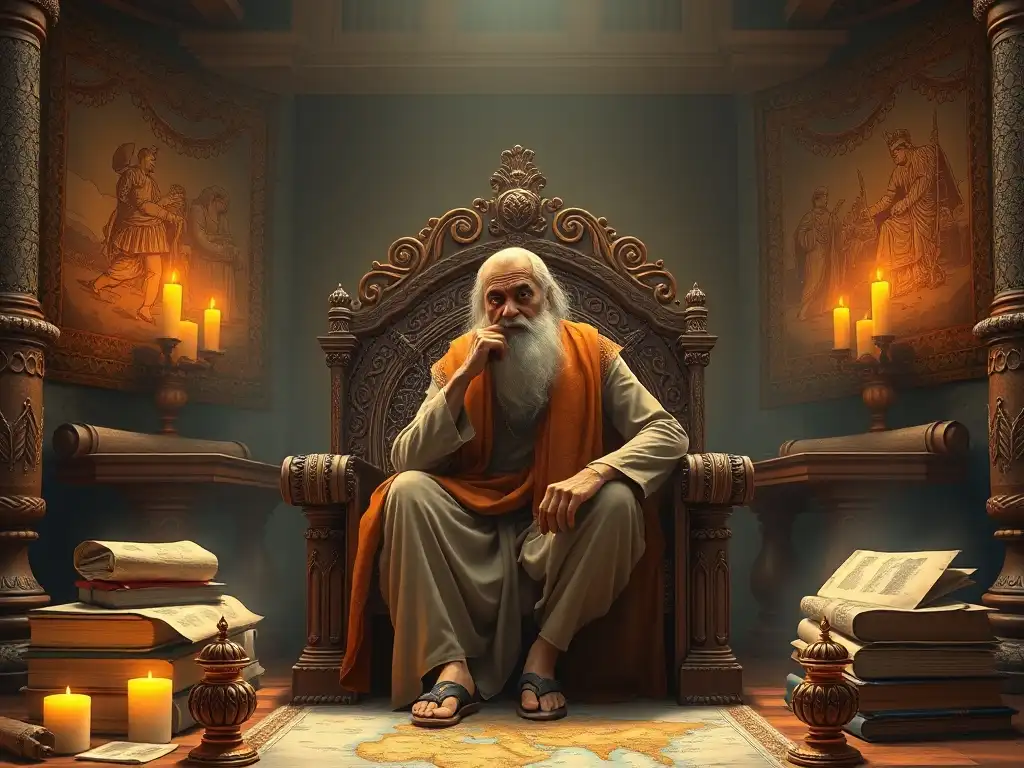
Kautilya, also known as Chanakya, is often hailed as a master strategist and philosopher, credited with laying the foundations of political philosophy in ancient India through his seminal work, the Arthashastra. However, his ideas have sparked considerable debate and critique, particularly regarding their ethical implications and alignment with moral values. Understanding these critiques is essential to grasp the full scope of Kautilya's political philosophy insights.
Analyzing the Ethical Dimensions of Kautilya's Ideas
Kautilya's political philosophy is steeped in realism, emphasizing the importance of power, statecraft, and the pragmatic aspects of governance. While his insights into political strategy are invaluable, they raise significant ethical questions.
- Realism vs. Idealism: Kautilya's approach is often viewed as a stark contrast to idealistic political theories that prioritize morality and ethics above all else. His assertion that "the end justifies the means" challenges traditional ethical frameworks. This perspective has led to critiques that Kautilya's philosophy promotes manipulation and deceit as acceptable tools in politics.
- The Role of Deceit: One of the most contentious aspects of Kautilya's thought is his endorsement of deception in political maneuvering. He argues that a wise ruler must be prepared to employ cunning tactics to maintain power and stability. Critics argue that this undermines the moral integrity of leadership, suggesting that Kautilya's insights could lead to a culture of mistrust and treachery in governance.
- Consequentialism: Kautilya's focus on outcomes rather than methods aligns him with consequentialist ethical theories. This raises questions about the moral cost of political decisions. For instance, while his strategies may yield short-term stability or success, they can also result in long-term societal harm, suggesting that his insights may be too narrow in scope.
- Gender and Social Hierarchy: Kautilya's writings reflect the patriarchal norms of his time, which has led to critiques regarding his views on women and social hierarchy. His advice often reinforces existing power structures, limiting the role of women in political life and endorsing a rigid social order. This aspect of his philosophy is seen as a significant ethical flaw, as it fails to advocate for equality and justice.
The Debate on Morality and Pragmatism in Kautilya's Thought
The tension between morality and pragmatism in Kautilya's political philosophy has spurred extensive debate among scholars and political theorists. This discourse can be categorized into several key areas:
- Machiavellian Parallels: Many scholars draw parallels between Kautilya and Machiavelli, both of whom emphasized realism in politics. However, while Machiavelli's The Prince is often interpreted as advocating a ruthless approach to power, Kautilya's Arthashastra is more nuanced, suggesting that ethical governance can coexist with strategic maneuvering. This has led to discussions on whether Kautilya’s insights endorse a form of governance that can balance moral responsibility with pragmatic necessity.
- Pragmatism as a Virtue: Proponents of Kautilya argue that his emphasis on pragmatism is a necessary response to the complexities of governance. In a world fraught with conflict and competition, they assert that a ruler must prioritize the stability and prosperity of the state over personal morals. This raises the question of whether a pragmatic approach to governance can be justified, even when it conflicts with conventional ethical standards.
- The Ethical Ruler: The debate also extends to the characteristics of an ethical ruler. Critics argue that Kautilya’s focus on cunning and manipulation undermines the very essence of ethical leadership. In contrast, supporters believe that an effective ruler must adapt to the political landscape, which may necessitate morally ambiguous decisions.
- Contemporary Relevance: The implications of Kautilya's political philosophy insights extend beyond ancient India. In modern political discourse, where the lines between ethics and pragmatism are often blurred, Kautilya's ideas remain relevant. The ongoing debate about the role of ethics in politics continues to echo the dilemmas presented in his work, prompting leaders to consider the balance between moral integrity and effective governance.
While Kautilya's political philosophy provides profound insights into statecraft and governance, it is not without its critiques. The ethical dimensions of his ideas and the ongoing debate on morality versus pragmatism continue to shape discussions about leadership and governance, making Kautilya's contributions both significant and controversial in the realm of political philosophy.
Conclusion: The Lasting Legacy of Kautilya's Political Insights
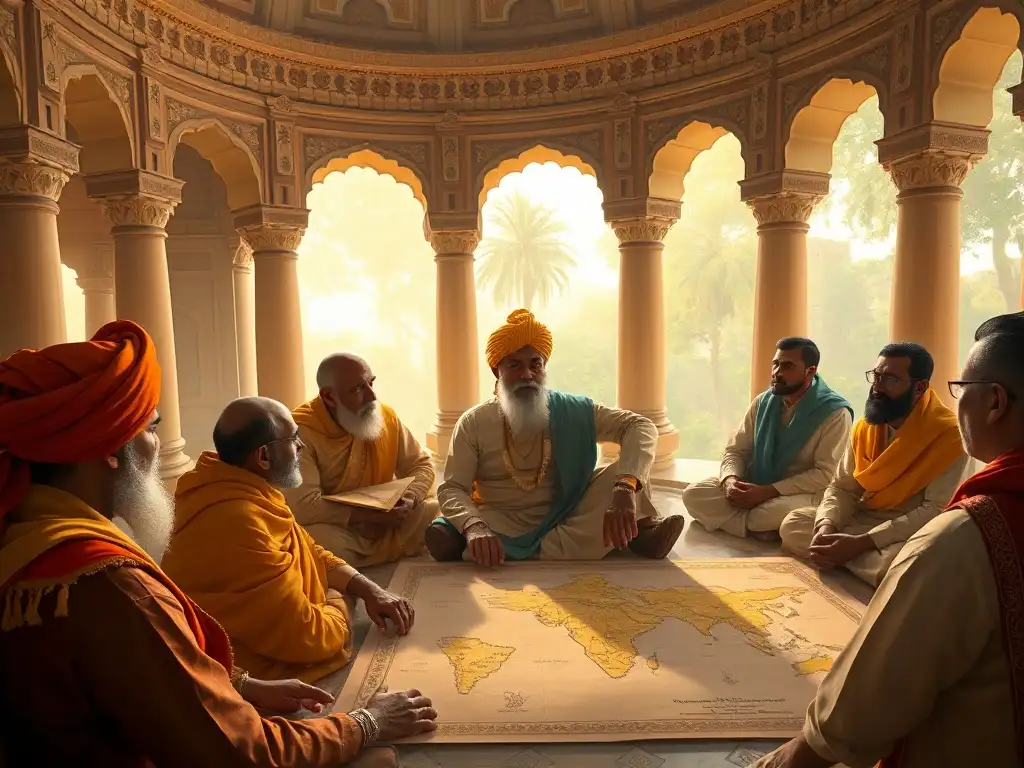
Kautilya, also known as Chanakya, is often celebrated as one of the most profound thinkers in Indian history, particularly for his contributions to political philosophy. His insights, encapsulated in the ancient text Arthashastra, provide a comprehensive framework for governance, diplomacy, and statecraft. The conclusions drawn from Kautilya's teachings continue to resonate through the ages, influencing both historical and contemporary political ideologies.
From the strategic advice on statecraft to the intricate balance of power dynamics, Kautilya emphasized the need for pragmatism in governance. His belief in realpolitik—focusing on practical objectives rather than moral or ideological considerations—has become a cornerstone of political discourse. As we reflect on Kautilya's insights, it is evident that his legacy transcends time, establishing a foundation for political strategy that remains relevant even in today's global political climate.
The Impact of Kautilya on Indian Political Thought
Kautilya's political philosophy has significantly shaped Indian political thought, influencing rulers and statesmen over centuries. His approach can be summarized through several key elements:
- Realism and Pragmatism: Kautilya advocated for a realistic approach to governance. He believed that rulers must prioritize the stability and prosperity of the state, often employing cunning and strategic deception when necessary. This pragmatic stance has been foundational in the evolution of Indian political strategy.
- Statecraft and Diplomacy: One of Kautilya's most significant contributions is his detailed analysis of statecraft, emphasizing the importance of diplomacy and intelligence. He asserted that a king should maintain a network of spies and informants to gather crucial information, thus ensuring informed decision-making.
- Centralization of Power: Kautilya's vision for a centralized authority was pivotal for the Maurya Empire's administrative machinery. He argued that a strong, centralized government was essential to maintain order and implement policies effectively, a concept that influenced subsequent Indian dynasties.
- Ethics in Governance: Despite his often-cynical view of human nature, Kautilya acknowledged the importance of dharma (righteousness) in governance. He believed that while the ends justify the means, a ruler must still adhere to ethical principles to maintain legitimacy and public trust.
These elements have not only defined the political landscape of ancient India but have also laid the groundwork for future generations of political thinkers and leaders.
Kautilya's Relevance in Modern Political Theory
Kautilya's political philosophy continues to find relevance in modern political theory, particularly in the realms of international relations and strategic studies. His insights can be analyzed through various contemporary lenses:
- Realpolitik: Kautilya's emphasis on pragmatism has parallels in modern realpolitik, where national interest is prioritized over ideological commitments. Leaders today often echo Kautilya's sentiments in their diplomatic strategies, focusing on power dynamics and strategic alliances.
- Strategic Intelligence: The importance Kautilya placed on intelligence gathering is mirrored in today’s understanding of national security. Modern states invest heavily in intelligence operations to navigate global complexities, a reflection of Kautilya's timeless wisdom.
- Political Ethics: Discussions around ethics in politics remain critical, with Kautilya providing a nuanced perspective. His acknowledgment that ethical governance is essential for legitimacy resonates with modern debates on corruption, accountability, and transparency in government.
- Conflict Resolution: Kautilya's strategies for conflict management and negotiation are applicable in contemporary diplomatic efforts, particularly in conflict zones where power balances shift rapidly.
Kautilya's political philosophy serves as a rich resource for understanding the intricacies of governance, making his insights not only historically significant but also vital for navigating the complexities of modern political landscapes.
Frequently Asked Questions
What is Kautilya's political philosophy?
Kautilya, also known as Chanakya, developed a political philosophy focused on realpolitik and the pragmatic use of power, emphasizing the importance of strategic governance.
How did Kautilya influence the Maurya Empire?
Kautilya served as a chief advisor to Chandragupta Maurya, shaping the empire’s policies through his insights into statecraft, economics, and military strategy.
What are some key concepts in Kautilya's work?
Kautilya's key concepts include Dharma (righteousness), Artha (prosperity), and Kama (pleasure), which collectively guide the governance and well-being of the state.
How does Kautilya's philosophy apply to modern politics?
Kautilya’s insights into power dynamics, manipulation, and strategy remain relevant, as they offer timeless lessons on leadership and political maneuvering in contemporary governance.
Where can I learn more about Kautilya's contributions?
You can explore Kautilya's contributions in-depth through texts such as the Arthashastra, which details his political philosophy and strategies for effective state management.
Final Reflection: The Enduring Legacy of Kautilya's Political Philosophy
Kautilya's political philosophy insights resonate profoundly in today's complex political landscape, where strategy, pragmatism, and ethical considerations often collide. As we navigate a world filled with political challenges and power dynamics, the wisdom of Kautilya reminds us that effective governance requires not just vision but also a deep understanding of human nature and the art of statecraft. His teachings are not merely historical relics; they are vital tools for contemporary leaders and thinkers striving to create a just and prosperous society.
The influence of Kautilya's ideas extends far beyond ancient India, shaping political thought across cultures and eras. His emphasis on realpolitik and the necessity of strategic foresight encourages us to critically examine our own political systems and the motivations behind leadership decisions. As we reflect on his profound insights, we are reminded of the words of Mahatma Gandhi: The future depends on what you do today.
This quote encapsulates the essence of Kautilya's philosophy—our actions today shape the political landscape of tomorrow.
As you ponder the lessons from Kautilya's political philosophy, I invite you to consider how these insights can be applied in your own life and community. Reflect on the importance of strategic thinking and ethical leadership in your personal and professional endeavors. By embracing the principles laid out by Kautilya, we can all contribute to a more thoughtful and effective approach to governance and social responsibility, ensuring that the legacy of this great thinker continues to inspire future generations.
Unveil the Wisdom of Kautilya Today!
Thank you for diving deep into the fascinating world of Kautilya and his influential political philosophy! Your curiosity not only enriches your knowledge but also connects you to the vibrant history of the Maurya Empire. Now, it's time to take this understanding further and explore how Kautilya's ideas can inspire your actions today.
- Reflect on Kautilya's principles: Choose one of Kautilya's teachings that resonates with you and incorporate it into your daily decision-making.
- Share your insights: Discuss Kautilya's philosophy with friends or on social media—your discussions could spark meaningful conversations about leadership and strategy in today’s world.
- Join our community: Subscribe to our newsletter for regular updates and exclusive content on ancient political philosophies, and connect with like-minded history enthusiasts!
Which aspect of Kautilya's philosophy do you believe holds the most relevance in the current political landscape?