
Unraveling the Techniques Behind Ancient Indian Jewelry Making

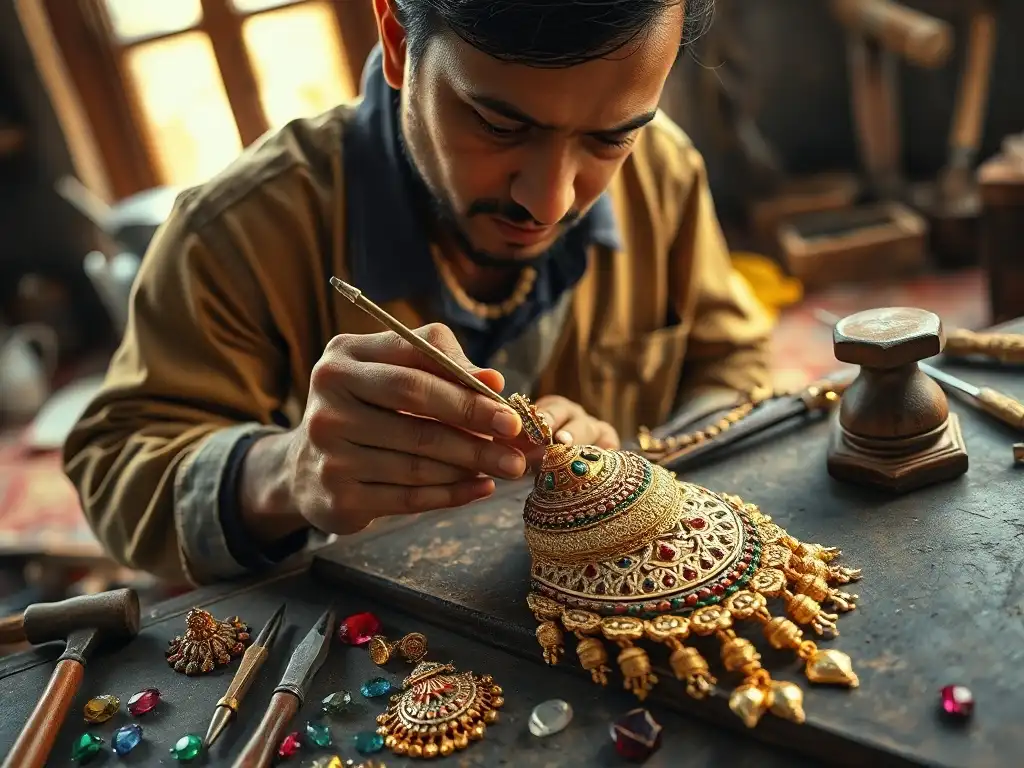
Welcome to Ancient India History, where we delve deep into the rich tapestry of ancient civilizations that shaped the subcontinent. In our featured article, "Unraveling the Techniques Behind Ancient Indian Jewelry Making," we invite you to discover the intricate craftsmanship and innovative techniques that adorned the royals and commoners alike. From the dazzling artistry of the Indus Valley to the refined elegance of the Gupta Empire, the world of ancient Indian jewelry is a treasure trove waiting to be explored.
Join us on this captivating journey as we unlock the secrets of a bygone era and reveal the enduring legacy of these remarkable artisans. Your adventure into the past begins now!
Ancient Indian jewelry is not merely decorative; it is a testament to the rich cultural heritage, artistic expression, and technological advancements of civilizations spanning thousands of years. From the intricate designs of the Indus Valley Civilization to the ornate embellishments of the Gupta Empire, the craftsmanship of ancient Indian jewelers showcases a sophisticated understanding of metallurgy and material science. This article delves into the various ancient Indian jewelry techniques that have shaped the artistry and craftsmanship of traditional adornments, exploring the methods, materials, and cultural significance behind each piece.
As we unravel these techniques, we will see how they reflect the social and economic contexts of their time, revealing insights into trade practices, artistic influences, and the spiritual beliefs that drove the creation of these stunning artifacts. Join us on this journey through time as we explore the fascinating world of ancient Indian jewelry making.
The Historical Context of Jewelry in Ancient India
Jewelry in ancient India was more than just an accessory; it played a vital role in various aspects of life, including:
- Cultural Significance: Jewelry often symbolized status, wealth, and identity, with specific pieces associated with different social classes and occasions.
- Religious Importance: Many jewelry items were crafted for religious purposes, serving as offerings or symbols of devotion.
- Economic Factors: The production and trade of jewelry contributed significantly to the economy, with artisans and craftsmen forming a crucial part of society.
Materials Used in Ancient Indian Jewelry Making
The choice of materials was fundamental to the techniques used in creating ancient jewelry. Key materials included:
- Metals: Gold, silver, and bronze were commonly used, with gold being particularly prized for its beauty and malleability.
- Gemstones: Precious and semi-precious stones like diamonds, rubies, emeralds, and pearls were intricately incorporated into designs.
- Organic Materials: Materials such as ivory, shells, and beads made from various substances were also prevalent, showcasing the diversity of resources utilized by artisans.
Techniques of Jewelry Making
The craftsmanship behind ancient Indian jewelry is marked by a variety of techniques, including:
- Lost-Wax Casting: This method allowed artisans to create intricate designs by pouring molten metal into a wax mold, which would be melted away after the metal cooled.
- Granulation: Tiny granules of metal were fused to a surface to create patterns, adding texture and detail to jewelry pieces.
- Filigree: This delicate technique involved twisting thin wires of gold or silver into intricate designs, resulting in lightweight yet ornate jewelry.
- Stone Setting: Different methods of setting stones, such as bezel setting and prong setting, were utilized to secure gemstones in place, enhancing the overall aesthetic.
Conclusion
The exploration of ancient Indian jewelry techniques offers a glimpse into the remarkable skills and creativity of artisans from bygone eras. Through their mastery of materials and innovative methods, these craftsmen not only created stunning pieces of art but also contributed to the cultural and economic fabric of ancient India. In the following sections, we will delve deeper into specific techniques, showcasing examples that illustrate the enduring legacy of this fascinating craft.
- The Historical Context of Jewelry in Ancient India
- Materials Used in Ancient Indian Jewelry Making
- Techniques of Jewelry Making
- Conclusion
- What are some common ancient Indian jewelry techniques?
- How did cultural influences shape ancient Indian jewelry?
- What materials were primarily used in ancient Indian jewelry?
- How did social status affect the style of ancient Indian jewelry?
- Are there any surviving examples of ancient Indian jewelry techniques today?
Introduction to Ancient Indian Jewelry Techniques
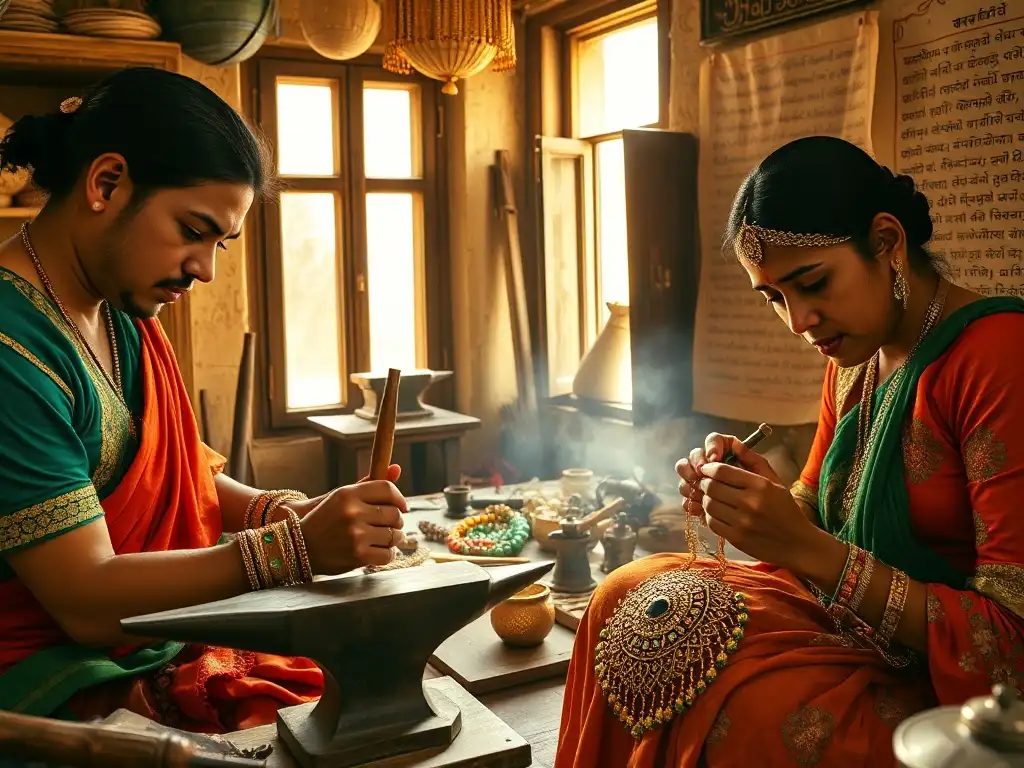
Overview of Ancient Indian Jewelry
Ancient Indian jewelry reflects the intricate artistry and rich cultural heritage of the subcontinent. Spanning thousands of years, this craft evolved through the influence of various dynasties, cultures, and regions, leading to a remarkable variety of styles and techniques.
- Materials Used:
- Metals: Gold, silver, and copper were the primary metals used in ancient Indian jewelry. Gold, in particular, was favored for its malleability and resistance to tarnishing.
- Gems and Stones: Precious and semi-precious stones such as diamonds, emeralds, rubies, and pearls played a significant role. These stones were often set in intricate designs, enhancing the aesthetic appeal of the jewelry.
- Organic Materials: Other materials like ivory, wood, and shells were also commonly used, showcasing the diverse resources available in ancient India.
- Techniques Employed:
- Lost Wax Casting: This ancient technique allowed for the creation of detailed and complex designs. Artisans would create a wax model covered in clay, then heat it to remove the wax, leaving a mold for pouring molten metal.
- Granulation: A technique where tiny beads of gold or silver are fused to a surface to create textured designs. This method was particularly popular in South Indian jewelry.
- Kundan and Meenakari: Kundan involves setting stones in gold foil, while meenakari refers to the colorful enamel work on jewelry. These techniques exemplify the artistry and craftsmanship of ancient jewelers.
Importance of Jewelry in Ancient Indian Culture
Jewelry in ancient India was not merely an adornment; it held profound cultural and social significance.
- Symbol of Wealth and Status:
- Jewelry was often a reflection of one’s social standing. The more intricate and lavish the jewelry, the higher the status of the wearer. Wealthy families would adorn themselves with elaborate pieces, showcasing their prosperity.
- Ritualistic and Ceremonial Use:
- Jewelry played a crucial role in various rituals and ceremonies. It was customary for brides to wear specific pieces of jewelry during weddings, symbolizing prosperity and good fortune.
- Certain ornaments were considered auspicious, believed to bring blessings and protection to the wearer.
- Cultural Identity:
- Different regions of India developed unique styles and types of jewelry, contributing to the cultural identity of communities. For instance, the tribal jewelry of the North-East is distinctly different from the traditional gold jewelry of South India, each representing its own heritage and traditions.
- Artistic Expression:
- Jewelry making was considered a form of art. The designs often incorporated motifs from nature, mythology, and spirituality, illustrating the craftsmen's creativity and connection to the cultural narratives of their time.
Ancient Indian jewelry techniques are a testament to the ingenuity and artistry of a civilization that revered beauty and craftsmanship. The importance of jewelry transcended mere decoration, serving as a vital element of identity, tradition, and expression. Understanding these techniques not only enriches our knowledge of ancient Indian metallurgy and material science but also provides insight into the values and beliefs of a rich cultural history.
Historical Context of Jewelry Making in Ancient India
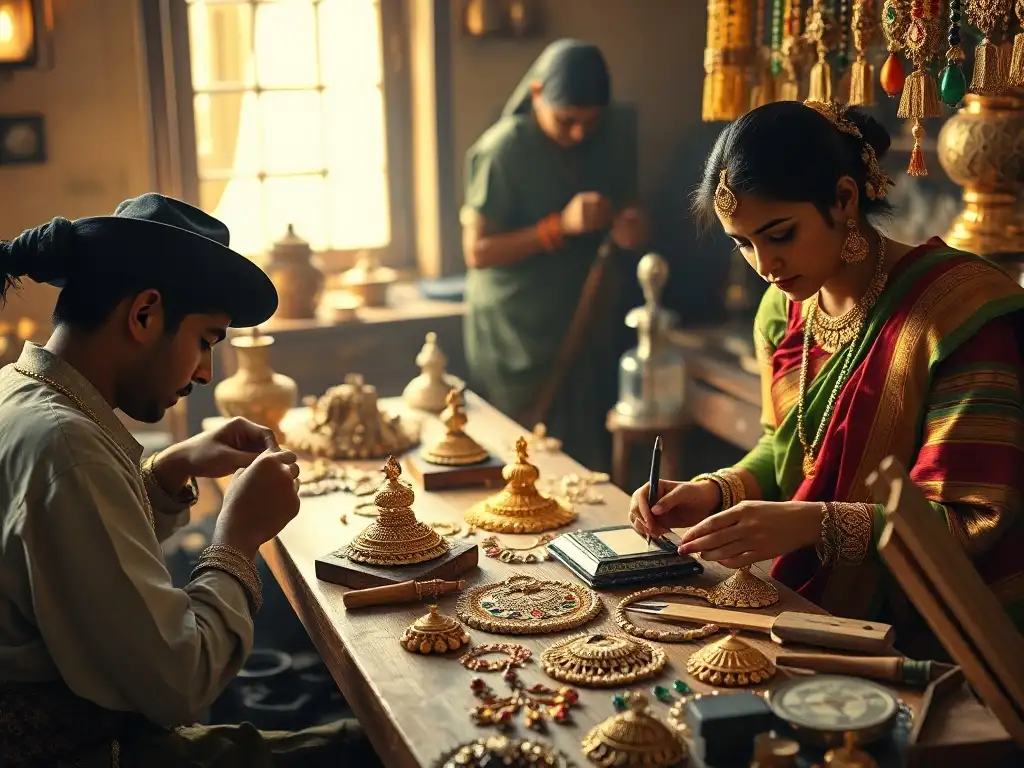
Jewelry making in ancient India is a profound testament to the civilization's artistic ingenuity and cultural significance. The origins of jewelry can be traced back to the Indus Valley Civilization (circa 3300–1300 BCE), where archaeological discoveries in sites like Harappa and Mohenjo-Daro revealed intricate ornaments made from materials such as gold, silver, and semi-precious stones. These early pieces not only served decorative purposes but also indicated social status and wealth.
As the centuries progressed, the techniques and styles of jewelry making evolved significantly. The Vedic period (circa 1500–500 BCE) saw the incorporation of new materials and designs, influenced by trade with neighboring regions. By the time of the Mauryan Empire (circa 322–185 BCE), the art of jewelry making had become more sophisticated, with artisans developing techniques for casting, engraving, and setting stones. The Gupta Empire (circa 240–550 CE) marked a high point in the artistry and craftsmanship of ancient Indian jewelry, characterized by elaborate designs often inspired by nature and mythology.
The rise of various dynasties throughout India's history led to regional variations in jewelry making, reflecting local cultures and traditions. This rich historical context lays the foundation for understanding the intricate techniques that were employed by artisans of ancient India.
The Evolution of Jewelry Techniques Through the Ages
The evolution of ancient Indian jewelry techniques can be categorized into several distinct phases, each marked by advancements in metallurgy and artistry:
- Indus Valley Civilization Techniques (3300–1300 BCE):
- Bead Making: Artisans created beads from semi-precious stones like carnelian, agate, and lapis lazuli. Techniques included drilling and polishing to achieve intricate designs.
- Goldsmithing: The use of gold was prevalent, with techniques like granulation (the process of applying small beads of gold to a surface) reflecting a high level of craftsmanship.
- Mauryan Period Innovations (322–185 BCE):
- Lost-Wax Casting: This method allowed for the creation of complex shapes and detailed designs, providing a significant leap in the quality of metal jewelry.
- Filigree Work: Fine threads of gold were twisted and soldered to create intricate patterns, showcasing the skill of the artisans.
- Gupta Era Mastery (240–550 CE):
- Stone Setting: Techniques evolved to incorporate gemstones into jewelry, with methods such as bezel setting becoming more common.
- Champlevé Enamel: This technique involved engraving designs into metal and filling the recesses with colored enamel, enhancing the visual appeal of jewelry pieces.
The artisans of ancient India were not only skilled in their craft but also deeply influenced by the cultural and technological exchanges that occurred through trade routes. The blending of local traditions with foreign influences led to a flourishing of jewelry styles and techniques that remain influential today.
Cultural Influences on Ancient Indian Jewelry
The cultural landscape of ancient India played a significant role in shaping the techniques used in jewelry making. Various factors contributed to this rich tapestry:
- Religious Symbolism: Many jewelry pieces were imbued with religious significance, often used in rituals and ceremonies. For example, mangalsutra and karnaphool were crafted with specific designs to symbolize marital status and protection.
- Regional Diversity: Different regions of India developed their unique styles and techniques based on available materials and cultural practices. For instance, the Kundal (earrings) from Gujarat often featured intricate designs that reflected local motifs, while the Nath (nose ring) from Rajasthan was characterized by larger, ornate structures.
- Influence of Trade: The trade networks established with regions such as Persia, the Middle East, and the Mediterranean introduced new materials and techniques. This exchange inspired local artisans to innovate and integrate foreign styles into their work, leading to a distinctive blend of aesthetics.
- Royal Patronage: Many ancient Indian rulers were patrons of the arts, commissioning elaborate jewelry that showcased their power and wealth. Techniques and styles often trickled down from royal courts to artisans in local communities, further disseminating craftsmanship across society.
The cultural influences on ancient Indian jewelry not only enriched the aesthetic appeal of the pieces but also underscored the significance of jewelry in social, religious, and political contexts. Through the ages, techniques evolved in response to these influences, creating a legacy that continues to inspire contemporary jewelry making today.
Key Materials Used in Ancient Indian Jewelry
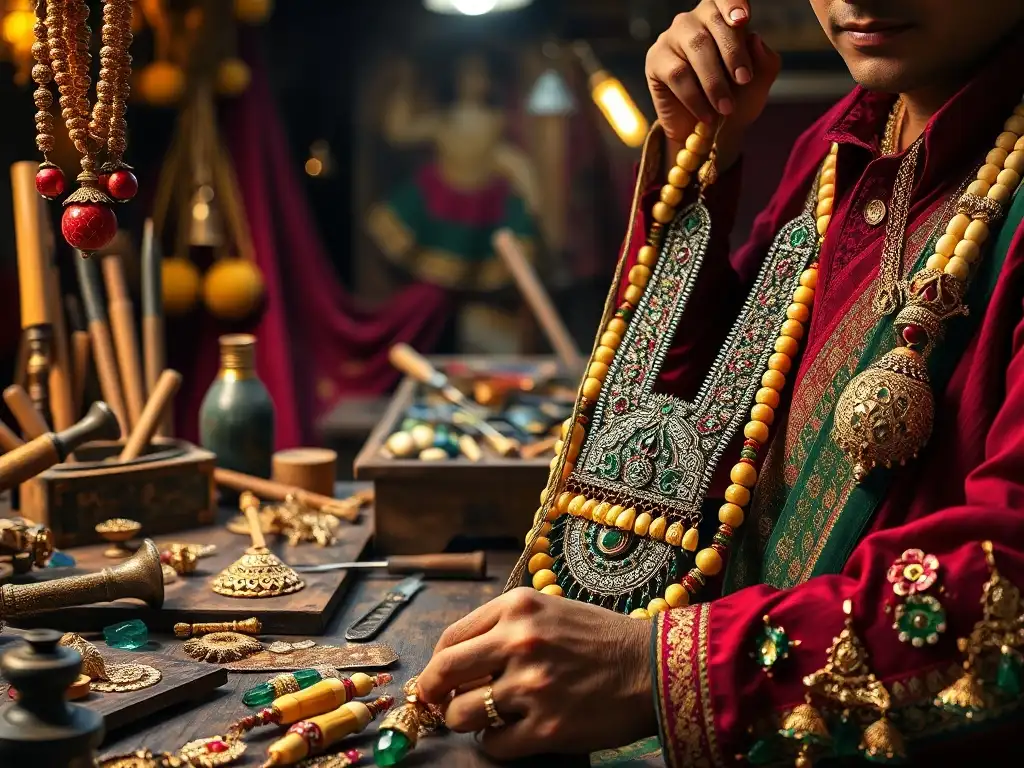
Precious Metals in Ancient Indian Jewelry Making
Ancient Indian jewelry making predominantly utilized precious metals, with gold and silver being the most significant. The historical significance of these metals is not only attributed to their aesthetic appeal but also to their cultural and economic value.
- Gold: Often regarded as the most prestigious of all materials, gold was used extensively in jewelry for its luster and malleability. Ancient texts like the Arthashastra mention its importance in trade and religious offerings. Gold jewelry was often intricately designed, reflecting the skill of artisans who employed techniques such as granulation, filigree, and chasing. The use of gold also symbolized wealth and status within society, often seen in the adornments of royalty and deities.
- Silver: While not as luxurious as gold, silver held its own significance in ancient India. It was commonly used for making everyday jewelry and items for worship, such as silver coins and utensils. Techniques such as casting and forging were used to create intricate designs, allowing for a diverse range of jewelry pieces from simple bangles to elaborate neckpieces.
- Copper and Bronze: Although less common in high-end jewelry, copper and bronze were utilized for various ornaments, especially among the lower classes or in functional items. The lost-wax casting technique was frequently applied to create both decorative and utilitarian artifacts.
Gemstones and Their Significance in Ancient India
Gemstones played a crucial role in ancient Indian jewelry, both as decorative elements and as symbols of power and protection. The selection of gemstones was often guided by astrological beliefs, with specific stones assigned to different planets and their influences.
- Diamonds: Known for their rarity and brilliance, diamonds were highly sought after in ancient India. They were believed to possess protective qualities and were often set in royal jewelry. The technique of cutting and polishing diamonds was advanced for the time, allowing for greater sparkle and allure.
- Emeralds: Revered for their deep green color, emeralds were associated with the planet Mercury and were believed to enhance intelligence and creativity. Ancient Indian jewelers employed techniques like cabochon cutting to showcase the stone's natural beauty.
- Rubies and Sapphires: These vibrant gemstones were also popular, symbolizing love and nobility. Ancient texts highlight the importance of heat treatment to enhance their color and clarity, showcasing the advanced understanding of gemstone treatment among ancient artisans.
- Semi-Precious Stones: Stones like turquoise, lapis lazuli, and carnelian were widely used in jewelry. The ancient craft of inlay work was used to create stunning pieces that combined various materials, showcasing the ingenuity of ancient jewelers.
Other Materials: Beads, Shells, and Organic Elements
In addition to metals and gemstones, ancient Indian jewelry often incorporated a variety of other materials that added diversity and richness to designs.
- Beads: Beads made from materials such as glass, terracotta, and semi-precious stones were commonly used in necklaces and bracelets. Techniques like stringing and weaving allowed artisans to create intricate patterns and designs, which often had significant cultural meanings.
- Shells: Shells were popular for making jewelry among coastal communities. The use of cowrie shells was especially prevalent, as they were often used as currency as well. Artisans crafted them into pendants, earrings, and other adornments, showcasing the connection between nature and jewelry.
- Organic Elements: Materials such as wood, seeds, and even bones were used in ancient jewelry. These elements provided a unique aesthetic and were often used in tribal jewelry, reflecting the cultural identity of various communities. Techniques like carving and painting were employed to enhance their appearance.
The fusion of these materials in ancient Indian jewelry making not only highlights the artistic prowess of the artisans but also reflects the cultural and spiritual significance of jewelry in society. The ancient Indian jewelry techniques employed in creating these pieces have influenced various styles and practices in contemporary jewelry making.
Techniques Employed in Ancient Indian Jewelry Making
The art of jewelry making in ancient India is a fascinating blend of intricate techniques and cultural significance. The craftsmanship that has been passed down through generations showcases not only the aesthetic sensibilities of the time but also the advanced metallurgical skills of ancient artisans. This section delves into the various ancient Indian jewelry techniques that defined the era and contributed to the remarkable legacy of Indian adornments.
Traditional Methods of Metalworking
Ancient Indian jewelers employed a variety of traditional methods that highlight their proficiency in metallurgy and material science. These techniques were often region-specific and were influenced by local resources and cultural practices. Some of the most notable methods include:
- Lost-Wax Casting
- Granulation
- Filigree
Lost-Wax Casting Technique
The lost-wax casting technique is one of the most significant methods employed by ancient Indian jewelers. This method involves several steps:
- Model Creation: An initial model of the desired jewelry piece is crafted using a malleable material like wax.
- Mold Making: The wax model is covered with a clay mixture to create a mold. Once the clay hardens, the wax is melted away, leaving a hollow mold.
- Metal Pouring: Molten metal, typically gold or silver, is poured into the mold to form the jewelry piece.
- Finishing: After the metal cools and solidifies, the mold is broken away, revealing the intricately designed piece of jewelry.
This technique allowed artisans to create highly detailed and complex designs that were both durable and aesthetically pleasing. The lost-wax casting method is still used today, showcasing its enduring legacy in jewelry making.
Granulation and Filigree Techniques
Granulation and filigree are two closely related techniques that add texture and intricate details to jewelry.
- Granulation involves the application of tiny metal balls (granules) onto the surface of a metal piece. These granules are fused onto the base metal without the use of solder, creating a unique decorative effect that enhances the visual appeal of the jewelry.
- Filigree, on the other hand, is characterized by delicate, lace-like patterns formed by twisting and soldering fine metal wires. This technique allows for intricate designs that can incorporate various forms and shapes, often resulting in stunning pieces that exemplify the skill of the craftsman.
Together, these techniques not only demonstrate the artistry of ancient Indian jewelers but also reflect the cultural importance of adornment in society.
Stone Setting Techniques in Ancient Indian Jewelry
Stone setting was another essential aspect of ancient Indian jewelry making. The artistry involved in setting gemstones into metal frameworks not only enhanced the beauty of the jewelry but also highlighted the status and wealth of the wearer. Various stone setting techniques were employed, including:
- Bezel Setting: A method where a metal rim is created to hold a gemstone securely in place. This technique was particularly popular for larger stones.
- Claw Setting: In this technique, metal claws are used to secure the gemstone, allowing for maximum light exposure and brilliance.
- Pavé Setting: Small stones are set closely together with minimal visibility of the underlying metal, resulting in a continuous sparkle effect.
These techniques not only showcase the technical skill of ancient jewelers but also the significance of gemstones in ancient Indian culture, where they were believed to possess various astrological and healing properties.
Ancient Indian jewelry techniques reveal a rich tapestry of craftsmanship, ingenuity, and cultural significance. The methods employed by artisans not only catered to aesthetic preferences but also reflected the technological advancements of the time, solidifying India's legacy in the world of jewelry making.
Enameling and Its Role in Ancient Jewelry Craftsmanship
Enameling is a significant technique in ancient Indian jewelry making, known for its vibrant colors and intricate designs. This process involves fusing powdered glass to metal surfaces through high-temperature firing, resulting in a durable and decorative finish. The use of enameling dates back to the Indus Valley Civilization, but it flourished during the later periods, particularly in the Mughal era, where it became a hallmark of exquisite craftsmanship.
The enameling process typically includes several steps:
- Preparation of the Base Metal: Jewelers would start with a base of gold, silver, or copper, carefully shaping it into the desired form. The choice of metal influenced not only the aesthetic appeal but also the durability of the piece.
- Application of Enamel: Once the base was ready, artisans would apply a mixture of powdered glass and pigments onto the metal surface. This mixture was often layered to achieve depth and richness in color.
- Firing: The piece was then subjected to high temperatures in a kiln. During this process, the glass powders would melt, adhere to the metal, and create a smooth, glossy finish. The firing temperature and duration were crucial, as they determined the final appearance and strength of the enamel.
- Finishing Touches: After cooling, jewelers would polish the piece, enhancing its brilliance. Additional decorative techniques, such as engraving or setting gemstones, might also be employed to elevate the overall design.
Enameling not only added beauty to the jewelry but also protected the metal from tarnishing and corrosion, thereby prolonging the life of the ornaments. Different styles of enameling emerged over the centuries, such as Kundan and Meenakari. Kundan involved the setting of stones in gold foil, while Meenakari was characterized by colorful decorative enameling.
The art of enameling in ancient Indian jewelry is a testament to the sophisticated techniques and aesthetic sensibilities of artisans. It reflects a deep understanding of materials and an ability to blend functionality with artistry, making it a vital aspect of the rich tapestry of ancient Indian metallurgy and material science.
Regional Variations in Jewelry Techniques
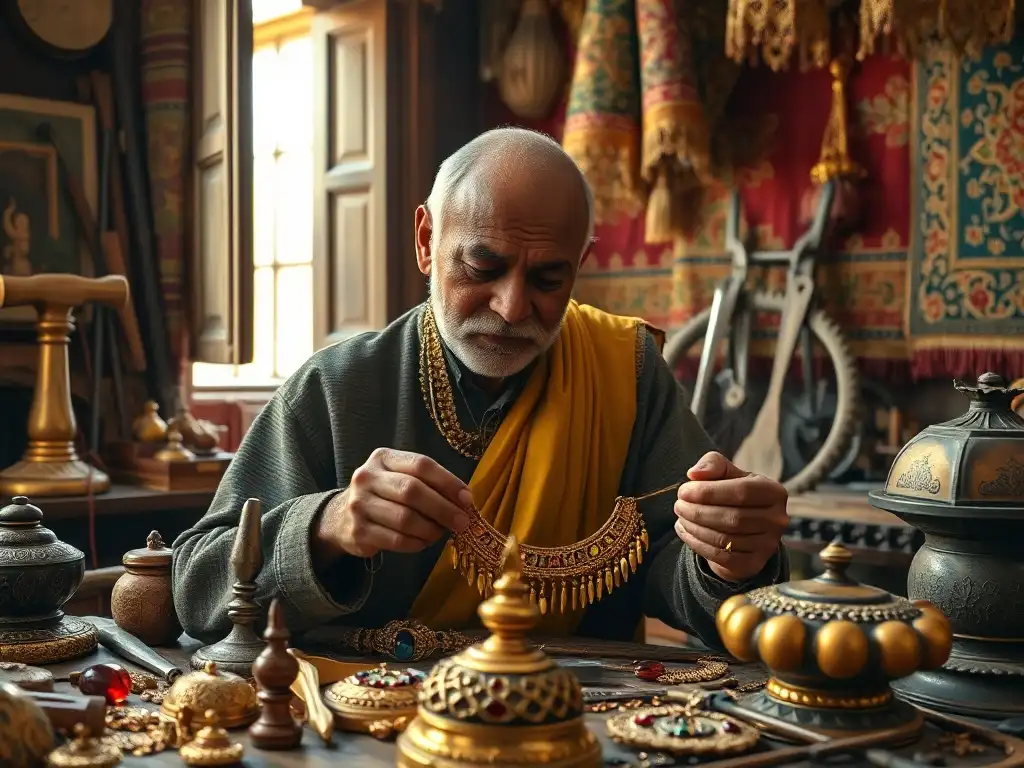
Jewelry making in ancient India was not a monolithic practice; rather, it flourished through a rich tapestry of regional variations. Each area of India adapted unique techniques and styles influenced by local resources, cultural beliefs, and historical contexts. This section explores the distinct jewelry-making techniques from North, South, Eastern, and Western India, highlighting the diversity and craftsmanship involved.
North Indian Jewelry Making Techniques
North India has a long-standing tradition of intricate jewelry design, characterized by the use of precious metals and gemstones. The following techniques were particularly notable in this region:
- Kundan Setting: This technique involves setting gemstones in gold foil, creating a stunning visual effect. Kundan jewelry is often elaborate and used for special occasions, showcasing craftsmanship and artistry.
- Meenakari: An enameling technique where colored glass is fused onto the surface of gold or silver, giving the jewelry a vibrant appearance. This method originated in Rajasthan and is particularly popular in creating ornate pieces.
- Jadau: A complex technique that combines Kundan setting with intricate engraving and stone inlay. Jadau jewelry often features a mix of gems and is traditionally handcrafted, making each piece unique.
The craftsmanship in North Indian jewelry is often passed down through generations, with artisans adhering to age-old methods while also adapting to modern styles.
South Indian Jewelry Traditions and Techniques
South Indian jewelry reflects the region's rich cultural heritage and religious significance, with techniques that are distinct yet deeply rooted in tradition. Key elements include:
- Temple Jewelry: Originating from the temples of South India, this jewelry often features motifs of deities and mythological figures. Made primarily from gold, these pieces are often adorned with intricate carvings and are worn during religious ceremonies.
- Filigree Work: A delicate form of jewelry making that involves twisting fine strands of metal into intricate designs. This technique is particularly prominent in regions like Andhra Pradesh, where artisans create stunning pieces that are lightweight yet ornate.
- Kanchipuram Gold Jewelry: Known for its heavy gold craftsmanship, this type of jewelry often features traditional South Indian designs such as peacocks and floral patterns. The intricate work showcases the skill of the goldsmiths and the cultural significance of the designs.
The South Indian jewelry tradition is characterized by its emphasis on symbolism and the incorporation of local materials, making it vibrant and meaningful.
Eastern and Western Indian Jewelry Styles
Both Eastern and Western India boast unique jewelry making techniques that reflect their cultural diversity and artistic expression.
- Eastern India:
- Bengali Jewelry: Known for its intricate designs, Bengali jewelry often features gold and silver pieces adorned with gemstones. The Shakha and Pola, traditional bangles made from conch shell and red coral, are particularly famous in this culture.
- Terracotta Jewelry: This unique form involves crafting jewelry from clay, often painted with vibrant colors. Terracotta pieces are lightweight and eco-friendly, gaining popularity among contemporary artisans.
- Western India:
- Gujarathi Jewelry: Characterized by its use of gold and intricate designs, Gujarati jewelry often incorporates Rajasthani style, featuring mirror work and colorful beads.
- Rajasthani Jewelry: Known for its bold and heavy designs, which include matha pattis (headpieces) and nath (nose rings), Rajasthani jewelry is often adorned with colorful gemstones and intricate craftsmanship.
These regional styles not only showcase the artistic capabilities of the artisans but also serve as a reflection of the cultural narratives and traditions of their respective communities.
The diversity of ancient Indian jewelry techniques across regions highlights the intricate craftsmanship and cultural significance embedded in each piece. These traditional methods continue to inspire modern jewelers and enthusiasts alike, ensuring that the legacy of ancient Indian jewelry making endures.
The Role of Artisans and Guilds in Jewelry Production
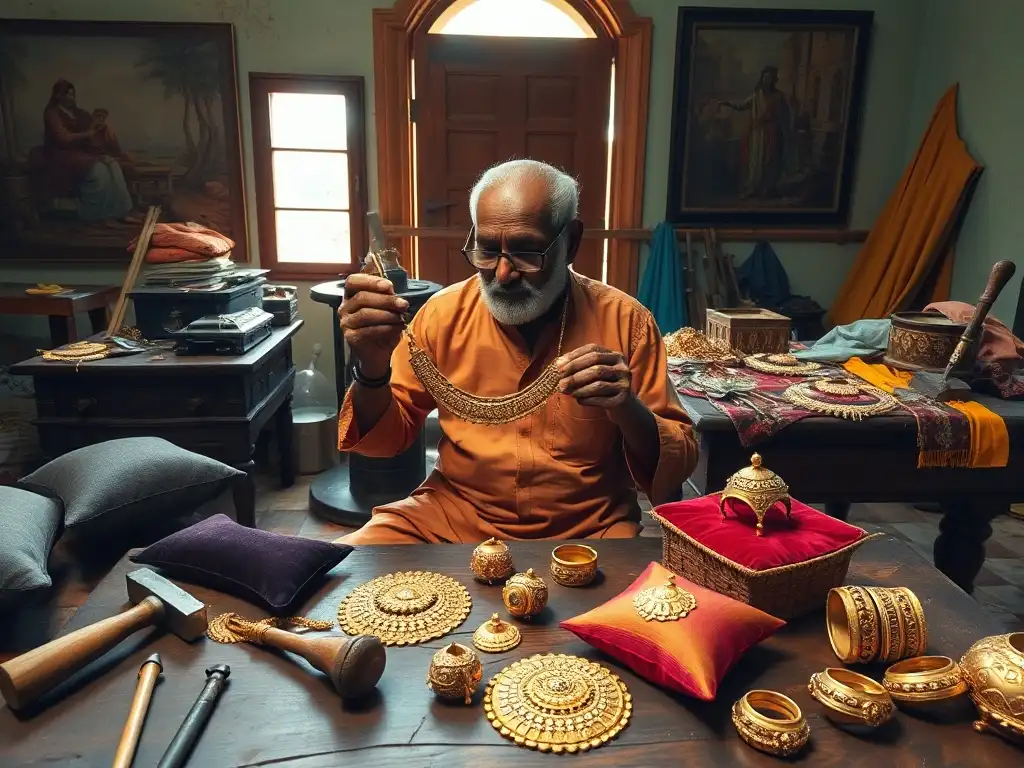
Historical Significance of Jewelry Artisans
Jewelry making in ancient India was not merely a craft; it was an art form that combined aesthetic appeal with deep cultural significance. The artisans, often referred to as "sonis" or "goldsmiths," played a pivotal role in this vibrant sector. They were not just skilled craftsmen but also bearers of tradition, responsible for passing down intricate techniques and designs through generations. Their work was deeply embedded in the social and religious fabric of society, with jewelry often signifying status, wealth, and identity.
Key Contributions of Jewelry Artisans:
- Cultural Identity: Jewelry often reflected the diverse cultures and traditions of various regions, with each area having its unique styles and motifs.
- Religious Significance: Many pieces were crafted for religious purposes, serving as offerings or adornments for deities in temples.
- Status Symbols: The intricacy of a piece often indicated the social standing of the wearer. Elaborate designs and the use of precious materials were associated with the elite.
The significance of these artisans is evident in the enduring influence of their work, which continues to inspire modern jewelry makers. The techniques they developed, such as granulation and filigree, showcase their remarkable skill and creativity, allowing for the creation of pieces that were not only beautiful but also enduring.
The Guild System in Ancient Indian Jewelry Making
The guild system was a crucial element in the production and trade of jewelry in ancient India. These guilds, known as "shrenis," were associations of craftsmen and merchants who regulated the craft's practices, maintained quality standards, and provided support for their members.
Structure and Function of Guilds:
- Membership: Membership was typically limited to those who had undergone rigorous training and apprenticeship, ensuring a high standard of craftsmanship.
- Regulation of Trade: Guilds played a vital role in regulating prices, controlling the quality of materials, and ensuring fair trade practices.
- Training and Apprenticeship: Experienced artisans would take on apprentices, passing down essential skills and techniques, thus preserving the art of jewelry making.
The guild system not only fostered a sense of community among artisans but also contributed to the economic stability of the regions where they operated. By pooling resources and sharing knowledge, these guilds were able to innovate and improve jewelry-making techniques, leading to the rich diversity of styles seen in ancient Indian jewelry.
The artisans and guilds of ancient India were instrumental in shaping the techniques and traditions of jewelry making. Their legacy is reflected in the exquisite craftsmanship and artistic expressions that continue to be celebrated today.
Spiritual and Symbolic Aspects of Jewelry
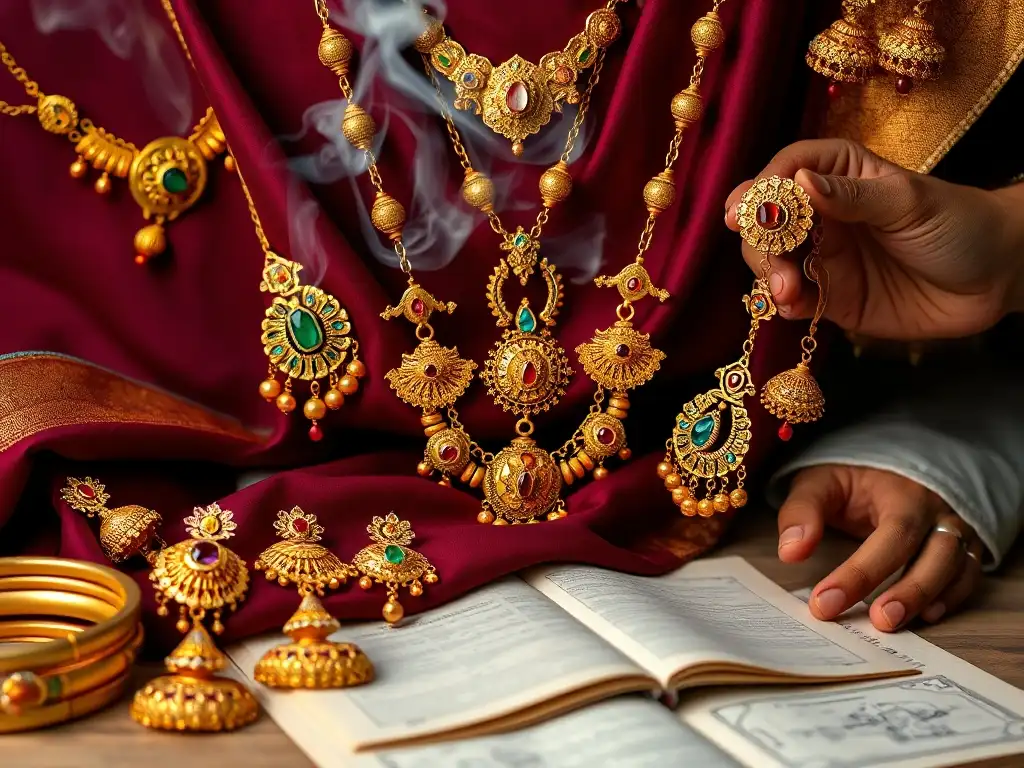
Jewelry in ancient India was not merely an ornamental display; it held profound spiritual and symbolic meanings that transcended mere aesthetics. This section explores the spiritual significance of jewelry within ancient Indian culture and the intricate symbolism embedded in its designs and motifs.
The Spiritual Significance of Jewelry in Ancient Indian Culture
In ancient Indian society, jewelry was deeply intertwined with spirituality and religious beliefs. Materials such as gold, silver, and precious stones were believed to possess inherent powers, acting as conduits for positive energy and divine blessings. The crafting of jewelry often involved rituals, where artisans invoked deities to bless their work, ensuring that the pieces would bring prosperity and protection to their wearers.
- Gold as a Symbol of Purity: Gold was considered the most auspicious metal, representing purity and immortality. It was often used in religious ceremonies, symbolizing the eternal bond between the divine and the earthly realm.
- Gemstones with Spiritual Properties: Each gemstone was associated with specific planetary influences and was believed to have unique healing properties. For instance, ruby was thought to enhance vitality, while emerald was linked to wisdom and intellect.
- Ritualistic Use: Jewelry played a vital role in various ceremonies, from weddings to religious festivals. For example, the mangalsutra, a sacred necklace worn by brides, symbolizes marital fidelity and is believed to protect the couple's union.
The integration of jewelry into spiritual practices highlights its role as a mediator between the physical and metaphysical worlds, emphasizing its importance in daily life and religious observance.
Symbolism in Jewelry Designs and Motifs
The designs and motifs used in ancient Indian jewelry were rich in symbolism, reflecting various aspects of life, nature, and spirituality. Each piece told a story, conveying messages about the wearer's identity, status, and beliefs.
- Nature-Inspired Motifs: Many designs drew inspiration from nature, incorporating elements such as flowers, leaves, and animals. For instance:
- Lotus: Symbolizing purity and enlightenment, the lotus motif was commonly found in necklaces and earrings.
- Peacock: Representing grace and beauty, peacock designs were often used in hair ornaments and brooches.
- Religious Symbols: Jewelry frequently featured motifs that represented deities and divine concepts. Common symbols included:
- Om: The sacred syllable, representing the essence of the universe, was often engraved on pendants and rings.
- Swastika: An ancient symbol of auspiciousness, the swastika was incorporated into various jewelry forms, signifying good fortune.
- Cultural Significance: Different regions of India had unique styles that reflected local traditions and beliefs. For example, the intricate Kundan work from Rajasthan embodied royal elegance, while the Temple jewelry of South India was designed to adorn deities in temples.
| Motif | Symbolism | Common Jewelry Types |
|---|---|---|
| Lotus | Purity and enlightenment | Necklaces, earrings |
| Peacock | Grace and beauty | Hair ornaments, brooches |
| Om | Essence of the universe | Pendants, rings |
| Swastika | Good fortune | Various jewelry forms |
The symbolic language of ancient Indian jewelry was not only a reflection of aesthetic preferences but also a representation of the cultural and spiritual tapestry of the civilization. Each piece of jewelry served as a storyteller, conveying the beliefs and values of the society that created it.
Conclusion: The Legacy of Ancient Indian Jewelry Techniques
Throughout the ages, ancient Indian jewelry techniques have left an indelible mark on both the cultural and artistic landscape of the region. With a history that spans thousands of years, these techniques not only reflect the rich traditions of craftsmanship but also embody the technological advancements made by ancient civilizations. The legacy of these methods continues to inspire modern artisans and jewelers, showcasing the timeless appeal of intricate designs and superior craftsmanship.
Continuing Influence on Modern Jewelry Making
The impact of ancient Indian jewelry techniques is profoundly evident in contemporary jewelry design. Modern jewelers often draw inspiration from the intricate motifs, symbols, and styles that characterized ancient pieces. Here are several ways these techniques continue to influence today’s jewelry-making practices:
- Design Aesthetics: Many modern jewelry pieces incorporate traditional Indian motifs, such as floral patterns, paisleys, and geometric shapes. These designs evoke the beauty found in ancient jewelry while adding a contemporary twist.
- Metallurgical Techniques: Techniques such as granulation, filigree, and khalifa (enameling) are still employed today. Artisans use these methods to create detailed textures and finishes that pay homage to their historical roots.
- Cultural Symbolism: Many modern jewelers seek to tell stories through their pieces, much like ancient artisans did. This includes using specific gemstones and metals believed to carry cultural or spiritual significance.
- Sustainable Practices: The ancient practice of recycling materials is being revisited in modern jewelry making, where artisans are increasingly opting for ethically sourced and recycled materials.
The blend of these ancient techniques with modern artistry enables the creation of unique pieces that resonate with a sense of history and craftsmanship.
Preservation of Ancient Techniques in Contemporary Craftsmanship
The preservation of ancient Indian jewelry techniques is vital for maintaining the cultural heritage associated with these crafts. Various initiatives and practices have emerged to ensure that these techniques are not lost to time:
- Craftsman Training Programs: Many organizations and NGOs are dedicated to training new generations of artisans in traditional jewelry-making techniques. This helps keep the knowledge alive while also providing economic opportunities for communities.
- Cultural Festivals and Exhibitions: Events celebrating traditional crafts often feature ancient jewelry techniques, allowing artisans to showcase their skills and educate the public about the history and significance of their work.
- Documentation and Research: Scholars and historians are increasingly documenting ancient techniques and their historical context. This research not only preserves the methods but also enhances the appreciation for their artistic and cultural importance.
- Collaborations with Modern Designers: Some contemporary designers are partnering with traditional artisans to create hybrid pieces that merge ancient techniques with modern aesthetics. This collaboration fosters innovation while respecting heritage.
The techniques behind ancient Indian jewelry making are not merely relics of the past; they are living traditions that continue to shape and influence the world of jewelry today. By preserving these techniques and integrating them into modern practices, we can ensure that the rich legacy of ancient Indian craftsmanship endures for future generations.
Frequently Asked Questions
What are some common ancient Indian jewelry techniques?
Ancient Indian jewelry making utilized techniques such as lost-wax casting, granulation, and filigree, allowing artisans to create intricate designs and durable pieces.
How did cultural influences shape ancient Indian jewelry?
Cultural influences from various regions, including Persian and Greek styles, enriched the diversity of jewelry designs, merging techniques and aesthetics unique to ancient India.
What materials were primarily used in ancient Indian jewelry?
Artisans predominantly used gold, silver, precious stones, and semi-precious gems to craft stunning jewelry pieces that symbolized wealth and status.
Jewelry styles often indicated social status, with royalty and the affluent wearing more elaborate and intricate designs compared to simpler styles worn by commoners.
Are there any surviving examples of ancient Indian jewelry techniques today?
Yes, many traditional techniques are still practiced today by artisans, preserving the rich heritage and artistry of ancient Indian jewelry making for future generations.
Final Reflection: The Timeless Art of Ancient Indian Jewelry Techniques
The intricate craftsmanship of ancient Indian jewelry techniques continues to resonate in today's world, reminding us of the rich cultural heritage that shapes our identities. As we explore the artistry and methods that have been passed down through generations, we recognize their enduring relevance in contemporary fashion and personal expression. The beauty of these techniques lies not only in their aesthetic appeal but also in the stories they tell—stories of tradition, skill, and the unbreakable bond between the past and present.
Cultural appreciation and revival of ancient techniques are more than just trends; they are movements that foster a deeper understanding of our roots. The resurgence of interest in handcrafted jewelry reflects a growing desire to connect with history and authenticity in a fast-paced, mass-produced world. As the renowned designer Manish Arora once said, Jewelry is not just an accessory; it is a reflection of our culture and heritage.
This sentiment underscores the importance of preserving these ancient techniques, as they serve as a bridge between generations, enriching our cultural landscape.
As you reflect on the insights shared in this article, consider how you can incorporate the lessons of ancient Indian jewelry techniques into your own life. Embrace the artistry and craftsmanship that define your personal style, and seek out pieces that tell a story—your story. By valuing the heritage behind these techniques, you not only honor the artisans of the past but also contribute to a future where tradition and innovation coexist harmoniously. Let the beauty of ancient Indian jewelry inspire you to explore and celebrate the artistry that surrounds us.
Unveil the Art of Jewelry Making!
Thank you for spending time with us to explore the fascinating world of ancient Indian jewelry making. You've uncovered secrets and techniques that have shaped cultural heritage for centuries. Now, it's time to take that inspiration and translate it into action!
Here’s how you can dive deeper into this captivating craft:
- Explore local workshops in your area that offer jewelry-making classes to gain hands-on experience and refine your skills.
- Share your newfound knowledge with friends and family by organizing a small presentation or informal discussion—this could inspire their interest in the art as well!
- Join online communities dedicated to jewelry design and craftsmanship to connect with like-minded enthusiasts and continue your learning journey.
Which aspects of ancient jewelry making resonate with you the most, and how do you envision incorporating these timeless techniques into your own creations?