
Uncovering the Secrets of the Indus Valley: Early Innovations in Material Science

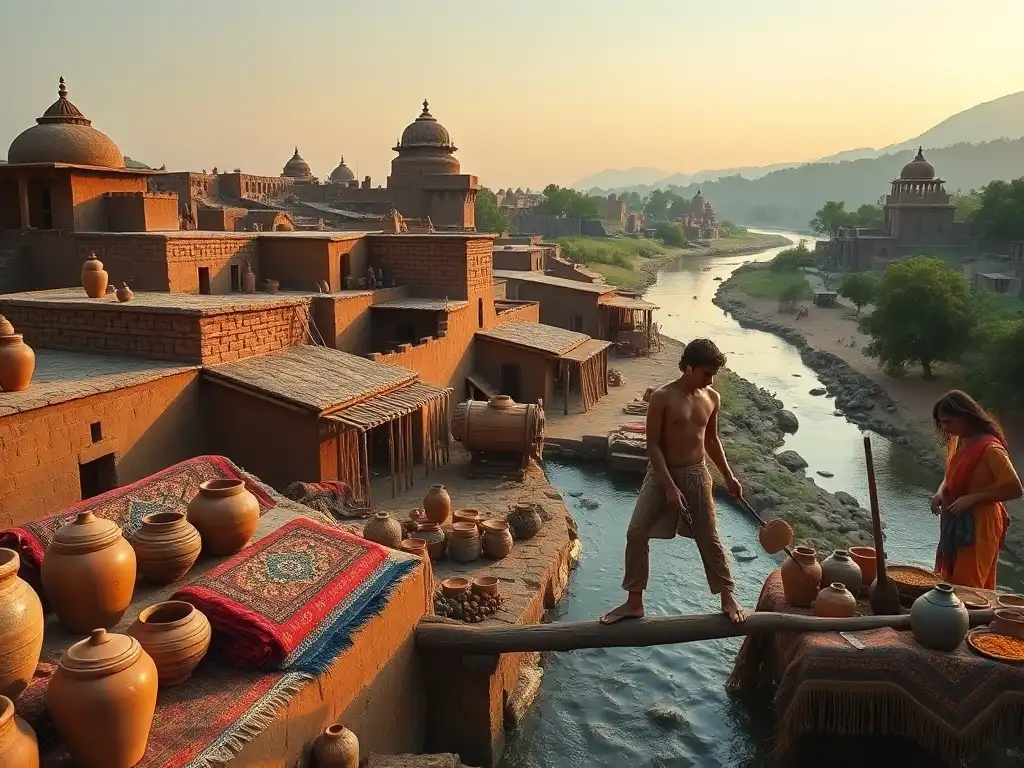
Welcome to Ancient India History, where we embark on a fascinating journey through the rich tapestry of India’s past. Here, we delve into the remarkable innovations in material science that emerged from the enigmatic Indus Valley civilization, a testament to human ingenuity and creativity. What groundbreaking techniques did these ancient artisans employ, and how did their discoveries shape the world we live in today?
Join us as we uncover the secrets of the Indus Valley and explore the profound contributions of ancient Indian civilizations that continue to inspire and influence modern technology. Your exploration starts here—dive into the wonders of history with us!
The Indus Valley Civilization, one of the world's earliest urban cultures, thrived between 3300 BCE and 1300 BCE in what is now modern-day Pakistan and northwest India. This remarkable society is often overshadowed by its contemporaries, yet its contributions to material science, especially metallurgy, were groundbreaking.
The innovations in this ancient civilization not only laid the foundation for future advancements but also demonstrated a sophisticated understanding of materials and their properties. As we delve into the rich history of the Indus Valley, we will uncover the secrets behind its early innovations in material science, particularly focusing on metallurgy and the techniques that propelled this civilization into a realm of technological prowess.
Through examining archaeological findings, historical texts, and comparative studies with other ancient cultures, we will explore how the Indus Valley Civilization mastered the art of material manipulation, leading to advancements that would influence future generations. By focusing on the Indus Valley material science innovations, this article aims to highlight the significance of this civilization's contributions and the lasting impact they hold in the realm of technology and innovations.
Historical Context of the Indus Valley Civilization
The Indus Valley Civilization emerged around 2500 BCE in a region characterized by fertile plains and access to water resources from the Indus River. This geographical advantage facilitated agriculture, trade, and urban development, leading to the establishment of advanced cities like Harappa and Mohenjo-Daro. These urban centers were meticulously planned, featuring grid layouts, drainage systems, and standardized weights and measures.
- Key Features of the Indus Valley Civilization:
- Urban Planning: Cities were designed with a focus on efficiency and sanitation.
- Trade Networks: The civilization engaged in extensive trade with neighboring regions, which contributed to the exchange of ideas and materials.
- Craftsmanship: Skilled artisans produced a variety of goods, including pottery, textiles, and metalwork.
Understanding the historical context is crucial for appreciating the technological innovations that arose during this period, particularly in material science.
Innovations in Metallurgy
One of the most significant advancements of the Indus Valley Civilization was its mastery of metallurgy. The people of this civilization employed a range of techniques to manipulate metals such as copper, bronze, and later, iron.
- Copper and Bronze Usage:
- The Indus Valley craftsmen were among the first to smelt copper, creating tools, ornaments, and weapons.
- Bronze, an alloy of copper and tin, was utilized to manufacture more durable tools and ceremonial items.
- Casting Techniques:
- The lost-wax casting method was prevalent, allowing artisans to create intricate shapes and designs that showcased their skill and creativity.
- Evidence of molds and casting pits has been uncovered, indicating advanced techniques in metalworking.
- Alloy Development:
- The Indus Valley Civilization was known for experimenting with various metallurgical processes, leading to the development of high-quality alloys that enhanced the strength and utility of their metal products.
These innovations not only signified technical expertise but also reflected the civilization's understanding of the properties of different materials.
Impact on Future Civilizations
The advancements in material science and metallurgy during the Indus Valley period had a profound impact on subsequent civilizations in the region and beyond. The techniques and knowledge developed by the Indus craftsmen influenced later cultures, contributing to the broader narrative of technological progress in ancient India.
- Cultural Exchange: The trade networks established by the Indus Valley facilitated the dissemination of metallurgical knowledge across regions, influencing neighboring cultures.
- Technological Legacy: The innovations in material science laid the groundwork for future advancements in metallurgy, impacting the development of tools, weapons, and art in later Indian civilizations.
By examining these aspects, we can appreciate the legacy of the Indus Valley Civilization and its role as a pioneer in material science innovations.
- Historical Context of the Indus Valley Civilization
- Innovations in Metallurgy
- Impact on Future Civilizations
- What are the key innovations of the Indus Valley civilization in material science?
- How did the Indus Valley contribute to modern material science?
- What materials were primarily used by the Indus Valley people?
- How did the Indus Valley's innovations affect trade?
- Are there any remaining artifacts from the Indus Valley that showcase their material science?
Introduction to the Indus Valley Civilization
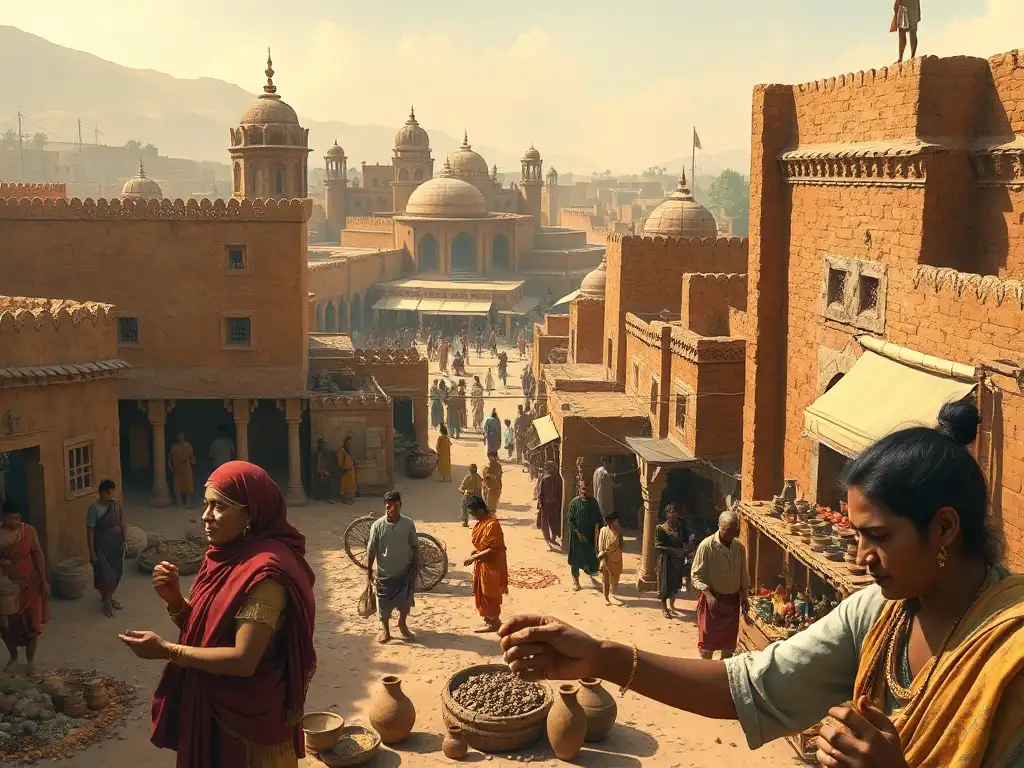
The Indus Valley Civilization (IVC), one of the world's earliest urban cultures, thrived between approximately 3300 and 1300 BCE in the northwestern regions of South Asia, primarily in modern-day Pakistan and northwest India. This civilization is renowned for its advanced urban planning, sophisticated drainage systems, and remarkable craftsmanship, particularly in metallurgy and material science. The innovations in material science during this period laid a foundation that would influence future civilizations and industries.
Overview of the Indus Valley Civilization
The IVC is characterized by its well-organized cities such as Harappa and Mohenjo-Daro, which featured grid-like street layouts, standardized fired brick construction, and advanced water management systems. The inhabitants of the IVC were skilled artisans, traders, and farmers, contributing to a vibrant economy facilitated by extensive trade networks.
- Key Features of the Indus Valley Civilization:
- Urban Planning: Cities built on a grid system with sophisticated drainage.
- Architecture: Use of uniform baked bricks for construction.
- Trade: Engaged in commerce with regions as far as Mesopotamia, exchanging goods like cotton textiles and metal products.
- Writing System: A still undeciphered script, indicating a complex society.
The IVC's achievements in material science are particularly noteworthy, as they utilized various metals and materials that were crucial for their daily life, trade, and technological advancements.
Importance of Material Science in Ancient Societies
Material science played a pivotal role in the development of ancient societies, influencing everything from daily living to warfare and trade. The Indus Valley Civilization stands out for its innovative approaches in metallurgy and material utilization.
-
Metallurgy in the Indus Valley:
The IVC was a pioneer in several metallurgical techniques, particularly in the production of bronze and copper tools. This mastery allowed for the creation of more efficient agricultural tools, weapons, and decorative artifacts.
-
Innovations in Material Use:
The inhabitants not only focused on metals but also on materials like clay, which they used for pottery and figurines. Their techniques in firing and glazing pottery were advanced for their time, showcasing their understanding of material properties.
-
Cultural and Economic Impact:
The advancements in material science contributed significantly to the economy by enhancing trade. The production of high-quality goods enabled the IVC to establish itself as a key player in regional trade networks. The use of standardized weights and measures facilitated commercial transactions, indicating a sophisticated understanding of material properties.
The innovations in material science during the Indus Valley Civilization were not merely technical achievements; they were integral to the cultural and economic fabric of the society. These advancements laid the groundwork for future civilizations, highlighting the importance of material science in the development of human history.
Key Innovations in Indus Valley Material Science
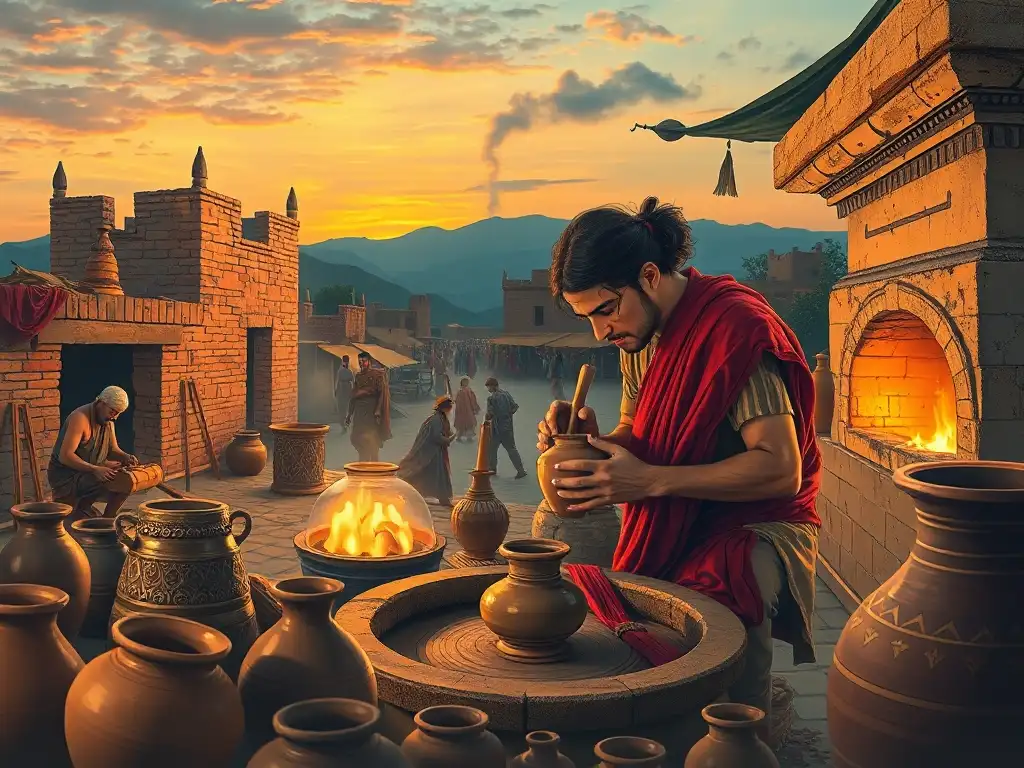
The Indus Valley Civilization, flourishing around 2500 BCE in present-day Pakistan and northwest India, is renowned for its sophisticated urban planning and advanced technologies. Among its many achievements, the innovations in material science stand out, showcasing a deep understanding of materials that laid the groundwork for future advancements. This section highlights some of the most significant innovations in metallurgy, pottery, and sustainable practices that defined the technological landscape of the Indus Valley.
Development of Advanced Metallurgy Techniques
The metallurgical advancements of the Indus Valley are particularly noteworthy, especially in the production and use of copper, bronze, and lead.
- Copper and Bronze Production: The artisans of the Indus Valley were adept at smelting copper from ores, which was then alloyed with tin to create bronze. This alloy offered superior strength and durability compared to its constituents, enabling the production of more efficient tools and weapons.
- Lost-Wax Casting Technique: The use of the lost-wax casting method was a remarkable innovation that allowed for intricate designs in metalwork. This technique involved creating a wax model of the desired object, encasing it in clay, and then heating it to melt away the wax, leaving a mold for pouring molten metal. Artifacts such as figurines and ornaments from this period exemplify this skill.
- Metal Tools and Weapons: The Indus Valley people produced a variety of metal tools, including chisels, saws, and fishing hooks. The availability of bronze tools significantly transformed agricultural practices, making farming more efficient.
The mastery of metallurgy not only served practical purposes but also reflected the aesthetic sensibilities of the civilization, as seen in their decorative metalwork.
Innovations in Pottery and Ceramic Technologies
Ceramics played a pivotal role in the daily life of the Indus Valley Civilization, and their innovations in pottery are marked by both functional and artistic elements.
- Geometric and Painted Pottery: The Indus Valley artisans are credited with creating pottery that featured intricate geometric patterns and vibrant colors. The use of natural pigments and advanced firing techniques resulted in durable wares that were both functional and visually appealing.
- Kiln Technology: The development of specialized kilns allowed for higher temperature control during firing. This advancement enabled the production of high-fired ceramics, which were more resilient and suitable for various uses, from storage to cooking.
- Terracotta Figurines: In addition to functional pottery, the Indus Valley Civilization produced a wealth of terracotta figurines, which provide insight into their cultural and religious practices. These figures often depict animals and human forms, showcasing the artistic skill and cultural values of the society.
The innovations in pottery not only fulfilled everyday needs but also served as a medium for artistic expression, reflecting the complexity of Indus Valley culture.
Use of Natural Resources and Sustainable Practices
The Indus Valley Civilization demonstrated a profound respect for natural resources, implementing sustainable practices that ensured the longevity of their society.
- Resource Management: The strategic location of the Indus Valley allowed for access to various natural resources, including fertile land, minerals, and water. The civilization utilized these resources judiciously, practicing crop rotation and irrigation techniques to enhance agricultural productivity.
- Waste Management: Evidence suggests that the Indus Valley cities had advanced drainage systems and waste disposal practices, indicating a high level of urban planning. This approach not only maintained public health but also illustrated an awareness of environmental sustainability.
- Recycling Materials: The artisans often recycled metal and pottery, a practice that reflects their resourcefulness and commitment to minimizing waste. This circular approach to material use underscores the sustainability ethos embedded in their culture.
The sustainable practices adopted by the Indus Valley Civilization highlight their innovative mindset, not just in terms of technology, but also in their relationship with the environment, paving the way for future civilizations to draw inspiration from their model.
Metallurgical Practices of the Indus Valley
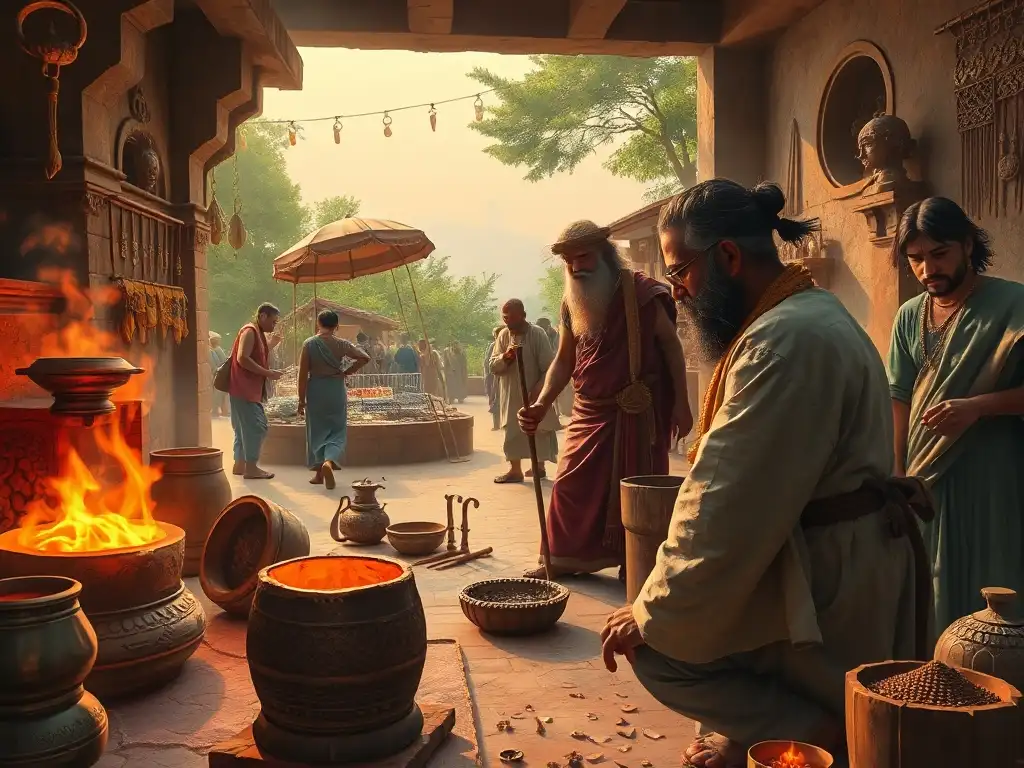
The Indus Valley Civilization (IVC), flourishing from approximately 3300 BCE to 1300 BCE, showcases remarkable advancements in metallurgy and material science. The ingenuity of its people led to significant innovations, particularly in the production and use of metals. The metallurgical practices of the Indus Valley were characterized by the skilled extraction of metals, sophisticated techniques for alloy production, and the establishment of metalworking sites that highlight the civilization's technological prowess.
Copper and Bronze Production Techniques
The primary metals utilized in the Indus Valley were copper and bronze, a testament to the region's advanced metallurgical knowledge. The techniques for producing these metals involved several critical steps:
- Copper Extraction:
- The Indus Valley people sourced copper from nearby regions, particularly from the Khetri area, known for its rich copper deposits.
- They employed smelting techniques, where copper ores were heated in furnaces to extract the metal, often using charcoal as a reducing agent.
- Bronze Alloys:
- Bronze, an alloy of copper and tin, was produced through the careful combination of these metals.
- The typical ratio found in archaeological sites suggests about 90% copper and 10% tin, enhancing the metal's durability and workability.
- Casting and Molding:
- The Indus Valley craftsmen mastered the art of casting, using molds made from clay or stone to shape bronze into various artifacts.
- Techniques such as lost-wax casting were also employed, allowing for intricate designs and detailed craftsmanship.
The proficiency in these production techniques not only facilitated the creation of tools and weapons but also contributed to the development of a thriving trade network.
The Role of Alloys in Indus Valley Innovations
Alloys played a pivotal role in the technological advancements of the Indus Valley. The use of alloys, particularly bronze, revolutionized various aspects of daily life, including agriculture, warfare, and craftsmanship.
- Enhanced Durability: The incorporation of tin in bronze significantly improved its hardness and resistance to corrosion compared to pure copper, making it ideal for tools and weaponry.
- Diverse Applications:
- Bronze was utilized for a variety of items including agricultural tools, decorative artifacts, and ceremonial objects.
- The use of bronze axes, for example, facilitated more efficient farming practices.
- Cultural Significance: The ability to produce alloys not only demonstrated technological expertise but also had social implications, as access to bronze tools could enhance agricultural productivity and foster trade.
The innovations in alloy production reflect the advanced understanding of materials that the Indus Valley craftsmen possessed, paving the way for further developments in metallurgy.
Evidence of Metalworking Sites in the Indus Valley
Archaeological excavations across the Indus Valley have uncovered numerous metalworking sites, providing concrete evidence of the sophisticated metallurgical practices employed by its inhabitants. Key findings include:
- Mohenjo-Daro: This major urban center revealed workshops where metal artifacts were produced. The presence of crucibles and slag suggests extensive metalworking activities.
- Harappa: Excavations at Harappa unearthed a variety of metal tools and decorative items, indicating a thriving craft industry. The standardization of weights and measures also points to organized production processes.
- Chandraketugarh: Located near the eastern boundary of the Indus Valley, this site has yielded various metal objects, further illustrating the widespread nature of metallurgy in the region.
The study of these sites not only highlights the technological advancements in material science but also underscores the economic and social structures that supported such innovations.
The metallurgical practices of the Indus Valley, characterized by advanced copper and bronze production techniques, innovative alloy applications, and significant metalworking sites, mark a pivotal chapter in the history of material science. The legacy of these practices continues to influence modern metallurgy and remains a subject of fascination for historians and scientists alike.
Architectural Innovations and Material Use
Construction Techniques of Indus Valley Urban Planning
The Indus Valley Civilization (IVC), which thrived from approximately 2500 BCE to 1900 BCE, is renowned for its sophisticated urban planning and architectural innovations. Cities such as Harappa and Mohenjo-Daro exemplify advanced construction techniques that reflect a deep understanding of material science.
- Grid Layouts: The urban centers of the Indus Valley were meticulously planned with a grid pattern. Streets were laid out at right angles, and buildings were constructed using standardized measurements. This approach not only maximized space efficiency but also facilitated effective drainage systems.
- Load-Bearing Structures: The use of load-bearing walls allowed buildings to rise multiple stories. This technique was vital for creating larger public buildings and residential complexes. The walls were often made with a combination of mud bricks and fired bricks, showcasing the civilization's understanding of different materials and their properties.
- Standardized Brick Sizes: The IVC is credited with the development of uniform brick sizes, typically measuring 7:1:4, which greatly enhanced the structural integrity of their constructions. This standardization is a remarkable achievement in material science, as it allowed for more efficient building practices and promoted durability.
Use of Fired Bricks and Their Significance
Fired bricks played a crucial role in the architectural landscape of the Indus Valley. Their production involved a sophisticated understanding of raw materials and firing techniques, which significantly contributed to the durability of structures.
- Durability: Fired bricks were much stronger than their unfired counterparts, allowing for the construction of resilient structures capable of withstanding the test of time. This innovation is a testament to the material science advancements made by the IVC.
- Thermal Regulation: The thermal properties of fired bricks contributed to better insulation in homes. The bricks could retain heat during the cold nights and remain cool during the scorching days, enhancing living conditions in a region characterized by extreme temperatures.
- Water-Resistant Properties: The firing process reduced the porosity of the bricks, making them less susceptible to water damage. This quality was particularly important in the context of the IVC's advanced drainage systems, allowing for effective management of wastewater and stormwater.
Water Management Systems: A Study of Material Applications
The Indus Valley Civilization is notable for its sophisticated water management systems, which reflect advanced material applications and engineering techniques.
- Drainage Systems: The cities featured extensive drainage systems with covered drains made of fired bricks and stones. The use of durable materials ensured longevity and functionality, highlighting the civilization's expertise in material selection.
- Water Storage: Large reservoirs and wells were constructed using fired bricks, demonstrating an understanding of waterproofing techniques. These water storage solutions were essential for sustaining urban populations, especially during dry seasons.
- Irrigation Techniques: The use of canals for irrigation purposes is another critical aspect of the IVC's water management systems. The careful selection of materials for canal construction ensured that water flow was maintained effectively, supporting agricultural practices that were vital for the civilization's economy.
The architectural innovations and material science advancements of the Indus Valley Civilization not only facilitated urban planning and construction but also laid the groundwork for future civilizations. The effective use of materials like fired bricks and sophisticated water management systems showcases the ingenuity of this ancient society, making it a pivotal chapter in the history of technology and innovations.
Trade and Exchange of Material Science Innovations
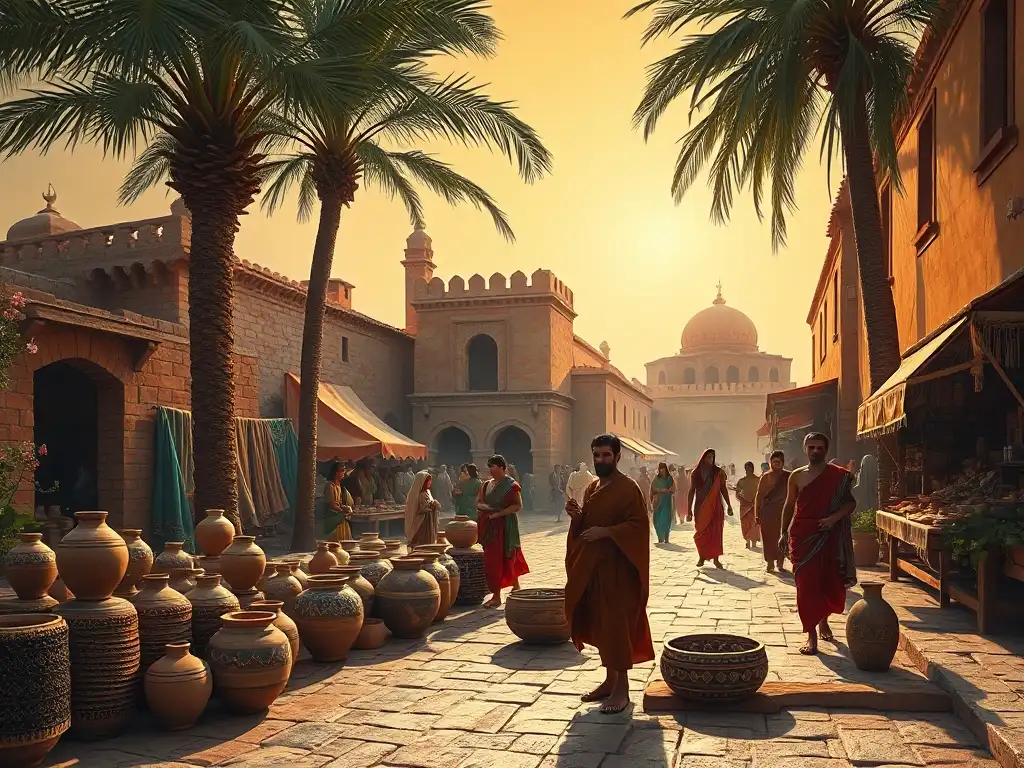
The Indus Valley Trade Network and Material Resources
The Indus Valley Civilization (IVC), flourishing between approximately 3300 and 1300 BCE, was characterized by its advanced urban planning and sophisticated material culture. A crucial component of this civilization's success was its extensive trade network, which facilitated the exchange of various materials and technological innovations.
The trade routes of the Indus Valley extended not only across the Indian subcontinent but also connected to distant regions, including Mesopotamia, Persia, and even parts of Africa. This extensive trade network enabled the IVC to access a wide array of raw materials, such as:
- Metals: Copper, bronze, and tin were essential for tool-making and weaponry.
- Semi-precious stones: Materials like lapis lazuli, carnelian, and agate were used in ornaments and seals.
- Textiles: Cotton and wool were traded, showcasing the IVC's early advancements in textile production.
The existence of well-planned cities like Harappa and Mohenjo-Daro underscores the role of trade in the distribution of these resources. Artifacts such as weights and measures found in these cities indicate a standardized system that facilitated commerce, enhancing the efficiency of material acquisition and innovation.
Influence of Trade on Technological Advancements
The interplay between trade and technological advancements in the Indus Valley cannot be overstated. The influx of diverse materials through trade routes catalyzed innovations in metallurgy and material science. Several key developments emerged as a result of this exchange:
- Metallurgical Techniques: The IVC was known for its innovative metallurgy, particularly in bronze production. The ability to create alloys by combining copper with tin or arsenic was a significant advancement. This allowed for stronger tools and weapons, greatly enhancing agricultural and military capabilities.
- Ceramics and Pottery: Trade introduced new styles and techniques for pottery production. The use of high-fired ceramics improved durability and aesthetic appeal, which was evident in the intricate designs and glazes that marked Indus Valley pottery.
- Seals and Inscription: The creation of seals from steatite and other stones was a significant technological advancement. These seals were not only functional, serving as a means of trade identification, but also reflected the artistic and material craftsmanship of the civilization.
- Transportation Innovations: The need for efficient transportation of goods led to innovations in vehicle design, including carts and boats. The development of these transport methods played a crucial role in expanding trade networks, enabling the flow of goods and materials across vast distances.
The vibrant trade of the Indus Valley Civilization thus served as a catalyst for technological advancements in material science, demonstrating how commerce can drive innovation and cultural exchange. The legacy of these innovations continues to influence material science today, highlighting the enduring impact of ancient practices on modern technology.
Comparison of Indus Valley Innovations with Other Ancient Civilizations
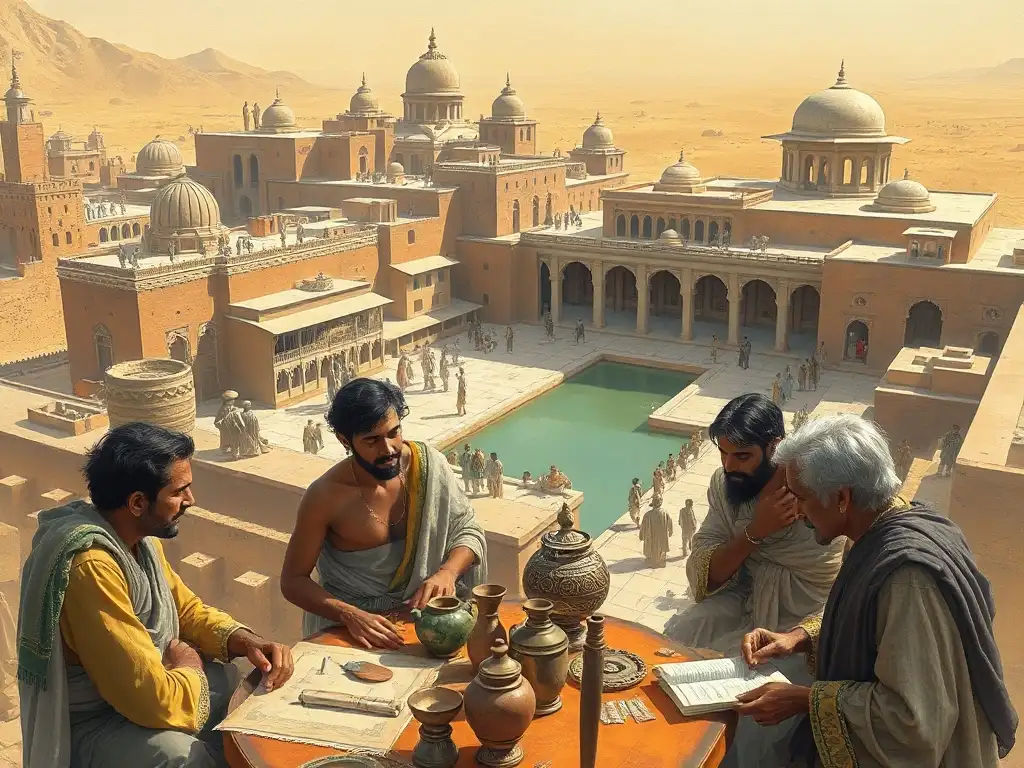
The Indus Valley Civilization, flourishing around 2500 BCE, is renowned for its advanced material science innovations, particularly in metallurgy and urban planning. When comparing these innovations with those of other ancient civilizations such as Mesopotamia, Egypt, and China, several similarities and differences emerge, revealing unique approaches to material science.
Similarities and Differences in Material Science Approaches
-
Metallurgy Techniques
The Indus Valley civilization demonstrated remarkable metallurgy skills, especially in the production of bronze. This was similar to the practices observed in Mesopotamia, where copper and bronze were also extensively used. However, the Indus Valley's technique of casting bronze using the lost-wax method showcased a level of sophistication that was distinctive.
-
Material Usage
While the Indus Valley utilized materials like terracotta and shell extensively, the Egyptians primarily focused on stone and metals. The use of locally available materials allowed the Indus Valley to innovate in unique ways, such as creating intricate seals and jewelry. The emphasis on sustainable material sourcing can be seen as a hallmark of their innovation.
-
Urban Planning
Innovations in urban planning, such as the advanced drainage systems and grid layouts of Harappa and Mohenjo-Daro, set the Indus Valley apart from contemporaneous civilizations. For instance, while Mesopotamian cities often grew organically, the Indus Valley showcased a planned approach that emphasized sanitation and public health.
-
Ceramics and Pottery
The Indus Valley's ceramic technology was advanced compared to other civilizations. Their pottery featured high-fired, painted designs that were distinct from the simpler pottery styles of Egypt and Mesopotamia. The techniques employed in glazing and firing were innovative, indicating a sophisticated understanding of material properties.
Impact of Geographic and Cultural Factors on Innovation
The geographic landscape and cultural context of the Indus Valley significantly influenced its material science innovations.
-
Natural Resources
The richness of the natural resources available in the Indus Valley played a crucial role in its advancements. Access to high-quality clay, copper, and other raw materials facilitated innovation. In contrast, regions like Mesopotamia faced challenges related to resource scarcity, which affected their material choices and technological developments.
-
Trade Networks
The Indus Valley's extensive trade networks allowed for the exchange of materials and ideas with neighboring civilizations. This interaction not only reinforced their own innovations but also influenced other cultures. For instance, the trade of lapis lazuli with Mesopotamia reflects a cross-cultural exchange that enriched both civilizations' material sciences.
-
Cultural Practices
The religious and social structures of the Indus Valley society encouraged craftsmanship and the use of sophisticated materials in daily life and ritual. The creation of intricate seals and tools suggests a cultural appreciation for artistry and utility, which drove innovation in material science.
-
Urban vs. Rural Dynamics
The urban-centric model of the Indus Valley, characterized by its well-planned cities, fostered an environment conducive to innovation. This contrasts with the rural-based economies of other ancient civilizations, where technological advancements were often slower to emerge due to less centralized control and organization.
The material science innovations of the Indus Valley civilization reflect a unique blend of geographic advantages, cultural influences, and advanced techniques that both align with and diverge from the practices of other ancient civilizations. Their legacy in metallurgy and material science continues to intrigue historians and researchers today.
Conclusion: The Legacy of Indus Valley Material Science Innovations
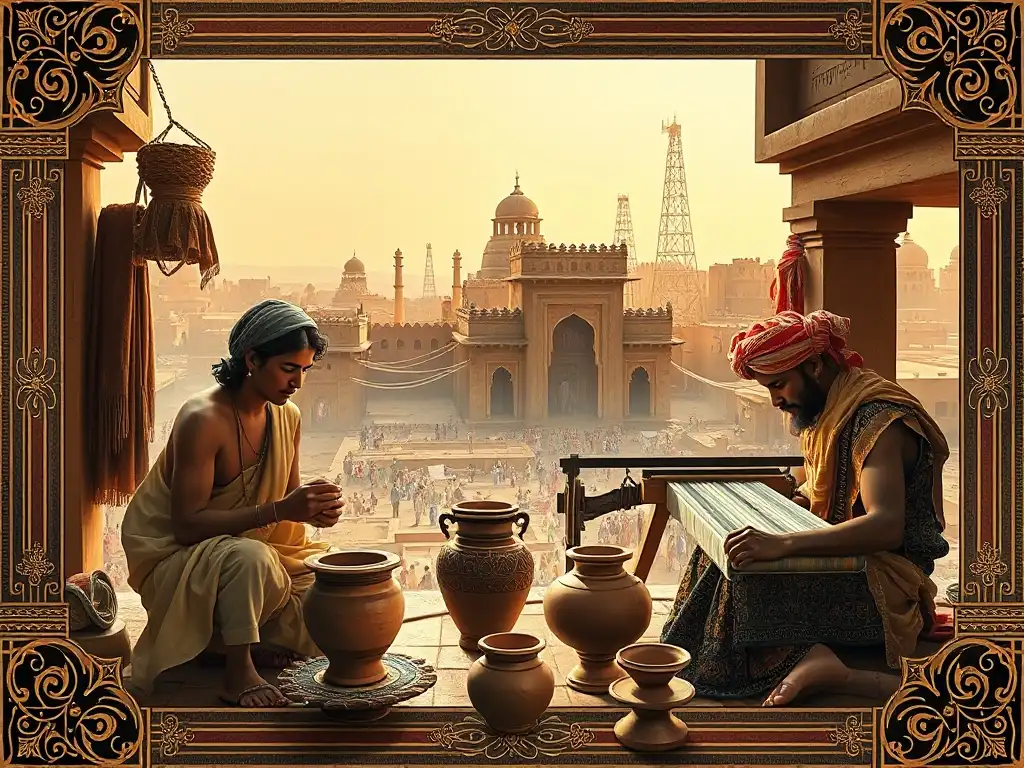
The Indus Valley Civilization, one of the world's earliest urban cultures, is renowned for its remarkable achievements in material science innovations. These advancements laid the groundwork for various industries and technologies that would influence subsequent civilizations. The legacy of their practices in metallurgy and material science continues to resonate today, underscoring the importance of understanding and preserving these ancient innovations.
Lasting Impact on Future Civilizations
The innovations in material science from the Indus Valley had a profound and lasting impact on future civilizations. One of the most notable contributions was the development of advanced metallurgy techniques. The people of the Indus Valley were among the first to smelt copper and bronze, which not only facilitated the creation of tools and weapons but also influenced trade routes across regions.
- Trade and Cultural Exchange: The metallurgical advancements enabled the export of metal goods, creating robust trade networks with Mesopotamia and other contemporaneous cultures. This exchange fostered cultural interactions that enriched both societies.
- Architectural Techniques: The use of fired bricks and advanced construction methods in urban planning influenced subsequent Indian architecture. Cities like Mohenjo-Daro and Harappa showcased sophisticated drainage systems and grid layouts, which would later inspire urban designs in other parts of the world.
- Craftsmanship and Art: The artistic expressions found in seals, pottery, and jewelry from the Indus Valley exhibit a high level of craftsmanship that would set standards for artistic endeavors in later Indian civilizations. The techniques developed during this period laid the foundation for traditional Indian metallurgy and craftsmanship that continues to be celebrated today.
Importance of Preserving Indus Valley Innovations in Modern Times
In today's rapidly evolving technological landscape, the preservation of Indus Valley material science innovations holds significant relevance. Understanding these ancient practices not only enriches our historical knowledge but also offers potential solutions for contemporary challenges.
- Sustainable Practices: Many techniques employed by the Indus Valley civilization exemplified sustainable practices, such as the use of local resources and environmentally friendly production methods. Revisiting these methodologies can provide insights into modern sustainable development.
- Material Science Research: The ancient techniques of alloying metals and pottery production can inform current research in material science. By studying the compositions and properties of ancient materials, modern scientists can discover new applications or enhance existing technologies.
- Cultural Heritage: Preserving the innovations of the Indus Valley is essential for maintaining cultural heritage. Initiatives that promote awareness and education about these ancient technologies can help foster a deeper appreciation for India's historical contributions to global civilization.
The Indus Valley material science innovations not only shaped their own civilization but also laid the groundwork for future advancements. By recognizing their legacy and the importance of preservation, we can continue to draw inspiration from ancient practices to address modern-day challenges while honoring our rich cultural heritage.
References
Key Sources for Further Reading on Indus Valley Civilization and Material Science
To deepen your understanding of the Indus Valley material science innovations, consider the following key sources that provide valuable insights into the civilization's technological advancements and contributions to metallurgy:
- "The Indus Civilization: A Contemporary Perspective"
- Author: Gregory L. Possehl
- Overview: This book offers a comprehensive overview of the Indus Valley Civilization, focusing on its cultural, technological, and economic aspects. It explores the various innovations that emerged during this period, including material science advancements.
- "Metallurgy in Ancient India"
- Author: R. Balasubramaniam
- Overview: This text delves into the metallurgical practices of ancient India, with a significant focus on the techniques and materials used by the Indus Valley civilization. It highlights how these innovations laid the foundation for future developments in metallurgy.
- "The Archaeology of Early Historic South Asia: The Emergence of Cities and States"
- Author: Robin Coningham and Ruth Young
- Overview: This book provides an archaeological perspective on the evolution of urban centers in early South Asia, including the technological advancements in material science during the Indus Valley period.
- "Indus Valley Civilization: A New Perspective"
- Authors: Irfan Habib and others
- Overview: This collection of essays examines various aspects of the Indus Valley Civilization, including its innovations in materials and how these contributed to broader technological trends in ancient India.
- "Ancient Indian Metallurgy"
- Author: R. S. Sharma
- Overview: This work focuses on the metallurgical practices in ancient India, with specific reference to the Indus Valley. It details the materials used, their sources, and the techniques employed by artisans of the time.
Suggested Literature on Ancient Indian Innovations
For those interested in exploring further literature on ancient Indian innovations related to material science and metallurgy, the following texts are recommended:
- "Science and Technology in Ancient India"
- Author: D. N. Jha
- Insights: This book discusses the scientific and technological innovations in ancient India, with a comprehensive look at the materials and techniques used in various domains, including metallurgy.
- "The History of Indian Science, Technology, and Culture"
- Editor: D. P. Chattopadhyaya
- Overview: This multi-volume work examines the historical trajectory of science and technology in India, with specific chapters dedicated to material science innovations throughout different eras, including the Indus Valley period.
- "Indigenous Knowledge and the Development of Material Science"
- Authors: Various
- Synopsis: This compilation explores the role of indigenous knowledge systems in the development of material science in ancient India, highlighting the contributions from the Indus Valley civilization.
- "The Metal Age in India"
- Author: B. B. Lal
- Overview: Focusing specifically on the metallurgical advancements in India, this work provides insights into the techniques and materials that were pivotal in the development of metalworking during the Indus Valley era.
These sources will provide readers with a broader understanding of the innovations in material science that emerged from the Indus Valley Civilization and their lasting impact on future technological developments in the region.
Frequently Asked Questions
What are the key innovations of the Indus Valley civilization in material science?
The Indus Valley civilization is known for its advanced techniques in metallurgy, ceramics, and textiles, showcasing significant innovations that influenced later cultures.
How did the Indus Valley contribute to modern material science?
The material science innovations of the Indus Valley, particularly in brick-making and drainage systems, laid the groundwork for modern engineering principles and urban planning.
What materials were primarily used by the Indus Valley people?
The Indus Valley civilization utilized a range of materials, including clay, copper, and bronze, which were essential in crafting tools, pottery, and intricate jewelry.
How did the Indus Valley's innovations affect trade?
The innovations in material science allowed the Indus Valley civilization to produce high-quality goods, enhancing their trade networks with neighboring regions and boosting their economy.
Are there any remaining artifacts from the Indus Valley that showcase their material science?
Yes, numerous artifacts, such as seals, pottery, and metal tools, have been discovered, providing insight into the material science innovations and daily life of the Indus Valley civilization.
Final Reflection: The Enduring Legacy of Indus Valley Material Science Innovations
The exploration of Indus Valley material science innovations reveals a profound connection between ancient ingenuity and contemporary advancements. Today, as we face challenges in sustainability and technological development, the lessons from the Indus Valley civilization remind us that innovation is not merely a modern phenomenon but a continuum that has shaped human progress for millennia. The ingenuity of these early engineers and craftsmen serves as a striking reminder that the foundations of our current material science are deeply rooted in the past.
The impact of the Indus Valley's innovations extends beyond historical significance; it continues to resonate within our cultural and social landscape. Their mastery of materials and techniques not only laid the groundwork for future civilizations but also inspires modern scientists and engineers in their quest for sustainable solutions. As we strive to address pressing global issues, we can draw inspiration from the resilience and creativity of the Indus Valley people. Innovation is the ability to see change as an opportunity – not a threat.
This quote encapsulates the spirit of the Indus Valley, encouraging us to view the challenges of today through a lens of opportunity, much like those ancient innovators did.
As we reflect on the remarkable achievements of the Indus Valley civilization, I invite you to consider how these lessons can be applied in your own life. Embrace the spirit of innovation and adaptability that characterized this ancient society. Whether in your personal projects, professional endeavors, or community initiatives, let the legacy of the Indus Valley inspire you to think creatively and act boldly. Together, we can honor their legacy by fostering a culture of innovation that not only respects our past but also shapes a sustainable future for generations to come.
Dive Deeper into the Wonders of Material Science!
Thank you for exploring the amazing innovations of the Indus Valley with us! We hope you found inspiration in the creativity and ingenuity of early civilizations. Now, it's time to take what you've learned and translate it into action!
Here are a few ways you can continue your journey into the world of ancient materials:
- Explore further: Dive into the resources on our Ancient India History website and discover more intriguing articles about the contributions of the Indus Valley to science and technology.
- Share your insights: Discuss your newfound knowledge by sharing this article with friends or on social media. Encourage others to appreciate the brilliance of ancient innovations!
- Join the community: Participate in our forums to connect with fellow enthusiasts. Share your thoughts on how these ancient techniques can inspire modern developments in material science.
What aspect of the Indus Valley’s innovations fascinates you the most, and how do you believe they continue to influence material science today?