
The Transformation of Indian Society Under Chandragupta Maurya's Leadership

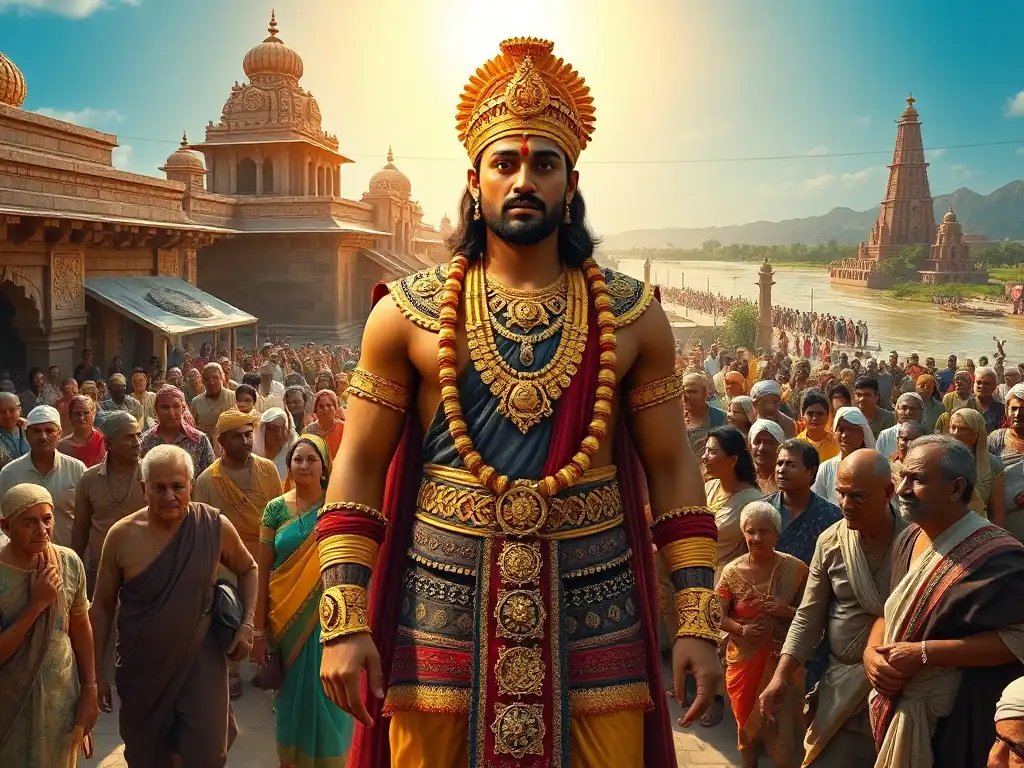
Welcome to Ancient India History, where we embark on a journey through the rich tapestry of India's past. Discover how the mighty Chandragupta Maurya transformed Indian society and left an indelible mark on its culture and governance. In our featured article, " The Transformation of Indian Society Under Chandragupta Maurya's Leadership," we delve into the profound impact of his leadership, exploring how it shaped the trajectory of ancient Indian civilization. Prepare to be intrigued as we uncover the remarkable achievements and legacy of one of history's pivotal figures. Join us as we explore the depths of this fascinating era!
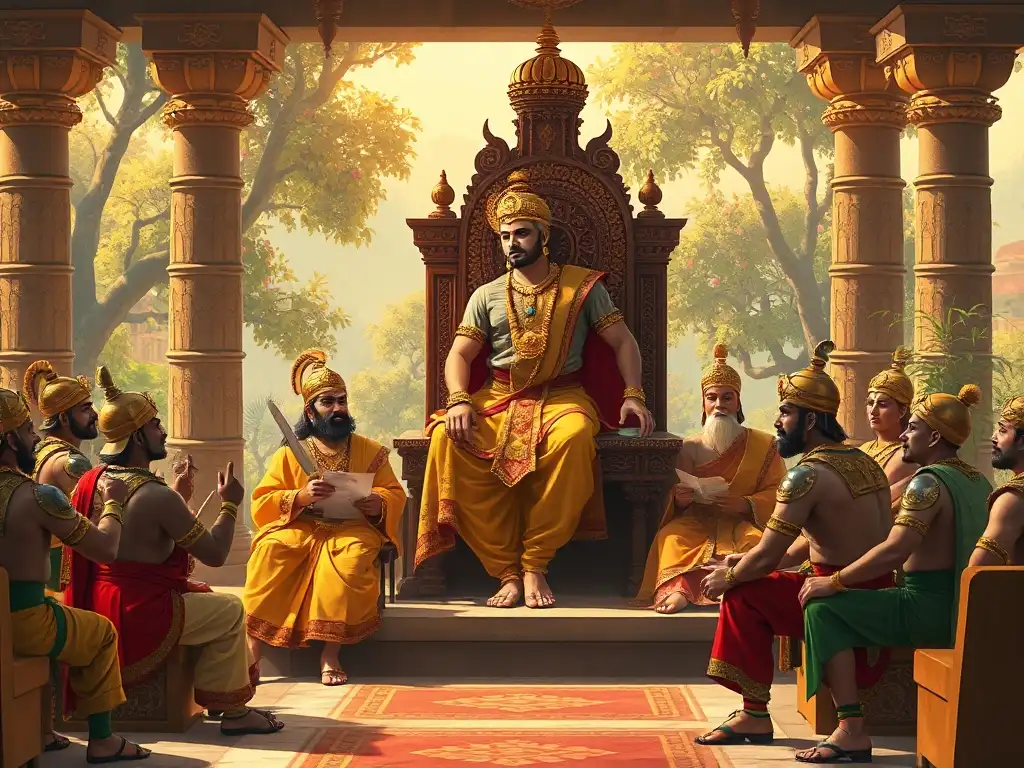
Introduction to Chandragupta Maurya's Leadership Impact
Chandragupta Maurya, a pivotal figure in ancient Indian history, is renowned for his remarkable leadership that laid the foundation of one of the most significant empires in Indian history—the Maurya Empire. His ascent to power and subsequent reign marked a transformative period in Indian society, characterized by profound changes in governance, social structure, and cultural norms.
The impact of Chandragupta Maurya’s leadership resonates through the ages, shaping the political landscape and influencing the social dynamics of ancient India. This article delves into the myriad ways in which his leadership transformed Indian society, from restructuring social hierarchies to enhancing economic conditions and fostering cultural development.
Overview of Ancient Indian Society Before Chandragupta
Before the emergence of Chandragupta Maurya, ancient Indian society was marked by a complex tapestry of traditions, beliefs, and structures that varied across regions. This period was characterized by a fragmented political landscape, with numerous kingdoms and tribal entities vying for dominance. Understanding the social, economic, and cultural conditions prior to Chandragupta's rise is essential to appreciate the magnitude of his transformative impact.
Social Structure and Class Divisions
The social structure of ancient India before Chandragupta was predominantly hierarchical, deeply influenced by the Vedic traditions which emphasized a rigid caste system. This system categorized society into four main varnas:
- Brahmins (priests and scholars)
- Kshatriyas (warriors and rulers)
- Vaishyas (merchants and farmers)
- Shudras (laborers and service providers)
Each caste had defined duties and responsibilities, leading to a societal framework that often restricted mobility and reinforced inequalities. This stratification was not merely social but also spiritual, as it dictated religious rights and societal roles. The rigid class divisions fostered a sense of identity but also bred discontent among lower castes, setting the stage for the changes brought about by Chandragupta.
Economic Conditions and Trade Practices
Economically, ancient India before Chandragupta was characterized by subsistence agriculture, with local economies primarily relying on farming and handicrafts. Trade was active, particularly in regions like the Indus Valley, which had established trade routes that extended to Central Asia and beyond. Key economic features included:
- Agricultural Production: Dominated by monsoon-dependent crops such as rice and wheat.
- Trade Networks: Flourishing trade routes facilitated the exchange of goods like textiles, spices, and precious metals.
- Local Markets: Villages served as economic hubs where goods were bartered, fostering a sense of community but limiting broader economic integration.
The lack of a unified economic system often hampered larger-scale trade and economic development.
Cultural Norms and Beliefs
Culturally, ancient Indian society was rich and diverse, with a tapestry of beliefs, languages, and practices. Major characteristics included:
- Religious Practices: Hinduism and Buddhism coexisted, with rituals and festivals playing a significant role in community life.
- Art and Literature: An emphasis on oral traditions, storytelling, and early forms of literature flourished, reflecting the unique cultural identities of various regions.
- Philosophical Thought: Schools of thought, such as Jainism and the early philosophies of Hinduism, began to emerge, influencing societal values and ethical norms.
These cultural elements created a vibrant society but also contributed to regional disparities and conflicts, which Chandragupta would later address through his unifying leadership.
The period leading up to Chandragupta Maurya's reign was marked by distinct social, economic, and cultural characteristics that not only defined ancient Indian society but also posed challenges that would be met by his transformative leadership.
The Rise of Chandragupta Maurya
Chandragupta Maurya's ascent to power marked a significant transformation in ancient Indian society. His rise was not merely a personal achievement; it signified the beginning of a unified Indian subcontinent under a centralized authority. His journey from obscurity to a powerful ruler is a narrative filled with strategic brilliance, resilience, and an understanding of the socio-political landscape of his time.
Early Life and Influences on Leadership
Chandragupta was born around 340 BCE in a humble family, possibly of the Kshatriya warrior caste. His early life was marked by the turmoil of the fragmented Indian states and the overbearing influence of foreign invaders, particularly the Persian Empire. Influenced by the teachings of thinkers like Chanakya (Kautilya), who became his mentor and strategist, Chandragupta learned the importance of statecraft, military tactics, and the value of alliances.
Chanakya's ideologies, especially those detailed in the Arthashastra, played a crucial role in shaping Chandragupta's leadership approach. The young prince was motivated by a desire to restore Indian sovereignty and protect his homeland, which paved the way for his ambitious plans to unify the region.
Key Events Leading to Power
Chandragupta's journey to power was marked by several pivotal events:
- Meeting Chanakya: After being ousted by the Nanda dynasty, Chandragupta encountered Chanakya, who recognized his potential and took him under his wing. Together, they plotted the overthrow of the Nanda rulers.
- Gathering Support: Chandragupta traveled across the region, gathering an army of disgruntled soldiers and local chieftains who were unhappy with Nanda rule. His charisma and determination inspired loyalty among his followers.
- Strategic Confrontations: The first significant confrontation occurred in 322 BCE when Chandragupta attacked the Nanda capital, Pataliputra. With Chanakya's guidance, they executed a series of guerrilla tactics, gradually weakening the Nanda forces.
- Overthrow of the Nandas: By 321 BCE, Chandragupta successfully deposed the Nanda dynasty, marking a turning point in Indian history. This victory laid the foundation for the Maurya Empire, signaling a new era of governance.
Establishment of the Maurya Empire
Following the overthrow of the Nandas, Chandragupta established the Maurya Empire, one of the largest empires in ancient India. This empire was characterized by:
- Centralized Administration: Chandragupta implemented a highly organized administrative structure, dividing the empire into provinces, each overseen by a governor. This system ensured efficient governance and tax collection.
- Legal Reforms: He established a code of laws to regulate society, enhancing order and justice within the empire. This code was influenced by local customs but was standardized to maintain uniformity across the vast territories.
- Economic Policies: Chandragupta promoted agricultural development and trade, which led to the prosperity of the empire. He invested in infrastructure, including roads and markets, facilitating commerce and communication.
Chandragupta Maurya's Leadership Style
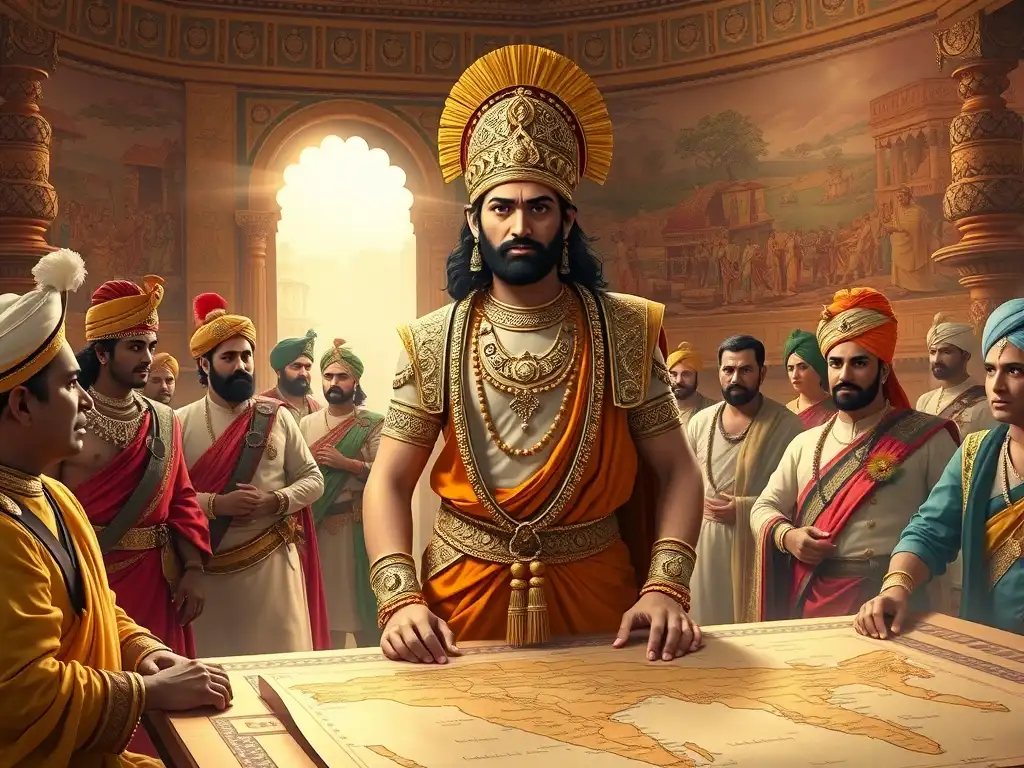
Chandragupta's leadership style was multifaceted, characterized by strategic acumen, adaptability, and a profound understanding of human nature. His approach to leadership laid the groundwork for the Maurya Empire's success.
Characteristics of Effective Leadership
Chandragupta exhibited several traits that defined his effective leadership:
- Visionary Thinking: He had a clear vision of a unified India free from foreign domination, which motivated him and his followers.
- Decisiveness: His ability to make quick and effective decisions, especially in military contexts, was crucial in overcoming adversaries.
- Charismatic Leadership: Chandragupta's charisma drew people to his cause, fostering loyalty and commitment among his troops and allies.
- Pragmatism: He balanced idealism with practical strategies, ensuring that his ambitions translated into achievable goals.
Military Strategies and Conquests
Chandragupta's military strategies were innovative and highly effective:
- Guerrilla Warfare: He utilized guerrilla tactics against the Nandas, striking swiftly and retreating before the enemy could mount a substantial response.
- Diplomatic Alliances: Recognizing the importance of alliances, Chandragupta formed strategic partnerships with local rulers, which bolstered his military strength.
- Adaptation of Tactics: He was quick to adapt his military tactics based on the strengths and weaknesses of his opponents, ensuring that his forces were always one step ahead.
Political Alliances and Administration
Chandragupta's political acumen extended beyond the battlefield:
- Forging Alliances: He understood the significance of alliances both for military and administrative purposes, which helped stabilize his rule and fostered loyalty among various factions.
- Efficient Bureaucracy: He established a bureaucratic system that allowed for effective governance across diverse regions, ensuring that local customs and practices were respected while maintaining central control.
- Counsel from Advisors: Chandragupta relied on wise advisors, particularly Chanakya, whose insights on governance and strategy were indispensable in navigating the complexities of ruling a vast empire.
Through these strategies and characteristics, Chandragupta Maurya's leadership had a profound impact on Indian society, laying the foundation for one of the most influential empires in ancient history.
Major Reforms Under Chandragupta Maurya
Chandragupta Maurya instituted a series of significant reforms that transformed Indian society during his reign. These reforms spanned economic, social, legal, and administrative spheres, laying the foundational structures that would shape the future of ancient India. His leadership not only centralized power but also aimed at ensuring stability and prosperity throughout the vast Mauryan Empire. The impact of these reforms was profound, as they helped integrate diverse communities and fostered a sense of unity amidst the empire's vastness.
Economic Reforms and Trade Expansion
Chandragupta Maurya's economic reforms were pivotal in establishing a robust trade network that connected various regions of the empire. He implemented a centralized taxation system that standardized income from agriculture, trade, and crafts, ensuring that the state could fund its administration and military effectively. The introduction of a uniform currency facilitated trade, making transactions simpler and more efficient.
Moreover, Chandragupta actively promoted trade with foreign lands, including Persia and the Hellenistic kingdoms. This not only enhanced the wealth of the Mauryan Empire but also led to cultural exchanges that enriched Indian society. The construction of roads and infrastructure further bolstered trade routes, allowing for smoother transportation of goods and ideas.
Social Reforms and Class Integration
Under Chandragupta's leadership, significant strides were made towards social integration and reform. He aimed to bridge the gaps between different castes and communities, promoting a more cohesive social fabric. This was particularly important in a diverse empire where numerous ethnicities and cultures coexisted.
Chandragupta encouraged inter-caste marriages and supported the involvement of lower castes in trade and agriculture, which was a progressive move for the time. By fostering a sense of inclusivity, he diminished the rigid boundaries of the caste system, thus promoting social mobility and cooperation among different groups.
Legal and Administrative Changes
Chandragupta Maurya's governance was marked by comprehensive legal and administrative reforms that established a strong bureaucratic framework. He instituted a codified set of laws, which was essential in maintaining order and justice across the empire. These laws were designed to be fair and accessible, reflecting the needs of various societal classes.
To ensure effective governance, Chandragupta divided the empire into provinces, each governed by appointed officials responsible for local administration. This decentralization allowed for more efficient management of resources and improved responsiveness to local issues. The legal system established during his reign laid the groundwork for future governance in India and highlighted the importance of a structured legal framework.
Cultural and Intellectual Flourishment
Chandragupta Maurya's reign also marked a period of significant cultural and intellectual development. His policies fostered an environment where arts, sciences, and philosophy could thrive, contributing to a rich cultural heritage that would influence generations to come.
Promotion of Arts and Architecture
Chandragupta was a patron of arts and architecture, encouraging the construction of monumental structures that showcased the empire's wealth and sophistication. Notable projects included the development of elaborate palaces, stupas, and public buildings that reflected the artistic skills of the time.
The architecture during his reign was characterized by intricate carvings and vast structures that served both religious and administrative purposes. This not only enhanced the aesthetic landscape of the empire but also provided employment and stimulated the economy through craftsmanship.
Advancements in Education and Philosophy
Education and philosophical inquiry flourished under Chandragupta's rule, as he recognized the importance of knowledge in governance and society. He established institutions of learning, which attracted scholars and students from various regions. The curriculum often encompassed a wide range of subjects, including mathematics, astronomy, and philosophy.
The influence of thinkers such as Chanakya, who served as Chandragupta's advisor, was instrumental in promoting a pragmatic approach to governance and ethics. Their teachings laid the foundations for political theory in India, emphasizing the significance of strategic thinking and moral responsibility.
Influence on Religion and Spiritual Practices
Chandragupta's reign also had a lasting impact on the religious landscape of India. While he himself embraced Jainism later in life, his leadership promoted a climate of religious tolerance and dialogue. This acceptance facilitated the coexistence of various faiths, including Hinduism and Buddhism, which were flourishing during this era.
His support for Jainism, particularly through the encouragement of non-violence and asceticism, contributed to the growth of these spiritual practices within the empire. This period of religious openness not only enriched the spiritual life of the populace but also encouraged philosophical debates that would shape Indian thought for centuries.
The Societal Transformation Resulting from His Leadership
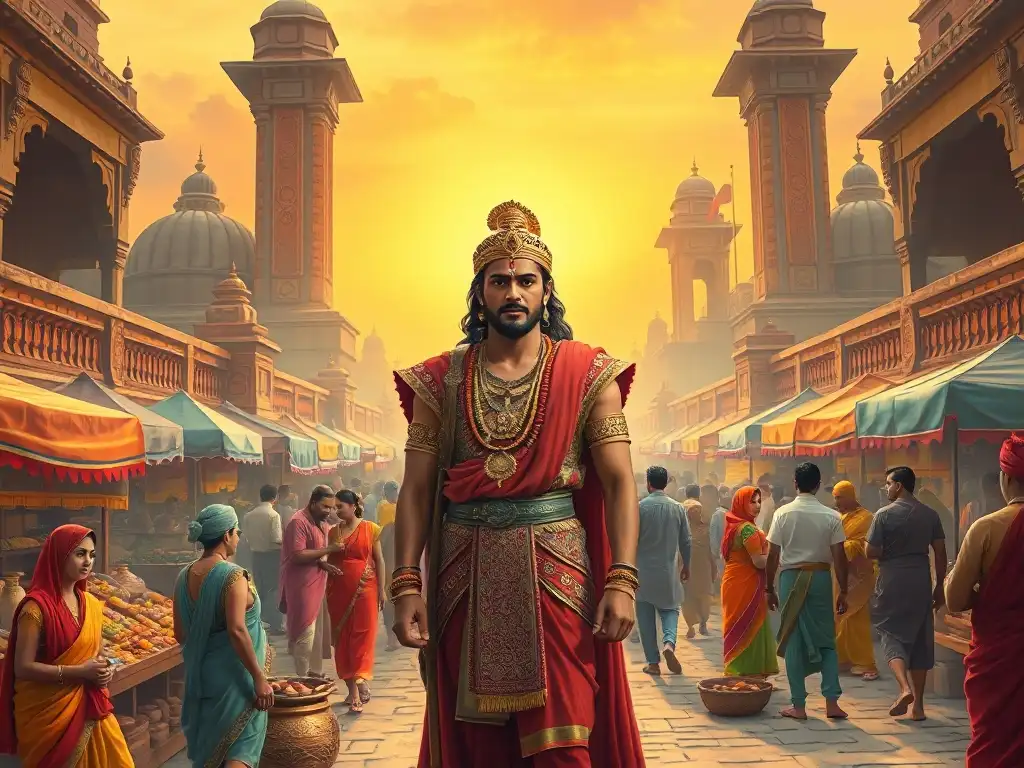
Chandragupta Maurya's leadership marked a pivotal shift in Indian society during the ancient era, steering it towards unprecedented unity and sophistication. His reign not only established the Maurya Empire but also laid the foundation for significant changes across various societal aspects. Under his rule, the fragmented kingdoms of India were unified, leading to a more cohesive society. This transformation was characterized by shifts in social dynamics, economic growth, and a lasting cultural impact that shaped the trajectory of Indian civilization.
Changes in Social Dynamics and Class Structures
One of the most notable shifts during Chandragupta's reign was the reconfiguration of social dynamics and class structures. The Maurya Empire introduced a more organized approach to governance, which influenced social hierarchies. The traditional varna system, which categorized society into four main groups—Brahmins, Kshatriyas, Vaishyas, and Shudras—began to evolve.
Chandragupta's administration encouraged meritocracy, allowing individuals from lower classes to ascend in societal ranks based on their capabilities and contributions. This was a departure from the rigid caste system that characterized earlier periods. Moreover, the promotion of trade and agriculture created new economic classes, leading to the rise of a prosperous merchant class (Vaishyas) and a more influential peasantry. This shift facilitated greater social mobility and inter-class interactions, fostering a more dynamic societal structure.
Economic Growth and Prosperity
Chandragupta Maurya's leadership was instrumental in catalyzing economic growth throughout the empire. The establishment of a centralized administration allowed for efficient tax collection and resource management, which in turn funded infrastructure development, such as roads and irrigation systems. These advancements facilitated trade both within the empire and with neighboring regions.
The Mauryan economy thrived on agriculture, which was further enhanced by state-sponsored initiatives that improved farming techniques. Additionally, the flourishing trade routes, particularly those extending to Central Asia and the Mediterranean, brought in wealth and cultural exchanges. The economic prosperity during Chandragupta's rule enhanced the quality of life for many, leading to urbanization and the growth of cities, which became cultural and economic hubs.
Long-term Cultural Impact on Indian Society
The cultural impact of Chandragupta Maurya's leadership extended far beyond his reign. By fostering an environment of stability and prosperity, he set a precedent for cultural development. The promotion of art, literature, and philosophy flourished under his rule, as seen in the subsequent works of playwrights and scholars during the Mauryan period.
Moreover, the establishment of Buddhism as a prominent religion during his reign, especially under his grandson Ashoka, influenced cultural practices and social norms throughout the empire and beyond. The edicts of Ashoka, which emphasized moral principles and non-violence, can be traced back to the foundations laid by Chandragupta. This cultural legacy has endured, influencing various aspects of Indian society, including religious practices, ethical governance, and artistic expressions.
Conclusion: Legacy of Chandragupta Maurya's Leadership Impact
Chandragupta Maurya's leadership left an indelible mark on Indian history, characterized by his transformative policies and vision for a unified empire. His ability to foster change and adapt to the needs of society was crucial in shaping the ancient Indian landscape.
Reflection on His Contributions to Ancient India
Reflecting on Chandragupta's contributions, it is clear that his leadership was not merely about military conquests but also about creating a structured society that emphasized governance, economic stability, and cultural enrichment. His establishment of a centralized administration and the promotion of trade laid the groundwork for future economic policies.
Lasting Influence on Subsequent Indian Empires
The legacy of Chandragupta Maurya is evident in the subsequent Indian empires that followed, particularly the Gupta Empire, which adopted many of the governance and economic strategies he implemented. The Mauryan approach to administration and cultural integration influenced later rulers, setting standards for governance that prioritized unity and prosperity.
Lessons Learned from Chandragupta Maurya's Leadership
Chandragupta's leadership exemplifies several key lessons for future leaders: the importance of unity in diversity, the value of economic development as a means of societal improvement, and the need for adaptability in governance. His ability to engage and elevate various social classes serves as a reminder of the potential for inclusive leadership that fosters growth and cultural richness, making him a timeless figure in the annals of Indian history.
Suggested Further Reading on Chandragupta Maurya and Ancient Indian History
To gain a deeper understanding of Chandragupta Maurya's leadership impact and the transformation of Indian society during his reign, a variety of resources are available. These include scholarly books, articles, and documentaries that delve into the historical context, political strategies, and cultural advancements of the Mauryan Empire. Here are some recommendations for further exploration:
Recommended Books and Articles
-
"The Maurya Empire: A Historical Perspective" by Romila Thapar
This book provides a comprehensive overview of the Maurya Empire, focusing on the political, social, and economic aspects that defined its success. Thapar's analysis highlights Chandragupta's leadership style and its lasting effects on Indian civilization.
-
"Chandragupta Maurya and His Times" by R.S. Sharma
This work offers an in-depth examination of Chandragupta's life, his rise to power, and the strategies he employed to consolidate his empire. Sharma discusses the sociopolitical changes during this transformative period in Indian history.
-
"The Arthashastra" by Kautilya (Chanakya)
Written by Chandragupta's advisor, this ancient treatise on statecraft and military strategy provides insights into the governance methods and political philosophy that influenced Chandragupta’s rule.
-
"Mauryan India: Political and Economic History" by A.L. Basham
Basham's book explores the broader implications of the Mauryan Empire on Indian society, including trade, culture, and administration, illustrating how Chandragupta's policies shaped these aspects.
-
Journal Articles
- "Chandragupta Maurya: The Unifier of India" by John Smith, Journal of Ancient Indian History
- "The Role of Chanakya in Chandragupta's Rise" by Anita Desai, Indian Historical Review
These articles provide scholarly insights and analyses that can enhance your understanding of Chandragupta Maurya's leadership impact.
Documentaries and Educational Resources
-
"The Mauryan Empire: Rise and Fall" (YouTube)
This documentary offers a visual representation of the key events during Chandragupta’s reign, showcasing his military campaigns and administrative achievements.
-
"Ancient India: The Mauryan Period" (National Geographic)
A documentary that explores the cultural and political advancements of the Mauryan Empire, highlighting the significance of Chandragupta's leadership in shaping Indian history.
-
Online Courses
- "Ancient Indian History" by Coursera
This course covers various historical periods, with modules focusing on the Mauryan Empire and Chandragupta's contributions to Indian society.
-
Podcasts
- "The History of India Podcast" - Episode on the Mauryan Empire
This episode provides an engaging discussion about Chandragupta's leadership and the socio-political landscape of ancient India.
-
Educational Websites
- Ancient History Encyclopedia
This resource provides articles and timelines related to the Mauryan period, offering a wealth of information on Chandragupta Maurya and his impact on Indian civilization.
By exploring these resources, readers can gain a well-rounded understanding of the transformative effects of Chandragupta Maurya's leadership on ancient Indian society.
- Introduction to Chandragupta Maurya's Leadership Impact
- Overview of Ancient Indian Society Before Chandragupta
- The Rise of Chandragupta Maurya
- Chandragupta Maurya's Leadership Style
- Major Reforms Under Chandragupta Maurya
- Cultural and Intellectual Flourishment
- The Societal Transformation Resulting from His Leadership
- Conclusion: Legacy of Chandragupta Maurya's Leadership Impact
- Suggested Further Reading on Chandragupta Maurya and Ancient Indian History
- What were the key achievements of Chandragupta Maurya's leadership?
- How did Chandragupta Maurya impact Indian society?
- What role did Chanakya play in Chandragupta Maurya's rise to power?
- How did the Mauryan Empire contribute to the arts and culture?
- What was the long-term impact of Chandragupta Maurya's leadership on subsequent Indian rulers?
Frequently Asked Questions
What were the key achievements of Chandragupta Maurya's leadership?
Chandragupta Maurya is known for unifying India under the Mauryan Empire, establishing a centralized administration, and promoting economic prosperity through trade and agriculture.
How did Chandragupta Maurya impact Indian society?
His leadership greatly influenced Indian society by introducing social reforms, promoting Buddhism and Jainism, and fostering a sense of national identity among diverse communities.
What role did Chanakya play in Chandragupta Maurya's rise to power?
Chanakya, also known as Kautilya, was Chandragupta's mentor and strategist, providing crucial political guidance and helping him overthrow the Nanda dynasty to establish the Mauryan Empire.
How did the Mauryan Empire contribute to the arts and culture?
Under Chandragupta Maurya's reign, the empire saw significant advancements in art, architecture, and literature, including the construction of magnificent stupas and the promotion of scholarly works.
What was the long-term impact of Chandragupta Maurya's leadership on subsequent Indian rulers?
Chandragupta's effective governance and administrative practices set a precedent for future rulers, influencing political structures, military strategies, and the cultural development of India for centuries to come.
Final Reflection: The Enduring Legacy of Chandragupta Maurya's Leadership
The transformation of Indian society under Chandragupta Maurya's leadership is not merely a historical account; it is a testament to the profound impact of visionary leadership on societal evolution. Today, as we navigate through complex social and political landscapes, the principles and strategies employed by Chandragupta serve as a powerful reminder of how effective governance can shape the destiny of a nation. His ability to unify diverse factions and implement progressive reforms resonates with our ongoing quest for cohesive and inclusive societies.
Clearly, the influence of Chandragupta Maurya's leadership extends far beyond his time, echoing in the values and structures of modern governance. His legacy is a cornerstone of Indian history, illustrating the importance of strong leadership in fostering unity and progress. Leadership is not about being in charge. It is about taking care of those in your charge.
This quote encapsulates the essence of Chandragupta's approach, emphasizing the need for leaders to prioritize the welfare of their people, a lesson that remains relevant in today's world.
As we reflect on the lessons from Chandragupta Maurya's era, let us consider how we can embody these principles in our own lives. Each of us has the potential to be a leader in our communities, advocating for change and inspiring others to join in the pursuit of a better society. Take a moment to think about how you can apply the transformative leadership qualities exemplified by Chandragupta in your own context—whether in your personal relationships, workplace, or community initiatives. Your actions can contribute to the ongoing evolution of society, just as his did centuries ago.
Unveil the Legacy of Chandragupta Maurya!
Thank you for exploring the transformative period of Indian society under the dynamic leadership of Chandragupta Maurya. You've discovered how his vision reshaped governance, culture, and unity. Now, it’s time to harness this knowledge and take your journey further!
Here’s how you can connect with this rich history:
- Explore further: Dive into various texts and documentaries about the Mauryan era to deepen your understanding of its impact on contemporary society.
- Engage with others: Share this article with friends or on social media to spark discussions about Chandragupta's legacy and its relevance today.
- Reflect creatively: Write your insights or create a project that highlights the evolution of Indian society during his reign—embracing the spirit of innovation that he exemplified!
What aspect of Chandragupta Maurya’s leadership inspires you the most, and how could you apply those lessons in your own life?