
The Lasting Influence of Chandragupta Maurya on Indian Nationalism

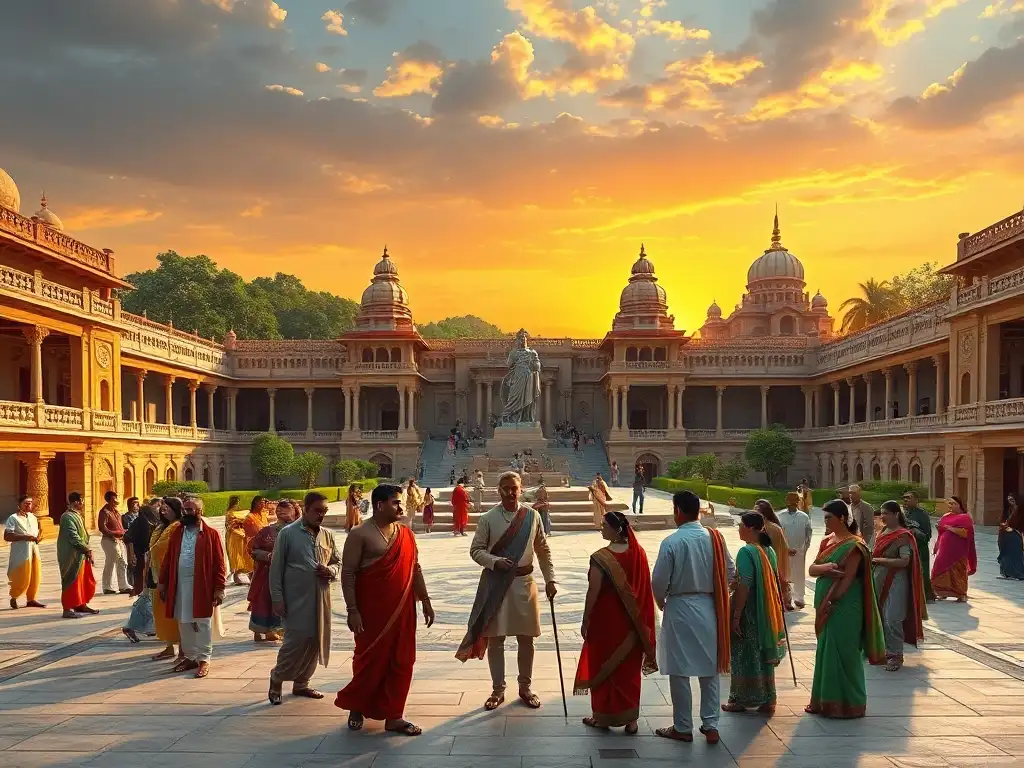
Welcome to Ancient India History, where we delve into the rich tapestry of India’s past, exploring the extraordinary civilizations that have shaped the subcontinent from the Indus Valley to the Gupta Empire. In our featured article, we uncover the profound impact of Chandragupta Maurya on nationalism, a pivotal figure whose legacy resonates through the ages. What drove this remarkable leader to unite a fragmented land?
Join us as we embark on a journey through time, revealing the cultural and historical threads that bind us to our ancient roots. Read on to discover how one man's vision sparked a flame of unity and identity that continues to inspire today!
Introduction to Chandragupta Maurya
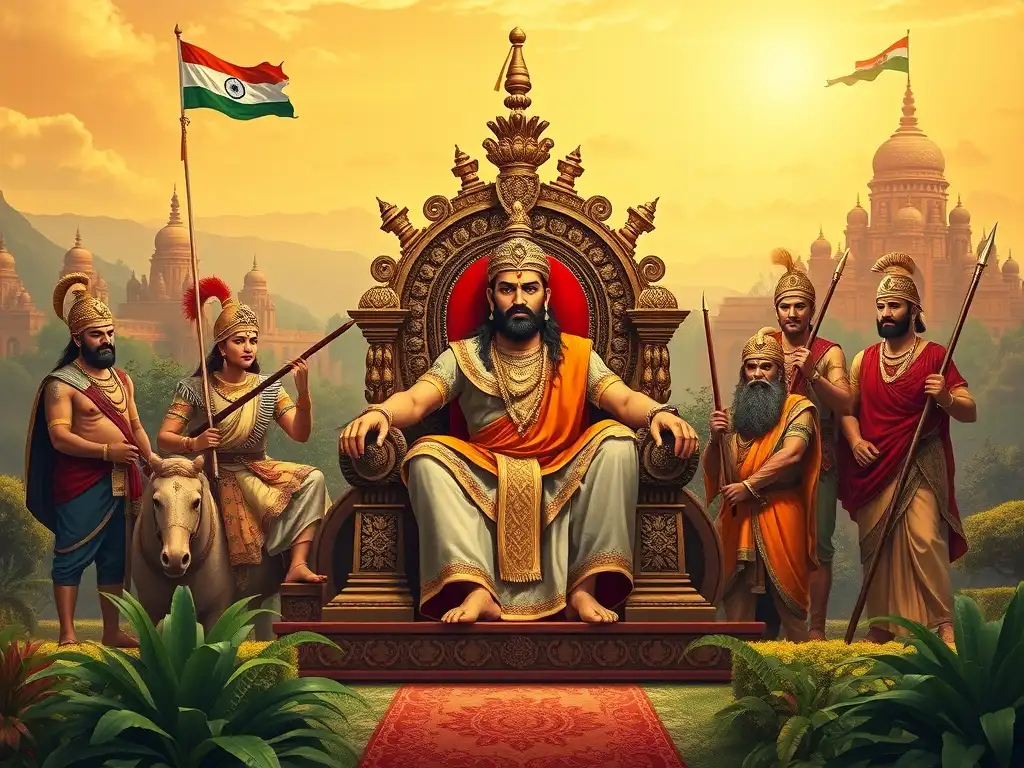
Chandragupta Maurya stands as a monumental figure in Indian history, often celebrated for his pivotal role in establishing the Maurya Empire, which marked the dawn of a new era in ancient India. His legacy extends beyond mere governance; it has profound implications for the concept of nationalism in India.
This article delves into the intricate ways in which Chandragupta Maurya's leadership, strategies, and vision have left an indelible mark on the fabric of Indian nationalism. By examining his life, achievements, and the historical context of the Maurya Empire, we will uncover how his contributions resonate with the ideals of unity and identity that have shaped India over the centuries.
Overview of Chandragupta Maurya's Life and Achievements
Chandragupta Maurya was born around 340 BCE and is best known for founding the Maurya Empire, which is often regarded as the first large-scale empire in India. His rise to power began with the overthrow of the Nanda Dynasty, leading to the unification of a fragmented region under his rule.
- Key Achievements:
- Establishment of the Maurya Empire: Chandragupta successfully unified most of northern India, which had been divided into numerous smaller kingdoms.
- Political and Administrative Reforms: He implemented an efficient administrative system, promoting trade and infrastructure development, which facilitated economic prosperity.
- Influence of Chanakya: Guided by the wise advisor Chanakya (Kautilya), his strategic acumen and political insight played a crucial role in his success.
The influence of Chandragupta's achievements extends beyond his lifetime, laying the groundwork for subsequent rulers, including his grandson Ashoka, whose reign further solidified the empire and its cultural impact on Indian history.
Historical Context of the Maurya Empire
The emergence of the Maurya Empire occurred during a period marked by significant political upheaval and fragmentation in the Indian subcontinent. The decline of the Nanda Dynasty created a power vacuum that Chandragupta exploited to establish a vast empire.
- Key Historical Factors:
- Political Fragmentation: Prior to the Maurya Empire, India was characterized by a multitude of small kingdoms, leading to instability and regional conflicts.
- Cultural Integration: The Maurya Empire played a crucial role in the integration of various cultures, languages, and traditions, fostering a sense of unity among diverse populations.
- Military Innovation: Chandragupta employed innovative military strategies, including the use of war elephants and a well-trained infantry, to expand and secure his empire.
The Maurya Empire thus served as a unifying force in ancient India, setting the stage for the development of a collective identity that would later be integral to the concept of nationalism.
The Concept of Nationalism in Ancient India
Nationalism, as a concept, has evolved significantly throughout Indian history. In the context of ancient India, it can be viewed through the lens of cultural, political, and social unity fostered by leaders like Chandragupta Maurya.
Definition of Nationalism in the Indian Context
In ancient India, nationalism can be defined as a collective identity that transcends regional affiliations, fostering a sense of belonging to a larger entity— the Indian subcontinent. This was characterized by:
- Cultural Unity: The shared traditions, languages, and philosophies that emerged from various regions contributed to a unified Indian identity.
- Political Cohesion: The establishment of empires such as that of Chandragupta Maurya created a centralized authority that promoted governance based on common laws and values.
Understanding this context is crucial to appreciating how Chandragupta's reign contributed to the early foundations of Indian nationalism.
Evolution of Nationalism throughout Indian History
The concept of nationalism in India has undergone significant transformation from ancient times through to the modern era. While Chandragupta Maurya laid the groundwork for a unified state, the evolution of nationalism continued through various phases:
- Ancient Period: The Maurya Empire's emphasis on unity and governance fostered early sentiments of nationalism.
- Medieval Period: Various regional kingdoms and empires, such as the Gupta Empire, further developed cultural and political identities.
- Colonial Era: The struggle against British colonial rule ignited a more modern form of nationalism, influenced by the legacies of earlier leaders, including Chandragupta.
Throughout these phases, the impact of Chandragupta Maurya on the notion of nationalism remains significant, illustrating how historical figures can shape the collective consciousness of a nation for centuries to come.
Chandragupta Maurya's Role in Shaping Indian Identity
Chandragupta Maurya, the founder of the Maurya Empire, played a pivotal role in shaping a unified Indian identity during a time marked by political fragmentation and regional diversity. His rise to power marked the beginning of an era that brought together various kingdoms and tribes under a centralized governance system. This unification was crucial not only for political stability but also for fostering a sense of belonging among the diverse populations of the Indian subcontinent.
Through strategic alliances and military conquests, Chandragupta established control over a vast territory stretching from the eastern parts of India to the northwestern regions. This consolidation of power laid the foundations for a shared cultural and political identity, which emphasized a common heritage and collective aspirations among the people. As the first emperor to unite such a large expanse of territory, his legacy became synonymous with the concept of a united India, influencing subsequent generations' views on nationalism and identity.
Unification of Indian States under Chandragupta Maurya
The unification of Indian states under Chandragupta Maurya was a monumental achievement that transformed the political landscape of ancient India. Prior to his reign, the Indian subcontinent was characterized by a multitude of small kingdoms and republics, each with its own rulers and governance systems. Chandragupta's military acumen and strategic vision enabled him to bring these fragmented entities under one umbrella, creating a centralized administration.
This unification was not merely a military conquest; it involved diplomatic negotiations and alliances that were essential in integrating diverse cultures and traditions. By establishing a central authority, Chandragupta was able to standardize laws, promote trade, and enhance infrastructure across his empire, contributing to economic growth and social cohesion. His reign symbolized the first significant step towards a unified Indian identity, one that would resonate throughout history and inspire future leaders and movements advocating for national unity.
Contributions to the Concept of Sovereignty and Governance
Chandragupta Maurya's contributions to the concept of sovereignty and governance deeply influenced the political thought of future generations. He established a centralized bureaucracy and a system of governance that emphasized the importance of a strong ruler for maintaining order and stability. This laid the groundwork for the idea that sovereignty belonged to the state, represented by the emperor, rather than individual rulers of smaller regions.
His administration, characterized by the use of well-trained officials and the implementation of effective tax systems, showcased a model of governance that balanced authority with responsibility toward the subjects. Chandragupta's reign also saw the codification of laws and the promotion of justice, which were significant in instilling a sense of security among the populace. These principles of governance became foundational elements of Indian political philosophy and resonated with later leaders who sought to establish a unified national identity.
The Impact of Chandragupta Maurya on Modern Indian Nationalism
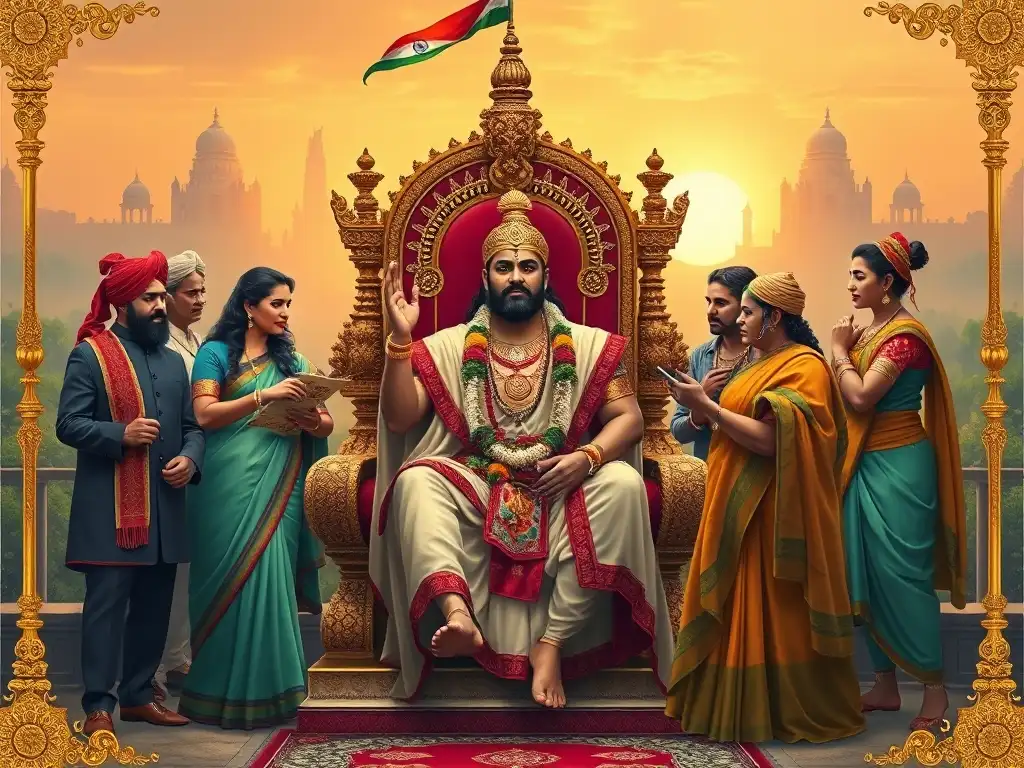
Chandragupta Maurya's legacy has had a lasting impact on modern Indian nationalism, serving as a source of inspiration for freedom fighters and political leaders. His vision of a unified India, achieved through strong leadership and centralized governance, continues to resonate with contemporary ideas about national identity and sovereignty.
Many nationalists have drawn parallels between the struggles faced during Chandragupta's time and the challenges encountered in the fight for independence from colonial rule. His story symbolizes the potential for unity and strength in diversity, ideals that are central to modern Indian nationalism.
Influence on Freedom Fighters and National Leaders
The influence of Chandragupta Maurya on freedom fighters and national leaders is evident in the way they invoked his legacy to galvanize support for their causes. Leaders like Mahatma Gandhi and Subhas Chandra Bose often referenced the unifying principles associated with Chandragupta when advocating for Indian independence.
His narrative of overcoming adversity and fostering unity among diverse groups inspired leaders to envision a cohesive nation free from external domination. The Maurya Empire's emphasis on collective identity and shared governance provided a historical framework that nationalist leaders utilized to rally the masses and instill a sense of pride in their heritage.
Relevance of Chandragupta Maurya's Ideals in Contemporary Nationalism
Chandragupta Maurya's ideals remain relevant in contemporary discussions surrounding nationalism in India. His vision of a unified state resonates with ongoing efforts to strengthen national identity amidst cultural diversity. The principles of effective governance, justice, and sovereignty he championed are echoed in the political discourse today, as modern leaders strive to create an inclusive society that honors its rich heritage while addressing contemporary challenges.
Furthermore, the narrative of Chandragupta's journey from a humble beginning to an emperor serves as a motivational tale for many, reinforcing the belief that unity and determination can lead to significant societal transformations. This enduring legacy continues to shape the narrative of Indian nationalism, inspiring future generations to uphold the ideals of unity, strength, and collective identity that Chandragupta Maurya so profoundly embodied.
Cultural Contributions of Chandragupta Maurya
Chandragupta Maurya, the founder of the Maurya Empire, played a pivotal role in shaping the cultural landscape of ancient India. His reign marked a significant transformation in art, architecture, literature, and trade practices, all of which contributed to a shared cultural identity among the diverse regions of the subcontinent. This cultural unification laid the groundwork for a burgeoning sense of nationalism that would resonate through the ages.
Promotion of Art, Architecture, and Literature
Under Chandragupta Maurya’s rule, the arts flourished dramatically. He commissioned numerous architectural projects, most notably the construction of grand palaces and fortifications. The Mauryan architecture is characterized by its durability and intricate carvings, with examples such as the remnants of the Mauryan capital at Pataliputra showcasing the empire's grandeur.
Literature also saw a significant uplift during this period. The famous ancient scholar Kautilya, also known as Chanakya, authored the Arthashastra, a treatise on statecraft, economics, and military strategy. This work not only reflects the political acumen of the time but also serves as a literary milestone that influenced subsequent generations of thinkers in India. The promotion of these cultural elements helped to establish a collective identity among the people, fostering a sense of nationalism.
Establishment of Trade and Economic Policies
Chandragupta Maurya's reign was marked by the establishment of robust trade networks and economic policies that enhanced the prosperity of his empire. He recognized the importance of trade in fostering unity and stability, implementing policies that facilitated commerce both within and outside the empire.
The Mauryan Empire became a hub for trade routes connecting various regions, allowing for the exchange of goods, ideas, and cultural practices. This economic interdependence not only enriched the empire but also contributed to a growing sense of belonging among its subjects. By promoting trade and economic stability, Chandragupta laid the foundation for a unified national identity that transcended regional differences.
Lessons from Chandragupta Maurya's Leadership
Chandragupta Maurya's leadership style offers timeless lessons that resonate with concepts of modern governance and nationalism. His strategic foresight and adaptability were crucial in establishing a unified empire from a fragmented landscape.
Strategic Governance and Political Alliances
One of the hallmarks of Chandragupta’s leadership was his adeptness in strategic governance and forming political alliances. He understood the importance of solidifying power through diplomacy and forming coalitions, which allowed him to expand his empire effectively.
By forging alliances with local rulers and integrating various regions into his administration, Chandragupta not only expanded his territory but also instilled a sense of loyalty among diverse groups. This approach not only stabilized his empire but also contributed to a shared identity, as various communities came to see themselves as part of a larger, unified nation.
The Importance of Visionary Leadership in Nation-Building
Chandragupta Maurya exemplified visionary leadership, which is critical for nation-building. His ability to envision a unified India, despite the myriad of cultural differences, was instrumental in his success. He understood that a strong national identity could be forged through shared goals and collective aspirations.
His vision was not solely focused on military conquest but also on creating a socio-economic framework that would sustain the empire. By prioritizing the welfare of his subjects and promoting a common cultural heritage, Chandragupta laid the groundwork for a lasting sense of nationalism that would influence India for centuries to come. The lessons drawn from his leadership continue to be relevant in contemporary discussions about governance and national identity.
Conclusion: The Enduring Legacy of Chandragupta Maurya
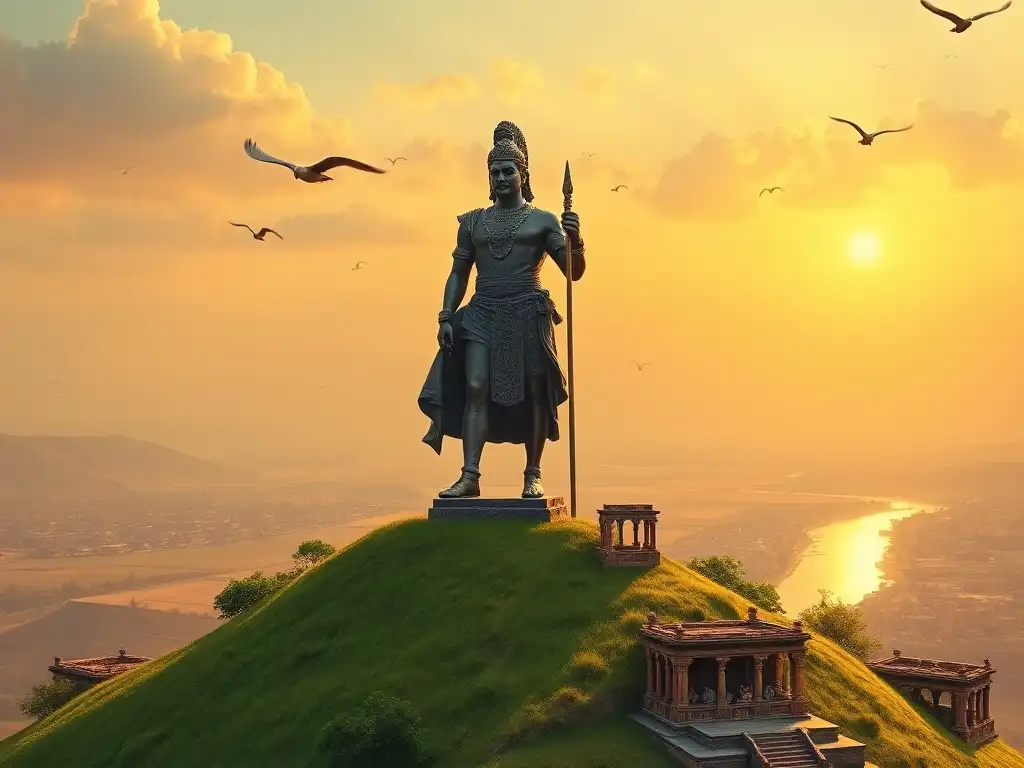
The legacy of Chandragupta Maurya extends far beyond his establishment of the Maurya Empire; it reverberates through the annals of Indian nationalism and identity. His role as a unifier of fragmented territories laid the groundwork for a sense of collective identity among the diverse communities of ancient India. By founding a centralized state that embraced various cultures and languages, Chandragupta set a precedent for future leaders, influencing the trajectory of Indian governance and national consciousness.
The principles of governance that he implemented—promoting welfare, justice, and order—formed a blueprint for future rulers. His integration of different regions under a single political framework fostered a sense of belonging among the people, which is a crucial component of nationalism. The Mauryan Empire's achievements in administration, infrastructure, and trade not only strengthened the economy but also created a shared cultural heritage that would resonate through generations.
Summary of Chandragupta Maurya's Impact on Nationalism
Chandragupta Maurya's impact on nationalism is multifaceted. He is often regarded as the first ruler to unify India, which instilled a sense of pride and identity among its inhabitants. By consolidating various kingdoms and tribes into a singular political entity, he paved the way for a unified Indian identity that transcended regional differences. This unification is seen as a precursor to modern concepts of nationalism in India.
His strategic alliances and military conquests allowed for the expansion of trade routes, which facilitated cultural exchanges and the spread of ideas. The promotion of a common administrative language, along with the establishment of a robust legal system, further contributed to the development of a shared national identity. These actions not only strengthened the Maurya Empire but also nurtured the seeds of nationalism, which would bloom in various forms throughout Indian history.
Reflection on the Relevance of His Contributions Today
Chandragupta Maurya's contributions remain relevant in contemporary discussions surrounding nationalism and governance. In an era marked by globalization and cultural fusion, his vision of unity amid diversity serves as a guiding principle for modern India. The challenges faced by the country today—ranging from regionalism to communal tensions—echo the historical challenges that Chandragupta navigated.
His emphasis on statecraft, diplomacy, and social welfare highlights the importance of inclusive governance in fostering national unity. By reflecting on his strategies, current leaders can draw lessons on how to manage a diverse populace effectively. The enduring legacy of Chandragupta Maurya thus continues to inspire efforts toward building a cohesive national identity, rooted in the values of cooperation, respect, and mutual understanding.
- Introduction to Chandragupta Maurya
- The Concept of Nationalism in Ancient India
- Chandragupta Maurya's Role in Shaping Indian Identity
- The Impact of Chandragupta Maurya on Modern Indian Nationalism
- Cultural Contributions of Chandragupta Maurya
- Lessons from Chandragupta Maurya's Leadership
- Conclusion: The Enduring Legacy of Chandragupta Maurya
- Summary of Chandragupta Maurya's Impact on Nationalism
- Reflection on the Relevance of His Contributions Today
Frequently Asked Questions
What was the role of Chandragupta Maurya in Indian history?
Chandragupta Maurya was the founder of the Maurya Empire, which marked the beginning of political unification in ancient India, laying the groundwork for future nationalist movements.
How did Chandragupta Maurya contribute to Indian nationalism?
His establishment of a centralized government and administrative reforms promoted a sense of unity and identity, which significantly influenced the concept of nationalism in later periods.
What were some of the key achievements of Chandragupta Maurya?
Chandragupta Maurya is known for his military conquests, the formation of an extensive bureaucratic system, and his collaboration with Chanakya, which solidified the Maurya Empire's strength.
How did the Maurya Empire influence future generations?
The political and administrative innovations introduced by Chandragupta set a precedent for governance that inspired future rulers and nationalist leaders, contributing to India's quest for independence.
Why is Chandragupta Maurya considered a national figure?
His leadership and vision for a unified India laid the foundational principles of national identity, making him a pivotal figure in the narrative of Indian nationalism.
Final Reflection: The Enduring Legacy of Chandragupta Maurya on Indian Nationalism
Chandragupta Maurya's impact on nationalism resonates profoundly in today's socio-political landscape, reminding us of the power of unity and leadership in the face of adversity. His establishment of the Maurya Empire not only laid the groundwork for a unified India but also instilled a sense of identity and purpose that continues to inspire modern movements for national pride and sovereignty. As we navigate the complexities of contemporary nationalism, the lessons from Chandragupta's era remain strikingly relevant, urging us to reflect on the values that bind us as a nation.
The influence of Chandragupta Maurya extends beyond historical significance; it shapes our cultural and social narratives even today. His story is a testament to the strength found in collective action and visionary leadership. As we witness various movements advocating for unity and identity across the globe, we can draw parallels to Chandragupta's legacy. In the midst of chaos, there is also opportunity,
a quote that encapsulates the essence of his journey and the ongoing quest for national identity.
As we conclude our exploration of Chandragupta Maurya's lasting influence, I invite you to reflect on how his principles of unity and resilience can be applied in your own life. Consider how you can embody the spirit of nationalism that transcends divisions and fosters a sense of belonging. Whether through community engagement, cultural appreciation, or simply by embracing the diversity that enriches our nation, let us honor the legacy of Chandragupta Maurya by actively participating in the ongoing narrative of Indian nationalism.
Ignite Your Understanding of Indian Nationalism!
Thank you for diving into the fascinating journey of Chandragupta Maurya and his impact on Indian nationalism! You've uncovered the roots of a legacy that continues to shape India's identity. Now, let's take those insights further and make a difference!
- Join a local history group or participate in online forums to discuss Chandragupta's influence and its relevance today.
- Share this article with friends and family to spark conversations about Indian history and nationalism.
- Explore lesser-known figures in Indian history who influenced nationalism—your research could uncover surprising connections!
What aspect of Chandragupta’s legacy inspires you the most, and how can you share that inspiration with others?