
Padmasambhava: The Mystic Who Introduced Buddhism to Tibet

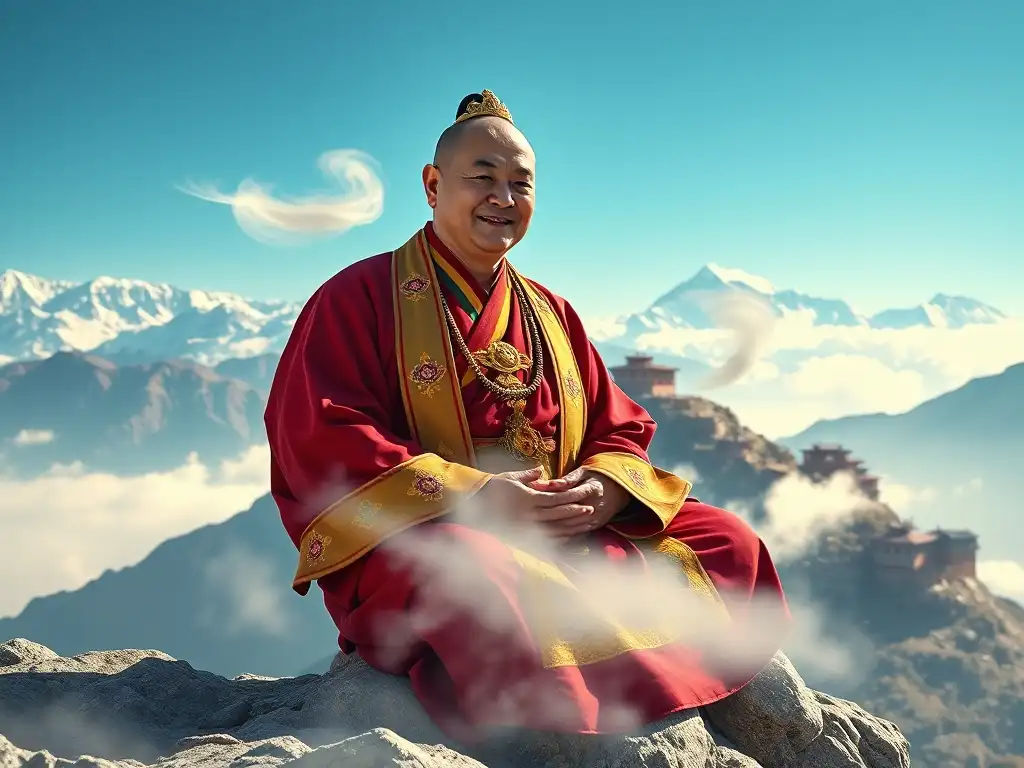
Welcome to Ancient India History, where we embark on a fascinating journey through the vibrant tapestry of ancient Indian civilizations. Today, we delve into the enigmatic figure of Padmasambhava, the mystic who played a pivotal role in introducing Buddhism to Tibet. As we uncover the layers of his remarkable life and the profound impact he had on Tibetan culture, you'll discover how his teachings continue to resonate through the ages.
Are you ready to explore the intertwining paths of spirituality and history? Join us as we unravel the captivating story of Padmasambhava and his enduring legacy in the realm of Ancient Indian Religions.
Introduction to Padmasambhava
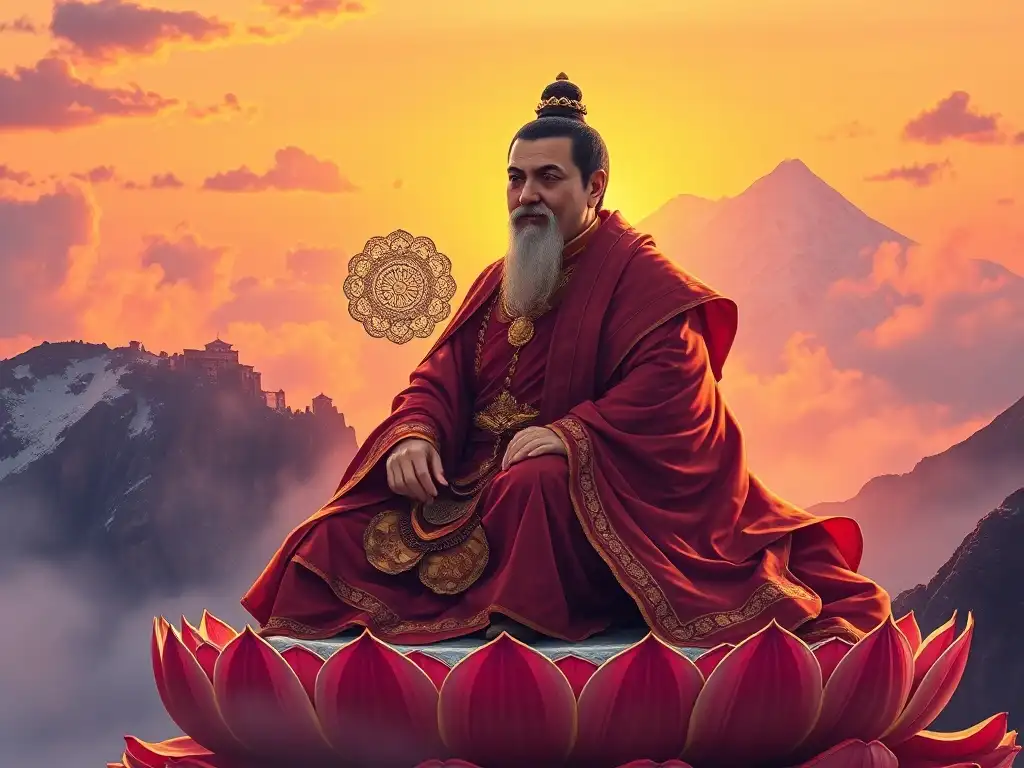
Padmasambhava, often referred to as the "Lotus Born," is a pivotal figure in the history of Buddhism, particularly in the context of its introduction and establishment in Tibet. His life and teachings are shrouded in legend and mysticism, making him a central character not only in Tibetan Buddhism but also in the broader landscape of ancient Indian religions.
Emerging from the rich tapestry of Indian spiritual traditions, Padmasambhava's influence extends beyond mere religious practices; he is celebrated as a spiritual master and a cultural icon, whose contributions helped to shape the foundations of Tibetan Buddhism. This article delves into the life and significance of Padmasambhava, exploring the historical context of Buddhism in Tibet and the pre-existing beliefs that he encountered.
Overview of Padmasambhava's Life
Padmasambhava is believed to have lived during the 8th century CE, with many accounts suggesting he was born in the region of Oddiyana, which is often associated with present-day Swat Valley in Pakistan. His early life is steeped in legend, including stories of miraculous births and extraordinary feats. According to tradition, he was invited to Tibet by King Trisong Detsen, who sought to establish Buddhism in his kingdom and required an adept who could counteract the opposition from local deities and spiritual practitioners.
Padmasambhava's journey to Tibet marked a turning point in the region's spiritual evolution. He is credited with many key events in the establishment of Buddhism, including the founding of the first Buddhist monastery at Samye and the transmission of various teachings and practices to his followers. His unique approach combined elements of Vajrayana Buddhism with local spiritual traditions, making his teachings particularly resonant with the Tibetan people.
Significance of Padmasambhava in Buddhism
The significance of Padmasambhava in Buddhism cannot be overstated. He is regarded as the second Buddha in Tibetan tradition, symbolizing the profound transformation that Buddhism underwent as it integrated with Tibetan culture. His teachings emphasized a mystical path, where the practitioner engages with the divine through meditation, rituals, and the harnessing of inner spiritual power.
Padmasambhava's legacy is preserved in numerous texts, prayers, and rituals, many of which form the cornerstone of Tibetan Buddhist practice today. He is also credited with establishing the practice of terma, the treasure teachings that are said to have been hidden for future generations to discover, thus ensuring the continuity and evolution of Tibetan Buddhism.
Historical Context of Buddhism in Tibet
Understanding the historical context of Buddhism's arrival in Tibet is crucial to appreciating Padmasambhava's role in its establishment. Before Buddhism took root, Tibet was characterized by a rich tapestry of indigenous beliefs, rituals, and practices that shaped the spiritual landscape of the region.
The Arrival of Buddhism in Tibet
The introduction of Buddhism to Tibet is traditionally dated to the reign of King Trisong Detsen in the 8th century. After inviting Padmasambhava to assist in the conversion of the Tibetan people, a series of events unfolded that facilitated the growth of Buddhism. The king's court became a vibrant center for Buddhist learning, attracting scholars and practitioners from India and Central Asia.
Through the efforts of Padmasambhava and other key figures, such as Shantarakshita, Buddhism began to flourish, establishing itself as a major spiritual force. The establishment of monastic institutions and the translation of Buddhist texts into Tibetan played a vital role in this process, laying the groundwork for centuries of Buddhist practice and scholarship in the region.
Pre-Buddhist Beliefs in Tibetan Culture
Before the advent of Buddhism, the Tibetan spiritual landscape was dominated by Bon, an indigenous religion characterized by animistic practices, shamanism, and a rich pantheon of deities. These pre-Buddhist beliefs significantly influenced the way Buddhism was integrated into Tibetan society.
Padmasambhava's ability to engage with these local traditions allowed for a smoother transition as he incorporated aspects of Bon into his teachings. This syncretism facilitated the acceptance of Buddhism among the Tibetan populace, enabling it to thrive alongside existing beliefs and practices. The interplay between Buddhism and pre-Buddhist traditions continues to shape Tibetan spiritual life today, reflecting the dynamic and evolving nature of religious practice in this unique cultural context.
Padmasambhava's Journey to Tibet
Padmasambhava, often revered as Guru Rinpoche, is a central figure in the introduction and establishment of Buddhism in Tibet. His journey to this mystical land was not just a physical migration but a significant spiritual mission that would leave an indelible mark on Tibetan culture and religion. The journey is steeped in legend and historical significance, reflecting the complexities of the era and the transformative power of faith.
The narrative of Padmasambhava's journey to Tibet is intertwined with his mission to spread the teachings of Buddhism, particularly the Vajrayana or Tantric form of Buddhism. His arrival in Tibet during the reign of King Trisong Detsen marked a pivotal moment in the region's religious landscape. This journey was propelled by the growing interest in Buddhist teachings among the Tibetan elite and the urgent need for a knowledgeable master to guide this transition.
Early Life and Training in India
Padmasambhava's early life is shrouded in mystery, with various accounts detailing his origins. Traditionally, he is believed to have been born in the 8th century in the region of Oddiyana, often identified with parts of present-day Pakistan or Afghanistan. His name, which translates to "Lotus Born," signifies his miraculous birth, reputedly from a lotus flower.
His training in India was profound and diverse. Padmasambhava is said to have studied under numerous masters and absorbed various teachings of Buddhism, particularly those related to Tantric practices. He is associated with key figures such as the Indian sage Nagarjuna and the great adept, Vajrapani. During this formative period, he honed his skills in meditation, rituals, and esoteric teachings, making him a highly revered figure in the Buddhist community.
The depth of his training equipped him with the necessary tools to confront the challenges he would face in Tibet. He not only mastered the philosophical underpinnings of Buddhism but also the practical aspects of its application, enabling him to adapt these teachings to the cultural context of Tibet.
Key Events Leading to His Arrival in Tibet
Several key events are documented in the accounts of Padmasambhava's arrival in Tibet, each contributing to his legendary status. One pivotal event was the invitation extended by King Trisong Detsen, who sought to establish Buddhism as a dominant religion in Tibet. The king's vision for a harmonious society based on Buddhist principles necessitated the presence of a powerful teacher.
Padmasambhava's arrival was further catalyzed by the construction of the first Buddhist monastery in Tibet, Samye Monastery, which served as a center for Buddhist teachings and practices. Legends narrate that he overcame numerous obstacles, including hostile local spirits and formidable challenges, through his mastery of Tantric rituals and compassionate approach.
The convergence of Padmasambhava's arrival with the consolidation of Buddhist teachings in Tibet created a fertile ground for the religion's growth. His interactions with both the Tibetan people and the local deities played a crucial role in establishing a syncretic form of Buddhism that respected and incorporated existing beliefs while introducing new concepts.
Contributions of Padmasambhava to Tibetan Buddhism
Padmasambhava's contributions to Tibetan Buddhism are vast, deeply influencing the religious practices, cultural ethos, and spiritual landscape of Tibet. His teachings laid the foundation for a unique form of Buddhism that continues to thrive in the region today.
Establishment of Buddhist Practices and Traditions
One of Padmasambhava's most significant contributions was the establishment of various Buddhist practices and traditions that became integral to Tibetan Buddhism. He is credited with introducing rituals, liturgies, and meditation techniques that emphasized the transformative power of Tantric practices.
Padmasambhava’s teachings encouraged the integration of local customs and beliefs into the Buddhist framework, facilitating a smoother transition for the Tibetan populace. His emphasis on the importance of direct experience and personal transformation resonated with many, leading to the development of a rich tapestry of spiritual practices, including deity yoga and mantra recitation.
Additionally, he played a crucial role in codifying the early texts and teachings that would later be essential to Tibetan Buddhism, such as the Nyingma school, which is one of the oldest schools of Tibetan Buddhism established on his teachings. The incorporation of oral transmission and the concept of hidden treasures (terma) into Tibetan Buddhism can be traced back to his influence.
Role in the Development of Tibetan Tantric Buddhism
Padmasambhava is often hailed as the principal figure in the development of Tibetan Tantric Buddhism, which emphasizes the use of rituals, symbols, and meditation to achieve enlightenment. His teachings on empowerment (abhisheka) and the use of mandalas became foundational elements in the practice of Tantric Buddhism in Tibet.
Through his adeptness in esoteric teachings, Padmasambhava introduced complex ritualistic practices that aimed to harness spiritual energy for personal and communal transformation. His ability to engage with various deities and local spirits allowed him to create a religious environment that was both inclusive and transformative, fostering a deep and abiding connection between the Tibetan people and their spiritual practices.
Moreover, his legacy continues to influence contemporary Tibetan Buddhism, where his teachings and practices are preserved and revered. The rituals and ceremonies inspired by Padmasambhava remain central to Tibetan spiritual life, exemplifying his enduring impact on Buddhism in Tibet and beyond.
The Legend of Padmasambhava
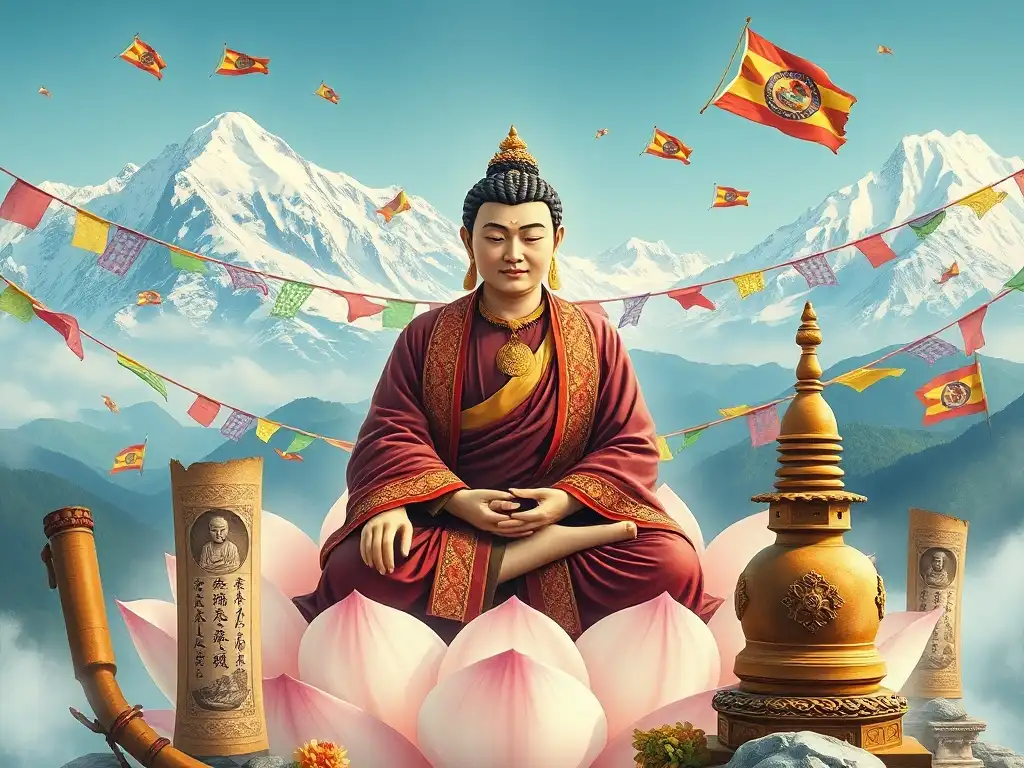
Padmasambhava, often referred to as the "Lotus-Born," is a central figure in the introduction of Buddhism to Tibet during the 8th century CE. His legend is rich with mystical elements and is integral to Tibetan spiritual heritage. According to tradition, Padmasambhava was born from a lotus flower in the Lake of Dhanakosha in Uddiyana, a region believed to be in present-day Pakistan. His arrival heralded the beginning of a transformative era for Tibetan Buddhism, as he is credited with establishing the Nyingma school, the oldest of the four major schools of Tibetan Buddhism.
Padmasambhava's journey to Tibet was marked by his mission to subdue local deities and spirits, which he accomplished through his profound spiritual prowess and mastery of various esoteric practices. He is often depicted as a figure who harmonized the indigenous beliefs of Tibet with the teachings of Buddhism, thus facilitating a unique blend of spirituality that continues to influence Tibetan culture today. His teachings emphasized the importance of both the external practices of Buddhism and the internal development of wisdom and compassion.
Myths and Stories Surrounding His Life
The life of Padmasambhava is steeped in myth and legend, with numerous stories illustrating his extraordinary capabilities and profound wisdom. One of the most famous tales recounts how he tamed the fierce local deities who initially opposed the spread of Buddhism in Tibet. By engaging them in spiritual dialogue and demonstrating his powers, he transformed these adversaries into protectors of the Dharma, thereby ensuring a safe environment for the practice of Buddhism.
Another popular story involves the creation of the "Termas," or hidden treasures, which Padmasambhava is said to have concealed throughout Tibet for future generations to discover. These treasures are believed to contain teachings and practices that would be revealed at the right time, acting as a guiding light for practitioners in times of need. This notion of hidden wisdom reinforces the idea that Padmasambhava's influence transcends time, providing a continuous source of inspiration for Tibetan Buddhists.
Symbolism and Iconography Related to Padmasambhava
Padmasambhava's iconography is rich with symbolic meaning, reflecting his multifaceted nature as a teacher, mystic, and protector. He is often depicted in various forms, each representing different aspects of his teachings and powers. Common symbols associated with him include:
- Lotus Flower: Signifying purity and spiritual awakening, the lotus represents Padmasambhava's origins and his ability to rise above worldly attachments.
- Vajra: This symbol of indestructibility and spiritual power illustrates his role as a protector of the Dharma.
- Skull Cup (Kapala): Used in rituals, the skull cup symbolizes the transformation of ignorance into wisdom.
- Thunderbolt: Often depicted in his hand, the thunderbolt represents the power to cut through delusion and ignorance.
These symbols not only enhance the visual representation of Padmasambhava in art but also serve as reminders of the spiritual truths he embodied and taught. His iconography plays a vital role in Tibetan religious practices, where images of Padmasambhava are revered as a source of inspiration and guidance.
Padmasambhava's Legacy in Tibetan Culture
Padmasambhava's impact on Tibetan culture is profound and enduring, shaping not only religious practices but also artistic expressions and literary traditions. His teachings, often transmitted through oral traditions and later documented in texts, continue to resonate within Tibetan society, emphasizing the importance of compassion, wisdom, and the transformative power of meditation.
Influence on Tibetan Art and Literature
The legacy of Padmasambhava can be seen vividly in Tibetan art and literature. His life and teachings have been the subject of countless thangka paintings, sculptures, and murals found in monasteries across Tibet. These artistic representations not only serve as devotional objects but also as educational tools, conveying complex spiritual concepts through visual storytelling.
In literature, Padmasambhava's teachings have inspired a wealth of texts, including the "Bardo Thodol" (commonly known as the Tibetan Book of the Dead) and various biographies that narrate his life and spiritual journey. These works often blend historical accounts with mythological elements, reflecting the deep respect and reverence held for him within Tibetan culture. Such literary contributions not only preserve his teachings but also provide insight into the spiritual landscape of Tibet.
Padmasambhava in Modern Tibetan Buddhism
In contemporary Tibetan Buddhism, Padmasambhava remains a pivotal figure, revered as a source of inspiration and guidance. His teachings continue to be studied, practiced, and celebrated in various rituals and ceremonies. The annual celebration of his life, known as "Guru Rinpoche Day," is observed with devotion and reverence, where practitioners engage in prayers, offerings, and rituals to honor his legacy.
Moreover, the resurgence of Tibetan Buddhism in the modern world has led to a renewed interest in Padmasambhava's teachings and practices. Many contemporary practitioners view him not only as a historical figure but also as a living presence, embodying the ideals and wisdom of the Buddhist path. His teachings on compassion, the nature of reality, and the importance of spiritual practice resonate with seekers today, making him a timeless symbol of the richness and depth of Tibetan Buddhist tradition.
Conclusion
The legacy of Padmasambhava, often referred to as Guru Rinpoche, is a cornerstone of Tibetan Buddhism and a pivotal figure in the transmission of Buddhist teachings to Tibet. His life and teachings are not just historical footnotes but living practices that continue to influence millions of practitioners today. By integrating local beliefs with Buddhist principles, Padmasambhava laid the foundation for a unique Tibetan Buddhism that resonates with the spiritual aspirations of the Tibetan people.
The Enduring Impact of Padmasambhava on Buddhism and Tibetan History
Padmasambhava's impact on Buddhism and Tibetan history is profound and multi-faceted. His arrival in Tibet marked a significant turning point in the region's spiritual landscape. Not only did he help establish the Nyingma school of Tibetan Buddhism, but he also contributed to the development of various rituals, texts, and practices that remain vital to Tibetan spiritual life.
- Cultural Synthesis: Padmasambhava's teachings facilitated a synthesis of Buddhist philosophy with indigenous Tibetan beliefs, creating a rich tapestry of spiritual practices that included elements of Bon, the pre-Buddhist religion of Tibet. This blending is evident in the rituals, art, and festivals that characterize Tibetan culture today.
- Literary Contributions: He is credited with the composition of many foundational texts, including the "Bardo Thodol" (Tibetan Book of the Dead), which explores the concepts of life, death, and the afterlife. This text remains crucial in Tibetan funerary practices and spiritual teachings.
- Influence on Lineage: The spiritual lineages established by Padmasambhava continue to thrive, with numerous practitioners and teachers tracing their roots back to him. His teachings emphasize the importance of direct experience and personal realization, encouraging followers to engage deeply with their spiritual path.
Padmasambhava's influence transcends religious boundaries, serving as a symbol of unity and spiritual resilience across various cultures. His veneration is not confined to Tibetan Buddhism; he is respected in various Buddhist traditions as a great teacher and enlightened being.
Reflections on Padmasambhava's Teachings and Philosophy
Padmasambhava's teachings emphasize the importance of inner transformation and the realization of one's true nature. His philosophy can be distilled into several key principles that continue to inspire practitioners:
- Embracing Impermanence: One of Padmasambhava's central teachings is the acceptance of impermanence. Understanding the transient nature of life is essential for cultivating wisdom and compassion. This perspective encourages individuals to engage fully with the present moment, fostering a deeper connection to life and spiritual practice.
- Cultivating Compassion: Compassion is a cornerstone of Padmasambhava's teachings. He stressed the significance of altruism and the importance of helping others on their spiritual journeys. This focus on compassionate action is evident in numerous Tibetan Buddhist practices aimed at alleviating suffering.
- The Power of Mind: Padmasambhava taught that the mind is the source of both suffering and liberation. By mastering one's thoughts and emotions through meditation and mindfulness, individuals can unlock their innate potential for enlightenment. This emphasis on mental training is a critical aspect of Tibetan Buddhism.
- Integration of Practice and Wisdom: His teachings advocate for a balanced approach that integrates theoretical knowledge with practical application. This holistic methodology encourages practitioners to embody their learnings in daily life, making spirituality an integral part of their existence.
In essence, Padmasambhava's teachings invite us to explore the depths of our own consciousness while fostering a compassionate relationship with the world around us. His life serves as a reminder of the transformative power of spiritual practice, encouraging all who seek the path of enlightenment to persevere through challenges and cultivate a heart of compassion.
- Introduction to Padmasambhava
- Historical Context of Buddhism in Tibet
- Padmasambhava's Journey to Tibet
- Contributions of Padmasambhava to Tibetan Buddhism
- The Legend of Padmasambhava
- Padmasambhava's Legacy in Tibetan Culture
- Conclusion
- What is the significance of Padmasambhava in Tibetan Buddhism?
- How did Padmasambhava influence Tibetan culture?
- What role did Padmasambhava play in the establishment of Buddhist schools in Tibet?
- How is Padmasambhava honored in Tibetan Buddhism today?
- What are some key texts associated with Padmasambhava?
Frequently Asked Questions
What is the significance of Padmasambhava in Tibetan Buddhism?
Padmasambhava, often referred to as Guru Rinpoche, is considered the founder of Tibetan Buddhism. He is credited with introducing Buddhist teachings and practices to Tibet in the 8th century.
How did Padmasambhava influence Tibetan culture?
Padmasambhava's teachings integrated Tibetan culture with Buddhist principles, fostering a unique spiritual identity. His contributions are essential in shaping the religious landscape of Tibet.
What role did Padmasambhava play in the establishment of Buddhist schools in Tibet?
Padmasambhava is recognized for establishing various Buddhist schools and traditions, including the Nyingma school, which emphasizes the importance of esoteric teachings and practices.
How is Padmasambhava honored in Tibetan Buddhism today?
Devotees celebrate Padmasambhava through rituals, prayers, and festivals. His teachings are revered, and he is often depicted in thangkas and sculptures as a symbol of wisdom and compassion.
What are some key texts associated with Padmasambhava?
Several sacred texts, such as the "Bardo Thodol" (Tibetan Book of the Dead) and various termas (treasure texts), are attributed to Padmasambhava, reflecting his profound influence on Tibetan Buddhism.
Final Reflection: The Enduring Legacy of Padmasambhava in Tibetan Buddhism
The journey of Padmasambhava, the mystic who introduced Buddhism to Tibet, remains profoundly relevant today as we explore the intersections of spirituality and cultural identity. His teachings not only shaped the spiritual landscape of Tibet but also continue to inspire individuals seeking deeper meaning in their lives amidst a rapidly changing world. The essence of his wisdom transcends time, reminding us that the quest for enlightenment is a universal pursuit that resonates across cultures and generations.
The impact of Padmasambhava's teachings on Tibetan Buddhism is immeasurable, as they have woven themselves into the very fabric of Tibetan culture and identity. His legacy serves as a beacon for those navigating the complexities of modern life, encouraging a return to inner peace and mindfulness. The mind is the source of all happiness and all misery.
This quote encapsulates the core of Padmasambhava's teachings, emphasizing the importance of mental clarity and spiritual awareness in our daily lives. As we reflect on his contributions, we recognize the ongoing relevance of his insights in addressing contemporary challenges.
As we conclude this exploration of Padmasambhava's profound influence, I invite you to reflect on how his teachings can inspire your own spiritual journey. Consider the ways in which you can integrate mindfulness and compassion into your daily life, drawing from the rich history of Buddhism that Padmasambhava helped establish in Tibet. Let his story remind you that the path to enlightenment is not just a historical narrative but a living practice that can transform your existence and the world around you.
Embrace the Wisdom of Padmasambhava Today!
Thank you for diving into the fascinating story of Padmasambhava and his transformative journey in introducing Buddhism to Tibet. Your interest not only enriches your knowledge but also connects you to an enduring legacy of spirituality and cultural exchange. Now, let’s take a step beyond learning and put this wisdom into action.
- Discover a local monastery or meditation center where you can experience Buddhist teachings first-hand. Participate in a meditation session to explore the practices that Padmasambhava cherished.
- Share the insights you gained from this article with friends or on social media! Inspire others by discussing how Padmasambhava’s journey can influence our modern lives.
- Read a book on Tibetan Buddhism to expand your understanding. Consider exploring works by respected authors in the field for deeper insights.
As you reflect on Padmasambhava’s remarkable legacy, what aspect of his teachings resonates most with your personal journey?