
Ancient Eastern Indian Agriculture: Techniques and Innovations

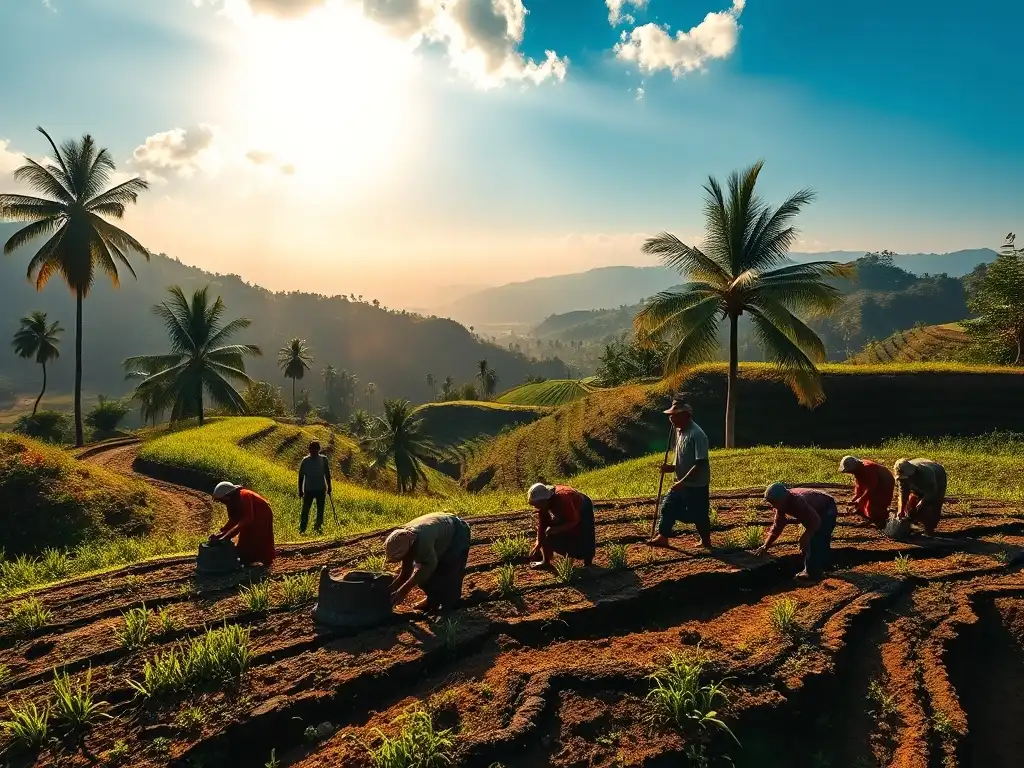
Welcome to Ancient India History, where we embark on a fascinating journey through the rich tapestry of ancient Indian civilizations! Dive into the intriguing world of Ancient Indian agriculture techniques, as we unveil the innovative practices that shaped the livelihoods and cultures of communities from the Indus Valley to the Gupta Empire. Discover how these agricultural advancements not only sustained life but also laid the groundwork for one of the most influential regions in history. Get ready to explore the depths of our past and uncover the secrets that have shaped modern practices. Your adventure begins here—let’s dig in!

Introduction to Ancient Indian Agriculture Techniques
Agriculture has long been the backbone of civilization, serving as the foundation for economic stability, societal development, and cultural richness. In the context of ancient Indian agriculture techniques, Eastern India stands out due to its unique geographical features and rich historical developments.
This article delves into the innovative methods and practices that shaped agricultural productivity in this region, highlighting the ingenuity of ancient Indian civilizations from the early settlements to more advanced societies. By examining the techniques employed and the environmental factors that influenced them, we can gain a comprehensive understanding of how agriculture contributed to the prosperity of Eastern India.
Overview of Agricultural Practices in Ancient India
Agricultural practices in ancient India were diverse and evolved over millennia. Key techniques included:
- Crop Rotation: Farmers practiced rotating crops to maintain soil fertility and reduce pest infestations.
- Irrigation Systems: Ingenious irrigation systems, including canals and wells, were developed to support agriculture in various terrains.
- Terracing: In hilly regions, terracing was used to prevent soil erosion and maximize arable land.
- Use of Fertilizers: Organic fertilizers, such as manure and compost, were employed to enhance soil nutrients.
These practices not only ensured food security but also facilitated trade and economic growth within and beyond the region.
Importance of Agriculture in Eastern Indian Civilizations
Agriculture played a pivotal role in the development of Eastern Indian civilizations, serving as the primary source of sustenance and economic activity. The surplus produced allowed for:
- Population Growth: An increase in food supply supported larger populations and urbanization.
- Cultural Development: Agricultural prosperity led to advancements in art, literature, and science, fostering a rich cultural heritage.
- Trade Expansion: Surplus production enabled trade with neighboring regions, enhancing cultural exchange and economic ties.
Historical Context of Agriculture in Eastern India
The historical context of agriculture in Eastern India reveals how various civilizations adapted to their environments and developed innovative techniques that shaped their agricultural landscapes.
Early Agricultural Societies in Eastern India
Early agricultural societies in Eastern India can be traced back to the Neolithic period, when communities began to settle and cultivate crops. Archaeological evidence suggests that:
- Rice Cultivation: Eastern India is one of the earliest regions to cultivate rice, with evidence dating back to around 2000 BCE.
- Domestication of Animals: Livestock such as cattle and goats were domesticated, providing essential resources like milk and labor.
These early societies laid the groundwork for more complex agricultural systems that evolved over time.
Influence of Geography on Agricultural Development
The geography of Eastern India, characterized by fertile plains, river valleys, and a favorable climate, significantly influenced agricultural practices. Key geographical factors include:
- River Systems: Major rivers like the Ganges and Brahmaputra provided fertile alluvial soil and irrigation opportunities.
- Climate: The monsoon season brought ample rainfall, supporting diverse crop cultivation.
- Biodiversity: The region's rich biodiversity allowed for the growth of various crops and the adaptation of agricultural techniques.
These geographical advantages fostered an environment conducive to agricultural innovation, ensuring the sustainability and growth of ancient Indian civilizations.
Traditional Farming Techniques in Ancient Eastern India
Traditional farming techniques in ancient Eastern India were deeply intertwined with the region's geography, climate, and socio-economic structures. These methods evolved over centuries, reflecting a profound understanding of the local environment and sustainable practices. Villagers primarily engaged in agriculture, cultivating staple crops such as rice, lentils, and various grains. The agricultural practices were often accompanied by rituals and community involvement, emphasizing the importance of agriculture in daily life.
Farmers utilized simple yet effective techniques to maximize their yields. For instance, they employed manual labor for tilling and sowing, relying on the use of basic tools made from locally sourced materials. The knowledge of seasonal cycles guided planting and harvesting, ensuring crops were sown at the optimal times. This relationship with nature fostered a culture of respect and sustainability, which is evident in the agricultural practices that continue to influence modern farming in the region.
Crop Rotation and Its Significance
Crop rotation was one of the critical practices that ancient Indian farmers employed to enhance soil fertility and prevent pest infestations. This technique involved alternating different crops in the same field across seasons, thereby maintaining soil nutrients and minimizing the depletion caused by continuous planting of a single crop.
The significance of crop rotation is manifold:
- Soil Health: Different crops have varied nutrient requirements and contribute differently to soil health. For example, legumes like lentils fixed nitrogen in the soil, replenishing nutrients for subsequent crops.
- Pest Management: By rotating crops, farmers disrupted the life cycles of pests that thrive on specific plants, reducing the need for harmful pesticides.
- Increased Biodiversity: Crop rotation encouraged biodiversity, which is essential for a resilient agricultural system.
This age-old technique not only improved agricultural productivity but also laid the foundation for sustainable farming practices that are still relevant today.
Use of Natural Fertilizers and Organic Farming Methods
Ancient Indian agriculture heavily relied on natural fertilizers and organic farming methods, aligning with the principles of sustainability and ecological balance. Farmers used organic materials such as animal dung, compost, and green manure to enrich the soil.
The use of these natural fertilizers had several advantages:
- Soil Enrichment: Organic matter improved soil structure, increased moisture retention, and provided essential nutrients, fostering a healthy environment for crops.
- Environmental Health: By avoiding synthetic chemicals, farmers protected local ecosystems, promoting biodiversity and reducing pollution.
- Cultural Practices: The practice of using natural fertilizers was often embedded in the cultural and spiritual life of communities, reflecting a holistic approach to agriculture.
This commitment to organic farming played a crucial role in the sustainability of ancient agricultural practices and contributed to the resilience of farming communities.
Irrigation Techniques: Wells, Canals, and Water Harvesting
Irrigation was essential in ancient Eastern Indian agriculture, particularly in regions where rainfall was inconsistent. Farmers developed various irrigation techniques, including wells, canals, and water harvesting systems, to ensure a reliable water supply for their crops.
- Wells: Dug by hand, wells provided a consistent source of water, especially during dry spells. They were often communal resources, reflecting the cooperative spirit of agricultural communities.
- Canals: Many ancient societies constructed canal systems to divert river water to agricultural fields. This sophisticated engineering facilitated the irrigation of vast areas, significantly increasing agricultural productivity.
- Water Harvesting: Techniques such as building tanks and ponds to capture and store rainwater were common. This not only provided water for irrigation but also helped recharge local groundwater supplies.
These innovative irrigation methods demonstrate the ingenuity of ancient farmers in overcoming environmental challenges and maximizing agricultural output.
Innovations in Ancient Indian Agriculture
The rich agricultural history of ancient Eastern India is marked by numerous innovations that contributed to improved productivity and sustainability. These advancements were not only technical but also involved the introduction of new practices that transformed the agricultural landscape.
Introduction of New Crop Varieties
Ancient Indian farmers were adept at cultivating a wide variety of crops, including rice, barley, and millet. Over time, they developed and introduced new crop varieties through selective breeding, which enhanced resilience and adaptability to local conditions.
- Diversity of Crops: The introduction of diverse crop varieties helped mitigate the risks associated with monoculture, ensuring food security during adverse climate conditions.
- Improved Yields: New varieties were often more productive, leading to surplus production which supported growing populations and contributed to trade.
This focus on crop diversity and innovation laid the groundwork for the agricultural advancements seen in subsequent centuries.
Tools and Implements Used in Ancient Farming
The tools and implements used in ancient Eastern Indian agriculture reflect the technological ingenuity of the time. Farmers relied on a range of implements designed for specific tasks, enhancing efficiency and productivity.
- Ploughs: Wooden ploughs, often pulled by oxen, were central to tilling the land. The design varied, but they were generally robust and effective for breaking up soil.
- Sickles and Hoes: These hand tools were crucial for harvesting and weeding, enabling farmers to manage their fields more effectively.
- Granaries: Storage structures for harvested crops protected against pests and spoilage, ensuring food availability throughout the year.
The continuous improvement and adaptation of these tools played a significant role in the evolution of agricultural practices, contributing to the overall success of ancient farming communities.
Role of Trade in Agricultural Advancements
Trade was a driving force behind agricultural advancements in ancient Eastern India. The exchange of goods and ideas not only facilitated economic growth but also encouraged innovation in farming techniques.
- Market Demand: As trade networks expanded, the demand for various crops increased, prompting farmers to experiment with new varieties and cultivation methods to meet market needs.
- Knowledge Exchange: Interaction with neighboring regions allowed for the exchange of agricultural techniques, tools, and practices. This cross-pollination of ideas led to advancements in irrigation, crop selection, and farming methods.
- Economic Growth: Agricultural surplus enabled the growth of trade, which in turn supported urbanization and the development of sophisticated societies.
The symbiotic relationship between trade and agriculture was instrumental in shaping the agricultural landscape of ancient Eastern India, leading to innovations that would influence farming practices for generations.
Cultural and Religious Influences on Agriculture
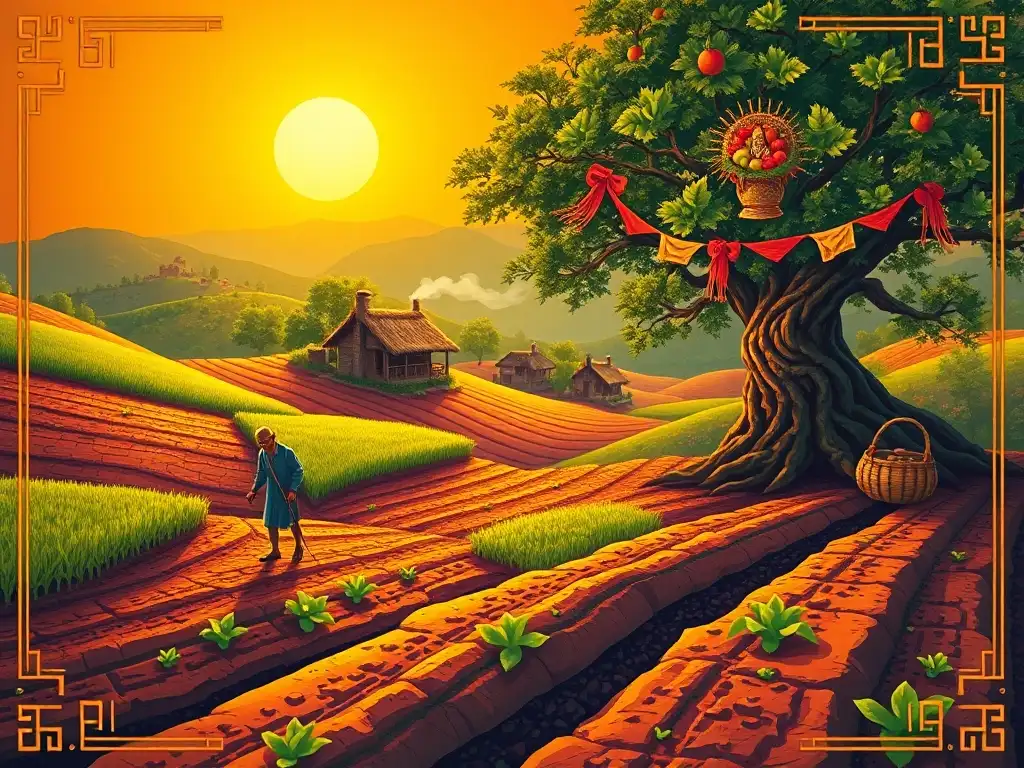
Agriculture in ancient Eastern India was not merely an economic activity; it was deeply intertwined with the cultural and religious fabric of society. The agrarian lifestyle influenced various aspects of life, including rituals, festivals, and the worship of deities associated with fertility and abundance. The cyclical nature of agricultural practices led to the development of a calendar that marked significant agricultural milestones, such as sowing and harvesting. This calendar was closely linked to local festivals, which celebrated the changing seasons and the fertility of the land, reinforcing the importance of agriculture to the community's identity and spiritual beliefs.
Moreover, agricultural practices were often guided by religious customs. Farmers conducted rituals to appease the earth and rain deities, seeking favorable conditions for their crops. These customs were passed down through generations, reflecting a blend of indigenous beliefs and influences from ancient texts, such as the Vedas, which emphasized the relationship between humans and the natural world. Thus, the cultural and religious dimensions of agriculture not only shaped farming practices but also fostered a sense of community and continuity among the people of Eastern India.
Festivals and Their Connection to Agricultural Cycles
Festivals in ancient Eastern India were pivotal in marking the agricultural calendar. Celebrations such as Makar Sankranti, Nabanna, and Pongal were tied to the harvest season, symbolizing gratitude for the bountiful yield and the transition of seasons. These festivals involved communal feasting, music, and dance, reinforcing social bonds among the agrarian communities.
The significance of these festivals extended beyond mere celebration; they were often rooted in agricultural practices. For instance, Nabanna, celebrated in Bengal, marked the harvesting of the new rice crop. During this festival, rituals were performed to honor the deities of agriculture, thanking them for their blessings and praying for future prosperity. The timing of these festivals was crucial, as they aligned with the agricultural cycles, ensuring that the community's cultural expressions were directly linked to their livelihood.
The Role of Deities in Agricultural Practices
Deities played a central role in the agricultural practices of ancient Eastern India. Farmers revered various gods and goddesses associated with fertility, rain, and the harvest. For example, the goddess Durga was often worshiped for her connection to the earth and nature, while Indra was prayed to for rain. Rituals and offerings were customary to gain their favor, with the belief that appeasing these deities would lead to a successful crop yield.
These divine associations extended to specific agricultural techniques as well. Certain crops were believed to be sacred and were cultivated with particular care. In many communities, the first fruits of the harvest were offered to the deities before being consumed by the farmers, establishing a sacred bond between the land, the laborers, and the divine. This spiritual relationship underscored the significance of agriculture not only as a means of sustenance but also as a sacred duty.
Case Studies of Notable Eastern Indian Agricultural Communities
The Agriculture of the Mauryan Empire
The Mauryan Empire, which flourished from 322 to 185 BCE, exemplifies advanced agricultural practices in Eastern India. Under the reign of Emperor Ashoka, the Mauryan period saw significant developments in agricultural techniques, including improved irrigation systems and crop rotation methods. The empire's extensive road networks facilitated trade and the movement of agricultural goods, contributing to economic prosperity.
Moreover, state support for agriculture was evident, as the Mauryan administration implemented policies to enhance agricultural productivity. Land surveys were conducted to assess fertility, and agricultural manuals were developed, documenting best practices. The emphasis on sustainable farming techniques during this period laid the groundwork for future advancements and demonstrated the importance of agriculture in maintaining the empire’s economic stability.
Innovations in the Gupta Period
The Gupta period, often referred to as the Golden Age of India (approximately 320 to 550 CE), was marked by notable agricultural innovations that significantly enhanced productivity. The introduction of new crops, such as sugarcane and cotton, diversified the agricultural landscape. Additionally, advancements in irrigation techniques, including the construction of canals and water storage systems, improved water management and crop yields.
During this time, agrarian practices became more systematic, with a focus on scientific approaches to farming. The period also saw the emergence of agricultural literature, including texts that discussed crop rotation, pest management, and soil fertility. These innovations reflected a sophisticated understanding of agriculture, contributing to the overall prosperity of Gupta society and solidifying agriculture's role as a cornerstone of economic and cultural life in ancient Eastern India.
Conclusion: Legacy of Ancient Indian Agriculture Techniques
The legacy of ancient Indian agriculture techniques is profound and far-reaching, significantly shaping not only the agricultural practices of the region but also influencing global agricultural methodologies over the centuries. These techniques were characterized by a deep understanding of local ecosystems, innovative irrigation methods, and the cultivation of a diverse range of crops. Ancient Indian farmers developed sophisticated systems that allowed them to maximize yields while maintaining soil health, showcasing their commitment to sustainability long before the term was widely recognized.
The agricultural practices of ancient India laid the groundwork for future generations, contributing to the region's food security and economic stability. Techniques such as crop rotation, mixed cropping, and the use of organic fertilizers have been passed down through generations, highlighting the ingenuity and adaptability of ancient farmers. This rich agricultural heritage continues to inspire modern agricultural research and practices, emphasizing the importance of integrating traditional knowledge with contemporary methods.
Lasting Impact on Modern Agricultural Practices
The ancient agricultural techniques of India have left a lasting mark on modern agricultural practices both within India and globally. Many contemporary farmers and agricultural scientists draw inspiration from these time-tested methods to address current challenges, such as climate change and food scarcity. For instance, the principles of permaculture, which promote sustainable land use and biodiversity, can trace their roots back to ancient Indian practices that recognized the interconnectedness of various agricultural elements.
Additionally, the traditional practice of using indigenous seed varieties has gained renewed attention in the face of declining biodiversity. By cultivating local strains, farmers can enhance resilience to pests and diseases while preserving the genetic diversity essential for future crops. This approach not only honors the ancestral wisdom of ancient farmers but also aligns with modern sustainability goals.
Continued Relevance of Ancient Techniques in Sustainable Farming
Ancient Indian agriculture techniques remain relevant today, particularly in the context of sustainable farming. The emphasis on organic farming, minimal chemical use, and the integration of local resources into agricultural practices has gained traction as a response to the environmental degradation caused by industrial agriculture. Techniques such as intercropping and agroforestry are increasingly recognized for their ability to enhance soil fertility, reduce erosion, and improve overall ecosystem health.
Moreover, the revival of traditional irrigation methods, such as rainwater harvesting and the construction of check dams, exemplifies how ancient knowledge can be adapted to contemporary environmental challenges. These methods not only conserve water but also support local agriculture in areas facing water scarcity. By harnessing the wisdom of the past, modern farmers can create more resilient and sustainable agricultural systems that benefit both the environment and the economy.
References and Further Reading on Ancient Indian Agriculture Techniques
- Chattopadhyay, B. (2006). Agricultural History of India: From Earliest Times to Present. New Delhi: Oxford University Press.
- Kumar, S. (2010). Traditional Agricultural Practices in India: A Historical Perspective. Journal of Indian History, 45(2), 123-135.
- Singh, R. (2015). Sustainable Agriculture: Lessons from Ancient Indian Practices. Indian Journal of Agricultural Sciences, 85(11), 1450-1456.
- Tiwari, P. (2018). The Role of Indigenous Knowledge in Sustainable Agriculture in India. Environmental Development, 27, 1-9.
- Verma, A. (2019). Agricultural Techniques of Ancient India: Innovations and Practices. Journal of Historical Research, 12(3), 56-70.
- Introduction to Ancient Indian Agriculture Techniques
- Historical Context of Agriculture in Eastern India
- Traditional Farming Techniques in Ancient Eastern India
- Innovations in Ancient Indian Agriculture
- Cultural and Religious Influences on Agriculture
- Case Studies of Notable Eastern Indian Agricultural Communities
- Conclusion: Legacy of Ancient Indian Agriculture Techniques
- References and Further Reading on Ancient Indian Agriculture Techniques
- What were some key agricultural techniques used in ancient Eastern India?
- How did ancient Indian agriculture contribute to societal development?
- What role did environmental factors play in shaping agricultural practices in ancient India?
- How did ancient Indian agriculture influence cultural practices?
- What were some of the innovations in agriculture during the Gupta Empire?
Frequently Asked Questions
What were some key agricultural techniques used in ancient Eastern India?
Ancient Eastern Indian farmers utilized innovative techniques such as crop rotation, terracing, and irrigation systems to enhance productivity and manage water resources effectively.
How did ancient Indian agriculture contribute to societal development?
The advancements in agriculture led to surplus food production, which supported population growth, urbanization, and the development of trade networks across ancient civilizations.
What role did environmental factors play in shaping agricultural practices in ancient India?
Climate, soil type, and topography significantly influenced agricultural methods, prompting farmers to adapt their techniques to suit local conditions, which led to regional diversity in practices.
How did ancient Indian agriculture influence cultural practices?
Agricultural cycles were closely linked to cultural rituals and festivals, reflecting the significance of farming in everyday life and the spiritual connection to the land.
What were some of the innovations in agriculture during the Gupta Empire?
During the Gupta Empire, innovations such as improved plowing techniques, the introduction of new crops, and enhanced fertilization methods contributed to increased agricultural productivity and economic prosperity.
Final Reflection: The Enduring Legacy of Ancient Indian Agriculture Techniques
The innovations and techniques of ancient Indian agriculture are not just relics of the past; they are foundational pillars that continue to shape modern agricultural practices. As we grapple with contemporary challenges such as climate change and food security, revisiting these time-tested methods can provide invaluable insights. The wisdom embedded in ancient practices reminds us that sustainability and efficiency have long been integral to successful farming.
The influence of ancient Indian agriculture techniques extends far beyond historical significance; they are a testament to a culture deeply intertwined with the land and its resources. These techniques, such as crop rotation, intercropping, and the use of organic fertilizers, have paved the way for sustainable farming practices that are increasingly relevant today. The greatest threat to our planet is the belief that someone else will save it.
– Robert Swan. This quote resonates profoundly as we reflect on the responsibility we share in preserving the agricultural wisdom of our ancestors while adapting it to modern needs.
As we conclude this exploration of ancient Indian agriculture, I invite you to reflect on how these techniques can inspire your own relationship with food and farming. Consider how you can incorporate sustainable practices into your life, whether through gardening, supporting local farmers, or advocating for environmentally friendly policies. The lessons from the past are not merely historical; they are a call to action for a more sustainable future, urging us to honor the legacy of those who cultivated the land before us.
Unleash the Secrets of Ancient Agriculture!
Thank you for diving into the fascinating world of Ancient Eastern Indian Agriculture! Your curiosity brings to light the innovative techniques and rich history that shaped agricultural practices. Now, let’s take that knowledge and transform it into action!
Here are some steps you can take to deepen your understanding and connect with this incredible heritage:
- Explore the Techniques: **Experiment with ancient agricultural methods** in your own garden. Consider implementing crop rotation or companion planting inspired by these historical practices!
- Share Your Discoveries: Engage with your community by **sharing what you’ve learned** on social media or starting a discussion group about sustainable farming practices.
- Visit Local Farms: Find a local farm that employs traditional methods and **schedule a visit** to see these age-old techniques in action!
What unique agricultural practices from your own heritage would you like to explore or share with others? Let's spark a conversation!