
The Transition of Daily Life in the Indus Valley: From Prehistory to Civilization

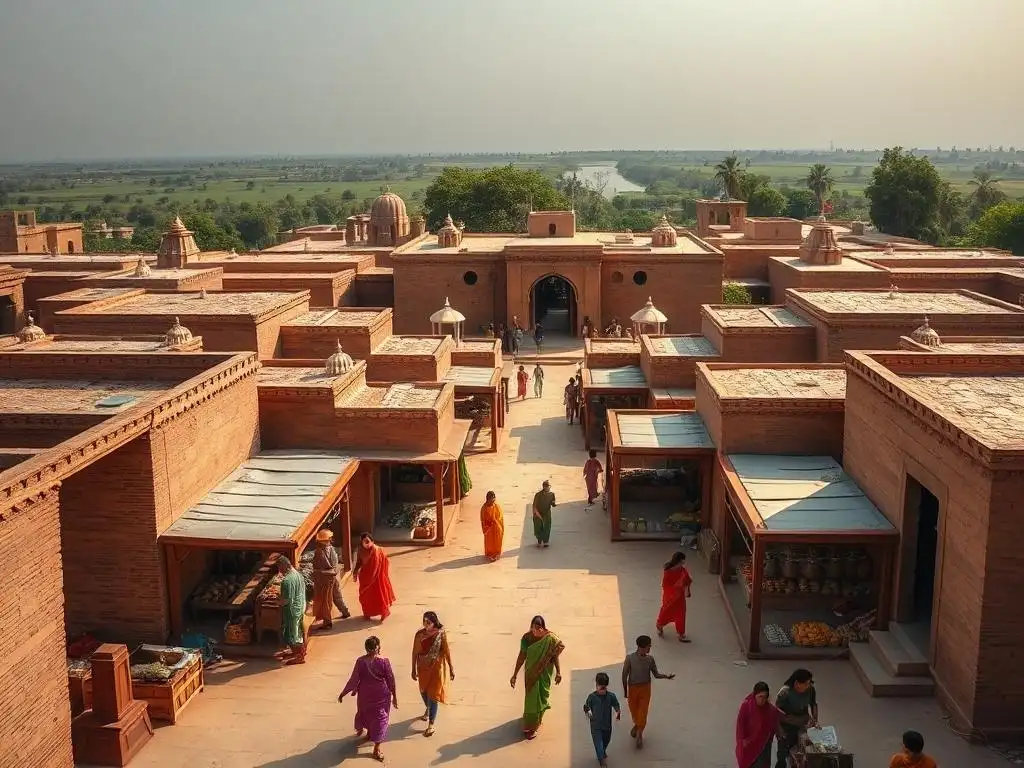
Welcome to Ancient India History, where we embark on a fascinating journey through time to uncover the rich tapestry of ancient Indian civilizations. In today’s exploration, we delve into the Indus Valley daily life history, revealing how this remarkable society transitioned from prehistoric beginnings to a flourishing civilization. What were the daily rituals, social structures, and innovations that defined life along the banks of the Indus River? Join us as we unravel the mysteries of this ancient world and ignite your curiosity about the profound contributions that have shaped India's cultural heritage. Dive in to discover more!
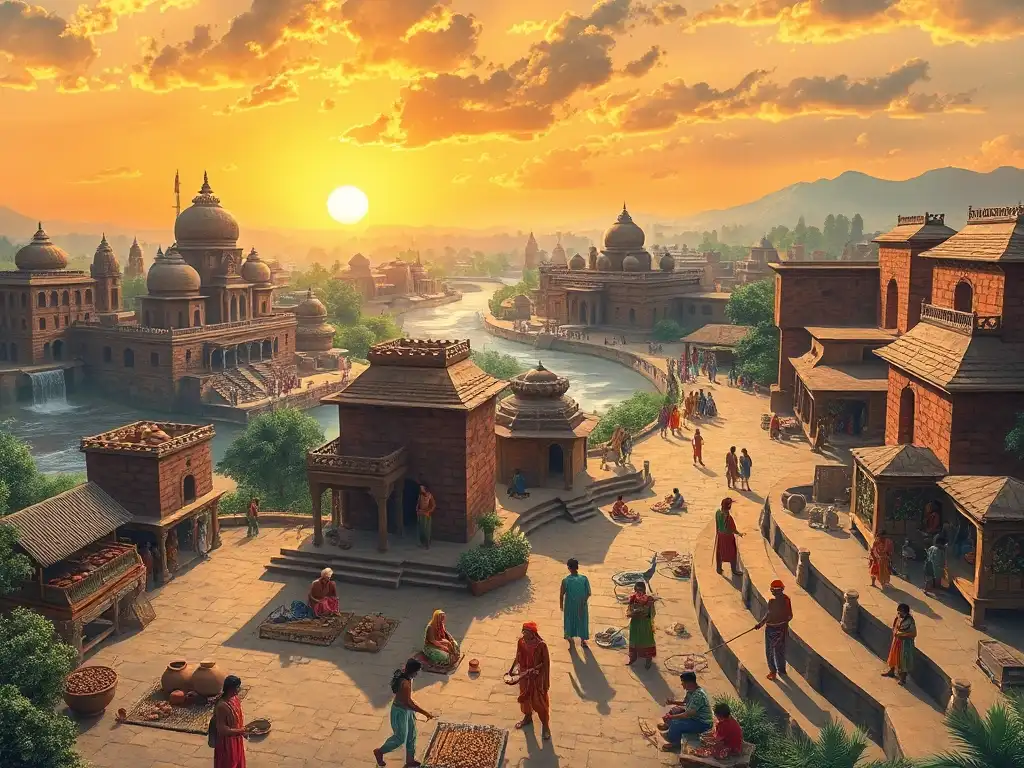
Introduction to Indus Valley Daily Life History
The Indus Valley Civilization (IVC), one of the world's earliest urban cultures, flourished around 2500 BCE in what is now Pakistan and northwest India. This ancient civilization is renowned for its advanced urban planning, sophisticated drainage systems, and remarkable craftsmanship. However, to truly appreciate the grandeur of the IVC, one must delve into the daily life of its inhabitants.
Understanding the transformations in daily life from prehistoric times to the late stages of the civilization provides invaluable insights into their social structures, economic practices, and cultural norms. This article explores the evolution of daily life in the Indus Valley, highlighting key aspects that shaped the civilization and its enduring legacy.
Overview of the Indus Valley Civilization
The Indus Valley Civilization is characterized by its well-planned cities, such as Harappa and Mohenjo-Daro, which exemplified urban sophistication and architectural innovation. The civilization arose in a fertile region, benefitting from the seasonal flooding of the Indus River, which provided ample water for agriculture.
- Key features of the Indus Valley Civilization include:
- Advanced urban planning: Grid-like street patterns, standardized weights and measures.
- Innovative drainage systems: Complex sewage systems that indicate a high level of sanitation.
- Trade networks: Extensive trade links with other ancient civilizations, including Mesopotamia.
The daily lives of the people in the IVC were intricately linked to these urban advancements, affecting everything from their economic activities to their social interactions.
Importance of Daily Life in Understanding Ancient Societies
Examining daily life in the Indus Valley is crucial for several reasons:
- Cultural Insights: It unveils the values, beliefs, and social norms that governed the lives of ancient individuals.
- Economic Practices: Understanding subsistence strategies and trade can illuminate the economic foundations of the civilization.
- Social Structures: Daily life reveals the organization of society, including class divisions, gender roles, and community interactions.
By studying these aspects, historians and archaeologists can reconstruct a more comprehensive picture of the Indus Valley Civilization, shedding light on how it functioned and thrived over millennia.
Prehistoric Foundations of Indus Valley Daily Life
Archaeological Evidence of Early Settlements
Before the rise of the Indus Valley Civilization, prehistoric communities laid the groundwork for its development. Archaeological findings indicate that early settlers engaged in hunting, gathering, and primitive agriculture.
- Key archaeological sites include:
- Mehrgarh: Known for its early farming practices and domestication of animals.
- Chirand: Evidence of fishing and trade networks with nearby regions.
These sites provide crucial evidence of how prehistoric people adapted to their environment and began to form the social and economic structures that would later characterize the Indus Valley Civilization.
Lifestyle and Subsistence Strategies in Prehistoric Times
The lifestyle of early inhabitants of the Indus Valley was primarily shaped by their environment and available resources.
- Subsistence strategies included:
- Agriculture: Cultivation of crops such as wheat, barley, and pulses.
- Animal Husbandry: Domestication of cattle, sheep, and goats which supported their diet and labor needs.
- Fishing and Foraging: Utilization of river resources complemented their agricultural practices.
These subsistence methods not only provided food security but also fostered the development of more permanent settlements, setting the stage for the transition to a more complex urban society in the Indus Valley.
The exploration of daily life in the Indus Valley offers a fascinating glimpse into the societal dynamics and cultural practices of one of the world's earliest civilizations. Understanding these elements is key to appreciating the broader historical context of ancient Indian civilizations.
The Rise of Civilization in the Indus Valley
The rise of civilization in the Indus Valley is a pivotal chapter in ancient history, marking a transformation from nomadic lifestyles to settled urban societies. This transition, which occurred around 3300 BCE, was characterized by a series of advancements that laid the groundwork for one of the world’s earliest urban cultures. The fertile plains of the Indus River provided an ideal environment for agriculture, which became the foundation of society. The introduction of farming not only allowed for food surplus but also facilitated population growth and the establishment of permanent settlements.
Transition from Prehistoric to Civilized Society
The transition from prehistoric to civilized society in the Indus Valley did not occur overnight; it was a gradual process influenced by various factors. Initially, communities were primarily hunter-gatherers, relying on the natural resources available in their environment. However, as they began to cultivate crops such as wheat and barley, they developed a more sedentary lifestyle. The establishment of farming led to the creation of larger, more complex societies, where social organization and governance became essential.
Archaeological evidence suggests that by 2600 BCE, the Indus Valley Civilization had emerged, showcasing advanced city planning, including drainage systems, public baths, and standardized weights and measures. The shift to a more structured society is also reflected in the emergence of trade networks, which connected the Indus Valley with neighboring regions, facilitating cultural exchange and economic prosperity.
Key Developments in Urban Planning and Architecture
Urban planning and architecture in the Indus Valley were remarkable for their time, exhibiting a level of sophistication that underscores the civilization’s organizational capabilities. Cities like Harappa and Mohenjo-Daro were meticulously laid out in a grid pattern, featuring well-defined streets, residential areas, and public spaces.
Key architectural developments included:
- Drainage Systems: Advanced drainage systems were integral to urban sanitation, with most houses connected to a centralized drainage network. This innovation significantly improved public health and hygiene.
- Water Management: The construction of large reservoirs and wells indicates a sophisticated understanding of water management, crucial for agricultural and domestic use.
- Brick Construction: The use of standardized fired bricks for building structures reflects an advanced level of engineering and design.
These innovations not only facilitated daily life but also contributed to the longevity and stability of urban settlements in the Indus Valley.
Innovations in Agriculture and Trade
Agriculture in the Indus Valley underwent significant innovations that played a crucial role in its development. The domestication of various crops and animals allowed for diversification in food production. Key innovations included:
- Irrigation Techniques: The development of irrigation systems enabled farmers to maximize crop yields, supporting larger populations.
- Crop Rotation: The practice of rotating crops improved soil fertility and reduced the risk of crop failure.
Trade was equally important in the Indus Valley, with evidence of extensive trade networks that connected the civilization to Mesopotamia and beyond. Goods such as textiles, beads, and metals were exchanged, fostering economic interdependence and cultural exchange. The standardization of weights and measures facilitated trade, ensuring fairness and efficiency in transactions.
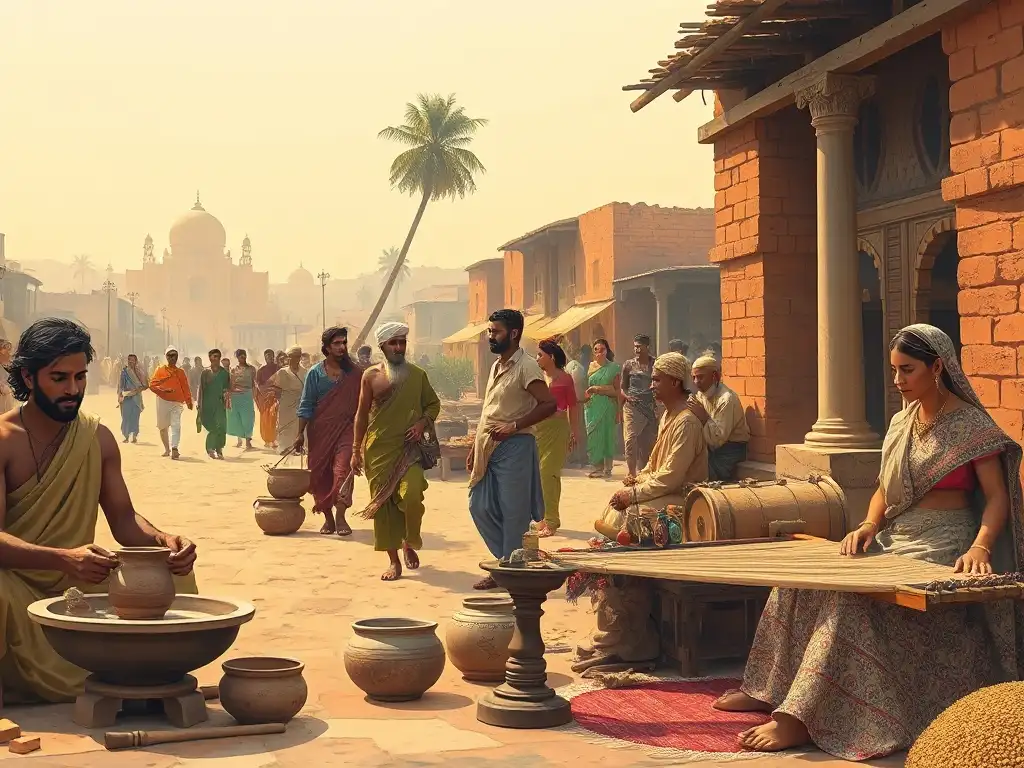
The social structure of the Indus Valley Civilization was complex and hierarchical, influencing daily life significantly. The organization of society can be understood through various aspects, including family dynamics, economic activities, and gender roles.
The Role of Family and Community in Daily Life
Family and community were central to daily life in the Indus Valley. Families typically lived in extended units, fostering strong social bonds and support systems. The nuclear family structure also existed, but the emphasis on communal living allowed for shared responsibilities in domestic tasks and child-rearing.
Community festivals and rituals played a crucial role in social cohesion, with residents participating in collective activities that reinforced their cultural identity. Evidence of communal spaces, such as public baths and granaries, suggests that social interactions were integral to daily life, reflecting a culture that valued cooperation and collaboration.
Occupations and Economic Activities
Occupations in the Indus Valley were diverse, reflecting the economic complexity of the civilization. The economy was primarily agrarian, but various other professions emerged as urban centers developed. Key occupations included:
- Agriculture: Farmers were the backbone of the economy, cultivating crops and raising livestock.
- Craftsmanship: Skilled artisans produced pottery, textiles, and jewelry, contributing to both local needs and trade.
- Trade and Commerce: Traders facilitated the exchange of goods, often traveling long distances to establish connections with other cultures.
The variety of occupations not only supported the economy but also allowed for specialization, a hallmark of advanced civilizations.
Gender Roles and Social Hierarchies
Gender roles in the Indus Valley Civilization were likely defined by a combination of societal norms and economic needs. While men predominantly occupied roles related to agriculture and trade, women played crucial roles in managing households and engaging in textile production and pottery.
Social hierarchies were evident, although less rigid compared to other ancient civilizations. The existence of public works and communal resources suggests a level of social organization, but the precise nature of class distinctions in the Indus Valley remains a subject of scholarly debate. The relative equality seen in some archaeological findings indicates a society where cooperation was essential for survival and prosperity.
The Indus Valley Civilization represents a significant milestone in the history of daily life, showcasing the evolution from prehistoric communities to a sophisticated urban society characterized by innovative practices in agriculture, trade, and social structure.
Cultural Aspects of Daily Life
The Indus Valley Civilization, one of the world's earliest urban cultures, exhibited a rich tapestry of cultural practices that defined daily life. This civilization, flourishing around 2500 BCE in present-day Pakistan and northwest India, showcased a remarkable blend of social, religious, and artistic elements. The inhabitants of this civilization engaged in various activities that reflected their values, beliefs, and skills, which contributed to a vibrant community life.
Religious Practices and Beliefs in the Indus Valley
The religious practices of the Indus Valley people remain somewhat enigmatic due to the limited understanding of their script and the absence of grand temples. However, archaeological findings suggest a deep reverence for nature and fertility. The discovery of numerous terracotta figurines, including those of a mother goddess, indicates a possible worship of fertility deities. Additionally, the presence of seals depicting animals, such as the unicorn and bull, hints at a significant role for animal symbolism in their spirituality.
Ritual practices may have included bathing in the Great Bath of Mohenjo-Daro, which is interpreted as a site for purification rituals. The abundance of fire altars found at various sites suggests that fire played a crucial role in their religious ceremonies. Overall, the religious life in the Indus Valley was characterized by a connection to nature, fertility, and possibly ancestor worship.
Art, Craftsmanship, and Daily Objects
Art and craftsmanship flourished in the Indus Valley, reflecting the high level of skill and creativity among its artisans. The people produced intricate jewelry made from gold, silver, and semi-precious stones, showcasing their sophistication in metallurgy and design. Pottery was also a vital aspect of daily life, with beautifully painted ceramics featuring geometric designs and animal motifs, indicating both aesthetic appreciation and functional utility.
Moreover, the use of seals, often inscribed with script and images, played a significant role in trade and administration. These seals were not only practical but also artistic, showcasing the craftsmanship of the artisans. The presence of toys, such as terracotta figurines and miniature carts, suggests that children's play was an important aspect of daily life, reflecting a society that valued creativity and innovation.
Leisure Activities and Entertainment
Leisure activities in the Indus Valley were diverse and likely included communal gatherings, games, and artistic expression. The discovery of gaming pieces suggests that board games similar to chess or dice games were popular among the inhabitants. Additionally, evidence of dance and music is inferred from terracotta figurines depicting dancers and musicians, indicating that these forms of entertainment were integral to social life.
Festivals and communal rituals may have provided opportunities for the people of the Indus Valley to engage in collective celebrations, strengthening community bonds. The integration of art, music, and dance in daily life points to a culture that valued relaxation and social interaction, reflecting the human spirit's need for entertainment and joy amidst the rigors of daily existence.
Technological Advances and Their Impact on Daily Life
Technological advances significantly impacted the daily life of the Indus Valley civilization, promoting efficiency and enhancing the quality of life. These innovations facilitated agricultural production, trade, and urban planning, contributing to the civilization's prosperity and sustainability.
Water Management and Sanitation Systems
The Indus Valley is renowned for its advanced water management systems, which were crucial for agriculture and urban living. The civilization implemented sophisticated drainage systems, with individual homes connected to a centralized sewage system. This remarkable feat of engineering not only improved sanitation but also reduced the risk of waterborne diseases, showcasing an early understanding of public health.
The construction of wells and reservoirs highlights the importance of water in daily life, allowing for irrigation and domestic use. The meticulous planning of cities, with streets laid out in a grid pattern and houses built with uniformity, reflects a commitment to effective water management and infrastructure, ultimately supporting a thriving urban environment.
Advances in Weaving and Pottery
Weaving and pottery emerged as significant technological advances in the Indus Valley, impacting daily life and trade. The people excelled in cotton production, with evidence suggesting that they were among the first to cultivate cotton for textile production. The skillful weaving of fabrics not only provided clothing but also facilitated trade with neighboring civilizations.
Pottery reached new heights in the Indus Valley, with various styles and techniques employed to create functional and decorative items. The use of the potter's wheel allowed for more uniform shapes and intricate designs, enhancing the aesthetic appeal of everyday objects. These advancements in weaving and pottery not only met the needs of the population but also contributed to the growth of trade networks, as these goods became sought after in regional markets.
The Role of Trade in Daily Living
Trade played a pivotal role in the daily life of the Indus Valley civilization, fostering economic interconnections and cultural exchanges. The civilization engaged in extensive trade with neighboring regions, including Mesopotamia and Persia, exchanging goods such as textiles, pottery, and metalwork for raw materials and luxury items.
The establishment of standardized weights and measures facilitated trade, ensuring fairness and efficiency in transactions. This economic activity supported not only the livelihoods of artisans and merchants but also the growth of urban centers. Trade routes likely provided opportunities for cultural interactions, contributing to the exchange of ideas and practices that enriched the daily lives of the Indus Valley inhabitants.
The Indus Valley Civilization's daily life was characterized by a harmonious blend of cultural practices, technological advancements, and trade, all of which shaped its unique identity and enduring legacy in ancient history.
Challenges and Changes in the Indus Valley Civilization
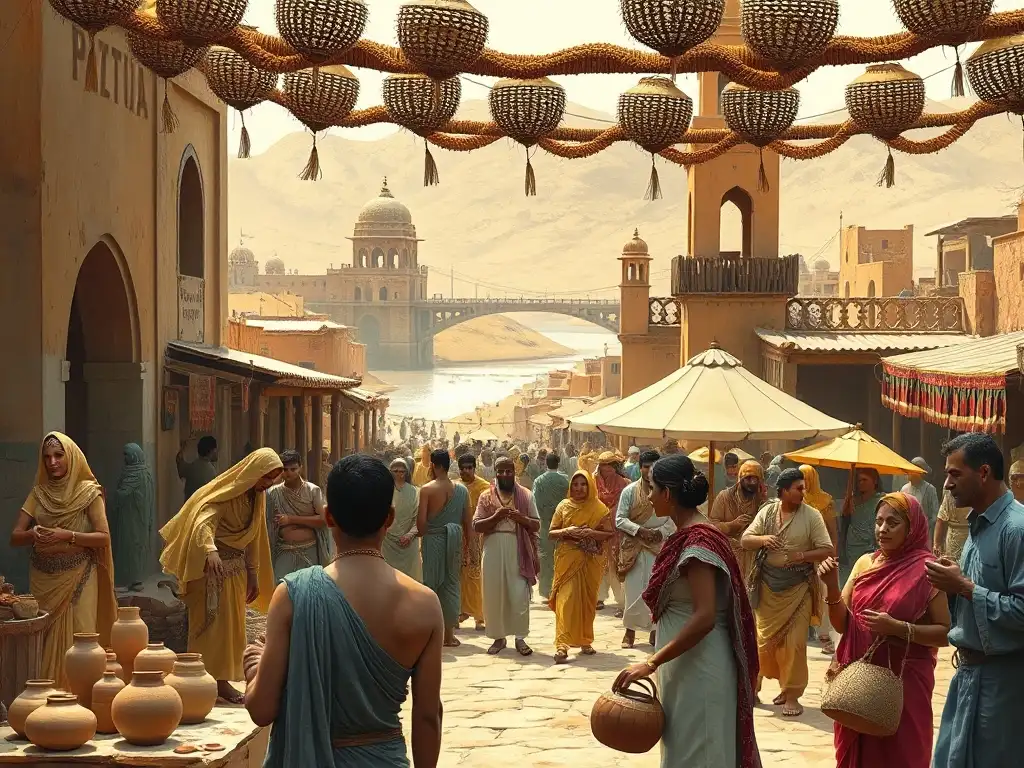
The Indus Valley Civilization, one of the earliest urban cultures in South Asia, faced numerous challenges that shaped its daily life and societal structure. Key among these were environmental factors, invasions, and cultural interactions which collectively influenced the trajectory of this remarkable civilization. Understanding these challenges provides insight into how the people of the Indus Valley adapted and thrived, as well as how their eventual decline occurred.
Environmental Factors and Their Influence on Daily Life
Environmental conditions played a crucial role in the daily lives of the inhabitants of the Indus Valley. The civilization thrived around the fertile floodplains of the Indus River, which provided ample water for agriculture. However, fluctuations in river patterns, such as flooding or drought, posed significant challenges.
- Agricultural Dependence: The society was heavily reliant on agriculture, growing crops like wheat, barley, and cotton. Shifts in climate could lead to crop failures, impacting food security and daily sustenance.
- Urban Planning and Water Management: The Indus Valley cities, such as Harappa and Mohenjo-Daro, showcased advanced urban planning, including sophisticated drainage systems and wells. These innovations were necessary to manage the water supply effectively, especially in times of drought or flooding.
- Resource Scarcity: As the population grew, the demand for resources increased. Deforestation and soil depletion became concerns, leading to potential conflicts over land and water resources, which in turn affected daily life.
Invasions and Cultural Interactions
The Indus Valley Civilization was not isolated; it was a crossroads of various cultures and peoples. Invasions and migrations introduced new ideas and practices that impacted daily life.
- Cultural Exchange: The interactions with neighboring regions, including Mesopotamia and Persia, facilitated trade and cultural exchange. This resulted in the introduction of new technologies, agricultural practices, and crafts, enriching the lives of the Indus people.
- Invasions: Although the precise causes of the civilization's decline remain debated, invasions by nomadic tribes may have contributed to societal disruption. These invasions could have led to displacement, altering traditional lifestyles and social structures.
- Integration and Adaptation: The ability of the Indus Valley people to integrate foreign influences while maintaining their cultural identity was crucial. This adaptability is reflected in their art, pottery, and religious practices, which evolved through these interactions.
The Decline of the Indus Valley Civilization
The decline of the Indus Valley Civilization remains a subject of intense research and discussion among historians. Several factors contributed to this gradual downfall, leading to significant changes in daily life.
- Climate Change: Evidence suggests a significant shift in climate during the late Harappan period, resulting in decreased rainfall and increased aridity. This would have severely affected agriculture, leading to food shortages.
- Economic Decline: As agriculture faltered, so did trade, which was essential for the economy of the Indus Valley. The disruption of trade routes and the decline of urban centers led to economic instability.
- Social Disintegration: The combination of environmental stress and economic decline may have caused social unrest. The once-thriving urban centers began to depopulate, leading to a breakdown in social order, which fundamentally altered daily life.
Conclusion: The Legacy of Indus Valley Daily Life History
The daily life in the Indus Valley Civilization, characterized by its innovations and adaptations, has left a profound legacy that continues to influence subsequent Indian civilizations.
Lasting Impacts on Subsequent Indian Civilizations
The Indus Valley's contributions to urban planning, social organization, and agricultural practices can be seen in later civilizations, such as the Vedic period. Key aspects of daily life, including the importance of trade, craftsmanship, and agricultural techniques, were inherited and evolved throughout Indian history. This legacy paved the way for the sophisticated socio-economic structures that followed.
- Urban Planning: The principles of urban planning that emerged in the Indus Valley can be observed in the layout of later cities, demonstrating a long-lasting influence on urban development.
- Cultural Continuity: Many cultural practices, including pottery styles and religious rituals, originated in the Indus Valley and persisted through time, forming a cultural continuity that enriched Indian heritage.
Reflections on Daily Life Lessons from the Indus Valley
The Indus Valley Civilization offers valuable lessons on resilience and adaptation in the face of challenges. Their ability to innovate, whether through advanced urban infrastructure or agricultural practices, highlights the importance of sustainability.
- Community Resilience: The communal efforts to manage resources and build cities emphasize the importance of collaboration in overcoming environmental challenges.
- Adaptability: The Indus people's integration of diverse cultural influences serves as a reminder of the benefits of openness and adaptation in fostering societal growth.
- Sustainability Practices: The lessons learned from their decline stress the need for sustainable practices in agriculture and resource management, which are increasingly relevant in today’s context of climate change.
The rich tapestry of daily life in the Indus Valley Civilization not only reflects the ingenuity of its people but also serves as a testament to the enduring impact of their legacy on the history of India.
Further Reading on Indus Valley Civilization's Daily Life and Society
To gain a deeper understanding of the Indus Valley daily life history and the societal structure of this ancient civilization, a variety of resources are available for enthusiasts and scholars alike. These materials provide insights into the day-to-day activities, cultural practices, and the overall framework of life during this intriguing period. Below are some recommended books, articles, and online resources to explore.
Recommended Books and Articles
-
"The Indus Civilization: A Contemporary Perspective" by Gregory L. Possehl
This comprehensive work delves into the archaeological findings of the Indus Valley Civilization, offering insights into urban planning, trade, and daily life through a modern lens.
-
"Ancient Cities: The Archaeology of Urban Life in the Ancient Near East and Egypt, Greece, and Rome" by Charles Gates
This book includes a section dedicated to the urban life of the Indus Valley, highlighting the architectural advancements and societal organization that characterized this civilization.
-
"Indus Valley Civilization: A Historical Overview" by D. S. Saini
This article provides a succinct overview of the key elements of daily life, including economic activities, crafts, and social structures, making it an excellent starting point for understanding the civilization.
-
"Life in the Indus Valley: The Evidence from Archaeology" by R. S. Bisht
This article presents findings from various archaeological sites, discussing the material culture of the Indus Valley people and how it reflects their daily lives.
-
"The Archaeology of the Indus Valley Civilization" by V. V. Mirashi
This work focuses on the archaeological methods used to study the Indus Valley, offering insights into how these methods uncover the intricacies of daily life and society.
Online Resources for Exploring Ancient Indian History
-
The Archaeological Survey of India (ASI)
This official website provides access to numerous reports, publications, and resources related to the archaeology of India, including a section dedicated to the Indus Valley Civilization.
-
Digital South Asia Library
This online repository offers a wealth of information about South Asian history, including digitized texts and images related to the Indus Valley Civilization.
-
The Oriental Institute at the University of Chicago
Their online resources include lectures, articles, and research studies focused on the ancient cultures of South Asia, including detailed studies of the Indus Valley.
-
National Geographic's Indus Valley Civilization Resource Page
A collection of articles, visuals, and interactive content that explores various aspects of the Indus Valley Civilization, making it accessible for both educational and personal exploration.
-
The British Museum Online Collection
Featuring artifacts from the Indus Valley Civilization, this resource allows users to explore items and learn about their significance in the context of daily life during this era.
These resources will not only enhance your understanding of the Indus Valley daily life history but also provide a broader perspective on the cultural and social dynamics of one of the world's earliest urban civilizations.
- Introduction to Indus Valley Daily Life History
- Prehistoric Foundations of Indus Valley Daily Life
- The Rise of Civilization in the Indus Valley
- Social Structure and Daily Life in the Indus Valley
- Cultural Aspects of Daily Life
- Technological Advances and Their Impact on Daily Life
- Challenges and Changes in the Indus Valley Civilization
- Conclusion: The Legacy of Indus Valley Daily Life History
- Further Reading on Indus Valley Civilization's Daily Life and Society
- What are the key features of daily life in the Indus Valley civilization?
- How did prehistory influence the daily life of the Indus Valley people?
- What were the primary occupations of Indus Valley inhabitants?
- How did religion and spirituality impact daily life in the Indus Valley?
- What can we learn from the daily life history of the Indus Valley civilization?
Frequently Asked Questions
What are the key features of daily life in the Indus Valley civilization?
The daily life in the Indus Valley was characterized by advanced urban planning, including well-laid streets, drainage systems, and public baths, highlighting their focus on hygiene and community.
How did prehistory influence the daily life of the Indus Valley people?
Before the rise of civilization, the prehistoric period laid the groundwork for agriculture and settlement, leading to a more structured daily life centered around farming, trade, and community activities.
What were the primary occupations of Indus Valley inhabitants?
The inhabitants primarily engaged in agriculture, craftsmanship, and trade. They cultivated crops like wheat and barley and were skilled in pottery and metallurgy, showcasing their economic diversity.
How did religion and spirituality impact daily life in the Indus Valley?
Religion played a significant role, with rituals and ceremonies influencing social structure and daily activities. The presence of figurines and seals suggests a rich spiritual life that affected both personal and community practices.
What can we learn from the daily life history of the Indus Valley civilization?
Studying the daily life history of the Indus Valley provides insights into socio-economic structures, governance, and cultural practices, enriching our understanding of how ancient civilizations shaped modern societies.
Final Reflection: The Enduring Legacy of Indus Valley Daily Life
The exploration of Indus Valley daily life history reveals a fascinating journey from prehistory to a sophisticated civilization, showcasing how the daily practices of ancient societies shape our understanding of cultural evolution today. As we reflect on the intricate urban planning, trade networks, and social structures of the Indus Valley, we recognize that these foundational elements continue to resonate in our modern lives. The lessons learned from this ancient civilization remind us that the essence of daily life—community, innovation, and resilience—remains timeless.
The influence of the Indus Valley civilization extends far beyond its geographical boundaries, impacting cultural and social landscapes across the globe. The meticulous craftsmanship and advanced urban design of the Indus people serve as a testament to human ingenuity. Civilization is a race between education and catastrophe.
– H.G. Wells. This quote encapsulates the ongoing relevance of understanding our past; as we navigate contemporary challenges, the wisdom gleaned from the daily lives of those who came before us can guide our actions and decisions.
As we conclude this exploration, I invite you to reflect on how the lessons of the Indus Valley can inform your own daily life. Consider how the values of community, sustainability, and innovation can be woven into your routines and interactions. Embrace the opportunity to learn from history, allowing the rich tapestry of the Indus Valley to inspire you to create a more connected and thoughtful existence in the present and future.
Unveil the Rich Legacy of the Indus Valley!
Thank you for exploring the fascinating journey of daily life in the Indus Valley with us! You've delved into how this ancient civilization laid the groundwork for urban development and social structure. Now, it's your turn to deepen your understanding and engage with this rich history.
Here are some exciting actions you can take next:
- Explore the ancient sites of the Indus Valley by visiting our detailed guide on key archaeological discoveries.
- Share your newfound knowledge with friends or on social media to spark conversations about ancient civilizations!
- Consider joining a local history group or forum focused on early civilizations to connect with others who share your interest.
What aspect of the Indus Valley civilization intrigues you the most, and how do you believe it influences our lives today?