
Unveiling the Mysteries: The Origins of the Indus Valley Civilization

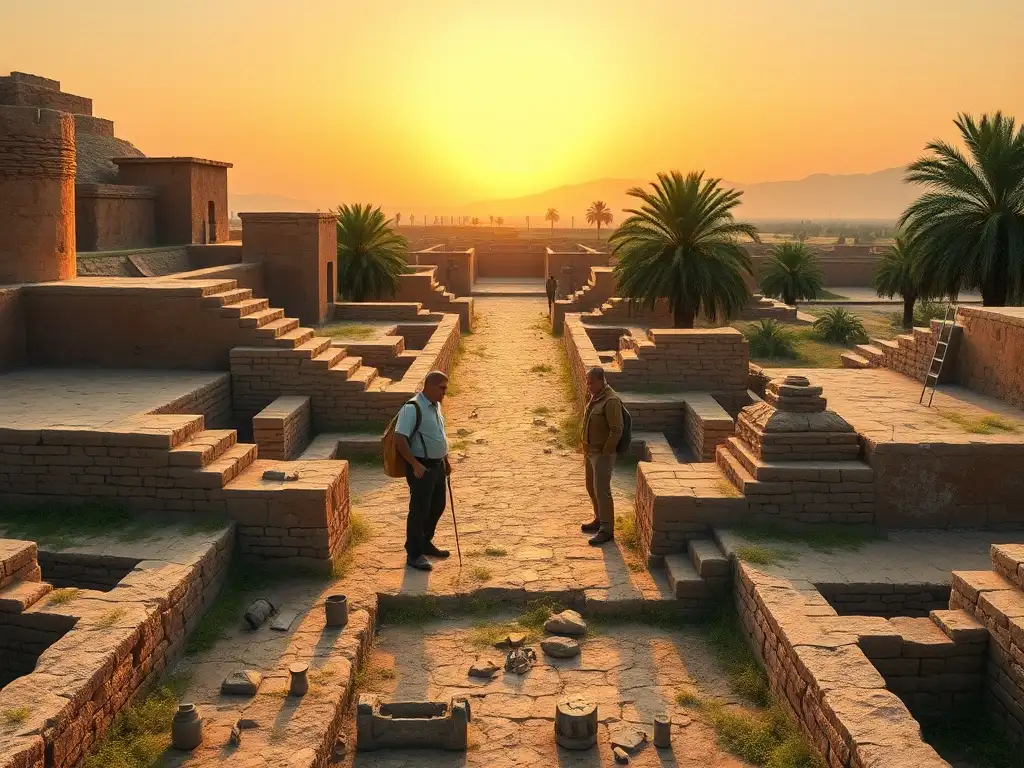
Welcome to Ancient India History, where we embark on a fascinating journey through the rich tapestry of ancient Indian civilizations. In our featured article, "Unveiling the Mysteries: The Origins of the Indus Valley Civilization," we delve into the captivating Indus Valley Civilization history, unraveling the enigmas of one of the world's earliest urban cultures. What secrets lie beneath the ruins of this remarkable society? Join us as we explore the innovative achievements, cultural richness, and enduring legacy that shaped not just India, but the entire world. Your adventure into the depths of history begins here—read on to discover more!
Introduction to Indus Valley Civilization History
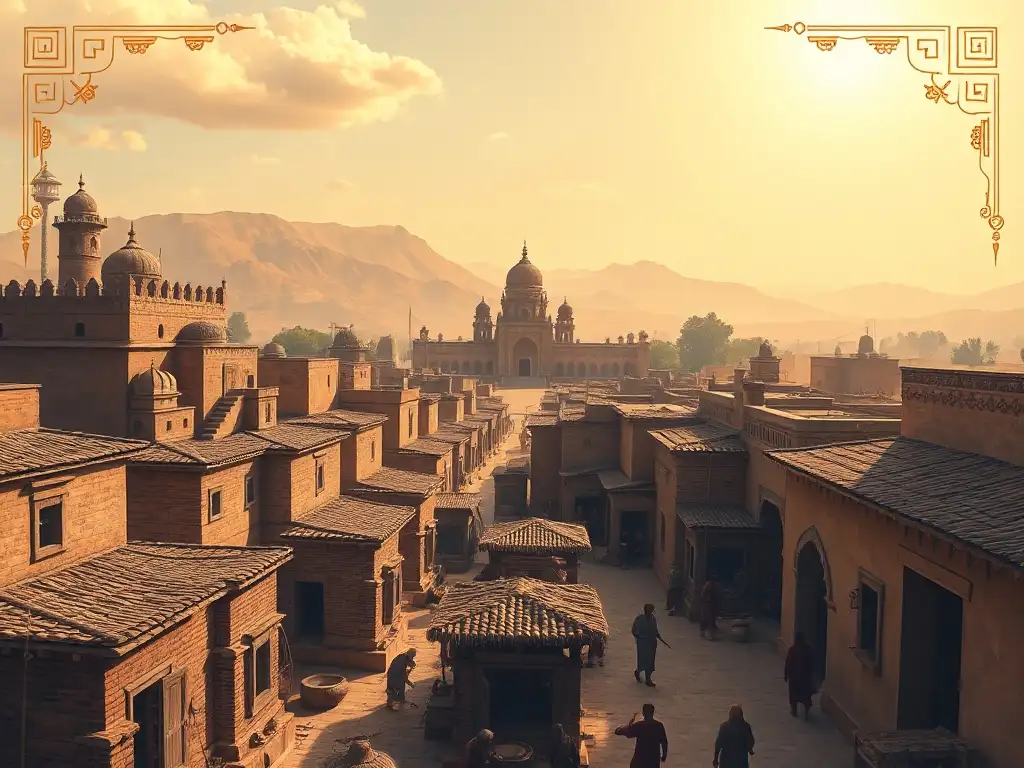
The Indus Valley Civilization (IVC), one of the world's earliest urban cultures, offers a fascinating glimpse into the life and achievements of ancient Indian societies. Flourishing around 2500 BCE in what is now Pakistan and northwest India, this remarkable civilization is known for its advanced city planning, intricate drainage systems, and distinctive artistic expressions.
Despite its significance, many aspects of the Indus Valley Civilization history remain shrouded in mystery, compelling researchers and historians to delve deeper into its origins and evolution. This article seeks to unravel these mysteries, tracing the development of the IVC and highlighting its profound impact on the broader tapestry of ancient Indian civilization.
Overview of Ancient Indian Civilizations
Ancient India is characterized by a rich mosaic of civilizations that thrived across diverse geographical landscapes. The Indus Valley Civilization stands as a cornerstone of this history, alongside other notable cultures such as the Vedic civilization and the Maurya and Gupta empires. Each of these civilizations contributed uniquely to the social, cultural, and technological advancements of the region.
- Key Civilizations:
- Indus Valley Civilization (c. 3300 – 1300 BCE)
- Vedic Civilization (c. 1500 – 500 BCE)
- Maurya Empire (c. 322 – 185 BCE)
- Gupta Empire (c. 240 – 550 CE)
Understanding the IVC's context within these civilizations is crucial for grasping its significance and the intricate web of interactions that shaped ancient India.
Importance of Studying the Indus Valley Civilization
Studying the Indus Valley Civilization is essential for several reasons:
-
Cultural Insights:
The IVC provides invaluable insights into the early societal structures, trade practices, and cultural norms of ancient India.
-
Technological Advancements:
This civilization showcased remarkable engineering feats, including urban planning and sanitation systems, which set a precedent for future societies.
-
Historical Continuity:
The legacies of the IVC can be traced through subsequent Indian cultures, influencing everything from governance to art.
-
Archaeological Significance:
The discoveries at sites such as Harappa and Mohenjo-Daro continue to challenge and enrich our understanding of ancient urban life.
The Emergence of the Indus Valley Civilization
The emergence of the Indus Valley Civilization represents a pivotal moment in the history of human development. This section explores the geographic foundations, timelines, and defining characteristics that marked the rise of this ancient civilization.
Geographic Context of the Indus Valley
The Indus Valley Civilization thrived in a fertile region encompassing parts of modern-day Pakistan and northwest India, primarily along the banks of the Indus River and its tributaries.
- Key Geographical Features:
- River Systems: The Indus River and its tributaries provided essential water resources for agriculture.
- Climate: The region's climate supported agricultural activities, aiding in the sustenance of urban populations.
- Natural Resources: Abundant resources, including minerals and fertile soil, facilitated trade and economic growth.
The strategic geographic location allowed the IVC to engage in extensive trade networks, both within the Indian subcontinent and beyond.
Timeline of the Indus Valley Civilization Development
The timeline of the Indus Valley Civilization's development reveals its dynamic evolution:
| Period | Key Developments |
|---|---|
| Early Harappan | (c. 3300 – 2600 BCE) Initial settlements; agriculture and trade begin. |
| Mature Harappan | (c. 2600 – 1900 BCE) Urbanization; sophisticated city planning and infrastructure. |
| Late Harappan | (c. 1900 – 1300 BCE) Decline of cities; possible environmental changes and internal strife. |
This timeline highlights the various phases of the IVC, each marked by significant advancements and challenges.
Key Features of the Indus Valley Civilization
The Indus Valley Civilization is characterized by several key features that illustrate its complexity and sophistication:
-
Urban Planning:
Cities like Harappa and Mohenjo-Daro were meticulously planned, featuring grid layouts, standardized weights and measures, and advanced drainage systems.
-
Trade Networks:
The IVC engaged in extensive trade with neighboring regions, evidenced by the discovery of seals, weights, and artifacts in distant locations.
-
Artistic Expressions:
Artifacts such as pottery, jewelry, and sculptures reflect the aesthetic sensibilities and skilled craftsmanship of the civilization.
-
Script and Language:
The Indus script remains undeciphered, posing questions about the literacy and communication methods of the civilization.
The enduring mysteries of the Indus Valley Civilization continue to inspire research and exploration, promising to reveal more about one of humanity's earliest urban societies.
Cultural Aspects of the Indus Valley Civilization
The Indus Valley Civilization (IVC), known for its remarkable urban planning and advanced societal structures, offers a fascinating glimpse into the cultural aspects that defined one of the world's earliest urban societies. The civilization thrived between approximately 3300 BCE and 1300 BCE in the northwestern regions of South Asia, encompassing parts of present-day Pakistan and northwest India. Its culture was characterized by a sophisticated level of organization in various domains, including urban planning, art, social structure, and economic practices.
Urban Planning and Architecture
The urban planning of the Indus Valley Civilization is one of its most impressive features. Cities like Harappa and Mohenjo-Daro exhibited advanced layout designs, featuring a grid pattern that facilitated efficient movement and organization.
- Planned Layouts: Streets were laid out in a grid-like pattern with right angles, showcasing a level of urban design that was ahead of its time.
- Drainage Systems: The existence of complex drainage systems indicates an understanding of sanitation and public health. Houses often had toilets connected to a centralized drainage system, a remarkable achievement for ancient societies.
- Building Materials: Structures were primarily constructed using baked bricks, which were standardized in size, contributing to the durability and uniformity of the architecture.
This meticulous attention to urban design not only reflects the practical needs of the inhabitants but also hints at a centralized authority capable of planning and executing such ambitious projects.
Art and Craftsmanship in Indus Valley Culture
The craftsmanship of the Indus Valley Civilization is evident through its intricate art forms, pottery, and metallurgy. Artisans employed various materials, including terracotta, stone, and metal, to create functional and decorative items.
- Terracotta Figurines: Numerous terracotta figurines have been unearthed, depicting animals, humans, and deities, often showcasing elaborate hairstyles and jewelry.
- Seal Carving: The creation of seals, typically made from steatite, demonstrates advanced engraving skills. These seals often featured animal motifs and inscriptions in an undeciphered script, indicating possible religious or administrative functions.
- Pottery: Indus Valley pottery was distinguished by its painted designs, including geometric patterns and naturalistic motifs, reflecting both aesthetic values and cultural symbolism.
These artifacts not only highlight the artistic capabilities of the Indus people but also serve as vital indicators of their social and religious practices.
Social Structure and Daily Life
The social structure of the Indus Valley Civilization remains somewhat enigmatic due to the lack of written records. However, archaeological findings provide insights into the daily lives of its inhabitants.
- Household Dynamics: Evidence suggests that people lived in well-constructed houses, often equipped with amenities such as bathrooms, suggesting a focus on comfort and privacy.
- Occupational Specialization: The presence of various crafts and trades implies a division of labor, with individuals specializing in pottery, metallurgy, and textiles, contributing to a complex economic system.
- Religious Practices: While the exact nature of their beliefs remains unclear, the discovery of figurines and seals suggests a possible worship of fertility deities and animals, indicating a spiritual dimension to their daily lives.
These elements reveal a society that was not only organized but also rich in cultural and spiritual life.
Agricultural Practices and Economy
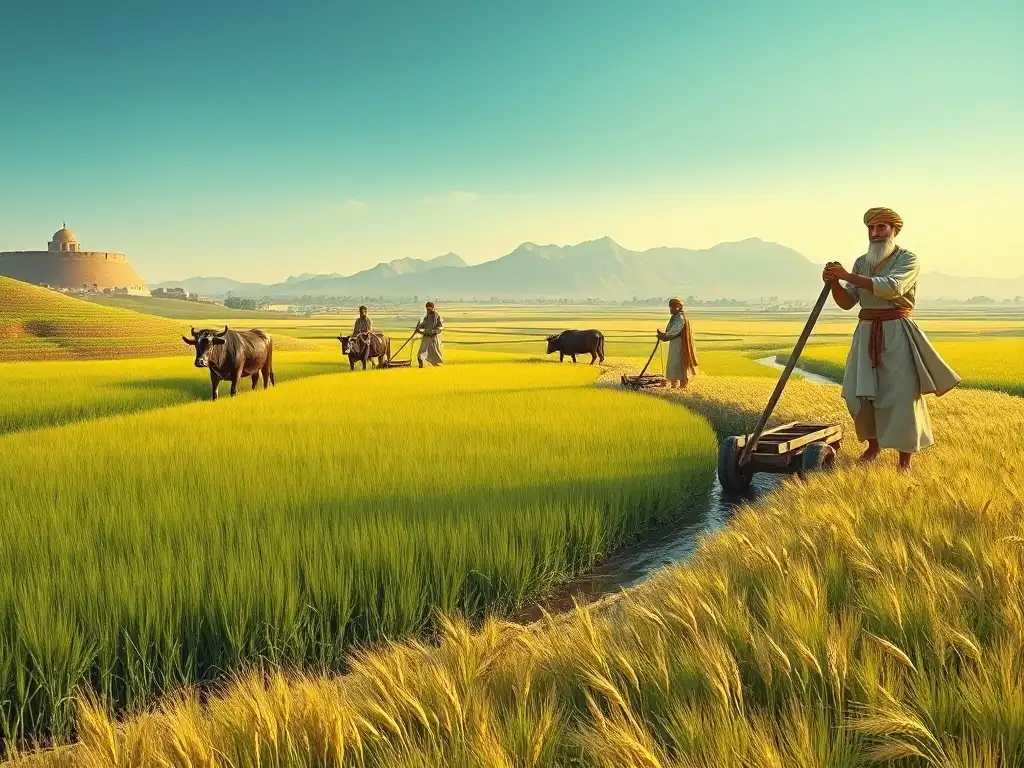
Agriculture played a pivotal role in the economy of the Indus Valley Civilization, allowing it to flourish and sustain its urban centers. The fertile plains of the Indus River facilitated the cultivation of various crops, forming the backbone of the civilization's economy.
Farming Techniques in the Indus Valley
The agricultural practices in the Indus Valley were advanced and diverse, reflecting a deep understanding of the local environment.
- Irrigation Systems: The inhabitants developed sophisticated irrigation techniques to harness the waters of the Indus River, enabling year-round farming. Canals and reservoirs were constructed to manage water flow effectively.
- Crop Diversity: Archaeological evidence indicates that the Indus Valley farmers cultivated a range of crops, including wheat, barley, pulses, and cotton. The presence of cotton suggests an early form of textile production.
- Animal Husbandry: Livestock, including cattle, sheep, and goats, played an essential role in agricultural practices, providing labor, food, and materials such as wool and leather.
These practices contributed to agricultural productivity and supported the growing urban centers of the civilization.
Trade Networks and Economic Exchange
The economic prosperity of the Indus Valley Civilization was bolstered by extensive trade networks that connected it with neighboring regions.
- Internal Trade: Goods such as pottery, textiles, and agricultural products were exchanged within the civilization, enhancing local economies and fostering community relationships.
- External Trade: Evidence of trade links with Mesopotamia, Persia, and the Arabian Gulf suggests that the Indus Valley engaged in long-distance trade. Items such as lapis lazuli, copper, and precious stones were imported, while cotton textiles and pottery were likely exported.
- Standardized Weights and Measures: The use of standardized weights, often made from stone, indicates a sophisticated approach to trade and commerce, facilitating fair exchanges.
These trade practices not only enriched the economy but also promoted cultural exchanges that influenced the development of the civilization.
The Role of Agriculture in Indus Valley Civilization History
Agriculture was not merely a means of sustenance but a fundamental aspect of the Indus Valley Civilization's history and social evolution.
- Foundation of Urban Life: The agricultural surplus allowed for population growth and the establishment of urban centers, transforming small villages into bustling cities.
- Economic Stability: A robust agricultural system provided the necessary resources for trade and economic stability, enabling the civilization to thrive for centuries.
- Cultural Significance: Agriculture influenced various cultural practices, including festivals, rituals, and social structures, highlighting its importance in daily life and communal identity.
The agricultural practices of the Indus Valley Civilization were integral to its success, serving as the foundation for its complex society and contributing to its rich historical legacy.
Theories on the Origins of the Indus Valley Civilization
The origins of the Indus Valley Civilization (IVC) have been a subject of extensive research and debate among historians and archaeologists. Various theories have emerged to explain how this advanced civilization came into being, each shedding light on different aspects of its development. While some theories emphasize the role of migration and settlement patterns, others focus on environmental and geographical factors that may have played a crucial role. The complexity of the IVC's development reflects the multifaceted nature of ancient human societies, and understanding these theories provides insight into the civilization's rich history.
Influx of Settlers: Migration Theories
One prominent theory regarding the origins of the Indus Valley Civilization is based on the influx of settlers through migration. Scholars propose that groups from surrounding regions, including the Iranian plateau and Central Asia, migrated into the Indus Valley around 3300 BCE. These migrating populations are believed to have brought with them agricultural practices, pottery styles, and technologies that contributed to the establishment of urban centers like Harappa and Mohenjo-Daro.
Evidence supporting this theory includes:
- Cultural Similarities: Archaeological findings reveal similarities in pottery and tools between the IVC and other contemporary cultures, suggesting a shared heritage or influence.
- Genetic Studies: Recent genetic research indicates a blend of local populations and migrants, reinforcing the idea of a demographic shift that contributed to the formation of the IVC.
This influx of settlers likely facilitated the transition from nomadic lifestyles to settled agricultural communities, setting the stage for urbanization and the emergence of complex societal structures.
Environmental Factors Influencing Civilization Development
Environmental factors have also been crucial in shaping the development of the Indus Valley Civilization. The region's fertile plains, nourished by the Indus River and its tributaries, provided ideal conditions for agriculture. The timely monsoon rains ensured a reliable water supply, enabling crop cultivation, which was fundamental for sustaining large populations.
Key environmental influences include:
- Agricultural Abundance: The ability to cultivate wheat, barley, and other crops led to food surpluses, which supported population growth and urbanization.
- River Systems: The Indus River and its tributaries facilitated trade and communication, enhancing economic development and cultural exchanges between various settlements.
As the climate and geography of the region supported agriculture, it became a driving force behind the growth of the IVC, allowing it to flourish as one of the world's earliest urban civilizations.
Comparative Analysis with Contemporary Civilizations
A comparative analysis of the Indus Valley Civilization with its contemporary civilizations, such as Mesopotamia and Ancient Egypt, reveals both unique features and shared characteristics. While the IVC developed independently, it exhibited similarities in urban planning, trade practices, and social organization.
Notable comparisons include:
- Urban Planning: Like the cities of Mesopotamia and Egypt, IVC cities featured advanced urban planning, including grid layouts, drainage systems, and standardized brick sizes.
- Trade Networks: The Indus Valley engaged in extensive trade with neighboring regions, exchanging goods such as beads, textiles, and agricultural products. This trade was crucial for the exchange of ideas and technology, paralleling the interactions seen in Mesopotamia and Egypt.
These similarities highlight the interconnectedness of ancient civilizations while also emphasizing the distinct cultural and technological innovations that characterized the Indus Valley.
Decline of the Indus Valley Civilization
The decline of the Indus Valley Civilization remains one of the most enigmatic aspects of its history. Various theories attempt to explain the factors that led to the disintegration of this once-thriving civilization. While some suggest internal issues, others point to external pressures, creating a multifaceted picture of decline.
Factors Contributing to the Decline
Several factors may have contributed to the decline of the Indus Valley Civilization around 1900 BCE. These include:
- Climate Change: Evidence suggests a significant shift to drier conditions, which could have impacted agriculture and water supply, leading to food shortages.
- Overuse of Resources: Intensive agricultural practices may have led to soil depletion and reduced agricultural productivity over time.
- Social and Political Unrest: Internal conflicts or changes in trade routes might have disrupted the social fabric of the civilization, leading to fragmentation.
These factors likely interacted in complex ways, creating a perfect storm that precipitated the civilization's decline.
Archaeological Evidence of Decline
Archaeological findings provide critical insights into the decline of the Indus Valley Civilization. Excavations at various sites have uncovered evidence of:
- Abandonment of Cities: Many urban centers show signs of abandonment, with structures left in disrepair and fewer artifacts found in later layers.
- Changes in Material Culture: A shift in pottery styles and the disappearance of standardized weights and measures suggest a decline in centralized authority and trade.
These indicators highlight a gradual process of decline rather than a sudden collapse, suggesting that the civilization's disintegration was complex and multifaceted.
Aftermath and Influence on Subsequent Cultures
The aftermath of the Indus Valley Civilization's decline had a lasting impact on subsequent cultures in the region. Although the civilization itself faded, its legacy influenced later societies in several ways:
- Cultural Continuity: Aspects of IVC culture, including urban planning and agricultural practices, were absorbed into emerging cultures in the region.
- Trade Networks: The established trade routes continued to facilitate commerce, linking the Indian subcontinent with other regions, and influencing the rise of subsequent civilizations.
The influence of the Indus Valley Civilization can be seen in the foundations it laid for future societies, contributing to the rich tapestry of ancient Indian history.
Ongoing Research and Discoveries
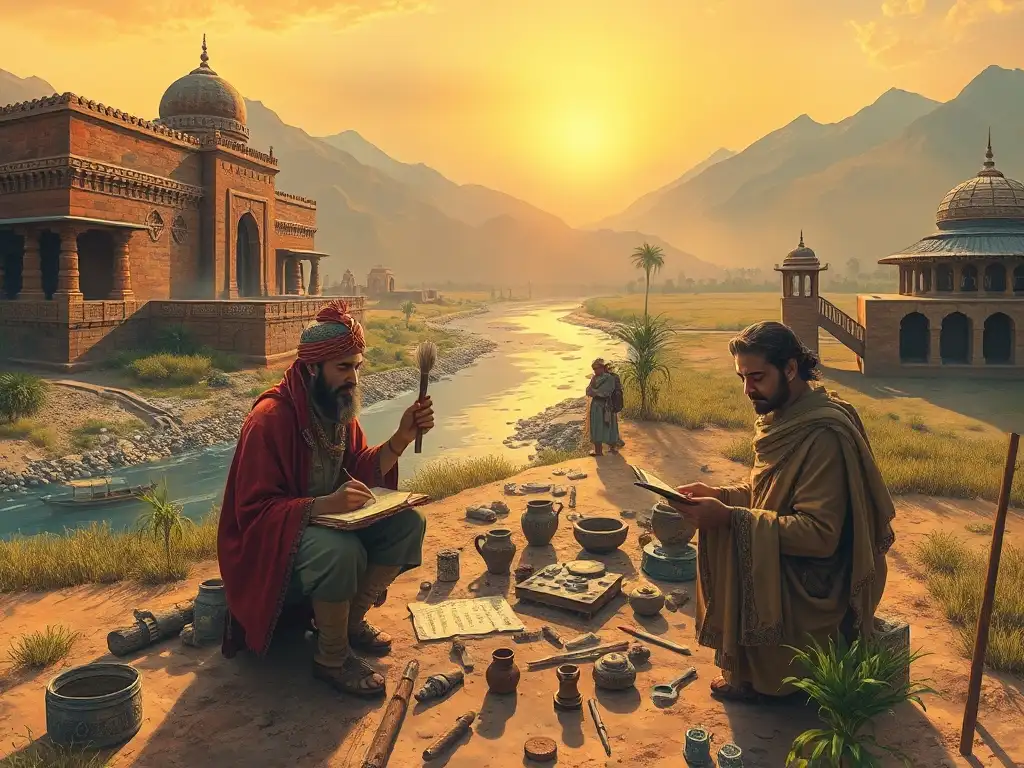
The exploration of the Indus Valley Civilization (IVC) has seen a resurgence in interest, with ongoing research revealing new insights into this ancient society. Scholars, archaeologists, and historians are continuously engaged in excavations, analysis, and interpretation of findings that shed light on the social, economic, and technological aspects of the IVC. This vibrant research landscape is essential for piecing together the intricate puzzle of one of the world's earliest urban cultures.
Recent Archaeological Findings
Recent archaeological endeavors have unearthed vital information about the Indus Valley Civilization. Notable discoveries include:
- New Sites: Excavations at sites such as Dholavira and Rakhigarhi have revealed sophisticated urban planning, advanced drainage systems, and evidence of water conservation techniques.
- Artifacts: The discovery of seals, pottery, and tools, often inscribed with symbols, indicates a complex system of trade and communication. The seals, in particular, have been crucial in understanding the socio-economic interactions within the civilization.
- Burial Practices: Investigations into burial sites have illuminated the spiritual beliefs and social structures of the IVC. Findings suggest a range of burial customs indicating diverse cultural practices and possibly varying social hierarchies.
These findings contribute to an evolving narrative that highlights the sophistication and adaptability of the Indus Valley people.
Advances in Technology and Their Impact on Indus Valley Studies
Technological advancements have significantly enhanced the study of the Indus Valley Civilization. Tools such as ground-penetrating radar (GPR) and GIS (Geographic Information Systems) allow researchers to analyze sites without extensive excavation, offering a non-invasive means to explore sub-surface features. Notable impacts include:
- Remote Sensing: Satellite imagery has unveiled the extent of urban planning and agricultural practices, helping researchers understand the geographical and environmental contexts of the IVC.
- 3D Modeling: Virtual reconstructions of sites enable scholars to visualize ancient urban layouts and infrastructure, facilitating better comprehension of the civilization's complexity.
- Scientific Analysis: Techniques such as radiocarbon dating and DNA analysis are providing insights into the population dynamics and health of the IVC inhabitants, revealing patterns of migration and trade.
These technologies not only enhance archaeological methodologies but also broaden our understanding of the Indus Valley Civilization's historical significance.
Future Directions in Indus Valley Civilization Research
Looking ahead, several key areas of focus are emerging in Indus Valley Civilization research:
- Interdisciplinary Studies: Collaborations between archaeologists, environmental scientists, and historians are expected to deepen our understanding of the ecological factors that influenced the IVC.
- Cultural Connections: Future research will likely explore the links between the Indus Valley Civilization and contemporary cultures in South Asia, examining the continuity of traditions and practices.
- Global Context: Investigating the IVC within a broader global framework will help scholars understand its interactions with other ancient civilizations, such as Mesopotamia and Egypt, and its impact on subsequent cultures in the region.
These future directions aim to create a more comprehensive narrative of the IVC's place in history and its relevance to modern societies.
Conclusion: Understanding the Legacy of the Indus Valley Civilization
The legacy of the Indus Valley Civilization is profound, leaving an indelible mark on the cultural and historical landscape of ancient India. As ongoing research continues to unveil the mysteries of this remarkable civilization, it becomes increasingly clear that its contributions to urban planning, trade, and social organization have shaped the foundations of Indian culture.
The Significance of Indus Valley Civilization in Ancient Indian History
The Indus Valley Civilization stands as a pivotal chapter in ancient Indian history. Its significance lies not only in its achievements but also in its role as one of the earliest examples of urbanization in human history. The civilization's sophisticated city planning, advanced drainage systems, and extensive trade networks underscore its influence on subsequent Indian cultures. Furthermore, the symbols and scripts used during this period remain a topic of intrigue, inspiring ongoing efforts to decipher their meanings and understand their implications for early Indian society.
Lessons Learned from the Study of Ancient Civilizations
Studying the Indus Valley Civilization provides invaluable lessons relevant to contemporary society. Key takeaways include:
- Sustainability: The IVC's water conservation methods and urban planning highlight the importance of sustainable practices, which are increasingly crucial in today's world facing climate challenges.
- Cultural Diversity: The diverse practices observed within the IVC signify the strength and resilience of cultural identities, reminding us of the importance of inclusivity and respect for different traditions in modern societies.
- Adaptation and Innovation: The ability of the IVC to thrive in a dynamic environment illustrates the importance of adaptation and innovation for human progress, a principle that remains applicable in our rapidly changing world.
Through these lessons, the study of the Indus Valley Civilization not only enriches our understanding of the past but also informs the present and future of human civilization.
References
Key Texts and Resources on Indus Valley Civilization History
The study of the Indus Valley Civilization (IVC) has been enriched by numerous scholarly texts and resources that provide insight into its history, culture, and contributions. Some of the most important texts include:
-
"The Indus Civilization: A Contemporary Perspective" by Gregory L. Possehl
This comprehensive work offers an updated analysis of the IVC, integrating archaeological findings and contemporary theories to provide a holistic view of its societal structures and cultural practices.
-
"Indus Valley Civilization: An Archaeological Perspective" by R.S. Sharma
This book delves into the archaeological discoveries that have shaped our understanding of the IVC, from urban planning to trade networks, emphasizing the significance of archaeological evidence in reconstructing the civilization's past.
-
"The Ancient Indus Valley: New Perspectives" by Jane McIntosh
McIntosh's work presents a synthesis of historical, archaeological, and anthropological research, offering new perspectives on the daily lives of the people of the IVC and their interactions with neighboring cultures.
-
"Indus Valley Civilization: A Historical Analysis" by Irfan Habib
This text provides a critical examination of the historical narratives surrounding the IVC, analyzing its decline and the theories that have emerged regarding the transition to subsequent cultures in the Indian subcontinent.
These texts serve as foundational resources for anyone looking to understand the complexities of Indus Valley Civilization history, blending archaeological evidence with historical analysis.
Suggested Further Reading on Ancient Indian Civilizations
For readers interested in expanding their understanding of ancient Indian civilizations beyond the Indus Valley, the following texts are highly recommended:
-
"A History of Ancient and Early Medieval India" by Upinder Singh
This book spans from ancient times through the early medieval period, detailing the evolution of various Indian cultures, including the IVC, and their impact on later Indian history.
-
"The Wonder That Was India" by A.L. Basham
A classic in the field of Indian history, Basham's work explores the cultural, social, and political dynamics of ancient India, providing context to the Indus Valley Civilization's significance in the broader historical narrative.
-
"The Mauryan Empire" by Romila Thapar
Thapar's analysis of the Mauryan Empire sheds light on the political and economic developments following the IVC, illustrating how earlier civilizations laid the groundwork for later empires.
-
"Early India: From the Origins to AD 1300" by Romila Thapar
This comprehensive overview encompasses the entire spectrum of early Indian history, offering insights into various civilizations, including the IVC, and their contributions to Indian culture and society.
These texts collectively enhance the understanding of ancient Indian civilizations and their interconnectedness, providing a broader context for the Indus Valley Civilization within the tapestry of Indian history.
- Introduction to Indus Valley Civilization History
- The Emergence of the Indus Valley Civilization
- Cultural Aspects of the Indus Valley Civilization
- Agricultural Practices and Economy
- Theories on the Origins of the Indus Valley Civilization
- Decline of the Indus Valley Civilization
- Ongoing Research and Discoveries
- Conclusion: Understanding the Legacy of the Indus Valley Civilization
- References
Frequently Asked Questions
What is the Indus Valley Civilization history known for?
The Indus Valley Civilization is known for its advanced urban planning, sophisticated drainage systems, and impressive architecture. It flourished around 2500 BCE in what is now Pakistan and northwest India.
When did the Indus Valley Civilization exist?
The Indus Valley Civilization existed approximately from 3300 BCE to 1300 BCE, making it one of the world's oldest urban cultures. Its peak occurred around 2500 BCE.
What are some key contributions of the Indus Valley Civilization?
The Indus Valley Civilization made significant contributions in areas such as agriculture, trade, and craftsmanship. They were also pioneers in developing one of the earliest writing systems.
How did the Indus Valley Civilization decline?
The decline of the Indus Valley Civilization is attributed to several factors, including climate change, shifts in river patterns, and possible invasions. This led to the gradual abandonment of cities.
What is known about the culture of the Indus Valley Civilization?
The culture of the Indus Valley Civilization was diverse, with evidence of art, music, and religion. They had well-planned cities, indicating a complex social structure and governance.
Final Reflection: Unraveling the Legacy of the Indus Valley Civilization
The exploration of the Indus Valley Civilization history reveals a tapestry of human achievement that continues to resonate in our modern world. As we delve into the intricate urban planning, advanced trade systems, and rich cultural practices of this ancient society, we uncover not only the foundations of civilization but also the enduring lessons they impart. The significance of understanding our past is paramount; it reminds us that the roots of our contemporary societies are deeply intertwined with those who came before us.
The influence of the Indus Valley Civilization extends far beyond its geographical boundaries and historical timeline. As we navigate today’s globalized world, the principles of sustainability and community that were evident in the Indus Valley serve as a poignant reminder of our shared humanity. The echoes of their innovations in agriculture, architecture, and social organization continue to inspire modern thinkers and leaders. History is not just about the past; it’s a lens through which we can understand our present and shape our future.
This perspective urges us to appreciate the complexities of ancient societies and their relevance in addressing contemporary challenges.
As we reflect on the lessons of the Indus Valley Civilization, I invite you to consider how these insights can inform your own life and community. What can we learn from their harmonious coexistence with nature and each other? How can we apply their spirit of innovation and collaboration to our current endeavors? Let us carry forward the wisdom of the past, embracing the responsibility to build a future that honors the legacy of those who laid the groundwork for civilization. Your journey of discovery begins now—dare to explore, learn, and grow from the rich history that surrounds us.
Embark on Your Journey into Ancient India!
Thank you for taking the time to explore the captivating mysteries of the Indus Valley Civilization. Your curiosity has unlocked a wealth of knowledge about one of history's most enigmatic societies. Now, let’s take the next step in your exploration!
- Dive deeper: Visit our extensive archive on Ancient India to uncover more hidden gems about this incredible civilization and its lasting impact on the world.
- Share your insights: Join the conversation—share this article with friends and family to inspire their curiosity about our ancestors’ extraordinary achievements.
- Engage with our community: Connect with fellow history enthusiasts by sharing your thoughts in the comments below or asking questions that will fuel further discussions.
What aspect of the Indus Valley Civilization fascinates you the most, and in what ways do you believe it continues to influence our world today?