
The Role of Artisans in Shaping Indus Valley Civilization

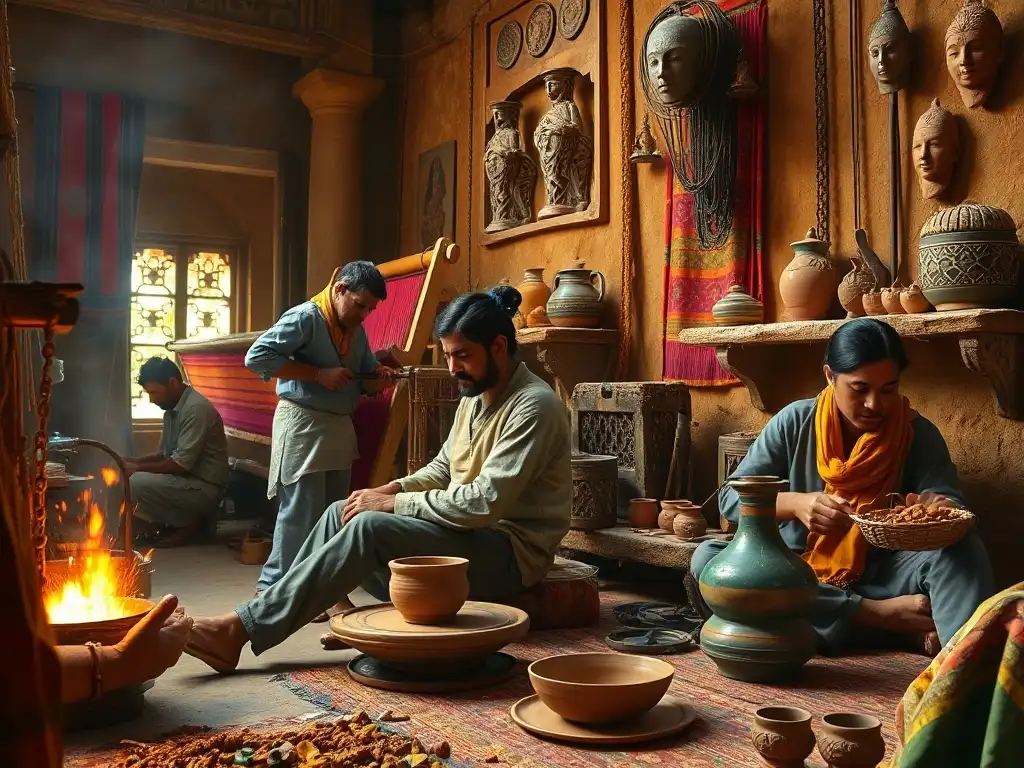
Welcome to Ancient India History, where we embark on a captivating journey through the intricate tapestry of ancient Indian civilizations. Dive into the fascinating world of the Artisans of Indus Valley Civilization, whose unparalleled skills and creativity played a pivotal role in shaping one of the earliest urban societies. What drove these artisans to innovate, and how did their crafts influence the culture and economy of their time? As you explore our rich content, prepare to uncover the stories and legacies that continue to resonate in today's world. Your adventure into the depths of history begins now!
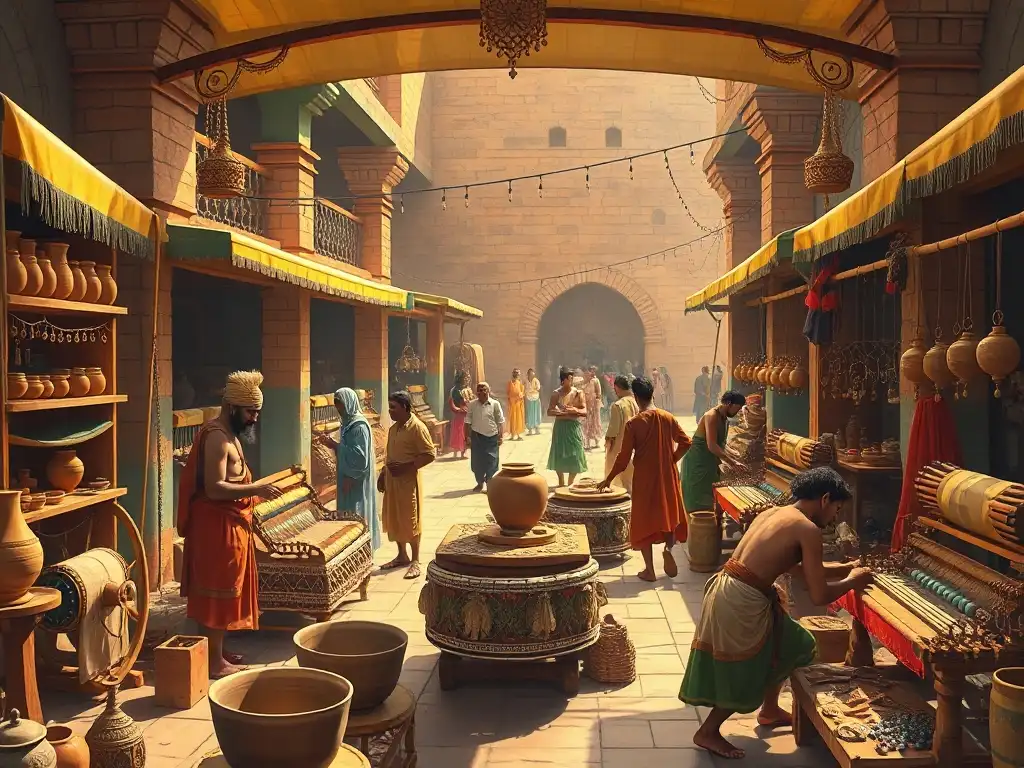
Introduction to the Artisans of Indus Valley Civilization
The artisans of the Indus Valley Civilization (IVC) played a pivotal role in the development and sustainability of one of the world's earliest urban cultures, flourishing around 2500 BCE to 1900 BCE in what is now Pakistan and northwest India. This period is marked by remarkable advancements in urban planning, trade, and technology, intricately linked to the skills and creativity of its artisans. Through their craftsmanship, these skilled individuals contributed not only to the economic stability of the civilization but also to its cultural identity, leaving behind a legacy that continues to captivate historians and archaeologists alike.
Artisans were crucial in various sectors, including pottery, metallurgy, textiles, and stone carving, each bringing unique innovations and artistic expressions that defined the societal framework of the IVC. Their work not only served functional purposes but also embodied artistic excellence, demonstrating the sophistication of their techniques and the complexity of their social structures. By examining the contributions of these artisans, we gain insight into the daily lives, trade practices, and cultural exchanges that characterized this extraordinary civilization.
Overview of Indus Valley Civilization
The Indus Valley Civilization is renowned for its advanced urban centers, such as Harappa and Mohenjo-Daro, which showcased remarkable planning and architectural prowess. The cities were characterized by:
- Grid Layouts: Streets were systematically laid out in a grid pattern, demonstrating sophisticated urban planning.
- Drainage Systems: An advanced drainage system that included covered drains and toilets in many homes, reflecting public health awareness.
- Standardized Weights and Measures: Facilitated trade and commerce, indicating a complex economy.
The civilization thrived on agriculture, trade, and craftsmanship, with evidence of wide-ranging trade networks that extended to Mesopotamia, Iran, and beyond. This interconnectedness played a significant role in the proliferation of artistic and technological innovations.
Importance of Artisans in Ancient Societies
Artisans have always been the backbone of ancient economies, and the Indus Valley Civilization was no exception. Their importance can be summarized in several key areas:
- Economic Contributors: Artisans produced goods that were essential for daily life, which not only supported local economies but also facilitated trade with neighboring cultures.
- Cultural Ambassadors: Through their crafts, artisans communicated cultural values and aesthetics, preserving traditions and influencing future generations.
- Social Structure: The presence of specialized artisans indicates a stratified society where skills and trades were valued, contributing to the social hierarchy.
The artisans of the Indus Valley Civilization exemplified these roles, leaving a profound impact on the civilization's legacy.
Types of Artisans in the Indus Valley Civilization
The artisans of the Indus Valley Civilization were highly skilled and diverse in their crafts. Each group contributed uniquely to the civilization's rich cultural tapestry. Below are some of the key types of artisans:
Pottery Makers and Their Contributions
Pottery makers were essential to the everyday life of the Indus Valley people, producing a variety of ceramic goods from functional storage containers to intricate decorative pieces. Highlights of their contributions include:
- Technological Innovations: The use of the potter's wheel enabled the mass production of uniform pottery.
- Distinct Styles: Pottery featured unique designs, including painted motifs that reflected the civilization's aesthetic values and beliefs.
Metalworkers: Crafting Tools and Ornaments
Metalworkers in the Indus Valley were masters of metallurgy, skilled in crafting tools, weapons, and ornaments. Their contributions involved:
- Alloy Development: Knowledgeable in creating copper and bronze items, enhancing durability and functionality.
- Artistic Expression: Metalworkers produced intricate jewelry and ceremonial objects, showcasing their artistic talents.
Textile Artisans: Weaving Traditions and Techniques
Textile artisans were vital in producing cloth and garments, contributing to both everyday life and trade. Their key contributions included:
- Advanced Weaving Techniques: Evidence suggests the use of cotton and wool, indicating a sophisticated understanding of textile production.
- Trade Goods: Textiles became significant trade items, further integrating the Indus Valley into broader economic networks.
Stone Carvers: Creating Sculptures and Seals
Stone carvers played a crucial role in the artistic landscape of the Indus Valley, creating everything from sculptures to seals used in trade. Their contributions encompassed:
- Intricate Designs: Carved seals often depicted animals and motifs, serving both artistic and administrative purposes.
- Cultural Significance: The artistry in stone carvings reflected the religious and cultural beliefs of the civilization, providing insight into their worldview.
The artisans of the Indus Valley Civilization were integral to its development, leaving a rich legacy that reflects the complexity and creativity of ancient Indian societies. Through their craft, they shaped not only the material culture but also the very identity of one of history's earliest urban civilizations.
Techniques and Skills of Indus Valley Artisans
The artisans of the Indus Valley Civilization were known for their exceptional craftsmanship and a variety of specialized skills that contributed to the development of their society. These artisans engaged in multiple trades, including pottery, metallurgy, textile production, and stone carving, showcasing a high level of expertise and innovation. The techniques they employed not only reflected their artistic abilities but also their understanding of materials and their applications. This section explores the advanced techniques and skills that defined the artisans of the Indus Valley, illustrating their significant role in shaping the civilization.
Advanced Crafting Techniques in Pottery
Pottery was a hallmark of the Indus Valley Civilization, with artisans demonstrating remarkable proficiency in shaping and decorating their wares. They utilized a potter's wheel, which allowed for uniformity and precision in crafting pots, jars, and bowls. The pottery often featured intricate designs, including geometric patterns and animal motifs, which were achieved through techniques such as:
- Burnished Finishes: Artisans would polish the surface of the pottery to create a shiny effect, enhancing its aesthetic appeal.
- Painted Decorations: They applied natural pigments to create elaborate designs, often using a slip (a liquid mixture of clay and water) to add colors.
- Glazing Techniques: Some pottery pieces were treated with glazes, making them more durable and water-resistant.
These advanced techniques not only served functional purposes but also reflected the artistic sensibilities and cultural practices of the Indus Valley people.
Metallurgy and the Art of Metalworking
Metallurgy was another key area where Indus Valley artisans excelled. They skillfully worked with metals such as copper, bronze, lead, and gold to create tools, ornaments, and various artifacts. Their expertise in metalworking included:
- Casting Techniques: The lost-wax casting method was employed to create intricate metal objects. This technique allowed artisans to produce detailed figurines and tools with complex designs.
- Alloying: Artisans created bronze by alloying copper with tin, resulting in stronger and more durable materials for tools and weapons.
- Finishing Techniques: They polished metal surfaces to achieve a lustrous finish, often engraving or inlaying other materials for added decoration.
The advancements in metallurgy not only facilitated daily life but also played a significant role in trade and cultural exchange, as these metal goods were highly sought after.
Textile Production: Spinning and Weaving Techniques
Textile production was an integral part of the Indus Valley economy, with artisans skilled in spinning and weaving. They utilized various techniques to produce cotton and wool textiles, which were essential for clothing and trade. Key practices included:
- Spinning: Spinning wheels and spindle whorls were commonly used to create fine threads from raw cotton, showcasing a high level of craftsmanship.
- Weaving: Looms were employed to weave these threads into intricate fabrics. Patterns and designs often reflected the cultural motifs of the civilization.
- Dyeing Techniques: Artisans utilized natural dyes from plants and minerals to color fabrics, creating vibrant textiles that were both functional and decorative.
The textile industry not only supported local needs but also contributed significantly to trade networks, as Indus Valley textiles were highly valued in distant markets.
Stone Carving: Tools and Methods Used
Stone carving represented another area of specialization among Indus Valley artisans. They crafted a variety of stone objects, including seals, sculptures, and architectural elements. The techniques they employed involved:
- Tools: Artisans used a range of tools made from harder stones, such as flint and copper chisels, to shape and carve softer stones like limestone and sandstone.
- Techniques: They employed techniques such as incising, relief carving, and polishing to create detailed designs and inscriptions on seals, which often featured animals and symbols.
- Architectural Elements: The skillful carving of stone blocks was essential for constructing the impressive urban structures of the Indus Valley, including public baths and granaries.
The artistry in stone carving not only demonstrated the technical skills of the artisans but also reflected the cultural and religious significance of the objects created.
Economic Role of Artisans in the Indus Valley
Artisans played a crucial economic role in the Indus Valley Civilization, contributing to both local and regional economies through their specialized skills and products. Their work influenced trade, urban development, and overall economic structures, highlighting their importance in the ancient society.
Artisans and Trade: Local and Long-Distance Commerce
The artisans of the Indus Valley were integral to the thriving trade networks that connected various regions. They produced goods that were not only consumed locally but also traded with neighboring civilizations, including Mesopotamia and Persia. Key aspects of their role in trade involved:
- Local Markets: Artisans sold their products in local markets, contributing to the economic vitality of urban centers like Harappa and Mohenjo-Daro.
- Long-Distance Trade: The high demand for Indus Valley goods, such as textiles, pottery, and metalwork, facilitated long-distance trade. Artisans often collaborated with merchants to exchange their products for raw materials or other goods.
- Standardization of Weights and Measures: The development of standardized weights and measures facilitated trade, allowing artisans to engage in fair exchanges and expand their market reach.
Through these trade activities, artisans significantly impacted the economy and social dynamics of the Indus Valley Civilization.
Impact of Artisans on Urban Development and Economy
The contributions of artisans were vital to the urban development of the Indus Valley Civilization. Their skills and production capabilities supported the growth of cities, influencing both infrastructure and economic structures. Important points include:
- Urbanization: The specialization of artisans contributed to the rise of urban centers, where people congregated for commerce, culture, and social interaction.
- Craft Production: The establishment of workshops and production centers within cities allowed for the efficient creation of goods, fostering economic interdependence among artisans and other societal members.
- Employment Opportunities: As artisan crafts flourished, they created job opportunities for others, contributing to a diverse and thriving economy.
The synergy between artisans and urban development laid the groundwork for the sophisticated society that characterized the Indus Valley Civilization.
Specialization and Its Effects on Society
The specialization of artisans in the Indus Valley had profound effects on social structures and community organization. This division of labor fostered a complex society characterized by:
- Social Stratification: As artisans honed their skills, certain crafts became highly esteemed, leading to social stratification based on craft specialization and economic status.
- Community Identity: Artisans often formed guilds or associations, promoting a sense of community and collaboration among craftsmen, which strengthened societal bonds.
- Cultural Exchange: The diverse products created by artisans facilitated cultural exchanges with other civilizations, enriching the social fabric and contributing to the development of shared cultural practices.
Ultimately, the specialization of artisans significantly shaped the social landscape of the Indus Valley Civilization, influencing its culture, economy, and overall development.
Cultural Significance of Artisans in Indus Valley Civilization
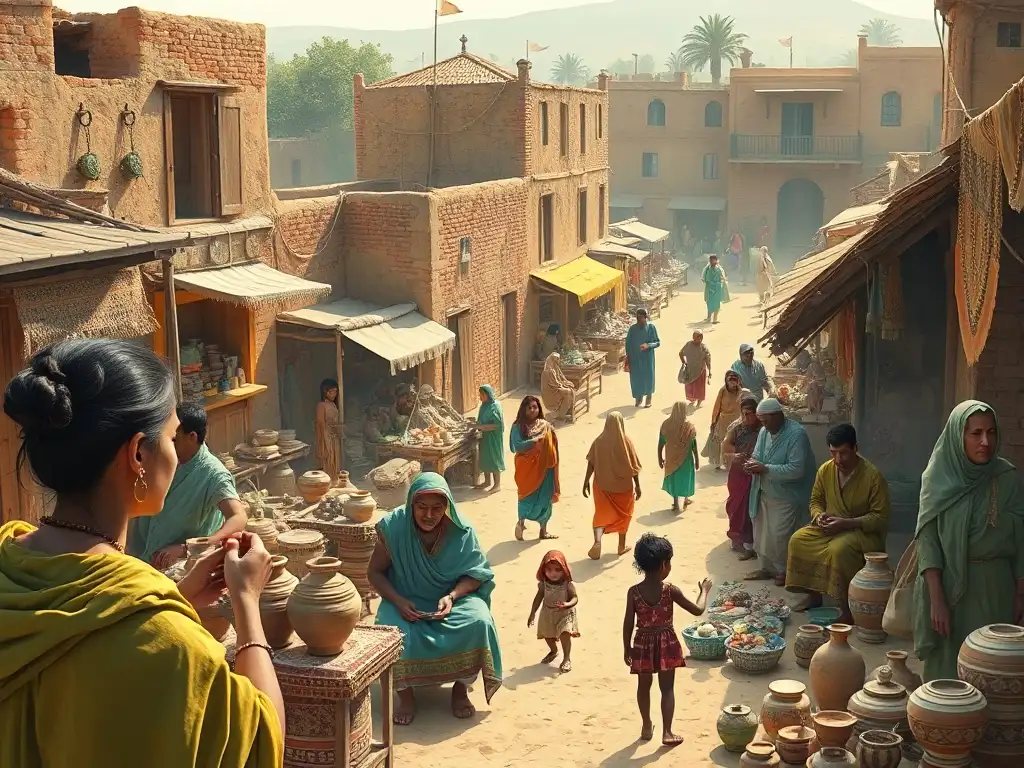
Artisans played a pivotal role in the Indus Valley Civilization, contributing not only to the economy but also to the cultural framework of society. They were highly skilled individuals specializing in various crafts, such as pottery, weaving, metalwork, bead making, and sculpture. Their work reflected the sophistication and aesthetic sensibilities of the time, highlighting the importance of craftsmanship in everyday life.
The artisans' contributions extended beyond mere utility; their creations served as cultural artifacts that conveyed social status, religious beliefs, and community identity. The intricate designs and symbols found in their work indicate a society that valued artistry and innovation, suggesting that artisans were respected members of their communities, often associated with specific guilds or families. This cultural significance is evident in archaeological findings, where numerous artifacts reveal the artisans' role in shaping the civilization's identity and legacy.
Artistic Expressions Through Crafts
The artisans of the Indus Valley Civilization expressed their creativity through a diverse range of crafts. Pottery is one of the most prominent artistic expressions from this era, featuring distinctive red and black designs, geometric patterns, and figurative motifs. These pottery pieces were not just functional; they also served as canvases for artistic expression, showcasing the skilled craftsmanship of the potters.
Additionally, textile production was a vital craft, with evidence suggesting that the Indus Valley people engaged in advanced weaving techniques using cotton, which was cultivated in the region. The textiles not only served practical purposes but also reflected the social status of individuals, with finer materials and intricate designs being indicators of wealth and prestige.
Metalwork, particularly in bronze and copper, allowed artisans to create tools, weapons, and decorative items. The sophisticated techniques used in metallurgy illustrated their advanced understanding of materials and enhanced their artistic output. The intricate jewelry crafted from beads and semi-precious stones further exemplified the artisans' skills, showcasing their ability to merge functionality with beauty.
Symbolism in Artisan Products: What They Represent
Artisan products from the Indus Valley Civilization often carried deep symbolic meanings, reflecting the values and beliefs of the society. Many artifacts featured motifs that were likely associated with fertility, nature, and spirituality. For instance, numerous seals discovered in archaeological sites depict animals, such as unicorns and elephants, which may have held significant symbolic value in their culture.
The use of specific colors and patterns also carried meanings. The red ochre often used in pottery could symbolize life and vitality, while geometric patterns might represent the interconnectedness of life and the cosmos. Such symbolism indicates that artisans were not just creators of objects but were also storytellers, embedding cultural narratives and societal values into their work.
Moreover, the presence of certain symbols across various artisan products suggests a shared belief system within the Indus Valley communities, indicating that these artisans contributed to the preservation and propagation of cultural identity through their crafts.
The Role of Artisans in Religious and Social Rituals
Artisans in the Indus Valley Civilization played a crucial role in religious and social rituals, producing items that were integral to ceremonies and community gatherings. The creation of ceremonial objects, such as figurines and ritual vessels, reflects the artisans' involvement in the spiritual life of their society. These objects were often used in worship or ritualistic practices, indicating the artisans' understanding of their societal roles beyond mere production.
In addition to religious artifacts, artisans crafted everyday items that were essential for social gatherings, such as decorated pottery and textiles used during festivals. The aesthetic quality of these items would have enhanced social interactions and reinforced community bonds, demonstrating how artisans contributed to the social fabric of their civilization.
Furthermore, the artisans' ability to create bespoke items for various occasions indicates a vibrant marketplace where cultural exchanges and social dynamics thrived. This interplay between artisans and the community underscores their significance in shaping not only the material culture but also the spiritual and social dimensions of life in the Indus Valley Civilization.
Legacy of Indus Valley Artisans
The legacy of the artisans from the Indus Valley Civilization is profound, influencing various aspects of Indian art and craftsmanship that followed. Their innovative techniques and designs laid the foundation for future artistic traditions, creating a rich tapestry of cultural heritage that continues to resonate through the ages.
Influence on Subsequent Indian Art and Crafts
The skills and styles developed by the artisans of the Indus Valley had a lasting impact on subsequent Indian art and crafts. The intricate beadwork, pottery designs, and metalworking techniques were adapted and refined by later civilizations, including the Maurya and Gupta Empires. This continuity of craftsmanship illustrates the enduring influence of the Indus Valley artisans on the broader narrative of Indian artistic traditions.
Many motifs and symbols that originated in the Indus Valley can be traced in later artworks, signifying a cultural lineage that connects ancient and contemporary Indian craftsmanship. This influence is evident in the decorative arts, textiles, and even architectural styles that emerged in the subsequent centuries, showcasing the artisans' role as innovators whose legacies transcended their time.
Preservation of Artisan Techniques Through Generations
The techniques and knowledge of the artisans from the Indus Valley were preserved and passed down through generations, ensuring the continuity of craftsmanship. Families likely specialized in particular crafts, creating a lineage of artisans who maintained traditional methods while also adapting to changing times and tastes.
This preservation of artisan techniques is reflected in the regional crafts that continue to thrive in modern India, such as pottery, textile weaving, and metalwork. Many contemporary artisans draw upon ancient methods, amalgamating them with modern influences to create unique products that honor their heritage while appealing to current markets.
Modern Recognition of Indus Valley Craftsmanship
In recent years, there has been a growing recognition of the craftsmanship of the Indus Valley Civilization within the broader context of Indian heritage. Archaeological discoveries and exhibitions have brought attention to the sophisticated artistry of these ancient artisans, highlighting their contributions to world history.
Cultural initiatives aimed at reviving traditional crafts often reference the techniques and styles from the Indus Valley, promoting a renewed appreciation for these ancient skills. Efforts to incorporate Indus Valley motifs into contemporary design further underscore the relevance of this craftsmanship today, as artisans and designers seek to connect modern aesthetics with historical significance.
The acknowledgment of the artisans of the Indus Valley Civilization not only enriches our understanding of ancient societies but also fosters a sense of pride in the enduring legacy of Indian craftsmanship that continues to inspire and innovate in the present day.
Conclusion
The artisans of the Indus Valley Civilization played a pivotal role in shaping the cultural and economic landscape of this ancient society. Their exceptional skills in various crafts, including bead-making, pottery, metallurgy, and textile production, not only catered to the local needs but also facilitated trade with distant regions. By creating intricate and functional objects, these artisans contributed significantly to the aesthetic appeal and technological advancements of their time, leaving behind a legacy that speaks to their expertise and creativity.
Summary of the Contributions of Artisans in Indus Valley Civilization
Artisans in the Indus Valley Civilization were crucial in several key areas:
- Craftsmanship: Skilled artisans produced a wide range of goods, including:
- Pottery: They created both everyday utensils and ornate vessels, showcasing advanced techniques such as wheel-throwing and glazing.
- Bead-making: The production of intricately designed beads from semi-precious stones highlighted their proficiency in fine craftsmanship.
- Textiles: Weavers produced cotton textiles, which were significant for both domestic use and trade, revealing the sophistication of their techniques.
- Trade and Economy: Artisans helped stimulate the economy through:
- Specialization: The development of specialized crafts led to efficient production and enhanced trade relations with neighboring regions, such as Mesopotamia.
- Trade Goods: Artifacts such as terracotta figurines and metal tools were not only essential for local use but also served as valuable trade items.
- Cultural Expression: The artistic expressions of artisans contributed to the cultural identity of the civilization:
- Sculpture and Figurines: The creation of detailed sculptures, including the famous Dancing Girl figurine, reflects the aesthetic values and social norms of the time.
- Seals: The production of seals with intricate designs and inscriptions played a significant role in administration and communication, demonstrating the artisans' skills in iconography.
Final Thoughts on the Importance of Craftsmanship in Ancient Cultures
The craftsmanship of artisans in ancient cultures, particularly in the Indus Valley Civilization, underscores the importance of skilled labor in shaping societal development. Their ability to innovate and adapt to changing needs not only enriched their communities but also ensured the survival and continuity of cultural practices. The legacy of these artisans is evident in the artifacts left behind, which continue to inform modern understanding of ancient societies.
Moreover, the artisans of the Indus Valley serve as a reminder of the vital connection between art, economy, and culture. Their contributions highlight how craftsmanship can transcend mere utility, becoming a vital expression of identity and heritage that resonates through the ages. The appreciation for skilled artisans is essential to understanding the complex tapestry of human history, reflecting the ways in which creativity and functionality intertwine to shape civilizations.
- Introduction to the Artisans of Indus Valley Civilization
- Types of Artisans in the Indus Valley Civilization
- Techniques and Skills of Indus Valley Artisans
- Economic Role of Artisans in the Indus Valley
- Cultural Significance of Artisans in Indus Valley Civilization
- Legacy of Indus Valley Artisans
- Conclusion
- What were the primary roles of artisans in the Indus Valley Civilization?
- How did artisans contribute to trade in the Indus Valley?
- What materials did artisans commonly use in their crafts?
- Were artisans organized into guilds or trade groups in the Indus Valley?
- How did the craftsmanship of artisans influence later Indian civilizations?
Frequently Asked Questions
What were the primary roles of artisans in the Indus Valley Civilization?
Artisans played a crucial role in the economic and cultural development of the Indus Valley Civilization by producing goods like pottery, textiles, and metalwork.
How did artisans contribute to trade in the Indus Valley?
Artisans created high-quality products that were highly sought after, facilitating trade with neighboring regions and enhancing the civilization's economic prosperity.
What materials did artisans commonly use in their crafts?
Artisans utilized a variety of materials such as clay, metals, and textiles, showcasing their skill and creativity in both functional and aesthetic objects.
Were artisans organized into guilds or trade groups in the Indus Valley?
Yes, it is believed that artisans were likely organized into guilds, which helped regulate production and trade, ensuring quality and standards within their crafts.
How did the craftsmanship of artisans influence later Indian civilizations?
The techniques and styles developed by artisans in the Indus Valley laid the groundwork for subsequent artistic traditions, influencing later civilizations in India and beyond.
Final Reflection: The Enduring Legacy of Artisans in the Indus Valley Civilization
The artisans of the Indus Valley Civilization were not merely craftsmen; they were the architects of a rich cultural tapestry that continues to resonate today. Their intricate designs, advanced techniques, and innovative spirit laid the groundwork for societal development, trade, and artistic expression. In an age where we often overlook the contributions of skilled labor, it is crucial to recognize that these artisans were the backbone of one of the world's earliest urban societies, shaping not only their own time but also influencing generations to come.
The impact of these artisans extends far beyond their physical creations; it is woven into the very fabric of our understanding of cultural heritage and identity. Their work exemplifies the importance of craftsmanship in fostering community and innovation, serving as a reminder of the vital role that skilled individuals play in shaping civilization. As the historian and philosopher John Ruskin once said, "> The highest reward for a person's toil is not what they get for it, but what they become by it." This sentiment underscores the transformative power of artisanship, which continues to inspire contemporary creators and thinkers.
As we reflect on the role of artisans in the Indus Valley Civilization, let us carry forward their legacy by valuing craftsmanship in our own lives. Consider how you can appreciate and support the artisans in your community, recognizing their contributions to culture and society. Whether through purchasing handmade goods, learning a craft, or simply acknowledging the skill involved in everyday objects, we can honor the spirit of the Indus Valley artisans and ensure that their influence endures in our modern world.
Celebrate the Craft: Embrace the Legacy of Indus Valley Artisans!
Thank you for exploring the incredible role artisans played in shaping the Indus Valley Civilization! You’ve gained valuable insights into their skills and creativity, which were foundational to this ancient society. Now, it’s time to take the next step in celebrating and appreciating this rich heritage.
Here are some **exciting actions** you can take today:
- Visit a local museum or art exhibit showcasing ancient crafts and techniques to deepen your understanding of artisan skills.
- Share this article with friends or on social media to spark conversations about the importance of artisans in history.
- Join a workshop where you can learn traditional crafting techniques, connecting with the legacy of these fascinating artisans.
What aspect of artisan craftsmanship from the Indus Valley do you find most inspiring, and how do you think it influences today’s art and culture?