
The Role of Women in Southern Indian History: From Ancient Times to the Present

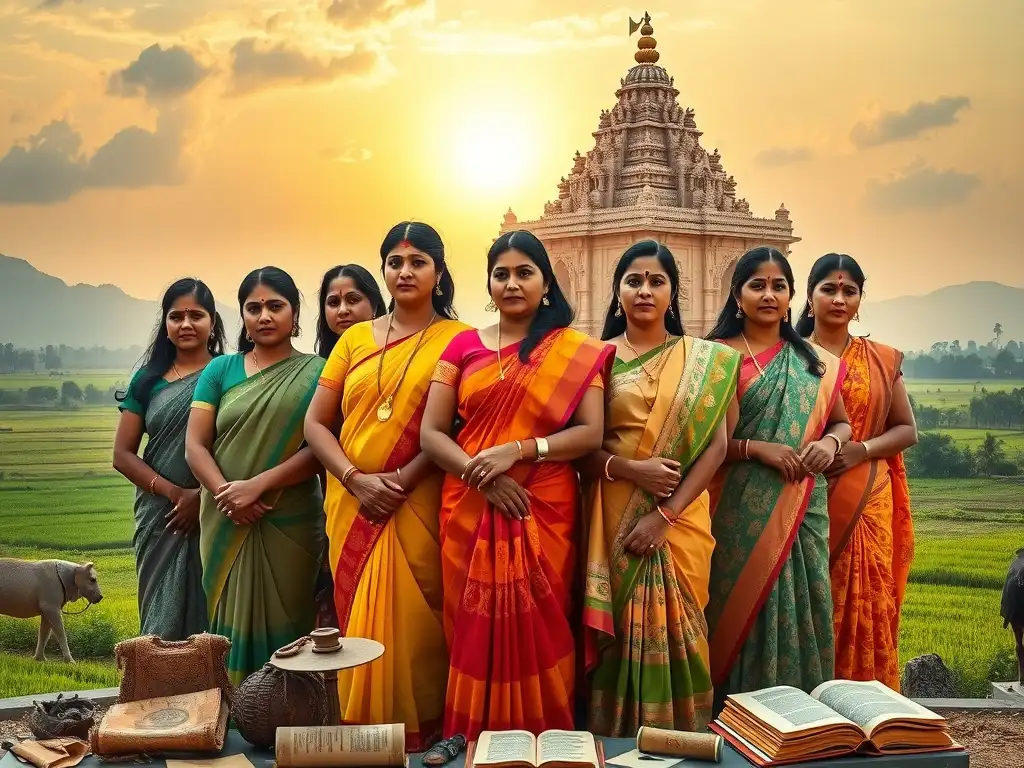
Welcome to Ancient India History, where we embark on a captivating journey through the rich tapestry of India's past! In this exploration, we delve into the influential role of women in Southern Indian history, tracing their remarkable contributions from ancient times to the present day. Discover how these resilient figures shaped the cultural and societal landscapes of their regions, and uncover the stories that have often been overlooked.
Prepare to be intrigued and inspired as you navigate through the layers of history that reveal the profound impact women have had on Southern India's vibrant heritage. Read on to uncover the untold narratives that await you!
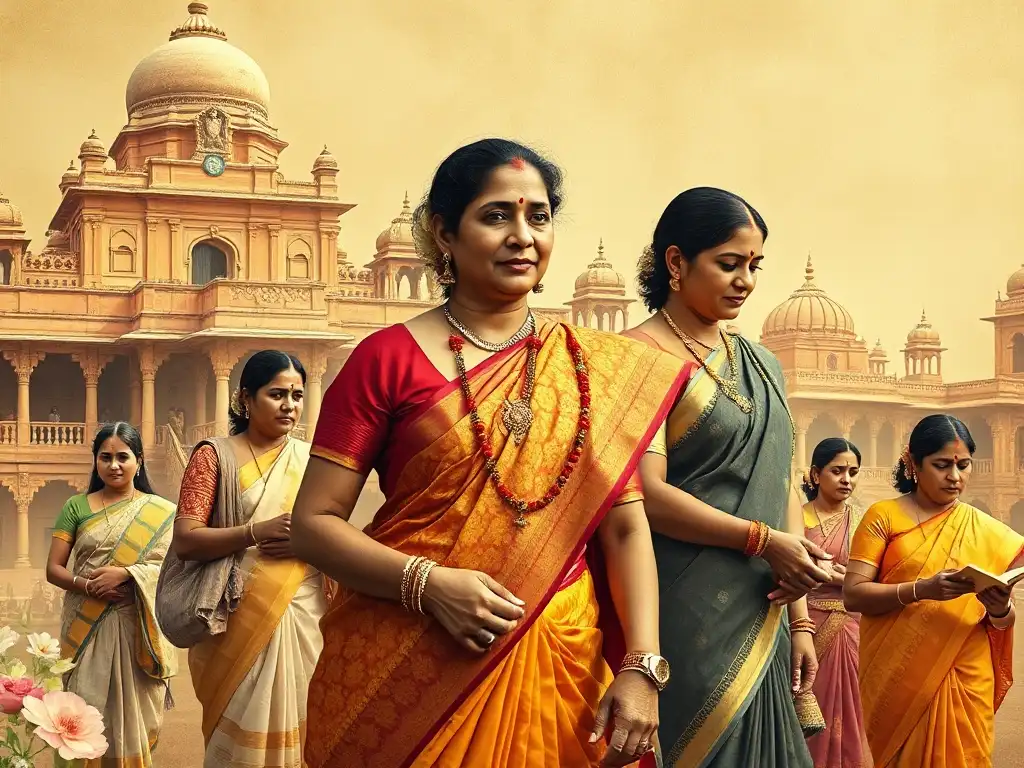
Introduction to Women in Southern Indian History
The history of Southern India is a tapestry woven with the vibrant threads of its diverse cultures, traditions, and significant historical events. Within this rich narrative, the role of women stands out as a crucial element that shapes and reflects the societal dynamics of the region. From the ancient civilizations of the Indus Valley to the flourishing kingdoms of the Chola and Pandya dynasties, women have played pivotal roles in various spheres, including governance, spirituality, and daily life.
Understanding the contributions and status of women in Southern Indian history not only illuminates their individual stories but also provides a broader perspective on the evolution of societal norms and cultural practices over centuries. This article delves into the multifaceted roles that women have held throughout Southern India's history, highlighting their contributions and the significance of their experiences in shaping the region's rich heritage.
Overview of Women's Contributions in Southern India
Women in Southern India have historically been agents of change, actively participating in various domains such as agriculture, trade, arts, and politics. Their contributions are evident in numerous fields:
- Agriculture and Economy: Women often managed agricultural practices, contributing significantly to the economy and food production.
- Art and Literature: Female poets and artists have enriched Southern Indian culture, with contributions in classical music, dance, and literature reflecting their creativity and intellect.
- Political Leadership: Figures such as Rani Mangammal of the Nayak dynasty exemplify women's involvement in governance and their influence in political spheres.
The contributions of women in Southern India are not merely footnotes in history; they are an integral part of the region's identity and heritage.
Importance of Studying Women in Historical Context
Studying the role of women in Southern Indian history is essential for several reasons:
- Holistic Understanding: Recognizing women's contributions allows for a more comprehensive understanding of historical narratives, which have often marginalized or overlooked their roles.
- Cultural Insights: Women’s experiences provide valuable insights into the cultural, social, and economic aspects of Southern Indian societies.
- Empowerment and Identity: Exploring women's history fosters a sense of identity and empowerment, shedding light on the struggles and achievements of women throughout time.
By analyzing the historical context of women's roles, we can appreciate the complexities of their lives and the legacies they have left behind.
Ancient Times: Women in Southern Indian Civilizations
The Status of Women in Ancient Southern Indian Societies
In ancient Southern Indian societies, the status of women varied significantly based on social class, economic status, and regional influences. Generally, women enjoyed certain rights and privileges, although these fluctuated over time. Key aspects of their status included:
- Education: While education was primarily reserved for males, some women from affluent families received education in arts and scriptures.
- Marriage and Family: Marriages were often arranged, and women were expected to fulfill roles as wives and mothers, but they also played vital roles in family businesses and agriculture.
- Legal Rights: Women possessed rights to inherit property, which was relatively progressive compared to other regions in India.
This dynamic status reflects the complexity of gender roles in ancient Southern Indian civilizations.
Key Figures: Prominent Women in Ancient Southern India
Throughout history, certain women have emerged as significant figures in Southern Indian culture and society. Notable examples include:
- Akkadevi: A poet and queen of the Western Chalukya dynasty, known for her literary contributions and patronage of the arts.
- Mangammal: Rani Mangammal of the Nayak dynasty was a formidable ruler in her own right, leading military campaigns and administering her kingdom effectively.
- Vijaya Lakshmi: A legendary figure associated with the Bhakti movement, she inspired many through her spiritual teachings and devotion.
These women not only shaped their societies but also left enduring legacies that continue to inspire.
Women in Religion and Spiritual Practices
Religion and spirituality have played significant roles in the lives of women in Southern India. Women have been active participants in various religious practices, from temple rituals to spiritual leadership. Key points include:
- Temple Priests: In some traditions, women served as temple priests or participated in rituals, highlighting their spiritual authority.
- Literary Contributions: Many women composed devotional poetry and texts, contributing to the Bhakti movement and enriching religious literature.
- Cultural Rituals: Women often lead the organization of cultural and religious festivals, showcasing their influence in communal life.
The involvement of women in religion and spirituality underscores their integral role in shaping the cultural fabric of Southern India.
The exploration of women's roles in Southern Indian history reveals a rich and complex narrative, emphasizing their contributions and significance throughout the ages. As we delve deeper into this topic, we will uncover more about the lives and legacies of women in this vibrant region.
Medieval Period: Evolving Roles of Women
During the medieval period in Southern India, the roles of women evolved significantly, influenced by various dynasties and socio-political changes. This era saw women participating in both the domestic sphere and public life, showcasing their multifaceted contributions to society. While some women were confined to traditional roles, others emerged as influential figures, shaping the cultural and political landscape of the time.
The emergence of regional powers, coupled with the rise of temple economies and trade, provided women with opportunities to engage in various professions, including weaving, pottery, and agriculture. Additionally, the patronage of art and literature by dynasties like the Cholas and the Pandyas allowed women to express their creativity and intellect, leading to a flourishing of cultural narratives that often celebrated female figures.
The Impact of Dynasties on Women’s Status
The status of women in Southern India during the medieval period was closely tied to the ruling dynasties and their ideologies. For instance, the Chola dynasty, known for its advances in arts and architecture, also promoted women's participation in temple activities and rituals, thereby enhancing their visibility in religious and cultural spheres.
Conversely, the Vijayanagara Empire, while initially providing women with greater autonomy, saw a gradual decline in their status over time due to the increasing influence of conservative ideologies. This shift often relegated women to domestic roles, limiting their rights and freedoms. Despite these fluctuations, women continued to play significant roles in managing households and engaging in local economies, showcasing resilience amidst changing social norms.
Women as Rulers and Leaders in Southern India
Women in Southern India also held positions of power as rulers and leaders during the medieval period. Notable figures such as Rani Mangammal of the Nayak dynasty exemplified female leadership, successfully governing and defending her kingdom against external threats.
These women were not only symbols of authority but also played crucial roles in diplomacy and governance. Their ability to wield power often challenged contemporary notions of gender roles, allowing them to influence both political decisions and social reforms. Women like Rani Durgavati of Gondwana further demonstrated that leadership was not confined to gender, inspiring future generations to advocate for women's participation in governance.
Social and Cultural Contributions of Women in the Medieval Era
The medieval era was marked by significant social and cultural contributions from women in Southern India. Women were integral to the preservation and transmission of folklore, music, and dance, often serving as custodians of cultural traditions. The performance arts, including Bharatanatyam and other classical dance forms, saw women as key participants, further enriching the region's artistic heritage.
Moreover, women contributed to the literary landscape, with several female poets and authors emerging during this period. Their works often reflected their experiences, struggles, and aspirations, providing valuable insights into the socio-political context of the time. The roles women played in sustaining cultural practices and contributing to literature underscore their vital presence in shaping Southern Indian history.
Colonial Era: Challenges and Changes for Women
The colonial era marked a period of profound change for women in Southern India, as British colonialism brought about new social dynamics and challenges. Traditional roles were often disrupted, leading to both opportunities and obstacles that reshaped women's lives. The introduction of Western education and legal reforms provided some women with access to new avenues, while simultaneously imposing foreign norms that conflicted with indigenous practices.
The Influence of British Colonialism on Women’s Lives
British colonial rule significantly impacted the lives of women in Southern India, altering their social status and roles within the family and society. The introduction of Western education created a divide, as some women began to pursue education and professional careers, challenging the existing patriarchal structures.
However, colonial policies also perpetuated inequalities, as the imposition of Western ideals often marginalized traditional practices. Women from lower socio-economic backgrounds faced increased hardships, as the colonial administration's focus on taxation and land revenue disrupted their livelihoods. This complex interplay of influence led to a duality in women's experiences, as some flourished while others struggled for survival.
Women’s Activism and Social Reform Movements
In response to the challenges posed by colonialism, women began to organize and advocate for their rights during the late 19th and early 20th centuries. Prominent figures like Savitribai Phule and Kamaladevi Chattopadhyay emerged, championing education, social reform, and women's empowerment. These activists laid the foundation for future movements by challenging societal norms and advocating for legal rights.
Women’s organizations began to form, addressing issues such as child marriage, widow remarriage, and access to education. The collaboration between women across caste and class lines was significant in mobilizing support for various social reform movements, thus amplifying their voices in the struggle for equality and justice.
The Role of Women in the Freedom Struggle
The freedom struggle against British colonial rule saw an unprecedented participation of women in Southern India, who played vital roles in various movements. Figures such as Rani of Jhansi and Velu Nachiyar became symbols of resistance, inspiring countless others to join the fight for independence.
Women contributed not only as leaders and activists but also in grassroots movements, organizing protests, and rallies, and even participating in armed resistance. Their involvement in the freedom struggle highlighted their resilience and determination, showcasing that women's contributions were essential to the broader narrative of independence. The legacy of these women continues to inspire contemporary movements for gender equality and social justice in India.
Modern Era: Women in Contemporary Southern Indian Society
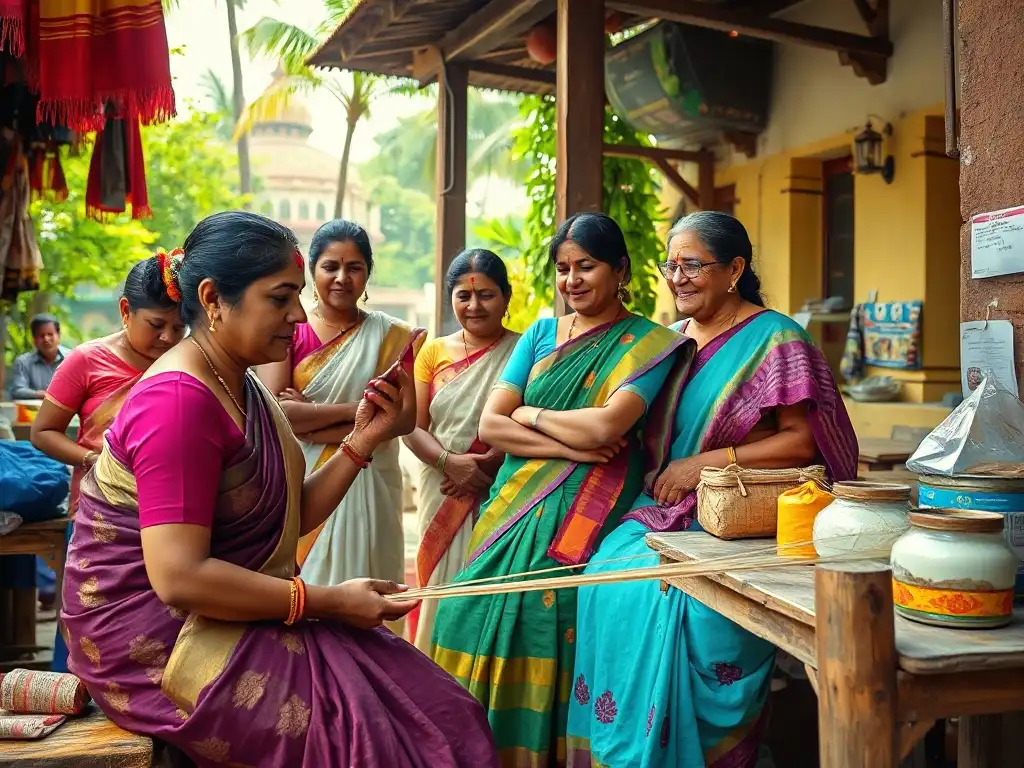
The modern era has seen significant transformations in the role of women in Southern India, characterized by advancements in education, employment opportunities, and social status. The impact of contemporary socio-political movements and governmental policies has been pivotal in reshaping the landscape for women, allowing them to emerge as leaders in various fields. While traditional roles still exist, women today are increasingly participating in the workforce and asserting their rights in both public and private spheres.
Current Status of Women in Southern India
In contemporary Southern India, women occupy a diverse range of roles across different sectors. The region has seen a noticeable increase in women's participation in education, with enrollment rates for girls in schools and colleges steadily rising. Despite this positive trend, challenges persist, including issues related to gender-based violence, workplace discrimination, and societal expectations. According to the National Family Health Survey, there remains a significant gender gap in employment rates and wages, highlighting the need for continued advocacy and reform.
- Education: Enrollment rates for girls in primary and secondary education have improved, with many states achieving near parity.
- Employment: Women are increasingly engaging in various professions, including technology, healthcare, and entrepreneurship, although wage disparities still exist.
- Health: Access to healthcare has improved, but maternal mortality rates and reproductive health issues continue to pose challenges.
Women's Empowerment and Education Initiatives
The empowerment of women in Southern India has gained momentum through numerous initiatives aimed at enhancing education and economic independence. Various non-governmental organizations (NGOs), along with government programs, have been instrumental in providing skills training, vocational education, and microfinance opportunities to women.
Key initiatives include:
- Self-Help Groups (SHGs): These groups have empowered women financially and socially, promoting savings and entrepreneurship.
- Educational Scholarships: Government and private institutions offer scholarships specifically for girls, facilitating higher education access.
- Awareness Campaigns: Programs aimed at educating women about their rights and health have bolstered women's agency in society.
Prominent Modern Women Figures in Southern India
Southern India has produced a plethora of influential women who have made significant contributions across various fields. Their achievements serve as an inspiration for future generations and highlight the evolving role of women in society.
- Kiran Bedi: The first woman to join the Indian Police Service, she is known for her leadership and reform initiatives.
- Vikram Sarabhai: Although primarily recognized for her work in space science, her contributions as a mentor to women in STEM fields have been transformative.
- Bharatiya Nari Shakti: This collective of women leaders in politics and social activism has been pivotal in advocating for women's rights.
Conclusion: The Legacy of Women in Southern Indian History
The legacy of women in Southern Indian history is rich and multifaceted, reflecting their enduring contributions to society over the centuries. From ancient times, where women held significant roles in family and community structures, to the modern era where they are increasingly visible in leadership and innovation, the journey of women in this region is a testament to resilience and progress.
Reflection on the Historical Journey of Women
The historical journey of women in Southern India is marked by both challenges and triumphs. Women have navigated through societal norms and roles that have often sought to limit their potential. However, their ability to adapt and challenge these constraints has led to remarkable changes over time. The narratives of women, from the queens and warriors of ancient dynasties to contemporary leaders and activists, showcase a continual evolution in status and influence.
Future Directions for Women in Southern Indian Society
Looking ahead, the future for women in Southern Indian society holds promise but requires persistent effort. Continued focus on education, legal reforms, and economic opportunities will be essential in tackling existing disparities. Moreover, fostering a culture of gender equality and inclusivity will be key to ensuring that women can fully realize their potential. As Southern India embraces modernization, the role of women will undoubtedly be central to its socio-economic development and cultural richness.
References
Understanding the role of women in Southern Indian history requires delving into various scholarly works and historical texts that provide insights into their lives, contributions, and societal status across different eras. Below is a curated list of suggested readings and key academic sources that shed light on this multifaceted subject.
Suggested Reading on Women in Southern Indian History
-
"Women in Ancient India" by Kumkum Sangari
This book offers a comprehensive exploration of women’s roles throughout ancient Indian history, including Southern India, examining social, economic, and cultural contexts.
-
"The Women of India: A Historical Perspective" by R. S. Sharma
This text provides a broader historical view, focusing on women's contributions and status from ancient to modern times, with relevant sections on Southern India.
-
"Rethinking Women and Politics in Southern India" by S. K. Suresh
This contemporary analysis discusses women's political participation in Southern India, tracing their historical roots and evolution.
-
"Gender and Society in South India" by Rukmini Bhaya Nair
This book investigates gender roles within the social fabric of South Indian villages, offering a detailed look at women's experiences and contributions.
-
"Women and the Political Process in South India" by R. R. Venkata Rao
A focused study on the intersection of gender and politics in Southern India, illustrating how women's roles have evolved in historical contexts.
Key Academic Sources and Texts on the Topic
-
"Historical Dictionary of Women in South Asia" by Leela D. Dube
This dictionary is an invaluable resource for researchers, providing concise entries on significant women and movements in Southern Indian history.
-
"Social History of the Deccan, 1300-1761" by Richard M. Eaton
Eaton’s work offers insights into the societal structures of the Deccan region, including the roles played by women during this period.
-
"Women in Early India: A Collection of Essays" edited by A. S. Raghavan
This collection compiles various essays that analyze women's roles during early historical periods, with relevant focus on Southern Indian contexts.
-
"The Lives of Indian Women: A Historical Narrative" by N. R. Raghuraman
This narrative chronicles the lives of women throughout Indian history, highlighting significant events and shifts that affected those in Southern India.
-
"Gender and Caste in South India" by Janaki Nair
This scholarly work explores the intersection of gender and caste dynamics in Southern Indian history, providing a nuanced understanding of women’s roles.
These references and readings are essential for anyone looking to gain a deeper understanding of the significant contributions and challenges faced by women throughout the rich tapestry of Southern Indian history.
- Introduction to Women in Southern Indian History
- Ancient Times: Women in Southern Indian Civilizations
- Medieval Period: Evolving Roles of Women
- Colonial Era: Challenges and Changes for Women
- Modern Era: Women in Contemporary Southern Indian Society
- Conclusion: The Legacy of Women in Southern Indian History
- References
- What was the role of women in ancient Southern Indian societies?
- How did the status of women change during the Gupta Empire?
- Were there any notable women in Southern Indian history?
- How did cultural practices impact women in Southern India?
- What contributions did women make to Southern Indian culture?
Frequently Asked Questions
What was the role of women in ancient Southern Indian societies?
Women in ancient Southern Indian societies played significant roles as caretakers, artisans, and participants in agricultural activities. They were also involved in spiritual practices and often held positions of influence in their communities.
How did the status of women change during the Gupta Empire?
During the Gupta Empire, the status of women experienced both advancements and setbacks. While some women gained access to education and the arts, others faced increased restrictions in their social freedoms and rights.
Were there any notable women in Southern Indian history?
Yes, there were several notable women in Southern Indian history, such as Rani Chennamma, a queen who led her kingdom against British rule, and Avvaiyar, a revered poetess known for her wisdom and literary contributions.
How did cultural practices impact women in Southern India?
Cultural practices in Southern India, such as marriage customs and inheritance laws, significantly influenced women's roles. While some traditions empowered women, others imposed limitations on their social and economic opportunities.
What contributions did women make to Southern Indian culture?
Women contributed to Southern Indian culture through art, literature, and religious practices. They played a vital role in preserving and transmitting cultural heritage, particularly through oral traditions and participation in festivals.
Final Reflection: Empowering Women in Southern Indian History
The exploration of women in Southern Indian history reveals a profound narrative that resonates with contemporary society. As we delve into the past, we uncover the pivotal roles women have played, not only as nurturers and homemakers but also as leaders, warriors, and scholars. This historical insight is not merely a reflection of bygone eras; it serves as a powerful reminder that the strength and resilience of women continue to shape our present and future. The stories of these remarkable women challenge us to recognize their contributions and advocate for gender equality in all spheres of life.
The impact of women's roles in Southern Indian history extends far beyond historical accounts; it influences our cultural and social landscapes today. By acknowledging the struggles and triumphs of women throughout history, we cultivate a deeper understanding of their ongoing fight for rights and recognition. As we reflect on this legacy, we are reminded of the words of the renowned feminist scholar, Simone de Beauvoir: One is not born, but rather becomes, a woman.
This sentiment encapsulates the journey of women in Southern India, illustrating that their identities have been shaped by both societal expectations and their own indomitable spirit.
As we conclude this exploration, I invite you to reflect on the lessons learned from the past and consider how they can inspire action in your own life. How can you contribute to the ongoing narrative of women in Southern Indian history? Whether through advocacy, education, or simply by sharing these stories, each of us has the power to honor the legacy of these women and promote a future where their voices are heard and valued. Let us carry forward the torch of empowerment, ensuring that the contributions of women are celebrated and recognized for generations to come.
Unveil the Inspiring Legacy of Women in Southern Indian History!
Thank you for taking the time to delve into the remarkable contributions of women throughout Southern India's rich history. You've uncovered a tapestry of stories that showcase **resilience**, **strength**, and **transformation**. Now, it’s time to take this knowledge and make a meaningful impact!
Here’s how you can continue this journey:
- Share a Story: Discover an inspiring narrative about a woman from Southern Indian history and share it on social media to raise awareness!
- Join the Conversation: Engage in discussions within online forums or community groups to celebrate the vital role of women in history.
- Explore Further: Visit local museums or historical sites that highlight women's contributions to deepen your understanding.
What insights have you encountered that challenge your perceptions about women's roles in history? Please share your thoughts below!