
Southern India and Its Contributions to the Silk Road: A Historical Connection


Welcome to Ancient India History, where we embark on a captivating journey through the rich tapestry of India's past! Here, you will uncover the fascinating stories of ancient civilizations, from the enigmatic Indus Valley to the illustrious Gupta Empire. In our featured article, "Southern India and Its Contributions to the Silk Road: A Historical Connection," we delve into the vital role Southern India played in the thriving Silk Road trade network.
What secrets lie within the historical connections that shaped trade and culture across continents? Join us as we explore this intriguing chapter of history, and let your curiosity guide you deeper into the wonders of ancient India!
- Southern India Silk Road History: An Overview
- Historical Background of Southern India
- Southern India's Contributions to the Silk Road
- Major Trade Routes Connecting Southern India
- Historical Figures and Dynasties Influencing the Southern India Silk Road History
- The Decline of Southern India's Influence on the Silk Road
- Legacy of Southern India’s Contributions to the Silk Road
- Conclusion: The Importance of Understanding Southern India Silk Road History
-
Frequently Asked Questions
- What was the significance of Southern India in the Silk Road trade?
- How did the geography of Southern India influence its trade connections?
- What were some key products traded from Southern India along the Silk Road?
- How did ancient Indian civilizations impact the cultural exchanges along the Silk Road?
- What legacy did Southern India leave in the context of Silk Road history?
- Final Reflection: The Enduring Legacy of Southern India on the Silk Road
- Unveil the Rich Legacy of Southern India!
Southern India Silk Road History: An Overview
The history of Southern India is a tapestry woven with intricate threads of trade, culture, and interaction, particularly evident in its connections to the legendary Silk Road. This ancient trade network, which facilitated the exchange of goods, ideas, and cultures between the East and West, saw the southern regions of India play a pivotal role in the flow of commerce and the diffusion of cultural practices.
From the bustling ports of the Coromandel Coast to the vibrant markets of Tamil Nadu, Southern India not only contributed goods such as spices, textiles, and precious stones but also served as a melting pot of diverse influences that shaped its unique identity. In this article, we will delve into the historical significance of Southern India within the context of the Silk Road and explore the profound impacts of these connections on the region's development and legacy.
Introduction to the Silk Road
The Silk Road was not a single road but a vast network of trade routes that connected Asia with Europe, facilitating the exchange of a variety of commodities, including silk, spices, and precious metals. Established during the Han Dynasty of China around the 2nd century BCE, this extensive trade network flourished for centuries, significantly impacting the civilizations it touched.
Key aspects of the Silk Road include:
- Geographical Extent: Stretching over 4,000 miles, the Silk Road comprised both land and maritime routes.
- Cultural Exchange: It was a conduit for not only goods but also ideas, religions, and technologies among diverse cultures.
- Economic Impact: The trade along these routes led to the development of powerful city-states and kingdoms, fostering economic prosperity.
In the context of Southern India, the region's strategic location along the maritime Silk Road facilitated its participation in international trade, allowing it to engage with distant lands and cultures.
The Role of Southern India in Ancient Trade Networks
Southern India emerged as a significant player in the ancient trade networks due to its rich natural resources and strategic maritime routes. The region, encompassing modern-day states like Tamil Nadu, Kerala, Karnataka, and Andhra Pradesh, was renowned for its production of valuable commodities such as:
- Spices: Black pepper, cardamom, and cloves were highly sought after in international markets.
- Textiles: Southern India was famous for its fine cotton textiles and silk fabrics, which were exported along trade routes.
- Precious Stones: The region was known for its gems, including diamonds and rubies, which attracted traders from various parts of the world.
The flourishing port cities of Kaveripattinam and Kochi acted as vital trade hubs, facilitating maritime commerce with traders from the Roman Empire, Southeast Asia, and beyond. Archaeological evidence, such as Roman coins found in South Indian sites, underscores the vibrant trade relations that existed.
In addition to economic contributions, Southern India played a crucial role in the cultural exchange along the Silk Road. The spread of religions like Buddhism and Hinduism, as well as artistic influences reflected in temple architecture and sculpture, can be traced back to these interactions.
Through its rich contributions to the Silk Road, Southern India not only influenced global trade dynamics but also left a lasting mark on the cultural and historical landscape of the region.
Historical Background of Southern India
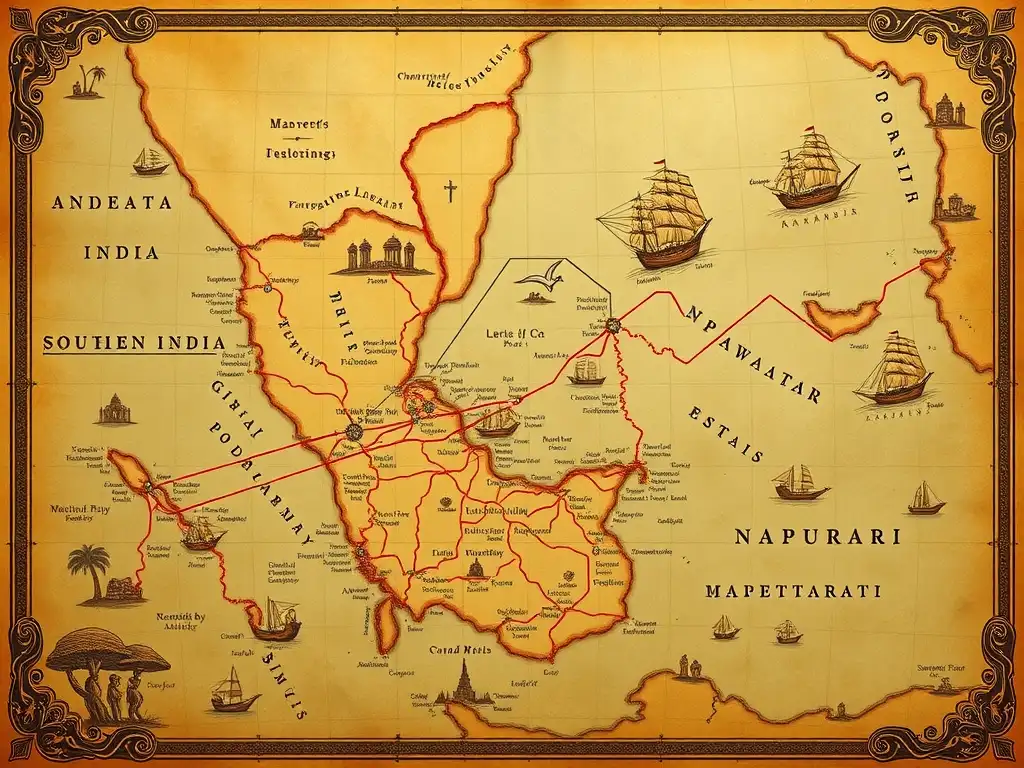
Southern India has a rich and varied history that contributes significantly to the broader narrative of ancient Indian civilizations. Positioned strategically along the Indian Ocean, this region not only served as a cultural melting pot but also as a vital hub in the trade networks connecting India to the rest of Asia and beyond.
From the earliest times, Southern India was home to several prominent kingdoms and cultures, including the Cholas, Cheras, and Pandyas, each contributing uniquely to the region's development. These civilizations emerged as early as 300 BCE, with archaeological evidence indicating sophisticated urban planning, trade, and agricultural practices. The historical significance of Southern India is further amplified by its role in the Silk Road trade network, which facilitated the exchange of goods, ideas, and cultures between the East and West.
Early Civilizations in Southern India
The early civilizations of Southern India, such as the Indus Valley Civilization, laid the groundwork for future societal developments. However, it is during the Post-Vedic period that Southern India began to flourish as distinct kingdoms emerged.
- Chola Dynasty:
- Known for their naval prowess and expansive trade networks, the Cholas established trade routes that extended as far as Southeast Asia. Their capital, Thanjavur, became a bustling trade center.
- The Chola emperors patronized arts, architecture, and literature, contributing to a rich cultural legacy.
- Pandya Kingdom:
- Renowned for its pearls and spices, the Pandya kingdom was a significant player in maritime trade. They maintained strong trade relations with regions such as the Middle East and beyond.
- The city of Madurai served as a crucial center for commerce and culture.
- Cheras:
- The Chera dynasty was instrumental in trade along the western coast of India, particularly through the port of Kochi.
- Their engagement in trade with Roman merchants showcased the global connections of Southern India during ancient times.
These civilizations not only engaged in local trade but also connected with international markets via maritime routes, establishing Southern India as a key player in the flourishing Silk Road economy.
Trade Practices in Ancient Southern India
Trade practices in ancient Southern India were sophisticated and multifaceted, reflecting the region's importance in global commerce.
- Goods Traded: Southern India was known for its rich natural resources, which included:
- Spices: Pepper, cardamom, and cinnamon were highly sought after.
- Textiles: Cotton and silk fabrics, renowned for their quality, were exported widely.
- Metals: Gold and silver were also traded, enhancing the wealth of the region.
- Trade Routes:
- Overland and Maritime: Southern India utilized both overland routes and maritime pathways to facilitate trade. Coastal cities acted as gateways for ships traveling to and from Southeast Asia, the Middle East, and Africa.
- The Coromandel Coast became a significant maritime hub, where traders exchanged goods and cultures.
- Cultural Exchange:
- Trade brought diverse cultural influences into Southern India, including art, religion, and technology. This exchange enriched the local culture and fostered an environment of innovation.
- Southern Indian ports were melting pots of various cultures, where merchants from different backgrounds interacted, leading to the rise of cosmopolitan cities.
The historical and trade practices of Southern India played a pivotal role in establishing the region as a significant contributor to the Southern India Silk Road history. The legacies of its early civilizations and their trade networks continue to shape the cultural and economic landscape of the region today.
Southern India's Contributions to the Silk Road
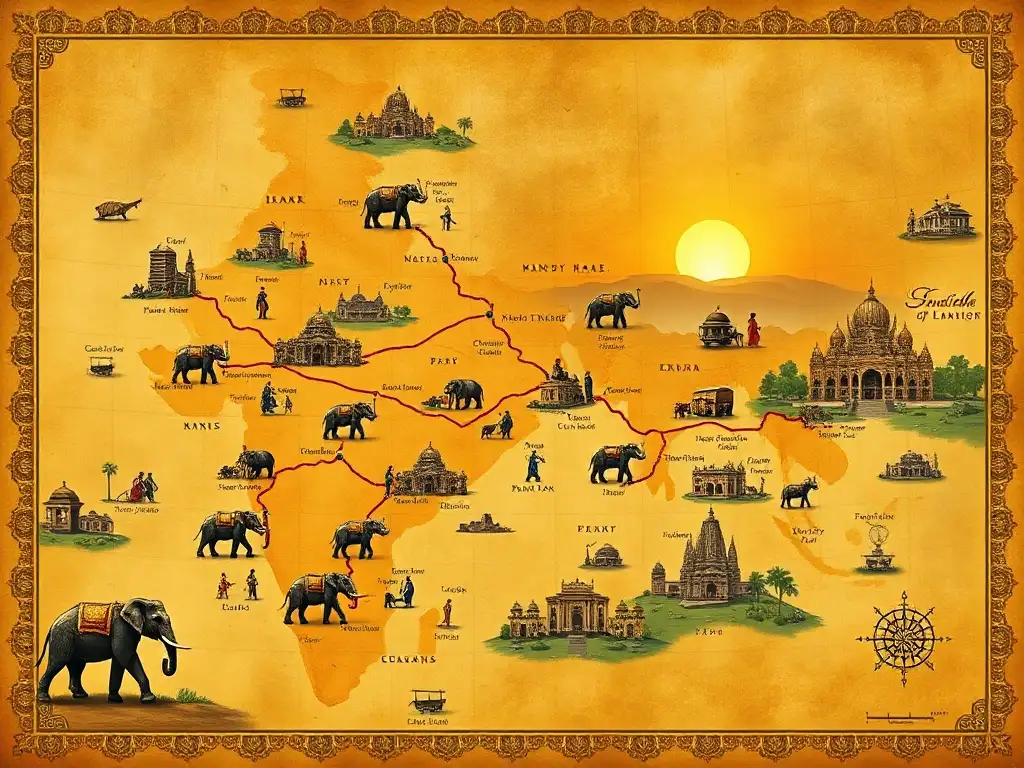
Southern India played a crucial role in the historical context of the Silk Road, particularly between the 1st century BCE and the 15th century CE. As a vibrant hub of trade, this region not only contributed goods but also facilitated cultural exchanges that enriched the entire Silk Road network. The integration of Southern India into this extensive trade route underscores its significance in shaping economic and cultural interactions across Asia and beyond.
Key Commodities from Southern India
Southern India was renowned for a variety of commodities that were highly sought after along the Silk Road. The region's geographic diversity and abundant resources enabled it to produce goods that were not only valuable but also integral to trade dynamics.
Spices and Their Importance in Trade
One of the most prominent contributions from Southern India to the Silk Road was its spices. Spices such as black pepper, cardamom, and cinnamon were prized for their flavoring and preservative qualities. The demand for these spices was immense, leading to their nickname as "black gold."
- Black Pepper: Known for its pungency, black pepper was one of the most traded spices, significantly impacting culinary practices in various cultures.
- Cardamom: This aromatic spice became a staple in both cooking and traditional medicine, showcasing its versatility.
- Cinnamon: Valued for its sweetness and medicinal properties, cinnamon was often used in religious rituals as well.
The spice trade not only enriched Southern Indian economies but also fostered relationships with traders from regions as far as the Roman Empire and China.
Textiles and Craftsmanship
Southern India’s textile industry was another cornerstone of its economic contribution to the Silk Road. The region was famous for its intricate weaving techniques and high-quality fabrics.
- Silks and Cottons: Southern Indian weavers produced exquisite silk and cotton textiles, which were highly coveted in markets across Asia and Europe.
- Dyes and Patterns: Utilizing natural dyes and distinctive patterns, textiles from this region stood out for their vibrant colors and artistic designs.
These textiles not only served functional purposes but also became symbols of status and luxury, enhancing cultural exchanges as they traveled along trade routes.
Precious Stones and Metals
In addition to spices and textiles, Southern India was a significant source of precious stones and metals. The region's rich mineral resources allowed for the mining and crafting of exquisite jewelry and artifacts.
- Gemstones: Gems such as diamonds, rubies, and emeralds were sourced from Southern India and became integral to the wealth of many trading partners.
- Gold and Silver: The region's artisans were skilled in metallurgy, producing intricate jewelry that showcased both the craftsmanship and the wealth of Southern Indian society.
These commodities were not merely trade items; they also facilitated the exchange of artistic ideas and techniques across cultures.
Cultural Exchanges Along the Silk Road
The trade routes established by the Silk Road were not just conduits for commodities; they were also pathways for cultural exchanges that shaped the civilizations involved. Southern India played a pivotal role in this cultural interplay.
Influence of Southern Indian Culture on Trade Partners
Southern Indian culture, with its rich traditions, art forms, and culinary practices, influenced many of its trade partners along the Silk Road. The interactions led to the incorporation of Southern Indian elements in various cultures:
- Artistic Techniques: The intricate art of Southern Indian frescoes and sculptures found resonance in the art styles of Southeast Asia.
- Culinary Practices: The use of spices and cooking techniques from Southern India influenced local cuisines in distant regions, enhancing their flavor profiles.
This cultural diffusion was a testament to the interconnectedness fostered by the Silk Road, where Southern Indian innovations became part of a larger tapestry of shared human experience.
Southern India’s Role in Spreading Religions
Southern India was instrumental in the spread of religions such as Hinduism and Buddhism along the Silk Road. As traders and pilgrims traveled, they carried their beliefs and practices with them, resulting in significant cultural exchanges:
- Buddhism: Originating in India, Buddhism spread through Southern India to Southeast Asia, where it took root and flourished. The region’s monasteries became centers of learning and spiritual growth.
- Hinduism: The vibrant traditions of Hinduism also traveled along trade routes, influencing local practices and beliefs in regions like Bali and Java.
This dissemination of religious thought not only enriched the spiritual landscape of various cultures but also fostered a sense of unity among diverse populations.
Southern India's historical connection to the Silk Road reflects its importance as a center of trade and cultural exchange. The rich commodities and cultural influences that emerged from this region have left an indelible mark on the history of the Silk Road, showcasing the enduring legacy of Southern India in global interactions.
Major Trade Routes Connecting Southern India
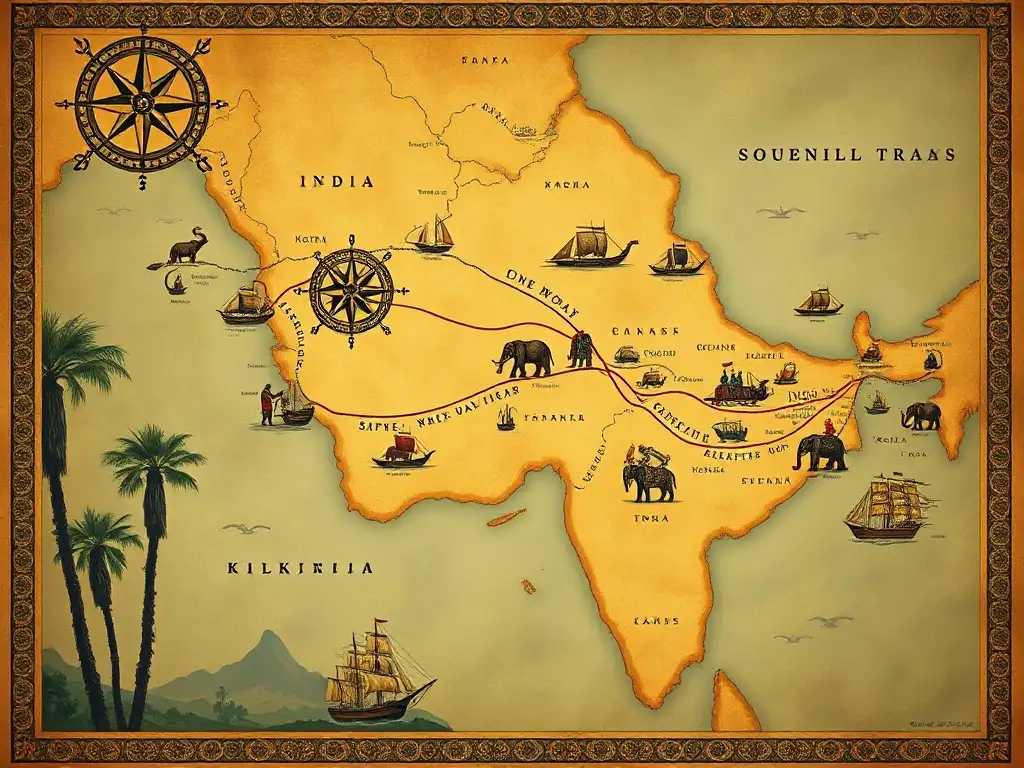
Southern India played a pivotal role in the trade networks of the ancient world, particularly in the context of the Silk Road. The term "Silk Road" encompasses a series of trade routes that facilitated not only the exchange of goods but also the sharing of cultures, ideas, and innovations. In Southern India, the trade routes were both maritime and terrestrial, connecting the region to various parts of Asia, the Middle East, and beyond.
Both established and emerging cities in Southern India flourished as trade hubs, contributing to the region's economic and cultural prosperity. Goods such as spices, textiles, gemstones, and precious metals flowed through these routes, fostering interactions that left a lasting impact on the economies and societies along the path.
The Maritime Silk Road and Southern India
The Maritime Silk Road was crucial for Southern India, as it allowed for extensive trade over the Indian Ocean. Major ports such as Kaveripattinam, Kochi, and Nagapattinam served as key nodes in this maritime network. Here are some significant aspects of Southern India's maritime trade:
- Spices and Textiles: Southern India was renowned for its exotic spices, including black pepper, cardamom, and cinnamon. These commodities were highly sought after in markets across Asia and Europe. The vibrant textiles of the region, such as silk and cotton, also attracted traders and consumers.
- Cultural Exchange: The maritime routes facilitated the exchange of not only goods but also cultural practices and religious beliefs. Southern Indian ports were melting pots of various cultures, where traders from diverse backgrounds interacted, leading to the spread of ideas and philosophies.
- Key Trade Partners: Southern India maintained trade relations with various civilizations, including the Roman Empire, Southeast Asia, and East Africa. This network enabled Southern Indian merchants to engage in a dynamic trading environment, enhancing their economic power.
To illustrate the significance of maritime trade, consider the following table detailing some of the key ports and their contributions:
| Port | Major Exports | Trade Partners |
|---|---|---|
| Kaveripattinam | Spices, Textiles | China, Arabia |
| Kochi | Pepper, Coir | Rome, Southeast Asia |
| Nagapattinam | Gems, Fabrics | East Africa, Persia |
Land Routes: Connecting Southern India to the North
While the maritime routes were prominent, land routes also played a crucial role in connecting Southern India to the northern regions of the subcontinent and beyond. These routes facilitated the movement of goods, people, and ideas overland. The following elements highlight the importance of land trade in this context:
- Historical Pathways: Significant land routes, such as the Grand Trunk Road, linked Southern India with northern India and facilitated trade with Central Asia. These pathways were not only vital for commerce but also for the movement of armies and cultural exchanges.
- Silk and Spices: Along these land routes, Southern India was known for transporting silk and spices to northern markets. The bustling trade centers in the north, like Pataliputra, became vital customers for Southern Indian goods, further integrating the economies of these regions.
- Cultural Influence: The movement of traders along land routes led to the dissemination of cultural practices, languages, and religions. For instance, the spread of Buddhism and Hinduism from Southern India to the northern regions was facilitated by these trade networks.
Southern India's contributions to the Silk Road history are marked by its strategic trade routes—both maritime and land. These routes not only enhanced economic prosperity but also fostered a rich tapestry of cultural interactions that shaped the ancient world. The legacy of these trade networks continues to be felt in the region's historical narrative and its role in global trade.
Historical Figures and Dynasties Influencing the Southern India Silk Road History
The Chola Dynasty and Maritime Trade
The Chola Dynasty, which flourished between the 9th and 13th centuries, played a pivotal role in shaping the Southern India Silk Road history through its extensive maritime trade networks. Under the leadership of notable rulers such as Rajaraja Chola I and his son Rajendra Chola I, the Cholas established a powerful naval presence that extended their influence across Southeast Asia and beyond.
- Maritime Expeditions: The Chola Dynasty was renowned for its advanced naval technology and shipbuilding capabilities. They undertook ambitious maritime expeditions, reaching as far as the coasts of modern-day Indonesia, Malaysia, and even China. This enabled them to engage in trade not only with regions along the Silk Road but also with various Southeast Asian kingdoms.
- Trade Goods: The Cholas exported a range of luxury goods such as textiles, spices, and precious stones, which were highly sought after along the Silk Road. In return, they imported silk, ceramics, and other exotic items from Central Asia and beyond, thereby facilitating a rich exchange of culture and commerce.
- Cultural Exchange: The Chola Dynasty's trade relations led to significant cultural exchanges. Indian art, architecture, and religious practices influenced the regions they traded with, while foreign styles and ideas found their way into Southern India. Temples built during this period often reflected a blend of indigenous and foreign architectural styles, showcasing the interconnectedness fostered by trade.
| Chola Dynasty Contributions | Details |
|---|---|
| Naval Power | Dominated maritime trade routes in Southeast Asia. |
| Trade Goods Exported | Textiles, spices, precious stones. |
| Cultural Influence | Exchange of art, religion, and architecture. |
The Pandya Kingdom's Contributions to Silk Road Commerce
The Pandya Kingdom, one of the oldest Tamil dynasties, significantly contributed to the Southern India Silk Road history through its trade practices and diplomatic relations. Established around 300 BCE, the Pandyas were known for their vibrant economy and engagement with foreign traders.
- Strategic Location: Situated in the southernmost part of India, the Pandya Kingdom served as a crucial hub for trade between the Indian subcontinent and other regions. Their ports, such as Korkai and Madurai, were bustling centers of commerce that attracted traders from Arabia, Persia, and the Roman Empire.
- Exports and Imports: The Pandyas were particularly famous for their pearls, textiles, and spices, which were in high demand along the Silk Road. They also imported silk, metalware, and glass, enriching their own culture while contributing to the larger trade network.
- Diplomatic Relations: The Pandya rulers established strong diplomatic ties with several foreign states, which facilitated trade. They sent envoys to Roman emperors and formed alliances with local kingdoms in Southeast Asia, promoting a flourishing trade environment that enhanced their economic prosperity.
- Cultural Contributions: The interactions along the Silk Road allowed for the exchange of artistic styles and literature between the Pandyas and other cultures. This resulted in a rich tapestry of Tamil literature and art during their reign, which was influenced by diverse cultures encountered through trade.
| Pandya Kingdom Contributions | Details |
|---|---|
| Trade Ports | Korkai, Madurai - key trading hubs. |
| Key Exports | Pearls, textiles, spices. |
| Cultural Exchange | Influence on Tamil literature and arts. |
The Chola Dynasty and the Pandya Kingdom exemplify how Southern Indian dynasties were integral to the Silk Road history, not only as traders but also as cultural emissaries, weaving a complex narrative of exchange and influence that shaped the region's historical legacy.
The Decline of Southern India's Influence on the Silk Road
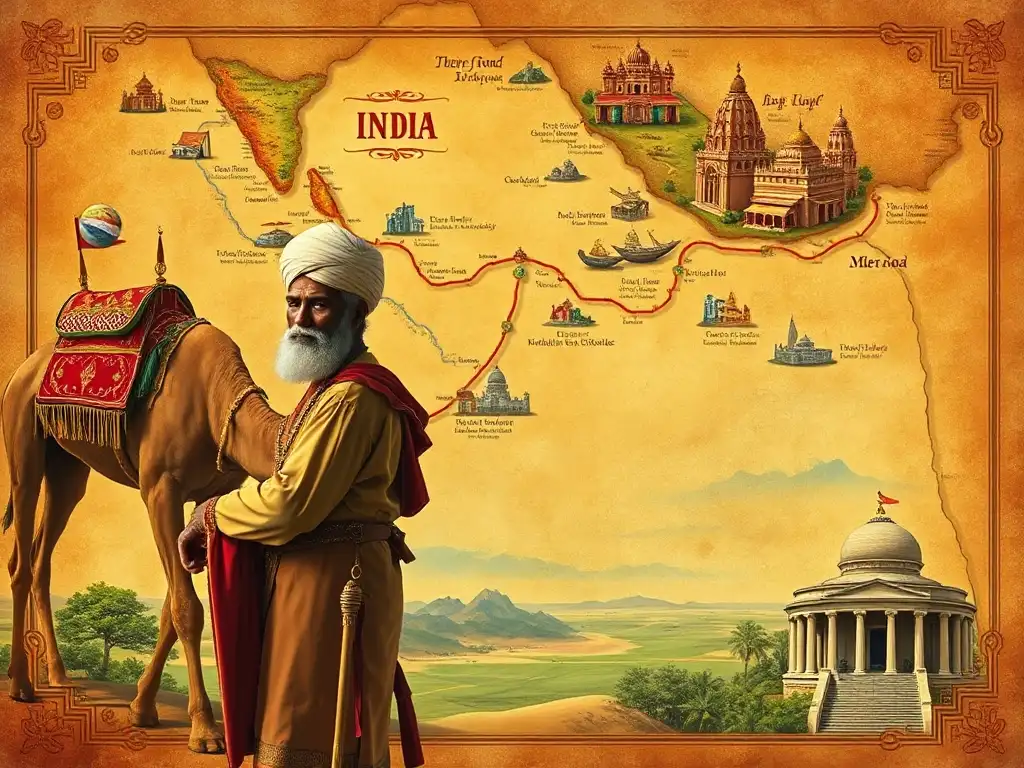
The decline of Southern India's influence on the Silk Road represents a significant shift in the region's historical trade dynamics. Once a vibrant hub facilitating the exchange of goods, ideas, and culture, Southern India saw a gradual decrease in its prominence along this ancient trade route. This decline can be attributed to various factors, including changes in political power, shifts in trade routes, and the rise of competing regions. Understanding these factors is crucial to comprehending the evolution of Southern India’s role in global trade during ancient times.
Factors Leading to Decline in Trade
Several interconnected factors contributed to the decline of Southern India's role in Silk Road trade:
- Political Fragmentation:
- The political landscape of Southern India underwent significant changes after the fall of the powerful Chola and Pandya kingdoms. The emergence of smaller states often led to instability, making it challenging to maintain the robust trade networks established by previous empires.
- Frequent conflicts and power struggles diverted resources and attention from trade, leading to reduced economic activity.
- Shift in Trade Routes:
- The emergence of maritime trade routes began to overshadow the overland Silk Road routes. As Southeast Asian trade flourished, merchants increasingly opted for sea routes that connected Southern India directly to global markets, diminishing the importance of traditional overland Silk Road connections.
- The establishment of port cities along the coast, such as Kochi and Calicut, repositioned trade focus from land to sea, impacting the flow of goods through the Silk Road.
- Economic Competition:
- Competitive regions, particularly in Central and East Asia, began to dominate trade. The rise of powerful empires such as the Tang and Song dynasties in China fostered new trade networks that often bypassed Southern India.
- The growing influence of Arabian traders in the Indian Ocean further reduced Southern India's role in long-distance trade, as they established direct trade links with other regions.
- Cultural and Religious Shifts:
- The decline of the ancient trade routes coincided with significant cultural changes, including the spread of new religions and philosophies that altered trade dynamics. The decline in patronage for certain traditional crafts and goods contributed to a downturn in economic activity.
- The rise of regional identities and local economies led to a focus on self-sufficiency rather than engagement in extensive trade networks.
Historical Events Impacting Southern India’s Role
Numerous historical events marked the decline of Southern India's influence on the Silk Road:
- Fall of the Chola Empire (13th Century): The Chola dynasty was instrumental in establishing Southern India's connectivity with Southeast Asia and beyond. Its decline led to a fragmentation of power, disrupting the trade networks established during its height.
- Invasions and Conflicts:
- Invasions by foreign powers, including the Islamic conquests in the early medieval period, caused significant disruptions in trade. These invasions not only altered political control but also affected the safety and reliability of trade routes.
- Local conflicts between emerging kingdoms further complicated trade relationships, leading to a decline in commerce.
- European Colonial Expansion (15th Century Onwards): The arrival of European powers, particularly the Portuguese and later the British, significantly altered the trade landscape. Their control over key ports and trade routes effectively marginalized local traders and redirected trade flows away from traditional Silk Road networks.
- Changing Consumer Demands: As global trade evolved, the demand for specific goods shifted. Southern India, known for its spices, textiles, and precious stones, faced increasing competition from other regions, leading to a decline in its economic significance.
The decline of Southern India's influence on the Silk Road was a complex process influenced by a multitude of factors, including political fragmentation, changing trade routes, economic competition, and significant historical events. Understanding these dynamics provides valuable insights into the historical narrative of Southern India and its contributions to the broader context of Silk Road history.
Legacy of Southern India’s Contributions to the Silk Road
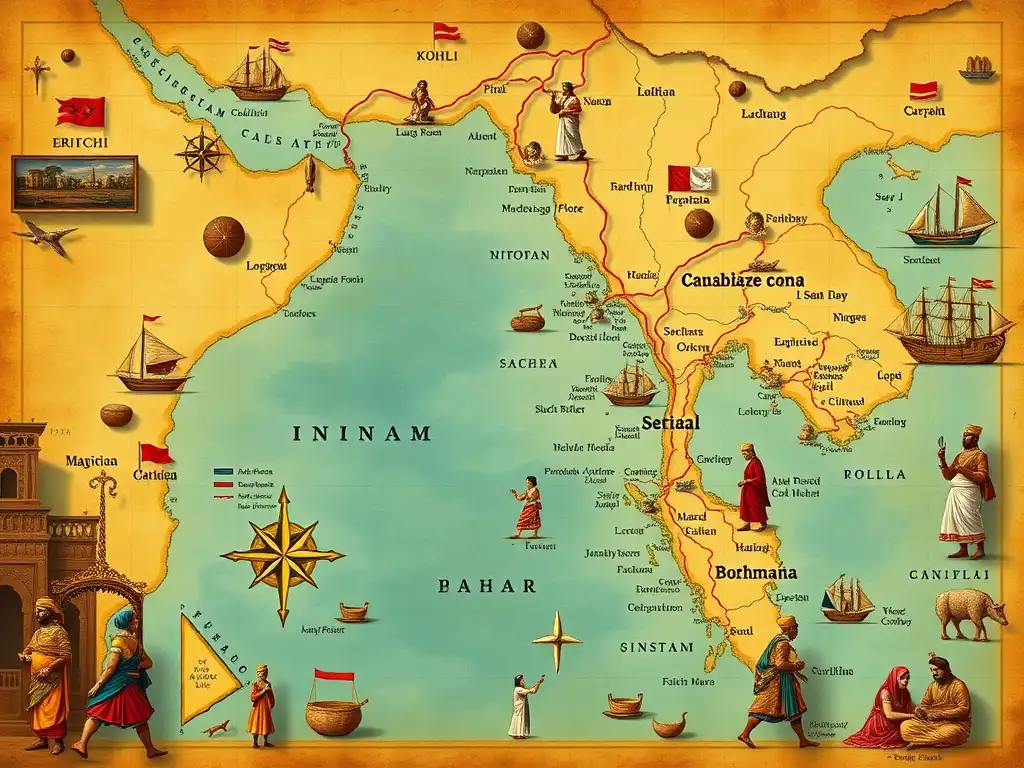
Southern India played a pivotal role in the history of the Silk Road, extending its influence far beyond its geographical boundaries. The region's strategic location, rich resources, and vibrant cultures contributed significantly to the trade routes that connected the East and West.
Lasting Impact on Trade and Cultural Exchange
Southern India was home to several thriving kingdoms, including the Chola, Pandya, and Chera dynasties, which flourished between the 3rd century BCE and the 13th century CE. These kingdoms actively engaged in trade along the maritime Silk Road, establishing vital links with regions such as Southeast Asia, the Middle East, and beyond.
- Key Trade Commodities: Southern Indian merchants traded various goods, such as:
- Spices (particularly pepper and cardamom)
- Textiles (including silk and cotton)
- Precious stones (like diamonds and pearls)
- Metalwork and crafts
- Cultural Exchange: The movement of goods was accompanied by a rich exchange of culture, ideas, and technologies. For instance:
- Religious Influence: The spread of Hinduism, Buddhism, and Jainism into Southeast Asia can be attributed to traders and missionaries who traveled these routes.
- Art and Architecture: Southern India's unique artistic styles influenced the architectural developments in countries such as Cambodia and Indonesia, evident in the temples of Angkor Wat and the Borobudur.
The legacy of Southern India’s contributions to the Silk Road is not only reflected in the economic prosperity that these trade routes fostered but also in the enduring cultural connections that continue to resonate today.
Preservation of Southern India’s Silk Road History Today
In modern times, the history of Southern India's involvement in the Silk Road is preserved through various means, ensuring that this rich heritage is recognized and celebrated.
- Archaeological Sites: Numerous archaeological sites across Southern India, such as Kancheepuram and Madurai, serve as testaments to its historical significance. Excavations have unearthed artifacts that highlight trade practices and cultural exchanges.
- Museums and Exhibitions: Institutions like the Government Museum in Chennai and the Salar Jung Museum showcase artifacts related to the Silk Road, offering insights into the region's past and its role in global trade.
- Cultural Festivals: Events and festivals celebrating the legacy of Southern India often feature elements that hark back to Silk Road interactions, such as traditional dance forms, culinary showcases, and handicraft exhibitions.
- Educational Programs: Various universities and research institutions conduct studies and present courses focused on the history of trade routes, including the Silk Road, emphasizing Southern India's contributions.
The preservation of Southern India’s Silk Road history not only enriches the cultural tapestry of the region but also fosters a greater understanding of its historical significance in global trade networks. As researchers and enthusiasts continue to explore this fascinating aspect of history, Southern India’s rich contributions remain a vital part of the narrative of the Silk Road.
Conclusion: The Importance of Understanding Southern India Silk Road History
The history of Southern India and its contributions to the Silk Road is not just a tale of trade; it is a profound narrative that intertwines cultures, ideas, and innovations. Understanding this history allows us to appreciate the intricate web of interactions that shaped not only Southern India but also the broader tapestry of ancient civilizations. The Southern Indian kingdoms played a pivotal role in facilitating exchanges that went beyond mere commodities, impacting art, religion, and technology along the Silk Road.
Reflection on Southern India's Rich Historical Heritage
Southern India possesses a rich historical heritage characterized by its vibrant kingdoms, such as the Cholas, Cheras, and Pandyas. These kingdoms thrived due to their strategic locations and robust maritime trade networks. The Silk Road, although predominantly land-based, extended into maritime routes connecting the eastern and western parts of the world. Southern Indian ports like Kaveripattinam and Nagapattinam became bustling trade centers where goods including spices, textiles, and precious stones were exchanged.
The interactions fostered by the Silk Road led to significant cultural exchanges. For instance, the spread of Hinduism and Buddhism into Southeast Asia can be traced back to these maritime links. The architectural and artistic influences from Southern India can be seen in several Southeast Asian temples, demonstrating the far-reaching impact of these ancient trade routes. Moreover, the blending of cultures resulted in unique art forms and styles, further enriching Southern India's historical narrative.
The Relevance of Ancient Trade Routes in Contemporary Context
In today's globalized world, the historical significance of trade routes like the Silk Road is more relevant than ever. They serve as a reminder of the interconnectedness of civilizations and the importance of cultural exchange. Understanding the Southern India Silk Road history allows modern societies to reflect on how trade can foster relationships and mutual respect among diverse cultures.
Furthermore, studying these ancient trade routes can provide insights into contemporary trade practices and economic policies. As nations seek to revive the spirit of the Silk Road through initiatives like the Belt and Road Initiative, the lessons from Southern India's past can inform strategies for sustainable and equitable trade relationships. By recognizing the historical significance of these routes, we can appreciate the foundations upon which modern global trade is built and strive to build connections that honor the rich legacies of our shared human history.
The exploration of Southern India’s contributions to the Silk Road is not merely an academic pursuit; it is a journey into understanding how ancient civilizations shaped our present and can guide our future. Embracing this history enriches our cultural identity and fosters a greater appreciation for the diversity of human experience.
Frequently Asked Questions
What was the significance of Southern India in the Silk Road trade?
Southern India played a crucial role in the Silk Road trade by serving as a major trading hub. It facilitated the exchange of spices, textiles, and precious stones between the East and West.
How did the geography of Southern India influence its trade connections?
The geographical location of Southern India, with its extensive coastline and natural harbors, made it an ideal point for maritime trade routes, enhancing its connectivity with other regions along the Silk Road.
What were some key products traded from Southern India along the Silk Road?
Southern India was renowned for its silks, spices, and gemstones, which were highly sought after in international markets. These products significantly contributed to the region's economic prosperity.
How did ancient Indian civilizations impact the cultural exchanges along the Silk Road?
Ancient Indian civilizations, particularly in Southern India, contributed to cultural exchanges through art, religion, and philosophy. This resulted in the spread of Hinduism and Buddhism along trade routes.
What legacy did Southern India leave in the context of Silk Road history?
The legacy of Southern India in Silk Road history is evident in its cultural influences, trade practices, and the establishment of global trade networks that continued to thrive long after the ancient period.
Final Reflection: The Enduring Legacy of Southern India on the Silk Road
The historical contributions of Southern India to the Silk Road are not just relics of the past; they resonate with profound relevance today. As we navigate an increasingly interconnected world, the exchanges that took place along this ancient trade route remind us of the power of cultural and economic collaboration. The vibrant tapestry of Southern India's role in the Silk Road history illustrates how trade can transcend borders, fostering mutual understanding and shared prosperity.
The influence of Southern India on the Silk Road continues to shape our cultural and social landscape, highlighting the importance of diversity and exchange in our global society. From spices to textiles, the legacy of these exchanges can be seen in modern trade practices and cultural interactions. Trade is not just about goods; it's about the connections we forge and the stories we share.
This sentiment encapsulates the essence of Southern India's contributions, reminding us that history is not merely a series of events but a living narrative that informs our present and future.
As we reflect on this rich history, let us consider how we can apply these lessons of collaboration and openness in our own lives. I invite you to explore the ways in which you can foster connections across cultures, embrace diversity, and contribute to a more interconnected world. By recognizing the significance of Southern India’s contributions to the Silk Road, we can honor the past while actively participating in the ongoing journey of global exchange and understanding.
Unveil the Rich Legacy of Southern India!
Thank you for taking the time to explore the fascinating historical contributions of Southern India to the Silk Road. Your interest in this vibrant history opens the door to a deeper understanding of the cultural exchanges that shaped our world!
Now, let's embark on a journey to discover more:
- Dive deeper into Southern India’s history: Explore literature and resources that delve into the rich past of Southern Indian kingdoms and their significant role in trade.
- Connect with like-minded enthusiasts: Join online forums or local historical societies to share insights and learn from others who are passionate about this subject.
- Spread the word! Share this article on social media and initiate discussions about Southern India’s influence on the Silk Road with your friends.
What aspect of Southern India's role in the Silk Road intrigues you the most, and how can we uncover more together?