
Exploring the Historical Sites of Southern India: A Traveler's Guide

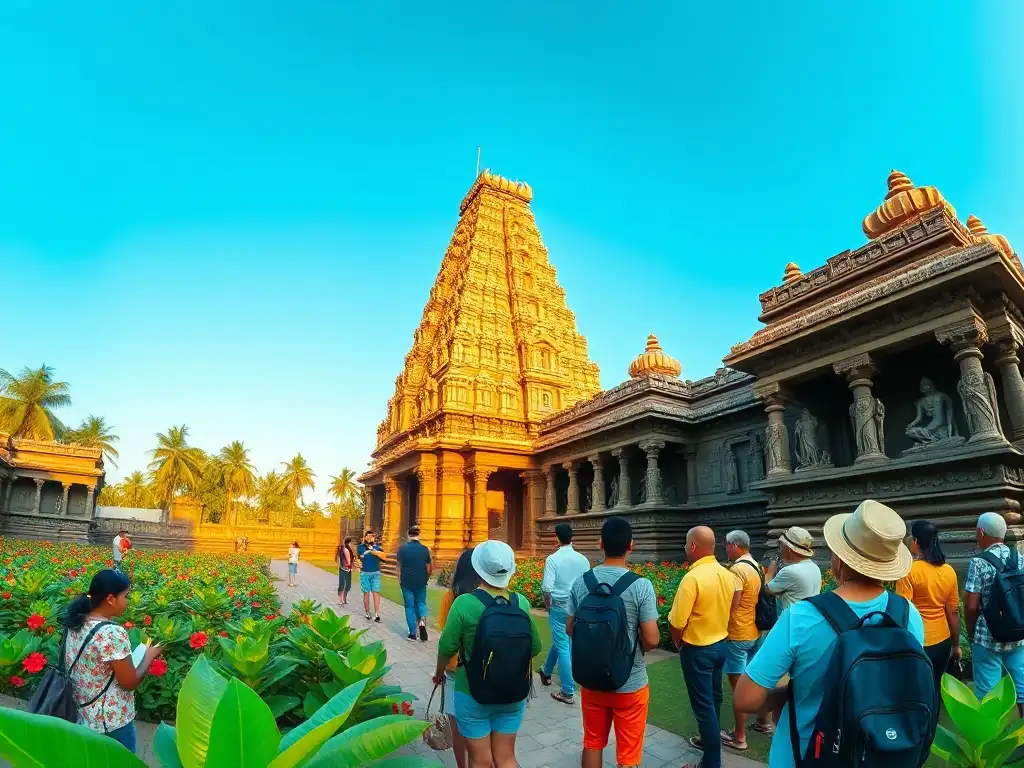
Welcome to Ancient India History, where we embark on a captivating journey through the rich tapestry of civilizations that shaped a magnificent past! In this exploration, we draw your attention to historical sites in Southern India, a treasure trove of stories waiting to be uncovered. From the majestic temples of the Chola dynasty to the enchanting ruins of Vijayanagara, each site offers a glimpse into the diverse cultural heritage and remarkable accomplishments of ancient Indian societies. Ready to dive deeper? Join us as we unravel the wonders of Southern India and inspire your next adventure through time!
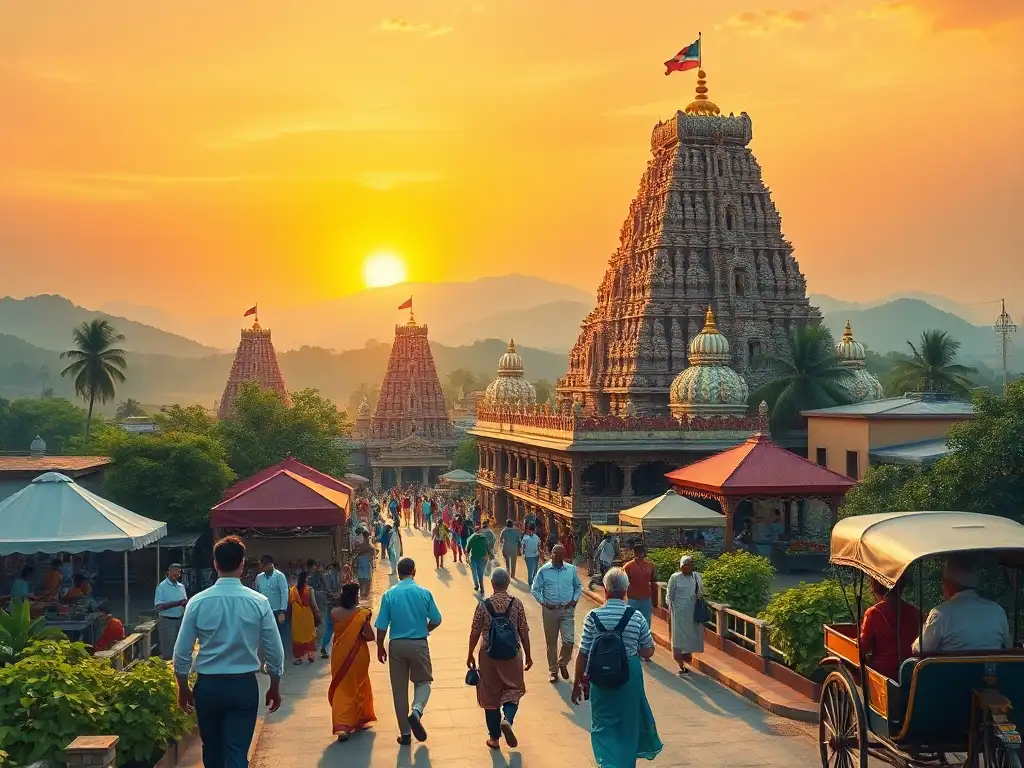
Introduction to Historical Sites in Southern India
Southern India, known for its breathtaking landscapes and vibrant culture, is a treasure trove of historical sites that reflect the region's rich heritage and significance in ancient civilization. From the majestic temples that showcase intricate carvings to the formidable forts that narrate tales of valor, the historical sites in Southern India offer a unique glimpse into the past.
Travelers seeking to explore this region will find themselves immersed in a diverse array of architectural marvels, each telling the story of the civilizations that once thrived here. This guide aims to highlight the key historical sites and their importance, providing insights that will enrich your journey through Southern India's captivating history.
The Significance of Southern India in Ancient History
Southern India holds a prominent place in the annals of ancient history, characterized by its unique contributions to art, architecture, trade, and philosophy. The region was home to several powerful kingdoms, including the Cholas, Pandyas, and Cheras, which fostered cultural and economic prosperity. The significance of Southern India can be attributed to:
- Cultural Diversity: A melting pot of various cultures, languages, and traditions, Southern India has seen the confluence of different civilizations, leading to a rich tapestry of cultural expressions.
- Trade Routes: The region's strategic location facilitated trade with other parts of India and beyond, enhancing its economic stature and cultural exchanges.
- Architectural Innovations: Southern India is renowned for its distinctive architectural styles, particularly in temple construction, which have influenced subsequent generations and regions.
Overview of Major Civilizations and Kingdoms
The historical narrative of Southern India is woven with the tales of its major civilizations and kingdoms. Key players in this history include:
- Indus Valley Civilization: Though primarily concentrated in the northwest, it laid the groundwork for urban planning and trade that influenced Southern India.
- Chola Dynasty: Renowned for their naval power and extensive trade networks, they also made significant contributions to art and architecture, with the Brihadeeswarar Temple being a UNESCO World Heritage site.
- Pandya Kingdom: Known for their patronage of literature and art, they played a vital role in the cultural development of the region.
- Vijayanagara Empire: This empire is celebrated for its architectural grandeur and cultural achievements, with Hampi as a prime example of its historical significance.
Key Historical Sites in Southern India
Exploring the historical sites in Southern India presents an opportunity to connect with the past and appreciate the architectural wonders that have withstood the test of time. Here are some of the key sites worth visiting:
Temples of Southern India
The temples in Southern India are masterpieces of architectural brilliance, often adorned with intricate carvings and sculptures that depict various deities and mythological tales. Notable temples include:
- Brihadeeswarar Temple, Thanjavur: A UNESCO World Heritage site, this temple is a testament to the grandeur of Chola architecture.
- Meenakshi Amman Temple, Madurai: Famous for its magnificent gopurams (gateway towers) and vibrant sculptures.
- Virupaksha Temple, Hampi: An iconic temple that showcases the architectural prowess of the Vijayanagara Empire.
Forts and Palaces
The forts and palaces of Southern India reflect the military and political history of the region:
- Golconda Fort, Hyderabad: A marvel of engineering with a rich history, known for its impressive acoustics and innovative water supply system.
- Mysore Palace, Mysore: A stunning example of Indo-Saracenic architecture, this palace is adorned with intricate carvings and vibrant colors.
- Chikmagalur Fort: A lesser-known gem that offers a glimpse into the region's historical significance.
Ancient Ruins and Archaeological Sites
The remnants of ancient civilizations can be found throughout Southern India, providing invaluable insights into the region's past:
- Hampi: The ruins of this once-thriving city are a UNESCO World Heritage site, showcasing the remnants of the Vijayanagara Empire.
- Khajuraho: Known for its stunning temples adorned with erotic sculptures, these sites illustrate the artistic and cultural achievements of their time.
- Kanchipuram: Often referred to as the "City of a Thousand Temples," it is rich in history and architectural beauty.
By exploring these historical sites, travelers can gain a deeper understanding of Southern India's vibrant past and the civilizations that shaped its identity.
Cultural Contributions of Southern Indian Historical Sites
Southern India is a treasure trove of historical sites that have greatly contributed to the rich tapestry of Indian culture. The region is known for its unique blend of art, architecture, literature, and philosophy, which have not only shaped Southern India but have also had a lasting influence on the entire Indian subcontinent. From ancient temples adorned with intricate carvings to texts that have defined philosophical thought, the cultural contributions of Southern Indian historical sites are profound and multifaceted.
The temples of Southern India, such as those in Tamil Nadu and Karnataka, are not merely places of worship but also hubs of artistic expression. These sites host exquisite sculptures and frescoes that depict various deities, mythological scenes, and everyday life, showcasing the region's artistic prowess. Furthermore, the architectural styles, including Dravidian and Indo-Saracenic, reflect a synthesis of local traditions and external influences, marking Southern India as a melting pot of cultural exchanges.
Art and Architecture Influences
The art and architecture of Southern India are characterized by their grandeur and attention to detail. The Dravidian architecture, prominent in temples like the Brihadeeswarar Temple in Thanjavur, is known for its towering gopurams (gateway towers) and intricate stone carvings. These monumental structures often served as a canvas for artisans to express religious and cultural narratives, resulting in masterpieces that attract thousands of visitors each year.
Additionally, the influence of historical sites extends beyond mere aesthetics. The architectural innovations from Southern India have influenced the design of structures across the country and even internationally. For instance, the use of granite in temple construction showcases the region's abundant natural resources and advanced engineering skills. This blend of utility and beauty can be seen in the intricate layout of Hampi's ruins, which reflect a high level of urban planning and artistry.
Literature and Philosophy from Ancient Southern India
Southern India has also been a cradle for rich literary and philosophical traditions. The Tamil language, one of the oldest living languages, boasts a vast corpus of classical literature, including the Sangam poetry, which reflects the socio-political landscape of ancient times. Works like the "Tirukkural" by Thiruvalluvar have transcended time, offering timeless wisdom on ethics, politics, and love.
Philosophically, Southern India has been home to several influential schools of thought. The teachings of philosophers such as Adi Shankaracharya, who advocated Advaita Vedanta, have had a profound impact on Hindu philosophy. The interaction between various philosophical schools can be traced through temple inscriptions and ancient texts found in historical sites, illustrating the region's intellectual vibrancy.
Traveling Tips for Exploring Historical Sites
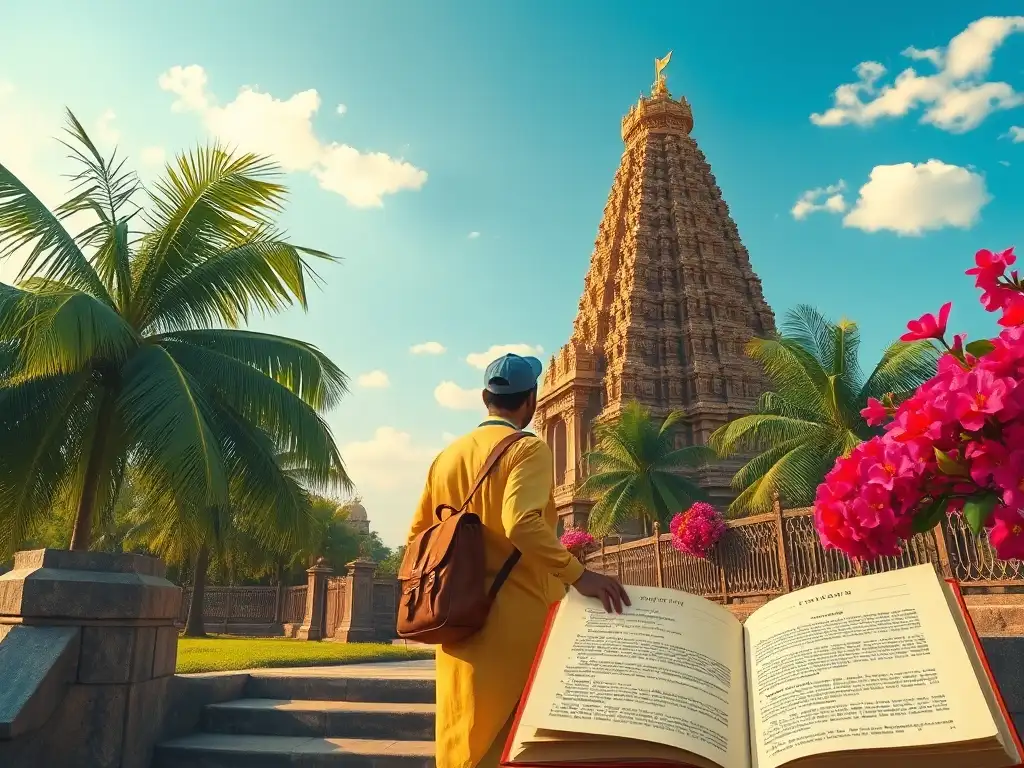
Exploring the historical sites of Southern India requires careful planning to make the most of your experience. Here are some insightful tips for travelers looking to immerse themselves in the rich history and culture of the region.
Best Time to Visit Historical Sites in Southern India
The ideal time to embark on a journey to Southern India’s historical sites is during the winter months, from November to February. During this period, the weather is pleasantly cool and dry, making it perfect for outdoor exploration.
- Monsoon Season (June to September): While the monsoon can rejuvenate the landscapes, heavy rains may hinder travel plans and access to some sites.
- Summer Months (March to May): The heat can be intense, and visiting outdoor sites might be uncomfortable, but early mornings or late afternoons can provide a respite.
Travelers should consider local festivals, such as Pongal or the Hampi Utsav, as they offer unique insights into the culture but may also attract larger crowds.
Essential Preparations for Travelers
Before embarking on your journey, it's vital to prepare adequately to ensure a smooth and enriching experience. Here are some essential preparations:
- Research Historical Sites: Familiarize yourself with the historical significance of the sites you plan to visit. Understanding the context enhances the experience.
- Dress Appropriately: Many temples and historical sites have dress codes, often requiring modest clothing. Lightweight, breathable fabrics are advisable for comfort in the warm climate.
- Stay Hydrated: Carry a water bottle, especially when exploring outdoor sites, to stay hydrated and energized.
- Local Guides: Engaging with local guides can provide deeper insights into the history and significance of each site, making your visit more meaningful.
- Plan for Travel: Southern India is vast, and distances between sites can be significant. Consider local transport options, including trains, buses, and taxis, to navigate efficiently.
By following these tips, travelers can fully appreciate the historical richness of Southern India while enjoying their journey through time.
Conclusion: Embracing the Rich History of Southern India
Southern India is a treasure trove of historical sites that tell the story of its rich and diverse past. From the majestic temples of Tamil Nadu to the ancient ruins of Hampi, each site offers unique insights into the cultural, architectural, and spiritual evolution of the region. As we journey through these historical landmarks, we not only uncover the artistic and engineering marvels of ancient civilizations but also gain a deeper appreciation for the traditions that continue to influence modern Indian society.
In embracing the rich history of Southern India, travelers are invited to contemplate the lessons of the past and their relevance in today's world. The stories embedded within each stone and structure remind us of the resilience, creativity, and diversity that have shaped the subcontinent over millennia. Whether through the intricate carvings of the Brihadeeswarar Temple or the serene landscapes of the Nilgiri Hills, the historical sites in Southern India beckon us to connect with our shared human heritage.
Reflecting on the Importance of Preservation
Preserving historical sites is crucial not only for safeguarding cultural heritage but also for promoting education and tourism. These sites serve as physical connections to our past, allowing current and future generations to learn about the traditions, values, and innovations of those who came before us. The preservation efforts undertaken by governments, local communities, and organizations are vital in maintaining the integrity of these sites.
Moreover, the significance of preservation extends beyond mere conservation. It fosters a sense of identity and pride among local populations, as communities engage with their history and celebrate their contributions to civilization. By protecting these historical sites, we ensure that future travelers can experience the awe and inspiration that comes from standing in the presence of history.
Encouraging Exploration of Southern Indian Heritage
Exploring the historical sites of Southern India is not just about admiring ancient architecture; it is an invitation to delve into the rich tapestry of culture, religion, and community life that has flourished in the region. Travelers are encouraged to engage with local traditions, partake in festivals, and interact with artisans who continue to practice age-old crafts. This immersive experience fosters a deeper understanding of Southern Indian heritage and creates lasting memories.
Furthermore, as tourism continues to grow, there is an opportunity to support local economies and promote sustainable practices that respect both the environment and cultural heritage. By choosing to explore historical sites in Southern India, travelers contribute to the preservation of these invaluable treasures while enriching their own lives with knowledge and experiences that transcend time. Embracing this journey not only honors the past but also paves the way for future exploration and appreciation of Southern India’s vibrant history.
- Introduction to Historical Sites in Southern India
- Key Historical Sites in Southern India
- Cultural Contributions of Southern Indian Historical Sites
- Traveling Tips for Exploring Historical Sites
- Conclusion: Embracing the Rich History of Southern India
- What are some of the most famous historical sites in Southern India?
- How can travelers best explore these historical sites?
- Are there any specific cultural events associated with these sites?
- What is the best time to visit Southern India for historical exploration?
- How do these historical sites contribute to the understanding of ancient Indian culture?
Frequently Asked Questions
What are some of the most famous historical sites in Southern India?
Some notable historical sites include the Brihadeeswarar Temple in Thanjavur, the Hampi ruins, and the Meenakshi Temple in Madurai, each showcasing ancient architecture and cultural significance.
How can travelers best explore these historical sites?
Travelers can explore historical sites by participating in guided tours, utilizing local transportation, and planning their itinerary to include major landmarks while also discovering hidden gems.
Are there any specific cultural events associated with these sites?
Yes, many historical sites host cultural events and festivals, such as the Chithirai Festival in Madurai and the Hampi Utsav, which celebrate the rich heritage and traditions of the region.
What is the best time to visit Southern India for historical exploration?
The ideal time to visit is between October and March, when the weather is more pleasant and suitable for exploring the numerous historical sites without the discomfort of extreme heat.
How do these historical sites contribute to the understanding of ancient Indian culture?
These historical sites serve as testaments to the art, architecture, and social structures of ancient civilizations, helping visitors gain insight into the cultural evolution and historical significance of Southern India.
Final Reflection: Embracing the Legacy of Southern India's Historical Sites
The exploration of historical sites in Southern India is not merely a journey through time; it is a profound connection to our shared heritage. In an era where rapid modernization often overshadows our past, understanding and appreciating these historical landmarks becomes essential. The stories etched in the stones of temples, forts, and palaces remind us of the rich tapestry of cultures that have shaped our identities. These sites are not just remnants of history; they are living narratives that continue to inspire and educate us today.
The influence of Southern India's historical sites extends far beyond their physical presence; they are integral to our cultural consciousness. Each site serves as a testament to the artistry, spirituality, and resilience of the people who built them. As travelers and explorers, we have the unique opportunity to engage with these narratives, fostering a deeper appreciation for the diverse histories that define our world. History is not a burden on the memory but an illumination of the soul.
This quote encapsulates the essence of our journey through these sites, inviting us to reflect on the lessons they impart.
As you consider your own travels and experiences, I encourage you to seek out the historical sites in Southern India with an open heart and mind. Let each visit be a moment of reflection, a chance to connect with the past, and an opportunity to carry forward the stories of those who came before us. Embrace the lessons of history, and allow them to shape your understanding of the present and future. In doing so, you not only honor the legacy of these remarkable sites but also enrich your own life with the wisdom they offer.
Unveil the Wonders of Southern India's History!
Thank you for journeying through the rich tapestry of Southern India's historical sites with us! We hope you’ve gained valuable insights that inspire your next adventure. Now, it's time to take action and immerse yourself in the wonders waiting to be discovered.
- Start planning your trip by researching the remarkable historical sites we've highlighted, and create your own personalized itinerary.
- Share your experience with friends and family by inviting them on your adventure—exploring together enhances the experience!
- Join our community by subscribing to our newsletter for more travel tips, hidden gems, and inspiring stories from fellow travelers.
Which historical marvel are you most eager to explore on your journey through Southern India?