
The Maurya Empire's Military Organization: Politics, Strategy, and Power

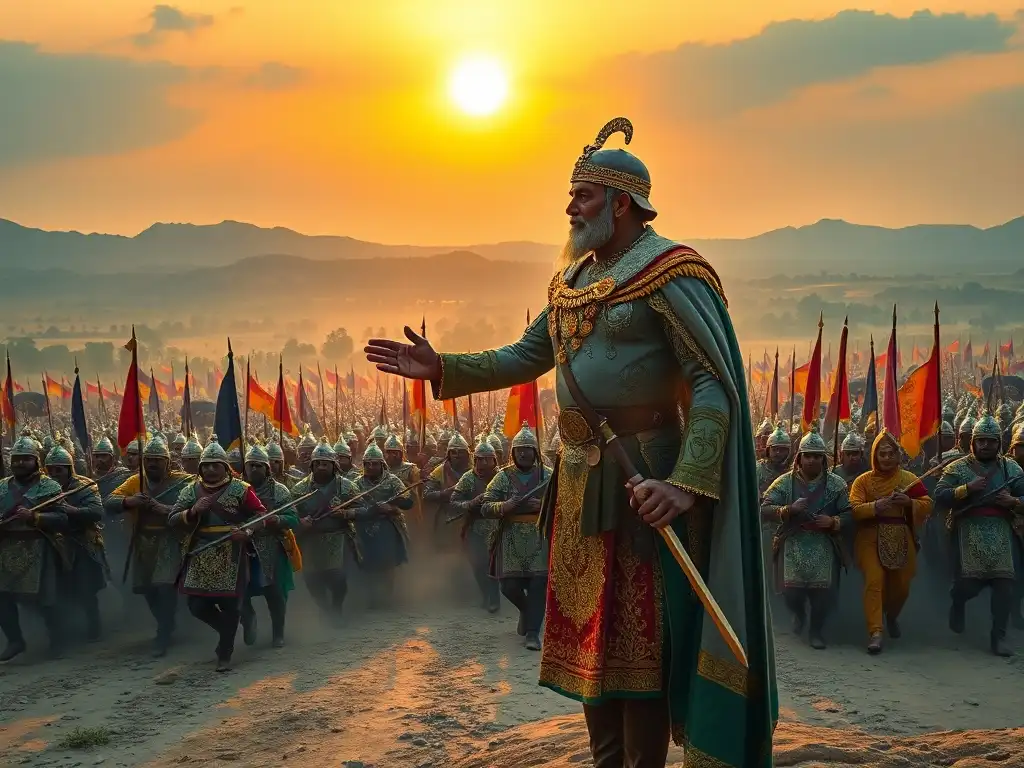
Welcome to Ancient India History, where we embark on an exhilarating journey through the rich tapestry of ancient Indian civilizations! Today, we delve into the fascinating realm of the Maurya Empire's military strategy—a powerful testament to how politics, strategy, and power intertwined to shape one of history's most formidable empires. What strategies propelled the Maurya Empire to prominence, and how did these military innovations influence the course of history?
Prepare to uncover the secrets of a civilization that mastered the art of warfare and governance, inviting you to explore the depths of its legacy. Join us as we unravel the layers of this captivating topic and discover the profound impact of the Maurya Empire on the ancient world!
The Maurya Empire stands as one of the most formidable and influential empires in ancient Indian history, characterized by its innovative military organization and strategic prowess. Spanning from approximately 322 to 185 BCE, this empire was not only notable for its vast territorial reach but also for its sophisticated approach to governance and military affairs.
Under the leadership of formidable emperors like Chandragupta Maurya and his grandson Ashoka, the Maurya Empire developed a military strategy that effectively combined political acumen, military innovation, and administrative efficiency. This article delves into the intricate dynamics of the Maurya Empire's military organization, exploring how its political structure influenced military strategies and ultimately contributed to its power and stability.
Overview of the Maurya Empire’s Military Structure
The military organization of the Maurya Empire was a cornerstone of its strength and expansion. It was characterized by a well-defined hierarchy and a diverse range of forces, including infantry, cavalry, and war elephants. The following elements were crucial in shaping its military structure:
- Centralized Command: The emperor held supreme authority over the military, ensuring a unified command structure that facilitated swift decision-making.
- Professional Army: Unlike many contemporaneous states, the Maurya Empire maintained a standing army rather than relying solely on feudal levies, which ensured a well-trained and disciplined fighting force.
- Logistical Support: The empire invested in logistics and supply chains to ensure that troops were well-equipped and sustained during campaigns.
Military Strategies and Tactics
The Maurya Empire’s military strategies were a reflection of its political context and the challenges it faced. Some of the key strategies included:
- Diplomatic Alliances: The Mauryan rulers often employed diplomacy to forge alliances with local rulers, which minimized the need for direct military confrontation.
- Guerrilla Warfare: In certain regions, particularly in the mountainous terrains, Mauryan forces adapted guerrilla tactics to counteract larger enemy forces.
- War Elephants: The use of war elephants as a psychological and physical weapon became a hallmark of Mauryan military tactics, significantly impacting battlefield dynamics.
Political Influence on Military Organization
The political structure of the Maurya Empire was intricately linked to its military organization. The following points highlight this relationship:
- Meritocracy in Leadership: Military leadership was often based on merit rather than noble birth, allowing capable commanders to rise through the ranks.
- Administrative Integration: Military leaders often held significant administrative roles, ensuring that military objectives aligned with political goals.
- Taxation and Resources: A robust taxation system supported military expenditures, enabling the empire to maintain its formidable forces.
Conclusion
The Maurya Empire's military organization was a complex interplay of politics, strategy, and power. Its ability to adapt military tactics to the political landscape and effectively manage resources laid the foundation for one of the most powerful empires in ancient India. Understanding these dynamics not only sheds light on the Maurya Empire's successes but also provides insight into the broader context of ancient Indian civilization and its military history.
Through this exploration, we can appreciate the Maurya Empire's military strategy as a vital element of its legacy, influencing future generations and shaping the historical narrative of ancient India.
- Overview of the Maurya Empire’s Military Structure
- Military Strategies and Tactics
- Political Influence on Military Organization
- Conclusion
- What was the military strategy of the Maurya Empire?
- How did the Maurya Empire ensure political stability through its military?
- What role did war elephants play in the Maurya Empire's military tactics?
- Who were the key figures in the military organization of the Maurya Empire?
- How did the Gupta Empire differ from the Maurya Empire in terms of military strategy?
Introduction to the Maurya Empire's Military Strategy
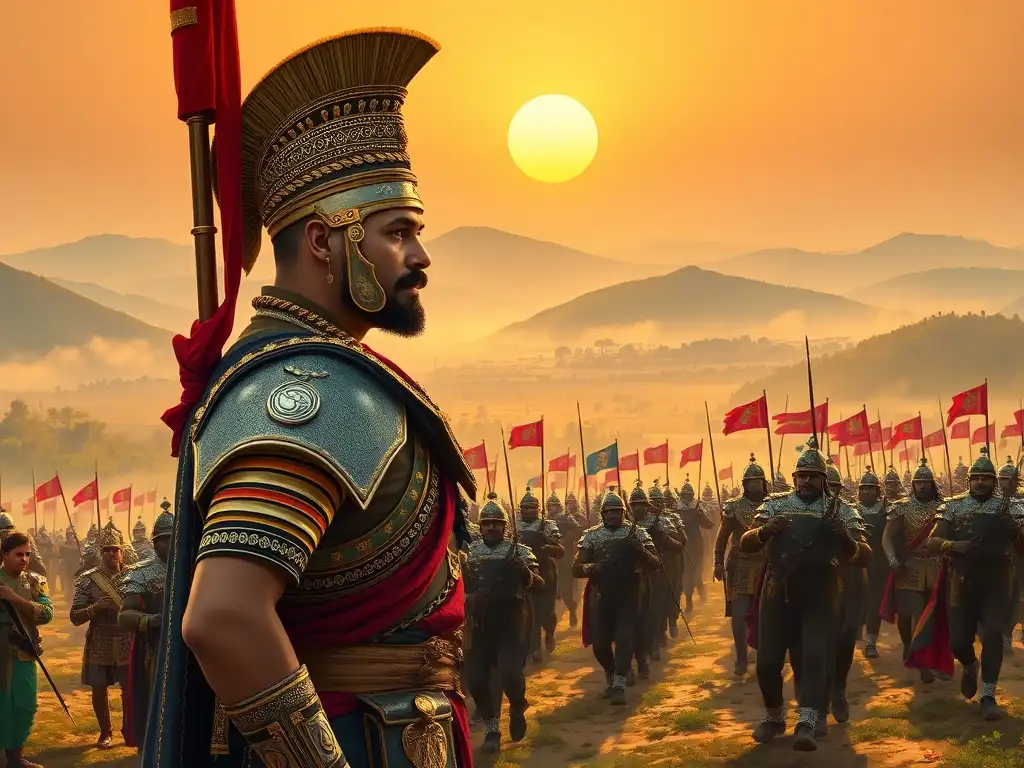
The Maurya Empire, one of the largest empires in ancient India, is renowned for its impressive military organization and strategic prowess. Spanning from 322 BCE to 185 BCE, the empire was founded by Chandragupta Maurya and reached its zenith under the rule of Ashoka the Great. The military strategy of the Maurya Empire was not just a means of conquest but also a vital component of its political framework, social structure, and cultural identity. Understanding this military organization provides insight into how the Maurya Empire maintained power and expanded its influence across the Indian subcontinent.
Overview of the Maurya Empire
The Maurya Empire emerged in the post-Vedic period, characterized by a complex political landscape marked by various regional kingdoms. Chandragupta Maurya strategically united these factions, utilizing both diplomacy and military might. Under his rule, the empire expanded to include much of present-day India and parts of Afghanistan.
The military of the Maurya Empire was a well-structured institution that incorporated various elements, including:
- Infantry: The backbone of the army, consisting of foot soldiers equipped with spears, swords, and shields.
- Cavalry: Horse-mounted troops that provided mobility and speed in warfare.
- War Elephants: A symbol of power and a formidable force on the battlefield, often used to charge enemy lines and instill fear.
- Chariots: Used for both transportation and combat, enhancing the army's tactical flexibility.
The Mauryan military strategy was not limited to conquest; it also involved maintaining control over vast territories through a network of fortified cities and outposts, ensuring rapid deployment of troops where needed.
Importance of Military Organization in Ancient India
The military organization of ancient India, particularly within the Maurya Empire, played a crucial role in shaping the political landscape. Several factors underline the significance of this military structure:
- Political Stability: A strong military presence helped establish and maintain political authority. The Maurya rulers, particularly Ashoka, understood that military power was essential in quelling rebellions and managing dissent.
- Economic Control: Military expeditions often led to the acquisition of valuable resources, trade routes, and territories. The Maurya Empire's control over trade networks bolstered its economy, facilitating wealth accumulation.
- Diplomatic Relations: The Mauryan military was also instrumental in diplomatic efforts. Demonstrating military strength could deter potential adversaries and foster alliances with neighboring kingdoms.
- Cultural Influence: The military campaigns of the Maurya Empire not only expanded territorial boundaries but also facilitated cultural exchange. The spread of Buddhism, particularly during Ashoka's reign, was significantly influenced by military conquests that brought diverse populations under a common rule.
The Maurya Empire's military strategy was a multifaceted institution that intertwined closely with political, economic, and cultural aspects of ancient Indian civilization. Its effectiveness laid the groundwork for one of the most significant empires in history, demonstrating how military organization can shape the trajectory of a nation's development.
Political Context of the Maurya Empire's Military
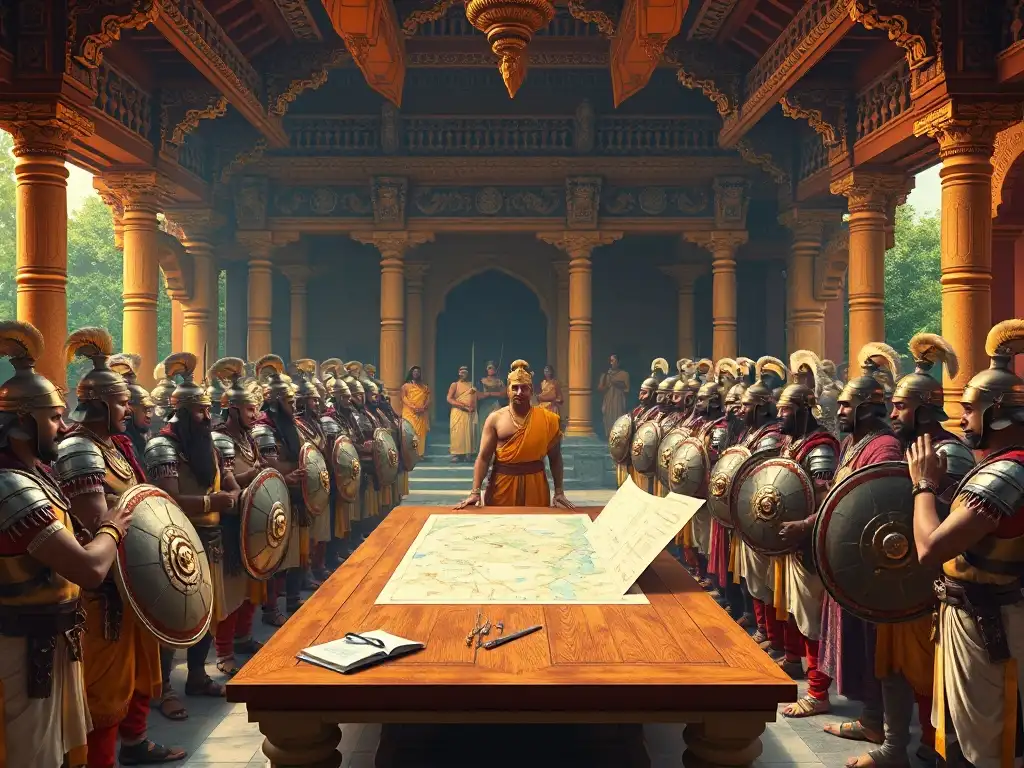
Role of the Mauryan Kings in Military Affairs
The Maurya Empire, established in 322 BCE by Chandragupta Maurya, was characterized by a centralized and powerful political structure that significantly influenced its military organization. The kings of the Mauryan dynasty played a crucial role in military affairs, embodying both political and military leadership. This dual role allowed them to directly oversee military campaigns and maintain control over vast territories.
Chandragupta Maurya, the empire's founder, is known for his strategic acumen. He successfully overthrew the Nanda dynasty with the help of a well-structured army, which he personally commanded. His grandson, Ashoka the Great, further exemplified the kings' military involvement. Initially, Ashoka was a fierce warrior, leading successful campaigns in Kalinga. However, after witnessing the devastating consequences of war, he shifted his focus towards diplomacy and governance, showcasing the evolution of military strategy within the empire.
The Mauryan kings maintained a hierarchical military structure, with the king at the top, followed by commanders (senapati), and various ranks of soldiers. This structure allowed for clear lines of command and effective mobilization of forces during times of conflict. The king's authority and charisma were vital in inspiring loyalty among troops, which was essential for maintaining a cohesive military force.
Political Stability and Military Strategy
Political stability was a cornerstone of the Maurya Empire's military strategy. The centralized authority of the Mauryan kings ensured that military resources were efficiently allocated and that strategic decisions were made swiftly. The empire's vast network of provinces, each governed by appointed officials, facilitated the rapid mobilization of troops when needed.
The Mauryan military strategy was characterized by both offensive and defensive tactics. The empire's armies were well-organized, employing infantry, cavalry, and war elephants, which provided a tactical advantage in battles. For instance, Ashoka's use of war elephants became a hallmark of Mauryan warfare, instilling fear in enemies and demonstrating the empire’s military prowess.
Moreover, the construction of extensive roads and communication networks played a crucial role in enhancing military logistics. These infrastructures allowed for the quick movement of troops and resources across the empire, ensuring that the Mauryan armies could respond effectively to threats. The emphasis on intelligence and reconnaissance also contributed to the empire's military effectiveness, enabling the kings to make informed decisions based on the movements of enemy forces.
Influence of Advisors and Ministers on Military Decisions
In the Maurya Empire, the influence of advisors and ministers on military decisions was significant. The king often relied on a council of ministers, known as the Mantriparishad, which included military strategists, diplomats, and administrative officials. These advisors played a pivotal role in shaping military policies and strategies, ensuring that decisions were grounded in both military expertise and political considerations.
One notable figure was Kautilya (Chanakya), the chief advisor to Chandragupta Maurya and author of the Arthashastra, a treatise on statecraft and military strategy. Kautilya’s insights into warfare, espionage, and political maneuvering were instrumental in establishing the Maurya Empire's military framework. His emphasis on deception, intelligence gathering, and strategic alliances influenced the empire's approach to both offense and defense.
Additionally, the relationship between the king and his ministers fostered a collaborative environment for military planning. Regular consultations ensured that military strategies aligned with the empire's political objectives. For example, during Ashoka’s reign, his advisors advocated for a shift from aggressive military expansion to a focus on internal stability and the promotion of dharma (moral law), reflecting a broader understanding of governance beyond mere conquest.
The political context of the Maurya Empire's military was shaped by the interplay of royal leadership, political stability, and advisory influence. The Mauryan kings, supported by their strategic advisors, crafted a military organization that not only expanded the empire's territory but also adapted to the changing political landscape of their time.
Structure of the Maurya Empire's Military
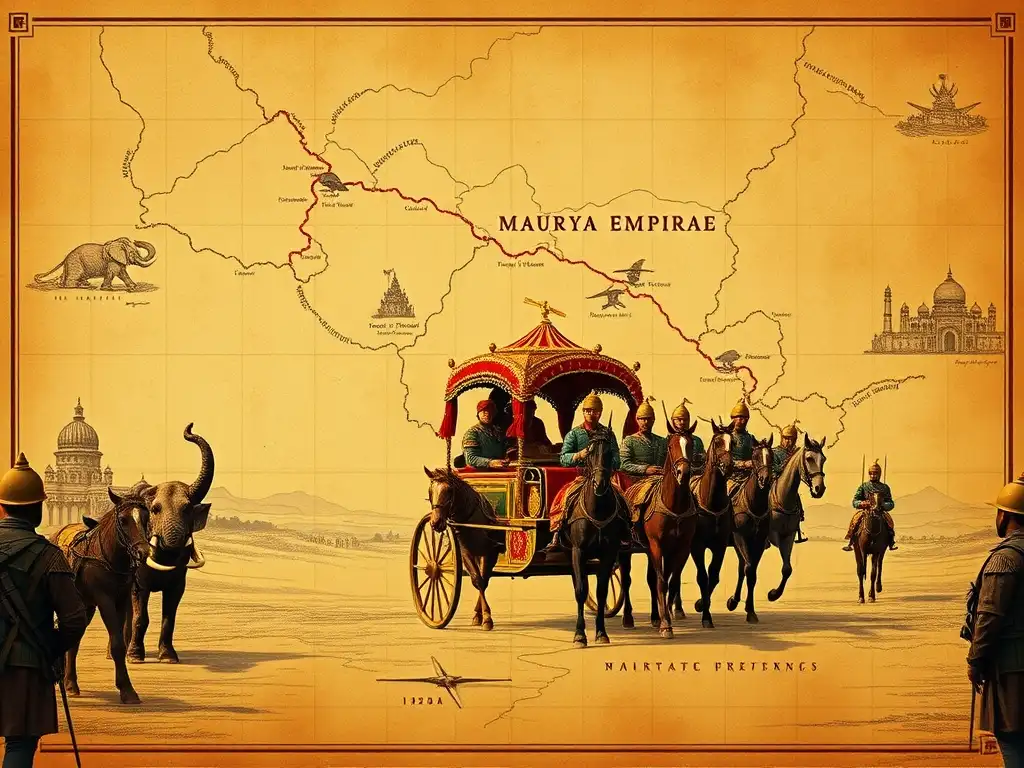
The military organization of the Maurya Empire was a cornerstone of its power and a significant factor in its expansion and control over vast territories. Understanding the structure of the Maurya Empire's military provides insights into its effectiveness and the strategic prowess that enabled it to dominate its contemporaries.
Composition of the Maurya Army
The Maurya Army was a well-structured and diverse force that combined various military units to achieve operational effectiveness. This composite army included infantry, cavalry, and war elephants, each playing a unique role in the military hierarchy.
Infantry: The Backbone of Military Might
The infantry was the backbone of the Maurya military, providing the bulk of the fighting force. Comprised of foot soldiers known as "padati," the infantry was trained to execute various combat techniques. Key aspects of the infantry included:
- Formation and Strategy: The infantry employed formations such as the phalanx, which allowed for coordinated attacks and defenses against enemy formations.
- Weapons and Armor: Soldiers were equipped with a variety of weapons, including swords, spears, and bows. They often wore armor made from leather or metal, enhancing their protection in battle.
- Tactics: The infantry utilized a combination of offensive and defensive tactics, adapting to the terrain and the enemy's strategies. For instance, they often engaged in siege warfare during conquests.
Cavalry: Mobility and Speed in Warfare
The cavalry played a crucial role in the Maurya military, providing speed and mobility that was vital for flanking maneuvers and rapid assaults. Key features of the cavalry included:
- Horsemen: Made up of skilled horsemen known as "ashvakarna," the cavalry units were adept at mounted combat and reconnaissance missions.
- Tactical Flexibility: The cavalry's ability to move quickly allowed them to exploit weaknesses in enemy lines and pursue fleeing foes, making them essential for both offense and defense.
- Integration with Infantry: Coordination between the cavalry and infantry was a hallmark of Maurya military strategy, allowing for combined arms tactics that maximized their collective effectiveness.
War Elephants: The Symbol of Power
War elephants were not only a tactical asset but also a potent symbol of royal authority and military prowess in the Maurya Empire. Their significance can be outlined as follows:
- Psychological Impact: The sight of war elephants charging into battle could demoralize enemy troops, creating panic and disarray.
- Combat Roles: Elephants were used in various roles, including as platforms for archers or as living tanks that could trample infantry or disrupt formations.
- Logistical Considerations: Maintaining these majestic animals required extensive resources, showcasing the empire's wealth and organizational capability.
Recruitment and Training Practices
The recruitment and training of the Maurya military were systematic and strategic, ensuring a steady supply of well-prepared soldiers. Key aspects of these practices included:
- Recruitment Sources: Soldiers were recruited from various social strata, including peasants, artisans, and local warriors. This diversity contributed to a well-rounded army capable of different combat roles.
- Training Regimens: Rigorous training was essential, focusing on physical conditioning, weapon proficiency, and battlefield tactics. Recruits underwent extensive drills to foster discipline and cohesion within units.
- Military Academies: The Maurya Empire is believed to have established military academies for the elite, enhancing the strategic understanding and leadership qualities of future commanders.
The Maurya Empire's military organization was a complex and effective structure that combined various elements into a cohesive fighting force. Its composition—infantry, cavalry, and war elephants—along with rigorous recruitment and training practices, underscores the sophistication of military strategy during this remarkable period in ancient Indian history.
Strategic Locations of Military Bases
The Maurya Empire's military organization was marked by its strategic placement of military bases throughout its vast territories. These locations were chosen based on several critical factors that enhanced the efficiency and effectiveness of the empire's military operations.
Geographic Considerations
The geography of ancient India played a pivotal role in determining the locations of military bases. Bases were often established near natural barriers such as rivers and mountains, which provided defensive advantages against invasions. For instance, the Himalayan foothills served as a natural defense line against northern threats, while rivers like the Ganges facilitated the movement of troops and supplies.
Proximity to Key Trade Routes
Military bases were also strategically situated along trade routes, which were vital for the economic stability of the empire. Controlling these routes not only ensured the flow of resources and wealth but also allowed for rapid troop movement in case of conflict. The Mauryan military could quickly respond to threats or deploy forces to suppress rebellions, maintaining stability across the empire.
Administrative Centers
Many military bases doubled as administrative centers, where local governance was streamlined alongside military operations. This dual function allowed for efficient mobilization of resources and coordination between military and civil authorities. Cities like Pataliputra, the capital of the Maurya Empire, served as critical hubs for both political power and military strategy, ensuring that the emperor could command forces effectively.
Fortifications and Readiness
The Maurya Empire invested in fortifications at these military bases, enhancing their defensive capabilities. Castles and walls were constructed to protect against sieges, and garrisons were well-equipped with supplies and armaments. This readiness was crucial for maintaining the empire's power and deterring potential aggressors.
Conclusion
The strategic locations of military bases within the Maurya Empire were determined by a combination of geographic advantages, proximity to trade routes, administrative efficiency, and robust fortifications. This meticulous planning contributed significantly to the effectiveness of the Maurya Empire's military strategy, enabling it to sustain its dominance in ancient India.
Key Military Strategies of the Maurya Empire
The Maurya Empire, one of the most prominent ancient Indian civilizations, employed a range of military strategies that were instrumental in establishing and maintaining its power. These strategies encompassed various facets of military organization, including defensive and offensive tactics, as well as diplomatic maneuvers. Understanding these military strategies provides insight into the empire's effectiveness in both protecting its territories and facilitating its expansion.
Defensive Strategies: Protecting the Empire's Borders
The Maurya Empire recognized the importance of safeguarding its vast borders, which extended across diverse terrains. To achieve this, the empire implemented several key defensive strategies:
- Fortifications and Strategic Locations: Major cities such as Pataliputra were fortified with strong walls and gates to deter invasions. The use of natural barriers, such as rivers and mountains, further enhanced these defenses.
- Garrison Troops: The Mauryas stationed garrisons in strategic locations along the frontier. These troops were responsible for monitoring potential threats and responding quickly to incursions.
- Intelligence Networks: A robust network of spies and informants was established to gather information about enemy movements and plans. This intelligence allowed the Mauryan leadership to make informed decisions regarding troop deployments and defensive preparations.
- Regular Drills and Training: The Maurya military emphasized the importance of training and discipline, ensuring that soldiers were well-prepared to defend their territory against any aggressors.
By implementing these defensive strategies, the Maurya Empire effectively minimized the risk of invasions and maintained stability within its borders.
Offensive Strategies: Expansion and Conquest
In addition to robust defenses, the Maurya Empire developed sophisticated offensive strategies that facilitated its expansion across the Indian subcontinent:
- Centralized Command Structure: The Mauryan military operated under a centralized command system, allowing for coordinated and strategic planning of military campaigns. This structure ensured that resources and personnel were effectively mobilized.
- Use of War Elephants: The Mauryas effectively utilized war elephants in battle, which were not only formidable in strength but also served as psychological tools to intimidate enemies. The presence of elephants on the battlefield often turned the tide in favor of the Mauryan forces.
- Combined Arms Tactics: The Mauryan army employed a combination of infantry, cavalry, and chariots, allowing for versatile tactics that could adapt to various battlefield conditions. This integration of different military units enhanced their overall effectiveness.
- Siege Warfare: The Mauryas were adept at conducting sieges, employing techniques such as surrounding enemy fortifications and cutting off supply routes. This strategy was particularly evident during the conquest of regions like Kalinga, where prolonged sieges led to eventual victories.
Through these offensive strategies, the Maurya Empire expanded its territory significantly, establishing itself as a dominant power in ancient India.
Use of Diplomacy and Alliances in Military Tactics
The Maurya Empire did not rely solely on military might; it also engaged in diplomatic strategies that complemented its military objectives:
- Strategic Marriages: The Mauryan rulers often arranged marriages with local monarchies to forge alliances and secure loyalty. These alliances not only strengthened their political position but also facilitated smoother conquests.
- Treaties and Agreements: The empire entered into treaties with neighboring states, offering protection in exchange for tribute or support. This approach helped to stabilize regions before military intervention became necessary.
- Cultural Integration: The Mauryas promoted cultural assimilation and integration among conquered peoples. By respecting local customs and practices, they reduced resistance and fostered loyalty among newly acquired subjects.
- Intelligence through Diplomacy: Diplomatic missions were often sent to gather information and assess potential threats. This intelligence was crucial for preemptive strikes and understanding the political landscape of neighboring regions.
By effectively combining military action with diplomacy, the Maurya Empire not only expanded its territories but also solidified its control over diverse populations, ensuring long-term stability and governance.
The military strategies of the Maurya Empire were multifaceted, incorporating defensive measures, offensive tactics, and diplomatic efforts. Together, these strategies were pivotal in establishing the Maurya Empire as a formidable power in ancient Indian history, showcasing a sophisticated understanding of military organization and statecraft.
Notable Military Campaigns and Their Impact
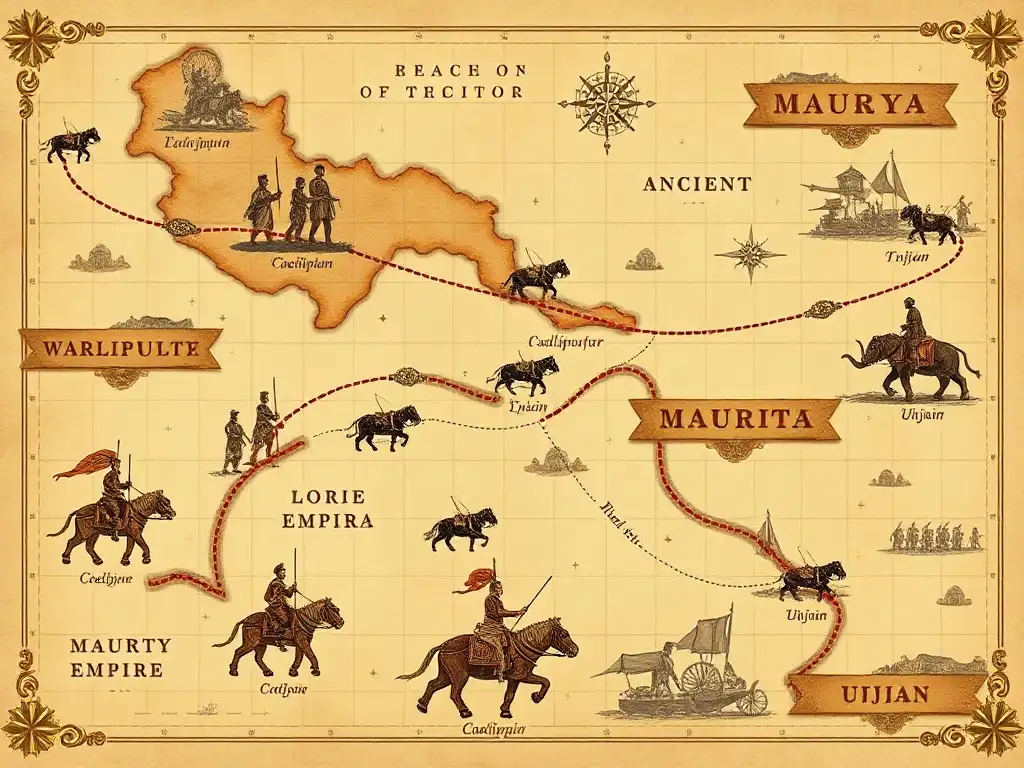
The Maurya Empire, known for its extensive military organization and strategic prowess, undertook several notable military campaigns that significantly shaped its power dynamics and territorial expansion. These campaigns were not merely military exercises; they played a crucial role in establishing the empire as a dominant force in ancient India, influencing both regional politics and cultural exchanges.
Chandragupta Maurya's Conquests
Chandragupta Maurya, the founder of the Maurya Empire, initiated a series of conquests that laid the groundwork for the empire's expansion. His military strategy was characterized by:
- Alliances and Espionage: Chandragupta leveraged alliances with local rulers and employed spies to gather intelligence on enemy movements. This approach allowed him to outmaneuver opponents effectively.
- Guerrilla Warfare: Early in his career, he utilized guerrilla tactics against the Nanda Dynasty, which was crucial for his eventual success in overthrowing them. The element of surprise and mobility was central to his strategy.
- Siege Warfare: His campaigns against various city-states involved meticulous planning and execution of siege warfare, which demonstrated advanced military tactics for the time. Notably, the conquest of Pataliputra was a pivotal moment that showcased his ability to besiege fortified cities.
Chandragupta's military campaigns not only expanded the territory of the Maurya Empire but also integrated diverse cultures and communities, setting a precedent for future rulers.
Ashoka the Great: Military Campaigns and Their Aftermath
Ashoka, the grandson of Chandragupta, is perhaps the most renowned Mauryan emperor, particularly for his military campaigns and their profound consequences. His reign marked a significant shift in military strategy and political ideology:
- Expansion through Warfare: Ashoka continued his grandfather's legacy by expanding the empire through military conquests. His notable campaigns included the annexation of Kalinga, which was achieved through a combination of strategic planning and brute force.
- Moral Reformation Post-War: The brutalities of the Kalinga War had a lasting impact on Ashoka. The immense loss of life led him to embrace Buddhism and adopt a policy of non-violence (Ahimsa) and Dharma. This marked a significant realignment of military strategy from expansionism to consolidation and governance through moral authority.
- Spread of Buddhism: After his conversion, Ashoka utilized his military resources to spread Buddhism, establishing missions across Asia. This not only changed the cultural landscape of the empire but also redefined its military objectives, focusing more on soft power than on territorial conquests.
Ashoka's campaigns illustrate a transition from aggressive military expansion to a focus on internal stability and ethical governance, fundamentally altering the Maurya Empire's approach to power.
Case Study: The Kalinga War and Its Significance
The Kalinga War (circa 261-262 BCE) stands as a hallmark of the Maurya Empire's military history, symbolizing both the zenith of its military prowess and the subsequent transformation of its governance. Key aspects of this significant conflict include:
- Background and Causes: Kalinga was a prosperous region with strategic importance along the eastern coast of India. Ashoka's desire to control trade routes and assert Mauryan dominance motivated the invasion.
- Military Strategy: The war showcased the Maurya Empire's military capabilities, employing vast armies, sophisticated siege techniques, and extensive logistics. Ashoka's forces faced fierce resistance, illustrating the challenges of subduing a formidable opponent.
- Humanitarian Consequences: The aftermath of the Kalinga War was devastating, with reports of over 100,000 deaths and many more displaced. This prompted Ashoka's profound transformation, leading to his commitment to non-violence and the promotion of Dharma.
- Cultural and Political Legacy: The Kalinga War marked a turning point in the empire's history. The resulting shift in policy not only solidified the Mauryan Empire's authority but also facilitated the spread of Buddhism, which became integral to its identity. Ashoka's edicts, inscribed across the empire, communicated his vision of governance based on ethics and compassion.
The Kalinga War exemplifies the dual nature of military strategy within the Maurya Empire—while it was a demonstration of military might, it also catalyzed a transformative political philosophy that prioritized moral governance over sheer conquest.
The Role of Military Technology in the Maurya Empire
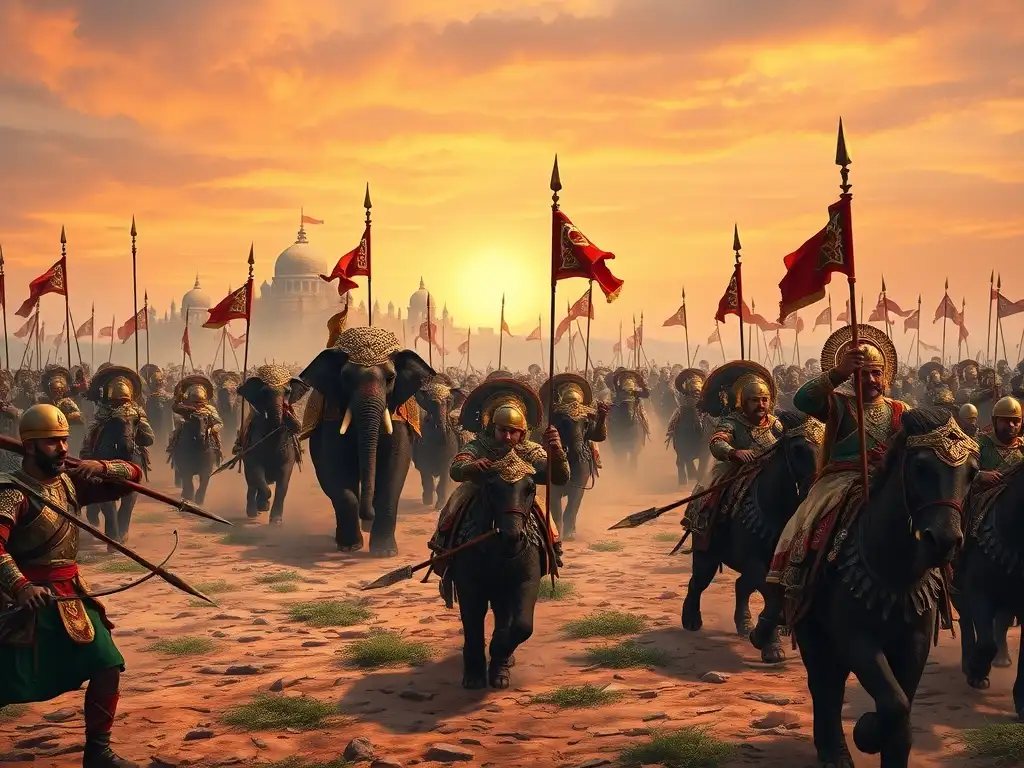
The military technology of the Maurya Empire played a pivotal role in shaping its power and influence throughout ancient India. The strategic use of advanced weaponry, armor, and fortifications not only enhanced the effectiveness of its military forces but also established a formidable presence that deterred potential adversaries. This section delves into the critical innovations in weaponry and armor, as well as the fortifications that defined the Maurya military strategy.
Innovations in Weaponry and Armor
The Maurya Empire, renowned for its military organization and strategy, embraced a variety of innovations in weaponry and armor that significantly enhanced its combat capabilities.
- Diverse Armaments: The Mauryan forces utilized a wide range of weapons, including:
- Swords: Crafted with superior metallurgy, these weapons were designed for both slashing and thrusting, allowing for versatility in combat.
- Spears and Pikes: These long-range weapons provided an advantage in infantry formations, enabling soldiers to engage enemies from a distance.
- Bows and Arrows: Advanced archery techniques were employed, with composite bows that offered greater range and power compared to traditional wooden bows.
- Armor Development: The Maurya military recognized the importance of protection in warfare:
- Metal Armor: Soldiers were often equipped with metal armor, which provided enhanced defense against enemy weapons. This included breastplates and helmets made from iron and other metals.
- Shields: Circular shields made from wood and reinforced with metal were commonly used, offering critical protection during close combat.
- Siege Technology: The Mauryan army also developed innovative siege technologies, including:
- Catapults and Ballistae: These devices allowed for the launching of projectiles at enemy fortifications, demonstrating advanced engineering skills.
- Battering Rams: Employed to breach walls, these rams were essential during sieges, showcasing the Mauryan focus on overcoming fortified positions.
The combination of these innovations not only equipped the Maurya Empire with a powerful military force but also underscored its strategic prowess in warfare.
Fortifications and Defensive Structures
The Maurya Empire's approach to military strategy was further bolstered by its impressive fortifications and defensive structures, which played a crucial role in protecting territories and maintaining control over vast regions.
- City Walls: Major cities within the empire, such as Pataliputra (the capital), featured robust walls constructed from stone and brick. These walls served as a primary line of defense against invasions, often incorporating:
- Moats: Surrounding the walls, moats added an additional layer of protection by making direct assaults more challenging.
- Watchtowers: Strategically placed towers allowed for early detection of enemy movements, enhancing the empire's preparedness for potential attacks.
- Fortresses: The Maurya Empire established fortified strongholds throughout its territory:
- Strategic Locations: Many fortresses were built on elevated terrain or near crucial trade routes, allowing for better surveillance and control over movement.
- Complex Layouts: These fortresses often featured intricate designs, including multiple layers of defense, gates, and hidden passages, making them difficult to conquer.
- Military Garrisons: To ensure swift responses to threats, the Maurya Empire maintained military garrisons in key locations:
- Troop Readiness: These garrisons allowed for rapid mobilization of forces, ensuring that the empire could defend its borders effectively.
The integration of advanced fortifications and defensive structures into the Maurya Empire's military strategy exemplified its commitment to safeguarding its territories and maintaining the stability of its rule. By prioritizing military technology and engineering, the Maurya Empire established itself as a dominant force in ancient Indian history, influencing subsequent civilizations in their approach to warfare and defense.
Conclusion: Legacy of the Maurya Empire's Military Organization
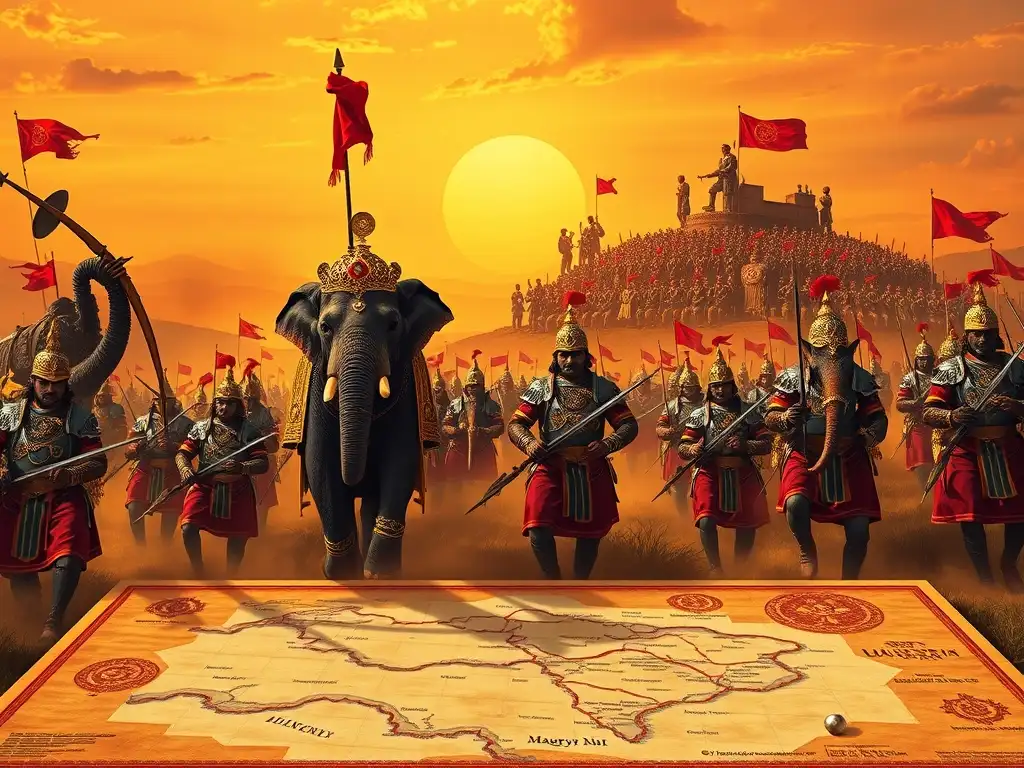
The Maurya Empire, with its sophisticated military organization, left an indelible mark on the history of ancient India. Its military strategies not only facilitated the expansion and consolidation of the empire but also established precedents that would influence subsequent Indian military structures for centuries to come. The Mauryan military was characterized by its integration of diverse forces, including infantry, cavalry, and war elephants, which were meticulously organized and strategically deployed. As a result, the Maurya Empire was able to maintain control over vast territories and diverse populations, demonstrating the effectiveness of its military organization.
Influence on Subsequent Indian Military Structures
The military organization of the Maurya Empire set the stage for future Indian empires, especially during the post-Mauryan period. Here are some of the key influences:
- Integration of Diverse Forces: The Mauryan military's successful use of a combined arms approach, which included infantry, cavalry, and elephants, was emulated by later dynasties such as the Sātavāhana and the Gupta Empire. This integration became a hallmark of Indian military strategy.
- Centralized Command Structure: The Maurya Empire established a centralized military command, allowing for swift decision-making and efficient mobilization of troops. This model influenced the administrative structures of later empires, which adopted similar command hierarchies to enhance military effectiveness.
- Logistical Innovations: The Mauryan emphasis on logistics and supply chains ensured that their armies were well-equipped and maintained during campaigns. Subsequent Indian rulers recognized the importance of logistics in sustaining military campaigns, leading to improved supply management practices.
The legacy of the Maurya Empire's military organization can be seen in the strategies employed by later Indian states, demonstrating the enduring impact of their military innovations.
Reflection on the Maurya Empire's Military Strategy in Historical Context
The military strategy of the Maurya Empire was not merely a reflection of its military capabilities but also a product of its political and cultural context. The empire, founded by Chandragupta Maurya, and later expanded under Ashoka, faced a myriad of challenges, including threats from neighboring kingdoms and internal dissent. The military strategies employed were thus adaptive and responsive to these challenges.
- Diplomacy and Warfare: The Maurya Empire skillfully balanced diplomacy with military action. The use of alliances, strategic marriages, and negotiations complemented their military campaigns, reflecting a nuanced understanding of power dynamics in ancient India. This dual approach set a precedent for future rulers who would also navigate the complexities of warfare and diplomacy.
- Moral and Ethical Dimensions: Under Ashoka, the military strategy evolved to incorporate a moral dimension, particularly after his conversion to Buddhism. His promotion of Dhamma (moral law) influenced not only military conduct but also the governance of the empire, emphasizing the importance of ethical leadership and non-violence in the aftermath of conquest.
- Cultural Integration: The Maurya Empire's military campaigns facilitated cultural exchanges across the subcontinent. The integration of diverse peoples and cultures within the empire enriched its military strategies, as local knowledge and practices were incorporated into military tactics.
The military strategy of the Maurya Empire serves as a critical lens through which we can understand not only its military achievements but also its broader political and cultural legacies. The complexities and innovations of the Maurya military organization continue to influence discussions on military strategy in historical and contemporary contexts.
Additional Resources for Further Reading
Recommended Books on the Maurya Empire and Military History
To gain a deeper understanding of the Maurya Empire's military strategy and its impact on ancient Indian civilization, the following books are highly recommended:
- "The Mauryan Empire" by Romila Thapar
- This comprehensive work delves into various aspects of the Mauryan Empire, including its military organization and strategies. Thapar's analysis provides valuable insights into how military power influenced political structures.
- "War and Society in Ancient India" by K. K. Dutta
- Dutta explores the relationship between warfare and society in ancient India, with specific references to the Maurya Empire. The book discusses the social implications of military strategies and the role of the army in statecraft.
- "The Art of War in Ancient India" by J. C. Sharma
- This book examines the military tactics used during the Maurya period, offering a detailed analysis of strategies, formations, and the evolution of warfare in ancient India.
- "Mauryan India: A Historical Overview" by Upinder Singh
- Singh's work provides an overview of the Maurya Empire, highlighting key military campaigns and the strategic brilliance of figures like Chandragupta Maurya and Ashoka the Great.
- "Military History of Ancient India" by R. C. Sharma
- A focused examination of military history, this book discusses various dynasties, including the Mauryas, and their military innovations and strategies.
Articles and Journals for In-Depth Studies on Ancient Indian Warfare
For those seeking scholarly articles and journals that provide in-depth analyses of ancient Indian warfare, particularly within the context of the Maurya Empire, consider these resources:
- Journal of Asian Studies
- This journal publishes articles on various aspects of Asian history, including military tactics and strategies utilized during the Maurya Empire.
- Indian Historical Review
- A prominent journal that often features articles related to the political and military history of ancient India, including studies focused on the Mauryan military organization.
- "The Role of Military Strategy in the Expansion of the Maurya Empire" - Journal of Historical Research
- This article analyzes the military strategies employed during the expansion of the Maurya Empire, detailing key battles and tactical innovations.
- "Military Logistics in Ancient India: The Maurya Period" - Journal of Military History
- This research paper discusses the logistical aspects of the Maurya military, exploring how supply chains and resource management contributed to their military effectiveness.
- "Chandragupta Maurya and His Military Campaigns" - South Asian Studies
- Focusing on the military campaigns of Chandragupta Maurya, this article provides insights into the strategic decisions that shaped the empire's expansion.
These resources will enhance your understanding of the Maurya Empire's military strategy, providing both historical context and detailed analysis of its military organization and tactics.
Frequently Asked Questions
What was the military strategy of the Maurya Empire?
The Maurya Empire's military strategy focused on centralized command, effective use of infantry, and strategic alliances, allowing for efficient control over vast territories.
How did the Maurya Empire ensure political stability through its military?
The empire maintained political stability by using a strong military presence to suppress rebellions and enforce loyalty, often integrating local leaders into their governance structure.
What role did war elephants play in the Maurya Empire's military tactics?
War elephants were vital to the Maurya military, serving as both a psychological weapon and a powerful force in battle, effectively disrupting enemy formations and providing mobility.
Who were the key figures in the military organization of the Maurya Empire?
Key figures included Chandragupta Maurya, the founder, and Ashoka, his grandson, both known for their innovative approaches to military organization and strategy.
How did the Gupta Empire differ from the Maurya Empire in terms of military strategy?
The Gupta Empire emphasized decentralization and regional autonomy, contrasting with the Maurya Empire's more centralized and hierarchical military organization.
Final Reflection: The Enduring Legacy of Maurya Empire Military Strategy
The military organization of the Maurya Empire serves as a profound example of how strategic thinking and political acumen can shape the course of history. In today's world, where geopolitical tensions and military strategies are constantly evolving, the lessons drawn from the Maurya Empire's military tactics remain strikingly relevant. The ability to adapt, innovate, and effectively manage resources is as crucial now as it was during the reign of Chandragupta Maurya and his successors.
Culture and society are often influenced by the military strategies employed by empires, and the Maurya Empire is no exception. The sophisticated military organization not only facilitated territorial expansion but also fostered a sense of unity and identity among its diverse populations. As we reflect on the impact of these strategies, we can draw inspiration from the words of Sun Tzu: In the midst of chaos, there is also opportunity.
This observation highlights the importance of strategic foresight and adaptability, qualities that resonate in both historical and contemporary contexts.
As we move forward, I invite you to reflect on the principles of military strategy and organization discussed in this article and consider how they apply to your own life. Whether in personal endeavors, professional challenges, or community initiatives, the essence of strategic planning and effective leadership can guide you toward success. Embrace the lessons of the Maurya Empire and allow them to inspire your journey, reminding you that the power of strategy lies not just in warfare, but in every aspect of life.
Unleash the Strategies of the Past!
Thank you for diving into the fascinating world of the Maurya Empire's military organization! Your curiosity about the intricate politics and strategies that shaped one of history's greatest powers is truly commendable. Now, it’s time to take that inspiration and transform it into action!
Here’s how you can explore further and make your newfound knowledge work for you:
- Join a local history group or an online forum to share insights and discuss the military strategies of the Maurya Empire with fellow enthusiasts.
- Read a book or watch a documentary about ancient military tactics to broaden your understanding of how these strategies influenced modern warfare.
- Try crafting your own tactical plan inspired by Mauryan strategies, applying it to a contemporary context or even a game scenario!
Which aspects of the Maurya Empire's military tactics do you believe would be most effective in today's world?