
The Role of Sculpture in Gupta Temples: Spiritual and Aesthetic Dimensions

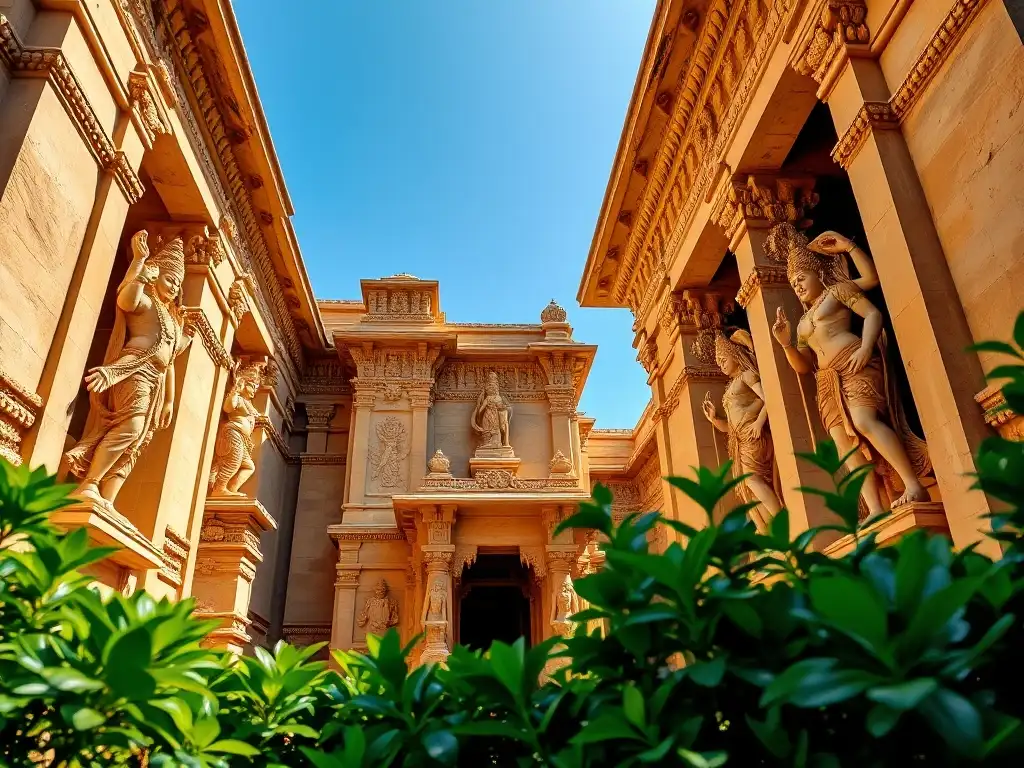
Welcome to Ancient India History, where we embark on a fascinating journey through the rich tapestry of ancient Indian civilizations. From the awe-inspiring Indus Valley to the illustrious Gupta Empire, our exploration invites you to delve deep into the cultural and historical significance that shaped this vibrant region. In our featured article, discover the significance of Gupta temple sculpture—a captivating intersection of spirituality and artistry that defined an era.
Are you ready to uncover the profound stories behind these masterpieces? Join us as we illuminate the past and inspire your curiosity to learn more about the artistic legacy of ancient India!
Introduction to Gupta Temple Sculpture Significance
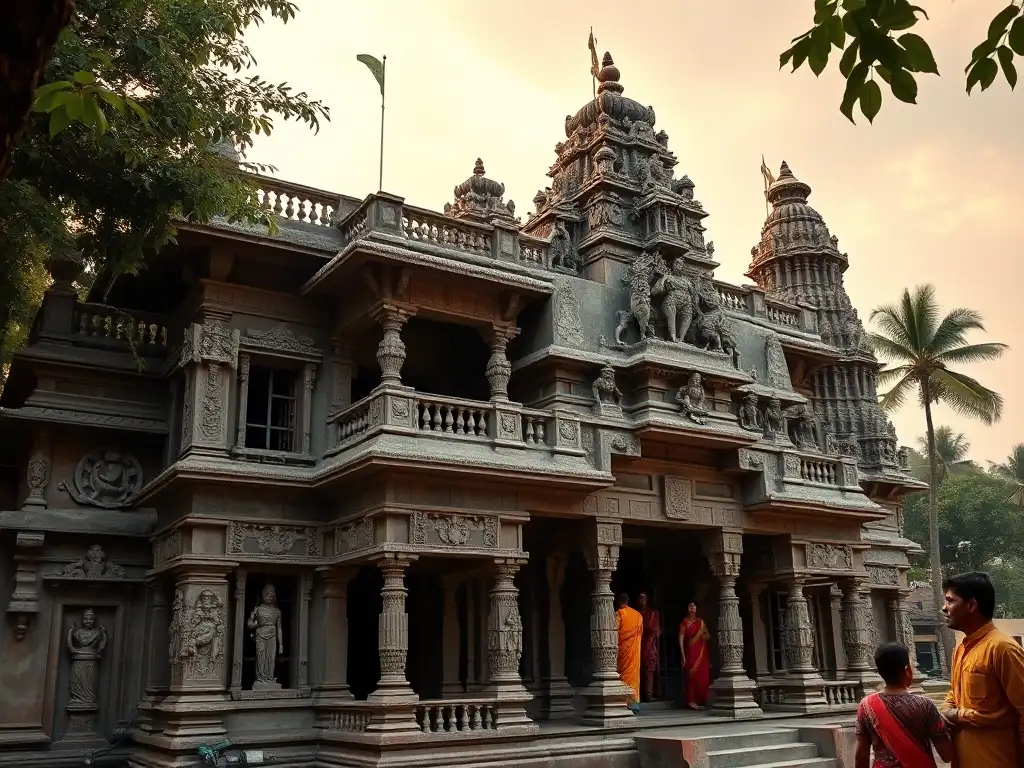
The Gupta Empire, often referred to as the "Golden Age" of India, was a period characterized by remarkable advancements in art, philosophy, and science from approximately 320 to 550 CE. Among its many artistic achievements, sculpture stands out as a profoundly significant medium that conveyed both spiritual and aesthetic dimensions within Gupta temples.
The Gupta temple sculpture significance serves not only as an artistic expression but also as a vital component of religious devotion, reflecting the intricate beliefs and cultural practices of the time. This article delves into the multifaceted role of sculpture in Gupta temples, analyzing its spiritual resonance and aesthetic appeal, while also situating it within the broader context of ancient Indian civilization.
Overview of Gupta Empire Art and Culture
The Gupta Empire was a melting pot of diverse cultural influences, which resulted in a rich tapestry of artistic expression. Characterized by a high degree of sophistication, Gupta art is known for its naturalism, intricate detailing, and spiritual depth.
- Influences: The art of this period drew from earlier Indian traditions, particularly the Mauryan and post-Mauryan styles, while also incorporating elements from Greco-Roman art due to trade and cultural exchanges.
- Artistic Techniques: Gupta sculptors employed techniques such as chisel work, high relief, and polychrome painting to create lifelike representations of deities, mythological figures, and everyday life.
- Themes: Common themes in Gupta sculpture included religious devotion, the celebration of divine beauty, and narratives from Hindu epics like the Ramayana and Mahabharata.
This artistic flourishing not only reflects the aesthetic values of the Gupta period but also underscores the importance of religion in everyday life, with sculptures serving as focal points for worship and meditation.
Importance of Sculpture in Ancient Indian Temples
Sculpture played a pivotal role in the architectural and spiritual landscape of ancient Indian temples, particularly during the Gupta period. The significance of these sculptures can be understood through several key aspects:
- Spiritual Connection: Sculptures in temples were designed to facilitate a connection between the divine and the worshippers. They often depicted deities in various forms, allowing devotees to visualize and invoke their presence during rituals.
- Narrative Function: Many sculptures served a storytelling purpose, illustrating tales from Hindu mythology and epics. This not only educated the devotees but also enriched their spiritual experience.
- Aesthetic Appeal: Beyond their religious significance, sculptures were crafted with an emphasis on beauty and artistry, contributing to the overall aesthetic experience of the temple. This blend of spirituality and artistry created an environment conducive to worship and reflection.
Historical Context of Gupta Temples
Understanding the context in which Gupta temples were constructed is essential to grasping the significance of their sculptures.
Development of Temple Architecture in the Gupta Period
The Gupta period witnessed a remarkable evolution in temple architecture, marked by distinct features that set it apart from previous styles:
- Structural Innovations: Temples began to adopt a more sophisticated layout, with the introduction of the shikhara (spire) and intricate doorways adorned with detailed carvings.
- Material Usage: Stone became the preferred material, allowing for greater durability and the ability to create intricate sculptures.
- Regional Variations: Different regions within the Gupta Empire showcased unique architectural styles, reflecting local traditions and preferences, yet all maintained the core spiritual essence.
Key Historical Events Influencing Gupta Sculpture
Several historical events played a crucial role in shaping the artistic landscape of Gupta sculpture:
- Patronage by Rulers: Gupta emperors, particularly Chandragupta II and Samudragupta, were known for their patronage of the arts, providing support and resources for temple construction and sculpture.
- Cultural Exchange: The Gupta Empire was a hub for trade and cultural exchanges, which introduced new artistic ideas and techniques, enriching the existing sculptural traditions.
- Religious Syncretism: The period saw a blend of various religious practices, including Hinduism, Buddhism, and Jainism, which influenced the themes and styles of temple sculptures.
The role of sculpture in Gupta temples transcends mere aesthetics; it embodies the spiritual spirit and cultural richness of an era that laid the foundations for many artistic traditions in India. As we explore these dimensions further, we will uncover the intricate interplay between art, spirituality, and history that defines Gupta temple sculpture.
Spiritual Dimensions of Gupta Temple Sculpture
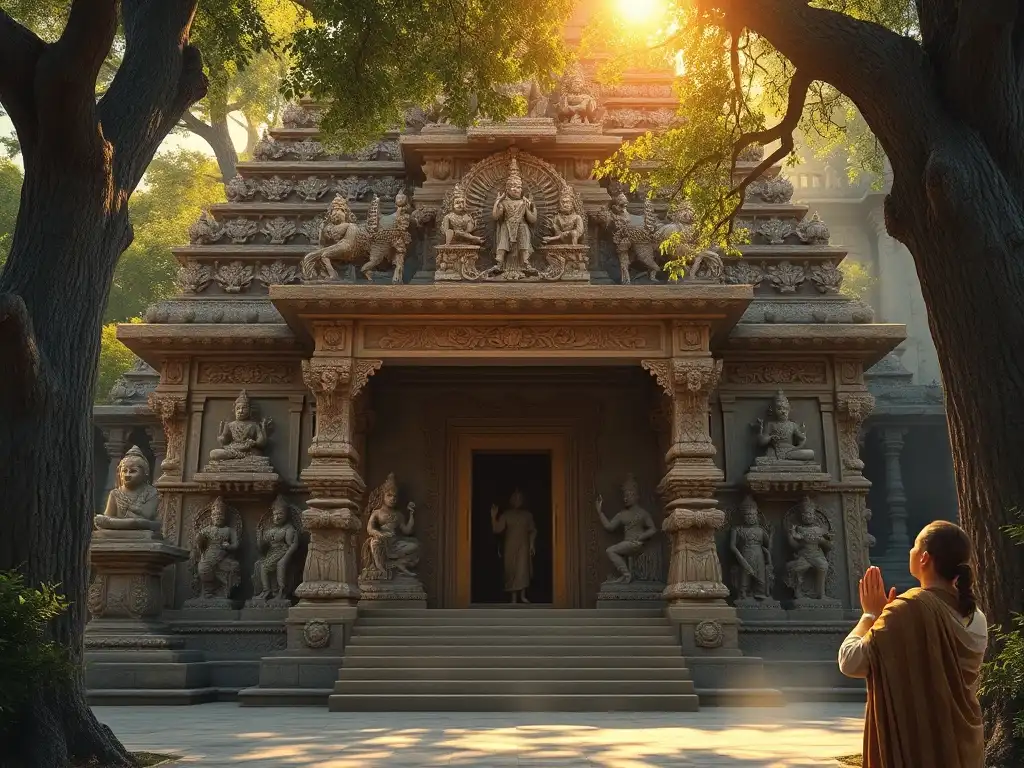
The spiritual dimensions of Gupta temple sculpture are profound, reflecting the deeply embedded religious beliefs and practices of the time. During the Gupta period (approximately 240 to 550 CE), temples emerged as the central sites for worship and community gatherings, with sculptures serving as vital conduits between the divine and the mundane. These works of art were not merely decorative; they played an integral role in the spiritual experience of devotees.
Gupta sculptures often depict various deities and celestial beings, intricately designed to engage the worshippers’ senses and elevate their spiritual consciousness. The sculptures functioned as focal points during rituals, embodying the divine presence and facilitating a connection to the sacred. Their placement within the temple architecture, often at the entrance or the sanctum sanctorum, enhances their significance, inviting the viewer into a spiritual journey.
Symbolism in Gupta Sculptural Art
Symbolism is a cornerstone of Gupta sculptural art, where each element is imbued with meaning. The postures, gestures (mudras), and expressions of the figures convey specific spiritual messages and narratives. For instance, the abhaya mudra, symbolizing protection and fearlessness, is commonly seen in depictions of deities such as Vishnu and Shiva, inviting devotees to seek solace and reassurance.
Moreover, the use of natural elements, such as lotus flowers, which symbolize purity and enlightenment, further enriches the spiritual narrative. The intricate carvings often represent cosmic themes, illustrating the interconnectedness of the universe and the divine. This symbolic language creates a multi-layered understanding of faith, encouraging worshippers to contemplate deeper philosophical concepts while engaging with the sculptures.
The Role of Deities in Gupta Temple Sculptures
Deities take center stage in Gupta temple sculptures, reflecting the era's prevailing religious ideologies, primarily Hinduism and Buddhism. The portrayal of gods and goddesses serves not only a devotional purpose but also illustrates the socio-political dynamics of the time. Temples were often dedicated to specific deities, and their sculptures acted as representations of divine authority and protection over the kingdom.
Sculptures of Vishnu, Shiva, and their consorts are prominent, each carved with meticulous attention to detail to convey their divine attributes and powers. The representation of Bodhisattvas in Buddhist temples illustrates the blend of beliefs and the cultural exchanges occurring during the Gupta period. Each figure narrates stories from sacred texts, inviting devotees to reflect on their teachings and virtues.
Spiritual Practices Associated with Sculpture in Temples
The spiritual practices surrounding Gupta temple sculptures are deeply intertwined with the rituals and ceremonies performed in these sacred spaces. Sculptures served as the focal points for various religious activities, including pujas (worship), offerings, and festivals. Devotees would often engage in circumambulation around the sculptures, a practice that symbolizes respect and reverence for the divine.
Additionally, the artistic representations were believed to be imbued with divine energy, making the rituals more potent. The act of creating and consecrating these sculptures was itself a spiritual practice, involving prayers and rites to invoke the deity's presence. This cycle of worship, art, and spirituality fostered a rich cultural environment that celebrated the divine through tangible forms.
Aesthetic Dimensions of Gupta Temple Sculpture
The aesthetic dimensions of Gupta temple sculpture are characterized by elegance, intricacy, and a harmonious blend of form and function. The craftsmanship of the period is notable for its attention to detail and the sophisticated techniques employed by artisans. The sculptures not only served spiritual purposes but also showcased the artistic prowess of the Gupta craftsmen, contributing to a visual language that transcended mere representation.
The aesthetic appeal of Gupta temple sculptures can be observed in the graceful proportions, fluid lines, and dynamic poses that bring the figures to life. The balance between realism and idealism in the portrayal of human and divine forms reflects a deep understanding of anatomy and proportion, setting a standard that would influence Indian art for centuries to come.
Artistic Techniques and Styles in Gupta Sculpture
Gupta sculpture is distinguished by its innovative artistic techniques and styles that emerged during this period. The use of high relief and low relief carving techniques allows for intricate detailing, creating depth and dimension in the sculptures. This careful manipulation of space enhances the viewer's engagement and brings the narratives to life.
The style of Gupta sculpture is marked by a sense of serenity and grace, often referred to as the "Gupta style." This style emphasizes smooth contours, delicate features, and elaborate clothing, reflecting the aesthetic values of the time. The artists skillfully incorporated elements from earlier traditions while introducing new stylistic innovations, creating a unique identity for Gupta art.
Materials Used in Gupta Temple Sculptures
The materials used in Gupta temple sculptures are as varied as the themes they depict. Stone was the primary medium, with sandstone and granite being the most commonly utilized materials. The choice of stone not only provided durability but also allowed for intricate detailing, which is evident in surviving sculptures today.
In addition to stone, other materials such as metal also played a role, particularly in smaller sculptures and ritual objects. Bronze casting techniques were employed to create exquisite figurines that served both functional and decorative purposes in temple worship. The choice of materials reflects the technological advancements of the Gupta period and the artisans' mastery over their craft, resulting in works that have withstood the test of time.
Influence of Gupta Sculpture on Later Indian Art
The influence of Gupta sculpture on later Indian art is profound, shaping artistic traditions for centuries. The techniques, styles, and iconography established during the Gupta period laid the groundwork for subsequent artistic movements, including the Chola and Mughal styles. The emphasis on realism, proportion, and expressive forms became hallmarks of Indian art.
Moreover, the thematic elements present in Gupta sculptures, such as the portrayal of deities and mythological narratives, continued to resonate in later artistic expressions. The Gupta aesthetic also influenced regional art forms, adapting and evolving as they merged with local traditions. This enduring legacy of Gupta sculpture underscores its significance, not just within its historical context, but as a foundational influence on the broader tapestry of Indian art history.
Major Examples of Gupta Temple Sculptures
The Gupta period, often referred to as the Golden Age of India, was marked by remarkable advancements in art and architecture, particularly in temple sculptures. These sculptures not only served as decorative elements but also played a vital role in conveying spiritual narratives. Some of the most significant examples of Gupta temple sculptures can be found in various temples across India.
- Dasavatara Temple in Deogarh: This temple is renowned for its exquisite carvings depicting the ten incarnations of Lord Vishnu. The reliefs are intricate and showcase the skill of Gupta artisans in portraying divine forms with grace and dynamism.
- Udayagiri Caves: These caves, near Vidisha, feature stunning rock-cut sculptures, including the famous image of the Varaha (boar) incarnation of Vishnu. The sculptures here demonstrate a transition from earlier styles to the more refined Gupta aesthetics.
- Kandariya Mahadeva Temple in Khajuraho: Although slightly later, this temple embodies the stylistic influences of the Gupta period, with its elaborate sculptures illustrating various deities and celestial beings. The attention to detail and the sensuous representation highlight the artistic zenith of this era.
- Sihora Temple: Famous for its elaborate carvings of deities and celestial figures, the Sihora Temple showcases the integration of spiritual themes and storytelling through sculpture, a hallmark of Gupta artistry.
Notable Temples Featuring Gupta Sculptures
Several notable temples stand out for their exceptional Gupta sculptures, contributing significantly to our understanding of the period's artistic achievements.
- Brahma Temple in Pushkar: This temple, dedicated to Brahma, features sculptures that reflect the cosmological and theological significance of the deity. The intricate carvings provide insight into the religious practices of the time.
- Sankaracharya Temple in Kaladi: This temple not only serves as a pilgrimage site but also showcases remarkable sculptures that embody the philosophical themes of the Gupta period, particularly the integration of spirituality and art.
- Surya Temple in Martand: This temple is celebrated for its stunning sun god reliefs. The sculptures illustrate the Gupta artists' mastery in depicting figures with a sense of movement and life, emphasizing the connection between divinity and nature.
Analysis of Iconic Sculptures from the Gupta Period
The sculptures from the Gupta period are not merely decorative; they are rich in symbolism and narrative depth. Analyzing some iconic sculptures reveals the sophistication of Gupta artistry.
- The Standing Buddha: This iconic representation embodies serenity and grace, reflecting the influence of Buddhism during the Gupta period. The detailed drapery and the gentle expression on Buddha's face signify enlightenment and peace.
- Nataraja: The depiction of Shiva as Nataraja, the Lord of Dance, showcases not only the technical skills of sculptors but also the philosophical ideologies of the time. The dynamic pose encapsulates the cosmic cycles of creation and destruction.
- Female Figures (Apsaras): The sculptures of Apsaras (celestial nymphs) are characterized by their graceful forms and elaborate hairstyles. These figures symbolize beauty and abundance, often seen as guardians of the temple, enhancing the spiritual ambiance.
Cultural Significance of Gupta Temple Sculptures
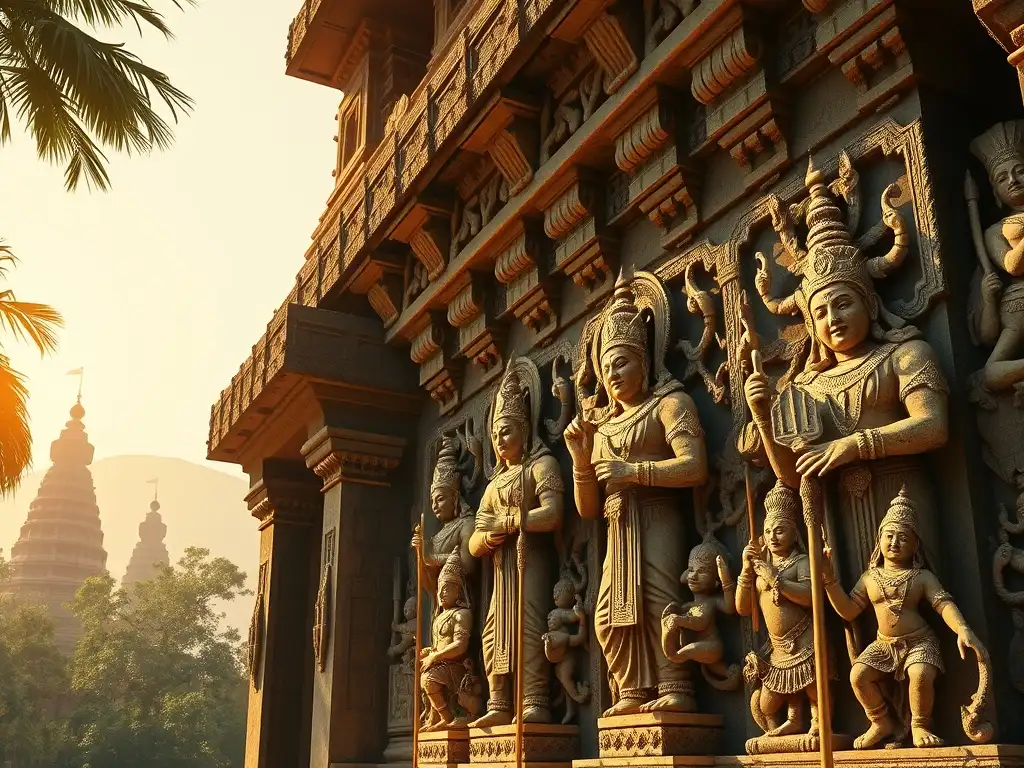
Gupta temple sculptures hold immense cultural significance, reflecting the values, beliefs, and artistic expressions of the time. They serve as a historical record of societal norms and spiritual aspirations.
Reflection of Social and Religious Values in Sculpture
The sculptures from the Gupta period mirror the intricate relationship between art, society, and spirituality.
- Religious Themes: The prevalence of Hindu deities and Buddhist figures in sculptures indicates the religious diversity and the syncretic nature of Indian spirituality during this era. Temples served as places of worship, and the sculptures were integral in conveying religious narratives.
- Social Hierarchy: Many sculptures depict figures of royalty and nobility, underlining the social structure of Gupta society. This representation of elite figures in divine contexts illustrates the intertwining of politics and religion, where rulers often sought divine sanction for their authority.
- Cultural Identity: The distinct styles and iconography in Gupta sculptures contributed to a sense of cultural identity, marking a departure from previous artistic traditions. This period established a template that would influence future generations of artists.
Influence on Regional Art Forms and Styles
The Gupta temple sculptures influenced various regional art forms and styles, leaving a legacy that persisted long after the decline of the Gupta Empire.
- Spread of Iconography: The iconographic styles and themes developed during this period spread across India, influencing temple architecture and sculpture in regions like South India and Southeast Asia. The representation of deities and narrative scenes became standardized in many subsequent artistic traditions.
- Evolution of Artistic Techniques: The techniques employed by Gupta sculptors, such as the use of smooth drapery and intricate detailing, set a precedent for later art forms, including the Chola and Vijayanagara styles, which further refined these techniques.
- Cultural Exchange: Gupta sculptures facilitated cultural exchange between India and neighboring regions, particularly through trade routes. The stylistic elements found in Gupta art can also be traced in Buddhist art in places like Cambodia and Indonesia, showcasing the far-reaching impact of this artistic legacy.
The significance of Gupta temple sculpture extends beyond aesthetics; it encapsulates the spiritual, social, and cultural dimensions of ancient Indian civilization, making it a vital area of study for understanding the Gupta Empire's contributions to art and culture.
Conclusion: The Lasting Impact of Gupta Temple Sculpture
The sculpture of Gupta temples represents a significant chapter in the history of Indian art, showcasing a harmonious blend of spiritual devotion and aesthetic excellence. Gupta temple sculpture is not merely decorative; it embodies the philosophical and religious ethos of the time, reflecting the intricate interplay between art and spirituality. This period saw the emergence of a distinctive style characterized by naturalism, intricate detailing, and a profound sense of movement, which has deeply influenced subsequent artistic traditions in India.
The lasting impact of Gupta temple sculpture can be seen in various aspects of Indian culture. It laid the groundwork for subsequent artistic movements, inspiring artisans and sculptors in later dynasties, including the Chola and Mughal empires. The themes and iconography established during the Gupta period continued to resonate in later art forms, emphasizing the importance of divine figures and narratives. Furthermore, the architectural techniques and stylistic elements innovated during this time have been preserved in numerous temples across India, serving as a testament to the Gupta artisans' skills and creativity.
Summary of Gupta Temple Sculpture Significance
Gupta temple sculpture is significant for several reasons, encapsulating the spiritual, cultural, and artistic achievements of the Gupta Empire. Firstly, these sculptures served a vital role in religious practices, often depicting deities and mythological narratives that were central to Hindu worship. The intricate carvings and statues not only adorned temple walls but also helped convey spiritual teachings to worshippers, making the divine accessible through visual representation.
Secondly, the aesthetic quality of Gupta sculptures is unparalleled, marked by a balance of form and expression that conveys both beauty and emotion. Artists of this era mastered the use of line and proportion, resulting in lifelike figures that exhibit grace and dynamism. This attention to detail not only enhanced the viewer's experience but also set a benchmark for artistic expression in Indian sculpture.
Finally, the cultural significance of Gupta sculpture extends beyond its religious context. It reflects the socio-political climate of the time, showcasing the prosperity and stability of the Gupta Empire, which allowed art and culture to flourish. The themes explored in these sculptures, such as love, valor, and devotion, resonate with universal human experiences, ensuring their relevance through the ages.
Legacy of Gupta Sculpture in Contemporary Art and Culture
The legacy of Gupta sculpture continues to influence contemporary art and culture in multiple ways. Modern artists draw inspiration from the themes, styles, and techniques developed during the Gupta period, integrating these elements into their own creations. The emphasis on storytelling through visual media remains a vital aspect of Indian art, echoing the narrative quality of Gupta sculptures.
Moreover, the preservation and study of Gupta temple sculptures have enriched contemporary understanding of India’s artistic heritage. Museums and cultural institutions showcase these ancient masterpieces, allowing new generations to appreciate their historical significance and artistic beauty. Educational programs often highlight the importance of Gupta art in the broader context of Indian civilization, fostering a sense of pride in cultural heritage.
In architecture, the principles established during the Gupta period have been revisited in modern temple designs, where traditional motifs and sculptural forms are reinterpreted to create spaces that honor both the past and present. The spiritual connection fostered by Gupta sculptures is evident in contemporary religious practices, where devotees engage with the same divine figures that have inspired worship for centuries.
In essence, the significance of Gupta temple sculpture transcends time, continuing to inspire and shape the artistic and cultural landscape of India today. Its enduring impact can be seen in various forms, from fine arts to architecture, reflecting the timeless nature of its beauty and spirituality.
- Introduction to Gupta Temple Sculpture Significance
- Overview of Gupta Empire Art and Culture
- Importance of Sculpture in Ancient Indian Temples
- Historical Context of Gupta Temples
- Spiritual Dimensions of Gupta Temple Sculpture
- Spiritual Practices Associated with Sculpture in Temples
- Aesthetic Dimensions of Gupta Temple Sculpture
- Major Examples of Gupta Temple Sculptures
- Cultural Significance of Gupta Temple Sculptures
- Conclusion: The Lasting Impact of Gupta Temple Sculpture
- Summary of Gupta Temple Sculpture Significance
- Legacy of Gupta Sculpture in Contemporary Art and Culture
Frequently Asked Questions
What is the significance of Gupta temple sculpture?
The Gupta temple sculpture reflects the spiritual and aesthetic values of the time, showcasing intricate artistry that served both religious and cultural purposes.
How did sculpture evolve during the Gupta period?
During the Gupta period, sculpture became more refined and expressive, marking a shift towards naturalism and storytelling in artistic representations.
What themes are commonly depicted in Gupta temple sculptures?
Gupta temple sculptures often depict deities, mythological scenes, and everyday life, highlighting the religious and cultural richness of ancient Indian society.
How did the Gupta Empire influence later art forms?
The Gupta Empire laid the foundation for Indian classical art, influencing subsequent periods with its emphasis on intricate craftsmanship and spirituality in art.
What materials were typically used in Gupta temple sculptures?
Gupta temple sculptures were primarily crafted from stone, such as sandstone and granite, allowing for detailed carvings that have withstood the test of time.
Final Reflection: The Enduring Significance of Gupta Temple Sculpture
The exploration of Gupta temple sculpture significance reveals not only the artistic brilliance of this era but also its profound spiritual implications that resonate in contemporary society. As we navigate a world increasingly disconnected from its cultural roots, the intricate carvings and sculptures of Gupta temples serve as a reminder of the power of art to convey deeper meanings and evoke a sense of transcendence. These works are not merely relics of the past; they are vibrant expressions of faith and creativity that continue to inspire and inform our understanding of spirituality today.
The impact of Gupta temple sculpture extends far beyond its historical context, influencing modern artistic practices and cultural expressions. These sculptures encapsulate a dialogue between the divine and the earthly, inviting us to reflect on our own beliefs and values. As we engage with these artistic masterpieces, we are reminded of the words of art historian John Onians: Art is a bridge between the sacred and the secular, allowing us to explore the depths of our humanity.
This ongoing dialogue underscores the relevance of Gupta temple sculptures in shaping our cultural and spiritual landscapes, encouraging us to find connections between the past and our present experiences.
As we conclude our exploration of this remarkable topic, I invite you to reflect on the lessons embedded within Gupta temple sculptures. Consider how these artistic expressions can inspire you to seek beauty and meaning in your own life. Embrace the opportunity to connect with your cultural heritage and recognize the significance of art as a vehicle for spiritual exploration. Let the legacy of Gupta temple sculpture guide you in your journey, reminding you that creativity and spirituality are intertwined, and that each of us has the potential to contribute to this ongoing narrative.
Unveil the Mysteries of Gupta Temple Sculpture!
Thank you for diving into the captivating world of Gupta temple sculptures with us! We hope you’ve gained a deeper insight into how these artistic marvels merge spirituality and aesthetics. Now, let’s keep that inspiration alive by taking action!
- Explore your local museums or galleries to see if they feature artifacts from the Gupta period or works inspired by this remarkable era.
- Join an online forum or social media group dedicated to ancient Indian history to share your thoughts and engage with fellow enthusiasts.
- Attend a workshop or class that focuses on sculpture or Indian art history to deepen your understanding and appreciation.
As you continue your journey through the art and history of Gupta temples, consider what aspects of the sculpture resonate with you the most and how they reflect your own sense of art and culture.