
The Exchange of Art Techniques: Indian Influence on Chinese Pottery

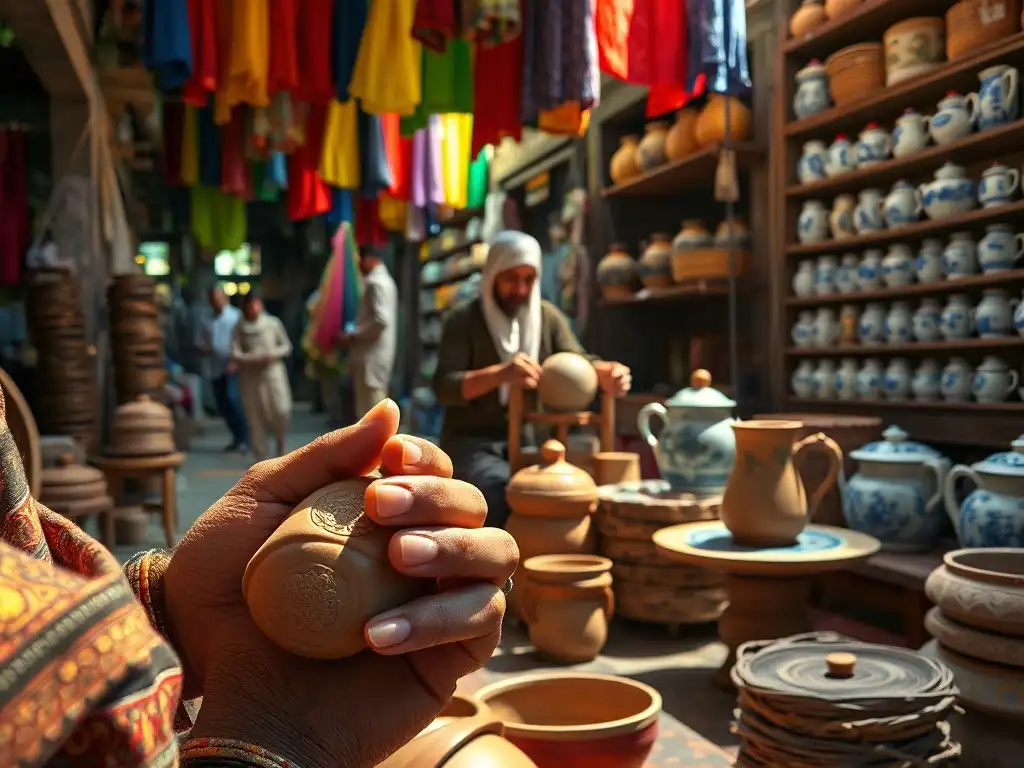
Welcome to Ancient India History, where we delve into the fascinating tapestry of India's past! Here, you’ll uncover the rich and diverse narratives of ancient civilizations, exploring everything from the majestic Indus Valley to the illustrious Gupta Empire. In our featured article, "The Exchange of Art Techniques: Indian Influence on Chinese Pottery," we unravel the intricate connections between these two great cultures. What artistic secrets did ancient Indians share that transformed Chinese pottery? Join us on this journey through time and discover the profound impact of Indian craftsmanship on its neighboring civilizations. Your adventure into history awaits!
Introduction to Indian Influence on Chinese Pottery
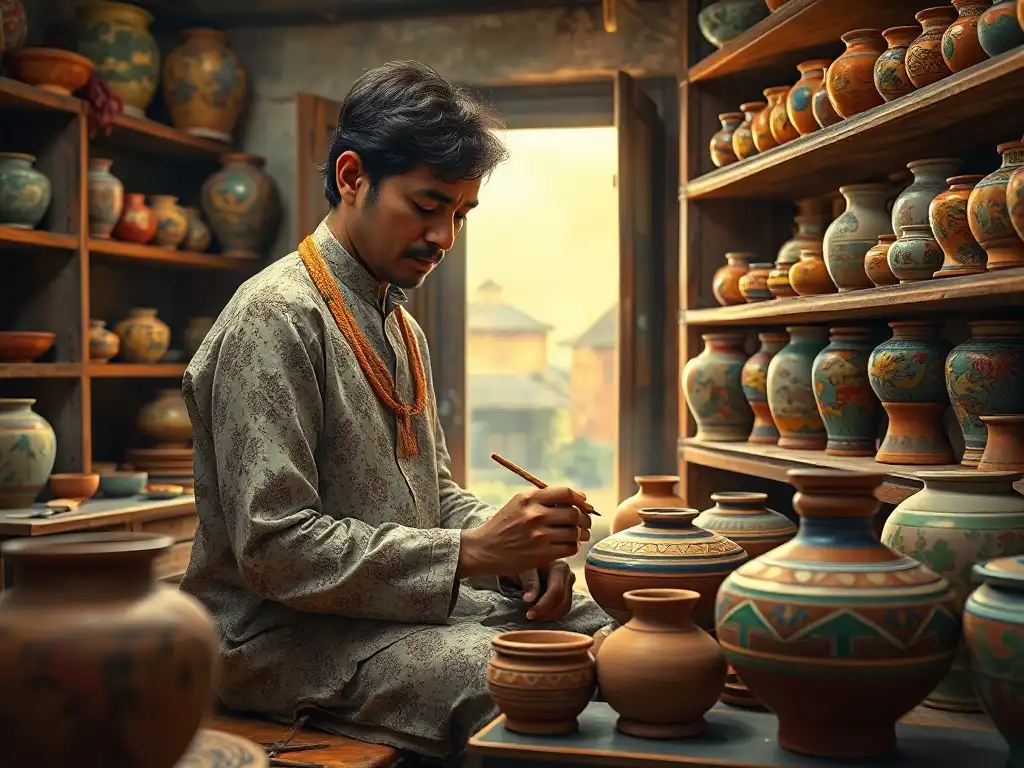
The intricate tapestry of ancient civilizations is often woven with threads of cultural exchange, innovation, and mutual influence. One particularly fascinating aspect of this is the Indian influence on Chinese pottery, a relationship that reflects the profound artistic and technological exchanges between these two great cultures.
From the exquisite craftsmanship of the Indus Valley to the intricate designs of the Gupta Empire, Indian pottery techniques have left an indelible mark on Chinese ceramic art. This article delves into the historical context, key interactions, and the significance of these exchanges, highlighting how Indian artistry shaped Chinese pottery as we know it today.
Overview of Indian Pottery Techniques
Indian pottery has a rich history characterized by various techniques and styles. Key aspects include:
- Hand-building Techniques: Early Indian potters primarily used hand-building methods, such as coiling and pinching, to create functional and decorative pottery.
- Glazing and Decoration: The use of natural pigments and intricate designs, including motifs inspired by nature and mythology, were prevalent in Indian pottery.
- Firing Techniques: Innovations in firing methods, including the use of high-temperature kilns, allowed for greater durability and aesthetic quality in pottery.
These techniques not only served practical purposes but also conveyed cultural narratives, making Indian pottery a significant art form that influenced neighboring regions, including China.
Significance of Cultural Exchange in Art
Cultural exchange in art is not merely about the transfer of techniques; it encompasses the sharing of ideas, aesthetics, and philosophies that shape societies. The Indian influence on Chinese pottery exemplifies this, as it illustrates how:
- Art as a Reflection of Society: Pottery reflects the values, beliefs, and daily lives of the cultures that create them.
- Innovation through Exchange: Interactions between Indian and Chinese artisans facilitated the introduction of new materials and styles, enriching both traditions.
- Preservation of Heritage: The adaptation of pottery techniques helps preserve cultural identities, allowing civilizations to maintain a connection with their past.
Through these exchanges, both Indian and Chinese pottery evolved, leading to the creation of unique styles that enriched their respective artistic heritages.
Historical Context of Indian-Chinese Interactions
Understanding the Indian influence on Chinese pottery requires a look at the historical context of the interactions between these two civilizations. Significant developments occurred over centuries, driven by trade, diplomacy, and cultural curiosity.
Early Trade Routes between India and China
The establishment of trade routes, such as the Southern Silk Road, played a crucial role in facilitating exchanges between India and China. Key features of these routes include:
- Trade Goods: Spices, textiles, and pottery were commonly traded, leading to the exchange of not only goods but also techniques and ideas.
- Cultural Interactions: As traders and travelers moved along these routes, they shared stories, art forms, and religious beliefs, promoting a rich cultural dialogue.
- Influence of Buddhism: The spread of Buddhism from India to China further intensified cultural exchanges, leading to the incorporation of Indian artistic elements into Chinese pottery.
Cultural Exchanges during the Silk Road Era
The Silk Road Era marked a pinnacle of cultural exchange, where art, religion, and technology flourished. This period saw:
- Cross-Influences in Art: Indian pottery techniques began to influence Chinese ceramics, evident in the adoption of specific styles and motifs.
- Workshops and Guilds: The establishment of workshops along trade routes enabled artisans to collaborate and innovate, blending techniques from both cultures.
- Legacy of Exchange: The resulting artworks not only served utilitarian purposes but also became symbols of the enduring relationship between India and China.
The intricate interplay between Indian and Chinese pottery techniques during these historical periods underscores the significance of their exchanges, ultimately shaping the artistic landscape of both civilizations.
Key Indian Pottery Techniques Influencing Chinese Art
The exchange of art techniques between ancient India and China played a pivotal role in shaping the ceramic traditions of both civilizations. Indian pottery, renowned for its intricate designs and innovative methods, significantly influenced Chinese pottery through various techniques. This section will explore the key Indian pottery techniques that found their way into Chinese art, illuminating how these exchanges enriched both cultures.
Glazing Techniques from India
One of the most significant contributions from Indian pottery to Chinese ceramics is the advancement of glazing techniques. Indian potters were adept at using a variety of glazing methods, creating surfaces that were not only functional but also aesthetically appealing.
- Lead Glaze: Indian artisans utilized lead-based glazes that provided a glossy finish and vibrant colors. This technique was later adopted by Chinese potters, enhancing the visual appeal of their wares.
- Ash Glazing: Another method was ash glazing, which involved the use of wood ash in the glazing process. This technique allowed for unique textures and colors, showcasing the potter's skill and creativity.
The impact of these glazing techniques can be seen in the early Chinese stoneware, where shiny surfaces and rich colors became prominent features.
Decorative Patterns and Motifs
Decorative elements played a crucial role in the aesthetics of pottery, and Indian influences brought a wealth of new patterns and motifs to Chinese ceramics.
- Floral Designs: Indian pottery often featured intricate floral designs and geometric patterns. These motifs were absorbed into Chinese pottery, leading to the emergence of new decorating styles that combined Indian aesthetics with traditional Chinese elements.
- Narrative Scenes: Indian craftsmen frequently depicted stories and myths on their pottery. This narrative approach inspired Chinese artisans to incorporate storytelling into their decorative ceramics, enriching the cultural significance of the pottery.
The blending of these decorative traditions not only enhanced the beauty of the pottery but also deepened the cultural narratives conveyed through these art forms.
Kiln Technology and Firing Methods
The technological advancements in kiln construction and firing methods from India significantly influenced Chinese pottery production.
- Anagama Kilns: Indian potters employed anagama kilns, which allowed for higher temperature firings and better control over the atmosphere during the firing process. This technique improved the durability and quality of the pottery, making it more appealing in markets.
- Reduced Oxygen Firing: The practice of firing pottery in reduced oxygen environments, which originated in Indian ceramics, led to the development of unique surface effects and color changes in pottery glazes. This method was later adapted by Chinese potters to enhance their ceramic products.
As a result of these technological exchanges, Chinese pottery production saw a marked improvement, leading to innovations in both form and function.
Case Studies of Indian Influence on Chinese Pottery
Examining specific instances of Indian influence on Chinese pottery provides a clearer understanding of this cultural exchange. Various artifacts and styles serve as evidence of how Indian techniques were integrated into Chinese ceramic practices.
Specific Examples of Influenced Pottery Styles
Several notable pottery styles illustrate the direct influence of Indian techniques on Chinese ceramics:
- Ding Ware: This Chinese pottery style, known for its white stoneware, showcases Indian influence through its delicate carving and glazing techniques. The intricate designs often mirror those found in Indian pottery.
- Yaozhou Ware: Characterized by its greenish glaze and carved decoration, Yaozhou ware reflects the influence of Indian motifs and glazing methods. The patterns often resemble those found in Indian ceramics, emphasizing the aesthetic exchange.
These examples highlight how Indian pottery techniques were not merely adopted but adapted and transformed within the Chinese ceramic tradition.
Comparative Analysis of Indian and Chinese Pottery
A comparative analysis of Indian and Chinese pottery reveals both distinct similarities and differences, underscoring the influence of Indian techniques on Chinese ceramics.
| Feature | Indian Pottery | Chinese Pottery |
|---|---|---|
| Glazing Techniques | Lead and ash glazing | High-gloss finishes with varied glazes |
| Decorative Patterns | Intricate floral and geometric motifs | Narrative scenes and traditional motifs |
| Kiln Technology | Anagama kilns with reduced oxygen firing | Multi-chamber kilns for diverse firing |
| Cultural Significance | Reflects religious and mythological themes | Rooted in Confucian ideals and symbolism |
This table encapsulates how the nuances in pottery styles reflect the cultural values and technological advancements of each civilization. The interplay of techniques, designs, and firing methods illustrates the significant Indian influence on Chinese pottery, showcasing a rich tapestry of artistic collaboration and exchange.
The Role of Buddhism in Cultural Exchange
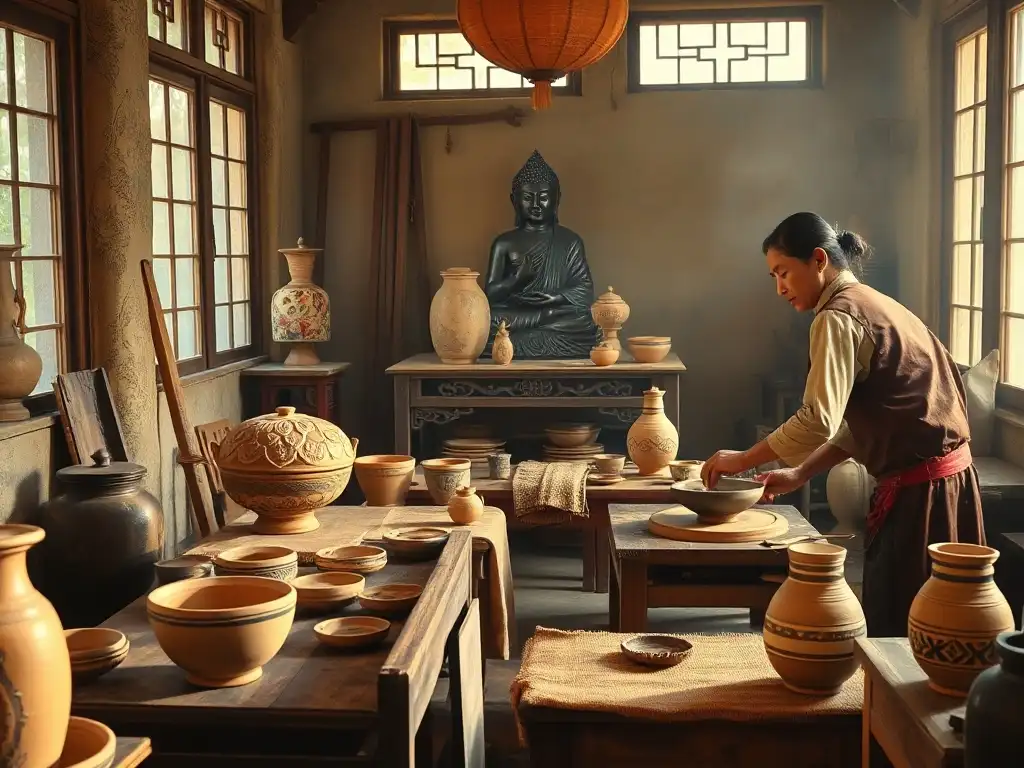
Buddhism played a pivotal role in facilitating cultural exchanges between India and China, particularly in the realm of art and pottery. Originating in India in the 5th century BCE, Buddhism spread rapidly throughout Asia, reaching China by the 1st century CE. This religious movement not only brought spiritual teachings but also introduced various artistic expressions that significantly influenced Chinese culture. Monasteries became centers of cultural dialogue, where artists and craftsmen from both regions collaborated, leading to a cross-pollination of ideas that shaped the artistic landscape of pottery.
The propagation of Buddhism was often accompanied by the establishment of trade routes, most notably the Silk Road. These routes enabled not just the movement of goods, but also of artistic techniques and styles. As Buddhist monks traveled between India and China, they brought along various forms of art that were closely tied to the teachings of Buddhism, including iconography that would soon be reflected in Chinese pottery. The use of specific motifs, such as lotus flowers and bodhisattvas, became prevalent in Chinese ceramics, showcasing how deeply intertwined the two cultures became through this spiritual exchange.
Buddhist Art and Its Impact on Pottery
Buddhist art emerged as a significant influence on the development of pottery in China, particularly during the Tang and Song dynasties. The introduction of Buddhist themes into pottery designs marked a departure from traditional Chinese motifs, which often centered around nature and daily life. With the advent of Buddhist aesthetics, potters began to incorporate imagery that depicted Buddhist symbols and narratives, such as the Buddha himself and scenes from Jataka tales.
One prominent example of this influence can be seen in the creation of glazed pottery, which was inspired by Indian techniques. The use of vibrant colors and intricate designs in Chinese pottery during these periods can be traced back to Indian artisans who introduced new glazing methods and styles. The aesthetic sensibilities brought forth by Buddhism enriched the visual vocabulary of Chinese pottery, allowing for a more diverse and expressive range of forms and decorations.
Cross-Cultural Artistic Expressions in Pottery
The interaction between Indian and Chinese pottery is characterized by a rich tapestry of cross-cultural artistic expressions. This blending of styles can be observed in various pottery forms, such as the early Chinese celadon wares, which exhibit influences from Indian terracotta techniques. The adoption of specific shapes, like the stupa, a prominent architectural form in Buddhist culture, manifested in pottery designs across Chinese regions.
Moreover, the integration of Buddhist narratives into pottery not only served a decorative purpose but also acted as a medium for storytelling, illustrating the profound influence of Indian themes on Chinese ceramic art. This cultural exchange led to the creation of unique pottery styles that reflected a synthesis of Indian and Chinese artistic philosophies, establishing a legacy that continues to be appreciated today.
Modern Perspectives on Indian Influence in Chinese Pottery
In contemporary discourse, the recognition of Indian influence on Chinese pottery has gained traction among historians and art critics alike. As scholars delve deeper into the historical connections between these two civilizations, the impact of Indian techniques and styles on Chinese ceramics has become increasingly acknowledged. This perspective has opened new avenues for understanding the evolution of pottery and art in both cultures, emphasizing the importance of intercultural exchange.
Continuation of Techniques in Contemporary Pottery
Today, certain pottery techniques that originated from Indian influences continue to resonate within Chinese ceramic practices. Modern potters are revisiting traditional methods, such as intricate glazing and decoration techniques that have their roots in ancient exchanges. Workshops and exhibitions often showcase the fusion of Indian and Chinese styles, reflecting a growing appreciation for the historical connections between the two.
The revival of ancient techniques not only honors the past but also enhances contemporary pottery, allowing modern artists to create pieces that embody this rich heritage. This continuation of artistic practices serves as a reminder of the enduring legacy of cultural exchange, fostering a dialogue between historical techniques and present-day artistry.
Recognition of Indian Influence in Modern Art Circles
In recent years, there has been an increasing recognition of the significance of Indian influence in modern art circles, particularly within the realm of ceramics. Art historians and critics are highlighting the importance of cross-cultural interactions in shaping artistic identities, and the dialogue between Indian and Chinese pottery is often cited as a prominent example.
Various exhibitions and scholarly works have emerged, showcasing the blend of influences that reflect a shared history. This recognition not only celebrates the contributions of both cultures but also encourages a broader understanding of how art transcends geographical and cultural boundaries. As artists continue to explore these historical connections, the Indian influence on Chinese pottery remains a vital aspect of the ongoing narrative of art and cultural exchange.
Conclusion: The Legacy of Indian Techniques in Chinese Pottery
The exchange of art techniques between ancient India and China has left an indelible mark on the development of pottery in both cultures. This legacy is not only evident in the physical artifacts that have survived through the ages but also in the enduring influence of Indian artistic styles and methods on Chinese pottery production. The marriage of Indian craftsmanship with Chinese aesthetics resulted in unique pottery forms that enriched both traditions and fostered a deeper understanding of cultural exchange.
As scholars and archaeologists continue to unearth evidence of these exchanges, the importance of such interactions becomes increasingly clear. The techniques developed in India, such as glazing and intricate painting, found their way into Chinese practices, leading to innovations that would define Chinese porcelain. These elements not only reflect the technical prowess of Indian artisans but also their ability to adapt and influence neighboring traditions, showcasing a remarkable example of cultural synergy.
Lasting Impact on Artistic Traditions
The impact of Indian influence on Chinese pottery can be seen in several artistic traditions that emerged throughout history. For instance, the distinctive blue-and-white porcelain that became synonymous with Chinese ceramics in later periods can trace its roots back to the vibrant colors and motifs that were characteristic of Indian pottery. The incorporation of intricate floral patterns and animal motifs in Chinese ceramics can be directly linked to the artistic exchanges facilitated by trade along the Silk Road.
Moreover, the use of specific glazing techniques, such as the famous celadon glaze, demonstrates how Indian methods were adapted and refined by Chinese artisans. This blending of techniques not only enriched the visual appeal of Chinese pottery but also established a foundation for future innovations. The cross-cultural dialogue between these two ancient civilizations has resulted in artistic expressions that resonate with beauty and complexity, reflecting a shared heritage that continues to inspire contemporary artists.
Future Prospects for Indian-Chinese Artistic Collaborations
Looking ahead, the potential for Indian-Chinese artistic collaborations remains promising. In an increasingly globalized world, the revival of interest in traditional crafts provides an opportunity for artists from both nations to engage in a dialogue that honors their shared historical influences. Initiatives aimed at fostering cross-cultural exchanges can lead to innovative approaches in pottery that blend contemporary practices with traditional techniques.
Workshops, exhibitions, and collaborative projects could serve as platforms for artists to explore the synergy between Indian and Chinese pottery, creating new works that embody the rich heritage of both cultures. This not only preserves the legacy of ancient techniques but also encourages a new generation of artisans to experiment and innovate within this framework. By embracing their shared history, Indian and Chinese artists can pave the way for a future where their artistic expressions continue to evolve, celebrating the legacy of their past while forging new paths in the world of pottery.
- Introduction to Indian Influence on Chinese Pottery
- Historical Context of Indian-Chinese Interactions
- Key Indian Pottery Techniques Influencing Chinese Art
- Case Studies of Indian Influence on Chinese Pottery
- The Role of Buddhism in Cultural Exchange
- Modern Perspectives on Indian Influence in Chinese Pottery
- Conclusion: The Legacy of Indian Techniques in Chinese Pottery
- What is the significance of Indian influence on Chinese pottery?
- How did Indian pottery techniques reach China?
- What are some specific techniques that India contributed to Chinese pottery?
- How did the Gupta Empire influence pottery in China?
- Are there any notable examples of Indian-inspired pottery in China?
Frequently Asked Questions
What is the significance of Indian influence on Chinese pottery?
The significance lies in the cultural exchange between India and China, showcasing how art techniques from one civilization can enhance and transform the artistic practices of another.
How did Indian pottery techniques reach China?
Indian pottery techniques reached China primarily through trade routes such as the Silk Road, where artisans and merchants exchanged not only goods but also artistic knowledge and methods.
What are some specific techniques that India contributed to Chinese pottery?
India contributed techniques such as glazing and decorative motifs, which were incorporated into Chinese pottery, enriching its aesthetic appeal and diversity.
How did the Gupta Empire influence pottery in China?
During the Gupta Empire, advancements in pottery such as high-fired ceramics and intricate designs influenced Chinese artisans, leading to a fusion of styles in both regions.
Are there any notable examples of Indian-inspired pottery in China?
Yes, notable examples include Tang dynasty ceramics, which exhibit Indian motifs and techniques, reflecting the cultural exchanges that occurred during this period.
Final Reflection: The Enduring Legacy of Indian Influence on Chinese Pottery
The exploration of Indian influence on Chinese pottery reveals not only a rich tapestry of artistic exchange but also underscores the significance of cultural interconnectivity in shaping artistic traditions. In today's globalized world, where cultural boundaries continue to blur, the historical interactions between India and China serve as a powerful reminder of how art transcends geographical limitations. The dialogue between these two great civilizations is not merely a relic of the past; it is a vibrant testament to the enduring power of creativity and collaboration.
The impact of this exchange has profoundly influenced the cultural and social landscape, fostering a deeper appreciation for the shared heritage of humanity. As we observe the intricate designs and techniques that emerged from this fusion, we recognize the importance of embracing diverse influences in our own artistic expressions. Art is the most beautiful of all lies.
This quote resonates deeply as it encapsulates the idea that art, while rooted in specific cultures, can weave together narratives that reflect a broader human experience. The legacy of Indian techniques in Chinese pottery not only enriches our understanding of these cultures but also invites us to celebrate the beauty of diversity in our own creative endeavors.
As we reflect on the lessons drawn from the exchange of art techniques between India and China, let us carry forward the spirit of collaboration and openness in our own lives. Embrace the influences that shape your artistic journey, and allow the stories of different cultures to inspire your creativity.
Remember, every piece of art you create can be a bridge connecting worlds, fostering understanding, and celebrating the rich tapestry of human expression. Take a moment to reflect on how you can incorporate diverse influences into your own work, and let your creativity flourish in the spirit of unity and shared heritage.
Explore the Rich Tapestry of Artistic Exchange!
Thank you for diving into the fascinating world of artistic influences between India and China! You've gained insights into how these two cultures have shaped pottery through their unique techniques and styles. Now, it’s time to put that knowledge into action!
Here are a few ways you can further engage with this enriching topic:
- Visit a local museum or art exhibition showcasing pottery from both India and China to see these techniques up close.
- Join an online community focused on pottery, where you can share your insights and connect with fellow art enthusiasts.
- Create your own piece of pottery inspired by the techniques you've explored. Share your creation on social media and tag relevant cultural art accounts to spread the knowledge!
Which aspect of Indian art techniques resonates with you the most, and how would you incorporate it into your own creative projects?