
The Role of Women in Ancient Indian Economic Systems

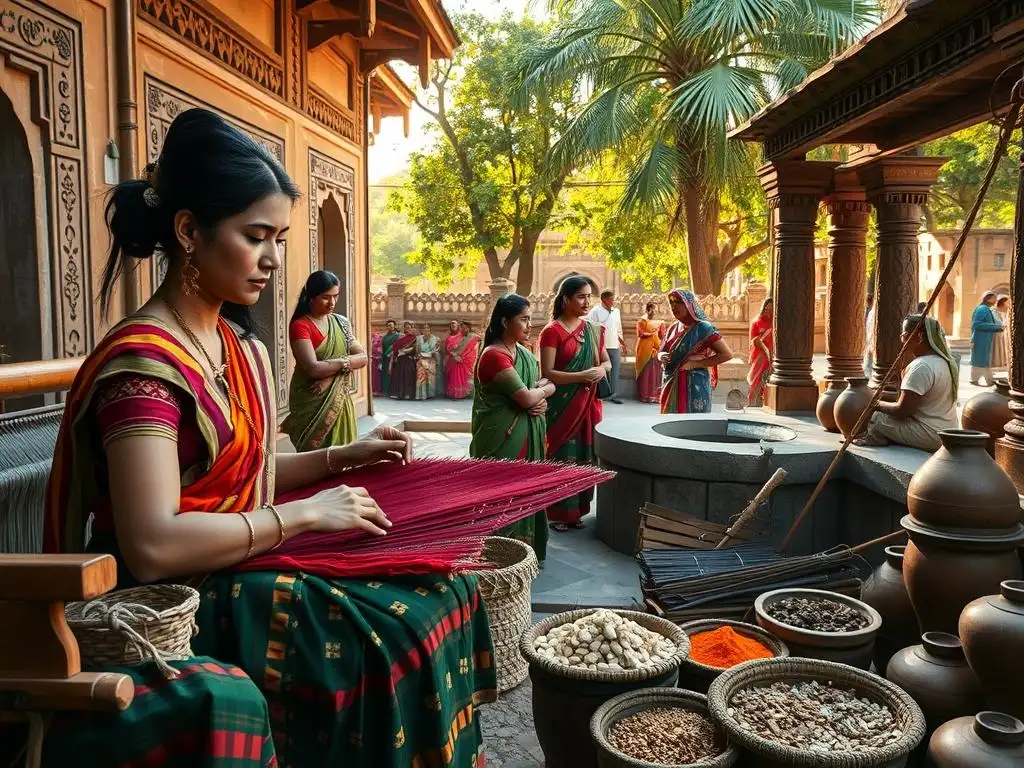
Welcome to Ancient India History, where we embark on a captivating journey through the remarkable tapestry of ancient civilizations that shaped the subcontinent. In this exploration, we delve into a pivotal yet often overlooked aspect: the role of women in ancient Indian economic systems. Discover how these remarkable figures not only contributed to trade and agriculture but also laid the foundation for social structures that resonate even today.
As you navigate through our insights, prepare to unravel the intricate connections between gender and economy in a time of profound cultural richness. Join us as we unlock the secrets of an era that continues to inspire and intrigue!
Introduction to Women in Ancient Indian Economy
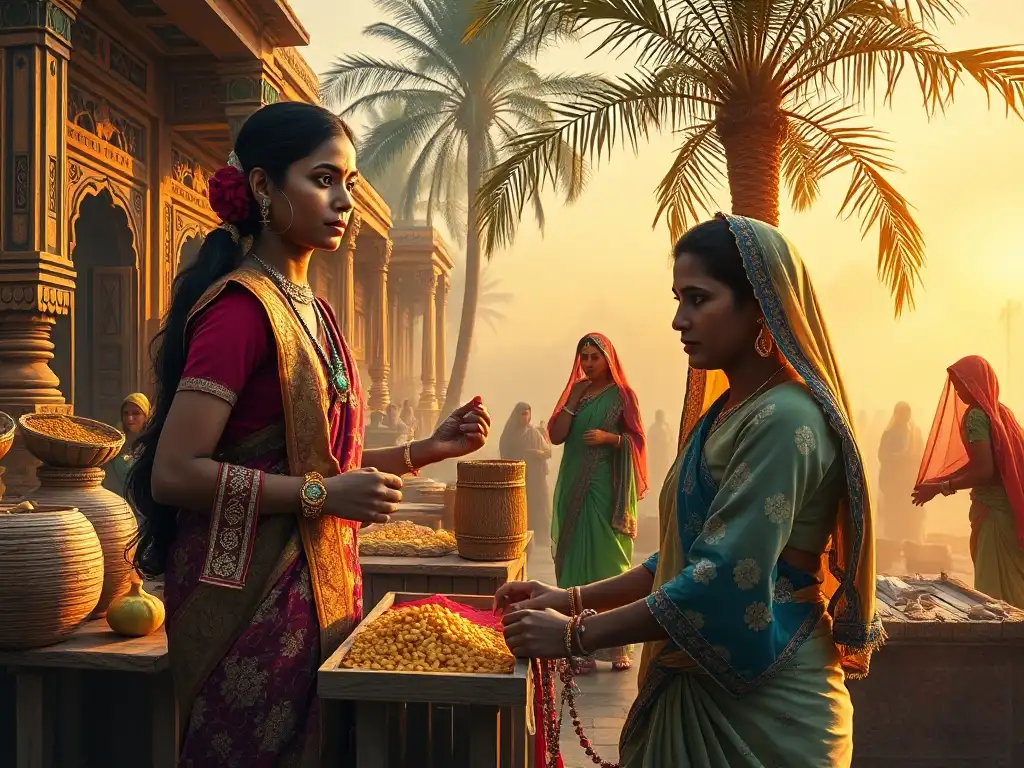
The role of women in ancient Indian economy has often been an overlooked aspect of historical scholarship, yet it is integral to understanding the socio-economic fabric of ancient Indian civilizations. Women were not merely passive participants; rather, they played a significant role in shaping economic practices and systems that supported their families and communities.
From the bustling markets of the Indus Valley to the agrarian societies of later periods, women contributed to various spheres of economic activity, encompassing agriculture, trade, and domestic industries. This article aims to explore the multifaceted roles women held within these economic systems, shedding light on their contributions and the ways in which they navigated the socio-political landscape of their time.
Historical Context of Economic Systems in Ancient India
To appreciate the contributions of women in ancient Indian economy, it is crucial to first understand the broader historical context of economic systems during this period. Ancient India witnessed the evolution of diverse economic practices influenced by geography, culture, and trade relationships.
Overview of Ancient Indian Economy
The ancient Indian economy was characterized by a mix of agriculture, trade, and craftsmanship. Key features included:
- Agriculture: The backbone of the economy, with staple crops such as rice, wheat, and barley being cultivated.
- Trade: Extensive trade networks, both inland and maritime, facilitated the exchange of goods across regions, including textiles, spices, and precious stones.
- Craftsmanship: Skilled artisans produced intricate handicrafts, with women often involved in textile production and pottery.
Economic activities were interwoven with the social fabric, where familial and community ties influenced labor distribution and trade practices.
Social Structure and Women's Place in the Economy
The social structure of ancient India played a pivotal role in defining women's economic roles. While patriarchal norms were prevalent, they coexisted with spheres where women exerted influence and autonomy. Key aspects of women’s involvement in the economy included:
- Family Labor: Women contributed to family-run agricultural practices and small-scale businesses, often engaging in tasks such as weeding, harvesting, and food processing.
- Market Participation: Historical texts suggest that women were active in local markets, selling produce and handicrafts, thus participating in the economic life of their communities.
- Cottage Industries: Many women engaged in home-based industries, such as weaving and pottery, which were crucial for the household economy and often contributed to regional trade networks.
By examining these dimensions, we can gain deeper insight into the influential roles women played in ancient Indian economy, challenging the notion of their marginalization and recognizing their contributions as vital to the economic health of their societies.
Women as Contributors to Agriculture
In ancient India, women played a vital role in agriculture, which was the backbone of the economy. Their contributions extended beyond mere participation; they were integral in various farming practices, managing resources, and ensuring food security for their families and communities. The agricultural responsibilities assigned to women included sowing, weeding, harvesting, and processing crops, which were crucial for sustaining households and local economies.
Women’s knowledge of agricultural practices was often passed down through generations, reflecting a rich tradition of expertise in managing crops and livestock. This expertise not only included practical farming skills but also encompassed an understanding of local ecology, seasonal changes, and the intricacies of crop rotation. As caretakers of the land, women contributed to the productivity and sustainability of agricultural systems, ensuring food availability and economic stability.
Women's Involvement in Farming Practices
Women’s involvement in farming practices varied across different regions and communities in ancient India. In many agrarian societies, women were responsible for specific tasks that complemented the work done by men. For instance, while men often engaged in plowing and heavy labor, women focused on seed selection, planting, and nurturing crops. This division of labor ensured an efficient agricultural system where both genders contributed to productivity.
Women also played a crucial role in livestock management, which was essential for agricultural sustainability. They were responsible for caring for animals, milking cows, and processing dairy products, which not only provided essential nutrition but also served as important economic resources. Additionally, women were involved in the production of textiles and handicrafts, utilizing raw materials sourced from agricultural activities. This multifaceted involvement showcases the importance of women in maintaining and enhancing agricultural practices.
Economic Impact of Women's Agricultural Contributions
The economic impact of women’s contributions to agriculture in ancient India was profound. By managing both crop production and livestock, women ensured the stability of food supplies, which directly influenced local economies. Their work helped in generating surplus produce, which could be traded or sold, promoting economic exchange within communities.
Moreover, women’s agricultural contributions supported family livelihoods and fostered community resilience. As they engaged in farming and related activities, they not only contributed to household income but also empowered themselves and their families economically. The recognition of women’s roles in agriculture also lays the groundwork for understanding the broader implications of gender roles in ancient Indian economy, as their work was fundamental to sustaining economic practices and enhancing community welfare.
Women in Trade and Commerce
Women in ancient India were not only active in agriculture but also made significant contributions to trade and commerce. They participated in local markets, engaging in the exchange of goods and services that were pivotal to the economic landscape of their communities. This involvement in trade showcased their economic agency and highlighted their role as key players in sustaining the market dynamics of ancient Indian societies.
From selling agricultural produce to crafting handmade goods for trade, women facilitated economic transactions that enriched local economies. They often worked collectively, forming networks that allowed them to share resources, knowledge, and access to markets. This collaboration among women not only enhanced their bargaining power but also reinforced their status within the community as essential economic contributors.
Participation in Local and Regional Trade
Women’s participation in local and regional trade varied significantly across different regions of ancient India. In urban centers, women often operated as merchants, selling textiles, pottery, and other goods. In rural areas, their involvement was more focused on local markets where they sold surplus produce, handmade crafts, and household items. This dual role—both as producers and traders—allowed women to navigate and influence the economic systems of their time.
Additionally, women played a crucial role in the informal economy, where they engaged in barter systems and localized trade practices. Their ability to access markets and negotiate prices demonstrated their economic savvy and adaptability. The involvement of women in trade not only contributed to household incomes but also fostered economic growth at the community level.
The Influence of Women on Economic Growth
The influence of women on economic growth in ancient India cannot be overstated. Their active participation in both agriculture and trade contributed to the overall economic stability and prosperity of their communities. By engaging in various economic activities, women helped shape market trends and consumer demands, driving economic growth in significant ways.
Women’s involvement in commerce also encouraged innovation and diversification of products available in the markets. Their unique perspectives and skills often led to the introduction of new goods, crafts, and techniques that enriched the local economy. Furthermore, the financial independence gained through trade allowed women to assert themselves within their families and communities, fostering a culture of empowerment that resonated beyond economic contributions.
The roles of women in ancient Indian economy—particularly in agriculture and trade—were instrumental in shaping the economic landscape. Their contributions not only ensured food security and economic stability but also facilitated growth and innovation within their communities, leaving a lasting legacy on the economic practices of ancient India.
Craftsmanship and Artisan Roles of Women
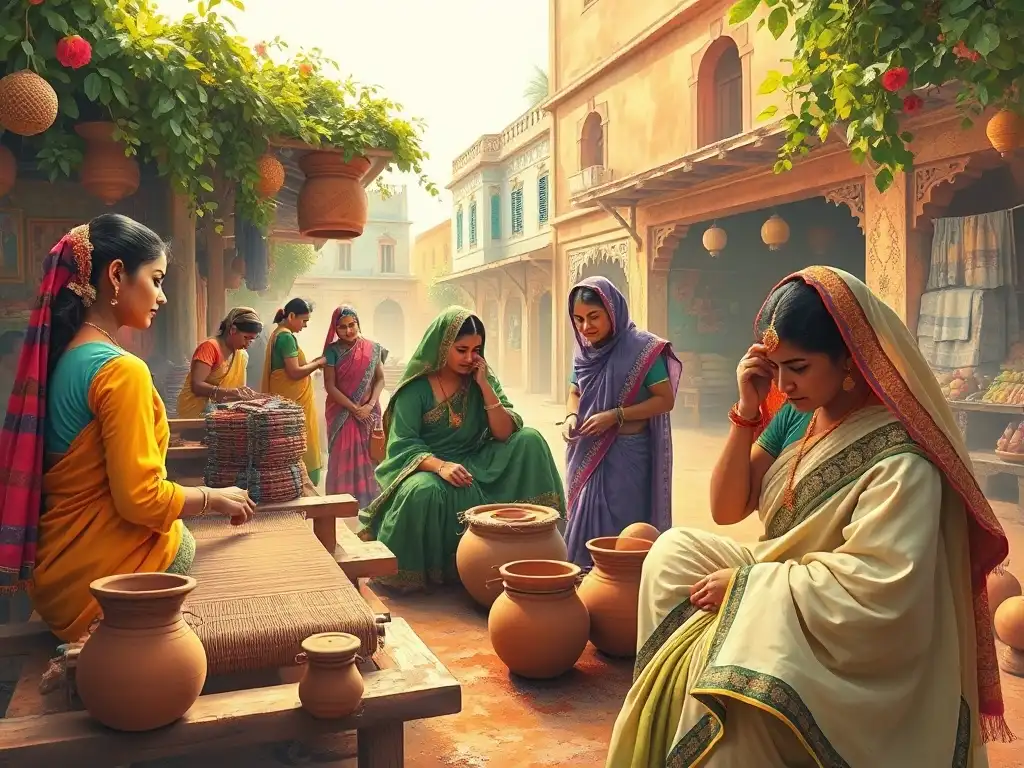
In ancient India, women played a pivotal role in various craftsmanship and artisan trades, contributing significantly to the economic fabric of their societies. Their involvement spanned a wide range of activities, including weaving, pottery, metalwork, and jewelry making. These trades were not merely hobbies; they were instrumental in sustaining households and communities. Women's skills were often passed down through generations, creating a rich tradition of craftsmanship that reflected both cultural identity and economic necessity.
Women in these roles had the opportunity to establish their own workshops and engage in local markets, thereby gaining a degree of financial independence. This autonomy was particularly evident in urban centers where trade flourished. For instance, in the bustling markets of cities like Pataliputra, women artisans were known to sell their handmade products directly to consumers, showcasing their skills and creativity. The economic contributions of women as artisans helped to bolster local economies and provided a foundation for craft-based industries.
Women as Artisans and Craftspeople
Women artisans in ancient India were often skilled in various crafts that were essential to both daily life and ceremonial practices. These included weaving textiles, creating pottery, and crafting intricate jewelry. Each craft had its own cultural significance and was often tied to local traditions. For example, the art of weaving was not only a means of creating clothing but also an expression of regional identity, with each community having its own unique patterns and techniques.
Additionally, women were involved in the production of goods necessary for rituals and festivals, such as decorative items and offerings. The craftsmanship of women was celebrated in many ancient texts, highlighting their integral role in the social and economic landscape. As such, they were not only contributors to the economy but also bearers of cultural heritage.
Market Demand for Women's Handmade Goods
The demand for women's handmade goods in ancient Indian markets was substantial. As communities grew and trade networks expanded, the need for diverse and high-quality crafts increased. Women's products, particularly textiles and pottery, were highly sought after for their quality and uniqueness. Markets served as vibrant hubs where artisans showcased their wares, and women's contributions were recognized as vital to the local economy.
Moreover, the rise of urbanization during periods such as the Maurya and Gupta Empires fostered a thriving marketplace environment. Women were not just passive participants; they actively responded to market trends and consumer preferences, adapting their crafts to meet the changing demands of society. This dynamic interaction between women artisans and the market underscores the significant role they played in shaping economic practices.
Women in Ancient Indian Economic Literature
The representation of women in ancient Indian economic literature provides valuable insights into their roles within economic systems. Texts such as the Arthashastra and various Dharmashastras contain references that highlight women's contributions to the economy. These works illustrate the perception of women as integral to both household management and broader economic activities.
Textual References to Women in Economic Roles
In ancient texts, women are often depicted as essential contributors to the household economy. For instance, the Arthashastra discusses the importance of women managing household resources, which included overseeing agricultural production, managing finances, and participating in trade. These texts also recognize women's roles in supporting family businesses, particularly in crafts and trade, indicating a shared responsibility in economic activities.
Moreover, references to women as inheritors of property and wealth further emphasize their economic agency. Women were not merely passive figures but were acknowledged as active participants in the economic life of their families and communities. The literature of the time reflects a nuanced understanding of women's contributions, painting a picture of economic dynamics that included both men and women.
The Representation of Women in Economic Narratives
Economic narratives in ancient Indian literature often portray women in various roles that reflect their contributions to society. These narratives highlight the complexities of women's experiences, illustrating them as both caretakers and economic agents. For instance, stories of women who engaged in trade, managed estates, or provided for their families through craft demonstrate their multifaceted roles.
Furthermore, the literary portrayal of women in economic contexts challenges the monolithic view of women's roles as merely domestic. Instead, it reveals a society where women were involved in the broader economic sphere. This representation is crucial for understanding the historical context of women's contributions to the ancient Indian economy, highlighting their significance not just as participants but as key players in the economic landscape.
Conclusion: The Lasting Legacy of Women in Ancient Indian Economy
The role of women in the ancient Indian economy was multifaceted and integral to the overall economic framework of their societies. From managing household economies to participating actively in agricultural production and trade, women were pivotal in ensuring the sustainability and growth of their communities. Their contributions went beyond mere participation; they influenced the economic practices that shaped trade routes, crafted goods, and nurtured local markets.
As we reflect on the legacy of women in the ancient Indian economy, it is essential to recognize their resilience and adaptability in a historical context that often marginalized their contributions. The evidence of women's roles in various economic activities underscores their importance not just as caretakers of the home but as vital economic agents who contributed to the wealth and stability of their societies.
Moreover, the recognition of women's contributions in ancient Indian economic systems provides a foundation for understanding modern perspectives on gender roles in economics. The legacies of these women persist today, inspiring contemporary discussions on women's empowerment and their role in economic development. Ultimately, the historical account of women in ancient India serves as a reminder that the fabric of any economy is woven with the threads of diverse contributions, and acknowledging these contributions enriches our understanding of history.
Further Reading and Resources on Women in Ancient Indian Economy
To delve deeper into the significant role of women in the ancient Indian economy, the following resources provide comprehensive insights and perspectives:
- Books:
- Women in Ancient India by Kumkum Sangari, which explores the roles and representations of women throughout different periods of Indian history.
- The History of Women in India by K. R. N. Rao, providing an overview of women's societal roles and contributions, including economic aspects.
- Articles and Journals:
- “Women’s Work and the Economy in Ancient India” published in the Journal of Asian Studies, offering academic perspectives on women's labor and economic involvement.
- “The Economic Role of Women in Ancient India” from The Indian Historical Review, detailing case studies and archaeological evidence of women's contributions.
- Online Resources:
- Digital archives and databases like the Indian History Congress repository, which houses research papers and proceedings focused on women's roles in historical contexts.
- Educational websites and platforms that specialize in ancient Indian history, providing articles and discussions on the economic systems of the time.
These resources not only highlight the involvement of women in ancient Indian economic systems but also encourage a broader understanding of their historical significance and impact. Engaging with these materials can provide a richer appreciation of the complexities surrounding women's roles throughout ancient Indian history.
- Introduction to Women in Ancient Indian Economy
- Historical Context of Economic Systems in Ancient India
- Women as Contributors to Agriculture
- Women in Trade and Commerce
- Craftsmanship and Artisan Roles of Women
- Women in Ancient Indian Economic Literature
- Conclusion: The Lasting Legacy of Women in Ancient Indian Economy
- Further Reading and Resources on Women in Ancient Indian Economy
Frequently Asked Questions
What was the role of women in ancient Indian economy?
Women played a vital role in the economic systems of ancient India, engaging in various activities such as agriculture, craftsmanship, and trade, contributing significantly to the household and community economies.
How did women's status influence their economic contributions?
The status of women in ancient India often determined their economic opportunities. While some women had access to resources and could engage in trade, others faced significant restrictions based on their social and family roles.
Were women involved in agriculture in ancient India?
Yes, women were actively involved in agriculture as they participated in planting, harvesting, and managing crops, thus playing a crucial role in sustaining the agrarian economy of ancient Indian civilizations.
Did women have property rights in ancient India?
Women in ancient India had varying degrees of property rights, particularly in certain communities where they could inherit and own land or assets, although these rights were often limited and depended on local customs.
How did the economic contributions of women impact society?
The contributions of women to the ancient Indian economy helped shape social structures and fostered a sense of community, as their involvement in economic activities was essential for both family welfare and broader societal development.
Final Reflection: The Enduring Legacy of Women in Ancient Indian Economy
**The exploration of women's roles in ancient Indian economic systems reveals a profound truth: the contributions of women have been foundational to the economic fabric of society. Today, as we navigate discussions around gender equality and economic empowerment, it is essential to recognize that the historical significance of women in the economy is not merely a relic of the past but a vital part of our ongoing narrative. The acknowledgment of their contributions can inspire contemporary movements toward inclusivity and equity in economic participation.
Clearly, the influence of women in ancient Indian economies extends beyond historical accounts; it shapes our cultural and social landscapes even today. The roles they played—whether as traders, artisans, or agriculturalists—demonstrate a resilience and adaptability that continue to resonate. As we reflect on their impact, we are reminded of the words of Mahatma Gandhi: To call woman the weaker sex is a libel; it is man's injustice to woman.
This quote encapsulates the strength and agency that women have historically embodied, urging us to reconsider their place in both past and present economic frameworks.
As we conclude this exploration, I invite you to reflect on the lessons from the past and consider how they can inform our actions today. How can we honor the legacy of women in ancient Indian economy in our own lives? Whether through advocacy for gender equality, supporting women-led businesses, or simply acknowledging the historical contributions of women, each of us has a role to play in shaping a more equitable future. Let us carry this awareness forward, ensuring that the voices and contributions of women are recognized and celebrated in every economic narrative.
Empower Your Understanding of Ancient Economies!
Thank you for exploring the intriguing role of women in ancient Indian economic systems! You've uncovered valuable insights that highlight their enduring contributions. Now, it’s time to take what you've learned and put it into action.
- Dive deeper: Investigate the specific roles women played in various economic sectors of ancient India. Look for academic papers, articles, or documentaries that delve into this fascinating topic.
- Share your knowledge: Discuss your findings with friends or family. Consider starting a conversation online; social media platforms are excellent for spreading awareness!
- Join a community: Connect with online forums or local history groups where enthusiasts share insights about ancient civilizations and their economic practices.
What aspect of women's contributions to ancient economies resonates with you the most?