
How Ancient Indian Economies Adapted to Environmental Changes


Welcome to Ancient India History, where we embark on a fascinating journey through the rich tapestry of ancient Indian civilizations. In our featured article, "How Ancient Indian Economies Adapted to Environmental Changes," we delve into the remarkable resilience and ingenuity of these societies in the face of shifting climates and landscapes. Discover how they navigated challenges, transformed trade practices, and laid the foundation for economic prosperity that resonates even today.
Join us as we uncover the stories that shaped the ancient Indian economies and explore the intricate relationships between culture, environment, and commerce. Your adventure into the past begins here!
- Introduction to Ancient Indian Economies Adaptation
- The Indus Valley Civilization: A Case Study in Adaptation
- Vedic Period: Changes in Economic Systems
- Maurya Empire: Strategies for Economic Resilience
- Gupta Empire: Cultural and Economic Flourishing Amidst Change
- Conclusion: Lessons from Ancient Indian Economies Adaptation
- References and Further Reading on Ancient Indian Economies Adaptation
-
Frequently Asked Questions
- What were the primary economic activities in ancient India?
- How did ancient Indian civilizations adapt their economies to environmental changes?
- What role did the Indus Valley Civilization play in ancient Indian economies?
- How did the Gupta Empire influence ancient Indian economies?
- What were some environmental factors affecting ancient Indian economies?
- Final Reflection: The Resilience of Ancient Indian Economies in the Face of Change
- Explore the Resilience of Ancient Economies!
Introduction to Ancient Indian Economies Adaptation
The adaptation of ancient Indian economies to environmental changes is a profound subject that sheds light on the resilience and ingenuity of early civilizations in the Indian subcontinent. From the fertile plains of the Indus Valley to the diverse topographies of later empires, the economic practices of these civilizations were intricately linked to their surrounding environments.
This article explores how ancient Indian economies not only adjusted to environmental shifts but also thrived by implementing innovative strategies that ensured sustainability and growth. By examining the interplay between ecology and economy, we can gain insights into the sophisticated systems that characterized ancient Indian societies and their enduring legacies.
Overview of Ancient Indian Economies
Ancient Indian economies were diverse and multifaceted, encompassing a range of practices from agriculture to trade. The early period, particularly during the Indus Valley Civilization (c. 2500-1900 BCE), was marked by advanced urban planning, which included well-structured drainage systems and standardized weights and measures. These innovations facilitated trade, both locally and with neighboring regions, indicating a sophisticated understanding of economic interactions.
The subsequent Vedic period (c. 1500-500 BCE) saw a transition towards agrarian economies, with an emphasis on pastoralism and agriculture. Crops such as wheat, barley, and rice became staples, and the economy began to reflect a more settled lifestyle. The Maurya Empire (c. 322-185 BCE) further developed these economic practices, introducing state control over trade routes and standardizing currency, which enhanced commerce across vast distances.
Key Features of Ancient Indian Economies:
- Agriculture: Foundation of the economy, heavily influenced by monsoon patterns.
- Trade: Extensive trade networks, both overland and maritime, connecting India with regions like Mesopotamia and Southeast Asia.
- Craftsmanship: Artisanship flourished, producing textiles, pottery, and metalwork that were traded widely.
Importance of Environmental Changes in Economic Practices
Environmental changes played a crucial role in shaping the economic practices of ancient India. Factors such as climate shifts, river patterns, and natural disasters necessitated adaptations in agricultural methods, trade routes, and resource management. For example, the monsoon season was pivotal for agriculture, dictating planting and harvesting schedules. Variations in monsoon patterns could lead to droughts or floods, compelling communities to innovate their agricultural techniques or shift to more resilient crops.
Moreover, changes in the course of rivers, such as the Sarasvati River, significantly influenced trade routes and settlement patterns. As rivers dried or changed direction, populations had to relocate, leading to the development of new economic hubs. This adaptability not only ensured survival but also fostered cultural exchanges and economic diversification.
Examples of Adaptation:
- Crop Diversification: In response to varying rainfall, farmers adopted a range of drought-resistant crops.
- Water Management: Techniques such as rainwater harvesting and irrigation systems were developed to maximize agricultural productivity.
- Trade Adjustments: Shifts in environmental conditions led traders to seek alternative routes or goods, enhancing the richness of local economies.
The study of how ancient Indian economies adapted to environmental changes reveals a narrative of resilience and innovation. Understanding these adaptations provides insight into the broader context of how civilizations interacted with their environment, ensuring economic stability and cultural continuity across millennia.
The Indus Valley Civilization: A Case Study in Adaptation

The Indus Valley Civilization (IVC), flourishing around 2500 BCE in present-day Pakistan and northwest India, is a remarkable example of how ancient Indian economies adapted to environmental changes. The civilization thrived in a diverse landscape comprising fertile plains, river systems, and arid regions, which necessitated innovative economic practices.
This adaptation can be seen through various aspects of their economy, including agriculture, trade, and urban planning. The IVC's ability to respond to shifting environmental conditions, such as changes in the monsoon patterns and river courses, played a crucial role in its sustainability and growth.
Environmental Factors Influencing the Indus Valley Economy
Several environmental factors significantly impacted the economic landscape of the Indus Valley Civilization. Key among these were:
- River Systems: The Indus River and its tributaries provided essential water resources for irrigation and drinking. The seasonal flooding of these rivers enriched the soil, thus facilitating agriculture.
- Climate Variability: The IVC experienced fluctuations in climate, with periods of drought and excessive rainfall. This variability necessitated a flexible approach to agriculture, including crop rotation and the cultivation of drought-resistant varieties.
- Natural Resources: The region was rich in natural resources, including minerals and metals. This availability influenced trade and production, allowing the civilization to develop specialized crafts and industries.
The interplay between these environmental factors and the economy of the Indus Valley Civilization illustrates a sophisticated understanding of resource management and adaptation strategies.
Agricultural Innovations and Techniques
Agriculture was the backbone of the Indus Valley economy, and various innovations emerged to meet the challenges posed by environmental changes. Key agricultural practices included:
- Irrigation Systems: The creation of advanced irrigation systems, including canals and reservoirs, allowed farmers to control water supply efficiently. This was essential during dry spells, ensuring consistent crop yields.
- Crop Diversity: The IVC cultivated a range of crops, including wheat, barley, peas, and cotton. This diversity not only provided food security but also reduced the risk of crop failure due to pests or adverse weather conditions.
- Sustainable Practices: Evidence suggests that the IVC engaged in sustainable practices, such as soil conservation techniques and the use of organic fertilizers. These practices helped maintain soil fertility over time, crucial for long-term agricultural success.
These innovations reflect the adaptive nature of ancient Indian economies, enabling the Indus Valley Civilization to thrive in a challenging environment.
Trade Networks and Their Response to Environmental Shifts
The Indus Valley Civilization developed extensive trade networks that were vital for economic stability and growth. These networks were influenced by environmental changes in several ways:
- Resource Exchange: As environmental conditions fluctuated, trade routes adapted to ensure the exchange of essential resources. For instance, when local agriculture suffered due to drought, trade with neighboring regions for grain and other foodstuffs became critical.
- Maritime Trade: The civilization engaged in maritime trade with distant regions, including Mesopotamia. This trade route expanded as climatic conditions allowed for better navigation along the coastline, facilitating the exchange of goods such as textiles, metals, and pottery.
- Urban Centers as Trade Hubs: Major urban centers like Harappa and Mohenjo-Daro emerged as trade hubs, with their economies dynamically responding to changing environmental conditions. These cities featured sophisticated marketplaces and storage facilities, which helped manage surplus production and trade efficiently.
The response of ancient Indian economies, particularly within the Indus Valley Civilization, to environmental changes showcases a remarkable level of adaptability. Through innovative agricultural practices, resource management, and extensive trade networks, the IVC not only survived but flourished in a complex and ever-changing environment.
Vedic Period: Changes in Economic Systems
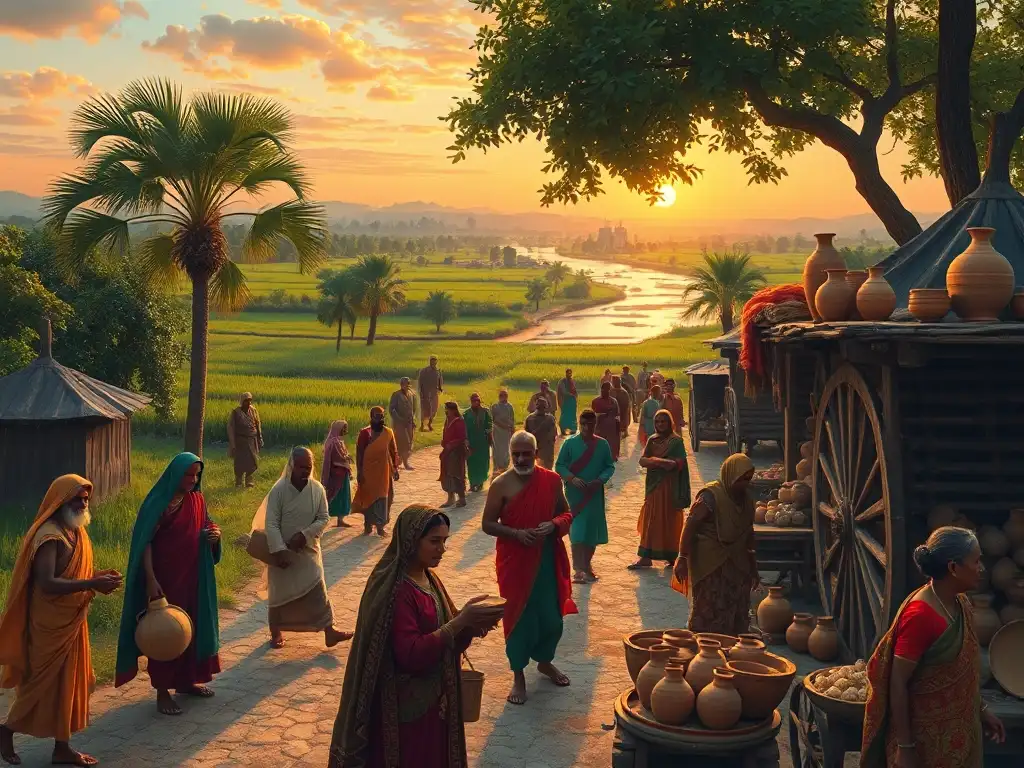
The Vedic period, which spans from approximately 1500 BCE to 500 BCE, marks a significant transition in the economic systems of ancient India. During this time, the economies evolved through a complex interplay of environmental factors, social organization, and technological advancements. The Vedic texts provide a glimpse into the economic practices that shaped the communities of this era, highlighting a gradual shift from predominantly agrarian economies to more diversified systems that included pastoralism and trade.
Shift from Agrarian to Pastoral Economies
The transition from agrarian to pastoral economies during the Vedic period was influenced by several factors, including environmental changes and sociocultural dynamics. Initially, agriculture was the cornerstone of the economy, with communities relying heavily on the cultivation of crops such as barley, wheat, and rice. However, as populations grew and agricultural practices became more intensive, there was a noticeable shift towards pastoralism, particularly in regions where agriculture faced challenges due to climatic variations.
- Key Factors Influencing the Shift:
- Climate Variability: Fluctuations in rainfall patterns and soil fertility compelled communities to adapt by integrating livestock rearing into their economic practices.
- Cultural Practices: The Vedic texts emphasize the importance of cattle, which were considered symbols of wealth and prosperity. This cultural valuation encouraged the growth of pastoralism as a complementary economic activity.
- Mobility and Trade: Pastoral communities were often more mobile, allowing them to exploit different ecological zones and trade with agrarian societies for necessary goods.
The result was a hybrid economic model that allowed communities to be more resilient in the face of environmental changes, enabling them to sustain their livelihoods even during adverse conditions.
Impact of Climate on Economic Practices
Climate played a crucial role in shaping the economic practices of ancient Indian societies during the Vedic period. The region experienced significant climatic fluctuations, which had direct implications for agricultural productivity and resource availability.
- Droughts and Floods: Periodic droughts and floods influenced crop yields, leading to food shortages. In response, communities adapted their agricultural practices by:
- Implementing irrigation techniques to manage water resources effectively.
- Diversifying crop varieties to include drought-resistant strains.
- Seasonal Migration: To cope with seasonal changes, some communities adopted migratory practices, shifting between agricultural and pastoral economies depending on the season and environmental conditions. This flexibility allowed them to access different resources throughout the year.
- Resource Management: The need for efficient resource management became evident as communities learned to store surplus grain and manage livestock herds. This strategic approach ensured food security during lean periods and facilitated trade with neighboring groups.
The impact of climate on economic practices during this time was profound, prompting innovative adaptations that would shape the future of Indian economies.
Role of Trade and Barter in Economic Adaptation
Trade and barter systems emerged as essential components of economic adaptation in the Vedic period. As communities diversified their economic activities, the importance of trade increased, fostering interactions between different regions and cultures.
- Barter System: The primary mode of exchange during this time was barter, where goods and services were traded directly without the use of currency. This system allowed communities to:
- Access goods that were scarce or unavailable in their region, such as metals, textiles, and luxury items.
- Establish networks of exchange that facilitated the sharing of agricultural products and livestock.
- Trade Routes: Trade routes developed across the subcontinent, linking various regions and promoting economic interdependence. Key trade routes included:
- Overland paths connecting the northern plains with the Deccan Plateau.
- Riverine routes along the Indus and Ganges rivers, which facilitated the movement of goods and people.
- Cultural Exchange: Trade not only enhanced economic adaptation but also facilitated cultural exchanges, leading to the diffusion of ideas, technologies, and practices across different communities.
The role of trade and barter in ancient Indian economies highlights the adaptive strategies that allowed societies to thrive despite environmental challenges, laying the groundwork for future economic systems in the subcontinent.
The Vedic period was a transformative era that saw ancient Indian economies adapt to changing environmental conditions through a combination of agricultural innovation, pastoralism, and trade. These adaptations not only ensured survival but also fostered a rich tapestry of cultural and economic interactions that would continue to evolve in the centuries to come.
Maurya Empire: Strategies for Economic Resilience
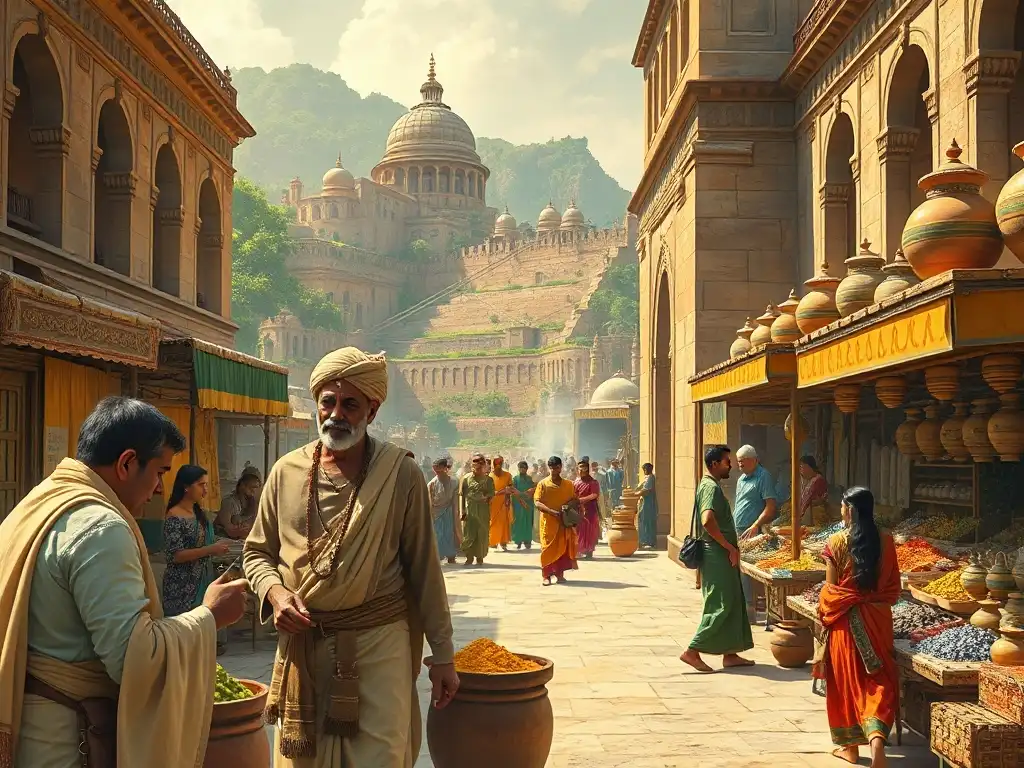
The Maurya Empire, which thrived from 322 to 185 BCE, is renowned for its advanced administrative systems and economic practices. The empire's ability to adapt its economy to various environmental challenges played a crucial role in its longevity and prosperity. This adaptability was driven by a strategic approach to resource management, infrastructure development, and government policies.
Resource Management and Sustainable Practices
The Maurya Empire implemented innovative resource management techniques that were integral to its economic resilience. The state recognized the importance of sustainable practices to address environmental fluctuations and resource scarcity. Key aspects of this management included:
- Agricultural Innovation: The Mauryan rulers promoted agricultural advancements, including crop rotation and the introduction of new crops. By diversifying agricultural practices, they reduced dependency on a single crop, thus mitigating the risks associated with crop failures due to climatic changes.
- Water Conservation: The empire invested in irrigation systems, including canals and reservoirs, to enhance agricultural productivity. These systems allowed for effective water management, ensuring that agricultural lands received adequate moisture even during dry spells.
- Forest Resource Utilization: The Mauryas understood the value of forest resources for both economic and ecological stability. They regulated timber extraction and promoted the sustainable harvesting of medicinal plants, which supported local economies while preserving biodiversity.
The combination of these sustainable practices not only ensured food security but also contributed to the overall economic stability of the Maurya Empire, allowing it to thrive in varying environmental conditions.
Infrastructure Development: Roads and Trade Routes
Infrastructure development was another cornerstone of the Mauryan economy, facilitating trade and enhancing economic adaptation. The empire's focus on building efficient roads and trade routes allowed for the seamless movement of goods and resources. Key developments included:
- Royal Highways: The establishment of well-maintained highways, such as the Grand Trunk Road, significantly improved trade connectivity across the empire. These roads enabled merchants to transport goods efficiently, facilitating trade not only within the empire but also with neighboring regions.
- Marketplaces and Urban Centers: The Mauryans developed urban centers that served as major trade hubs. Cities like Pataliputra became vibrant marketplaces where goods were exchanged, fostering economic growth and cultural exchange.
- Communication Networks: The construction of relay stations along trade routes improved communication and facilitated the swift movement of information. This development allowed the government to respond quickly to economic crises or environmental challenges, ensuring a resilient economy.
The enhanced infrastructure not only supported trade but also contributed to the integration of various regions within the empire, creating a cohesive economic network that could adapt to changing environmental circumstances.
Government Policies Supporting Economic Adaptation
The Maurya Empire's government played a pivotal role in shaping economic policies that supported adaptation to environmental changes. The rulers, particularly Emperor Ashoka, implemented several policies aimed at promoting economic resilience:
- Taxation Policies: The Mauryan administration established a fair taxation system that took into account the agricultural yield and environmental conditions. This flexibility allowed farmers to contribute to the state without compromising their livelihoods, fostering a sense of cooperation between the government and its subjects.
- Support for Trade Guilds: The empire recognized the importance of trade guilds in bolstering the economy. By providing protection and support to these organizations, the government encouraged local entrepreneurship and facilitated trade both domestically and internationally.
- Crisis Management Strategies: The Mauryan rulers developed strategies to address economic crises caused by natural disasters or environmental shifts. For example, during droughts, they implemented grain distribution programs to ensure that the population remained fed and economically stable.
These government policies not only ensured immediate responses to environmental challenges but also laid the groundwork for long-term economic adaptation, enabling the Mauryan Empire to navigate the complexities of its environment effectively.
Through strategic resource management, infrastructure development, and supportive government policies, the Maurya Empire exemplified how ancient Indian economies adapted to environmental changes. This resilience not only sustained their economic practices but also contributed to the empire's historical significance in the context of ancient Indian economies adaptation.
Gupta Empire: Cultural and Economic Flourishing Amidst Change

The Gupta Empire, which thrived from around 320 to 550 CE, is often referred to as the "Golden Age" of ancient India. This period was marked by significant advancements in various fields, including science, mathematics, literature, and, notably, the economy. The Gupta rulers implemented a series of reforms and adaptations that allowed their economies to flourish even amid environmental changes and challenges.
Advancements in Agriculture and Irrigation
Agriculture was the backbone of the Gupta economy, and significant advancements during this period greatly enhanced productivity. The introduction of new agricultural techniques, such as crop rotation and the use of fertilizers, helped sustain the population and support trade.
- Irrigation Systems: The development of sophisticated irrigation systems allowed for the cultivation of various crops, even in regions that were previously unsuitable for farming. Canals, reservoirs, and wells were constructed to manage water resources effectively.
- Crop Diversity: The Gupta period saw an increase in the variety of crops cultivated, including rice, wheat, barley, and pulses. This diversification not only improved food security but also created surplus production, which facilitated trade.
- Technological Innovations: Tools such as the plow were improved, and new techniques like the use of animal husbandry for plowing were adopted. These innovations were crucial in adapting to the environmental changes and ensuring efficient farming practices.
The combination of these advancements led to a robust agricultural sector that underpinned the economy and supported the growing urban centers during the Gupta Empire.
Trade Expansion and Market Adaptation
The Gupta Empire was characterized by extensive trade networks, both within India and with regions beyond its borders. The adaptation of these trade practices contributed to the economic prosperity of the period.
- Trade Routes: The establishment of well-defined trade routes facilitated commerce. The Silk Road and maritime routes connecting India to the Mediterranean and Southeast Asia were pivotal in this context.
- Market Regulation: Gupta rulers implemented policies to regulate markets, ensuring fair trade practices and the establishment of standardized weights and measures. This adaptation helped in building trust among traders and consumers.
- Urban Centers: Cities like Pataliputra and Ujjain became bustling trade hubs where merchants from different regions converged. The growth of these urban centers was both a result of and a catalyst for trade expansion.
- Currency and Banking: The Gupta Empire saw the introduction of coinage, which simplified transactions and encouraged trade. The establishment of banking systems further facilitated economic activities, allowing for loans and credit.
Through these adaptations, ancient Indian economies not only thrived during the Gupta period but also set the stage for future economic developments.
Influence of Religion and Culture on Economic Systems
Religion and culture played a significant role in shaping the economic systems of the Gupta Empire, influencing trade practices, agricultural policies, and societal norms.
- Religious Institutions: Temples were not only spiritual centers but also economic powerhouses. They managed vast lands, collected taxes, and facilitated trade. The influence of Hinduism and Buddhism encouraged agricultural practices aligned with the seasons and festivals, impacting economic activities.
- Cultural Exchanges: The Gupta period was marked by cultural exchanges that enriched trade. The propagation of ideas, art, and literature attracted merchants from various regions, leading to a dynamic marketplace.
- Social Structure: The varna system influenced economic roles within society. Different castes specialized in specific trades, crafts, and agricultural practices, promoting a diversified economy that could adapt to environmental changes.
- Patronage of the Arts: Gupta rulers sponsored arts and crafts, leading to the production of high-quality goods that became sought after in trade. This cultural patronage contributed to the economic landscape by enhancing the value of goods exchanged.
The Gupta Empire's economies were marked by a unique adaptation to environmental changes through advancements in agriculture, trade expansion, and the influence of religion and culture. These factors together created a resilient economic system that not only sustained the empire but also left a lasting legacy on ancient Indian economies.
Conclusion: Lessons from Ancient Indian Economies Adaptation
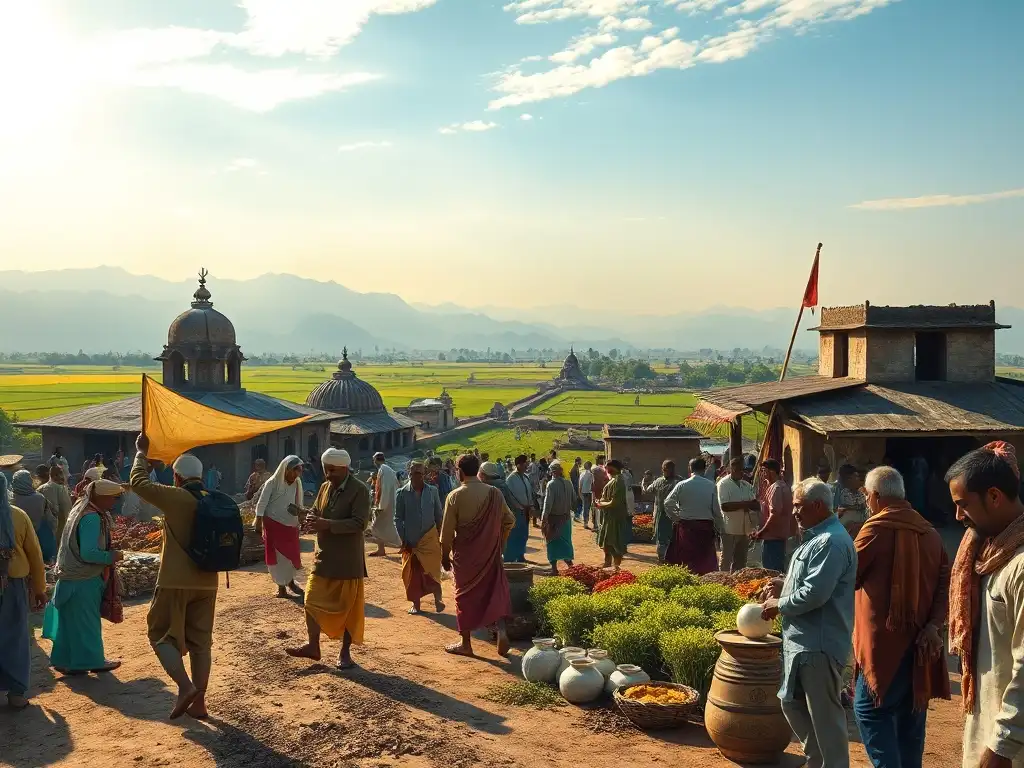
The study of how ancient Indian economies adapted to environmental changes reveals a wealth of knowledge that can inform modern practices. By examining the strategies employed by civilizations such as the Indus Valley, Maurya, and Gupta Empires, we can gather insights into resilience, sustainability, and innovation in economic practices. These ancient economies were not only shaped by their environments but also actively transformed them in response to shifting climatic conditions, resource availability, and technological advancements.
Summary of Key Adaptation Strategies
Ancient Indian economies employed various strategies to adapt to their dynamic environments. Some of the notable strategies include:
- Diversification of Agriculture:
- Crop Varieties: Farmers cultivated a range of crops, such as wheat, barley, and millet, which allowed them to mitigate risks associated with crop failures due to climate variability.
- Irrigation Techniques: The development of sophisticated irrigation systems, including wells and canals, ensured a stable water supply, particularly in arid regions.
- Trade Networks:
- Regional Trade: Ancient Indian civilizations established extensive trade networks that facilitated the exchange of goods across diverse geographic areas, helping communities access resources not locally available.
- Cultural Exchange: Trade also fostered cultural exchanges, leading to innovations in technology and economic practices influenced by neighboring regions.
- Resource Management:
- Sustainable Practices: Practices such as crop rotation and animal husbandry were integral to maintaining soil fertility and ensuring sustainable yields over time.
- Utilization of Local Resources: Economies adapted by maximizing the use of locally available materials, such as clay for pottery and timber for construction, reducing reliance on distant resources.
- Technological Innovations:
- Agricultural Tools: The invention of plows and irrigation tools improved agricultural efficiency and productivity.
- Metallurgy: Advances in metallurgy, particularly in ironworking, provided better tools for farming and construction, facilitating economic growth.
These strategies not only highlight the resilience of ancient Indian economies but also their capacity for innovation in the face of environmental challenges.
The Relevance of Ancient Economic Practices Today
The lessons learned from ancient Indian economies provide valuable insights for contemporary society, particularly in addressing modern environmental challenges. Here are some key takeaways:
- Sustainable Agriculture: The emphasis on crop diversification and sustainable farming practices can inform current agricultural strategies aimed at combating climate change and ensuring food security.
- Resilience in Trade: The establishment of robust trade networks demonstrates the importance of economic interconnectedness, which can enhance resilience to global market fluctuations.
- Resource Conservation: Ancient practices of resource management can inspire modern conservation efforts, emphasizing the need to utilize local resources sustainably to reduce environmental impact.
- Innovation as a Response: The technological advancements of ancient civilizations highlight the importance of innovation in adapting to environmental changes, a principle that remains relevant in today's rapidly changing world.
The study of ancient Indian economies and their adaptations offers critical lessons for contemporary economic practices, emphasizing sustainability, resilience, and innovation in the face of environmental challenges. By learning from the past, we can forge more adaptable and sustainable economic systems for the future.
References and Further Reading on Ancient Indian Economies Adaptation

Suggested Books and Articles
-
"The Economic History of India, 1857-1947" by Tirthankar Roy
This comprehensive volume explores the economic transformations in India, including adaptations made by ancient Indian economies in response to environmental factors. The author discusses agricultural practices, trade routes, and the impacts of climatic changes on economic structures.
-
"The Indus Civilization: A Contemporary Perspective" by Gregory L. Possehl
Possehl's work provides an in-depth analysis of the Indus Valley Civilization, focusing on how its economy adapted to changing environmental conditions, such as river shifts and resource availability, which are crucial for understanding ancient Indian economies adaptation.
-
"Ancient Indian Economic Thought" by R. C. Dutt
This book delves into the economic philosophies of ancient India, examining how these ideas influenced economic practices in response to ecological challenges. Dutt emphasizes the balance between nature and economy.
-
"Trade in Ancient India" by R. S. Sharma
Sharma discusses the extensive trade networks of ancient India and how they evolved in response to environmental changes. The book highlights the adaptability of trade practices amidst climatic and geographical shifts.
-
"Agriculture in Ancient India: A Historical Perspective" by R. S. Khare
This article reviews ancient agricultural methods and their adaptability to environmental changes. Khare provides detailed examples of crop rotation and irrigation practices that were developed to cope with varying climatic conditions.
Online Resources for Further Exploration
-
Digital South Asia Library
A comprehensive collection of resources related to the history of South Asia, including ancient Indian economies. This platform offers access to historical texts, maps, and economic data that showcase how ancient economies adapted to changing environments.
-
Internet Ancient History Sourcebook
This resource features a collection of primary texts and excerpts related to ancient Indian history, including economic practices. It provides insights into the historical context and adaptations of economies throughout different periods.
-
Indian History Congress
The official website includes research papers and proceedings from the annual congress, which often feature studies on economic practices and adaptations in ancient India. It is a valuable resource for contemporary research and discussions in the field.
-
The Indian Economic and Social History Review
A scholarly journal that publishes articles related to the economic history of India, including analyses of how ancient Indian economies adapted to environmental changes. The journal is a good source for peer-reviewed research.
-
National Digital Library of India
This digital library offers access to a wealth of academic papers, theses, and other educational materials related to ancient Indian economies and their environmental adaptations.
Exploring these resources will provide a deeper understanding of the complex interactions between ancient Indian economies and their environments, highlighting the strategies and adaptations employed by these civilizations throughout history.
Frequently Asked Questions
What were the primary economic activities in ancient India?
Ancient Indian economies were characterized by agriculture, trade, and craftsmanship. These activities evolved significantly based on environmental conditions and available resources.
How did ancient Indian civilizations adapt their economies to environmental changes?
Civilizations adapted by implementing innovative farming techniques and diversifying their trade networks. This allowed them to cope with climate fluctuations and resource availability.
What role did the Indus Valley Civilization play in ancient Indian economies?
The Indus Valley Civilization was crucial in establishing early urban centers and trade routes. Their advanced agricultural practices and craft industries laid the foundation for future economic development in India.
How did the Gupta Empire influence ancient Indian economies?
The Gupta Empire promoted economic stability and cultural prosperity through trade expansion and coinage standardization. This era is often referred to as a golden age due to its significant economic advancements.
What were some environmental factors affecting ancient Indian economies?
Factors such as monsoon patterns, river systems, and soil fertility were vital. These elements influenced agricultural output and, consequently, the overall economic health of ancient Indian civilizations.
Final Reflection: The Resilience of Ancient Indian Economies in the Face of Change
The ability of ancient Indian economies to adapt to environmental changes is not just a historical lesson; it is a profound reminder of the resilience and ingenuity inherent in human societies. As we navigate the complexities of our modern world, marked by climate change and resource scarcity, the strategies employed by these ancient civilizations offer valuable insights into sustainable practices and adaptive strategies that remain relevant today. Their legacy teaches us that adaptability is not merely a survival mechanism but a pathway to thriving amidst adversity.
The influence of ancient Indian economies on contemporary thought is significant, as we continue to grapple with the consequences of environmental shifts. The principles of sustainable agriculture, resource management, and community resilience that emerged from these economies resonate in today's discussions on climate action and sustainable development. As Mahatma Gandhi once said, "> The earth provides enough to satisfy every man's needs, but not every man's greed." This quote encapsulates the essence of balance and respect for nature that ancient Indian economies exemplified, reminding us of the importance of stewardship in our own economic practices.
As we reflect on the lessons from ancient Indian economies, I invite you to consider how you can integrate these principles of adaptation and sustainability into your own life. What steps can you take to embrace resilience in the face of environmental challenges? Whether it's through mindful consumption, supporting local economies, or advocating for sustainable practices, each action contributes to a larger movement towards a more harmonious relationship with our environment. Let us honor the wisdom of the past by applying it to our present and future, ensuring that we too can adapt and thrive in an ever-changing world.
Explore the Resilience of Ancient Economies!
Thank you for diving deep into the fascinating ways ancient Indian economies adapted to environmental changes! By understanding their strategies, you’ve uncovered valuable lessons about resilience and adaptability. Now, it’s your turn to apply this knowledge and engage with the theme further.
Here are some actionable steps you can take right now:
- Join a discussion group or online forum to share insights and explore how historical economies can inform modern practices.
- Conduct your own research on a specific adaptation method used in ancient India, and consider how similar strategies might apply in today's context.
- Share this article with friends or on social media to spark conversations about the importance of adaptability in both history and our current environment.
What do you think is the most surprising adaptation that ancient Indian economies made in response to environmental changes? Let’s keep the conversation going!