
The Role of Rituals in Vedic Society: Sacrifice, Ceremony, and Community

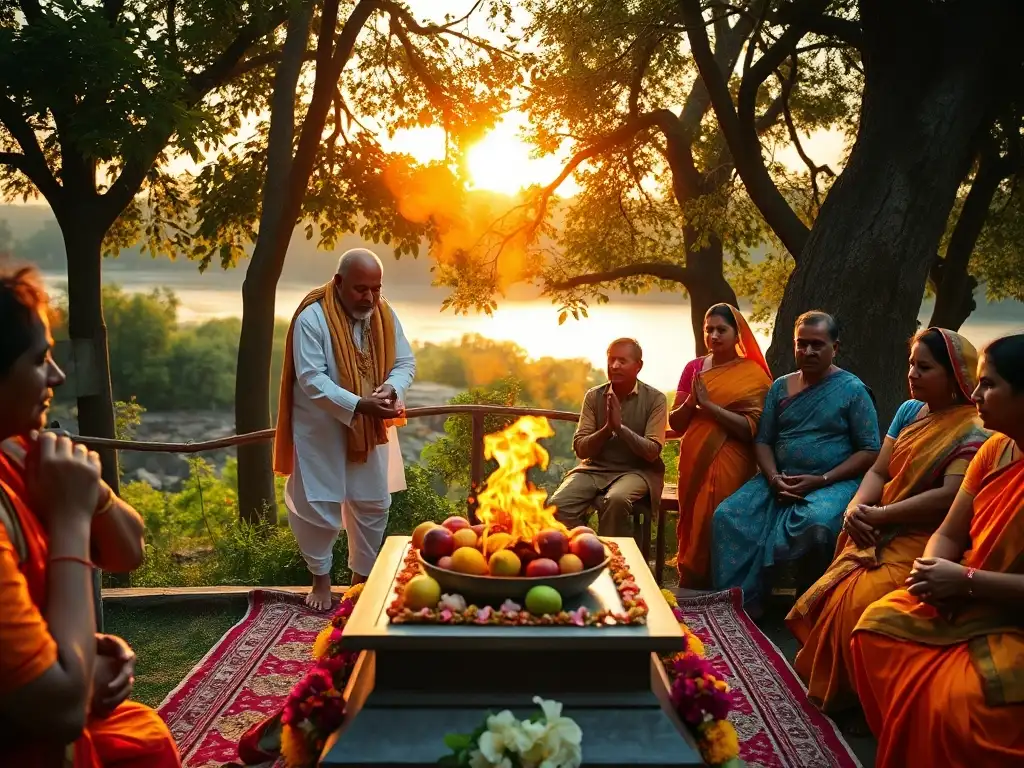
Welcome to Ancient India History, where we embark on a fascinating journey through the rich tapestry of India’s past. Here, we delve deep into the intricate Vedic society rituals and ceremonies, revealing how these ancient practices shaped communities and influenced the spiritual landscape of the time. Prepare to uncover the profound significance of sacrifice and ceremony, and how they connected individuals to the divine and to each other. Join us as we explore the echoes of Vedic traditions that continue to resonate in modern culture, and ignite your curiosity about the vibrant history that awaits just a scroll away!
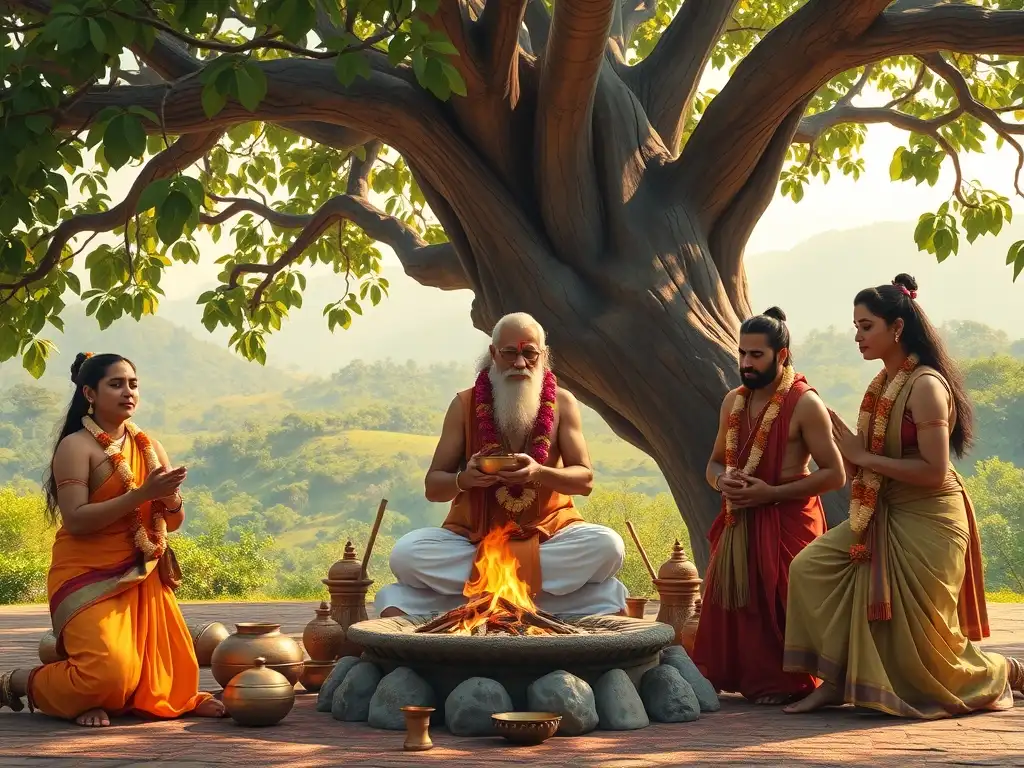
Introduction to Vedic Society Rituals and Ceremonies
The Vedic society, which flourished in ancient India approximately between 1500 BCE and 500 BCE, is characterized by a rich tapestry of rituals and ceremonies that played a pivotal role in the cultural and spiritual life of its people. As a foundational element of Hinduism, these rituals were not merely ceremonial acts; they were profound expressions of the community's beliefs, values, and connection to the cosmos.
In this article, we will delve into the intricate world of Vedic society rituals and ceremonies, exploring their significance, functions, and the communal bonds they fostered among individuals. Understanding these rituals offers invaluable insight into the spiritual and societal frameworks that shaped ancient Indian civilization.
Overview of Vedic Society and Its Cultural Significance
Vedic society was primarily agrarian and pastoral, organized into tribes led by chieftains or kings. The society was structured around a caste system that would later evolve into the more rigid social hierarchy seen in later periods of Indian history. The Vedas, a collection of sacred texts composed in Sanskrit, form the cornerstone of this society, imparting knowledge on various aspects of life, including philosophy, ethics, and rituals.
The cultural significance of Vedic society lies in its emphasis on ritualistic practices that facilitated a connection between the material and spiritual worlds. Rituals were integral to daily life, serving as a means to appease deities, ensure prosperity, and maintain cosmic order. The communal aspect of these rituals fostered a sense of identity and belonging among participants, reinforcing social cohesion and shared beliefs.
Importance of Rituals in Ancient Indian Religions
Rituals in ancient Indian religions served multiple purposes, including spiritual, social, and psychological functions. They were avenues through which individuals and communities sought divine favor, participated in the sacred, and expressed their devotion. In Vedic society, rituals were a way to navigate the complexities of existence, offering participants a structured approach to life's uncertainties.
Moreover, rituals were seen as a form of communication with the divine, allowing practitioners to engage with higher powers through offerings, chants, and ceremonial acts. This interaction was believed to influence personal and communal fortunes, thus intertwining ritual practice with the everyday lives of the Vedic people. The significance of these rituals extends beyond mere observance; they encapsulated the essence of Vedic philosophy and the pursuit of dharma (righteousness).
Understanding Vedic Rituals and Their Purpose
Definition of Vedic Rituals
Vedic rituals, known as Yajnas, encompass a wide range of ceremonial practices that involve offerings to deities, chanting of specific mantras, and participation of the community. These rituals can vary in scale and complexity, from intimate household rites to grand public ceremonies. Yajnas are often characterized by their sacrificial nature, where offerings of food, flowers, and other items are made to invoke divine blessings.
The performance of Vedic rituals is marked by meticulous adherence to prescribed procedures, reflecting the belief that the precise execution of these rites is crucial for their effectiveness. Each ritual is imbued with symbolism and meaning, serving as a conduit for spiritual energies and a means to achieve desired outcomes.
The Philosophical Underpinnings of Vedic Ceremonies
At the heart of Vedic ceremonies lies a rich philosophical framework that emphasizes the interconnectedness of all beings and the universe. The concept of Rta, or cosmic order, is fundamental to Vedic thought, representing the natural law that governs the universe. Rituals serve to uphold this order, aligning human actions with cosmic principles.
Additionally, Vedic philosophy posits that through ritualistic practice, individuals can transcend the mundane and connect with the divine essence that permeates all existence. This transcendental aspect of rituals highlights their role not only as communal events but also as personal journeys toward enlightenment and self-realization.
Types of Vedic Rituals: An Overview
Vedic rituals can be categorized into several types, each serving distinct purposes within the spiritual and social fabric of Vedic society.
- Soma Yajna: Involves the preparation and offering of the Soma plant, believed to possess divine qualities.
- Agni Yajna: Centers around the worship of Agni, the fire god, using fire as a medium to communicate with the divine.
- Pitra Yajna: Focuses on honoring ancestors and ensuring their blessings for the living.
- Deva Yajna: Dedicated to various deities, this ritual seeks to establish a connection with the divine for prosperity and protection.
Each of these ritual types is characterized by specific practices, offerings, and chants, reflecting the diverse spiritual landscape of Vedic society. Through these rituals, the community not only sought to fulfill personal and collective needs but also reinforced their cultural identity and continuity.
As we continue to explore the role of rituals in Vedic society, we will further examine the intricacies of these ceremonies and their lasting impact on the spiritual heritage of ancient India.
The Role of Sacrifice in Vedic Rituals
In Vedic society, sacrifice, or yajna, forms the cornerstone of religious and social life. These rituals were not merely acts of devotion; they were intricate ceremonies conducted with specific intentions aimed at establishing harmony between humans and the divine. The Vedic texts emphasize that through sacrifice, individuals could gain favor from the gods, ensuring prosperity, health, and fertility in their communities. Sacrifices also played a critical role in maintaining cosmic order, known as rita, which was fundamental to the Vedic worldview.
The practice of sacrifice was deeply embedded in the socio-political structure of Vedic society. Kings and chieftains often performed grand yajnas to assert their power and legitimacy, showcasing their devotion and commitment to the divine order. These ceremonial acts not only reinforced the social hierarchy but also unified the community, as they involved collective participation and shared goals. Furthermore, the performance of sacrifices often created communal bonds, fostering a sense of identity and belonging among participants.
Significance of Yajna (Sacrifice) in Vedic Society
The yajna was more than a religious obligation; it was a vital means of sustaining the social fabric of Vedic society. It served multiple purposes, such as ensuring agricultural abundance and invoking blessings for peace and prosperity. The belief was that the offerings made during these rituals would appease the deities, who in turn would bestow their grace upon the community.
Moreover, yajnas were a means of affirming one's dharma (duty). By participating in these rituals, individuals fulfilled their responsibilities towards family, society, and the cosmos. The communal aspect of these sacrifices emphasized the interconnectedness of all beings and the importance of cooperation in maintaining social harmony. Such gatherings were not only religious but also a way for communities to come together, share resources, and strengthen ties.
The Process of Performing Sacrificial Rituals
Performing a sacrificial ritual involved meticulous planning and precise execution. Each yajna was governed by detailed guidelines outlined in the Vedic texts, primarily the Yajurveda. The process typically began with the selection of a sacred space, often marked by a fire altar or vedi, where the offerings would be made.
The officiating priest, known as hotri, played a vital role in conducting the ritual. He would chant specific mantras and invoke deities at designated moments, ensuring the proper flow of the ceremony. Offerings varied widely, ranging from grains and ghee to animals, depending on the nature of the ritual and the desired outcome.
The culmination of the ritual often involved the offering of the final oblation into the sacred fire, symbolizing the transference of the offerings to the divine realm. The flames were considered a vehicle for communication with the gods, making the act of sacrifice a profound form of devotion. Each step of the ritual was imbued with meaning, reinforcing the belief that the act of sacrifice was a bridge between the material and spiritual worlds.
Symbolism and Meaning Behind Sacrificial Offerings
The offerings made during yajnas were rich in symbolism, each element representing various aspects of life and the universe. For instance, grains symbolized sustenance and fertility, while ghee was often seen as a purifying substance that facilitated communication with the divine. Animal sacrifices, though controversial in later periods, were believed to symbolize the surrender of one's ego and material attachments.
The sacred fire played a central role in these rituals, representing the presence of the divine. It was not merely a physical element; it embodied the transformative capacity of sacrifice, converting material offerings into spiritual energy that could benefit the entire community. By understanding the deeper meanings behind these offerings, one can appreciate how Vedic rituals encapsulated the beliefs, values, and aspirations of the society.
Ceremonial Practices in Vedic Society
Ceremonial practices in Vedic society extended beyond sacrifices, encompassing a wide range of rituals that marked significant life events and seasonal changes. These ceremonies served to reinforce social norms, celebrate communal identities, and foster spiritual growth. They were often conducted with the guidance of learned priests who ensured adherence to the Vedic texts.
The cyclical nature of these rituals reflected the rhythms of life and the agricultural calendar, integrating spirituality with the daily lives of the people. Ceremonies were not just religious expressions; they represented the collective memory and ethos of the society, linking individuals to their heritage and to each other.
Key Vedic Ceremonies: Types and Significance
Vedic society engaged in various ceremonial practices, each with unique significance. Among the key ceremonies were:
- Samskaras: These were rites of passage marking important life stages, such as birth ( Jatakarma), initiation ( Upanayana), marriage ( Vivaha), and death ( Antyesti). Each samskara was designed to purify the individual and invoke blessings for the future.
- Seasonal Festivals: Celebrated in conjunction with agricultural cycles, these festivals often included communal yajnas and rituals to ensure favorable weather, bountiful harvests, and prosperity.
- Rituals for Deities: Specific ceremonies were dedicated to various deities, such as Agni (the fire god) and Indra (the rain god), aimed at invoking their blessings for specific needs within the community.
These ceremonies played a crucial role in maintaining the continuity of cultural traditions, providing a framework for individuals to express their faith and participate in the collective life of the community.
The Role of Rituals in Marking Life Transitions
Rituals in Vedic society served as essential markers of significant life transitions, providing structure and meaning to the human experience. Each transition, from birth to death, was accompanied by a series of rituals designed to guide individuals through these changes, ensuring spiritual and social integration.
For instance, the Upanayana ceremony marked a boy's transition to adulthood and his entry into the study of the Vedas. This rite was not only a personal milestone but also a communal celebration, strengthening social ties among participants. Similarly, marriage ceremonies reinforced family alliances and societal stability, while funerary rites ensured that the deceased were honored and their journey to the afterlife facilitated.
These rituals provided a sense of continuity and connection between generations, allowing individuals to navigate the complexities of life while remaining anchored in their cultural and spiritual heritage. Ultimately, the rituals of Vedic society were integral to the formation of identity, community cohesion, and the transmission of values across generations.
Community and Vedic Rituals
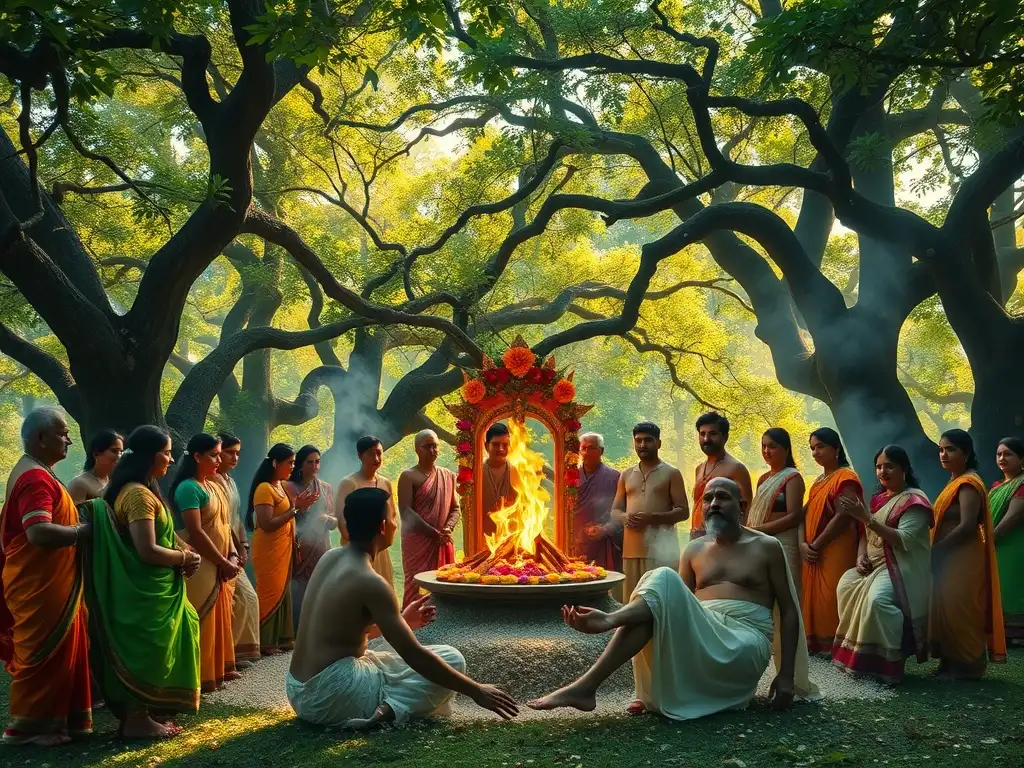
The Vedic society was deeply rooted in ritual practices that not only served religious purposes but also fostered a strong sense of community among its members. These rituals were integral to the social fabric, facilitating cooperation and unity among individuals, families, and clans. As the Vedas outline a comprehensive understanding of the universe, rituals performed in this context were believed to maintain cosmic order and harmony, reflecting a collective belief system that transcended individual concerns.
The Collective Aspect of Vedic Ceremonies
Vedic ceremonies were often characterized by their collective nature, involving participation from multiple families or even entire communities. These events, such as the Soma sacrifice or Ashvamedha, required the collaboration of various individuals to prepare offerings, recite Vedic hymns, and perform the rituals. Such gatherings not only strengthened interpersonal relationships but also reinforced the community’s identity and shared beliefs. The communal aspect of these rituals highlighted the importance of Sangha, or community, in Vedic thought, where the collective performed acts of devotion as a unified entity.
Rituals as a Means of Social Cohesion
Rituals in Vedic society played a pivotal role in promoting social cohesion. By participating in collective rituals, individuals reinforced social hierarchies, roles, and responsibilities, which were essential for maintaining order within the community. This structured participation allowed for the reinforcement of social bonds, as families would come together to celebrate life events, such as births, marriages, and harvests. The rituals often served as a reminder of shared values and collective goals, creating a sense of belonging and mutual support that was crucial for the survival and prosperity of the community.
Community Participation in Vedic Sacrifices
The act of sacrifice, or Yajna, was central to Vedic rituals and required extensive community involvement. These sacrifices were not merely personal offerings to the gods but were seen as vital acts for the welfare of the entire community. Different members would take on specific roles, such as priests (Brahmanas), who conducted the rituals, and laypersons, who provided offerings.
This collaborative effort not only ensured the effectiveness of the rituals but also fostered a sense of shared responsibility and accountability among community members. The belief that the success of the ritual could bring prosperity or avert calamity further motivated collective participation, emphasizing that the well-being of each individual was intertwined with that of the community.
The Influence of Vedic Rituals on Later Hindu Practices
The Vedic rituals laid the groundwork for many practices observed in later Hinduism, illustrating a continuity of tradition that has endured through centuries. These early rituals were not static; they evolved and adapted to the changing cultural landscape while maintaining their core significance. Understanding this evolution provides insight into how contemporary Hindu practices draw upon ancient Vedic traditions.
Continuity of Vedic Rituals in Hinduism
Many of the rituals established during the Vedic period have persisted in Hinduism, demonstrating a remarkable continuity of practice. Elements such as the Homa (fire sacrifice) and various forms of Puja (worship) can be traced back to Vedic rites.
These rituals have been integrated into the broader framework of Hindu religious life, often adapted to fit local customs or philosophical developments while retaining their original intent of fostering a connection between the human and divine realms. The emphasis on ritual purity, offerings, and the recitation of sacred texts continues to be central to Hindu worship today, showcasing the enduring legacy of Vedic rituals.
Transformation of Vedic Ceremonies Over Time
While many Vedic rituals have persisted, they have also undergone significant transformations as they adapted to new religious and cultural contexts. The introduction of Bhakti (devotion) movements and the influence of various philosophical schools led to a diversification of ritual practices and beliefs. For instance, while the elaborate Yajnas of the Vedic period required extensive resources and communal effort, modern Hindu practices often emphasize personal devotion and simpler forms of worship.
This transformation reflects a broader trend within Hinduism towards inclusivity and accessibility, allowing individuals from various backgrounds to engage with spiritual practices in a meaningful way. Over time, the core principles of Vedic rituals have been reinterpreted, ensuring their relevance in contemporary spiritual life while continuing to honor their ancient origins.
Conclusion: The Enduring Legacy of Vedic Society Rituals and Ceremonies
The rituals and ceremonies of Vedic society have left an indelible mark on the cultural and religious landscape of India. These practices were not merely acts of devotion; they served as essential components of social cohesion and identity among communities. The Vedic rituals, characterized by their complexity and rich symbolism, laid the groundwork for many cultural practices that continue to resonate today. From the performance of Yajnas (sacrificial rituals) to the recitation of Vedic hymns, these traditions fostered a sense of community and continuity in a rapidly changing world.
Moreover, the meticulous nature of Vedic rituals highlighted the importance of precision and intention in spiritual practices. This emphasis on ritual correctness has influenced various aspects of Indian culture, including art, literature, and philosophy. As societies evolved, the core values embedded within these rituals—such as respect for nature, the cycle of life and death, and the interconnectedness of all beings—continued to inspire ethical and moral frameworks that guide contemporary life.
Reflection on the Role of Rituals in Shaping Ancient Indian Culture
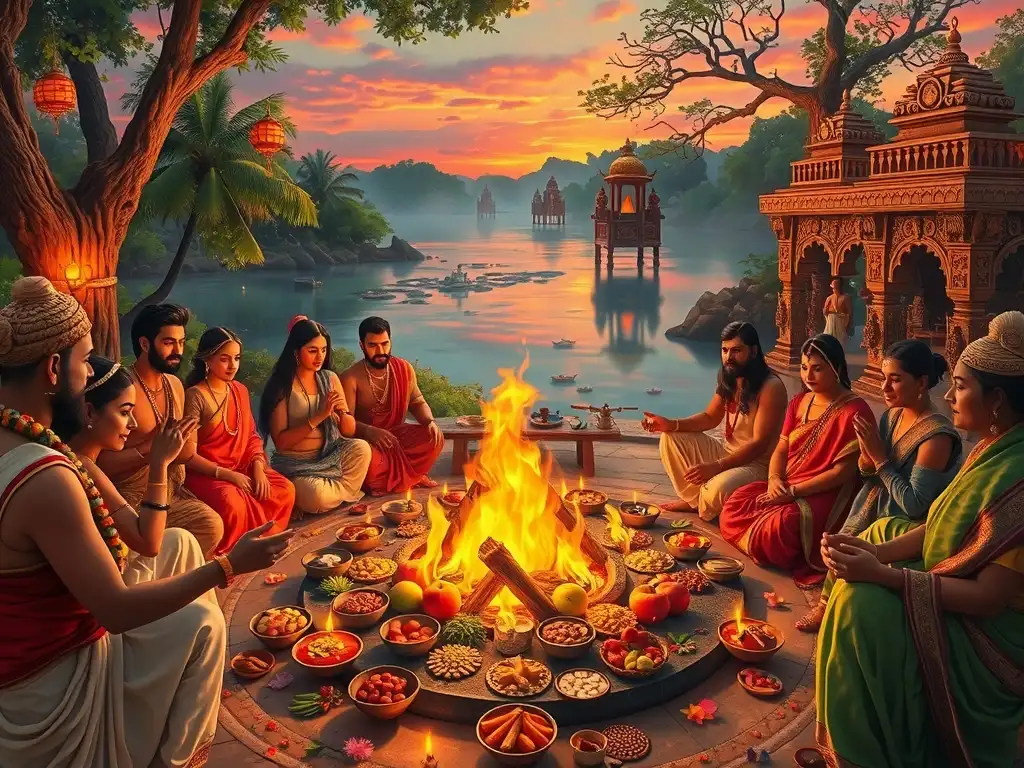
The rituals of Vedic society were foundational in shaping the broader contours of ancient Indian culture. They acted as a bridge between the divine and the mundane, offering individuals a means of connecting with the cosmos through structured practices. The significance of these rituals extended beyond religious observance; they were integral to community gatherings, marking important life transitions such as birth, marriage, and death.
In Vedic texts, rituals were seen as a way to harness cosmic forces for personal and communal benefit. This belief fostered a culture that prioritized collective well-being, emphasizing the role of community over individualism. The participation in ceremonies, whether as a performer or an observer, nurtured a shared identity and a sense of belonging that was crucial for societal stability.
Furthermore, Vedic rituals often contained profound philosophical insights, encapsulating ideas about dharma (duty), karma (action), and moksha (liberation). These underlying principles influenced not only religious practices but also contributed to the development of various schools of thought that emerged in ancient India.
The Relevance of Vedic Rituals in Contemporary Society
In today's world, the relevance of Vedic society rituals and ceremonies can still be observed across various dimensions of life in India and among the global diaspora. Many contemporary Hindu practices retain elements of ancient Vedic rituals, showcasing their adaptability and enduring appeal. Festivals such as Diwali and Makar Sankranti incorporate rituals that echo Vedic traditions, fostering community engagement and spiritual reflection.
Moreover, the principles derived from Vedic rituals—such as mindfulness, gratitude, and respect for nature—are increasingly relevant in our modern context, where individuals seek meaning and connection in an ever-accelerating world. The rituals encourage a deeper awareness of one’s environment and relationships, promoting a lifestyle that values sustainability and harmony.
In addition, the revival of interest in yoga and meditation, disciplines that have roots in Vedic philosophy, underscores the ongoing influence of these ancient practices. They offer tools for personal growth and self-discovery, aligning with the timeless wisdom encapsulated in Vedic teachings.
References and Further Reading on Vedic Society Rituals and Ceremonies
-
The Vedas: A Historical and Philosophical Introduction
This text provides an overview of the Vedas, focusing on their significance and the rituals they encompass, offering insights into ancient Indian thought.
-
Ritual and Religion in the Making of Humanity
A comprehensive exploration of how rituals, including those from Vedic society, have shaped human civilization and cultural evolution.
-
Hinduism: A Very Short Introduction
This resource offers a concise examination of Hindu practices, including rituals and their relevance in both historical and contemporary contexts.
-
The Upanishads: A New Translation
An accessible translation of key Upanishadic texts highlighting philosophical reflections on rituals and their deeper meanings.
-
The Art of Vedic Rituals: Texts and Practices
This work delves into the practical aspects of Vedic rituals, providing a detailed analysis of their performance and cultural significance.
Through these references, readers can further explore the rich tapestry of Vedic society rituals and ceremonies, enhancing their understanding of this pivotal aspect of ancient Indian history.
- Introduction to Vedic Society Rituals and Ceremonies
- Understanding Vedic Rituals and Their Purpose
- The Role of Sacrifice in Vedic Rituals
- Ceremonial Practices in Vedic Society
- Community and Vedic Rituals
- The Influence of Vedic Rituals on Later Hindu Practices
- Conclusion: The Enduring Legacy of Vedic Society Rituals and Ceremonies
- Reflection on the Role of Rituals in Shaping Ancient Indian Culture
- The Relevance of Vedic Rituals in Contemporary Society
- References and Further Reading on Vedic Society Rituals and Ceremonies
- What are the main features of Vedic society rituals?
- How did rituals influence the social structure in Vedic society?
- What types of ceremonies were prominent in Vedic society?
- How did the Vedic texts contribute to the understanding of rituals?
- In what ways do Vedic rituals impact modern Indian culture?
Frequently Asked Questions
What are the main features of Vedic society rituals?
Vedic society rituals were characterized by sacrifices, ceremonies, and a strong sense of community. These rituals served to maintain cosmic order and connect individuals with the divine.
Rituals played a crucial role in reinforcing the social hierarchy. They often involved different classes, or varnas, which emphasized the roles and responsibilities of each group within society.
What types of ceremonies were prominent in Vedic society?
Prominent ceremonies included sacrificial rites, initiation ceremonies, and festivals that celebrated seasonal changes. These events fostered community bonding and cultural identity.
How did the Vedic texts contribute to the understanding of rituals?
The Vedas, ancient scriptures, provided detailed instructions and philosophical insights into various rituals, emphasizing their spiritual significance and the proper methods to perform them.
In what ways do Vedic rituals impact modern Indian culture?
Many contemporary Indian customs and festivals are rooted in Vedic rituals, reflecting the continuity of tradition. They influence both religious practices and cultural celebrations today.
Final Reflection: The Enduring Legacy of Vedic Society Rituals and Ceremonies
The exploration of Vedic society rituals and ceremonies reveals their profound relevance in today’s world, as they serve as a bridge connecting us to our cultural heritage and collective identity. In an era marked by rapid globalization and cultural homogenization, the rituals of Vedic society remind us of the importance of community, tradition, and spiritual connection. They are not merely historical artifacts; they are living practices that continue to shape our understanding of existence and our place within the universe.
Cultural rituals have an undeniable influence on our social fabric, fostering a sense of belonging and continuity across generations. The Vedic ceremonies, with their intricate symbolism and communal participation, highlight the significance of shared experiences in nurturing relationships and reinforcing values. As noted by a prominent scholar, Rituals are the threads that weave the fabric of society, binding individuals to their community and their past.
This observation underscores the ongoing relevance of Vedic rituals, as they continue to inspire modern practices that seek to create meaning and connection in our lives.
As we reflect on the lessons embedded in Vedic society rituals and ceremonies, I invite you to consider how you can incorporate elements of these traditions into your own life. Take a moment to engage with your cultural practices, whether through personal rituals or communal celebrations, and recognize their power to foster connection and understanding. By honoring the past and embracing the present, we can cultivate a deeper appreciation for our shared humanity and the rich tapestry of traditions that unite us.
Embrace the Power of Rituals: Connect, Reflect, and Act!
Thank you for diving into the fascinating world of Vedic rituals with us! You’ve uncovered how these ceremonies shaped not just individual spirituality but also the very fabric of community life. Now, let's take that inspiration and transform it into action.
- Start your own ritual: Create a meaningful ceremony in your daily life—whether it's a morning meditation or a weekly family gathering—to foster a sense of community and connection.
- Explore Vedic practices further: Delve into relevant texts or attend workshops that celebrate these ancient rituals, enriching your understanding and appreciation of Vedic culture.
- Share your insights: Discuss what you learned with friends or family, and encourage them to engage in rituals that promote community and connection in their lives.
What ritual or ceremony do you think would most enhance your community's sense of togetherness?